The United States has a vast and varied food culture, but some foods that are common elsewhere are either banned outright or heavily restricted on American shelves. U.S. agencies like the Food and Drug Administration (FDA) and the Department of Agriculture (USDA), along with wildlife and customs authorities, keep certain foods off the market for reasons that generally come down to food safety, animal welfare, or the protection of endangered species. Some of these bans are decades old; a few have been relaxed or are debated. Here are thirteen foods that are banned or restricted in the United States, and the reasons behind each, counted down one by one. Rules can vary by state and change over time, so this is a general overview rather than legal guidance.
1. Authentic Haggis
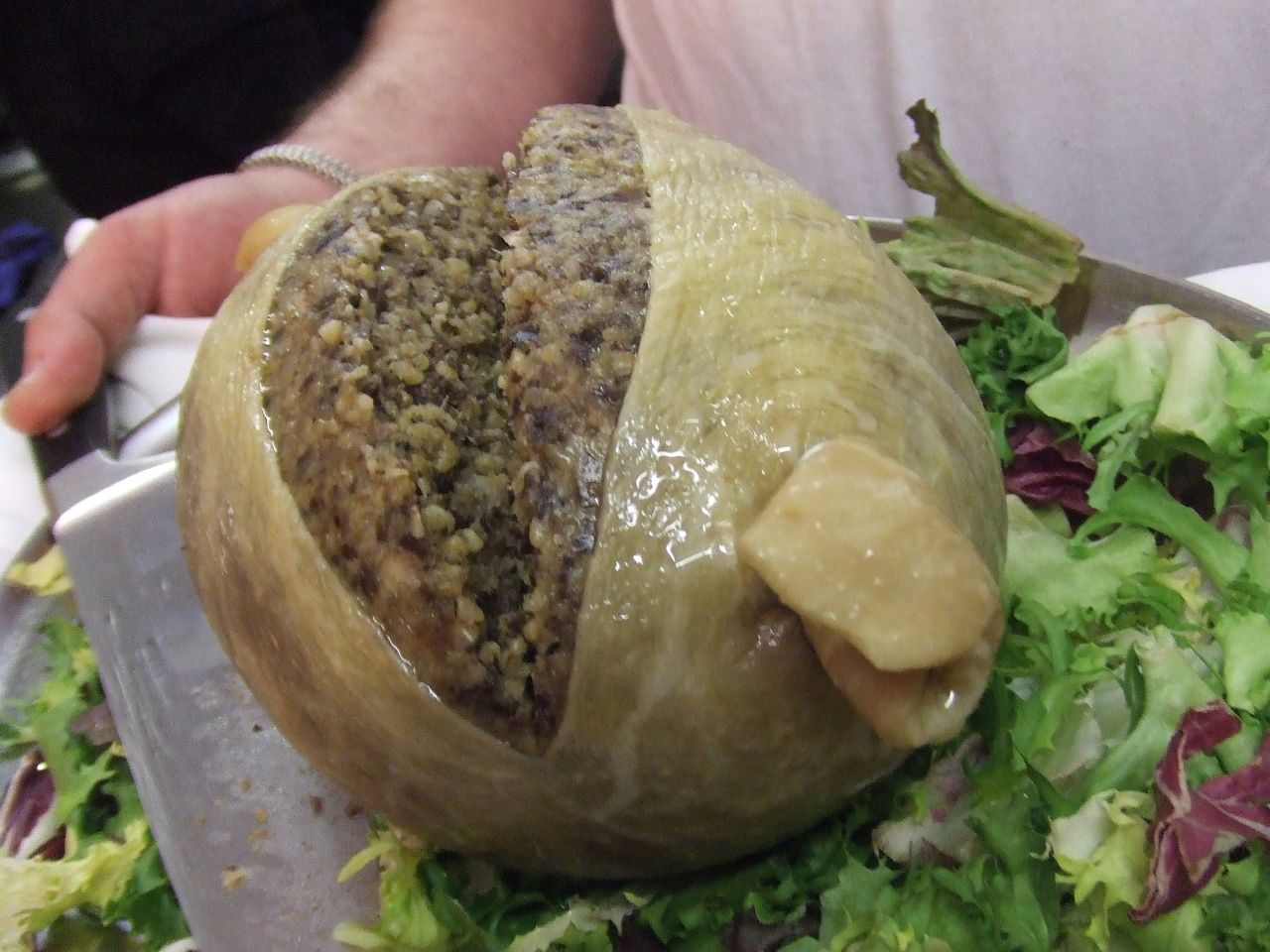
Scotland’s national dish, haggis, cannot be imported in its traditional form because one key ingredient, sheep lung, is not permitted in food sold in the U.S. The ban has kept genuine Scottish haggis off American tables for decades.
Traditional haggis is a savory pudding of sheep’s heart, liver, and lung mixed with oats and spices and cooked in a casing. Since 1971, the USDA has prohibited the use of animal lungs in human food, citing the risk of contaminants entering the lungs during slaughter. As a result, authentic Scottish haggis cannot be imported. American-made versions substitute other ingredients for the lung, producing a different but legal dish. There is ongoing debate, and a petition asking the USDA to revisit the rule, but as of now the ban on traditional, lung-containing haggis remains firmly in place.
Like our content? Follow us for more.
2. Kinder Surprise Eggs
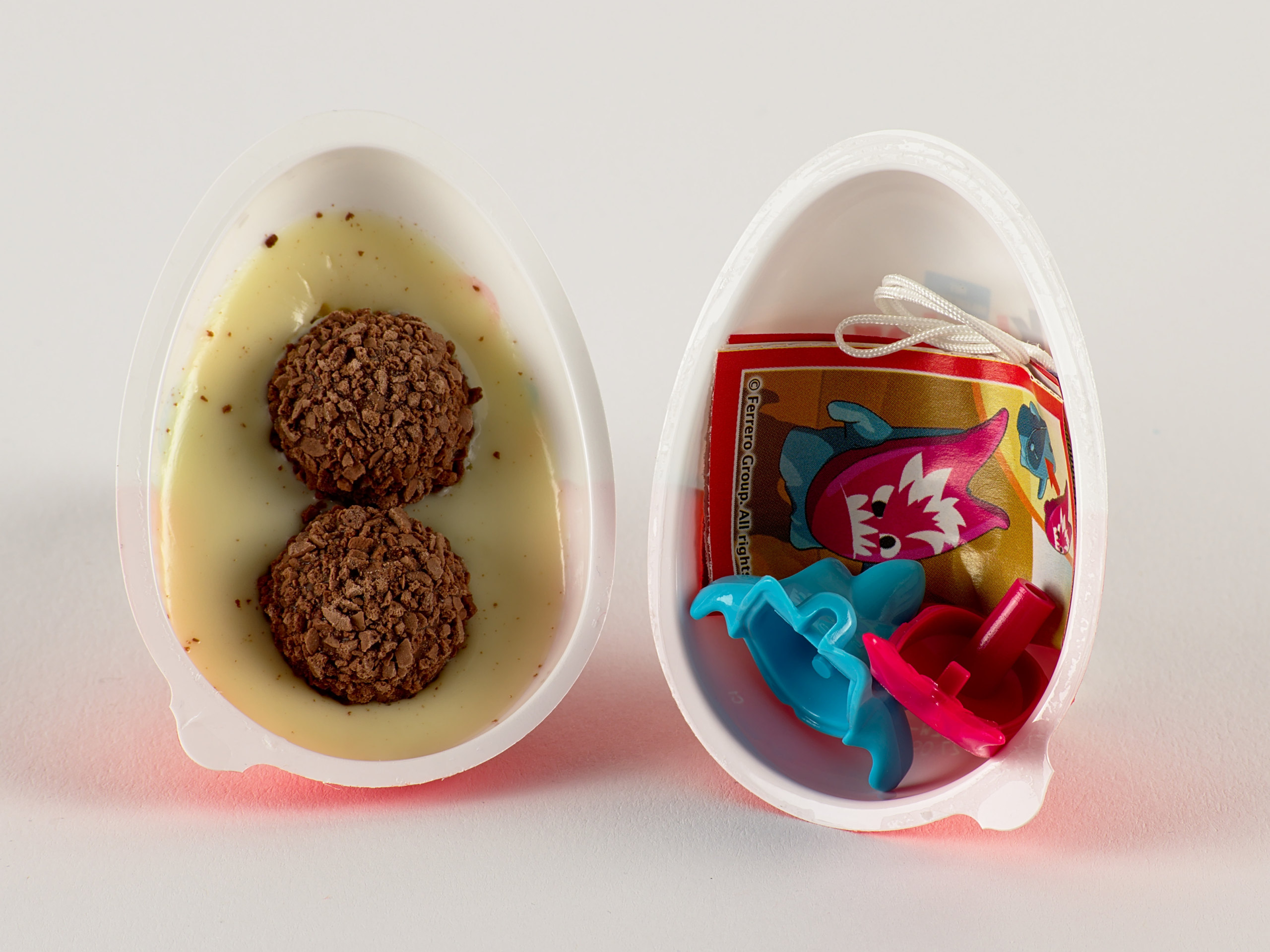
The beloved European chocolate egg with a small toy sealed inside, Kinder Surprise, is banned in the United States because U.S. rules prohibit non-food objects embedded in confectionery, due to choking concerns. A separate version, Kinder Joy, is sold legally instead.
Under the longstanding U.S. Federal Food, Drug, and Cosmetic Act, food products with embedded non-nutritive objects are not allowed, on the grounds that the small toy inside poses a choking hazard, particularly for children. This makes the classic Kinder Surprise egg, popular across Europe and beyond, illegal to sell in the U.S., and bringing them across the border can even draw fines. Fans aren’t entirely out of luck, though: the maker introduced Kinder Joy, which keeps the toy and the chocolate in separate halves, satisfying U.S. rules and giving Americans a legal alternative.
3. Raw (Unpasteurized) Milk
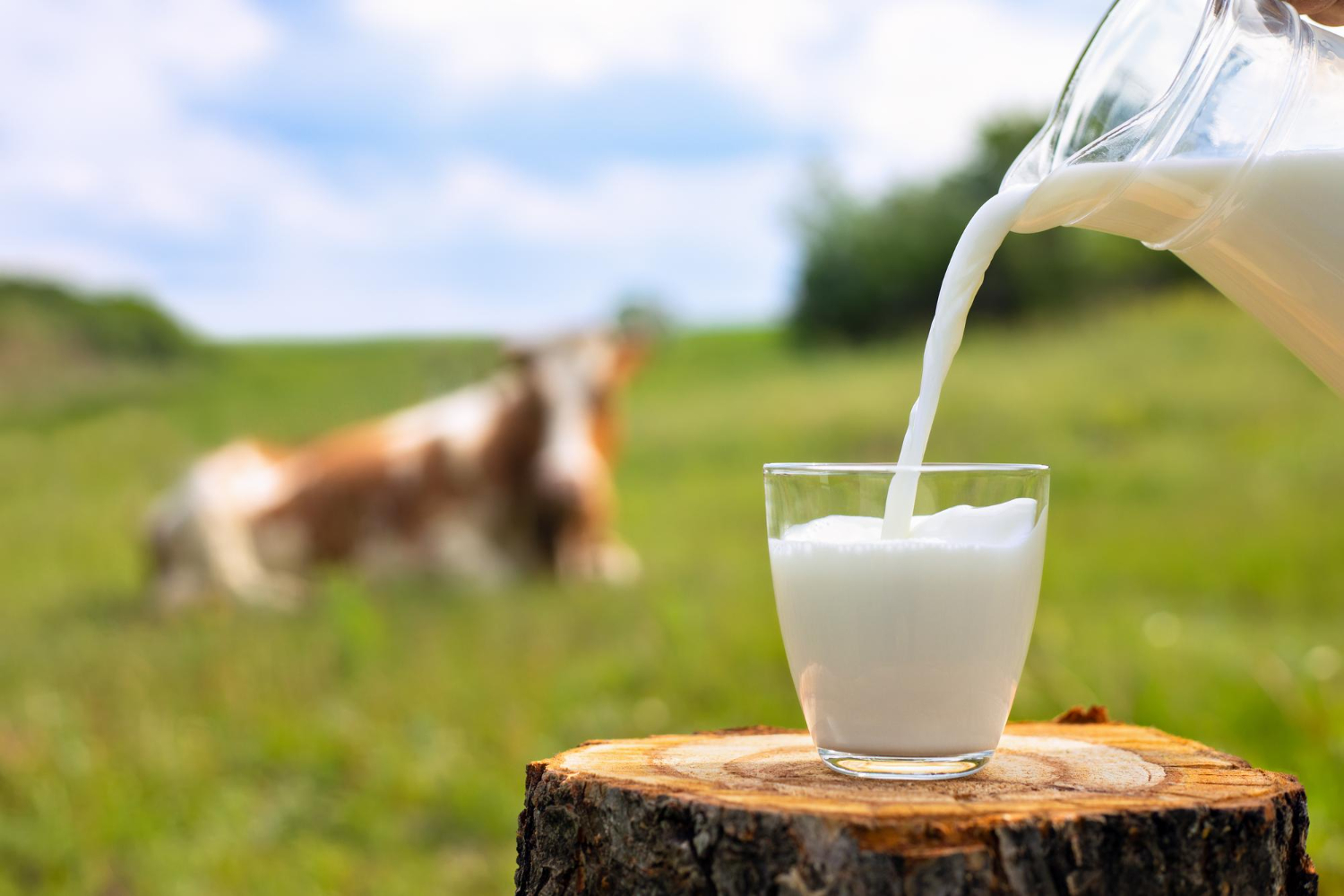
Raw milk that hasn’t been pasteurized is heavily restricted in the U.S. Federal rules ban its sale across state lines, and individual states regulate it very differently, with some allowing limited sales and others prohibiting it for human consumption.
The FDA prohibits the sale of unpasteurized milk in interstate commerce, requiring that milk crossing state lines be pasteurized to reduce the risk of pathogens like Salmonella, E. coli, and Listeria. Within individual states, the rules vary widely, with some permitting raw-milk sales under specific conditions and others restricting it to animal feed or banning it for human consumption entirely. Raw milk has passionate advocates who prefer its taste and believe it offers benefits, and equally firm critics who emphasize the safety risks. The result is a patchwork of regulations that makes raw milk one of the more contested items in American food law.
4. Certain Raw-Milk Soft Cheeses
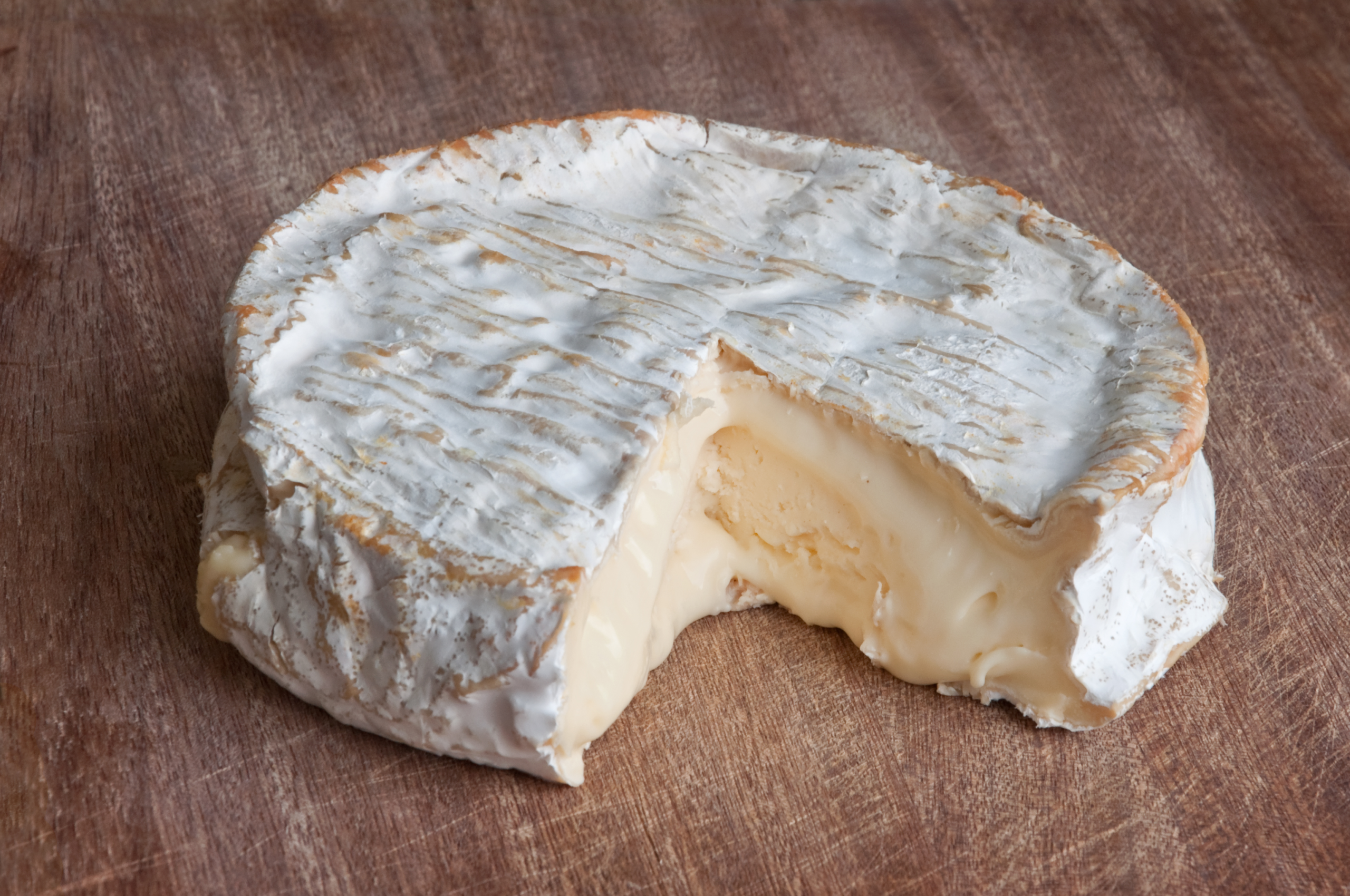
A number of celebrated European cheeses can’t be sold in the U.S. because they’re made from raw milk and aren’t aged long enough to meet American rules. Soft classics like authentic Brie de Meaux and Camembert de Normandie are effectively excluded.
U.S. regulations permit raw-milk cheese only if it has been aged at least 60 days, a period intended to let natural acids and salt reduce harmful bacteria. This rule effectively bars many soft, young, raw-milk cheeses that are staples in Europe, including traditional versions of Brie de Meaux, Camembert de Normandie, Reblochon, and Mont d’Or, because they can’t survive a 60-day aging period in their authentic form. Cheese lovers often lament the gap, noting the prized flavors they miss out on, while regulators point to the safety rationale. Pasteurized or longer-aged versions remain available, but they aren’t quite the same as the originals.
5. Casu Marzu
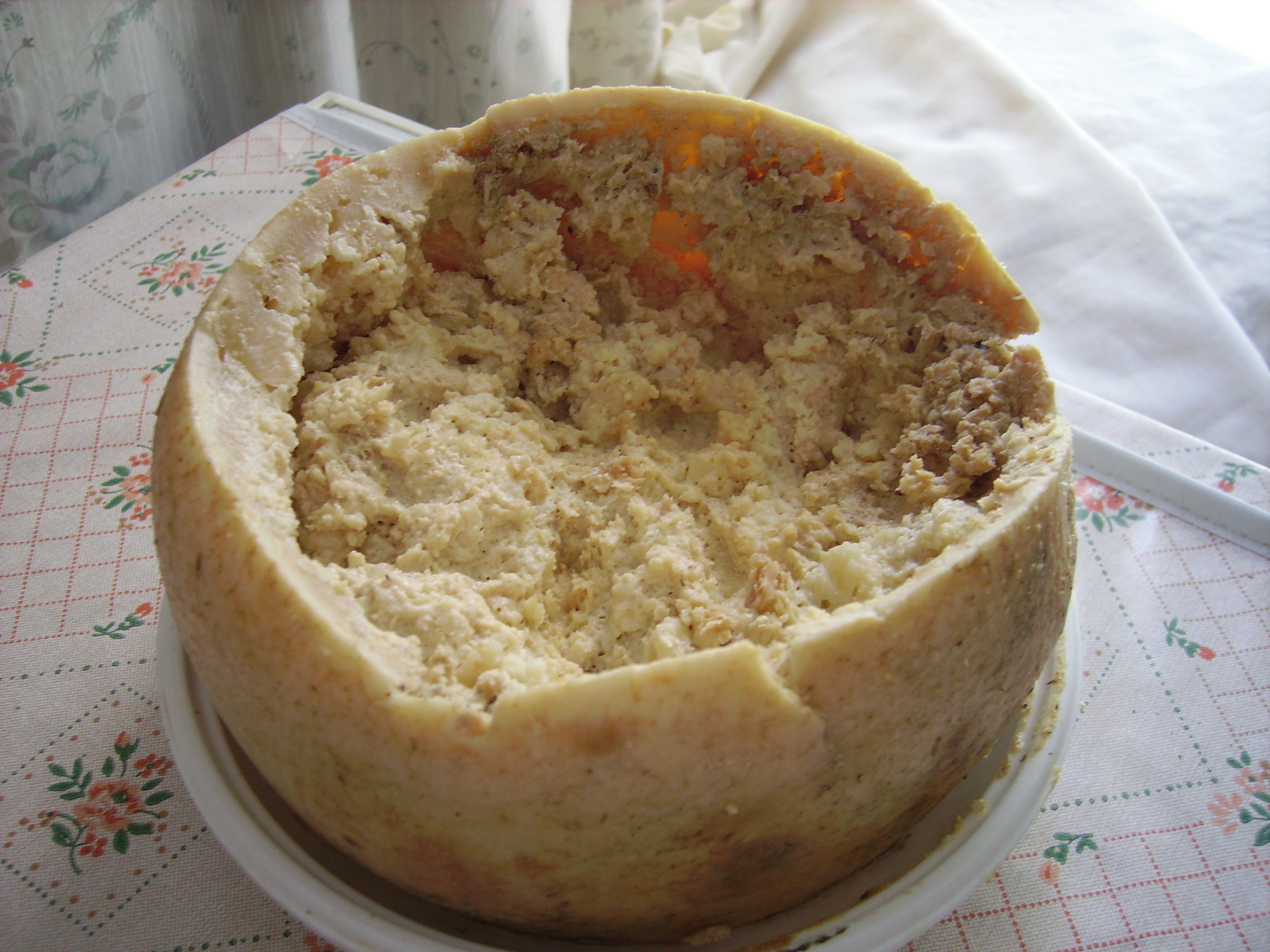
A traditional Sardinian sheep’s-milk cheese known as casu marzu is banned for sale in the United States. Its defining feature, live insect larvae deliberately introduced into the cheese, runs afoul of food-safety rules on both sides of the Atlantic.
Casu marzu is made by allowing live larvae into the cheese, where their digestion of the fats produces a notably soft, creamy texture prized by some connoisseurs. U.S. authorities classify food containing live insects as adulterated, making the cheese illegal to sell. The larvae can potentially survive stomach acid, creating genuine health concerns. The cheese is also restricted in its native Italy and across the European Union under hygiene rules, though it continues to be made and eaten informally in Sardinia. Efforts to have it protected as a traditional food haven’t overturned the bans, leaving casu marzu firmly off the legal market.
6. Shark Fins
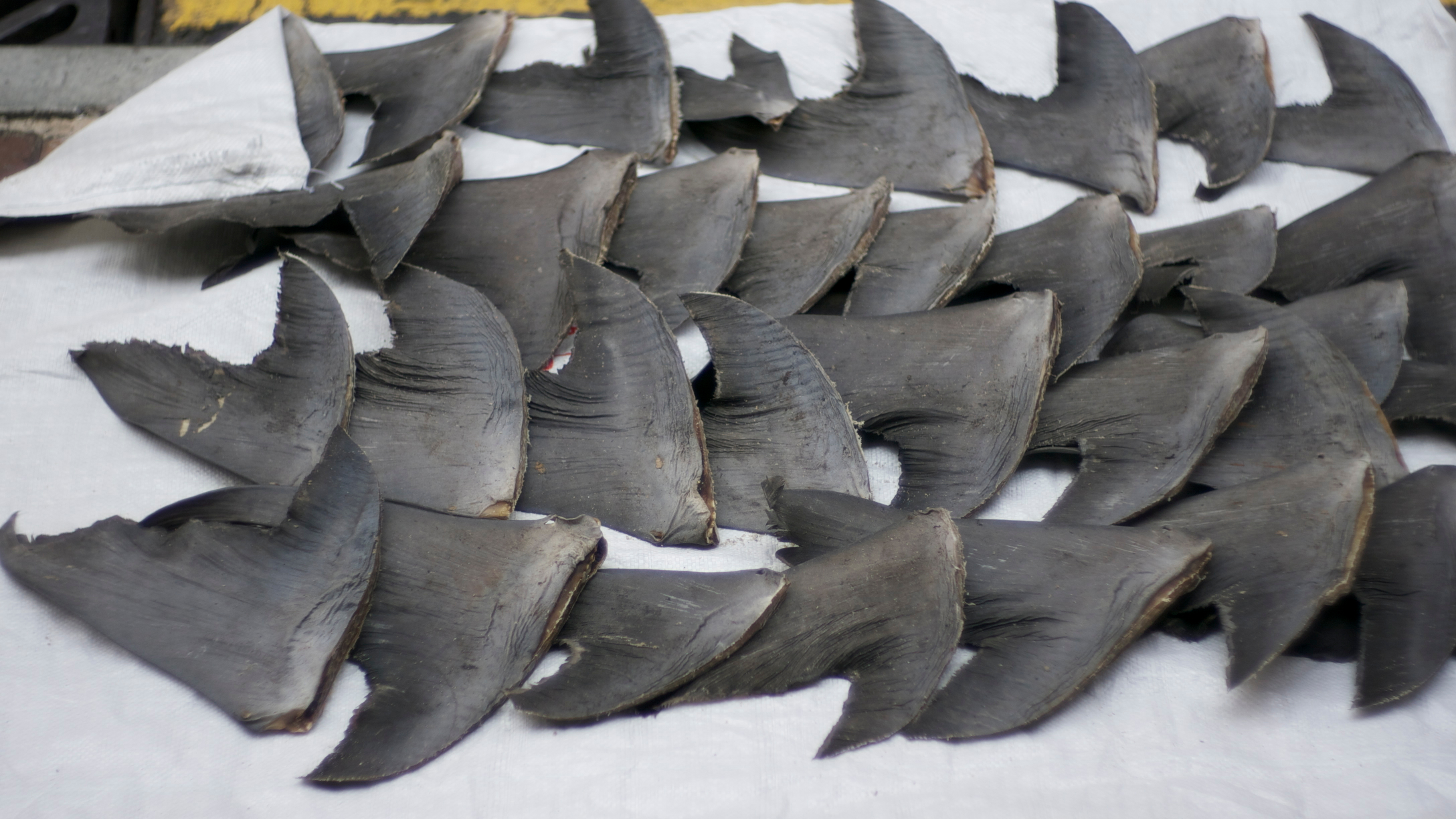
The sale and trade of shark fins is banned across the United States, a measure aimed at curbing the practice of shark finning and protecting threatened shark populations. The ban leaves no room for the once-prized delicacy.
Under the federal Shark Fin Sales Elimination Act, which took effect in 2023, it is illegal to possess, buy, sell, or transport shark fins or products containing them in the U.S., with only narrow exceptions. The law was designed to remove the country from the global shark-fin trade and reduce the demand driving the cruel and wasteful practice of finning, in which fins are taken and sharks discarded. Shark-fin soup has long been a delicacy in some cuisines, but conservation concerns about declining shark populations drove broad support for the ban, making it one of the clearer-cut food prohibitions in the country.
7. Beluga Caviar
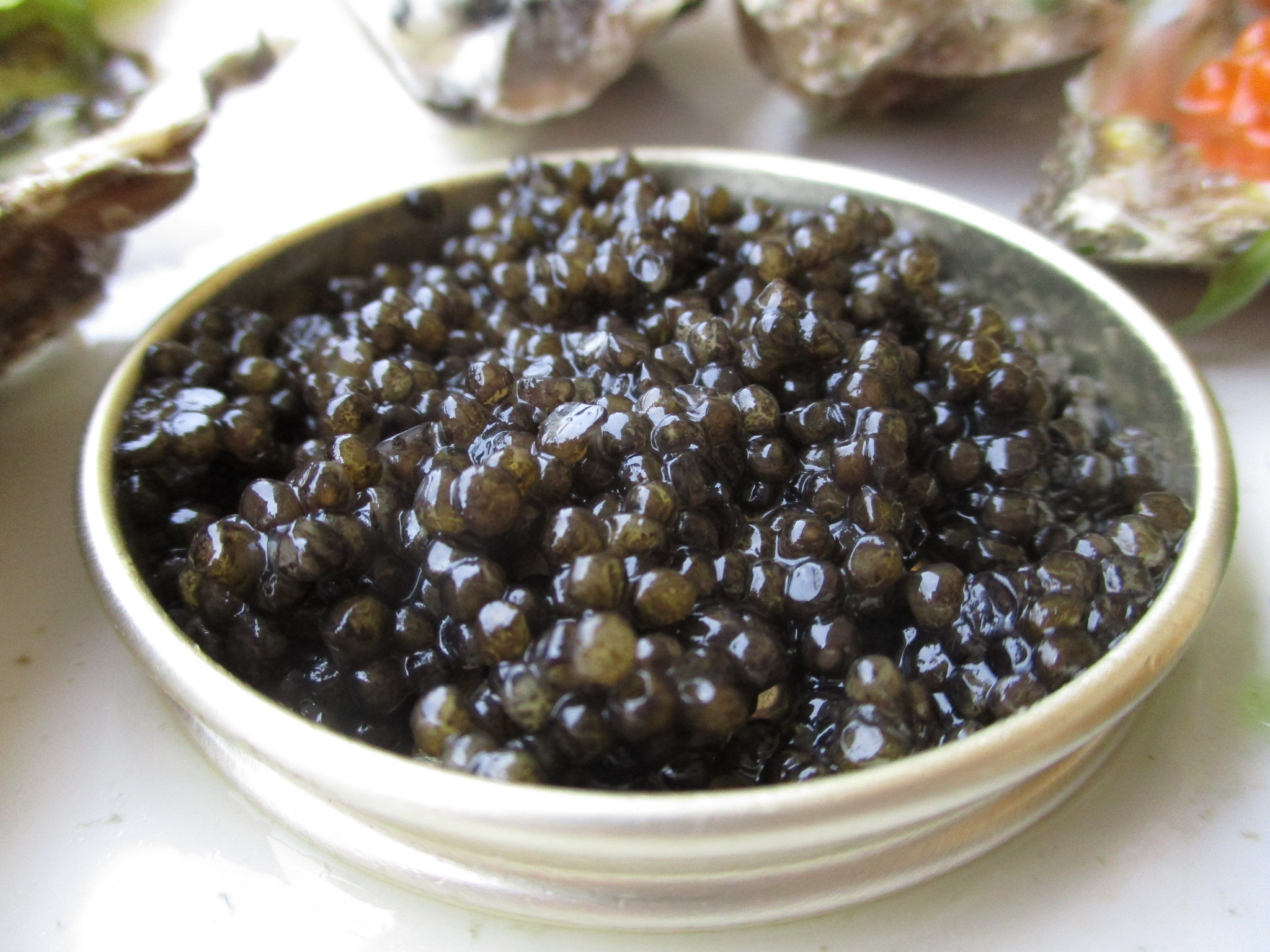
The luxurious beluga caviar, prized worldwide, has been banned in the U.S. since 2005 to protect the beluga sturgeon, whose numbers were driven dangerously low by demand for its roe. Conservation, not safety, drives this restriction.
Beluga caviar comes from the beluga sturgeon, an ancient fish whose populations were severely depleted by overfishing fueled by the global appetite for its prized roe. In 2005, the U.S. banned imports of beluga caviar after the species gained protected status, making its sale illegal under wildlife-conservation laws. A small amount of domestically farmed production exists under strict agreements aimed at helping replenish the species, but the wild delicacy that once defined luxury dining is no longer legally available. The beluga caviar ban is a clear example of a food restricted not for health reasons but to protect an endangered species.
8. Fresh Ackee
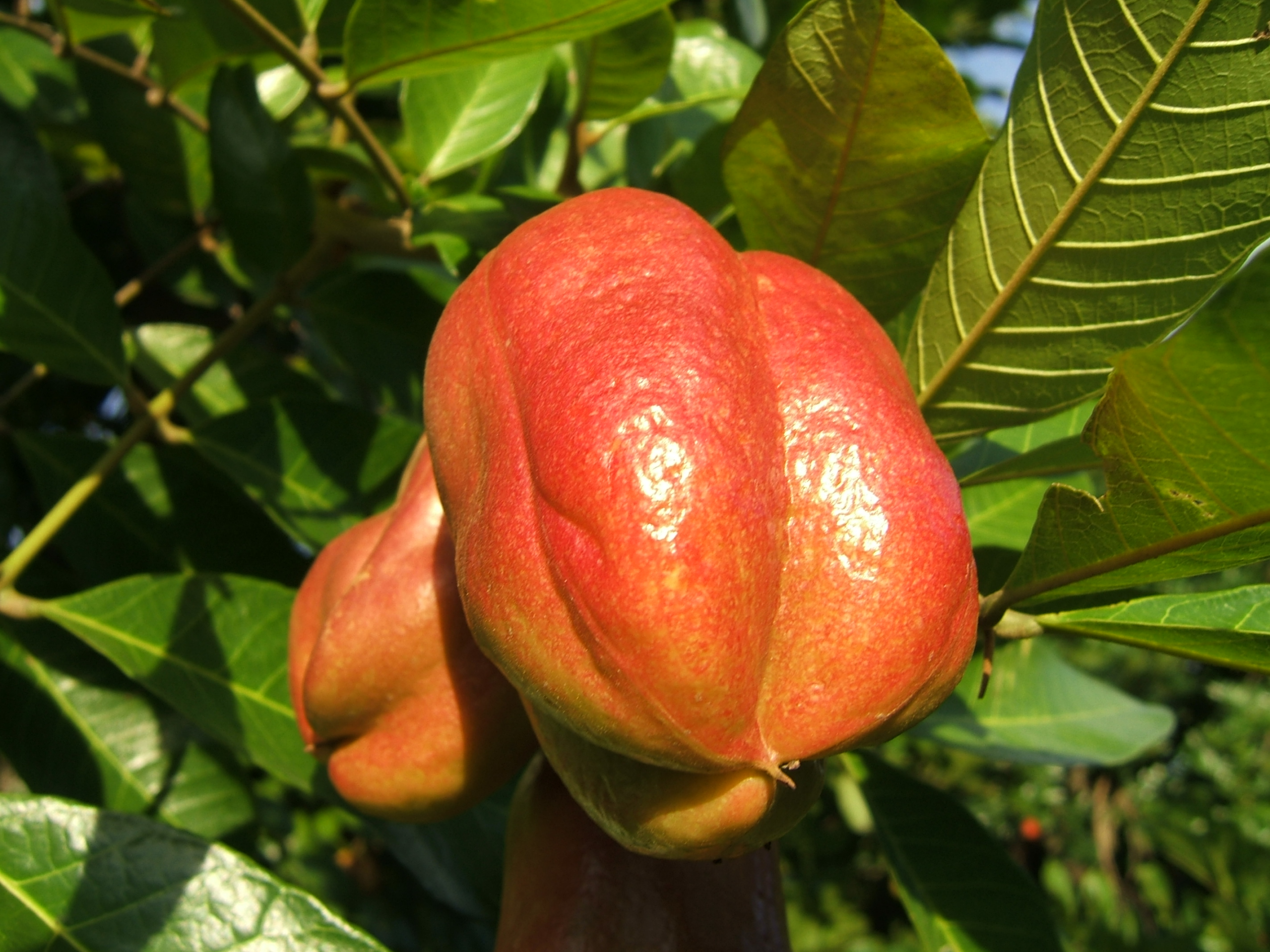
Jamaica’s national fruit, ackee, cannot be sold fresh in the United States because the unripe fruit contains a natural toxin. Canned and processed ackee from approved sources is allowed, but the fresh fruit is kept off shelves.
Ackee, the key ingredient in Jamaica’s beloved ackee and saltfish, contains a compound called hypoglycin, which is present at dangerous levels in the unripe fruit and can cause serious illness if eaten before the fruit has properly ripened. Because of this risk, the FDA bans the import and sale of fresh ackee in the U.S. Canned, frozen, or processed ackee from manufacturers approved by the FDA is permitted, since proper processing of ripe fruit removes the danger. This lets Americans enjoy the fruit’s flavor while the restriction on the fresh, potentially risky form remains in place.
9. Pufferfish (Fugu)
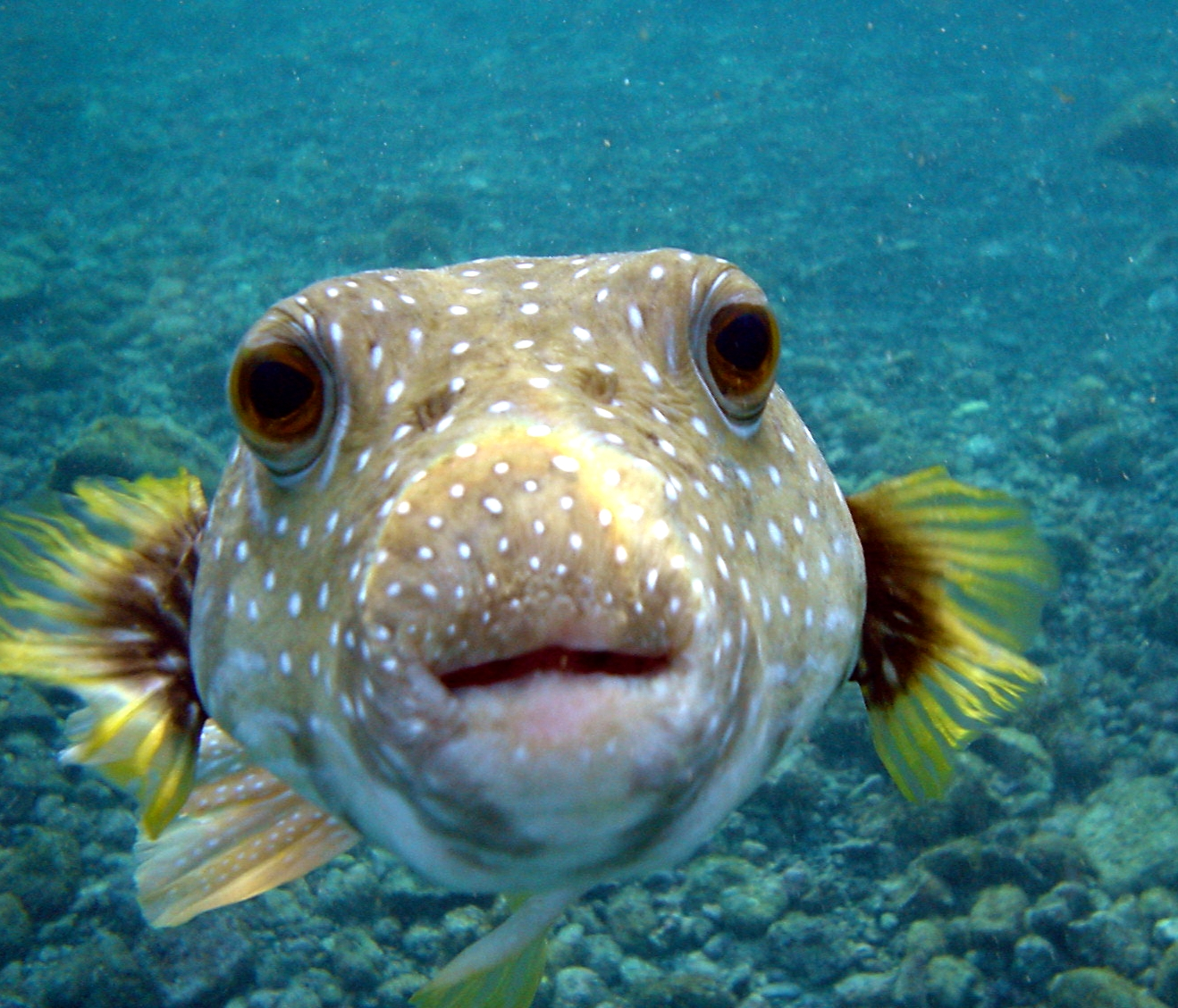
The Japanese delicacy fugu, prepared from pufferfish, is tightly restricted in the United States because the fish contains a potent natural toxin. Imports are heavily controlled, and only specially handled supplies are permitted under a narrow exception.
Pufferfish contain tetrodotoxin, a powerful neurotoxin for which there is no known antidote, concentrated in certain organs. In Japan, fugu is a celebrated delicacy prepared only by specially licensed chefs trained to remove the toxic parts. In the U.S., pufferfish has been subject to strict import restrictions for decades, with the only allowance being a narrow, carefully controlled arrangement permitting limited supplies of properly prepared fish for special occasions. The severe danger of improperly prepared pufferfish is the reason for the tight rules, making fugu one of the most cautiously regulated foods in the country.
10. Sea Turtle
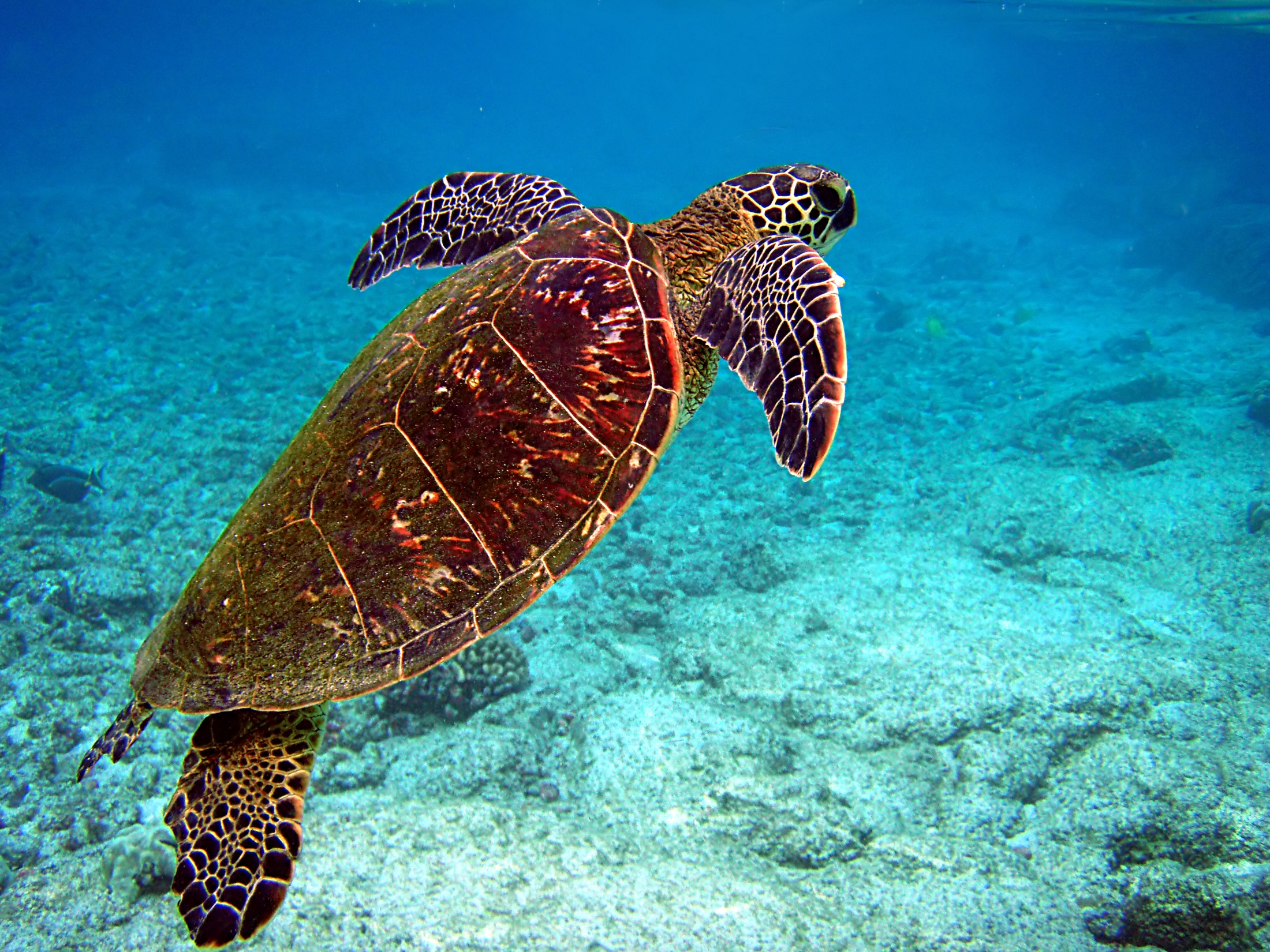
Sea turtle meat and eggs, once used in dishes like turtle soup, are banned in the United States. As sea turtles are protected endangered species, their use as food is prohibited under wildlife-conservation laws.
Sea turtles are protected under the Endangered Species Act, which makes it illegal to import, sell, or consume them or their eggs in the U.S. Historically, turtle soup was a popular dish, but as sea turtle populations declined and the species gained protected status, such culinary uses were prohibited. The ban reflects broad conservation efforts to safeguard these threatened animals, which face numerous pressures worldwide. Like the bans on shark fins and beluga caviar, the prohibition on sea turtle is driven by the goal of protecting endangered wildlife rather than by food-safety concerns.
11. Ortolan

The ortolan, a tiny songbird once eaten as a controversial delicacy in France, is banned as food in the United States. Conservation concerns over the bird’s declining numbers led to protections that keep it off the menu.
The ortolan bunting was historically prepared as a rare and contentious French delicacy, but as the bird’s populations fell to worrying levels, France banned its hunting and consumption, and other countries followed. The U.S. prohibits its import and sale, supporting conservation efforts and protecting the species. The practice of eating ortolan had long drawn ethical criticism, and the bird’s decline made the case for protection clear. Today the ortolan stands as another example of a food restricted in the U.S. for the sake of wildlife conservation rather than human health.
12. Imported Bushmeat
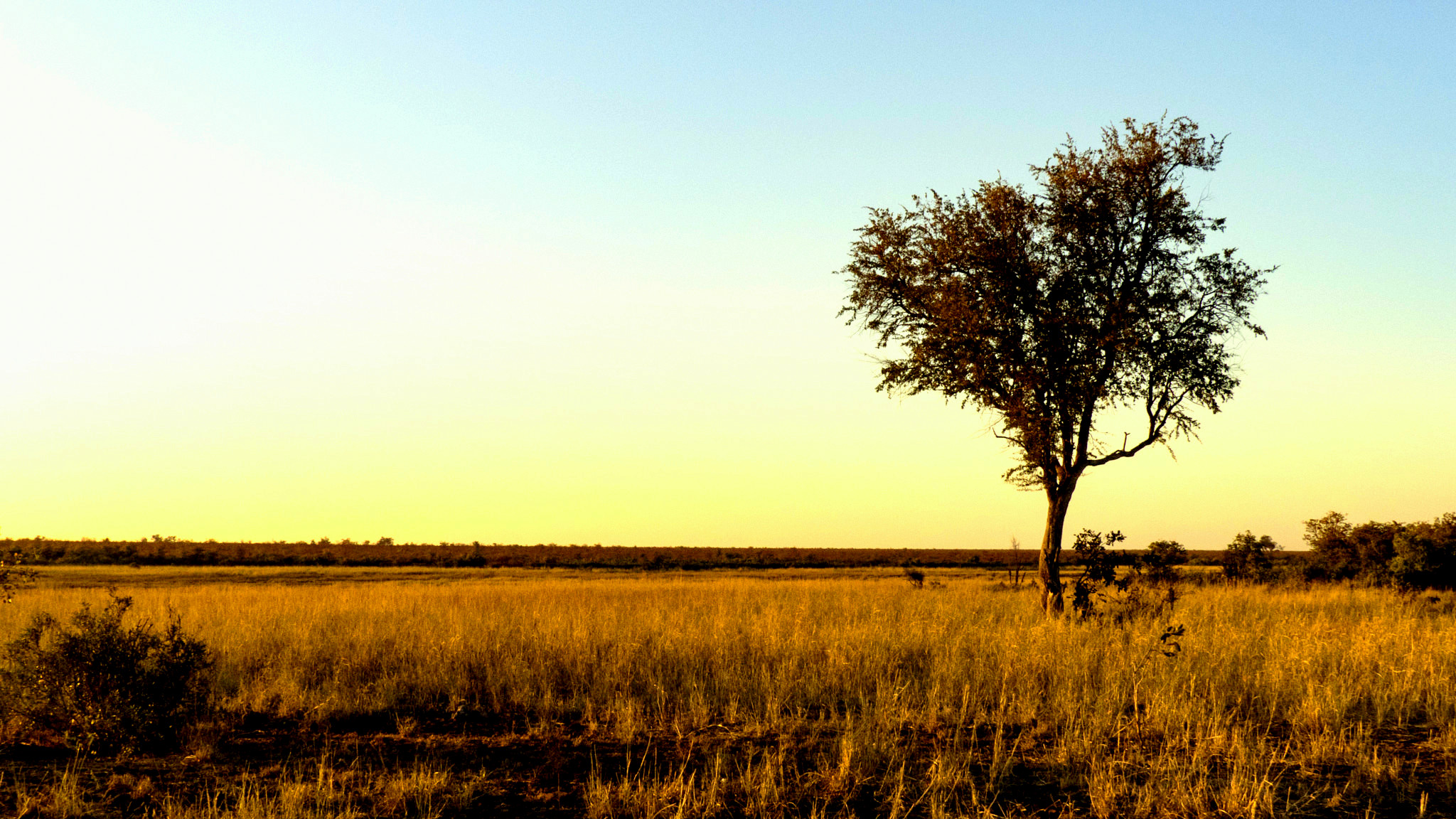
Bushmeat, meaning wild game hunted in regions like Africa, is banned from import into the United States. The prohibition reflects concerns about both disease risk and the conservation of wild and endangered animal populations.
The import of bushmeat, wild animals hunted for food in parts of Africa and elsewhere, is prohibited in the U.S. The ban serves two purposes: discouraging the hunting of wild and sometimes endangered species, and guarding against the potential for wild game to carry diseases that could pose public-health risks. Customs and wildlife authorities enforce the prohibition at the border. The restriction on bushmeat illustrates how U.S. food rules can combine conservation goals with disease-prevention concerns, keeping certain wild-sourced meats out of the country entirely.
13. Tonka Beans
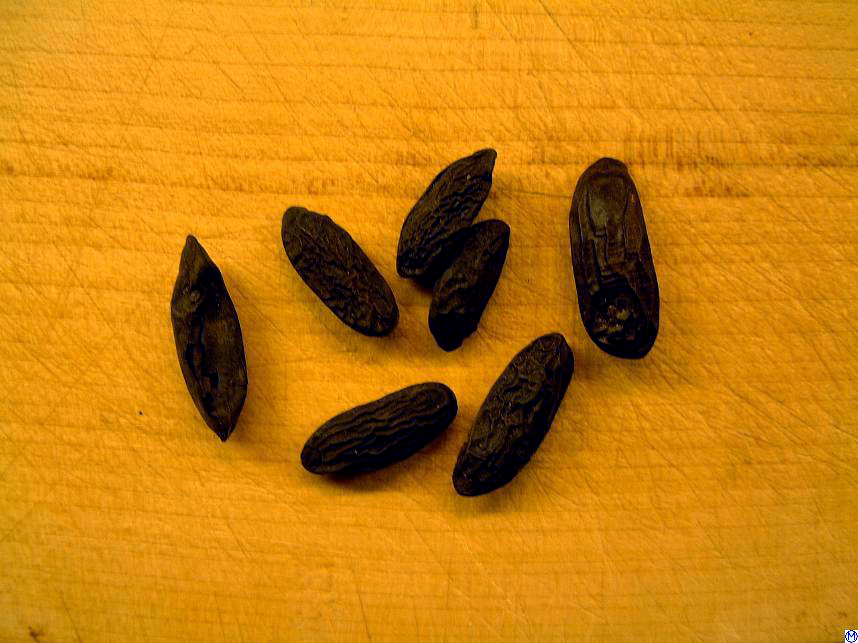
The fragrant tonka bean, prized by some chefs for its vanilla-like aroma, is prohibited as a food ingredient in the United States because it contains a naturally occurring compound that U.S. regulators have banned in food.
Tonka beans contain coumarin, a compound that the FDA prohibits as a food additive, which makes the beans illegal to use as a food ingredient in the U.S. Despite this, tonka beans have a devoted following among chefs abroad and even some in the U.S. who prize their complex, sweet aroma reminiscent of vanilla, almond, and cinnamon, and the bean has appeared in fine-dining circles. The U.S. restriction, rooted in concerns about coumarin, keeps tonka beans off the legal menu, making them one of the more obscure entries on the list of foods restricted in America.
Looking at the Bigger Picture

Taken together, these thirteen foods show the range of reasons a food might be banned or restricted in the United States, from food-safety concerns around toxins, bacteria, and choking hazards to the protection of endangered species and animal-welfare considerations. Some bans, like those on shark fins and beluga caviar, are about conservation; others, like raw milk and pufferfish, are about safety. A few remain debated.
It’s worth remembering that the list of foods truly banned across the entire U.S. is more specific, and often shorter, than rumor suggests, and that rules can vary by state and shift over time as science, conservation status, and public attitudes evolve. Some once-banned items have been relaxed, while new restrictions occasionally appear. For travelers and curious eaters, these prohibitions offer a fascinating window into how a country balances tradition, taste, safety, and conservation. Anyone planning to bring food across the U.S. border is wise to check current customs guidance first, since the rules, as this list shows, can be surprising.
Like our content? Follow us for more.