
Experienced mechanics develop a genuinely sharp eye and ear for vehicles, and long before a car is up on the lift, they’re already gathering clues, listening to the engine, watching how it drives in, and taking in small visual details that tell a story about how it’s been maintained. Here are ten things mechanics notice about your car the moment you pull in, counted down one by one.
1. The Sound of the Engine Idling

Unusual engine noises are noticed instantly. Knocking or rattling raises immediate flags.
The moment a car pulls into the bay, an experienced mechanic is already listening to how the engine sounds at idle, a smooth, steady hum versus knocking, rattling, or an uneven rhythm that signals something worth investigating. Trained ears pick up on subtle irregularities most drivers have simply learned to ignore. The sound of the engine idling is one of the very first diagnostic clues a mechanic gathers, an auditory read that often points toward the exact area worth checking first.
Like our content? Follow us for more.
2. Visible Tire Wear Patterns

Uneven tire wear reveals alignment or suspension issues. A quick glance tells a lot.
A quick glance at how a car’s tires are wearing, evenly across the tread versus more worn on one edge, tells a mechanic a great deal about alignment, suspension condition, or tire pressure habits, often before a single question is asked. Uneven wear patterns are a reliable, visible signal. Visible tire wear patterns are one of the fastest assessments a mechanic makes, a simple visual check that frequently points toward underlying issues the owner hadn’t yet noticed or connected to a specific cause.
3. Dashboard Warning Lights Still On
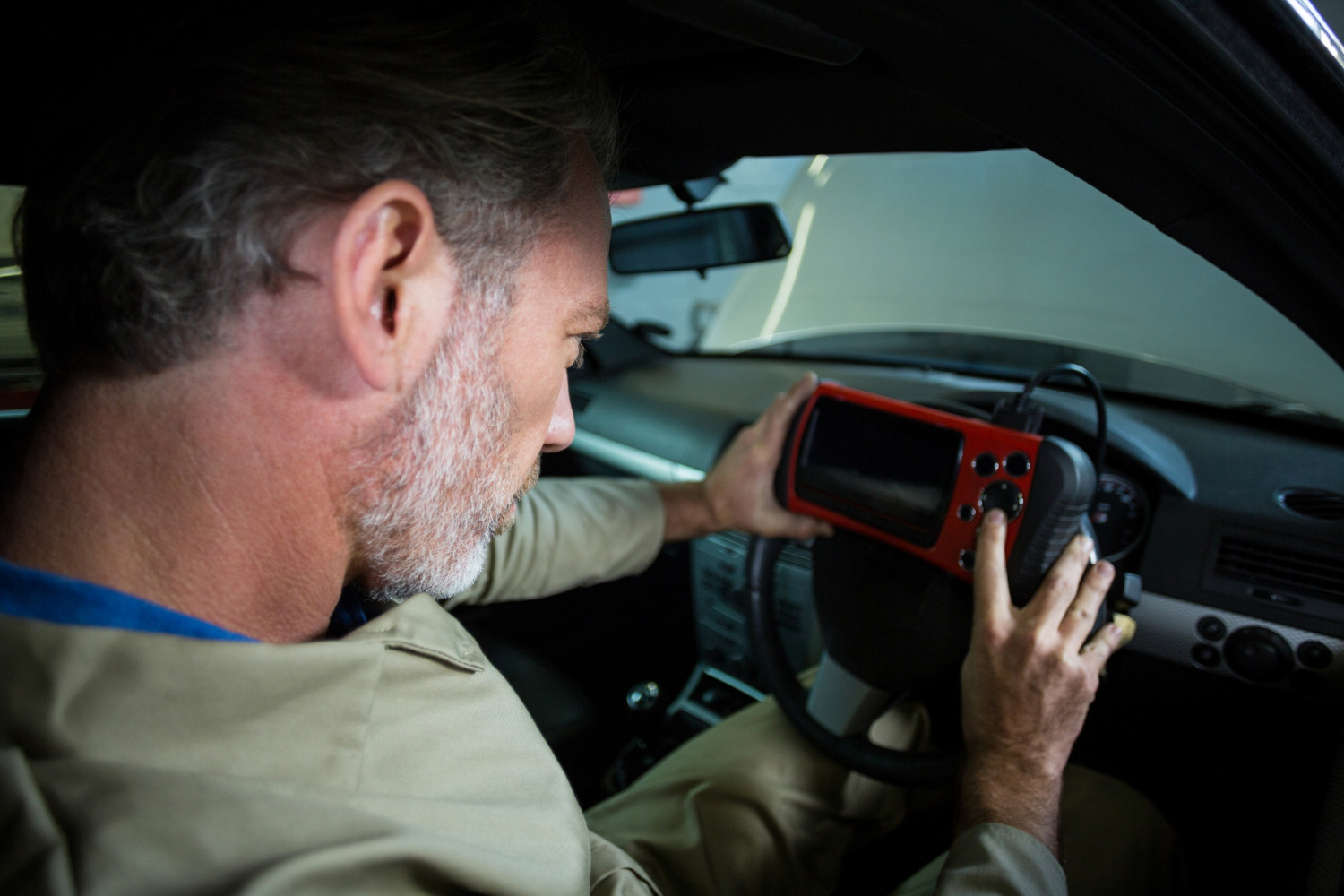
Lit warning indicators are spotted immediately. A dismissed check-engine light is a familiar sight.
Stepping up to a car, a mechanic’s eyes go straight to the dashboard, checking for any warning lights still illuminated, especially a check-engine light that’s often been ignored for weeks or months by the time the car finally comes in. It’s an immediate, unmissable clue. Dashboard warning lights still on are one of the most obvious early signals a mechanic notices, a visible indicator that frequently confirms exactly what the owner has been putting off addressing.
4. How the Brakes Sound and Feel on Approach
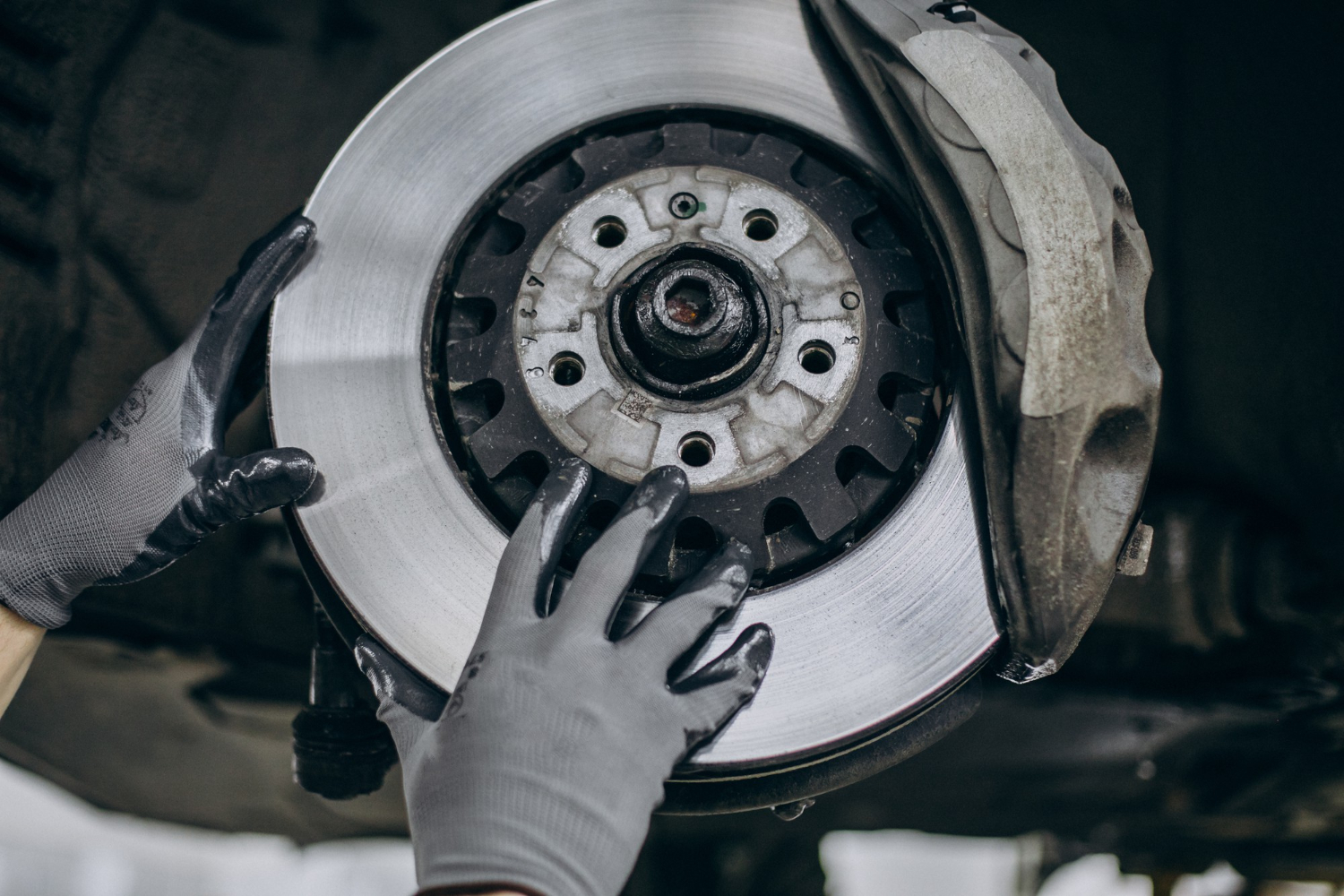
Braking noise and feel are noted as the car pulls in. Grinding or squealing draws instant attention.
As a car slows and pulls into the bay, a mechanic is already listening for grinding, squealing, or unusual vibration in the brakes, sounds that often indicate worn pads or rotors well before the driver mentions any concern. It’s one of the easiest issues to catch from a distance. How the brakes sound and feel on approach is a genuinely telling early observation, an auditory and visual cue that frequently flags a safety-relevant repair before the formal inspection even begins.
5. The Overall Cleanliness of the Interior
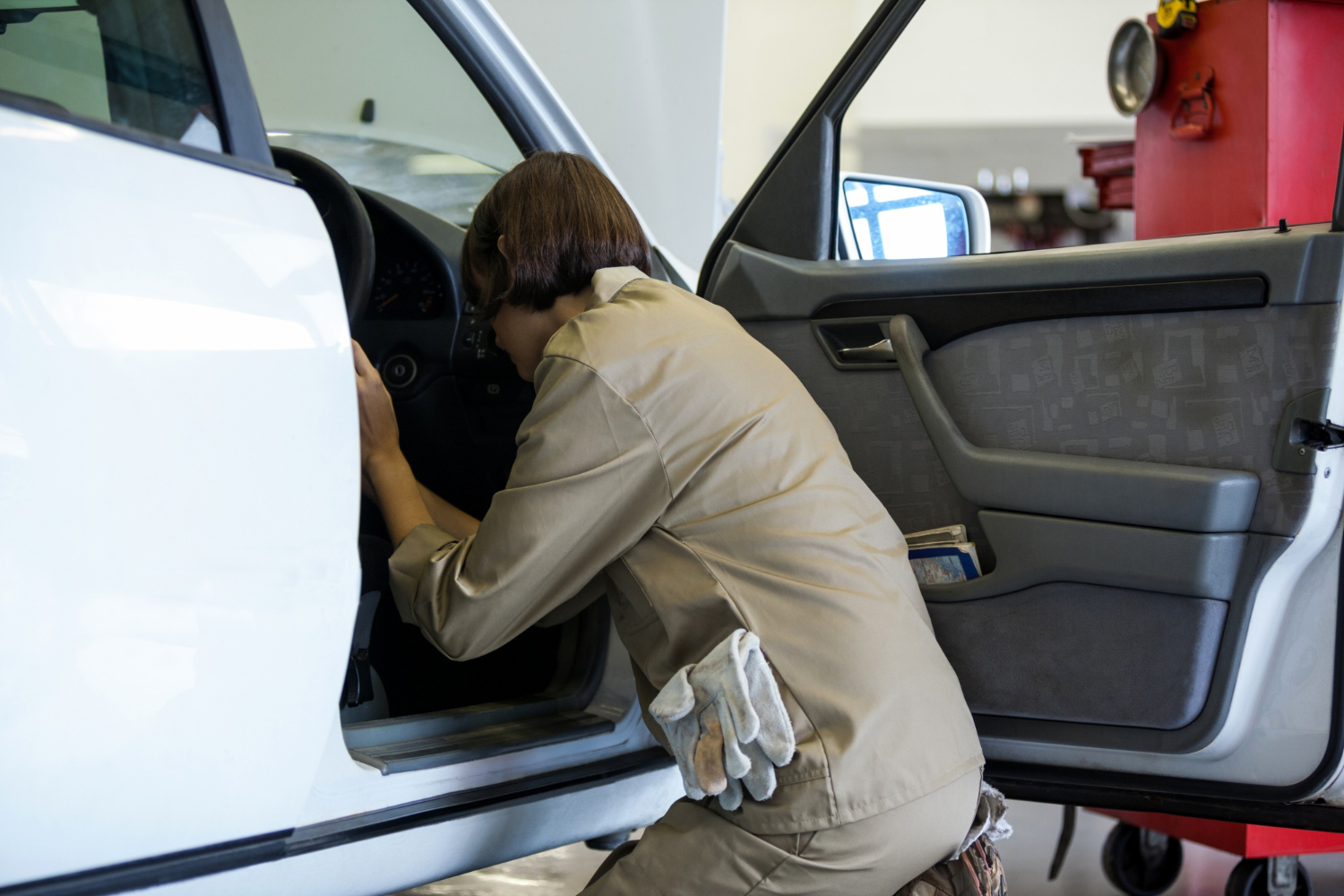
A car’s interior condition offers a glimpse of maintenance habits. It’s noticed, though rarely commented on.
While it’s not directly related to mechanical function, most mechanics do notice the general condition of a car’s interior, well-maintained versus cluttered or neglected, and it can offer a subtle, informal read on how carefully an owner generally treats and maintains the vehicle overall. It’s an observation rarely voiced aloud. The overall cleanliness of the interior is a small but genuinely noted detail, an informal impression that mechanics privately file away without necessarily judging the owner for it.
6. Fluid Stains Underneath the Vehicle
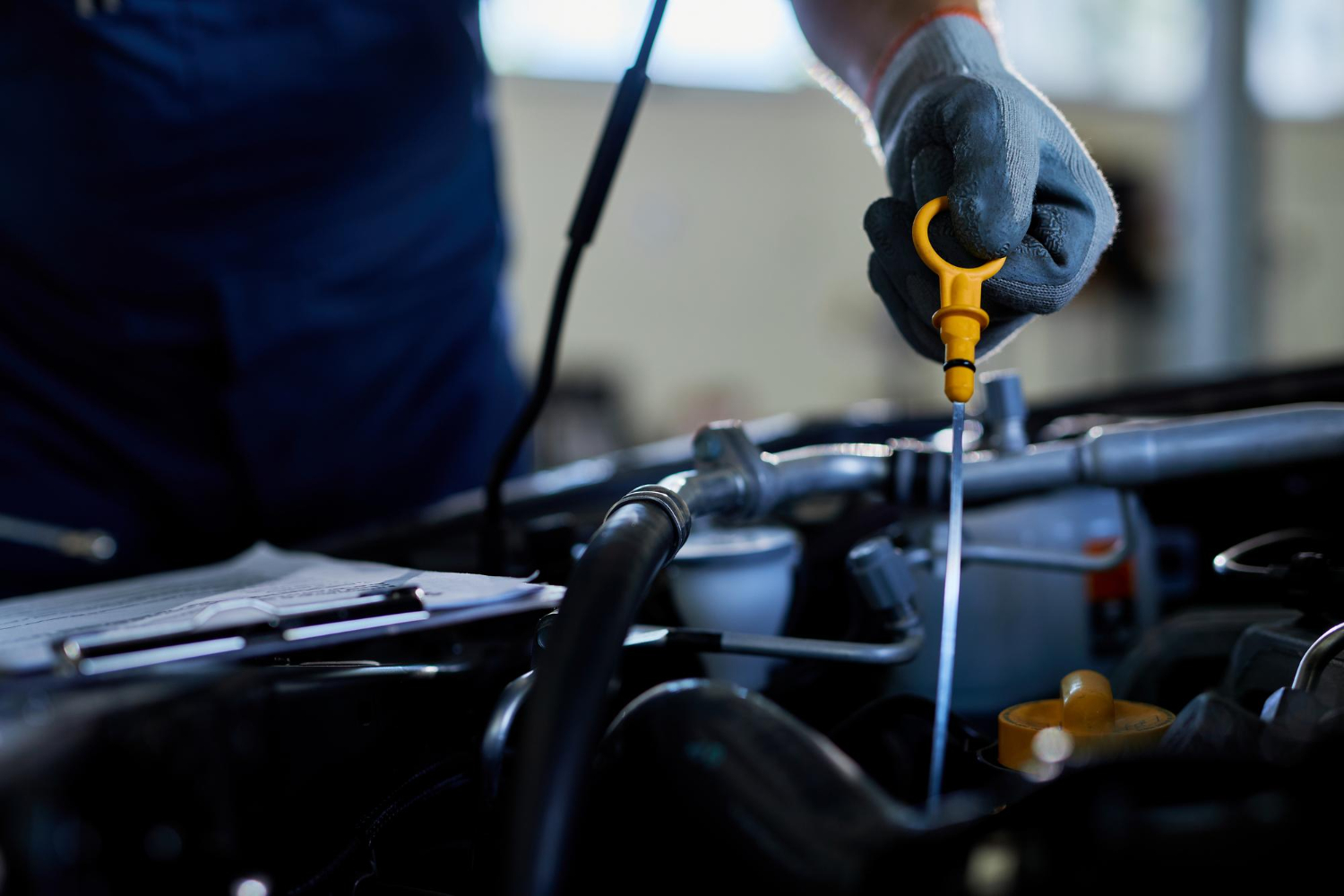
Puddles or stains under a parked car are checked. Color and location hint at the source.
If a car has been sitting in the same spot, a mechanic often glances underneath for fluid stains, the color, consistency, and location offering quick clues about whether it’s oil, coolant, transmission fluid, or something else entirely. This kind of visual check happens almost automatically. Fluid stains underneath the vehicle are a genuinely useful early sign, a visible clue that frequently helps a mechanic narrow down a diagnosis before the car is even raised on the lift.
7. Smoke or Unusual Smells From the Exhaust
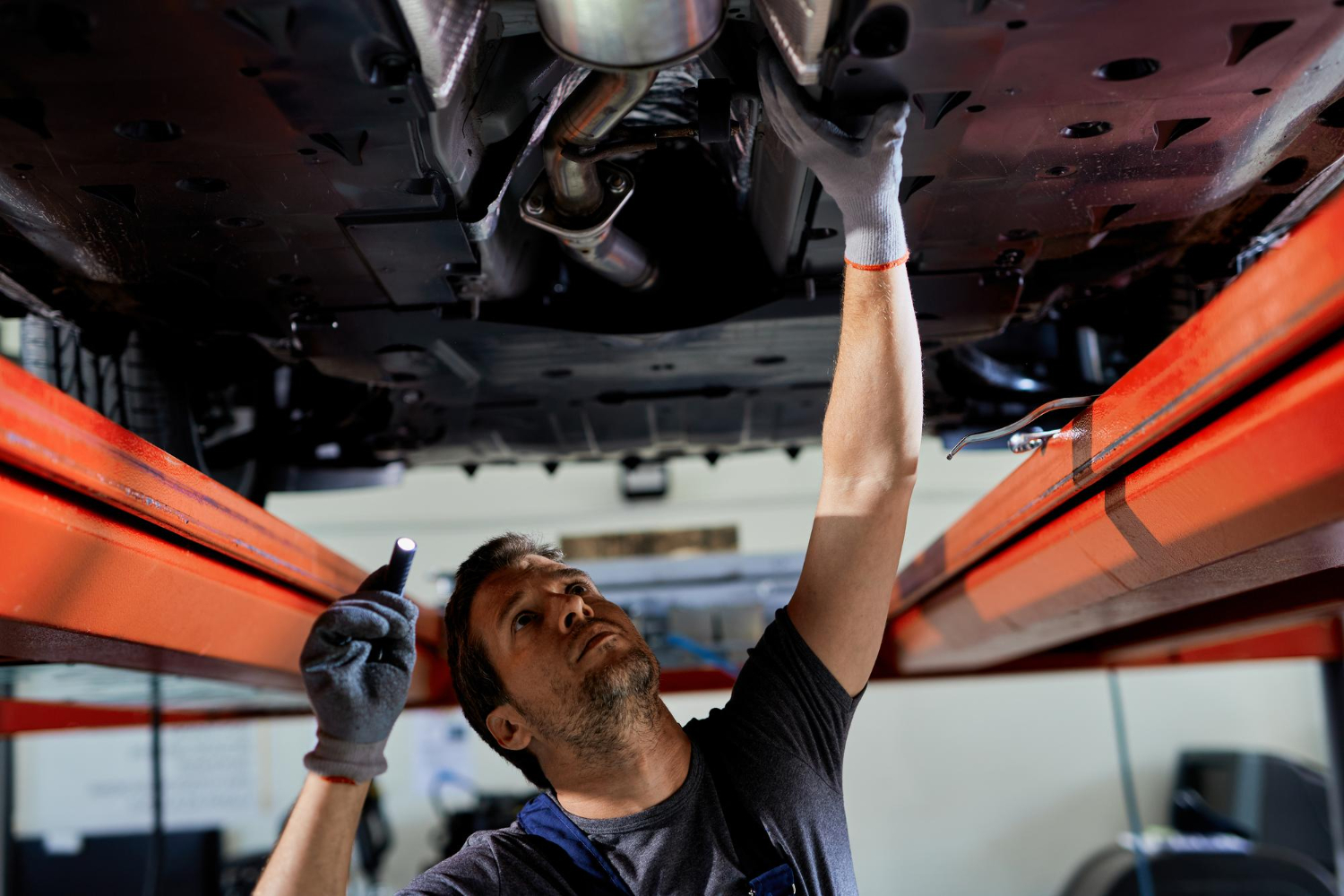
Exhaust color and odor are noted on arrival. Blue or white smoke signals specific problems.
As a car pulls in, a mechanic is watching the exhaust, blue smoke suggesting burning oil, white smoke potentially indicating a coolant issue, and any unusual smell adding further context. These visual and olfactory cues are picked up almost immediately and instinctively. Smoke or unusual smells from the exhaust are among the more telling early signals a mechanic notices, distinctive clues that often point toward a specific category of mechanical concern worth investigating first.
8. Body Damage or Rust Spots

Dents, scrapes, and rust are noted quickly. They can hint at a car’s history and care level.
A quick visual scan of a car’s exterior, dents, scrapes, or spreading rust spots, gives a mechanic a general sense of the vehicle’s history and how it’s been driven and stored over the years. Rust in particular can hint at underlying structural concerns worth a closer look. Body damage or rust spots are a notable early observation, a visible detail that often shapes a mechanic’s broader expectations for what else might be found once the car is fully inspected.
9. How the Driver Describes the Problem

The way an owner explains the issue offers useful clues. Specific details help narrow the diagnosis.
Beyond the car itself, mechanics pay close attention to how a driver describes the problem, specific details about when a noise happens or how a symptom presents are far more useful than vague descriptions, and experienced mechanics know how to ask the right follow-up questions. This conversation shapes the entire diagnostic approach. How the driver describes the problem is a genuinely important early input, one that often determines how quickly a mechanic can zero in on the actual underlying issue.
10. General Maintenance History, If You Mention It

Service records and maintenance habits offer context. Regular upkeep is noticed and appreciated.
When an owner mentions their maintenance history, regular oil changes, past repairs, or a well-kept service record, it gives a mechanic valuable context for diagnosing the current issue and offers a sense of how proactively the car has been cared for overall. Consistent upkeep is noticed and genuinely appreciated. General maintenance history, when shared, is a helpful final piece of the puzzle, information that often speeds up an accurate diagnosis and reflects well on an owner who’s stayed on top of their vehicle’s care.
A Trained Eye and Ear at Work

Taken together, these ten observations show just how much an experienced mechanic gathers before a car even reaches the service bay, from the sound of the engine to the wear on the tires. It’s a genuine skill built from years of hands-on experience with thousands of different vehicles.
None of these quick observations replace a thorough inspection, but they give a skilled mechanic a real head start on diagnosing what’s going on. For car owners, it’s a useful reminder that small, consistent maintenance habits, regular oil changes, prompt attention to warning lights, and honest communication about symptoms, genuinely make a difference in how quickly and accurately a problem gets identified and resolved.
Like our content? Follow us for more.