Solo travel after 50 often looks different than it did at 25, less about backpacking on a shoestring and more about deliberate, comfortable independence, often with more disposable income and flexible time than earlier in life, but also different priorities around safety, comfort, and pacing. Here are ten things that make solo travel genuinely easier after 50, counted down one by one.
1. Choosing Destinations With Strong Infrastructure First
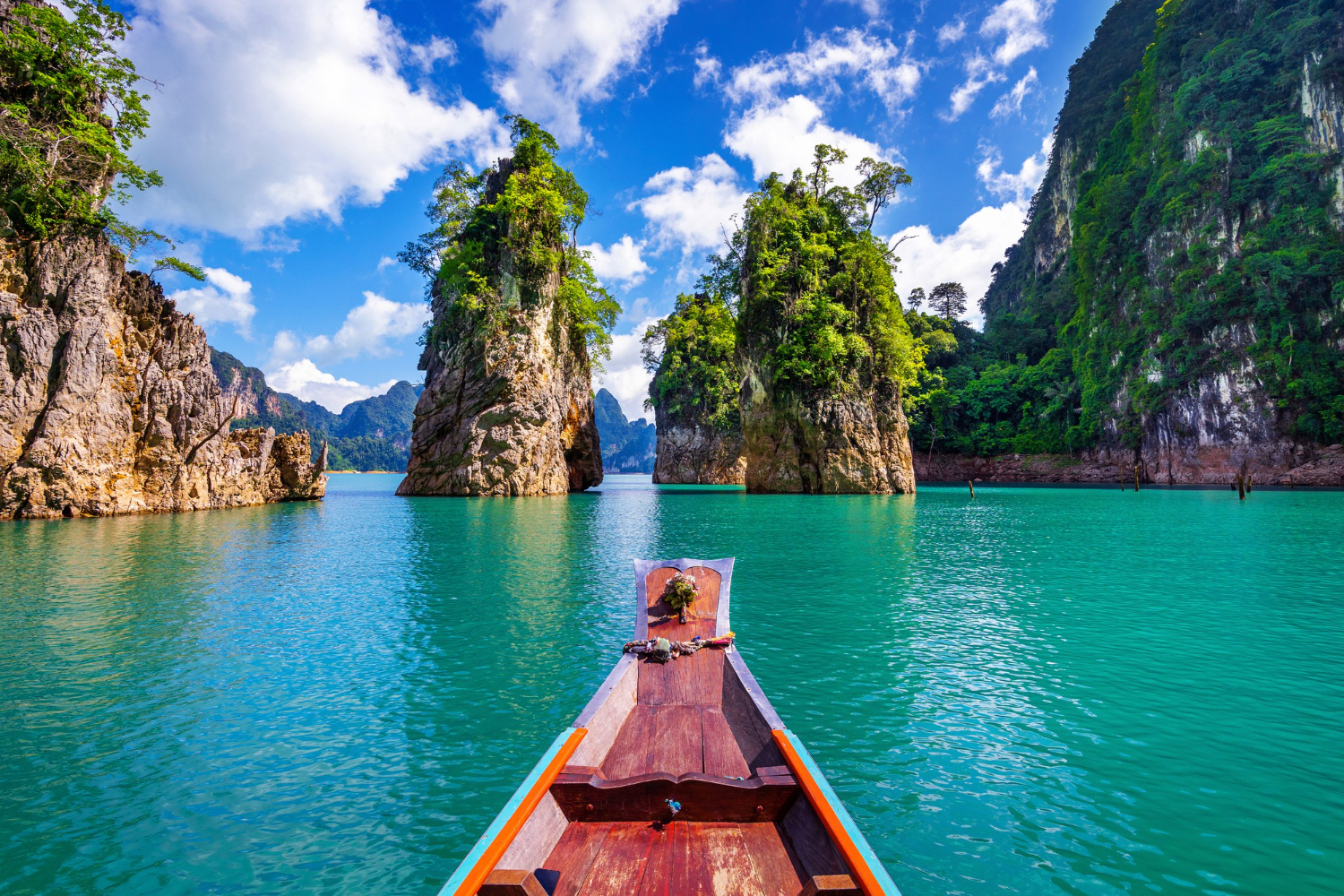
Well-developed tourist infrastructure reduces stress. It’s a smart starting point for solo trips at any experience level.
For solo travelers newer to independent travel, choosing a destination with strong, well-established tourist infrastructure, reliable public transportation, widely spoken English, and a mature tourism industry, considerably reduces the everyday friction that can otherwise make solo travel feel stressful. Building confidence in an easier destination first makes sense. Choosing destinations with strong infrastructure first is a smart, confidence-building strategy, the approach that lets solo travel skills develop gradually rather than starting with the most logistically demanding destination available.
2. Group Tours Designed Specifically for Solo Travelers
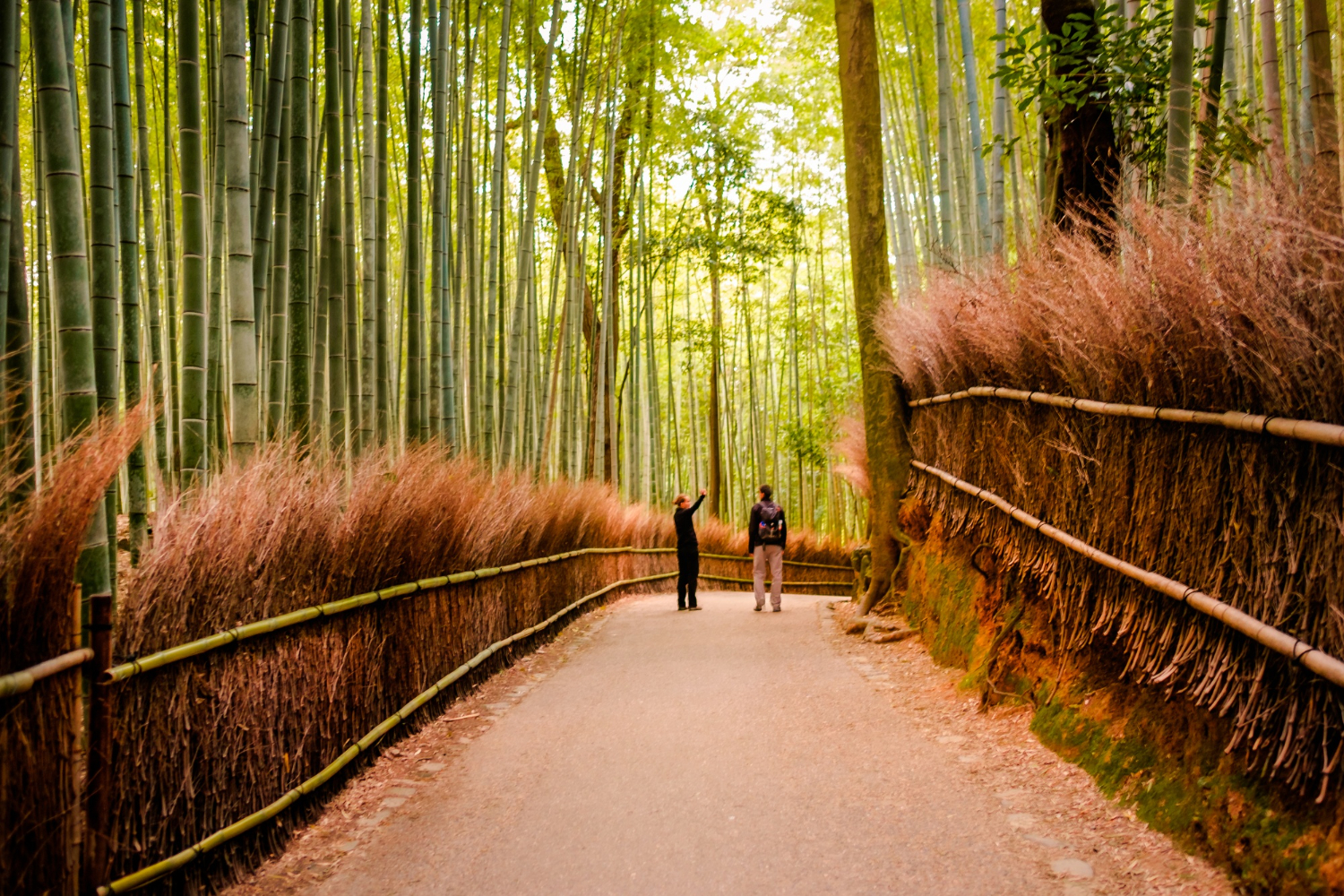
Many tour companies now offer solo-friendly trips. These eliminate the single supplement and built-in social awkwardness.
A growing number of tour companies now design trips specifically for solo travelers, waiving the often-steep single supplement fee and building in natural opportunities to socialize with other solo participants throughout the itinerary. This structure removes much of the awkwardness some travelers associate with solo dining or sightseeing. Group tours designed specifically for solo travelers offer a genuinely appealing middle ground, independence during the trip combined with built-in companionship and shared logistics.
3. Staying in Accommodations With Social Common Areas

Boutique hotels and social-focused lodging encourage organic interaction. This can make solo evenings feel less isolating.
Accommodations with genuine social common areas, a communal lounge, a shared breakfast table, or organized evening gatherings, create natural opportunities to interact with other travelers without the pressure of formally arranging plans. This can make solo evenings feel considerably less isolating. Staying in accommodations with social common areas is a simple choice that meaningfully shapes the solo travel experience, turning potential loneliness into easy, low-pressure social opportunity.
4. Sharing Your Itinerary With Someone Back Home

A trusted contact knowing your plans adds a safety layer. It’s a simple habit worth maintaining throughout the trip.
Sharing a general itinerary, including accommodation details and expected daily plans, with a trusted friend or family member back home adds a meaningful layer of safety and peace of mind, both for the traveler and for loved ones. Regular check-ins, even brief ones, help maintain this connection throughout the trip. Sharing your itinerary with someone back home is simple, low-effort practice that provides real reassurance, a basic safety habit worth maintaining regardless of how experienced a solo traveler you are.
5. Booking a Few Activities in Advance to Build Structure

Pre-booked tours or classes provide natural anchors. They reduce decision fatigue during unfamiliar travel days.
Booking a handful of specific activities, a guided walking tour, a cooking class, a museum reservation, in advance gives a solo trip natural structure and something concrete to look forward to each day, reducing the decision fatigue that can accompany a completely open-ended itinerary in an unfamiliar place. Booking a few activities in advance to build structure is a helpful planning technique, one that balances the freedom of solo travel with enough built-in direction to keep each day feeling purposeful rather than aimless.
6. Learning Basic Local Phrases Before You Arrive
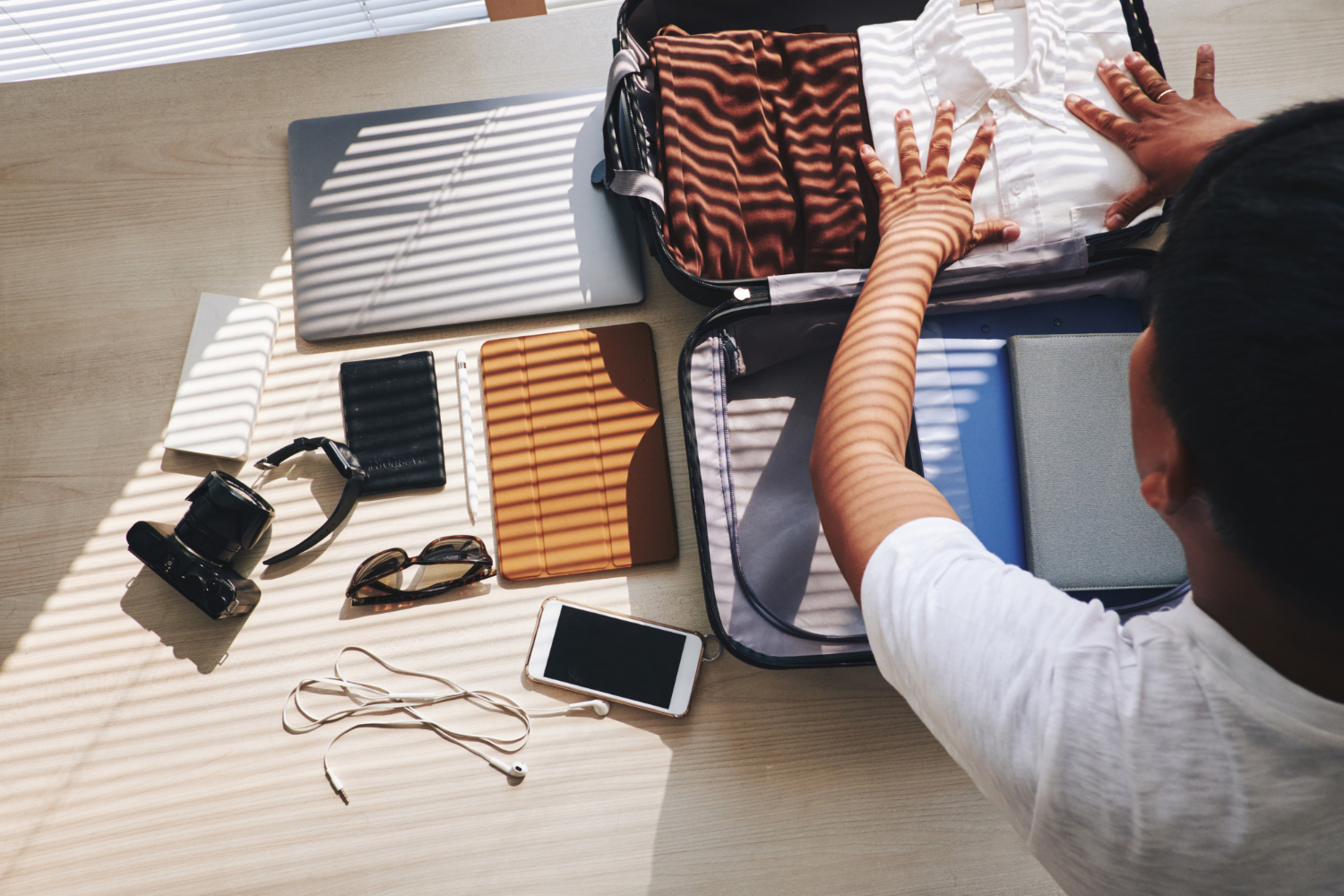
Even minimal language effort builds confidence and connection. Locals often respond warmly to the attempt.
[IMAGE SUGGESTION] Wikimedia Commons “language phrasebook learning travel preparation” — CC-licensed image of language learning.
Learning even a handful of basic phrases in the local language, greetings, please and thank you, and a few key travel terms, genuinely builds confidence for a solo traveler navigating an unfamiliar place, and locals frequently respond warmly to the effort, however imperfect the pronunciation. Learning basic local phrases before you arrive is a small preparation step with an outsized payoff, easing everyday interactions and often opening doors to friendlier, more helpful exchanges along the way.
7. Dining Confidently Alone, With a Few Simple Strategies

Solo dining gets easier with practice and small tricks. Bringing a book or sitting at the bar can ease the transition.
Many solo travelers cite dining alone as their biggest initial hesitation, and a few simple strategies can ease the transition, sitting at the bar rather than a table, bringing a book or journal, or choosing restaurants during less busy hours until the confidence builds naturally over the course of a trip. Dining confidently alone, with a few simple strategies, is a skill that improves quickly with practice, and most solo travelers report that the anticipated awkwardness fades considerably faster than expected.
8. Joining Local Day Tours to Meet Other Travelers
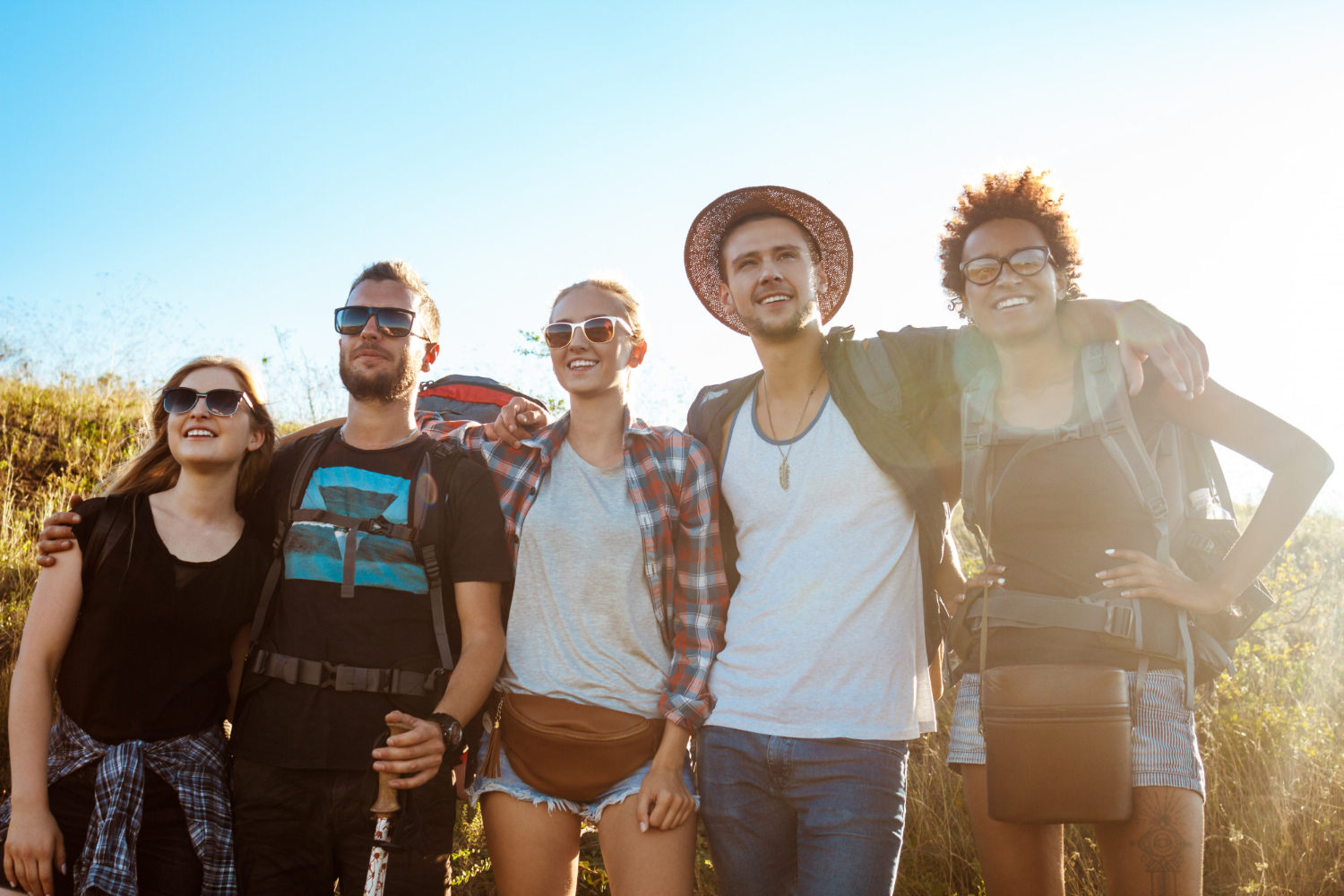
Single-day excursions offer social interaction without commitment. They’re an easy way to combine sightseeing with company.
Booking single-day excursions or walking tours, even while otherwise traveling entirely independently, offers a natural, low-commitment way to meet other travelers and enjoy some social interaction during an otherwise solo trip. It combines the benefits of independent travel with occasional built-in company. Joining local day tours to meet other travelers is an easy way to punctuate solo time with social connection, without requiring the larger commitment of a full group tour itinerary.
9. Packing Light Enough to Manage Everything Yourself
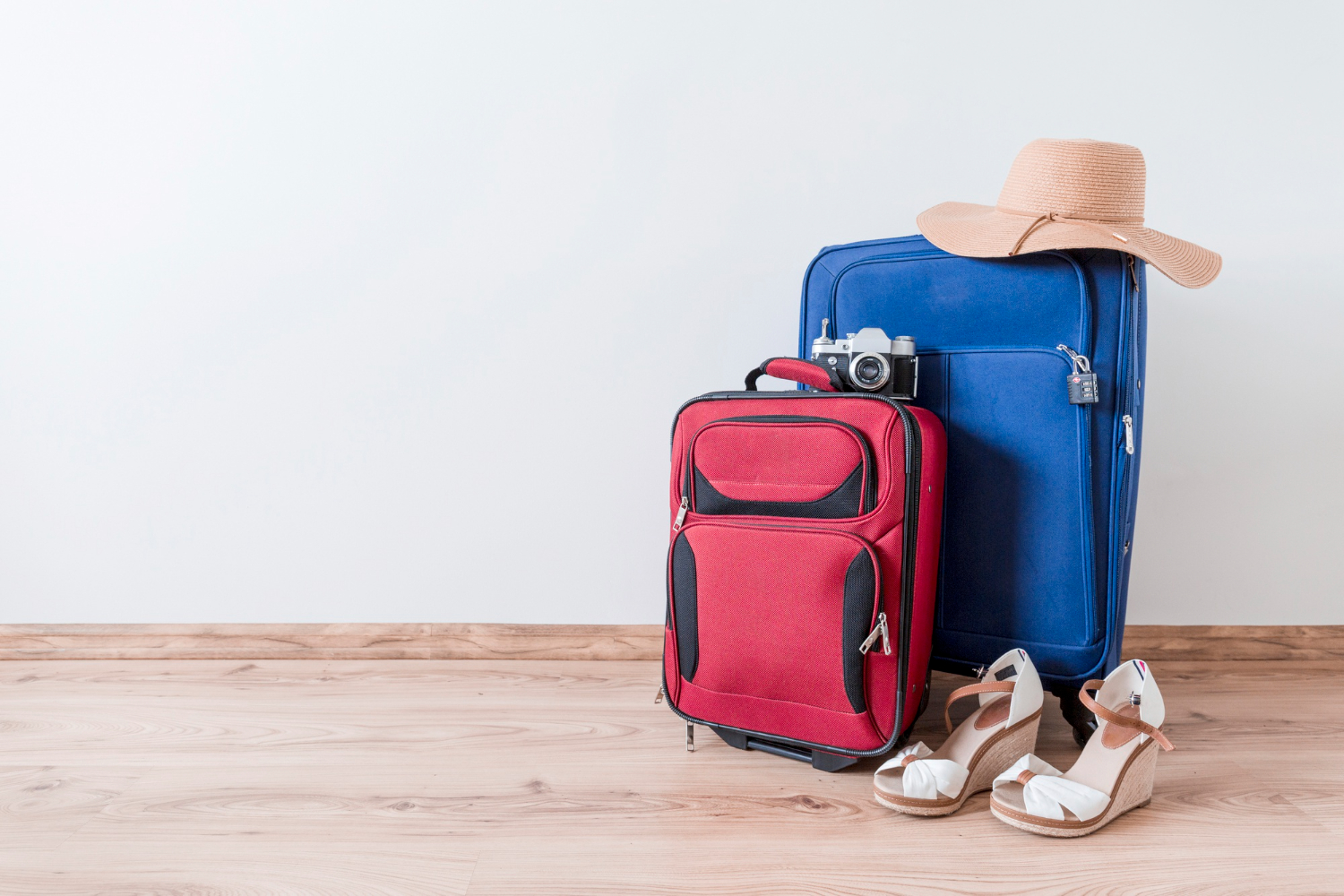
Solo travel means handling all your own luggage. Packing efficiently avoids unnecessary physical strain and hassle.
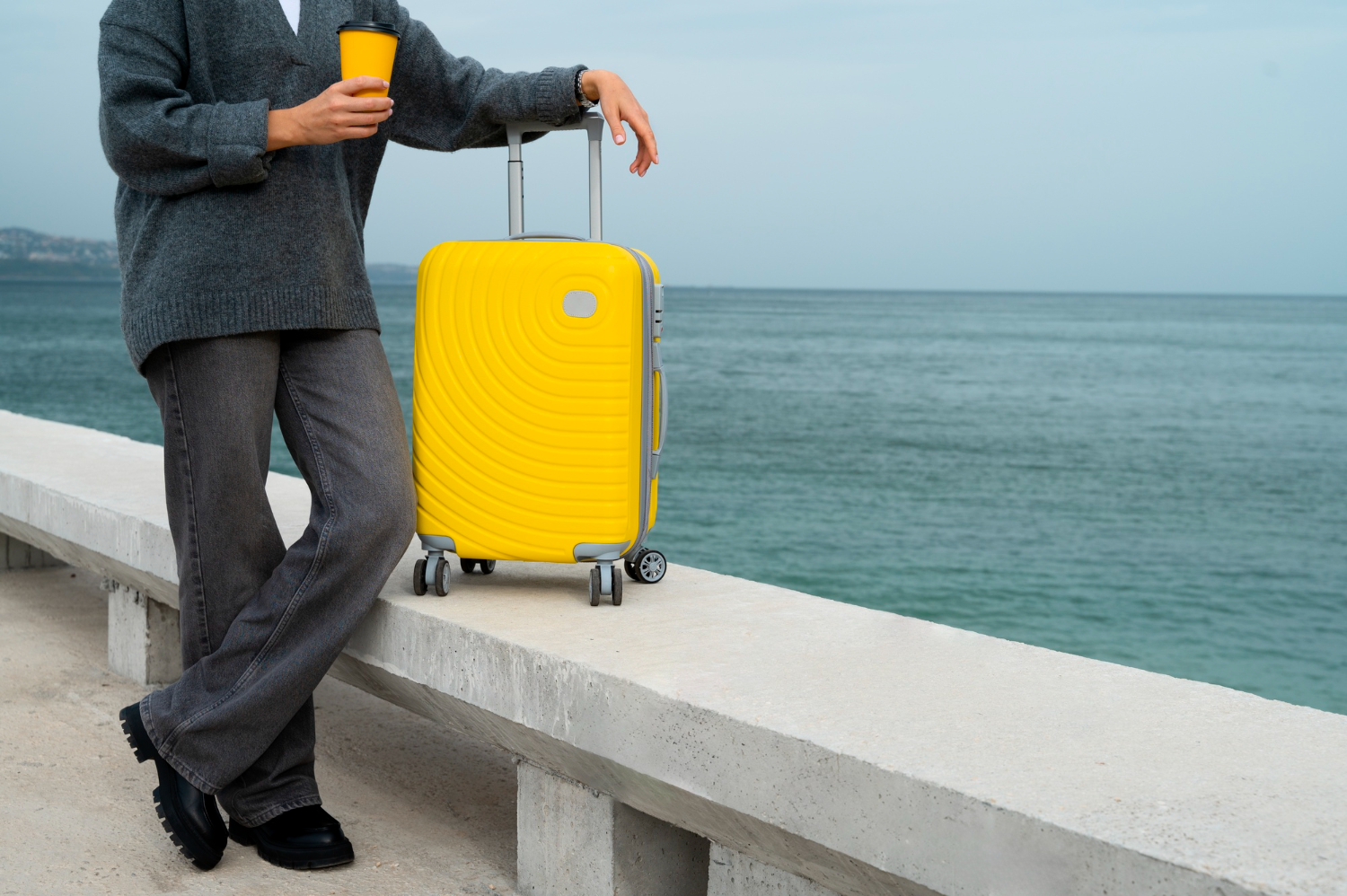
Without a travel companion to help manage bags, packing light enough to comfortably handle your own luggage, ideally down to a single manageable suitcase or carry-on, makes navigating airports, train stations, and hotel check-ins considerably smoother. This becomes especially valuable on trips involving multiple destinations or transit connections. Packing light enough to manage everything yourself is a practical necessity for solo travel, a habit that removes a genuine source of physical strain and logistical hassle from the entire trip.
10. Trusting Your Own Pace and Preferences Completely
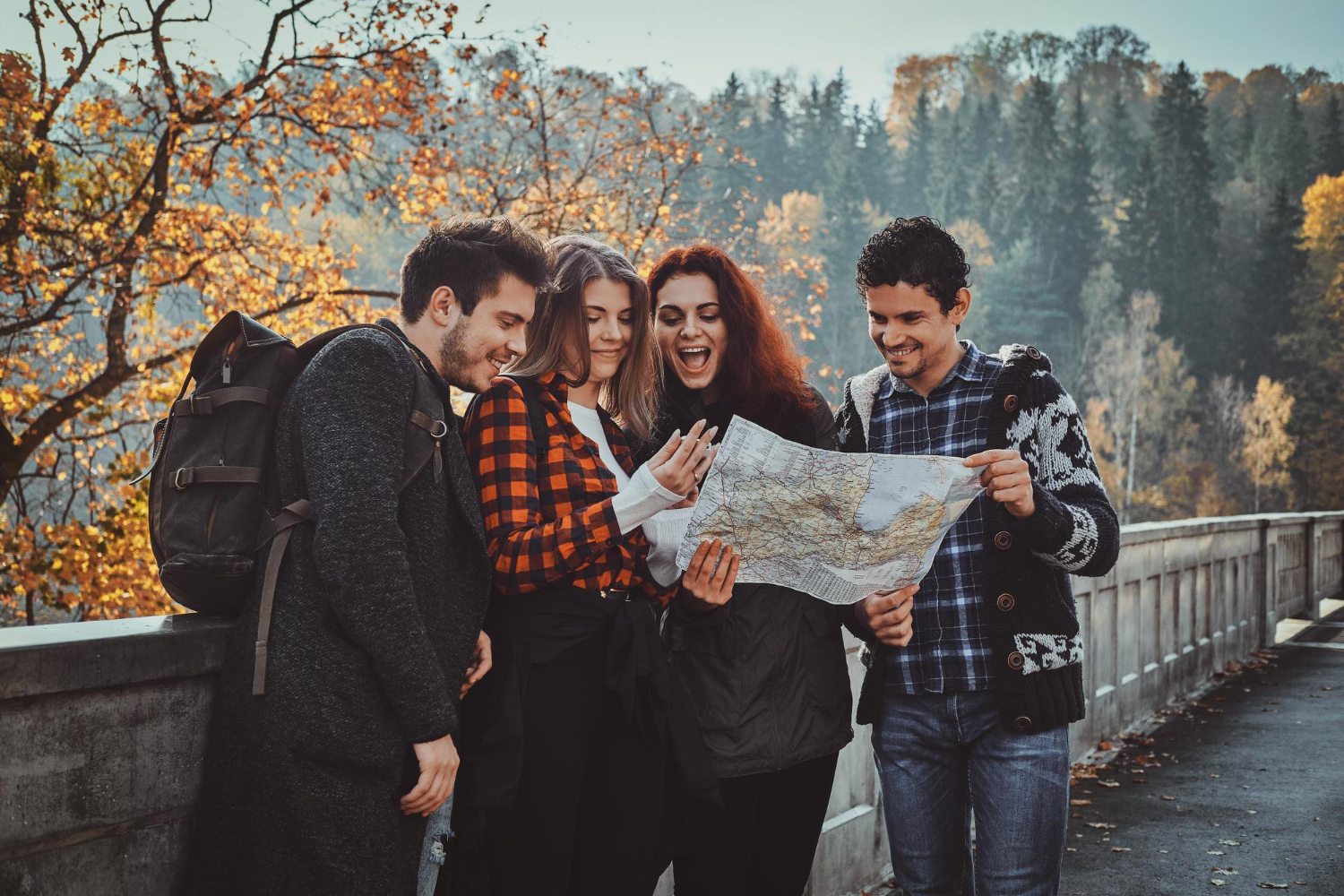
Solo travel means no compromise on the itinerary. Embracing this freedom is often the most rewarding part of the experience.
One of solo travel’s greatest, and sometimes hardest to fully embrace, rewards is the freedom to set your own pace entirely, lingering at a museum as long as you like, skipping an activity that doesn’t appeal, or changing plans on a whim without needing to negotiate with anyone else. Trusting your own pace and preferences completely is ultimately the heart of what makes solo travel so appealing to many, the genuine, uncompromised freedom to shape each day exactly around your own interests and energy.
Independence Worth Embracing
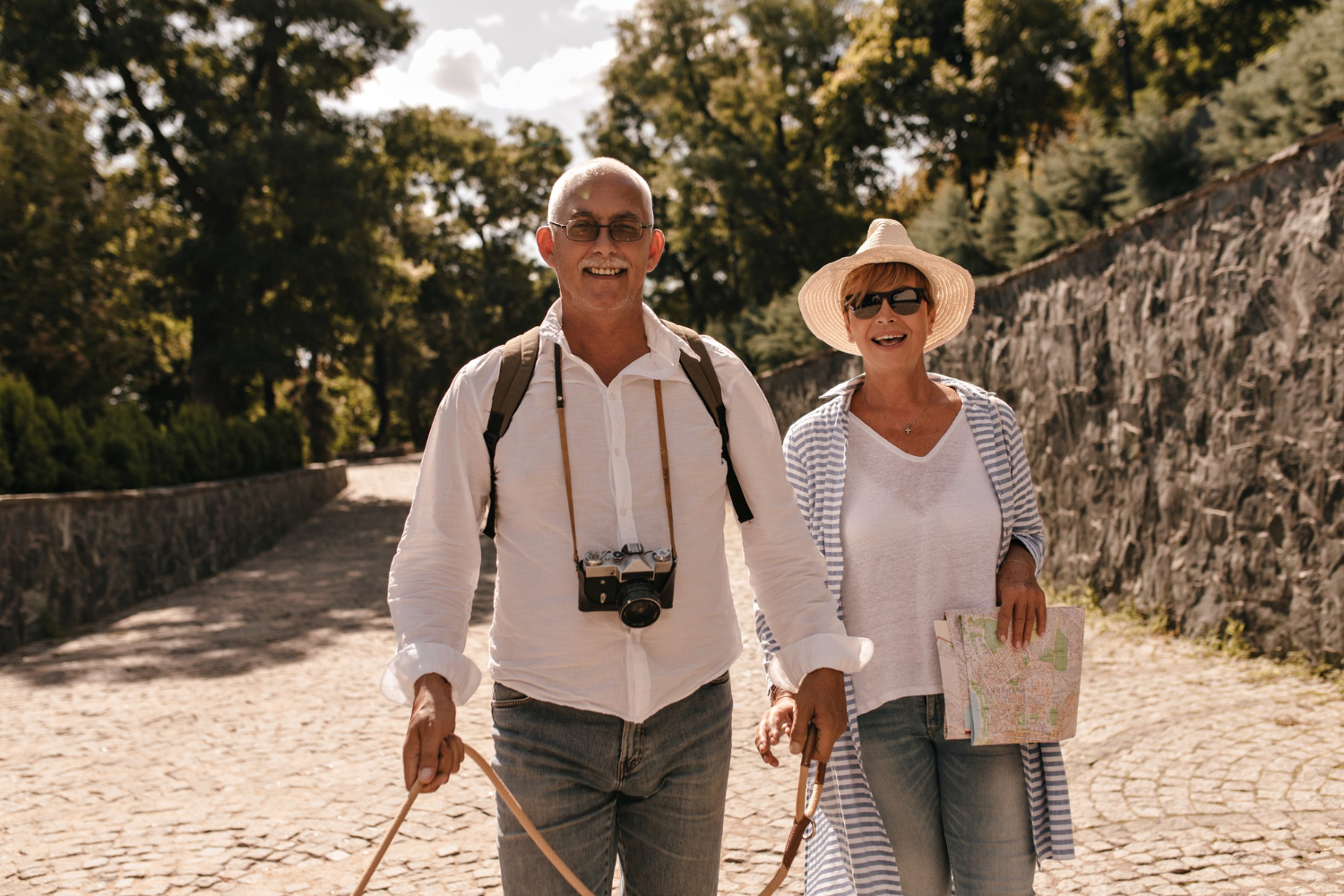
Taken together, these ten points capture what makes solo travel genuinely easier and more rewarding after 50, thoughtful destination choices, smart use of group tours and social accommodations, and the practical habits that build both safety and confidence. For many travelers at this stage of life, it becomes one of the most freeing and personally rewarding ways to see the world.
Solo travel after 50 often benefits from the very things this stage of life tends to bring, more financial flexibility, a clearer sense of personal preferences, and often more free time than earlier decades allowed. The initial hesitation many people feel about traveling alone tends to fade quickly once the trip is actually underway, replaced by a genuine sense of accomplishment and freedom. With the right preparation and a bit of openness to the experience, solo travel can become one of the most rewarding ways to spend this chapter of life.