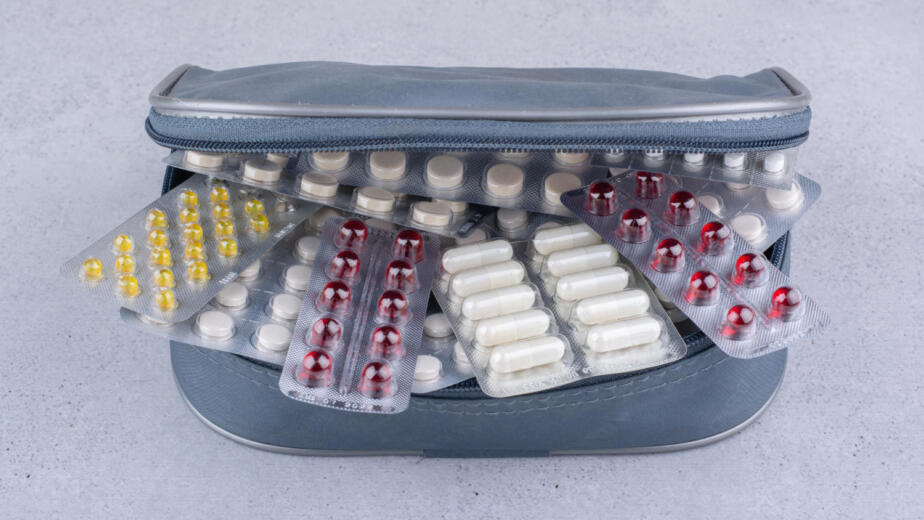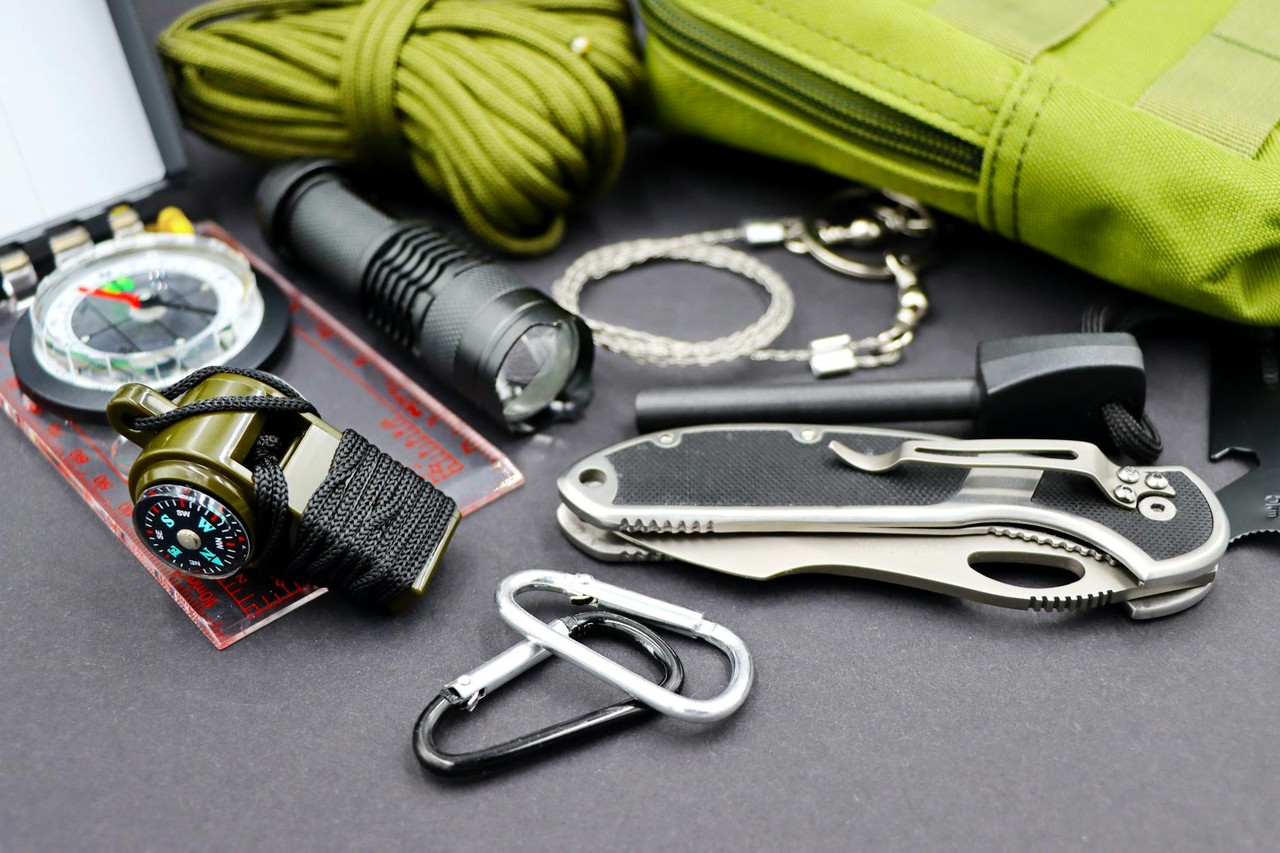
Being prepared for the unexpected is paramount when venturing into the wilderness for camping. A well-stocked emergency kit can be the difference between a minor inconvenience and a serious predicament. These essential items are designed to address a range of potential issues, from minor injuries to more critical survival scenarios. Ensuring these items are readily accessible in your pack provides peace of mind and enhances your ability to handle unforeseen challenges, allowing you to focus on enjoying your outdoor experience.
1. A Comprehensive First-Aid Kit
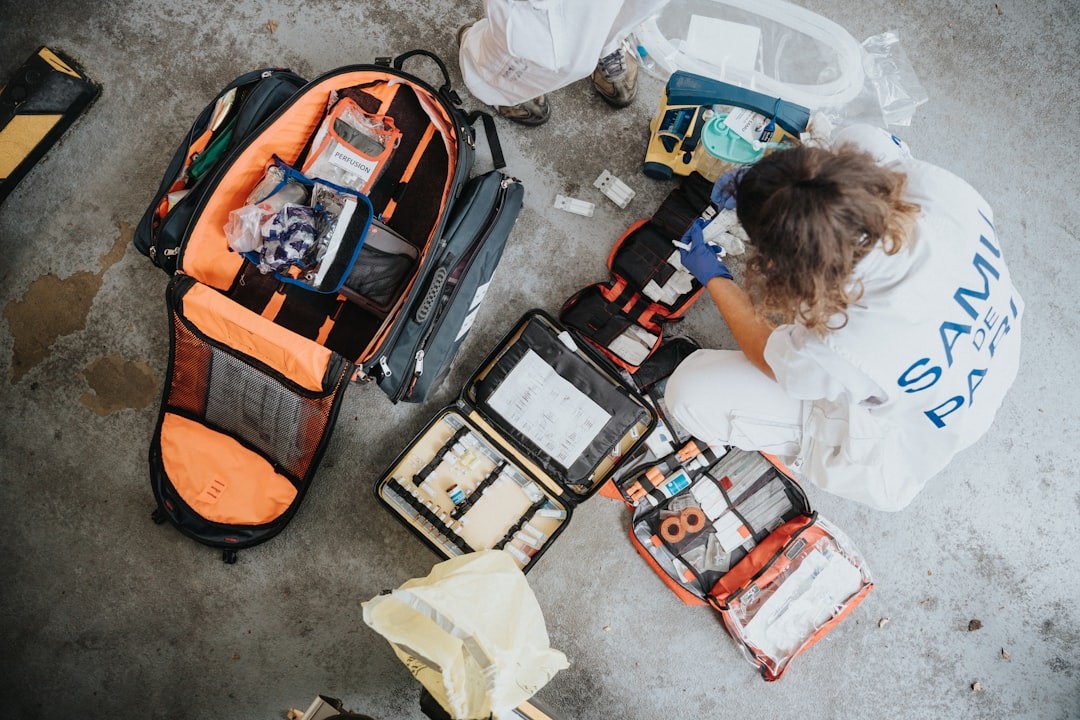
A well-equipped first-aid kit is non-negotiable for any camping trip. It should contain an assortment of adhesive bandages in various sizes, sterile gauze pads and rolls, medical tape, antiseptic wipes, and antibiotic ointment for treating cuts and abrasions. Include items like trauma scissors for cutting tape and bandages, tweezers for splinter or tick removal, and pain relievers or anti-inflammatories to manage discomfort. For more serious situations, consider adding butterfly closures for wound sealing, a malleable splint for suspected fractures, and irrigation syringes for wound cleaning. Don’t forget personal medications, antihistamines for allergic reactions, and anti-diarrheal medication. Hydrocortisone cream can soothe insect bites and rashes. A digital thermometer is also a valuable addition for monitoring body temperature. Ensure your kit also includes disposable gloves to protect against infection.
2. Reliable Water Purification Method
Access to safe drinking water is critical for survival, and relying solely on natural sources without purification can lead to serious illness. Carry a primary water purification method, such as purification tablets or drops like chlorine dioxide, which are lightweight and effective against bacteria, viruses, and cysts. A portable water filter, like a Sawyer Squeeze or a Katadyn BeFree, is also an excellent option for removing sediment and larger pathogens. It’s always wise to have a backup method, such as iodine tablets or a UV purifier, in case your primary method fails or water sources are particularly challenging. Boiling water is a foolproof method, but it requires a stove and fuel, making it less practical for emergencies where these are unavailable. Combining methods, such as filtering murky water before treating it with chemicals, can enhance safety.
3. Emergency Shelter
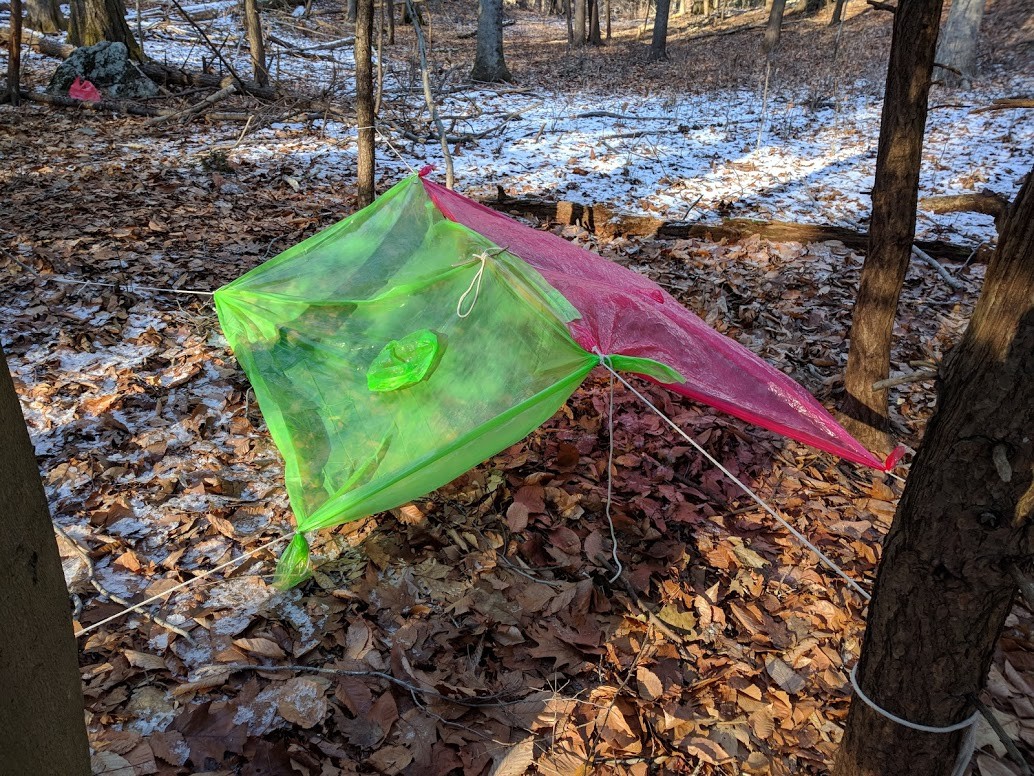
Protection from the elements is vital for maintaining body temperature and preventing hypothermia. A lightweight emergency shelter can be a lifesaver. Options range from a simple Mylar emergency blanket, which reflects body heat, to more robust solutions like a bivy sack or a lightweight tarp. Heavy-duty garbage bags can also be ingeniously repurposed as a makeshift shelter or poncho in a pinch. When selecting a shelter, consider the potential conditions you might face. Natural shelters like caves or dense tree cover can offer some protection, but manufactured options provide more reliable defense against wind, rain, and cold. Ensure your chosen shelter is easy to deploy quickly, as minimizing exposure to harsh weather is key.
4. Fire Starting Tools
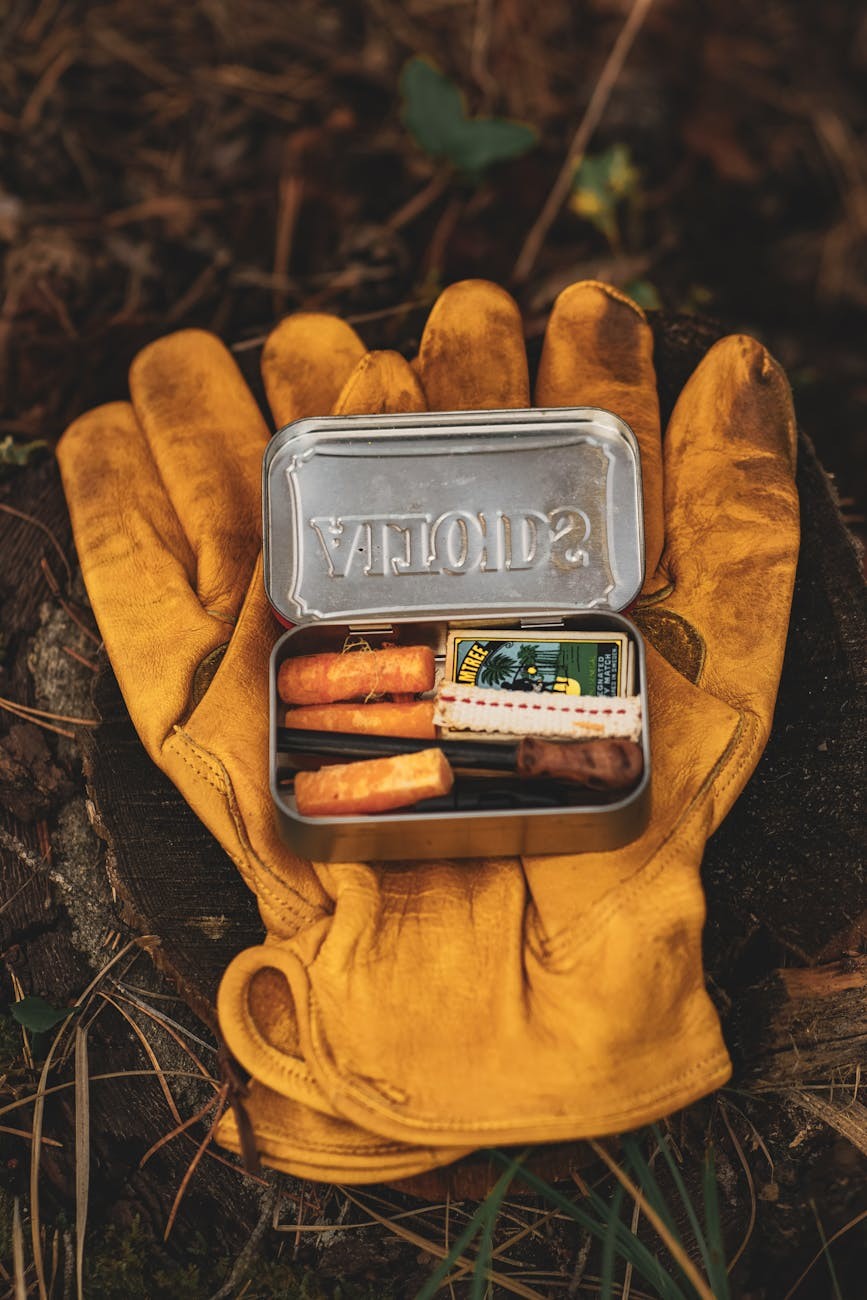
The ability to start a fire provides warmth, a means to purify water and cook food, and a psychological boost in a survival situation. Pack multiple reliable fire starting methods. Waterproof matches stored in a waterproof container are a classic choice, as are lighters. For added security, consider ferrocerium rods with strikers, which work even when wet. DIY options like petroleum jelly-soaked cotton balls or dryer lint mixed with wax in an egg carton are effective, waterproof, and economical. Tinder cord, which has a flammable inner core, is another excellent lightweight option. Always pack more fire-starting material than you think you will need, as damp conditions can make ignition difficult.
5. Navigation Tools
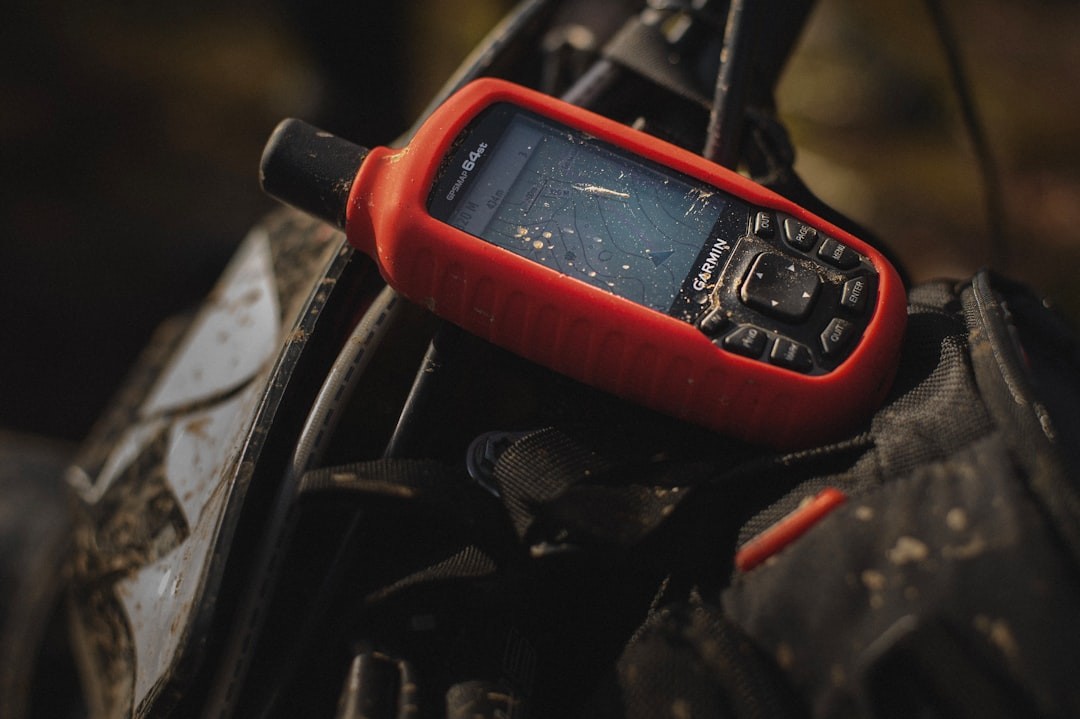
Even with careful planning, it’s possible to get disoriented in unfamiliar territory. A reliable navigation system is crucial for finding your way back or to safety. A dedicated GPS device, such as a Garmin GPSMAP or inReach Mini, offers precise location tracking and can be invaluable, especially in areas without cell service. For those who prefer traditional methods, a detailed topographic map of the area and a quality compass are essential. Learn how to use them effectively before your trip. A protractor can aid in reading maps and taking bearings. Regardless of your chosen method, always carry backup power for electronic devices, such as a portable charger or extra batteries. Understanding how to read terrain on a map can also help you identify safer routes and potential hazards.