Navigating the complex landscape of firearm laws when crossing state lines requires diligent preparation and a thorough understanding of both federal and state regulations. The Firearm Owners’ Protection Act (FOPA) offers foundational protections for interstate travel, but it is crucial to remember that state laws can impose additional requirements and restrictions. Ensuring compliance is paramount to avoid legal complications, which can range from fines to severe criminal charges.
Understanding the Firearm Owners’ Protection Act (FOPA)
The Firearm Owners’ Protection Act (FOPA), enacted in 1986, serves as a cornerstone for individuals transporting firearms across state lines. It provides a “safe passage” provision, offering protection against more restrictive state or local laws when you are traveling through them. To qualify for FOPA protection, you must be traveling from a location where you can legally possess a firearm to another location where you can also legally possess it. Crucially, the firearm must be unloaded, and neither the firearm nor any ammunition can be readily accessible from the passenger compartment of your vehicle. If your vehicle lacks a separate trunk, the firearm and ammunition must be secured within a locked container, distinct from the glove compartment or center console. FOPA’s protection is intended for continuous travel and does not cover extended stops or activities unrelated to transit.
State-Specific Regulations: A Crucial Consideration
While FOPA provides a federal framework, it does not preempt state laws entirely. Each state maintains its own unique regulations regarding firearm possession and transportation. This means that what is permissible in your home state may be illegal in another. It is imperative to research the specific laws of every state you will be traveling through, even if you are merely passing by. This includes understanding restrictions on magazine capacity, types of firearms permitted, and any registration requirements. Some states, such as New York, New Jersey, and California, have particularly strict firearm laws that travelers must be aware of.
Vehicle Transportation Requirements
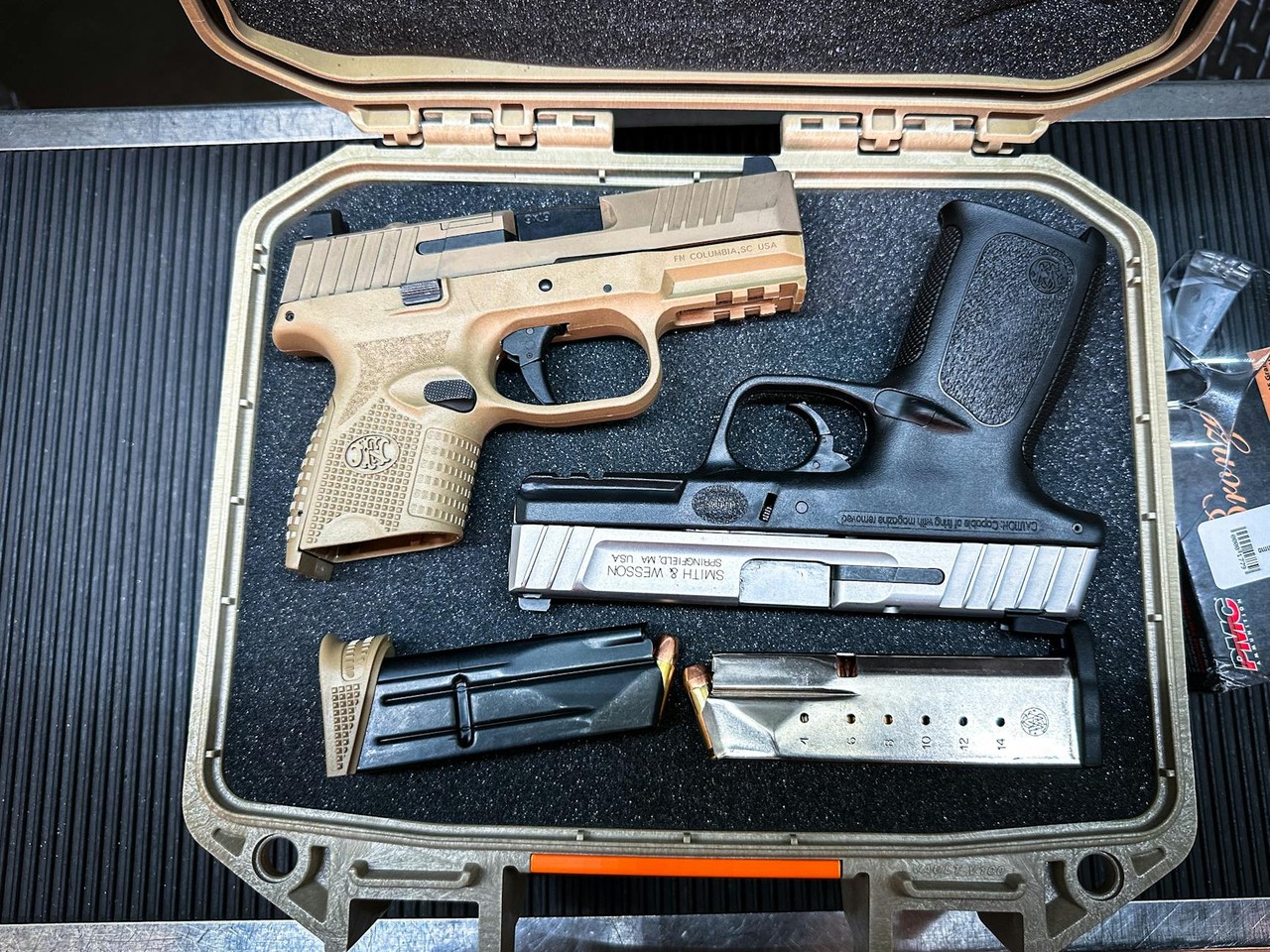
When transporting firearms by vehicle, adherence to specific storage guidelines is essential. Generally, firearms must be unloaded and stored in a locked, hard-sided case. This case should be inaccessible from the passenger compartment, ideally in the trunk of the vehicle. Ammunition must also be stored separately from the firearm, typically in its own locked container. Even if your vehicle lacks a traditional trunk, such as an SUV or truck, a locked container that is not easily accessible from the cabin is required. These measures are critical to comply with both federal and state laws and to ensure safe transport.
Understanding Firearm Reciprocity and Permits
Reciprocity, in the context of firearm laws, refers to the mutual recognition of concealed carry permits between states. While some states have reciprocity agreements, meaning they honor each other’s permits, others do not, or may only do so unilaterally. If you possess a concealed carry permit, it is vital to ascertain whether the states you are traveling through recognize your permit. If a state does not recognize your permit, you may still be able to transport your firearm in your vehicle, provided you adhere to the unloaded and inaccessible storage requirements as per FOPA. However, the specifics of what is permissible for non-permit holders can vary significantly by state.
Planning Your Route and Stops
Strategic route planning is a vital component of traveling with firearms across state lines. Minimizing your time in states with stricter firearm regulations can significantly reduce potential legal risks. It is advisable to pre-plan stops for fuel, food, and rest in well-lit, populated areas that also align with firearm-friendly locations or ensure compliance with storage laws. Remember that FOPA’s protection is primarily for continuous transit; extended stops or deviations from your intended route in restrictive states can jeopardize this protection. Always trust your instincts and prioritize safety when selecting stops.
Navigating Law Enforcement Interactions
Should you be stopped by law enforcement while traveling with a firearm, it is crucial to remain calm and cooperative. Keep your hands visible and follow all instructions from the officer. If required by law, disclose your concealed carry permit and be prepared to present relevant documentation. Avoid any sudden movements, especially reaching for your firearm unless explicitly instructed to do so. Being upfront and transparent about legally transporting your firearms can help ensure a smoother interaction. Familiarize yourself with any state-specific “duty to notify” laws, which mandate informing an officer you are armed.
Air Travel with Firearms
Traveling by air with firearms involves a distinct set of regulations governed by the Transportation Security Administration (TSA) and individual airlines. Firearms and ammunition must be unloaded and secured in a locked, hard-sided container. This container must be declared as checked baggage and cannot be placed in carry-on luggage. Airline policies can vary, so it is essential to confirm specific requirements with your chosen carrier in advance. Failure to comply with TSA and airline regulations can lead to significant delays, fines, or even criminal penalties.
Destination Considerations
Upon reaching your destination, your responsibilities do not end with the journey itself. It is important to be aware of and comply with local laws regarding firearm possession and storage at your destination. This includes understanding regulations for hotels, private properties, and any state-specific restrictions that may apply once you have arrived. Do not assume that the laws governing transportation automatically apply to possession at your final location. Always verify local ordinances and lodging policies to ensure continued compliance.