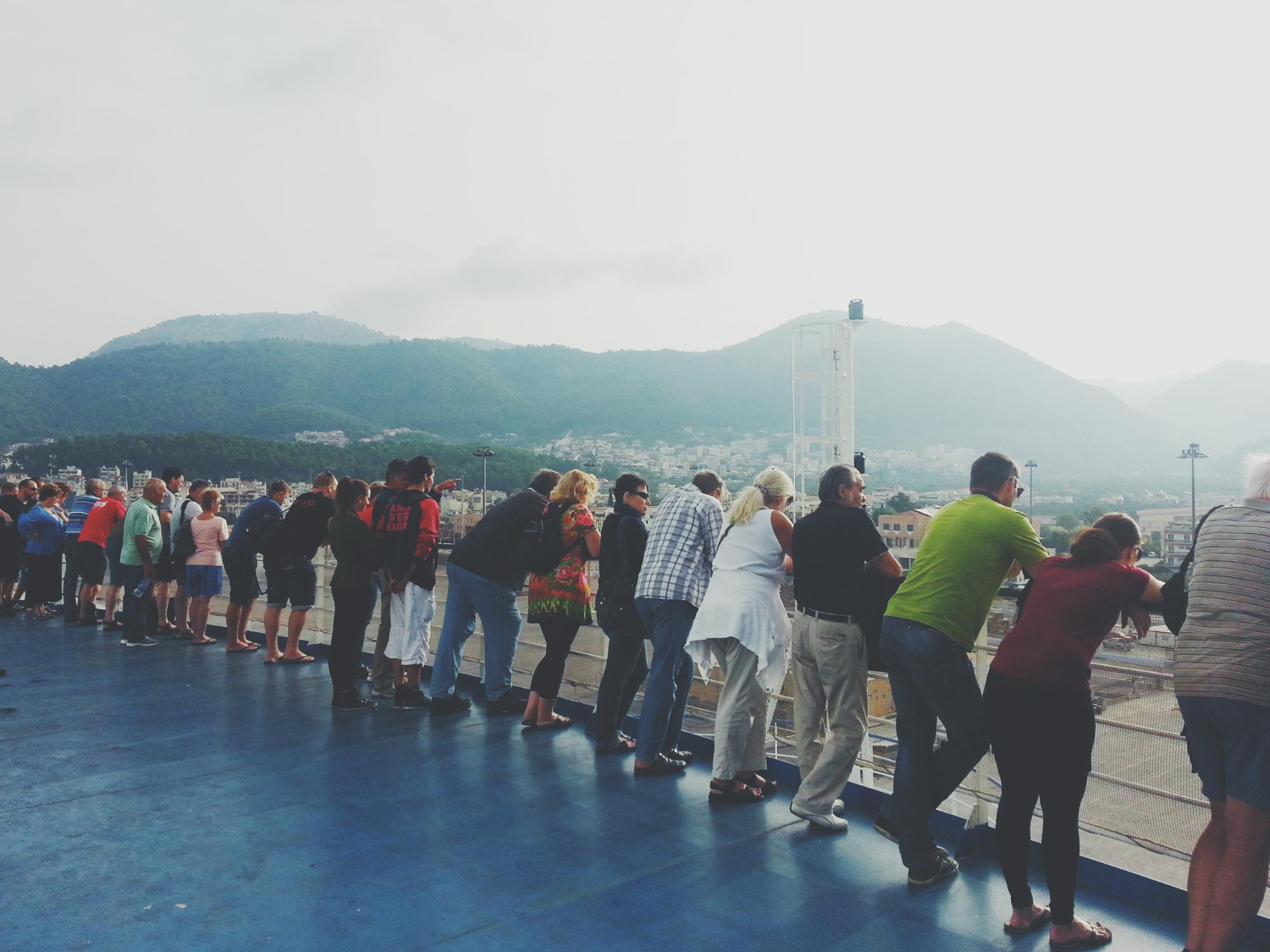
A cruise drops thousands of obvious tourists into an unfamiliar port for a few hours, all of them carrying cash and cameras, all of them unfamiliar with the local risks, and all of them on a tight schedule with a ship that will leave without them. It is, from a certain point of view, an ideal environment for pickpockets, scammers, and opportunists, and experienced cruisers know that the relaxed shore-excursion atmosphere can mask real risks. The dangers aren’t usually dramatic — they’re petty theft, predictable scams, and the genuine catastrophe of missing the ship — but they’re common enough that knowing them in advance is the difference between a great day ashore and a ruined one. None of this should scare anyone away from cruising; it should simply inform how you step off the ship. Here are the cruise-port traps that get tourists robbed, scammed, and left behind, and how to avoid each one.
The fundamental vulnerability is that cruise passengers are easy to identify and easy to predict. They cluster in the same few blocks near the port, they’re visibly unfamiliar with the area, and they operate under time pressure. Recognizing that you are, from a local opportunist’s perspective, a marked and predictable target is the first step to not being one.
The Pickpockets Who Work the Tourist Zones

The most common cruise-port crime is pickpocketing, concentrated in the crowded tourist areas, markets, and transit points where cruise passengers gather. Pickpockets favor distraction techniques — someone bumps you, someone asks for directions, a staged commotion draws your attention — while an accomplice lifts your wallet or phone. The defenses are straightforward: carry minimal cash and one card, use a money belt or front pocket rather than a back pocket or open bag, leave the expensive jewelry and watches on the ship, and stay alert in crowds. The relaxed vacation mindset that makes a port day pleasant is exactly what pickpockets exploit.
The Taxi and Transport Overcharge

A reliable cruise-port scam is the taxi overcharge — unmetered cabs, “broken” meters, inflated flat rates, or drivers who take long routes, all targeting tourists who don’t know the local rates or geography. Some drivers quote one price and demand more on arrival. The defense is to agree on the fare before getting in, know the approximate correct rate in advance, use official taxi stands or reputable ride apps where available, and carry small bills so you’re not forced to overpay for lack of change. The transport scam is among the most common ways cruise tourists are separated from extra money.
The “Closed/Moved” Attraction Scam

A classic scam targeting cruise tourists is the false-information ploy — a friendly local informs you that the attraction you’re heading to is closed, moved, or requires a special ticket, then helpfully redirects you to a shop, a “better” attraction, or a tout who pays them a commission. The redirect frequently leads to overpriced goods or a pressured sales situation. The defense is to verify information independently, be skeptical of unsolicited “helpful” redirects, and proceed to your original destination to check for yourself. The scam relies on tourists trusting a confident stranger over their own plan.
The Counterfeit and Overpriced “Local” Goods

Cruise-port shopping districts are frequently engineered to extract maximum spending, and the traps include counterfeit goods, inflated “duty-free” prices that aren’t actually bargains, fake gemstones and jewelry sold as genuine, and high-pressure sales. The “official” recommended shops near some ports pay commissions and aren’t necessarily offering good value. The defense is to treat port-area shopping skeptically, never make expensive purchases (jewelry, gems, electronics) on impulse under sales pressure, and remember that a genuine bargain rarely requires urgency. Buyer’s remorse on an overpriced port purchase is among the most common cruise regrets.
The Excursion-Timing Trap That Strands Passengers

The genuine catastrophe of a port day is missing the ship, which leaves on schedule whether or not every passenger is aboard. Passengers on independent (non-ship) excursions are particularly at risk — if an independent tour runs late or transport fails, the ship will not wait, and stranded passengers must get themselves to the next port at their own expense. The defenses: know the exact all-aboard time (usually 30+ minutes before departure), account for the local time zone (which may differ from ship time), build in a large buffer, and strongly consider ship-sponsored excursions for distant or tight-timing destinations specifically because the ship guarantees it will wait for its own tours. The stranded-passenger scenario is rare but genuinely serious.
The ATM and Card-Skimming Risk

Cruise tourists needing local cash frequently use unfamiliar ATMs, which carries the risk of card skimming — devices that capture card data — as well as dynamic-currency-conversion ripoffs and simply unfavorable rates. The defenses: use ATMs attached to actual banks rather than standalone machines in tourist areas, cover the keypad when entering a PIN, decline “conversion to your home currency” offers (which carry bad rates), notify your bank of travel in advance, and carry some cash from home rather than relying entirely on port ATMs. Card fraud discovered after a cruise is a common and frustrating aftermath of a port day.
The Drink and Distraction Risks

In some ports, the relaxed beach-bar and nightlife atmosphere carries risks of overcharging, drink tampering, or theft while distracted. Tourists who drink heavily ashore become easier targets for every other scam and risk missing the ship. The defenses are common-sense: watch your drink, don’t get so intoxicated that you lose awareness in an unfamiliar place, keep track of time, and stay with your group. The combination of alcohol, unfamiliarity, cash, and a departure deadline is a genuinely risky mix that opportunists understand well.
The Fake Official and the Timeshare Pitch

Two more traps catch cruise tourists in specific ports. The first is the fake official or fake police — someone in a vaguely official-looking uniform who demands to “inspect” your wallet, claims you’ve committed a minor infraction requiring an on-the-spot cash fine, or otherwise uses false authority to extract money. Genuine officials don’t typically shake down tourists for cash; the defense is to stay calm, decline to hand over your wallet, and ask to deal with the matter at a police station or through your cruise line. The second is the high-pressure timeshare or “free gift” pitch, in which tourists are lured with a free meal, tour, or trinket into a lengthy, aggressive sales presentation that consumes the port day and pressures them into expensive commitments. The defense is simple: anything “free” that requires sitting through a presentation is a sales trap, and the few hours of a port day are far too valuable to surrender to it.
How to Have a Safe and Great Port Day
The goal of knowing all this is not anxiety but confidence — the experienced cruiser steps off the ship relaxed precisely because they’ve already taken the simple precautions that neutralize most risks. The core habits are easy: carry minimal cash and one card in a secure pocket, leave valuables and jewelry on the ship, agree on taxi fares in advance, treat unsolicited “help” and high-pressure sales with skepticism, use bank ATMs and cover the keypad, and above all know the all-aboard time in the correct time zone and build in a generous buffer. Research each specific port before the trip, since risks vary enormously — some ports are genuinely safe and easy, others warrant real caution. A cruise passenger who steps ashore informed and prepared is at very little risk and free to enjoy the destination fully. The traps above catch the unprepared and the oblivious; they almost never catch the traveler who knows they exist. A few minutes of preparation before each port turns the vulnerability of being an obvious tourist into the confidence of an informed one, and lets you spend the day enjoying the destination instead of falling for the predictable schemes built around it.