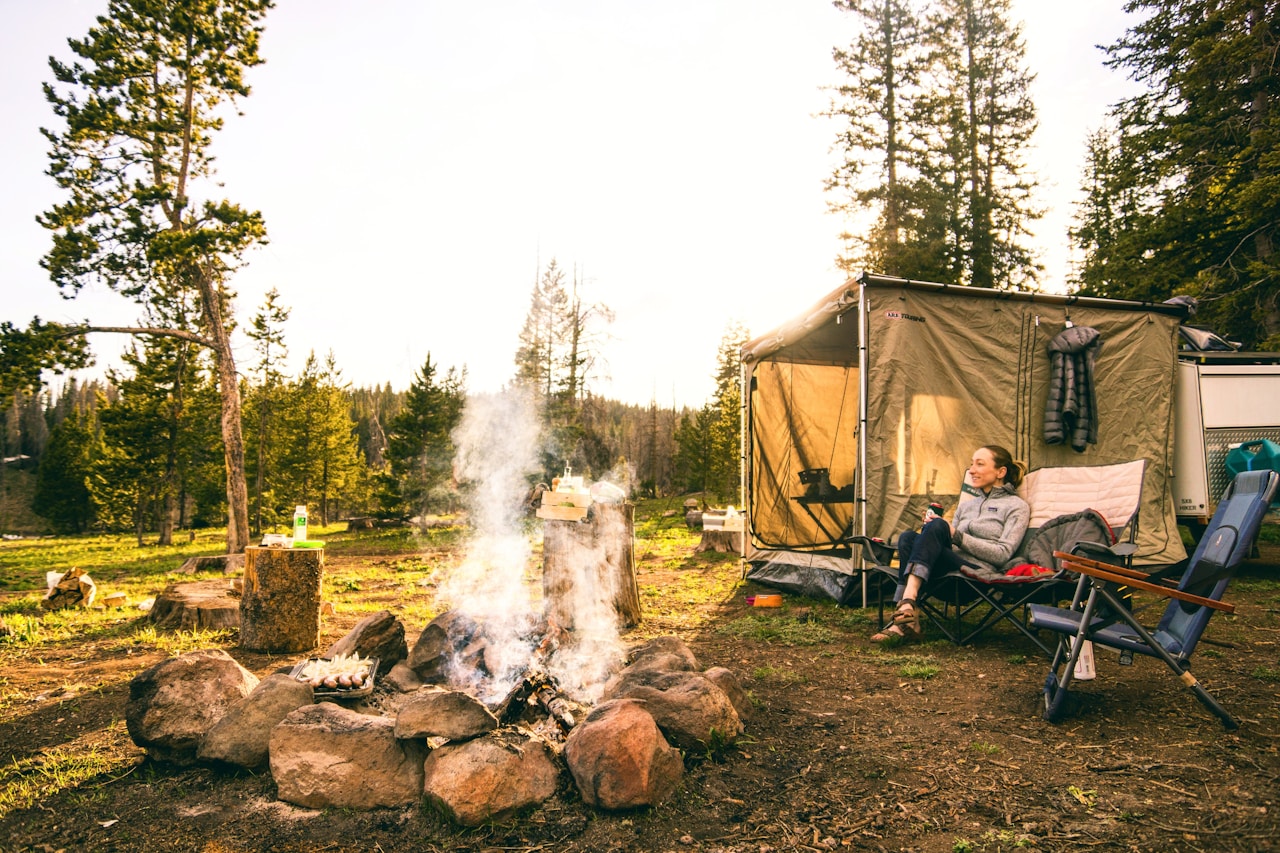
Packing for the wilderness is a balancing act between being prepared for the unknown and not breaking your back under a heavy pack. While the core essentials—shelter, sleep, and fire—remain the same, the strategy for a weekend getaway is fundamentally different from a week-long expedition.
Here is the breakdown of how to pivot your gear list for a 2-day vs. 7-day camping trip.
The 2-Day “Weekend Warrior” Pack
When you are only heading out for 48 hours, speed and convenience are your best friends. Because you aren’t carrying a week’s worth of calories, you can afford a few “luxury” items that make the trip more enjoyable.
- The Gear: Since weight is less of a factor, you can bring a more spacious tent or a slightly heavier, ultra-comfortable sleeping pad. You likely won’t need a repair kit or backup water filtration parts for such a short duration.
- The Food: This is the time for “real food.” You can pack a small cooler with steaks, eggs, and fresh vegetables for the first night. Since you only have to manage four or five meals, you can avoid the salt-heavy dehydrated bags and cook over an open flame.
- Clothing: You can often get away with one outfit and a spare set of socks and underwear. The “2-day rule” is to dress for the weather forecast you see right before you leave, as it’s unlikely to shift drastically in 48 hours.
The 7-Day “Expedition” Pack
A week in the woods requires a shift toward “resilience” and “redundancy.” Every ounce counts because you are carrying significantly more fuel and food. On day seven, you will be much more tired than on day two, so your pack organization becomes critical.
- The Gear: Prioritize lightweight, multi-purpose tools. You must bring a comprehensive repair kit (tenacious tape, extra tent poles, sewing kit) and a primary and backup water filtration system. A week of use increases the mechanical “wear and tear” on your equipment significantly.
- The Food: Caloric density is king. You’ll want to rely on lightweight, dehydrated meals and high-energy snacks like nuts and nut butters. You also need to plan for “food fatigue”—pack a variety of seasonings to make sure you actually want to eat your fifth bag of chili mac on Thursday night.
- Clothing: The “Layering System” is mandatory. You can’t rely on a 2-day forecast; you must prepare for the historical extremes of the area. Pack three sets of socks (one to wear, one to dry, one for sleeping) and synthetic or wool layers that can be rinsed in a stream and dried quickly.
The Constant Essentials
Regardless of the trip length, there are “Non-Negotiables” that stay in your pack. Based on 2026 safety standards, your “Ten Essentials” should always include a reliable power bank for your satellite communicator, a localized first-aid kit, and an up-to-date physical map.
While a 2-day trip is about relaxation, a 7-day trip is about rhythm. For the weekend, you pack to have fun; for the week, you pack to survive and thrive.