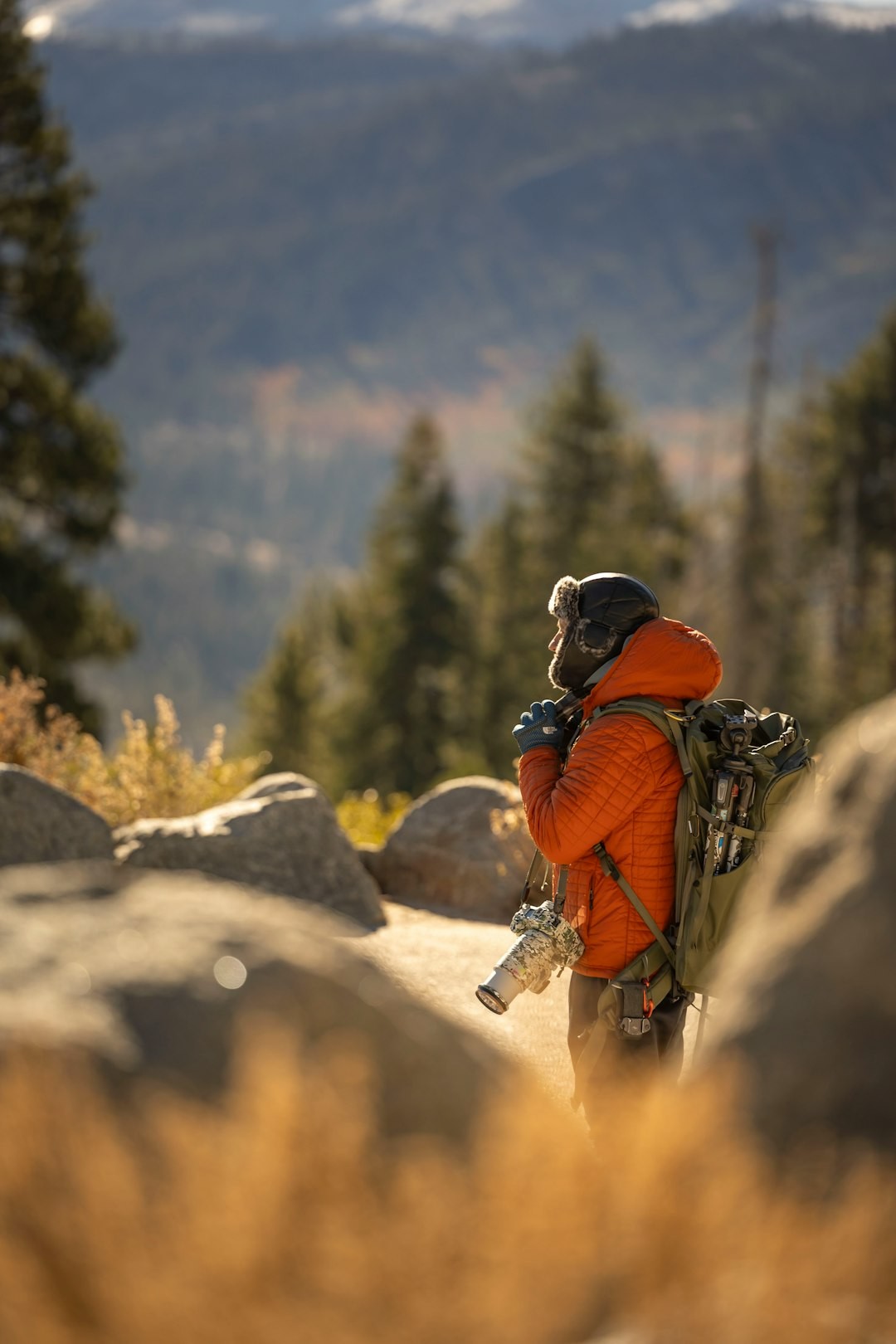
Embarking on a camping trip promises adventure and a chance to disconnect, but ensuring personal safety is paramount. Understanding what tools are legally permissible for protection in the great outdoors is crucial for peace of mind. Laws governing self-defense items vary significantly by location, making it essential to be informed before you pack. This exploration will guide you through the general legal landscape of carrying protection while camping, focusing on common items and the importance of state-specific regulations.
Firearms and National Parks: A Complex Landscape
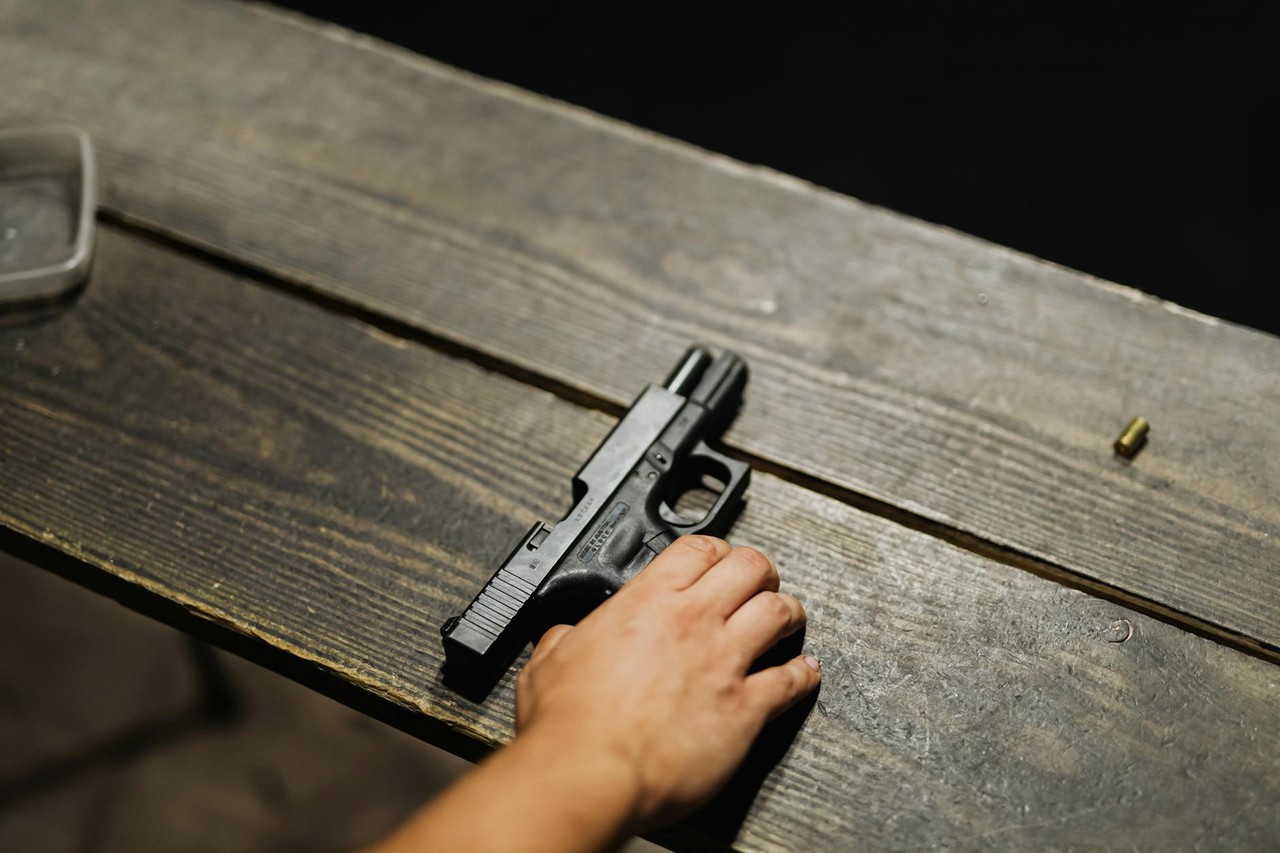
Federal law permits firearms in national parks, but this is largely governed by the laws of the state in which the park is located. If you are legally allowed to carry a firearm in that state, whether openly or concealed, you can generally do so on park land, including campsites. However, a critical exception exists: firearms are strictly prohibited inside all federal buildings, such as visitor centers and ranger stations, regardless of your permit status. Discharging a firearm is also illegal except in situations of genuine self-defense. It is the visitor’s responsibility to be aware of and comply with all applicable federal, state, and local firearms laws. Some states may also have specific restrictions on firearms, such as magazine capacity limits, even within national parks.
Knives: Practical Tools with Legal Nuances
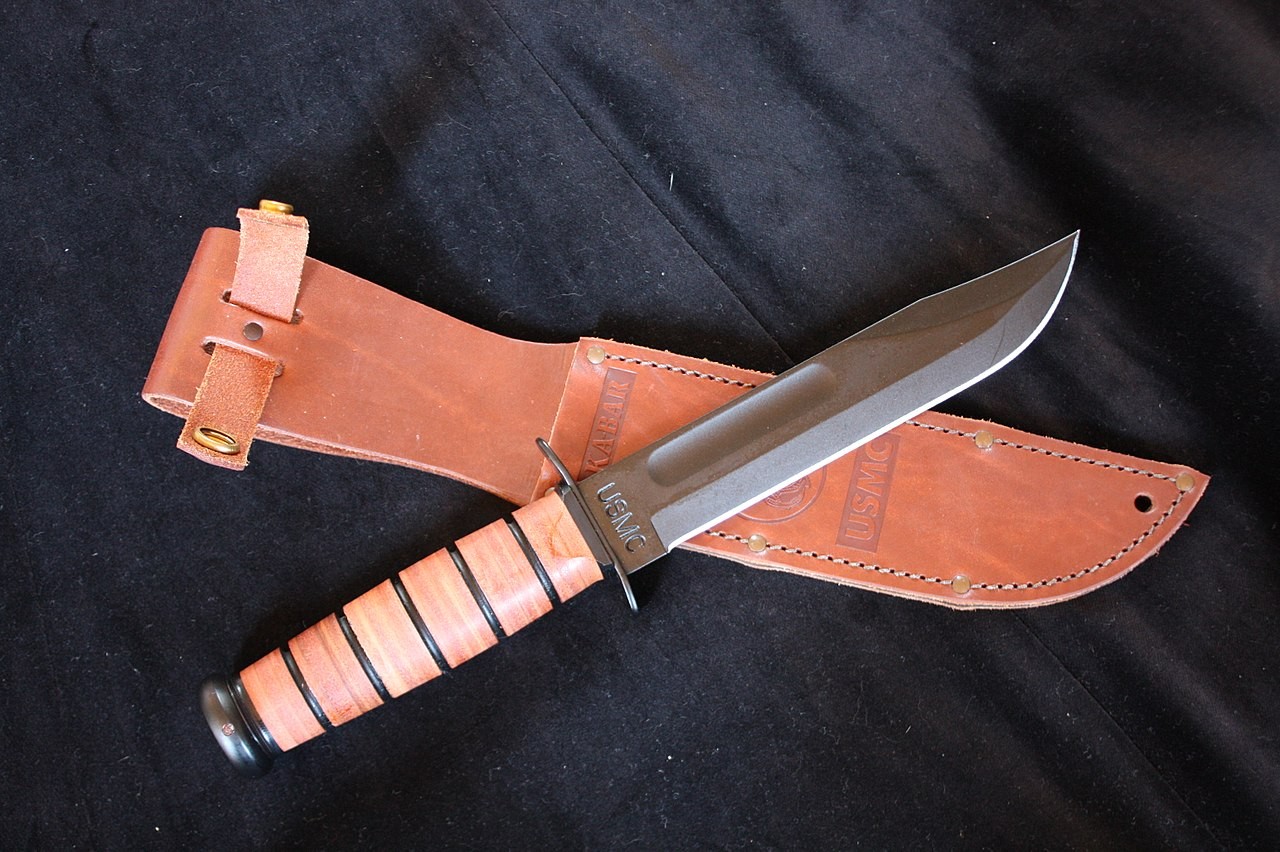
Knives serve as indispensable tools for camping, aiding in tasks from food preparation to minor repairs. The legality of carrying a knife, however, is often nuanced and varies considerably by state and even city. Many jurisdictions consider factors such as blade length, type of knife (fixed blade versus folding), and the intent behind carrying it. For instance, while a folding pocketknife might be generally permissible, a fixed-blade knife, especially if concealed, could be subject to stricter regulations. In California, for example, fixed-blade knives can generally be carried openly in a sheath, but concealing them is illegal. It is vital to research local ordinances, as even open-carry laws can have specific restrictions, particularly in urban or populated areas adjacent to camping sites.
Pepper Spray: A Non-Lethal Deterrent
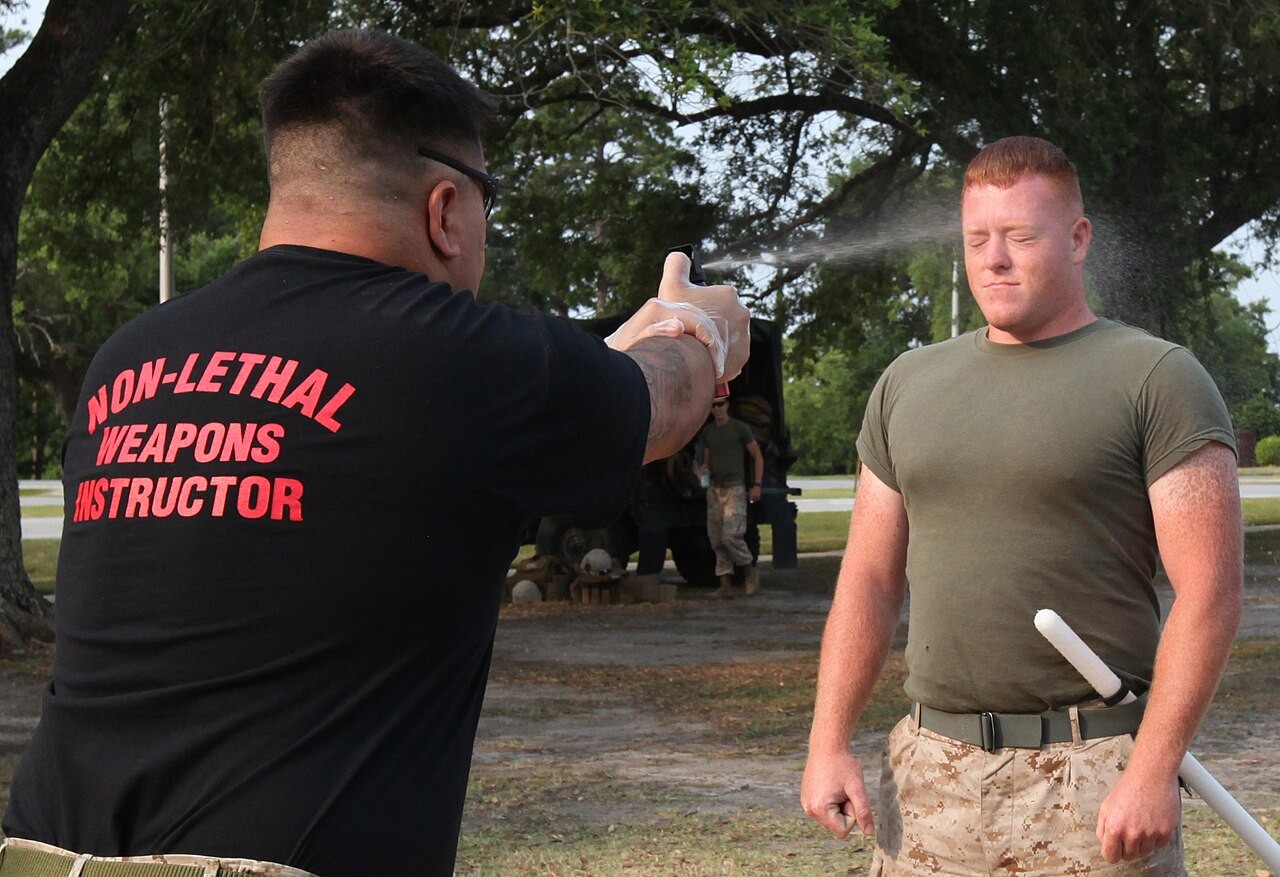
Pepper spray is a widely accepted and accessible non-lethal self-defense tool. In all 50 states, it is generally legal to carry pepper spray for personal protection, but specific regulations often apply. These restrictions commonly pertain to the size of the canister, with many states limiting the volume to a few ounces. For example, California has a limit of 2.5 ounces, while Florida permits containers up to 2 ounces. Some states also have age restrictions or prohibit possession by individuals with certain criminal convictions. It is crucial to verify these limits before your trip, as laws can vary significantly, even in neighboring states.
Bear Spray: For Encounters in the Wild
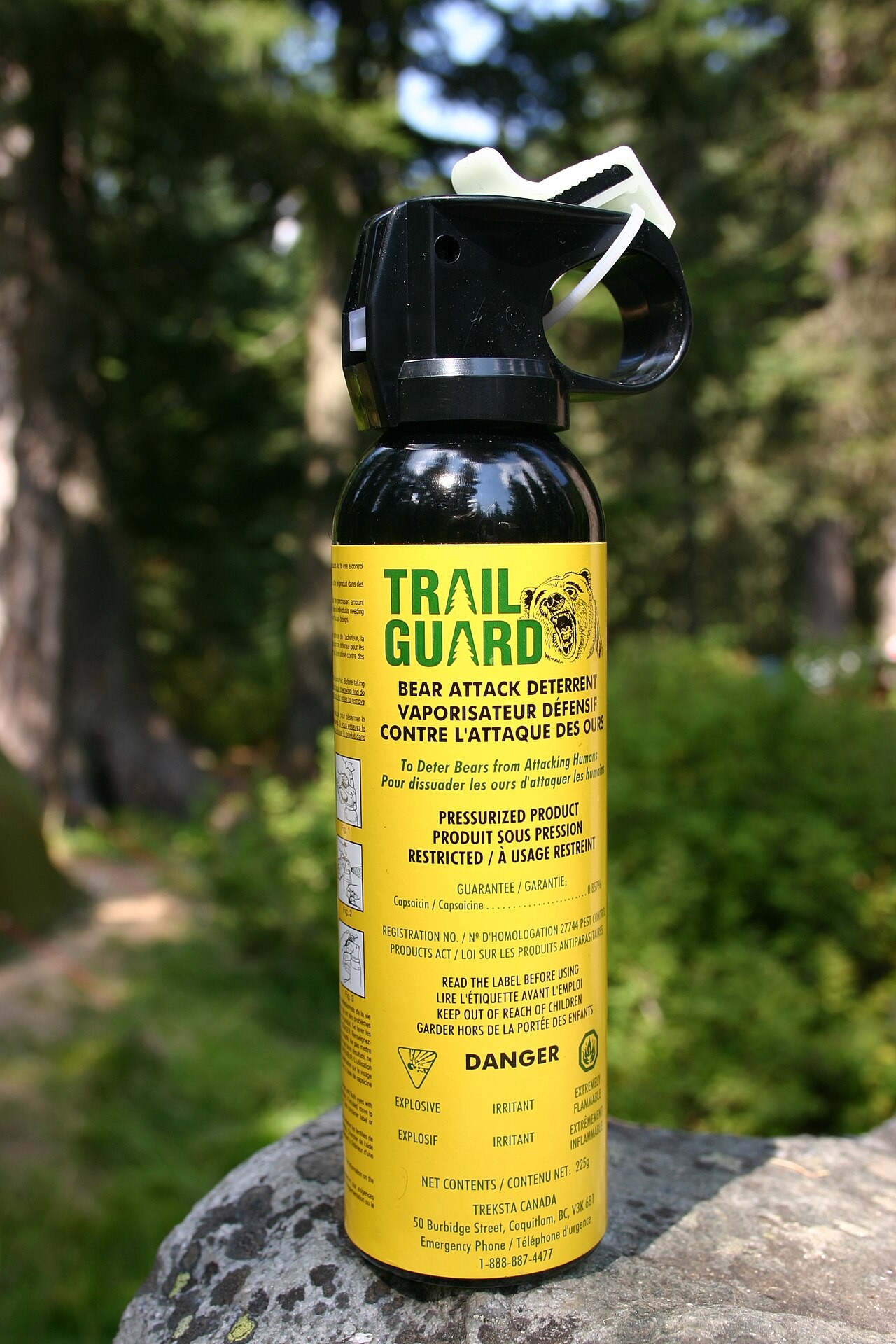
When camping in areas known for bears or other large wildlife, bear spray is a critical safety item. It’s designed to deter aggressive animals and is generally legal in most national parks and wilderness areas, though specific park regulations can sometimes prohibit it in certain locations, such as Yosemite and Sequoia National Parks. While bear spray is primarily intended for animal encounters, using it against humans can lead to criminal charges. Its legality and permitted use are typically less restrictive than pepper spray intended for human defense, but always confirm park-specific rules. Keeping bear spray readily accessible and knowing how to deploy it quickly is essential for safety.
Other Self-Defense Tools and Considerations
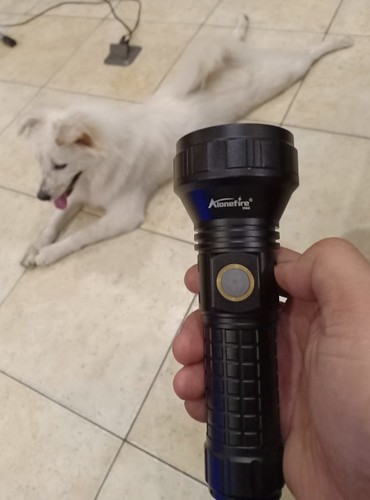
Beyond firearms, knives, and pepper spray, various other tools can enhance personal safety while camping. Tactical flashlights, for example, can be invaluable not only for illumination but also for disorienting a potential threat. Personal alarm devices that emit a loud sound can deter attackers or attract attention. While stun guns and tasers are legal in many states, their legality and restrictions can vary widely, often requiring permits or prohibiting possession by certain individuals. It is always advisable to research state and local laws concerning any self-defense tool you plan to carry.
Situational Awareness and Responsible Use
Regardless of the tools you choose to carry, the most effective form of self-defense is maintaining keen situational awareness. Understanding your surroundings, being mindful of potential risks, and trusting your instincts are paramount, especially when camping in remote areas. Responsible use of any protection item is also critical. This means understanding its capabilities, practicing its deployment, and ensuring it is used only as a last resort in a genuine threat situation. Familiarizing yourself with the specific laws of the area you are visiting, both at the state and park level, is not just a legal requirement but a fundamental aspect of responsible outdoor recreation.