The light bulb wasn’t really Edison’s. The telephone wasn’t really Bell’s. In 2002, the U.S. Congress officially corrected the record on one of them. The full list is longer and stranger than school textbooks suggest.
The history of invention is messier than school textbooks make it look. In a field where the difference between “first to invent” and “first to patent” can determine who gets remembered for centuries, the names attached to many famous inventions are less about who actually invented something and more about who managed to commercialize it, defend it in court, or write the history. Some of the corrections are dramatic enough that legislatures have stepped in to formally rewrite the record. Here are six.
1. The telephone — invented by Antonio Meucci, not Alexander Graham Bell
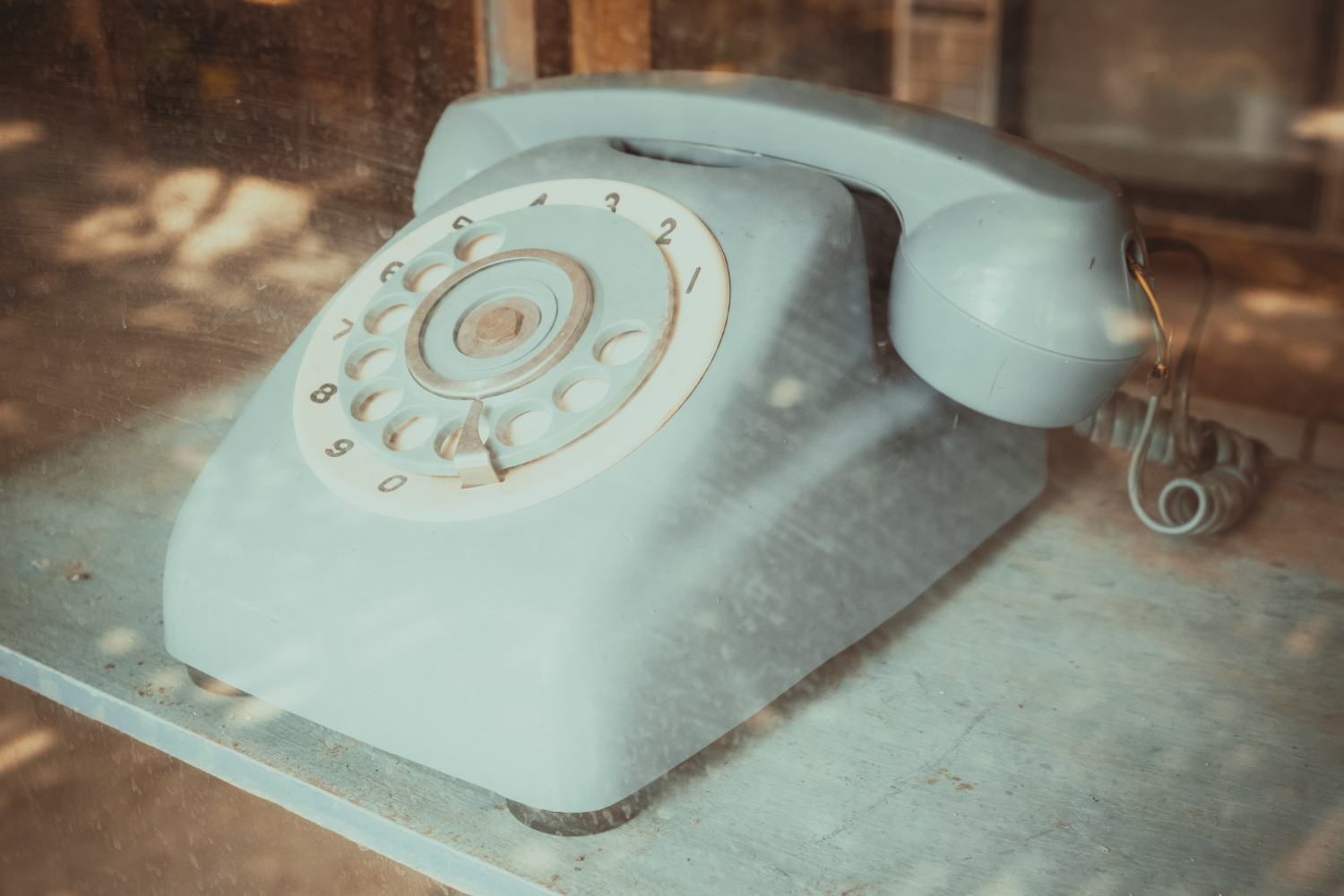
This is the most thoroughly corrected misattribution in the list, and it took the U.S. Congress to make it official.
Antonio Meucci was an Italian-born inventor who emigrated to the United States in 1850 and lived in Staten Island, New York. By his own account and substantial documentary evidence, he developed working voice-transmission devices — which he called the “telettrofono” — beginning in the 1850s. He set up a working voice-communication link between his ground-floor laboratory and his upstairs bedroom, where his wife was confined by severe rheumatoid arthritis, sometime in the late 1850s or early 1860s. By 1860, he was demonstrating his invention publicly. By August 1870, he later claimed to have transmitted articulate human voice over a one-mile distance using a copper wire insulated by cotton.
In 1871, Meucci filed a patent caveat — a temporary form of patent protection — for his telephonic device with the U.S. Patent Office. He couldn’t afford the $250 fee for a full patent. He renewed the caveat for $10 in 1872 and 1873. By 1874, he could no longer afford the renewal fee, and the caveat lapsed.
In 1876, Alexander Graham Bell — who, according to documents from the period, may have had access to Meucci’s apparatus, since some of Meucci’s materials had been stored at the same lab Bell later used — was granted a patent for the telephone. Meucci spent the rest of his life attempting to gain recognition. He died in 1889.
In June 2002, after a campaign led by U.S. Representative Vito Fossella of Staten Island, the U.S. House of Representatives passed House Resolution 269, which formally recognized that “the life and achievements of Antonio Meucci should be recognized, and his work in the invention of the telephone should be acknowledged.” Ten days later, the Canadian Parliament — Bell had spent significant time in Brantford, Ontario — passed a counter-resolution affirming Bell as the inventor.
The 2002 Congressional resolution didn’t strip Bell of his patents or his place in textbooks. But it formally entered into the U.S. legislative record an acknowledgment that Bell wasn’t the first person to build a working telephone — Meucci was — and that Meucci had been deprived of recognition primarily because he was poor, didn’t speak English well, and couldn’t afford patent fees.
2. The light bulb — Joseph Swan beat Edison by a decade
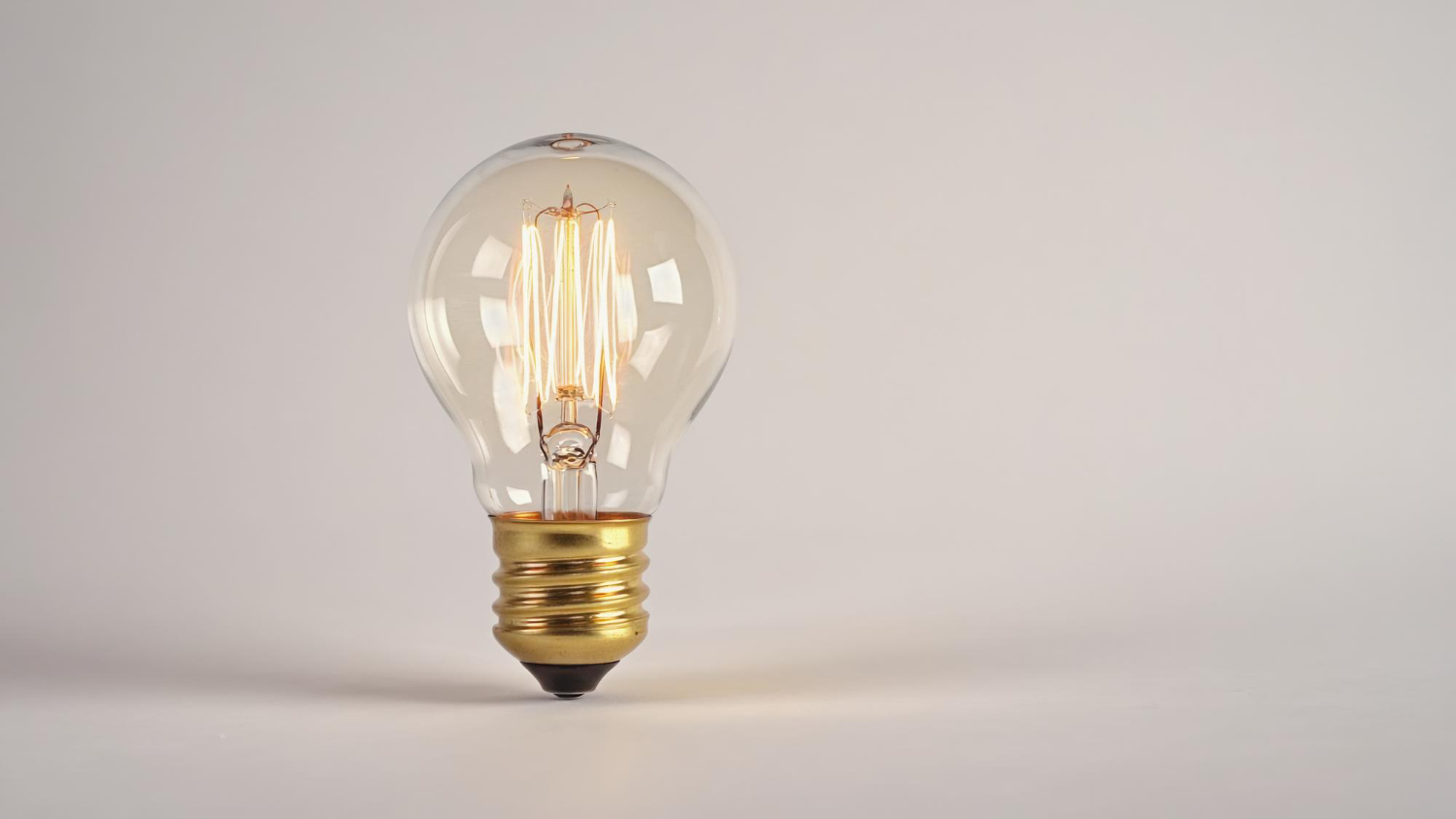
Joseph Wilson Swan was an English chemist and physicist who began experimenting with electric incandescent lights using carbonized paper filaments in 1850. By 1860, Swan had a working device, though limited by inadequate vacuum technology of the era. After improved vacuum pumps became available in the 1870s, Swan returned to his work and on February 3, 1879, demonstrated a working incandescent light bulb to an audience of over 700 people at the Literary and Philosophical Society of Newcastle upon Tyne.
This was eight months before Thomas Edison’s famous October 21, 1879 demonstration in Menlo Park, New Jersey. Edison filed his U.S. patent in 1879. Swan filed his British patent in 1880.
When Edison’s company tried to enter the British market, Swan sued for patent infringement and won. As a settlement, the two companies merged in 1883 into the Edison & Swan United Electric Light Company — known commercially as “Ediswan” — which manufactured light bulbs in the UK using Swan’s cellulose filament process well into the 20th century.
The U.S. Patent Office actually invalidated Edison’s light bulb patent in 1883 on the grounds that it duplicated earlier work by William Sawyer and Albon Man, two American inventors. Edison’s company eventually merged with Sawyer-Man’s company, and that combined entity later became General Electric.
What Edison genuinely invented wasn’t the light bulb itself but the system — the centralized power generation, the wiring infrastructure, the distribution network — that made the light bulb commercially practical. That’s not a small contribution. But the bulb itself was Swan’s, and Britain still officially celebrates Swan rather than Edison as the inventor.
3. The radio — Tesla over Marconi (Supreme Court, 1943)
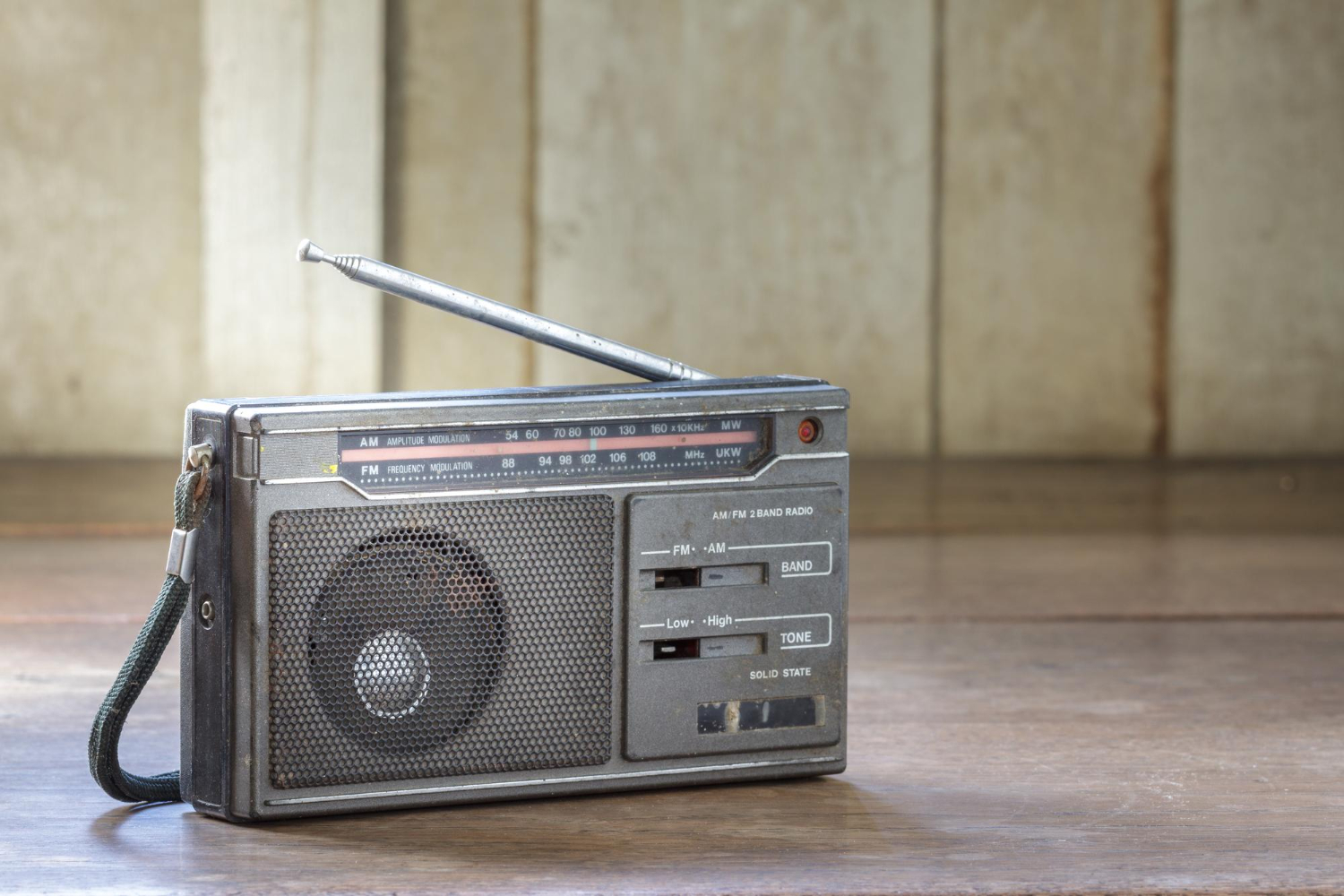
Guglielmo Marconi is widely credited with inventing radio, and he won the Nobel Prize in Physics in 1909 for his work in wireless telegraphy. But the relevant patent history is more complicated.
Nikola Tesla, the Serbian-American inventor, had filed multiple patents on the underlying technology of radio transmission throughout the 1890s, including a complete working system patented in 1897 (US patents 645,576 and 649,621). Marconi’s first transatlantic radio transmission in 1901 used technology that closely mirrored Tesla’s prior work.
For decades, the U.S. Patent Office and U.S. courts treated the question as effectively settled in Marconi’s favor. But in 1943, the U.S. Supreme Court ruled in Marconi Wireless Telegraph Co. of America v. United States (320 U.S. 1) that key Marconi patents had been preempted by earlier work, including Tesla’s. The decision came shortly after Tesla’s death in January 1943.
The 1943 ruling has been variously interpreted — some scholars argue it was primarily a wartime decision designed to allow the U.S. military to use radio technology without paying Marconi’s company, rather than a genuine reassessment of inventorship. But its formal legal effect was to undermine Marconi’s claim to the foundational radio patents in the United States and to recognize Tesla as a critical predecessor.
4. The first powered airplane flight — possibly Gustave Whitehead, not the Wright brothers
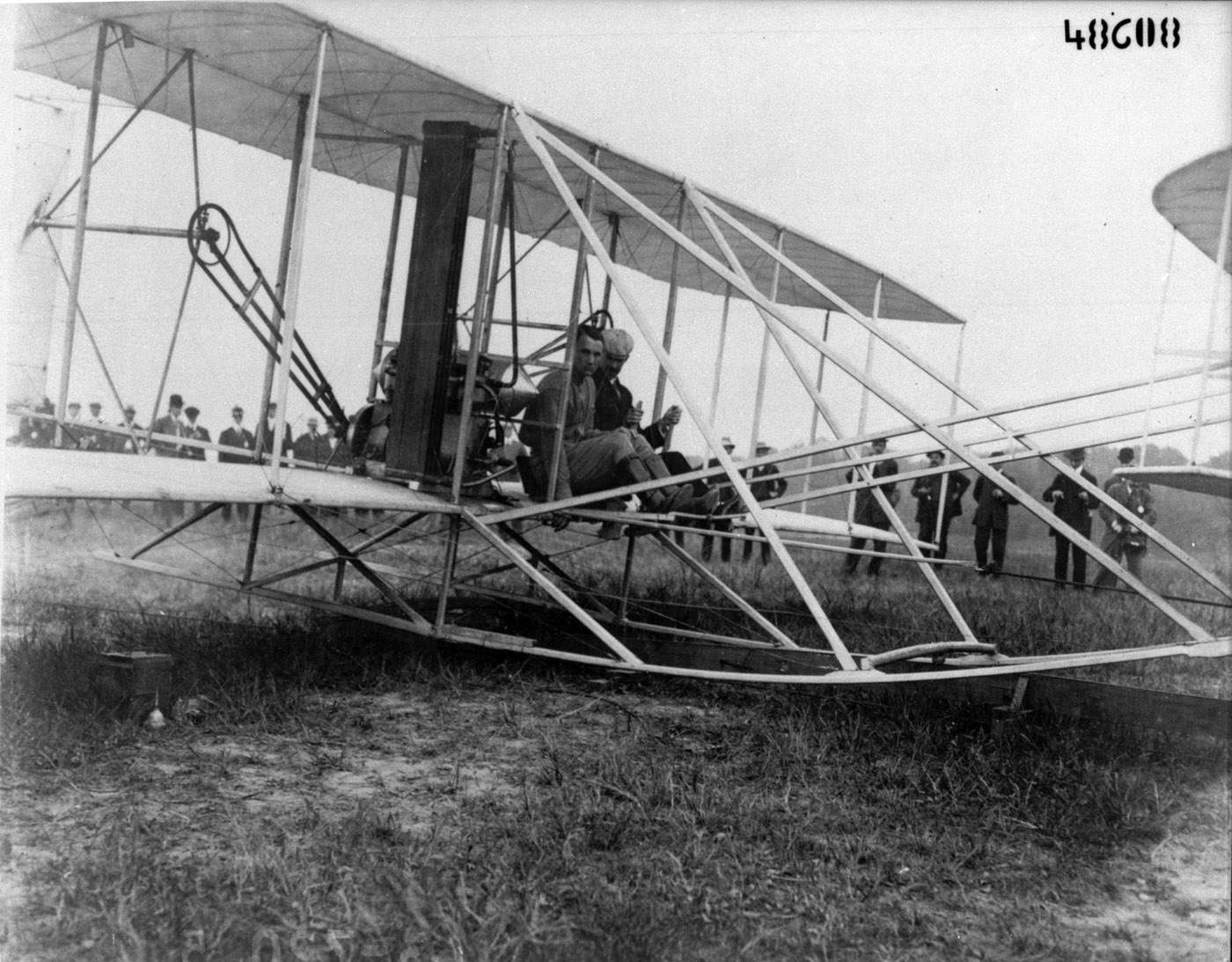
This one is contested, and the Wright brothers’ claim remains the dominant historical narrative. But the alternative case is well-documented enough that the state of Connecticut has formally weighed in.
Gustave Whitehead was a German-American aviation pioneer who, according to multiple eyewitness accounts and contemporary newspaper reporting, conducted powered flights in his “Number 21” aircraft in Fairfield, Connecticut on August 14, 1901 — more than two years before the Wright brothers’ flight at Kitty Hawk on December 17, 1903. The Bridgeport Sunday Herald published a detailed account of the flight on August 18, 1901.
The Smithsonian Institution has long defended the Wright brothers’ priority. Critics have noted that Smithsonian’s official position was specifically required by a 1948 contract with the Wright family that gave the institution custody of the original Wright Flyer in exchange for officially recognizing it as the first airplane. The contract is real and legally binding; whether it constrains the Smithsonian’s neutrality on the question is a matter of debate.
In 2013, the editor of Jane’s All the World’s Aircraft, the historic aviation reference, formally credited Whitehead as the first to fly. In 2015, the state of Connecticut passed a law (Public Act 15-152) declaring Whitehead the first to achieve powered flight. The Smithsonian and most aviation historians continue to credit the Wrights.
The honest historical answer: the case for Whitehead is real, the case for the Wrights is dominant, and the documentary evidence isn’t strong enough on either side to definitively settle the question more than a century later.
5. Pasteurization — Pasteur’s name stuck, but the process predates him
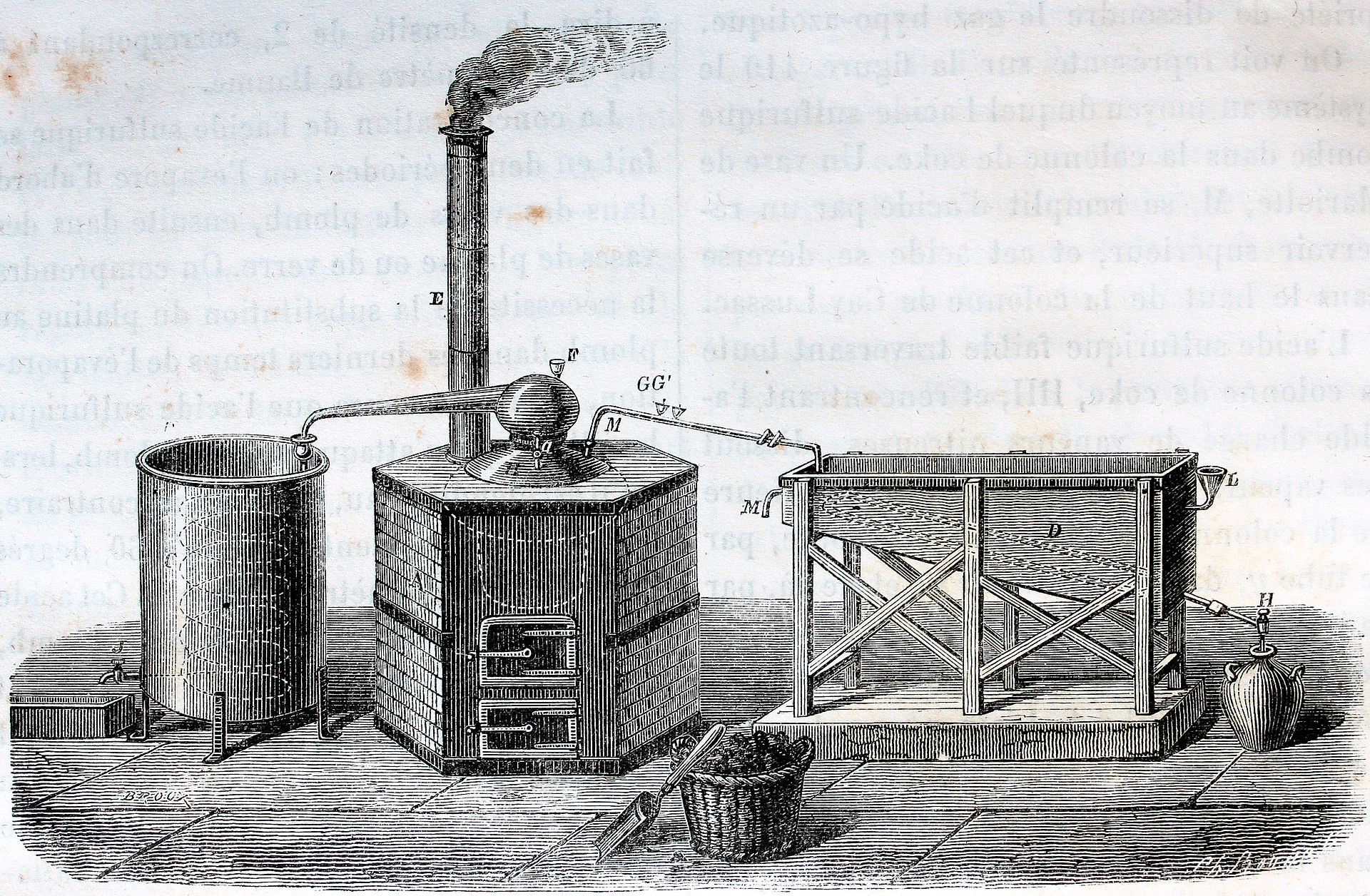
Louis Pasteur is universally credited with inventing pasteurization — the process of heating liquids to kill harmful microorganisms while preserving the food. Pasteur’s name is on the technique, on global scientific institutions, and on milk cartons.
Pasteur’s actual contribution, well-documented in his own papers from the 1860s, was the scientific explanation of why heating liquids prevents spoilage — the demonstration that microorganisms cause fermentation and decay, and that heat kills them. This was foundational science.
But the heat-treatment technique itself was already in widespread use in Japanese sake brewing by at least the 16th century. Sake brewers had developed a process called hi-ire (literally “fire-application”) for heating sake to roughly 60°C to prevent secondary fermentation, achieving exactly the effect Pasteur later explained. Documents from the Edo period describe the technique in detail.
This isn’t a case of malice or theft — Pasteur didn’t know about Japanese sake brewing, and his independent scientific contribution to understanding why the process worked was genuinely original. But the universal use of “pasteurization” as a term implies an inventor who didn’t actually invent the technique he gave his name to.
6. The sewing machine — Elias Howe got the patent, but Walter Hunt invented the lockstitch first
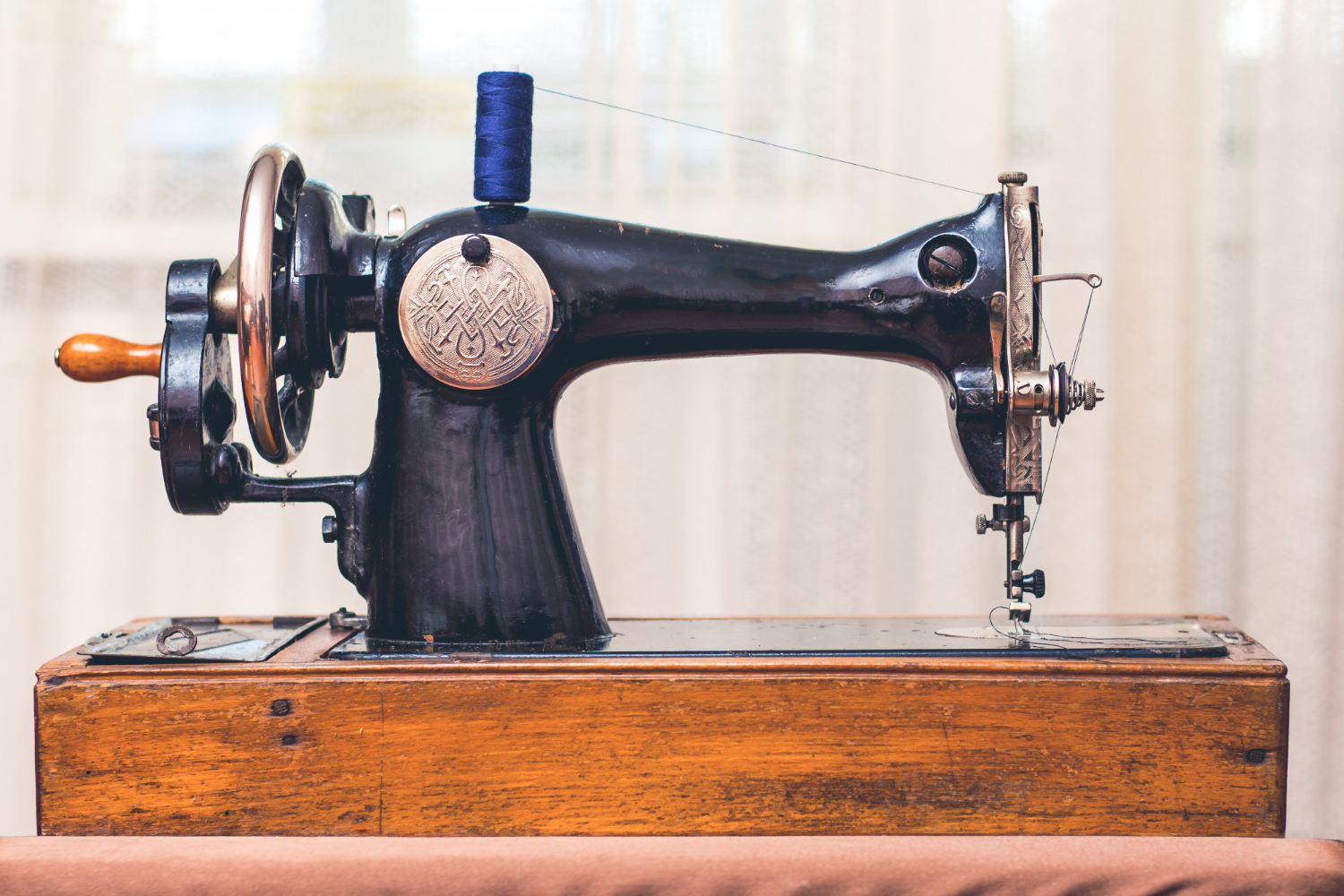
Elias Howe is widely credited with inventing the sewing machine and patented his version in 1846. But Walter Hunt, an American inventor who would later be best known for inventing the safety pin, had built a working lockstitch sewing machine in 1834 — twelve years earlier.
Hunt’s machine used the same lockstitch principle Howe later patented. Hunt didn’t pursue a patent because, according to family accounts, he was concerned that the machine would put hand-sewing seamstresses out of work. He abandoned the project.
When Hunt later tried to claim priority during the contentious “sewing machine wars” of the 1850s — when Howe was suing Isaac Singer and others for patent infringement — the courts ruled against Hunt on the grounds that he hadn’t pursued his invention with sufficient diligence to claim priority. Howe collected royalties from every sewing machine manufactured in America for years.
Hunt’s lockstitch machine was real, his prior date was documented, and his moral case was reasonable. But “first to publicly demonstrate and pursue commercialization” beat “first to invent” in the actual courts of the time, as it usually does.
What this pattern actually means
The thread connecting these six cases is consistent: in nearly every case, the person whose name attached to the invention wasn’t the first to build the device but was the first to combine inventing with patenting, commercialization, legal defense, and (often) wealth. Bell had investors, lawyers, and English. Edison had Menlo Park, financiers, and a publicity operation. Marconi had Italian government backing and a legal team. The Wright brothers had a Smithsonian contract.
The actual inventors — Meucci, Swan, Tesla, Whitehead, Hunt — had ideas, prototypes, and in most cases written documentation, but lacked the surrounding apparatus to translate invention into recognition.
This isn’t an argument that Bell, Edison, Marconi, and the Wrights deserve no credit. They genuinely made important contributions. Edison’s distribution system, Bell’s commercial telephone network, the Wrights’ rigorous documentation of their flights, Marconi’s transatlantic transmission — each was a real achievement. But “the inventor of X” is shorthand that elides a lot of complicated history. In several of these cases, the actual story has been formally corrected by legislatures or courts. In most, it just sits in the historical record waiting for anyone curious enough to look.