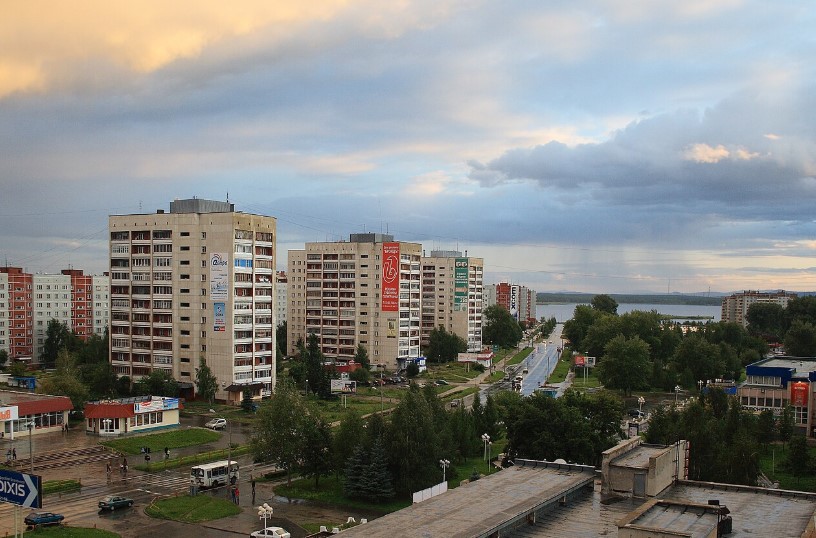
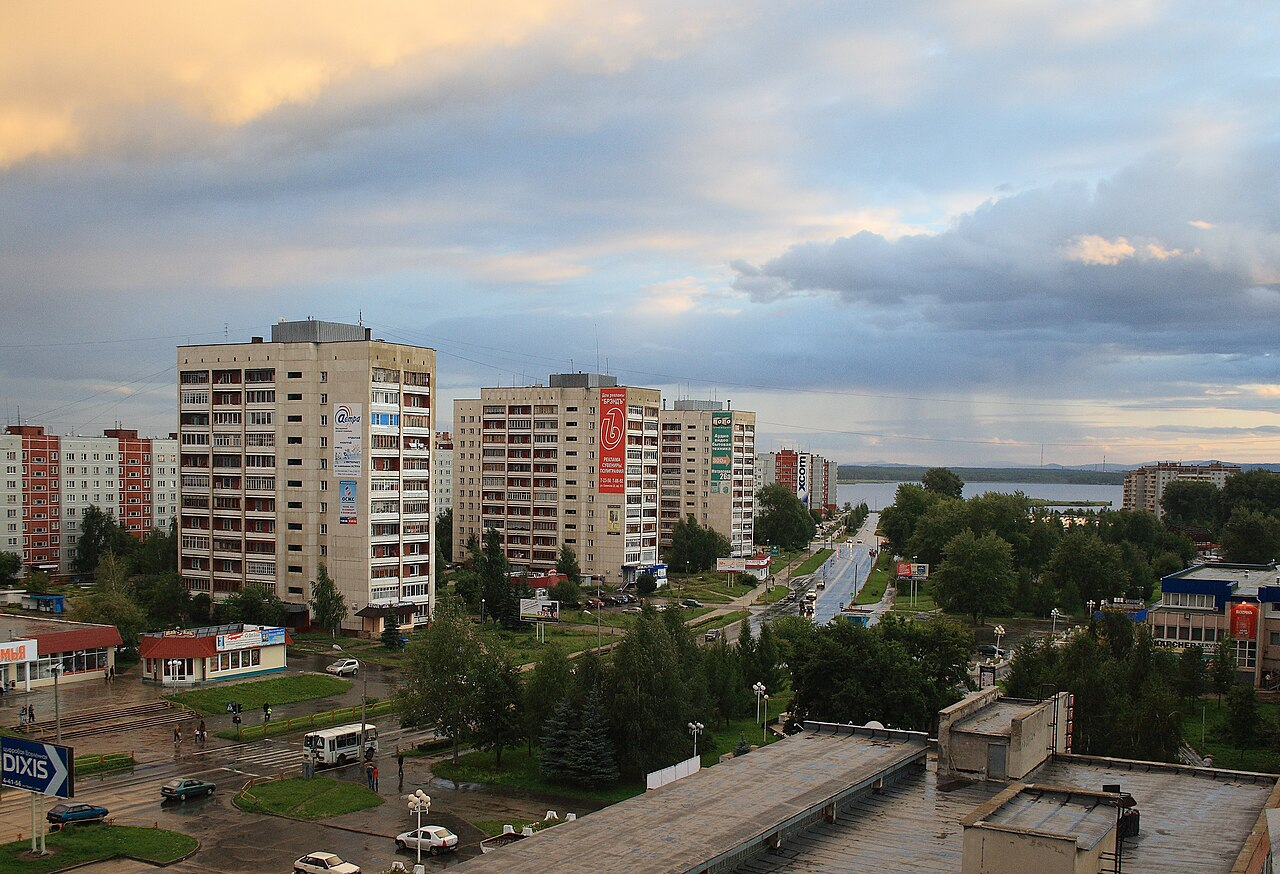
Ozyorsk was a closed Soviet city built around a plutonium plant that produced the first Soviet atomic bomb. In 1957, a tank exploded and released more radioactive contamination than Chernobyl would 29 years later. The Soviet Union concealed it for nearly two decades. The CIA knew but kept quiet. Here’s what actually happened.
In 1947, Soviet authorities began constructing a city in the Ural Mountains that would not appear on any map for the next 47 years. The town had no official name — only a postal code: Chelyabinsk-40, later renamed Chelyabinsk-65. Mail to its 100,000 residents was addressed to Post Office Box 40 in the city of Chelyabinsk, 55 miles away. Soviet citizens could not visit without special permission. Foreigners could not enter at all.
The reason for the secrecy was the Mayak Production Association — the plutonium plant on the city’s outskirts that produced the fuel for the first Soviet atomic bomb in 1949. For Cold War-era Soviet planners, hiding the existence of the plant required hiding the existence of its workers’ city. So Chelyabinsk-40 simply didn’t exist, officially.
On September 29, 1957, a storage tank at the Mayak plant exploded. The blast lifted a 160-ton concrete slab and released radioactive contamination across more than 52,000 square kilometers — roughly the size of Costa Rica. The disaster, later named the Kyshtym disaster after the nearest known town (because the actual location couldn’t be named), was the worst nuclear incident in history until Chernobyl 29 years later. It remains the only Level 6 disaster on the International Nuclear Event Scale, behind only the two Level 7 events (Chernobyl and Fukushima).
The world didn’t learn what happened until 1976, when an exiled Soviet biologist published the story in a British science journal. The CIA had known since 1959. They kept it secret to protect the fledgling American nuclear industry. Approximately 100,000 people still live in Ozyorsk today. Here’s the actual story.
1: The Soviet rush to catch up with America
In August 1945, the United States detonated atomic bombs over Hiroshima and Nagasaki. The Soviet Union, which had been working on nuclear research since the late 1930s, dramatically accelerated its program in response. Lavrentiy Beria — the head of the Soviet secret police and one of Stalin’s most powerful deputies — was placed in charge of the atomic bomb project.
Beria’s mission: produce a Soviet bomb as quickly as possible, regardless of cost. The Mayak plant in the Southern Urals was selected as the production site. Construction began in 1945. The plant became operational in 1948 — just three years later, an extraordinary pace for industrial facilities of that complexity.
Over 40,000 gulag prisoners and prisoners of war were used to build both the Mayak plant and the closed nuclear city of Chelyabinsk-40 around it. The labor was forced and the conditions were brutal. The prisoners who survived were typically not allowed to return to their previous lives, since they knew about the existence of a facility that officially didn’t exist.
2: The first reactor and the first Soviet bomb
The first Mayak reactor, designated A-1, became operational in 1948. By August 29, 1949, the plutonium it produced fueled the first Soviet nuclear test, designated RDS-1. The successful test ended the American nuclear monopoly that had defined the early Cold War years.
Over the next decade, the Mayak plant expanded dramatically. By 1990, ten nuclear reactors had been constructed at the site, with combined power output of 7,333 megawatts. Four of them produced plutonium for nuclear weapons (totaling 31 tons over the program’s lifetime). The remaining six produced tritium for thermonuclear (hydrogen) bombs.
The plant operated under Cold War-driven urgency that prioritized output over safety. Environmental concerns were essentially absent from operational decisions. Workers received radiation doses that would horrify modern industrial hygiene standards. Surrounding communities were exposed to radioactive contamination through mechanisms that nobody fully measured at the time.
3: The river that became radioactive
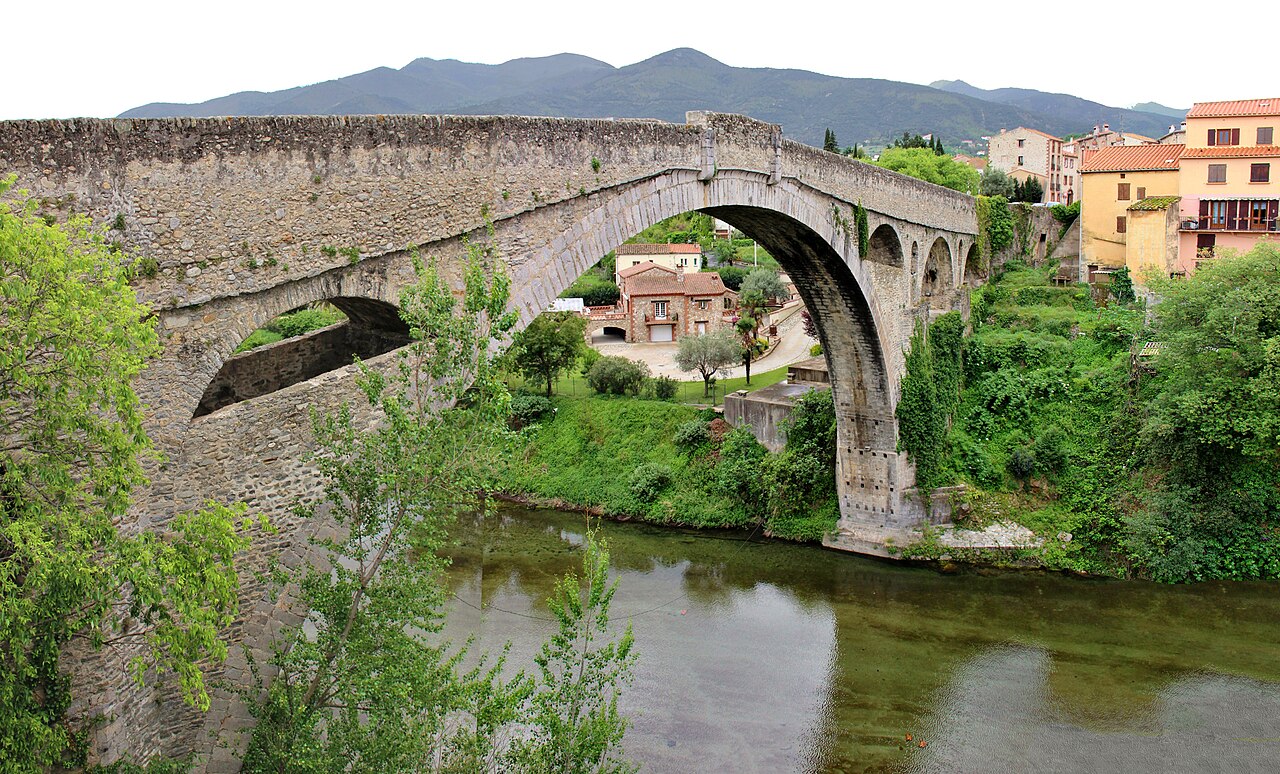
In the early years of Mayak’s operation, the plant simply dumped high-level radioactive waste into the nearby Techa River. The river flows into the Ob River, which flows into the Arctic Ocean. The thinking, to the extent that there was any, was that the contamination would dilute as it spread.
The reality was different. The Techa River became severely contaminated. Villages along the river — places like Muslyumovo, where residents continued drinking river water and eating fish — experienced radiation sickness outbreaks throughout the 1950s. Cancer rates rose dramatically. Children developed leukemia at extraordinary rates. The Soviet government, focused on the broader nuclear program, did not communicate the danger to the affected populations.
According to data from the Department of Natural Resources in the Ural Region, by 2000, more than 250 million cubic meters of water containing thousands of curies of tritium, strontium, and cesium-137 had been discharged into the Techa River from Mayak operations. The tritium concentration in the river near Muslyumovo exceeded permissible limits by 30 times.
Russian state nuclear corporation Rosatom began voluntarily resettling Muslyumovo residents in 2006 — nearly 60 years after the contamination began. Only about half of the village’s residents were relocated. People continue to live in the immediate area of the plant, including downstream from documented contamination sources.
4: Lake Karachay — the most polluted place on Earth
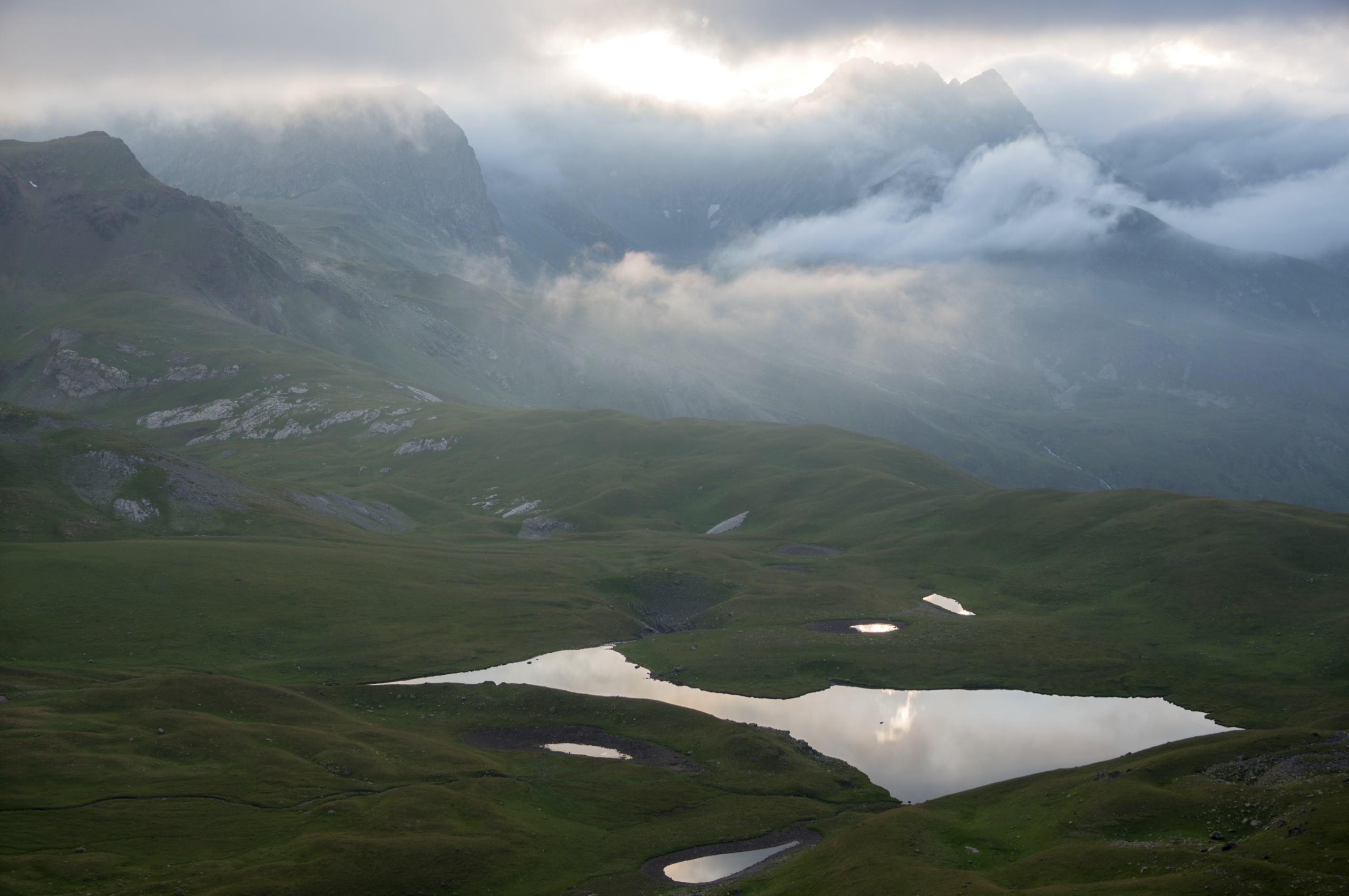
When dumping into the Techa River became too obviously problematic, Mayak operators redirected high-level radioactive waste to Lake Karachay starting in 1951. The lake — a small natural lake adjacent to the plant — was used as an open-air radioactive dumping ground.
Within years, Lake Karachay became one of the most contaminated places on Earth. Standing on the shore for an hour was enough to deliver a fatal radiation dose by the 1990s. Standing for a few minutes could cause radiation sickness.
In 1967, drought caused water levels in Lake Karachay to drop dramatically. Wind picked up radioactive sediment from the exposed lake bed and spread it across surrounding regions. Approximately 400,000 people were irradiated. The Soviet government’s response was to gradually fill the lake with concrete blocks and hollow concrete shells starting in 1978. The lake was finally completely covered in 2015.
5: September 29, 1957 — the day a tank exploded
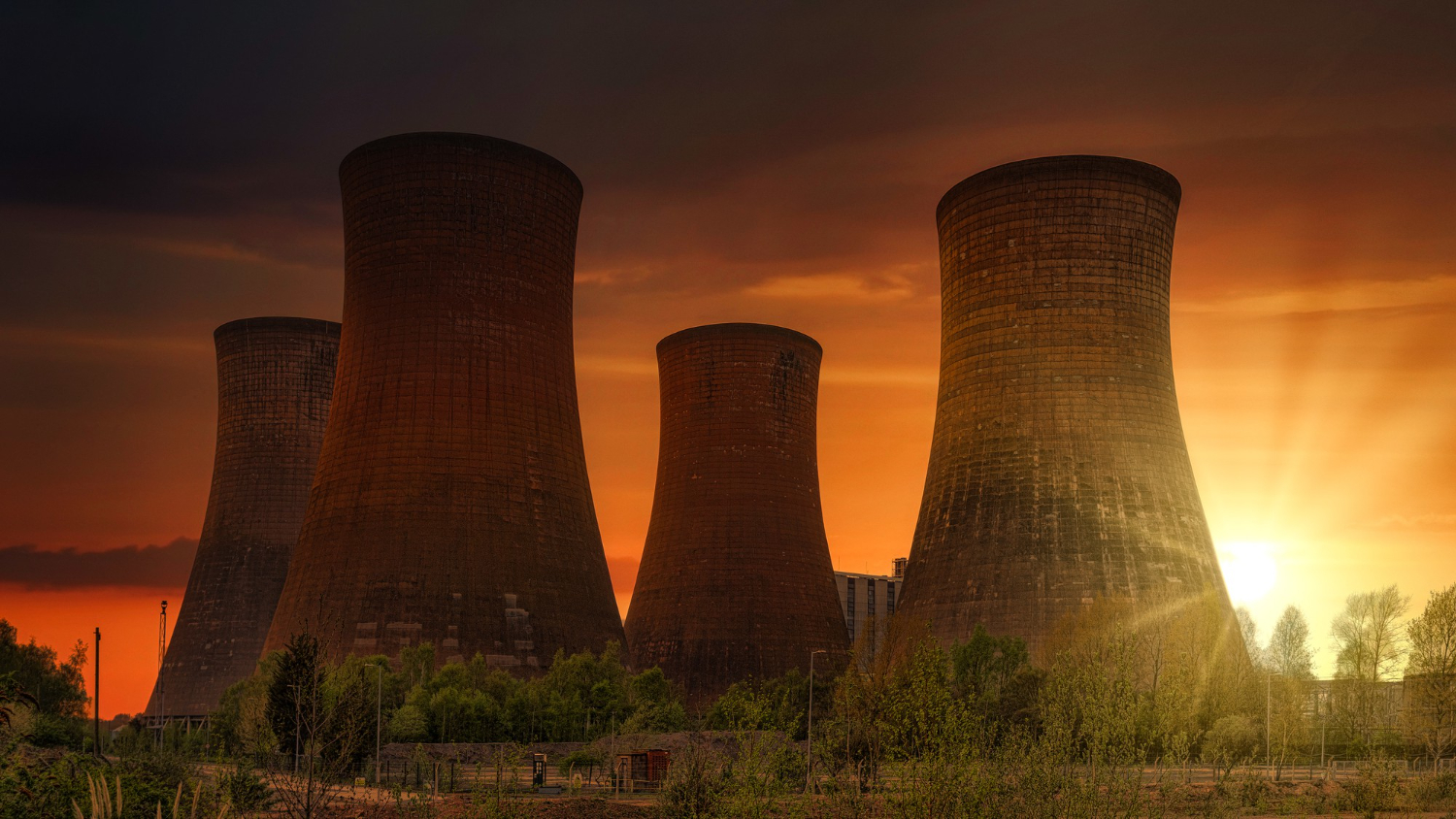
The Kyshtym disaster occurred at 4:22 PM local time on September 29, 1957. The cause was specific: one of approximately 14 stainless-steel underground tanks containing high-level liquid radioactive waste had a malfunctioning cooling system. The cooling system had been broken for an extended period. It had not been repaired.
Without cooling, the temperature in the tank rose. The waste — primarily ammonium nitrate and acetates with substantial radioactive content — began to evaporate and dry out. The dried compound became unstable. At 4:22 PM, it detonated.
The explosion’s force was estimated at the equivalent of at least 70 tons of TNT. It lifted the 160-ton concrete slab covering the tank. It destroyed a brick wall in a building 200 meters away. A column of smoke and dust rose to a kilometer high, glowing orange-red as the radioactive particles caught light. The dust settled on buildings, vehicles, and people across the area.
Approximately one-tenth of the radioactive material in the tank was lifted into the air. The remaining nine-tenths stayed at the industrial site. Workers at Ozyorsk and the Mayak plant did not immediately recognize the contamination — they had no measurement instruments suitable for the released radiation levels and had been trained to expect specific kinds of accidents that didn’t include this scenario.
6: The contamination that spread for 200 miles
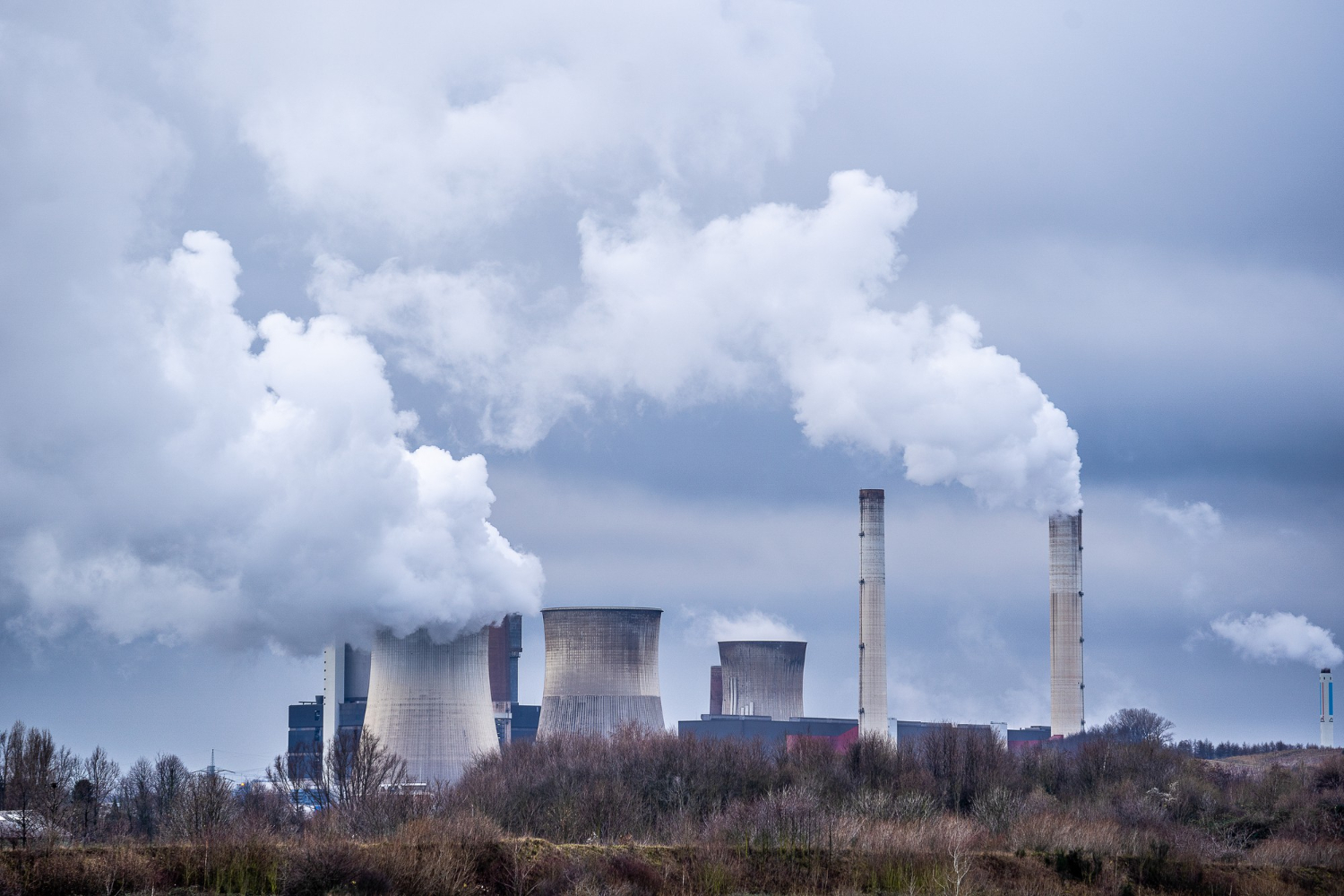
The wind on September 29, 1957 happened to be blowing northeast. Ozyorsk had been deliberately constructed upwind of the Mayak plant given prevailing winds, so most of the radioactive material drifted away from the closed city itself toward less-populated rural areas.
The radioactive plume eventually contaminated more than 52,000 square kilometers (20,000 square miles) — an area larger than Costa Rica or Slovakia. Approximately 270,000 people lived in the contaminated zone. At least 22 villages were directly exposed. The contamination zone became known as the East Ural Radioactive Trace (EURT).
Soviet authorities began evacuations on October 6, 1957 — one week after the disaster. Approximately 10,000 people were eventually evacuated, though the process took nearly two years for some affected villages. Residents were not informed about the cause of their evacuation. Many were simply told they had to move and were not given explanations.
In 1968, the Soviet government declared the EURT zone a “nature reserve” — the East Ural Nature Reserve — to prevent unauthorized access. The designation was a cover. The “reserve” was actually contaminated territory unsuitable for human habitation.
7: The disaster nobody could name
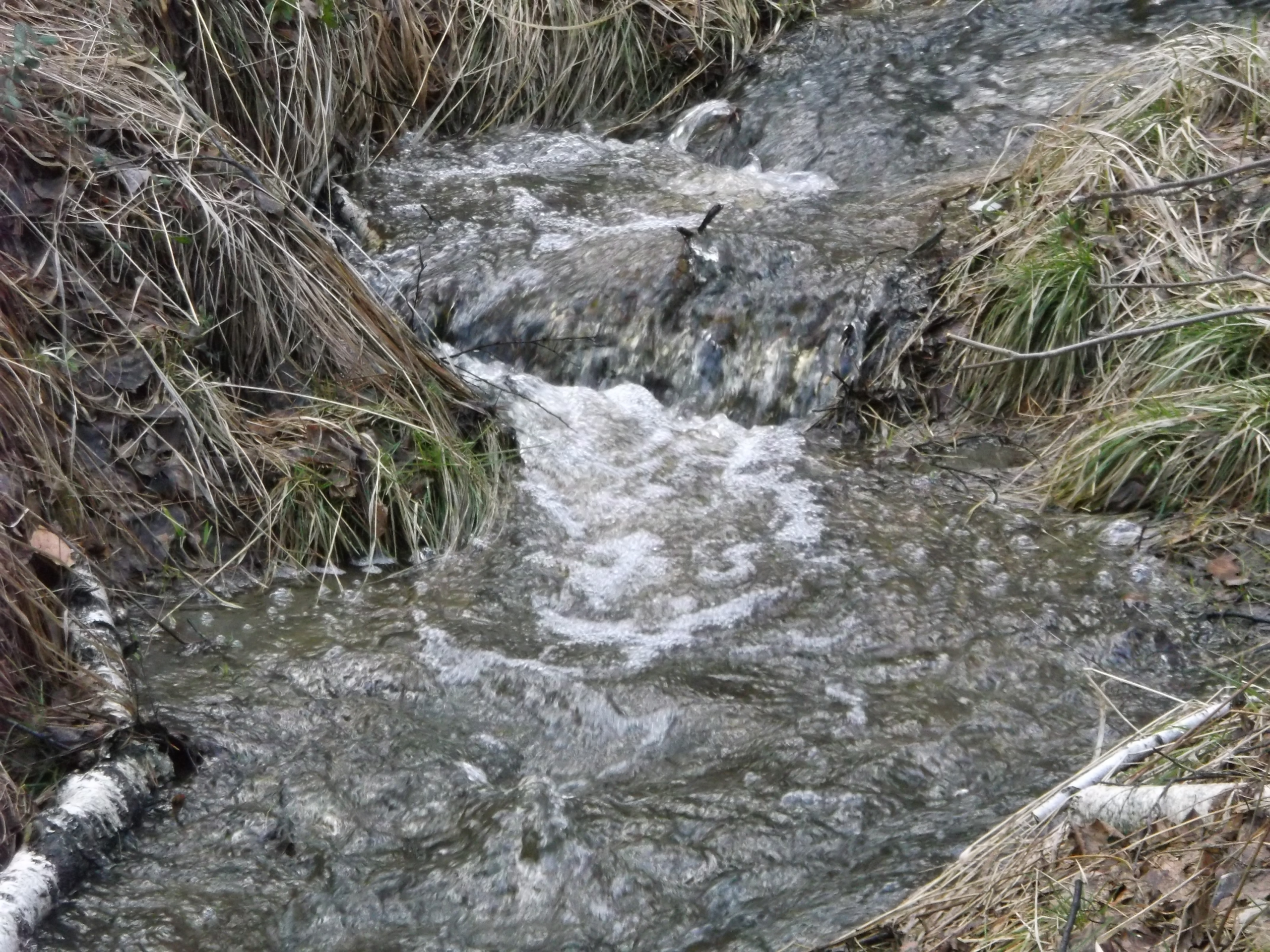
The Kyshtym disaster takes its name from the small town of Kyshtym, which was approximately 55 miles from the actual site. The naming was deliberate misdirection: Mayak and Chelyabinsk-40 didn’t officially exist, so the disaster had to be named after a place that did exist.
For decades, even the limited Western reporting on Soviet nuclear accidents discussed “the Kyshtym disaster” without realizing the actual site was a closed city of 100,000 people that wasn’t on any map. The misdirection worked. The Soviet Union maintained complete secrecy about the disaster’s actual location and scope through the late 1980s.
The first Western report came in 1976, when exiled Soviet biologist Zhores A. Medvedev published an account in the British journal New Scientist. Medvedev had heard about the disaster through Soviet scientific contacts. His account was confirmed by another Soviet scientist, Lev Tumerman, who had personally driven through the EURT zone and described “a dead zone where there were no houses or farms, and where road signs cautioned drivers not to stop but to proceed at maximum speed.”
8: The CIA secret that lasted 30 years

According to investigative work by author Ralph Gyorgy (who used the Freedom of Information Act to obtain CIA files), the CIA had known about the 1957 Mayak accident since 1959 — within two years of the disaster. The agency had aerial photography and intelligence sources that confirmed the rough location, scale, and cause.
But the CIA chose to keep the information secret. The reasoning, as documented in subsequent FOIA releases, was that publicizing a major Soviet nuclear accident could damage the fledgling American nuclear power industry by raising public concern about reactor safety. Better to let the Soviet disaster remain unknown than to let it taint American nuclear development.
The decision had consequences. American nuclear safety regulations developed in the 1960s and 1970s without consideration of what the Mayak experience had demonstrated about radioactive waste storage failures. The patterns that produced the Kyshtym disaster — inadequate cooling systems, deferred maintenance, poor monitoring — could in principle have occurred at American facilities, but were not specifically guarded against.
The CIA’s secret was eventually broken not by deliberate disclosure but by Medvedev’s 1976 publication and subsequent declassification of Soviet documents starting in 1989.
9: The 1990s opening — and the city that’s still closed
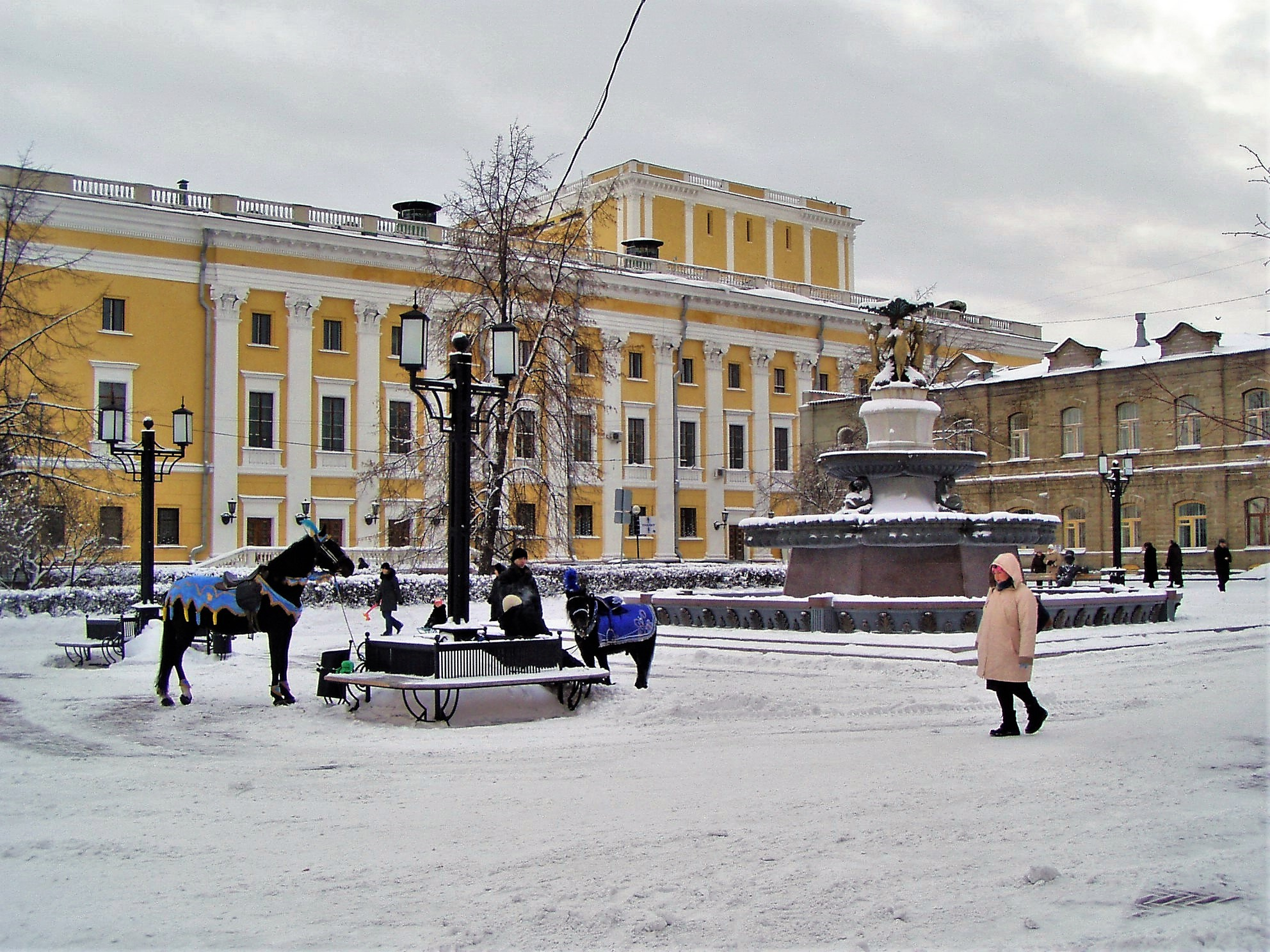
In 1994, after the collapse of the Soviet Union, Chelyabinsk-65 was officially renamed Ozyorsk and granted town status. The Russian Federation retained the city’s “closed” designation — meaning visitors still require special permission to enter, even though the city now appears on maps.
Ozyorsk’s current population is approximately 82,000-100,000 people. The city has 16 secondary schools, a music college, an engineering institute, and 17 different cultural and public service institutions. By most superficial measures, it functions as a normal Russian city.
But the closed-city designation remains in effect. Tourists cannot visit Ozyorsk. Russian citizens from outside the city require permission to enter. The Mayak plant continues operating — currently producing tritium for Russian weapons maintenance and plutonium-238 for space program radioisotope thermoelectric generators. As of 2025, two reactors at Mayak remain operational at 1,900 megawatts.
10: The ongoing health legacy
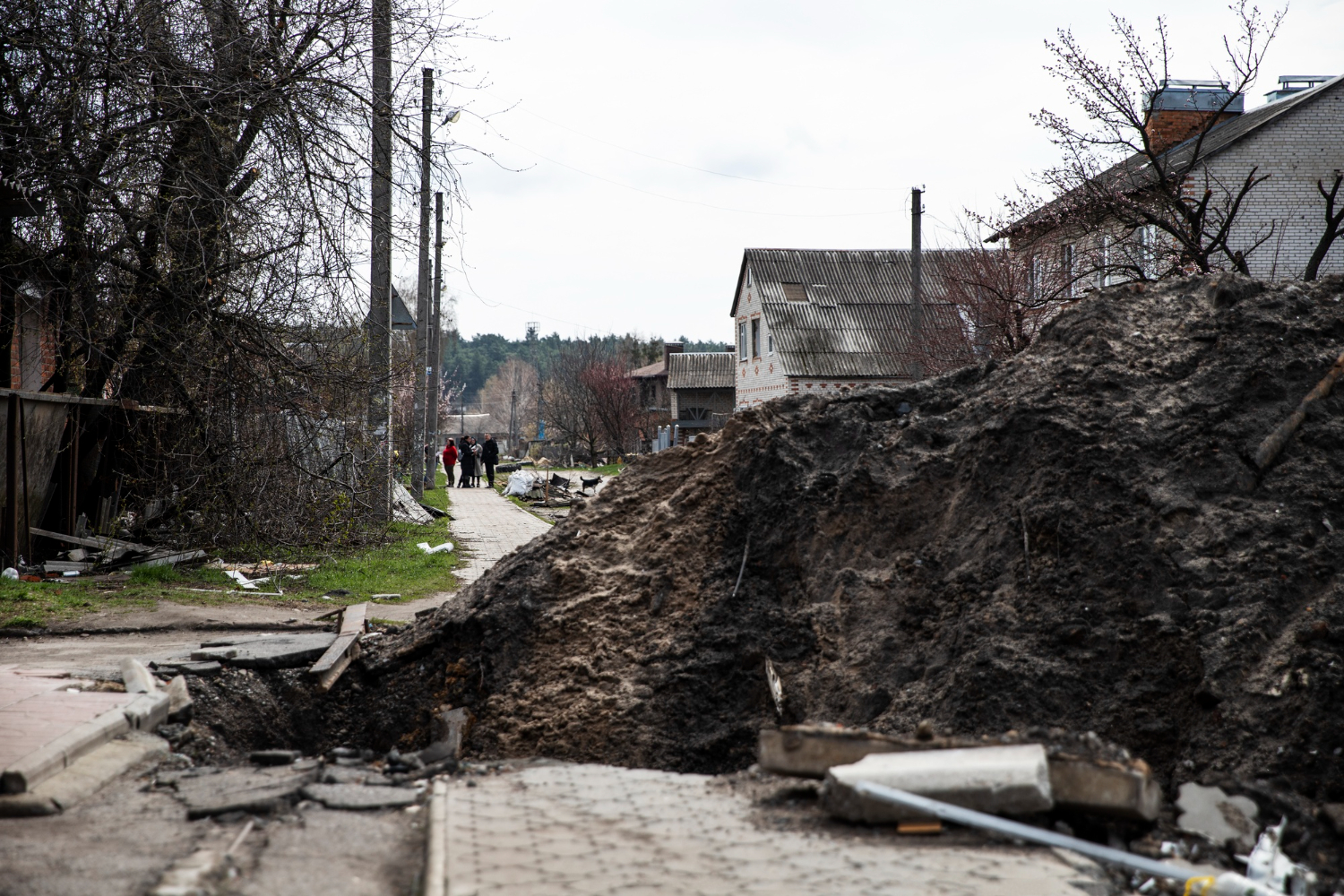
The long-term health consequences of the Kyshtym disaster and the broader Mayak contamination remain difficult to measure precisely. Radiation-induced cancer is clinically indistinguishable from cancers caused by other factors. The Soviet Union’s secrecy prevented systematic epidemiological studies for decades.
A 1992 study conducted by the Institute of Biophysics at the former Soviet Health Ministry in Chelyabinsk concluded that 8,015 people had died within 32 years as a result of the accident. By comparison, only 6,000 death certificates have been documented for residents of the Techa riverside between 1950 and 1982 from all causes.
More recent epidemiological studies have produced more conservative estimates: approximately 49 to 55 cancer deaths among Techa riverside residents can be specifically attributed to radiation exposure. The area closest to the 1957 accident produced 66 diagnosed cases of chronic radiation syndrome — most of the medical literature on this condition derives from these patients.
The current radiation level in Ozyorsk itself is approximately 0.1 millisieverts per year, which is harmless compared to natural background radiation of approximately 2 millisieverts per year. But a 2002 study showed that Mayak nuclear workers and Techa riverside populations are still affected by the historical exposure — with elevated cancer rates, chronic radiation syndrome, and various other health consequences.
11: What this all reveals about Cold War nuclear development
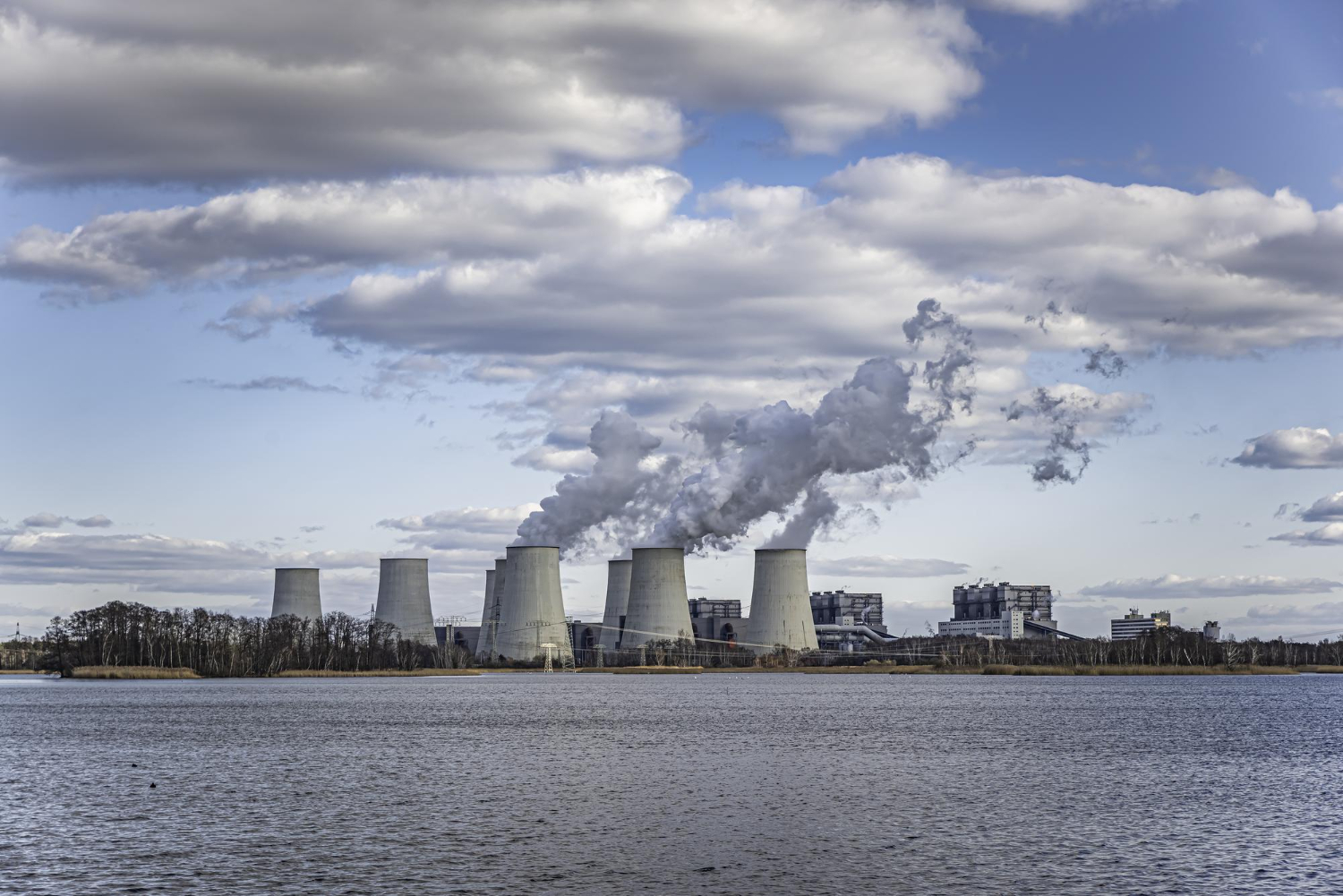
The Mayak plant and Ozyorsk represent something specific about the Cold War nuclear era: the willingness of state authorities to expose their own citizens to extreme dangers in pursuit of strategic objectives. The pattern was not unique to the Soviet Union — the United States exposed thousands of “downwinders” near the Nevada Test Site, residents near the Hanford Site in Washington, and uranium miners across the Southwest to substantial radiation. But the scale of the Soviet program, combined with the secrecy that prevented even basic communication of risk to affected populations, produced impacts that continue to be measured today.
The Mayak experience also demonstrates how secrecy compounds nuclear risks. The 1957 disaster might have been preventable if information about earlier near-misses had circulated freely. The contamination would have been contained more effectively if affected populations had been informed promptly. The CIA’s decision to suppress the information meant American nuclear safety regulations developed without learning from the Mayak experience.
12: The bigger pattern of closed cities
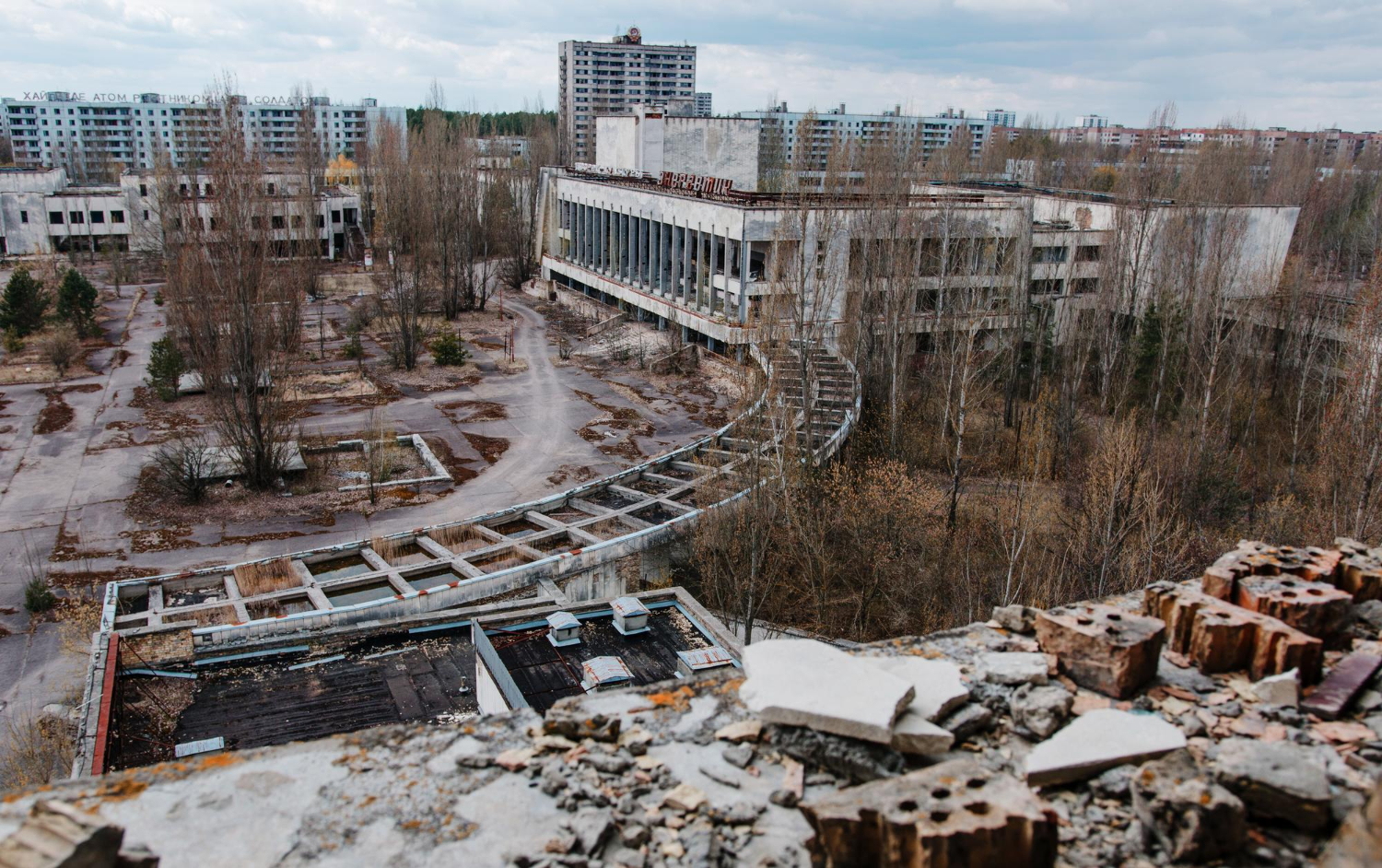
Ozyorsk wasn’t the only Soviet closed city. At its peak, the Soviet Union had approximately 44 secret cities (called “ZATOs” — Closed Administrative-Territorial Formations) housing roughly 1.5 million people total. The cities were built around nuclear, chemical, biological, or aerospace facilities deemed too sensitive for normal civilian access.
Most of these cities still exist with continued closed-city status under the Russian Federation. Approximately 38 ZATOs remain officially closed as of 2025. Their residents have specialized work, restricted travel, and continue to live in places that exist outside the normal civic structure.
The Cold War’s nuclear infrastructure produced a parallel Soviet society — one that operated in secrecy, that exposed its participants to extraordinary risks, and that continues to shape the lives of Russians whose families have lived in these cities for three or four generations now. Ozyorsk remains the most documented example because of the 1957 disaster, but it represents a broader phenomenon. Hidden cities. Hidden disasters. Hidden costs that are still being paid, more than 65 years after the events that produced them.
For the tens of thousands of people who lived and died in Ozyorsk’s contamination zone — both the workers at Mayak and the unwitting residents of the surrounding villages — the story of the closed city is not a Cold War curiosity. It’s the story of how a state decided that some people were expendable in pursuit of a weapons program, and of how the consequences continue, in measurable medical and demographic outcomes, into the present.