

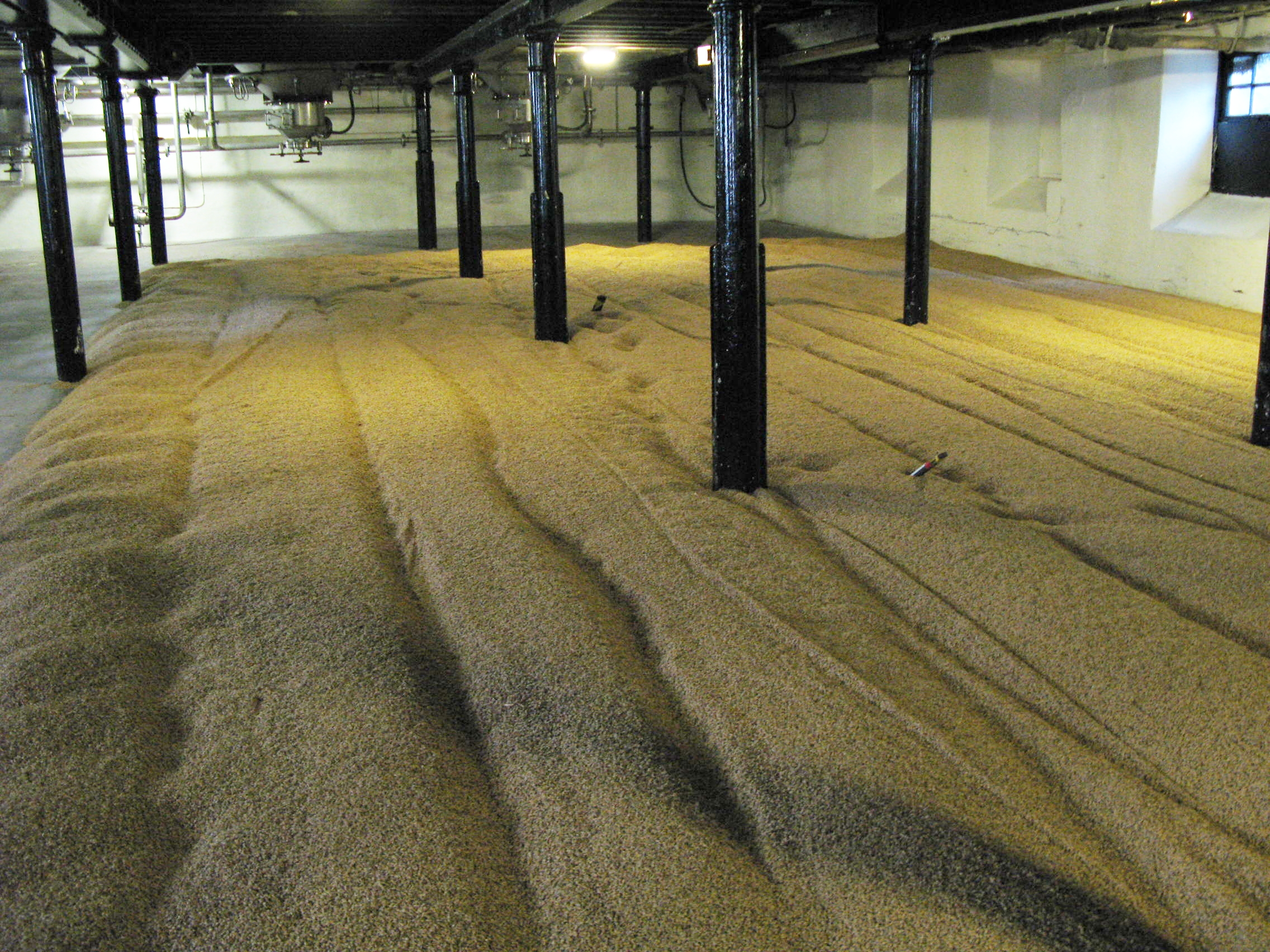
In 1960 making malt meant soaking barley in a cistern, shovelling it out wet by hand, spreading it a few inches deep across a stone floor the length of a street, and turning the whole floor over with a wooden shovel every few hours – through the night as well – for about a week.
Then it went on a perforated iron floor over a fire to dry. Whether it was ready was decided by chewing it.
Here are ten things that were ordinary in a maltings in 1960, and what became of each one.
1. The Barley Was Spread on a Stone Floor and Turned by Hand With a Wooden Shovel
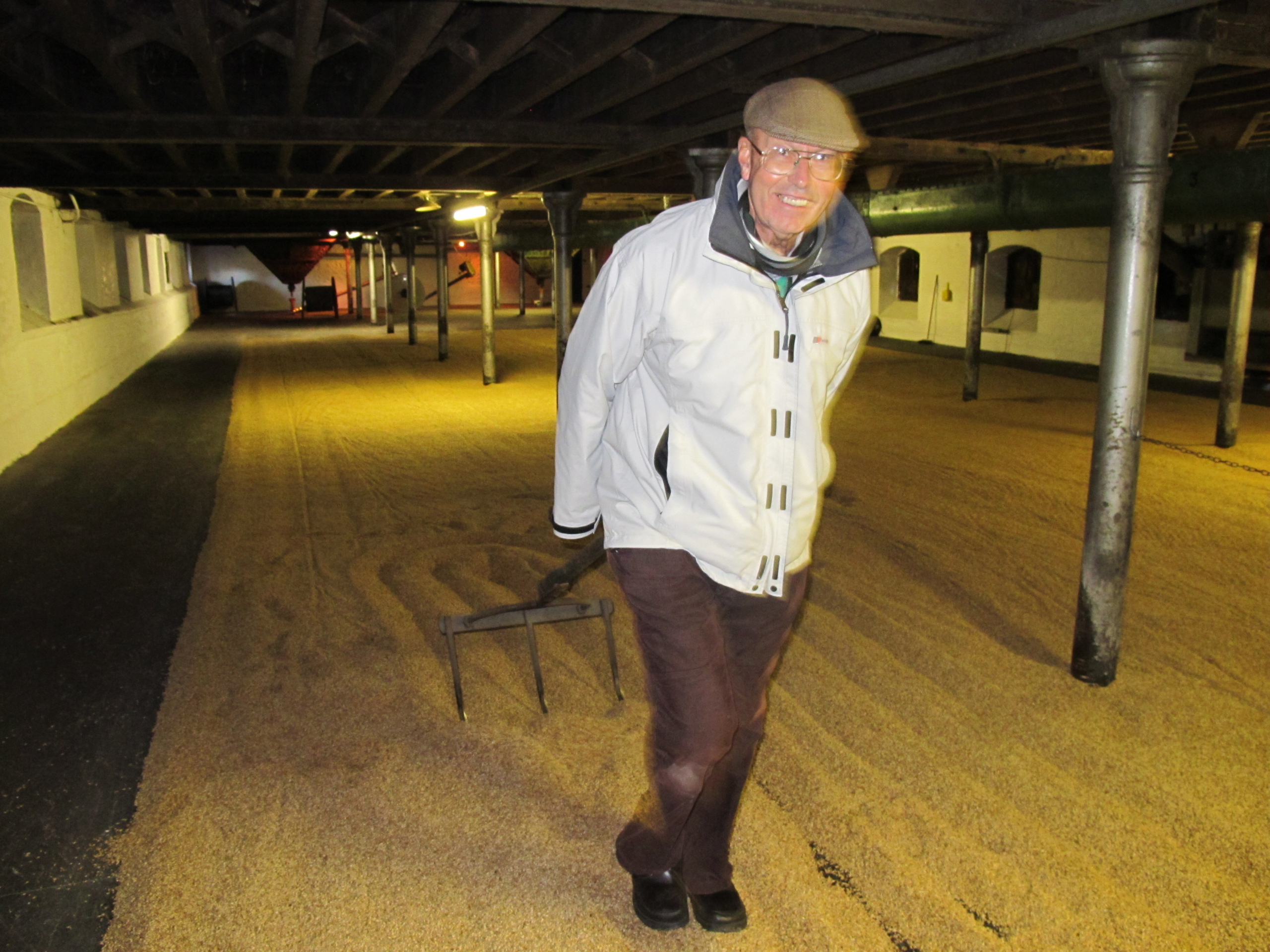
Floor malting meant spreading wetted barley a few inches deep across an enormous stone or tile floor and turning it over with a wooden shovel to keep the temperature even and stop the rootlets matting together into a solid mass.
A floor was turned every few hours, by hand, for about a week per batch, by men walking backwards down a building the length of a street. Pneumatic systems that blow conditioned air through a deep bed in a box or a rotating drum replaced the floor and the shovel together. The shovel was wooden because metal bruises the grain, which is the kind of detail that only emerges from doing something for several centuries.
Like our content? Follow us for more.
2. The Work Ran Round the Clock Because the Grain Did Not Stop
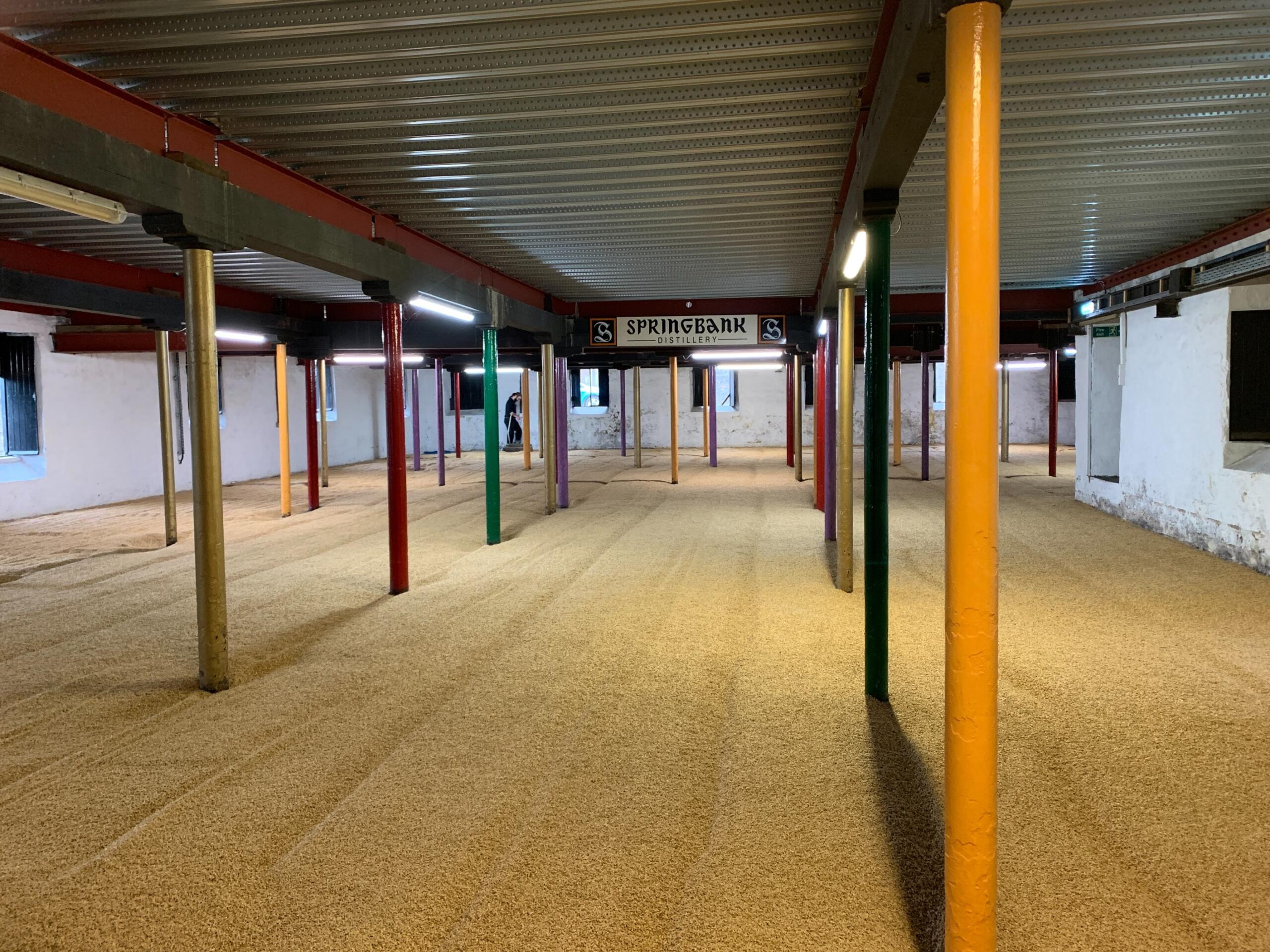
Germinating barley generates heat and will not wait. Turning had to happen through the night as well as the day, which meant shifts, which meant men sleeping in the building and being woken when the floor needed working.
Automated systems monitor and condition continuously with nobody present, and a modern plant of vastly greater output runs with a handful of staff. The round-the-clock attendance was not a staffing choice, it was a consequence of the biology, and it only ended when the machine took over the watching.
3. Whether the Batch Was Ready Was Decided by Chewing It
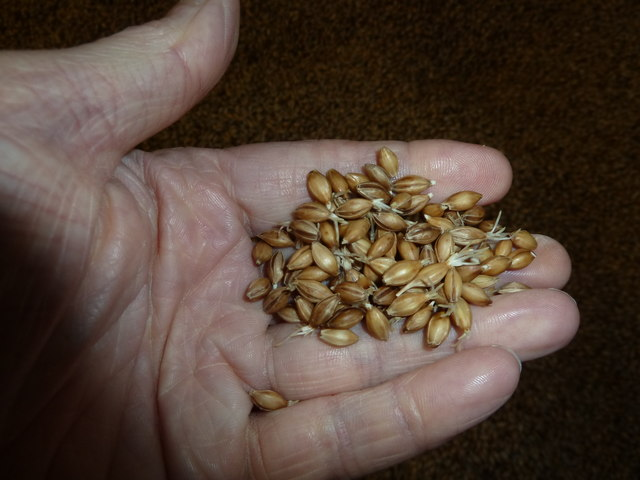
The maltster judged germination by the length of the rootlet against the length of the grain, by how the grain crushed between finger and thumb, and by taste. There was no measurement involved.
Moisture probes, temperature logging, measured steeping schedules and laboratory analysis of the finished malt replaced the judgement. The sensory check survives as a cross-check rather than the decision, and the people who made that call for a living describe it the way every judgement trade in this series does – not as a mystery, but as something that took years and could not be written down usefully.
4. Malting Only Happened in the Cold Half of the Year
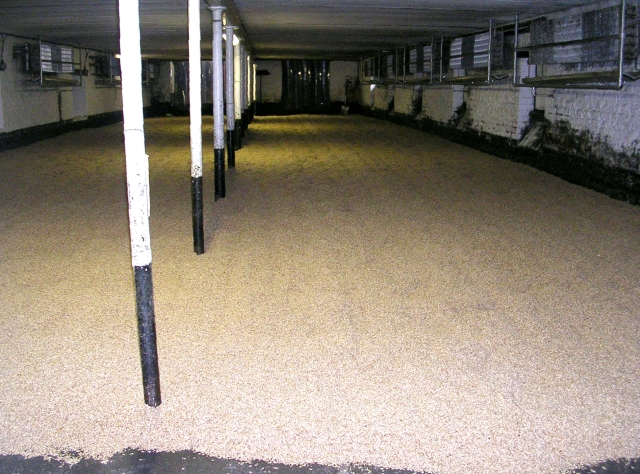
A floor cannot be kept cool enough in warm weather, so floor maltings worked from about autumn to about spring and shut down for the summer. The men did something else, or did nothing.
Refrigeration and conditioned air made malting a year-round continuous industry, which is the change that let output grow by orders of magnitude from far fewer sites. Seasonal industrial employment with a dead summer was completely normal and is now almost unimaginable as a way to run a household.
5. The Finished Malt Was Dried Over a Fire on a Perforated Iron Floor
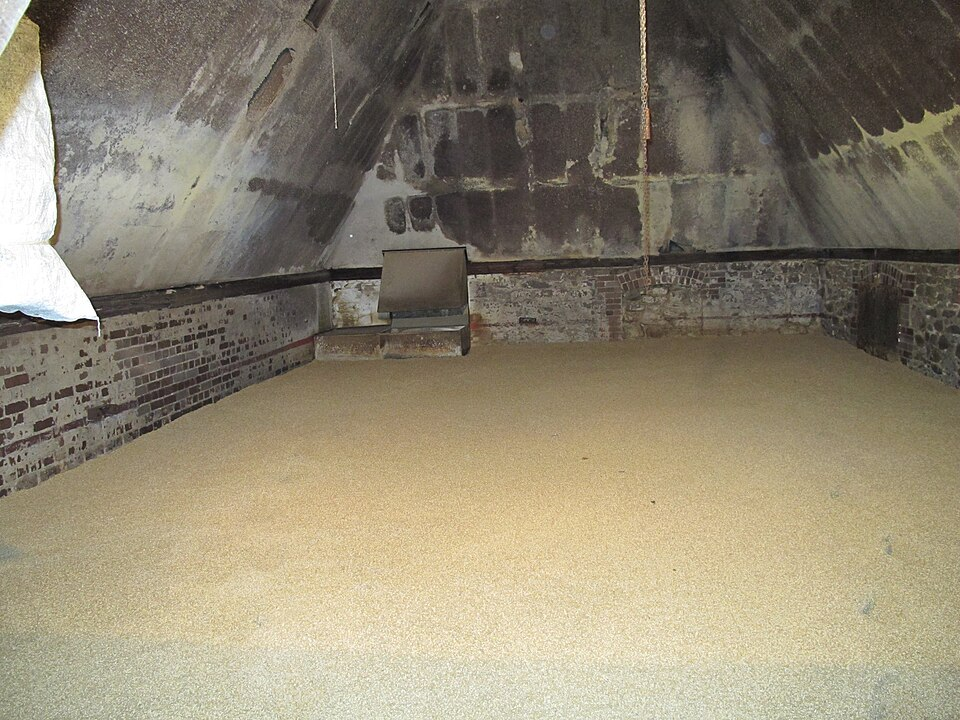
Germination was stopped by kilning – spreading the grain on a floor of perforated iron tiles above a furnace and drying it for a day or two, with the temperature raised progressively at the end to develop colour and flavour.
Indirect heating with controlled air, heat recovery and precise temperature curves replaced the open furnace. Direct firing also put combustion products through the grain, which affected the flavour and, with some fuels, produced compounds nobody was measuring at the time. Modern kilning is cleaner in both senses.
6. The Building Told You What It Was From a Mile Away
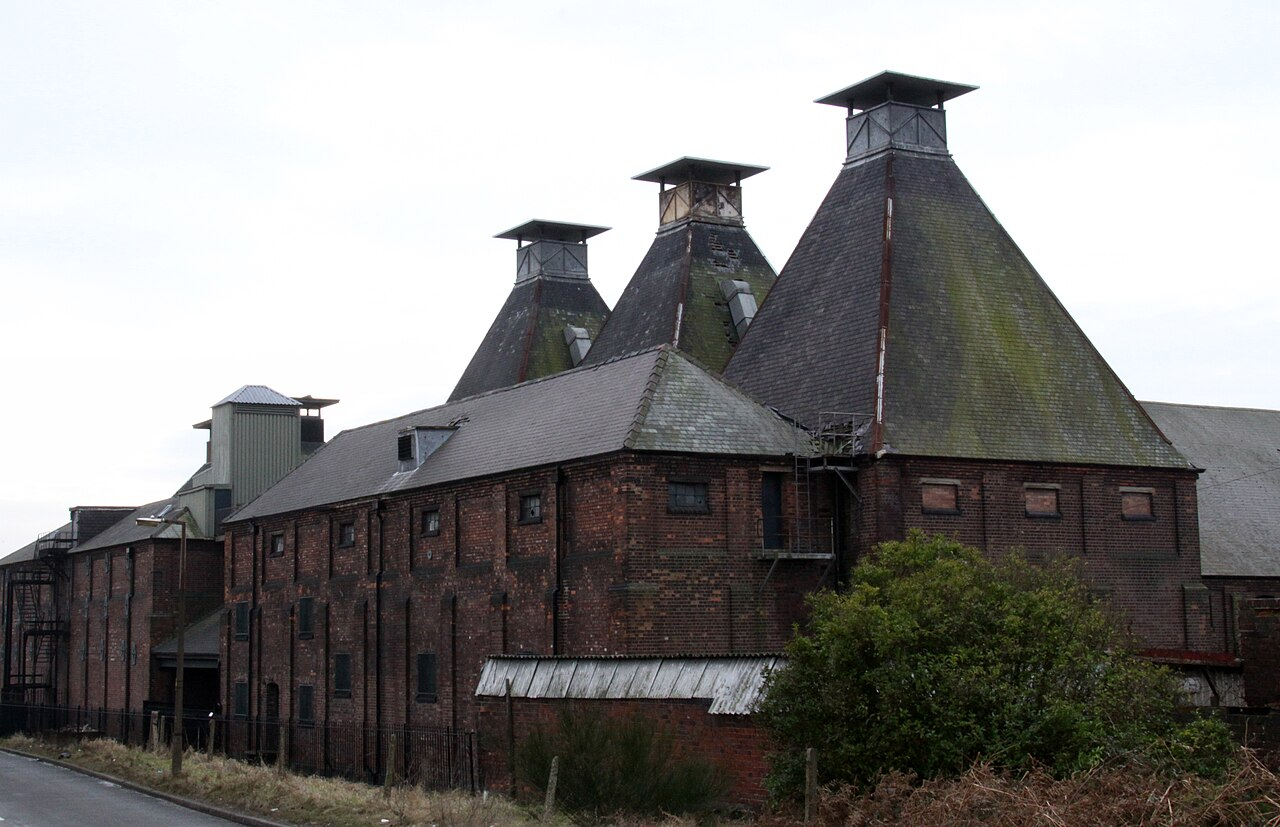
A maltings was long, low and many-windowed, with a tall kiln at one end topped by a pointed cowl that turned with the wind to draw the draught. The shape followed the process exactly and nothing else looks like it.
Those buildings are now among the most successfully converted industrial structures anywhere – concert halls, flats, offices, arts centres, hotels – precisely because the long floors and the generous windows suit almost anything. The cowl is usually kept as a landmark even when the kiln beneath it has been floored over.
7. The Air Was Thick With Grain Dust and Nobody Thought About It
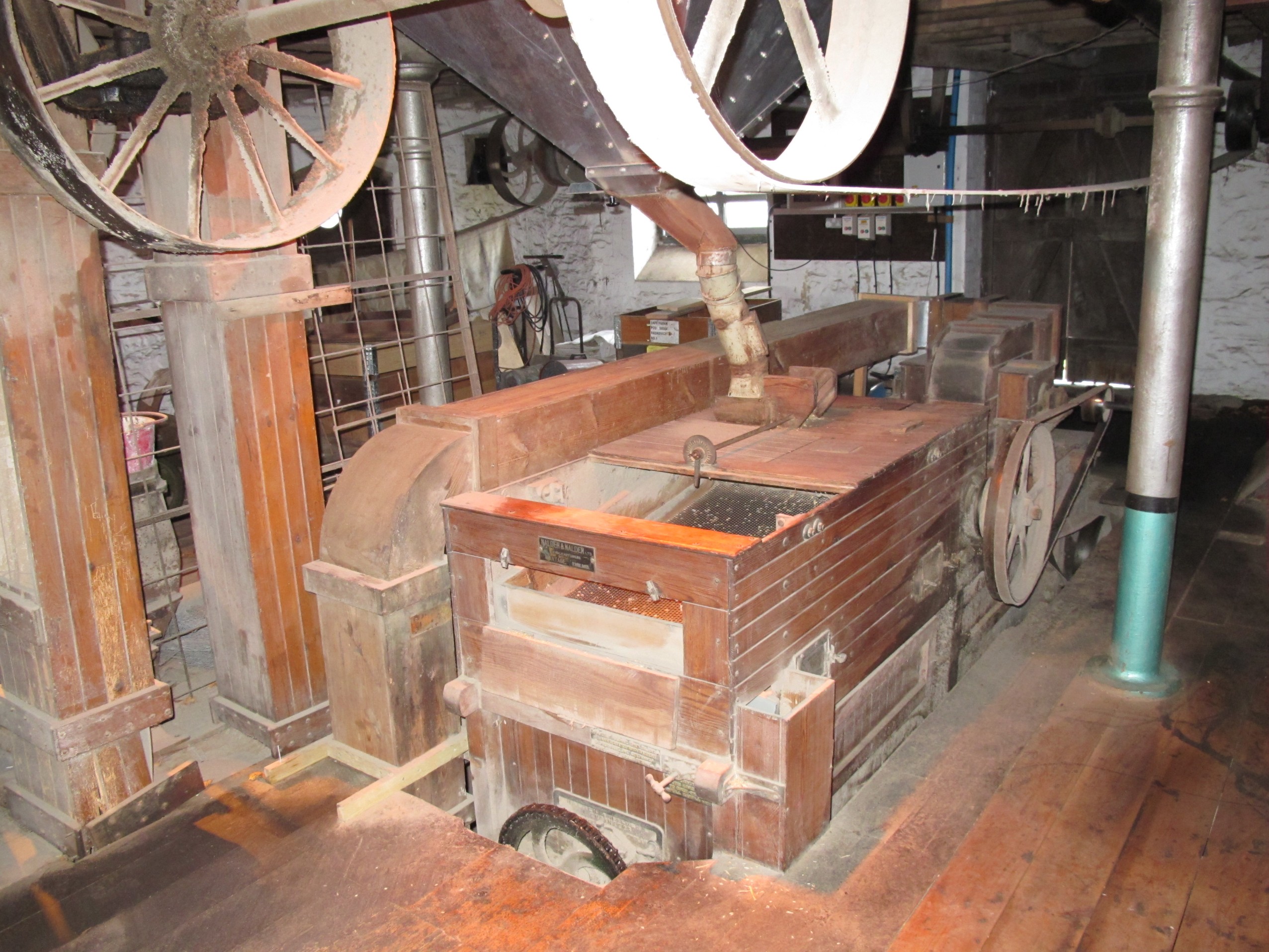
Turning a floor, loading a kiln and moving finished malt all raise dust, and a working maltings was hazy with it. There was no extraction and no protection.
This is included as occupational history. Grain dust exposure is now a recognised and regulated hazard with extraction, enclosure and respiratory protection, and the enclosed modern process removes most of it at source. Grain dust is also explosive in the right concentration, which is a separate engineering problem that enclosed plants have to take seriously. Anybody with that work history should raise it with their own doctor rather than with an article.
8. Steeping Meant Men With Shovels Inside a Cistern
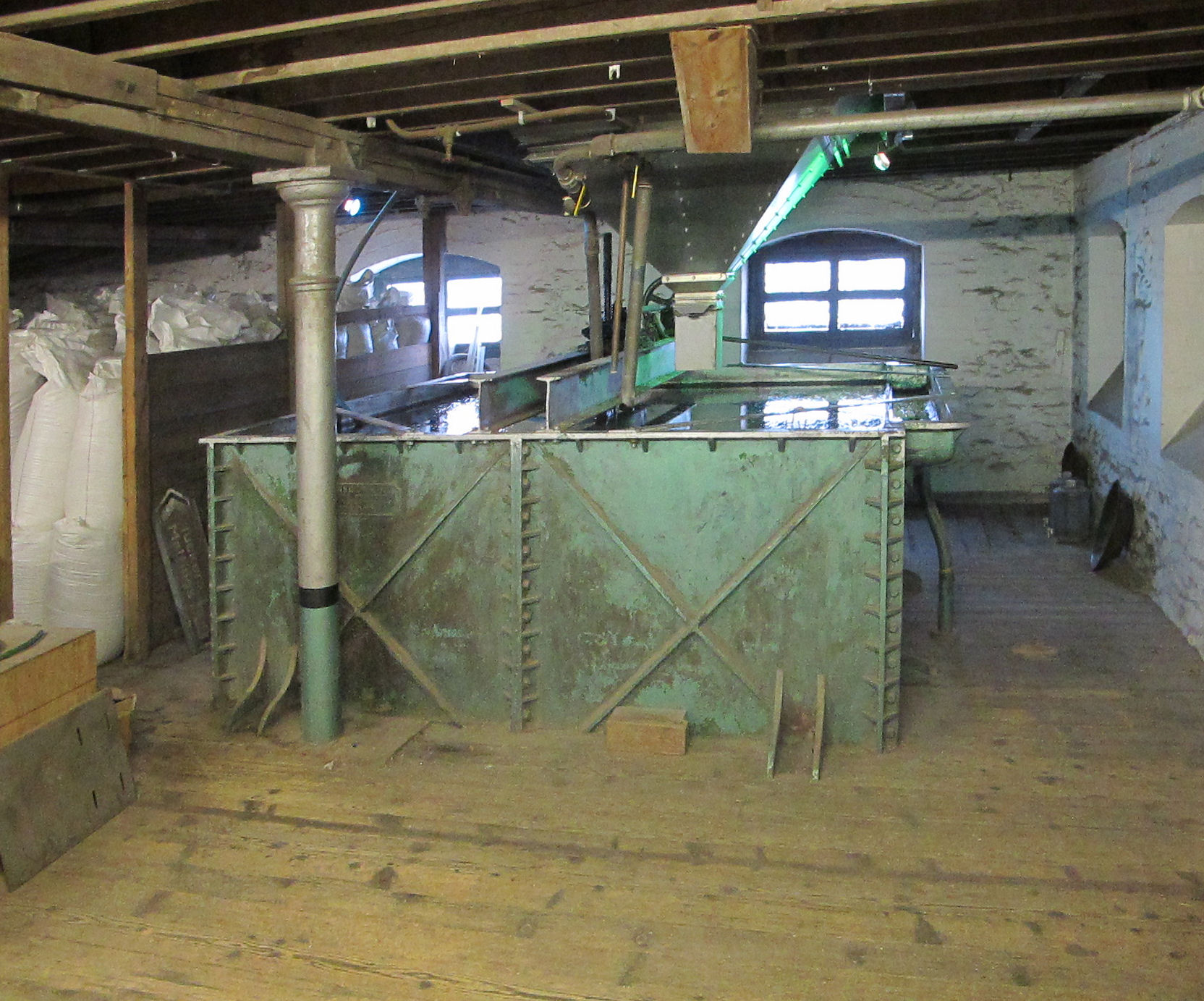
Barley was soaked in large cisterns before it went to the floor, and emptying one meant getting in and shovelling several tonnes of saturated grain out through a hatch.
Conical steep vessels that discharge by gravity, pumped wet handling and conveyors removed the job entirely. Entering a confined vessel full of wet grain is now a controlled operation with permits, atmosphere testing and a watcher outside – and it is avoided by design rather than managed, which is the better answer.
9. Almost Every Brewing Town Had Its Own Maltings
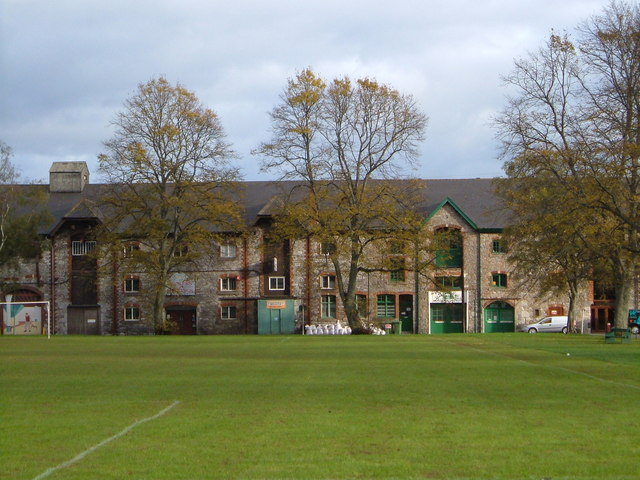
Malt was made close to where the barley grew and near where the beer was brewed, in modest quantities, by a large number of small firms – and the malt from different maltings was noticeably different.
Consolidation into a small number of very large plants supplying nationally and internationally followed automation, and the local maltings closed in enormous numbers between roughly the 1950s and the 1980s. A small floor-malting revival exists, serving brewers and distillers who want the character, and it is run by people deliberately doing the hardest version of the job on purpose.
10. Nobody Expected the Buildings to Outlive the Trade by This Much
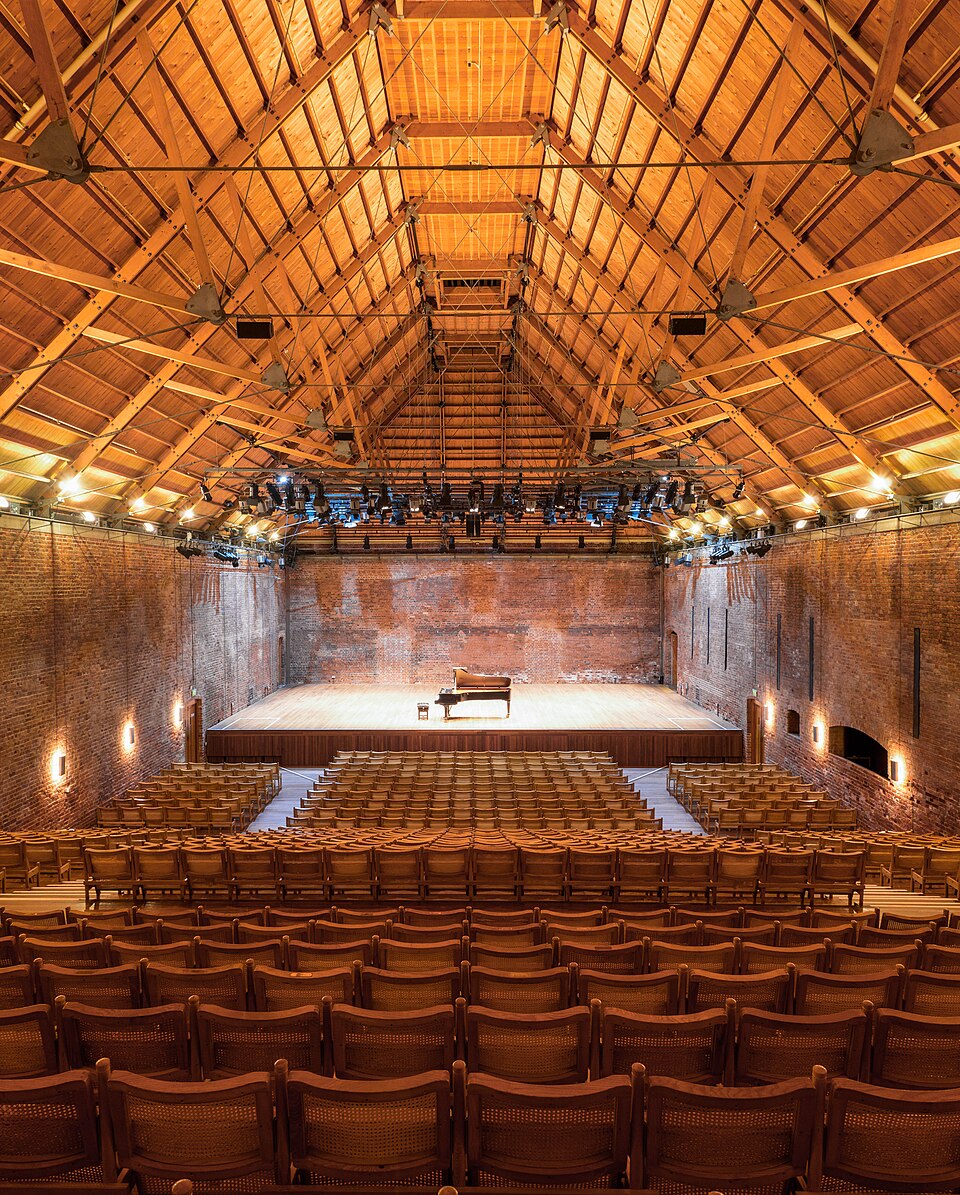
When a maltings closed, it was a long thin obsolete building full of dust in a place where land was not worth much, and the expectation was demolition.
A great many were demolished. The ones that survived did so because the shape turned out to be extraordinarily adaptable, and they are now frequently the most valuable buildings in their towns. The trade that built them is concentrated into a few automated plants that almost nobody can name, while the buildings are concert halls and flats that everybody knows – which is a strange inversion, and a reasonably common one across everything in this series.
The Shovel Was Wooden for a Reason
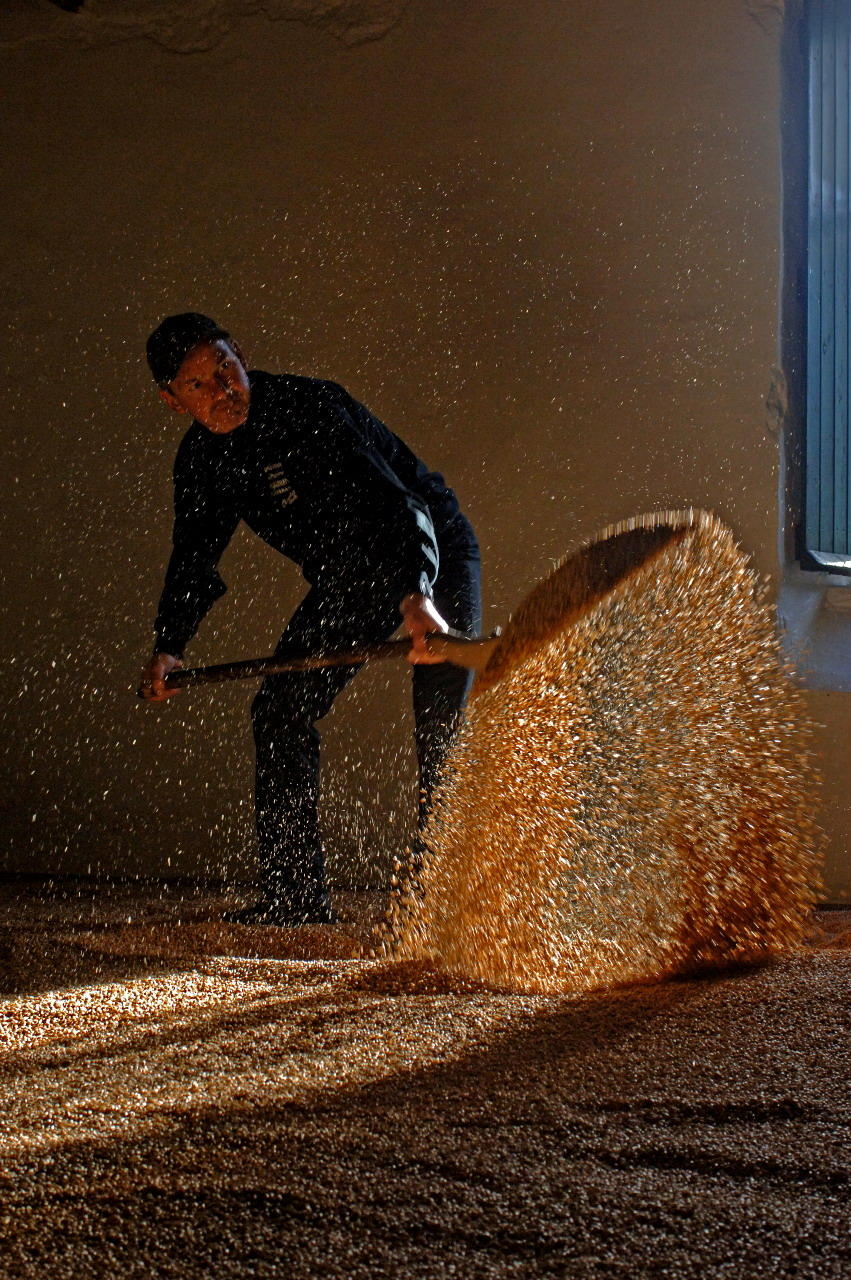
The small detail in this list that explains the whole trade is the wooden shovel.
A germinating grain of barley has a rootlet growing out of one end and a shoot growing under the husk along its length, and the shoot is the point of the entire exercise – it is what converts the starch into something a brewer can use. Bruise the grain and you damage the shoot. Damage the shoot and that grain contributes nothing.
A metal shovel turning several tonnes of wet barley will bruise a proportion of it. A wooden one, used properly, will not. So the shovels were wooden, and they were shaped for the job, and a man turned a floor the length of a street with one and did it without damaging the crop.
Nobody worked that out from theory. It was arrived at by a very long process of people noticing that some floors yielded better than others and that the difference followed the tools and the hands, and then it was passed on by standing next to somebody.
That is the pattern underneath all of these pieces. The old way was not primitive – it was a set of solutions arrived at empirically over centuries, every one of which had a reason, and most of the reasons were only written down afterwards by people trying to work out how to automate it.
If you worked a malting floor, you will remember what the building smelled like and what your arms felt like at the end of a shift.
And if there is a long low building with a pointed cowl on the roof in your town, it was almost certainly this.
Like our content? Follow us for more.

