Archaeology usually has the opposite problem to this one. Objects survive and their purpose is unclear because nothing organic remains around them.
Here the object survives in extraordinary condition, its composition can be established in a laboratory, its age can be dated precisely, and the question of what it was for remains truly open — because the two leading explanations would leave identical evidence.
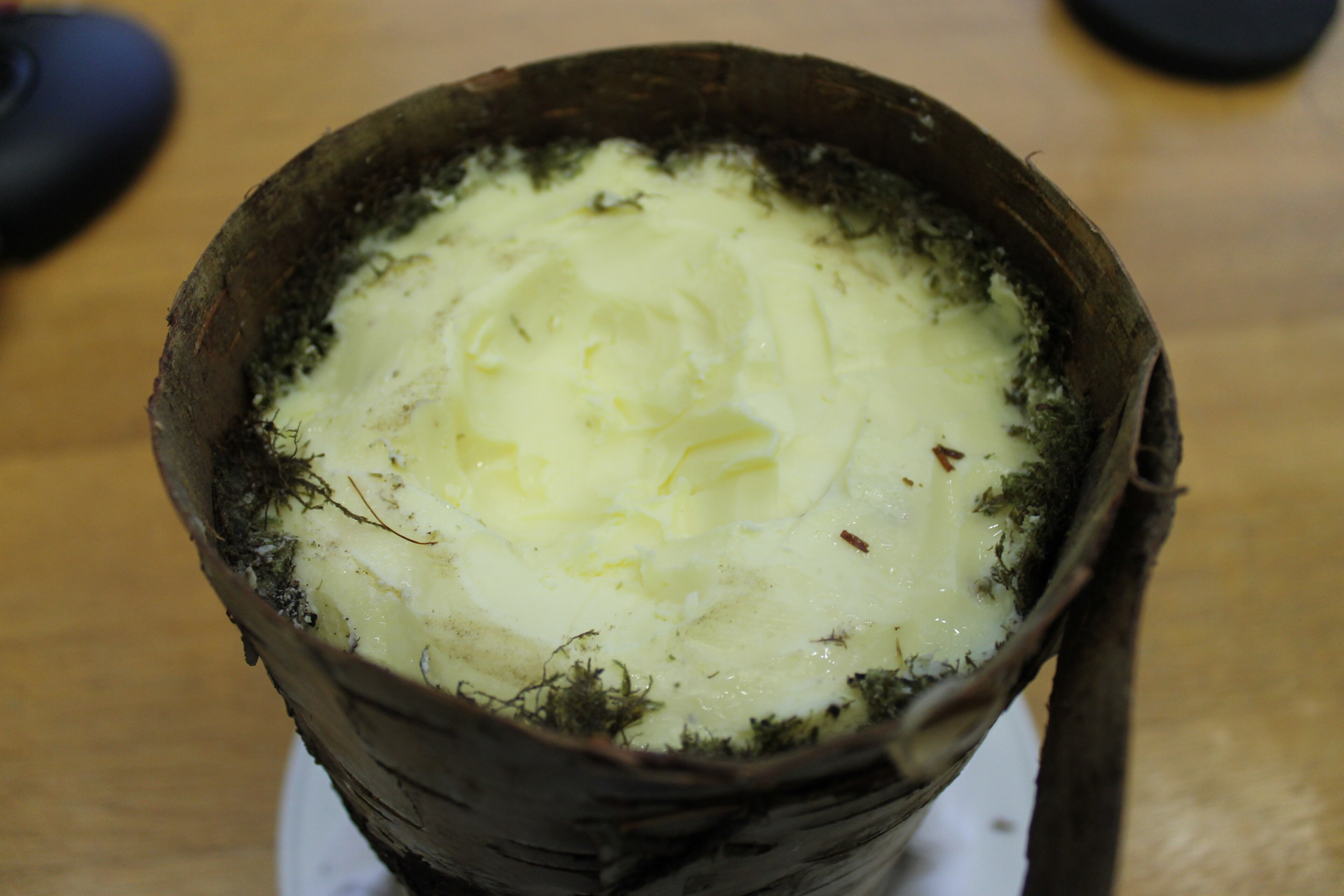
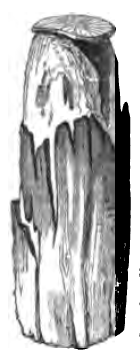
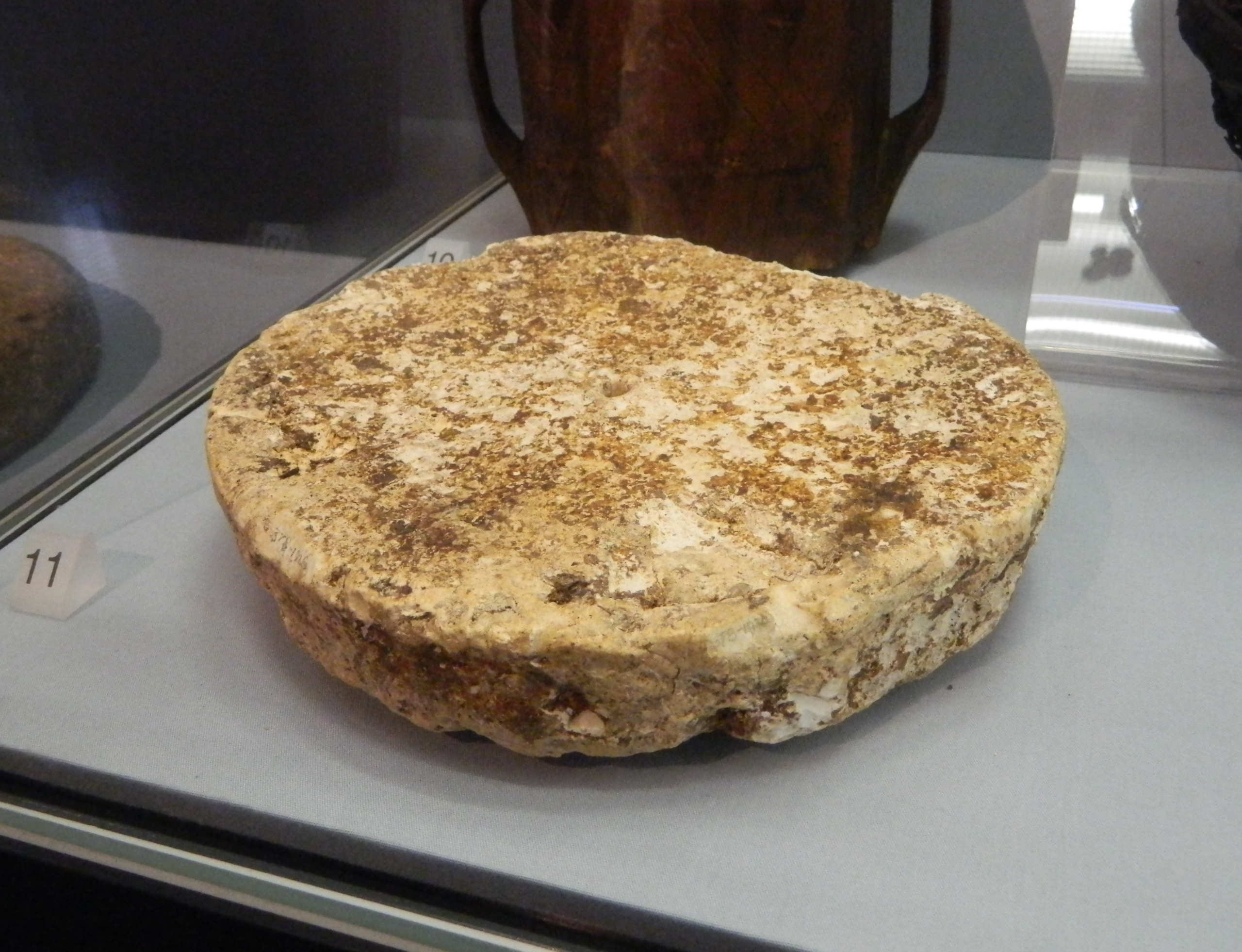
The objects are lumps of a pale, waxy, strongly smelling fatty material, recovered by people cutting peat, generally at a depth of a metre or two, sometimes in a wooden container, sometimes wrapped, sometimes simply buried.
They are found in considerable numbers across the peatlands of Ireland and Scotland, with comparable finds elsewhere in northern Europe.
Why the Bog Preserved It
The preservation mechanism is the same one that makes peat bogs remarkable generally, and it is worth understanding because it explains the condition of the finds.
A bog is waterlogged, which excludes oxygen. It is acidic. It is cold. And in a raised bog fed only by rainfall, it is extremely low in the nutrients bacteria need.
Those four conditions together make it close to the worst possible environment for the organisms that cause decay. Material that would decompose within weeks on the surface can survive for millennia a metre down.
For a fatty substance, the effect is particularly strong. Fat is already resistant to microbial attack relative to protein or carbohydrate, and in bog conditions the decay essentially stops.
What does happen is chemical rather than biological. Over long periods the material transforms — the composition shifts toward a waxy substance, harder and paler than the original, sometimes described as resembling a crumbly cheese or a soap. It is not the same material that went in, and it is recognisably descended from it.
Analysis of the fatty acids present allows researchers to distinguish dairy from animal-carcass fat, and the majority of tested finds are dairy.
There is one further point about the transformation that matters for interpretation. Because the material changes chemically over millennia, the substance recovered cannot be assumed to indicate what the substance was like when it was buried, or how it was regarded then.
That is a real limit on inference. Analysis establishes the original class of material with reasonable confidence and says substantially less about its condition, quality or intended use at the moment somebody put it in the ground.
Like our content? Follow us for more.
The Storage Explanation
The first account is entirely practical, and it has strong supporting logic.
Butter was valuable. It was a way of converting a highly perishable product into something that could be kept, and in a society without refrigeration, keeping it was a serious problem.
A bog solves several problems at once. It is cold, it is stable in temperature, it is dark, and it excludes air — which is more or less a specification for a larder. Burying butter there is a reasonable thing to do.
There is a flavour argument as well. Some accounts suggest bog storage was not merely preservation but a deliberate ageing process producing a particular taste, in the way that other traditions bury or cave-age foods for character rather than only for keeping.
There is documentary support. Historical sources make reference to butter kept in bogs, which establishes that the practice existed as a real storage method rather than being purely inferred from the finds.
On this reading, every recovered lump represents a failure — somebody buried it and did not return, through death, displacement, forgetting the location, or simply the marker being lost in a landscape that offers very few of them.
The Offering Explanation
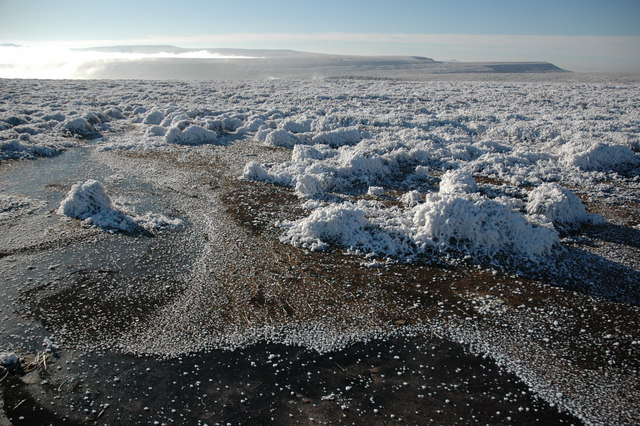
The second account treats the finds as deliberate deposits never intended to be recovered.
The supporting context is substantial. Bogs across northern Europe were the site of a great deal of deliberate deposition over a very long period — metalwork, weapons, ornaments and other valuable objects placed in wet ground and left.
That pattern is well established and is generally interpreted as votive: objects given to a place rather than stored in it.
Butter fits that pattern in an important respect. It was valuable, and offerings tend to be things of value. Depositing something worth having is what makes a deposit meaningful.
Some finds support this reading more than others. Containers that appear carefully made, placement at boundaries or at notable points in the landscape, and quantities that seem large for a household store all point away from simple storage.
The strongest general argument is the sheer number. Hundreds of finds, spread across three thousand years, is a great many failures to collect if every one was intended as storage.
What the Containers Tell You
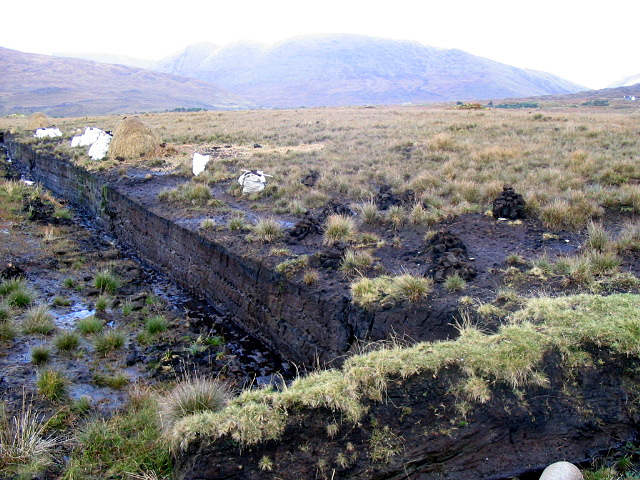
The vessels themselves are informative even where the intention is not, and they are frequently overlooked in favour of the contents.
Some finds are in turned wooden vessels, some in vessels made from a single hollowed section of trunk, some in baskets, some wrapped in bark or hide, and some apparently placed with no container at all.
That range matters for dating and for craft history. A wooden vessel preserved in a bog is a rare survival in its own right, since worked wood almost never lasts, and the containers supply information about turning, joinery and vessel forms from periods where almost nothing else organic remains.
The containers also carry an interpretive hint, though a weak one. A vessel made specifically for the purpose, finely finished, suggests a different level of intention from a lump wrapped in whatever was to hand.
That is suggestive rather than conclusive. An expensive container might indicate an offering, or might indicate that the butter itself was valuable enough to warrant a good vessel, which is exactly what a careful storer would use.
So the containers extend what is known about the period substantially while leaving the central question exactly where it was.
Why It Cannot Be Settled

The difficulty is that the two explanations predict the same archaeological record, which is the central methodological problem here.
Butter buried and never collected and butter buried as an offering look identical after two thousand years. The container, the depth, the wrapping and the composition do not distinguish between them.
Context helps in individual cases and rarely conclusively. A find near a settlement boundary might be an offering at a significant place or storage near where people lived, and both are plausible.
Nor is the question necessarily one answer. Across three thousand years, an enormous geographical area and many separate cultures, both practices could have existed — simultaneously, or in different periods, or with the same act carrying both meanings at once.
That last possibility is probably the most realistic and the least satisfying. The distinction between practical storage and ritual deposition is a modern one, and it may not have been a distinction the people involved would have recognised.
What It Is Like Now
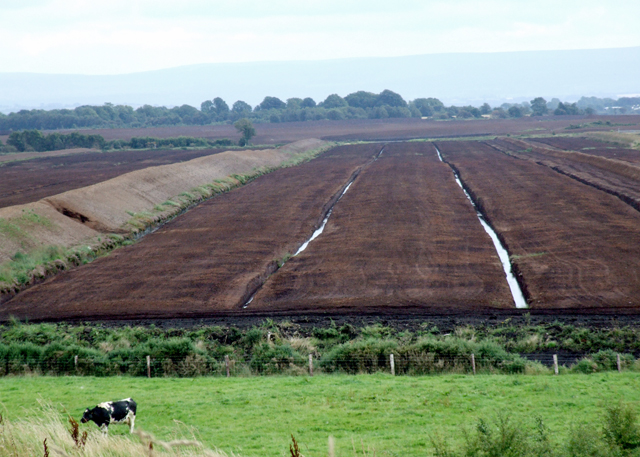
A note about the material itself, because it is what people ask.
Bog butter is not butter. Three thousand years of chemical change produce something with a different composition, a strong distinctive smell and a waxy consistency, and it is a museum object rather than a foodstuff.
It should not be eaten. That has to be stated plainly, because the finds attract exactly that curiosity and there are recorded instances of people trying. There is no way to assess what has happened to material recovered from the ground over millennia, and anything recovered archaeologically belongs with the relevant authorities rather than in a kitchen.
Anyone finding something of this kind while cutting peat should report it rather than remove it, since the context — depth, position, associated material — is what makes a find informative, and that context is destroyed by extraction.
The Shape of the Question
The reason this case is worth understanding is what it demonstrates about the limits of evidence.
Everything physical about these finds can be established. The material is identifiable, the date is measurable, the container is describable, and the preservation mechanism is understood.
And the question everybody actually wants answered — why did somebody put this here — is not recoverable from any of that, because intention does not fossilise.
Archaeology can frequently establish what happened with considerable precision while remaining unable to establish why, and this is an unusually clean example, since the two candidate explanations are both entirely reasonable and leave no distinguishing trace.
Which leaves several hundred containers of an ancient dairy product, sitting in museums, perfectly preserved by an accident of chemistry, still being argued about — and somewhere in the peat, presumably, a great many more that nobody has cut down to yet.
The last of those may never be found at all. Peat cutting by hand is far less common than it was, and it was hand cutting that produced almost every find on record – which means the rate of discovery has fallen sharply, and whatever remains buried is likely to stay there.
Like our content? Follow us for more.