


Traveling with a pet can be a genuinely rewarding way to keep your animal companion close during a trip, but it comes with real logistical considerations that catch many first-time pet travelers off guard. Here are ten things to know before traveling with your pet, counted down one by one.
1. Airline Pet Policies Vary Enormously
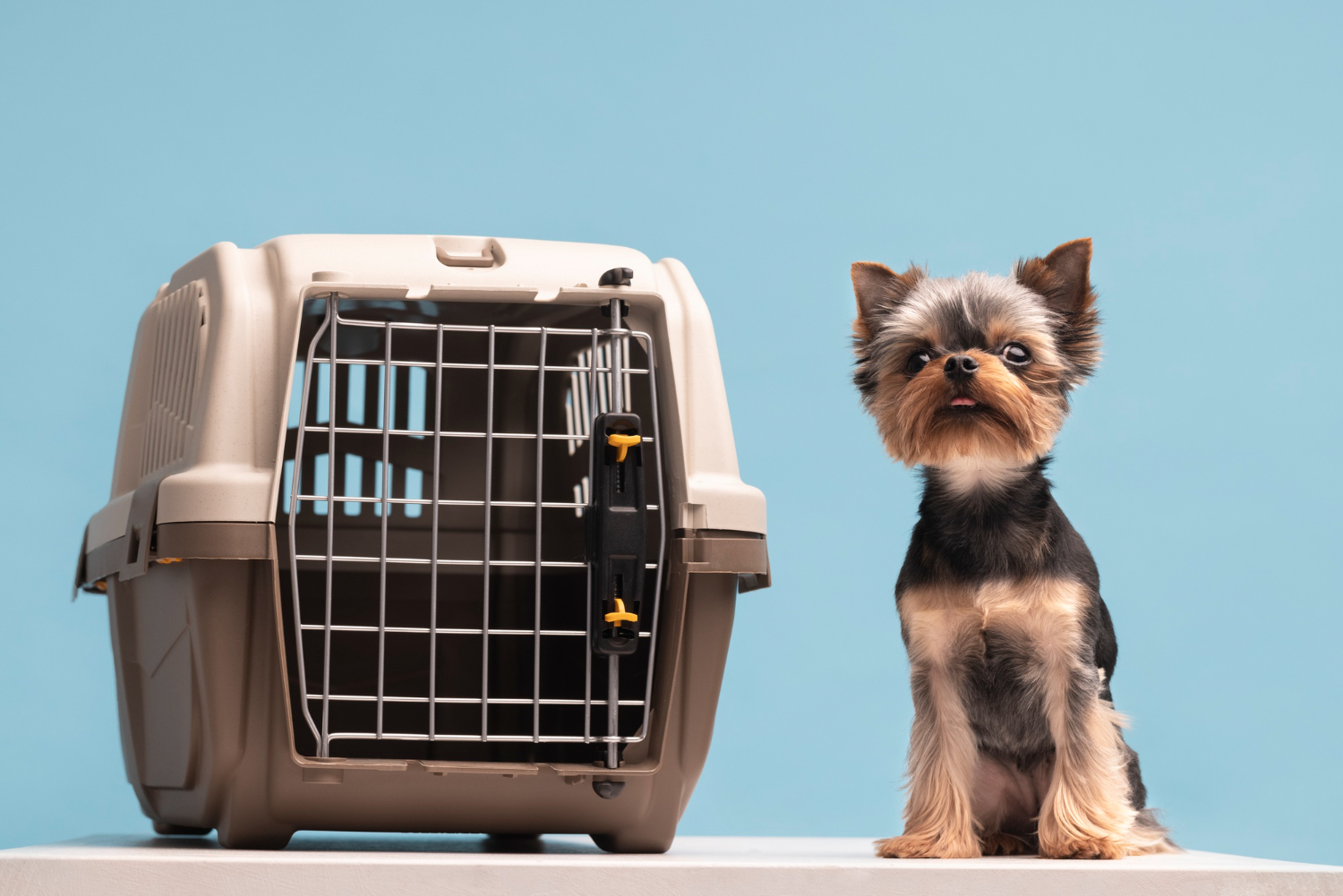
Size limits, carrier requirements, and fees differ by airline. Confirming specifics well before booking prevents a real problem.
Every airline maintains its own specific policies around pet travel, carrier size limits, which breeds are restricted, how many pets are allowed per flight, and associated fees, all of which can vary considerably from one carrier to another. Airline pet policies varying enormously means researching your specific airline’s current requirements well before booking is essential, since assuming one airline’s rules apply universally can lead to a genuinely disruptive surprise at check-in.
Like our content? Follow us for more.
2. A Health Certificate Is Often Required, Especially for Flying
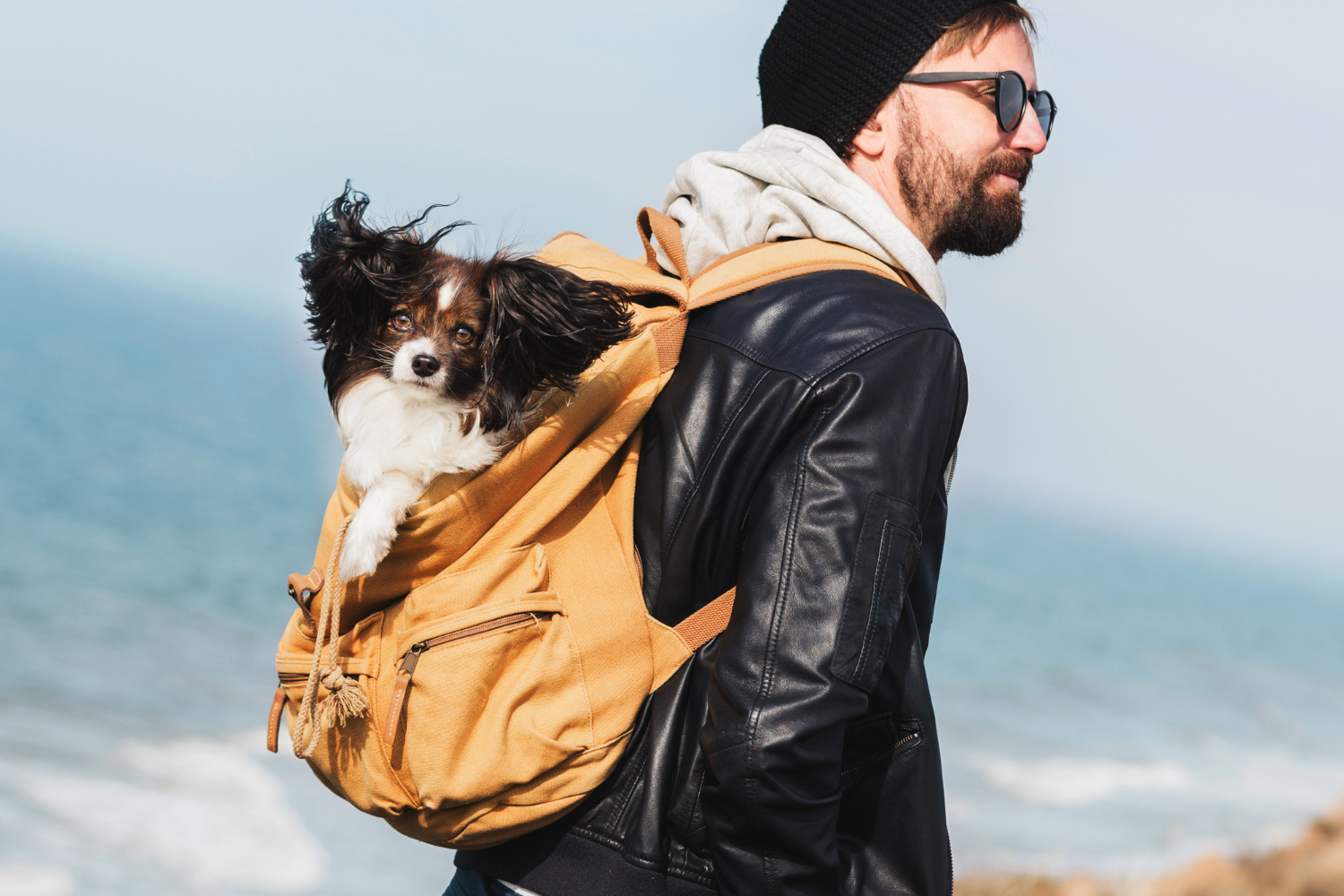
Airlines frequently require recent veterinary documentation. This certificate typically has a limited window of validity.
Most airlines, and many states and countries, require a health certificate issued by a licensed veterinarian confirming your pet is fit to travel, typically valid only within a specific window, often 10 days, before the trip. A health certificate often being required, especially for flying, means scheduling a vet visit well in advance of departure is essential, since this documentation frequently can’t be obtained on short notice right before a trip.
3. Carrier Sizing Must Match Both Your Pet and the Airline’s Specs

Carriers need to fit comfortably under the seat. Airlines enforce specific maximum dimensions strictly.
A pet carrier needs to satisfy two separate requirements simultaneously, comfortably fitting your specific pet with room to stand and turn around, while also meeting the airline’s strict maximum exterior dimensions for under-seat storage. Carrier sizing needing to match both your pet and the airline’s specs is worth measuring carefully before purchasing, since a carrier that’s comfortable for your pet but exceeds airline size limits will be rejected at the gate regardless of how well it otherwise suits your animal.
4. Direct Flights Reduce Real Risk for Pet Travel

Layovers add stress, temperature exposure, and handling risk. A direct route is genuinely safer whenever available.
Choosing a direct flight over one with layovers meaningfully reduces the real risks associated with pet travel, extended time in a carrier, additional handling during connections, and exposure to variable tarmac temperatures during aircraft transfers. Direct flights reducing real risk for pet travel is worth prioritizing when booking, even if it costs somewhat more or requires a less convenient departure time, given the genuine safety benefit for the animal.
5. Microchipping and Updated ID Tags Are Essential
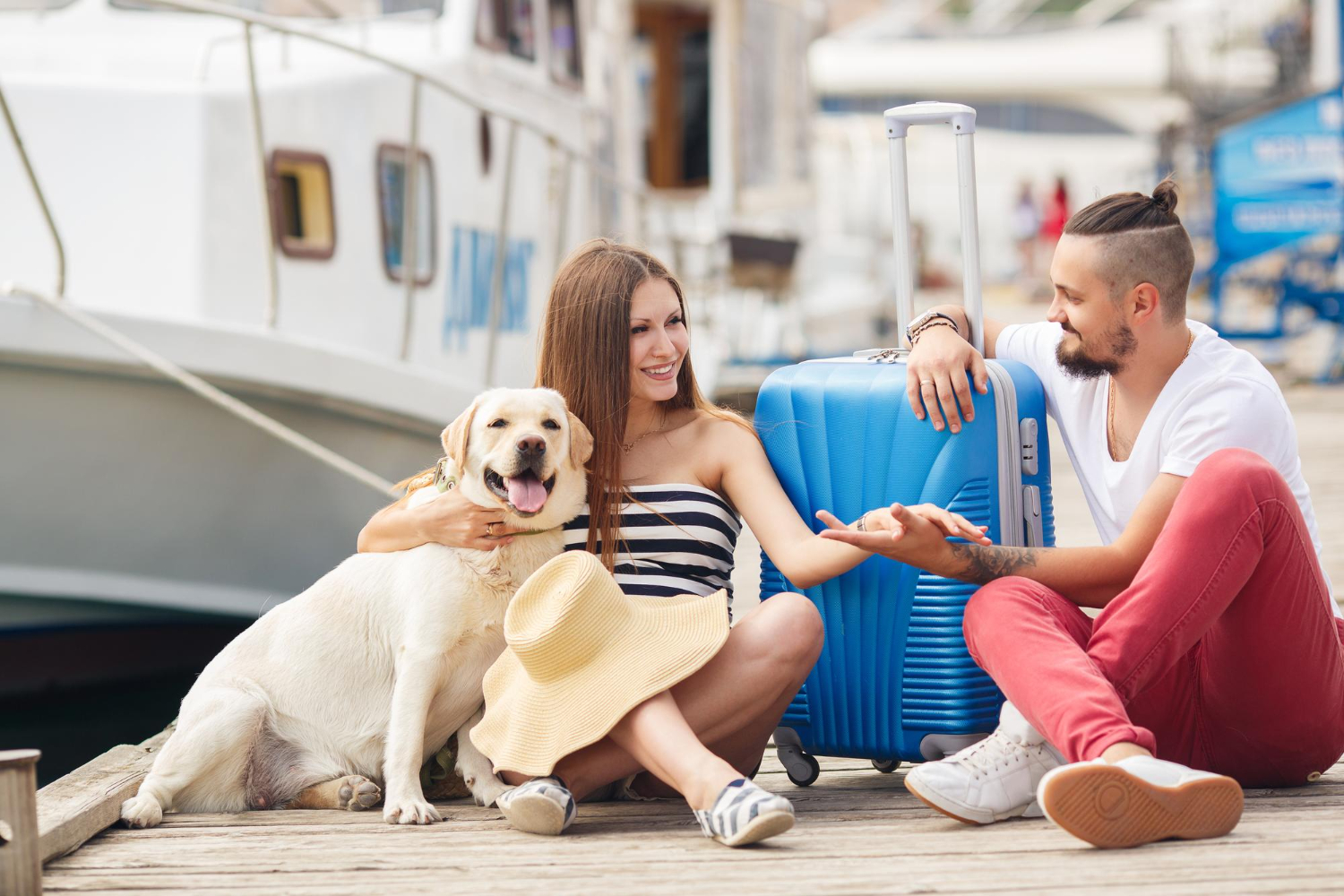
A lost pet during travel is a genuine risk. Current identification dramatically improves the odds of reunion.
Travel introduces genuine risk of a pet becoming separated from its owner, an open carrier door, a startled escape during an unfamiliar stop, and having both a functioning microchip with current contact information and a physical ID tag on the collar dramatically improves the odds of a fast reunion if separation happens. Microchipping and updated ID tags being essential is basic but critical preparation, a safeguard worth confirming is current well before any trip, not just when travel is already imminent.
6. Car Travel Requires Proper Restraint, Not Just a Loose Ride
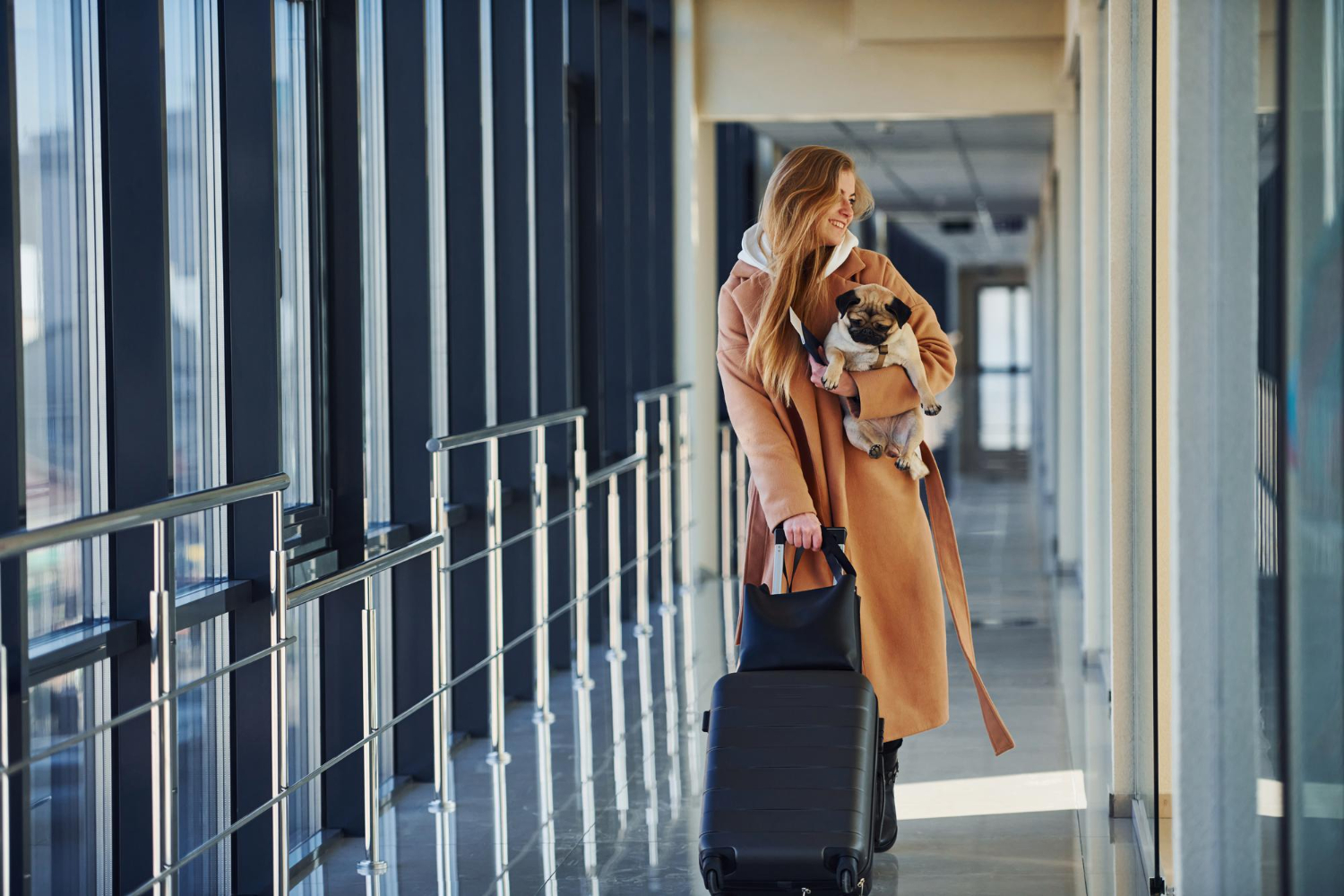
An unrestrained pet in a moving vehicle poses real risk. Secured carriers or pet seatbelts protect both the animal and passengers.
An unrestrained pet loose in a moving vehicle poses genuine risk during sudden stops or an accident, both to the animal itself and to human passengers who could be struck by a pet thrown forward. Car travel requiring proper restraint, not just a loose ride, means using a secured carrier, a pet-specific seatbelt harness, or another properly restrained arrangement for the entire duration of any car trip, not simply letting a pet roam the vehicle freely.
7. Acclimating a Pet to Its Carrier Before the Trip Reduces Stress
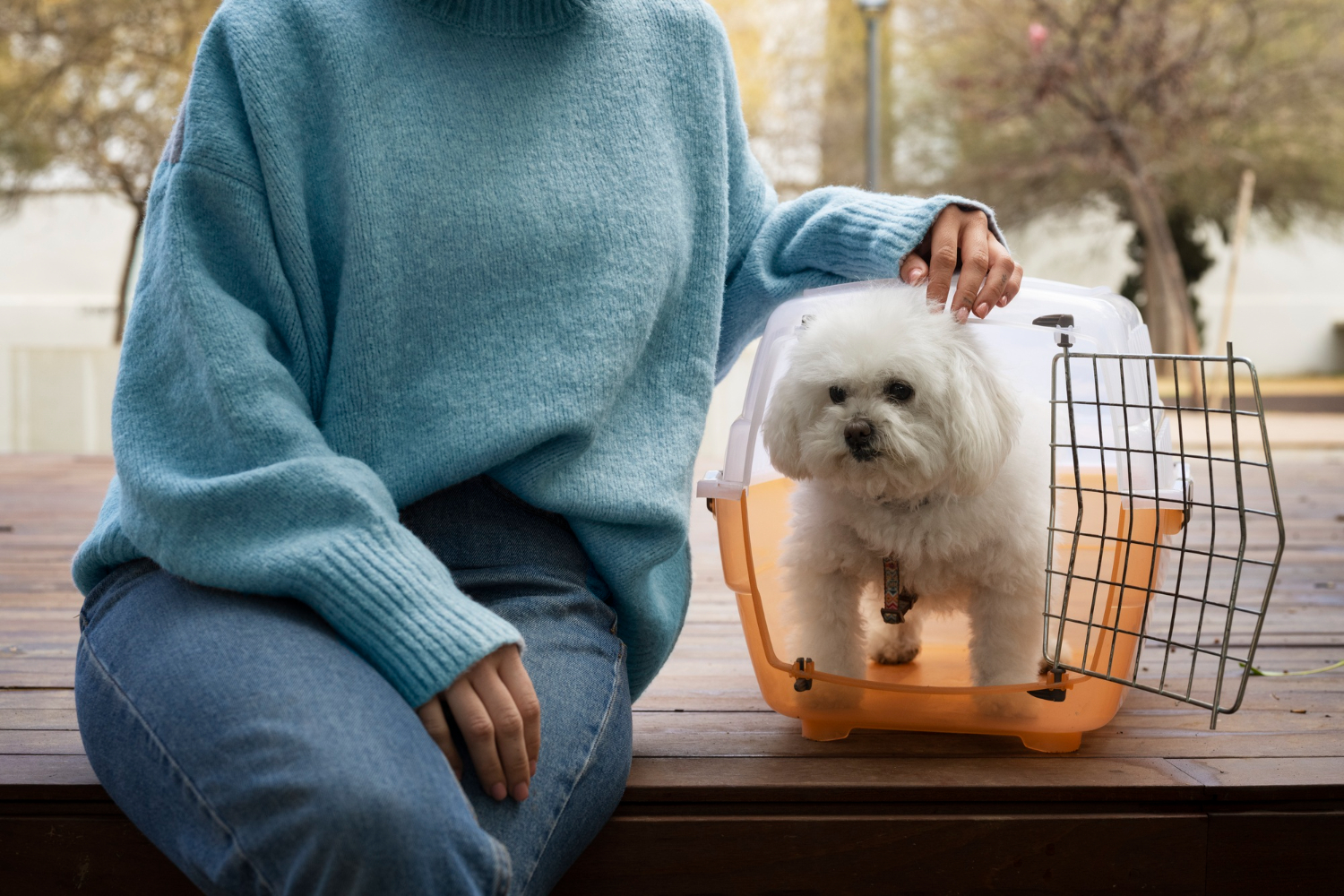
Introducing the carrier gradually at home helps considerably. A pet’s first carrier experience shouldn’t be travel day itself.
Introducing a pet to its travel carrier gradually at home in the weeks before a trip, making it a familiar, comfortable space rather than something entirely new and stressful, meaningfully reduces anxiety once actual travel day arrives. Acclimating a pet to its carrier before the trip reduces stress considerably, turning what could be a frightening first-time experience into a familiar, manageable routine the animal has already had time to adjust to comfortably.
8. Some Destinations Have Significant Pet Entry Requirements

International travel with pets often involves quarantine or extensive documentation. Researching this well in advance is essential.
Many countries maintain significant entry requirements for traveling pets, extensive vaccination documentation, mandatory quarantine periods, or specific import permits that can take months to properly arrange. Some destinations having significant pet entry requirements makes early research absolutely essential for any international trip involving a pet, since discovering a destination’s actual requirements too late can derail travel plans entirely or, worse, result in a genuinely distressing situation for the animal.
9. Hotel and Rental Pet Policies Vary Beyond Just “Pet-Friendly”

A property listed as accepting pets may still have real restrictions. Confirming specifics prevents an unwelcome surprise at check-in.
A hotel or vacation rental listed generally as “pet-friendly” may still maintain specific restrictions, weight limits, breed exclusions, additional fees, or a cap on the number of pets allowed, details easy to overlook without reading the property’s full policy carefully. Hotel and rental pet policies varying beyond just “pet-friendly” is worth confirming directly with the property before booking, rather than assuming a general pet-friendly label covers your specific animal without any additional restrictions.
10. Packing a Pet Travel Kit Prevents Last-Minute Scrambling

Food, water, medications, and comfort items all deserve dedicated packing. Treating this like packing for a person genuinely helps.
Packing a dedicated pet travel kit, sufficient food for the full trip plus a buffer, a portable water bowl, any regular medications, waste bags, and a familiar comfort item like a blanket or toy, prevents the stress of scrambling to find pet supplies in an unfamiliar location. Packing a pet travel kit prevents last-minute scrambling, essentially treating your pet’s packing list with the same deliberate care you’d apply to packing for a human traveling companion.
Preparation That Protects Your Traveling Companion

Taken together, these ten points show that traveling with a pet rewards genuine advance planning, documentation, carrier preparation, and destination-specific research all play a meaningful role in making the trip safe and manageable for the animal. A little extra preparation goes a long way toward a smooth experience for everyone involved.
None of this preparation is especially complicated, but skipping it can lead to a genuinely stressful situation, a rejected carrier at the gate, a missing health certificate, or a destination’s unexpected quarantine requirement. Confirming specific requirements directly with your airline, veterinarian, and destination well before the trip removes most of the uncertainty. With the right preparation, traveling alongside a pet can be a genuinely rewarding way to keep your animal companion close, rather than a source of ongoing worry throughout the journey.
Like our content? Follow us for more.
