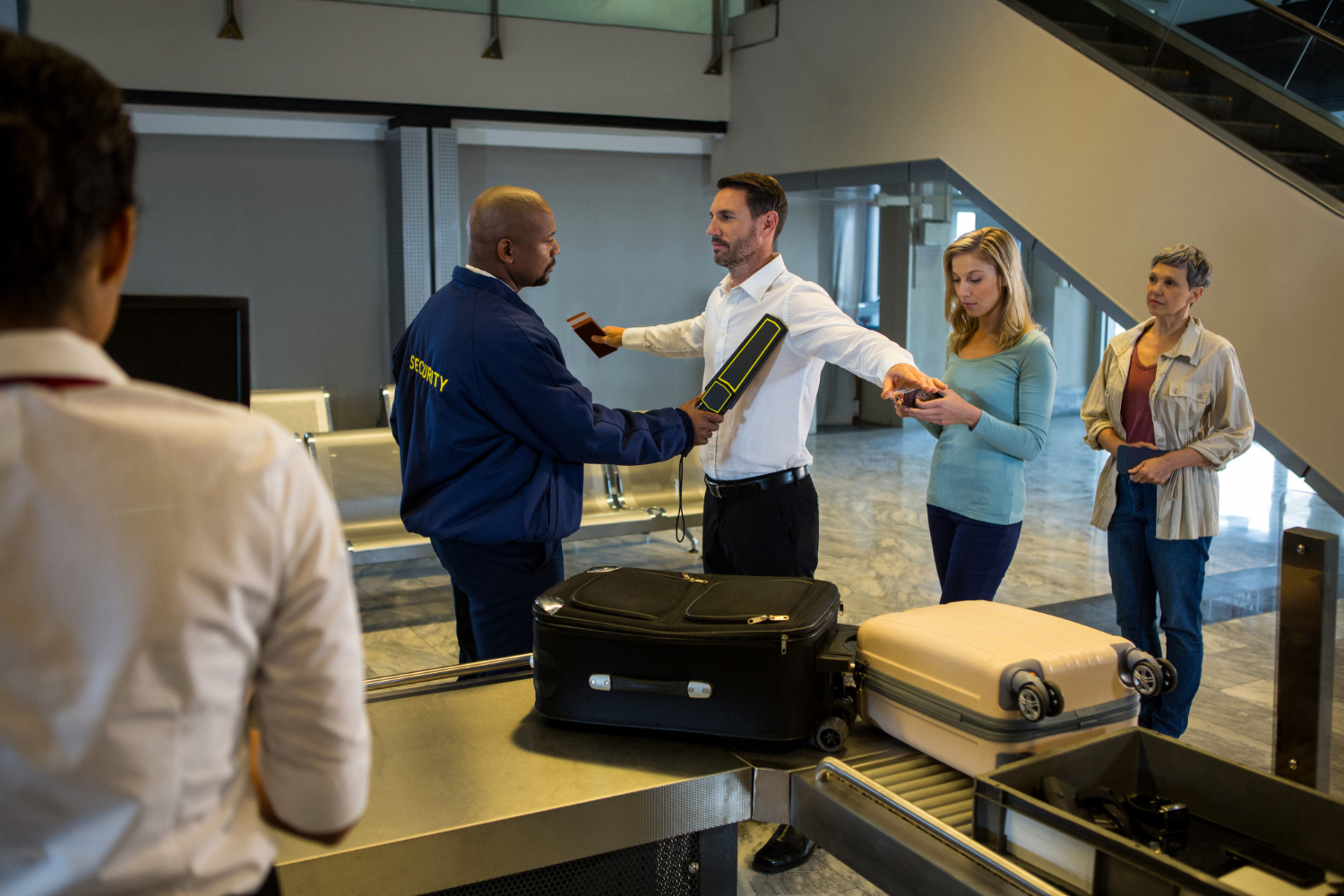
Airport security officers process an enormous number of travelers every single day, and that repetition builds a genuinely sharp, practiced sense of behavior patterns, preparation habits, and small cues that most passengers never realize they’re broadcasting. Here are ten things TSA officers notice about you at the security checkpoint, counted down one by one.
1. Whether You’ve Prepared Your Bin Before Reaching the Belt
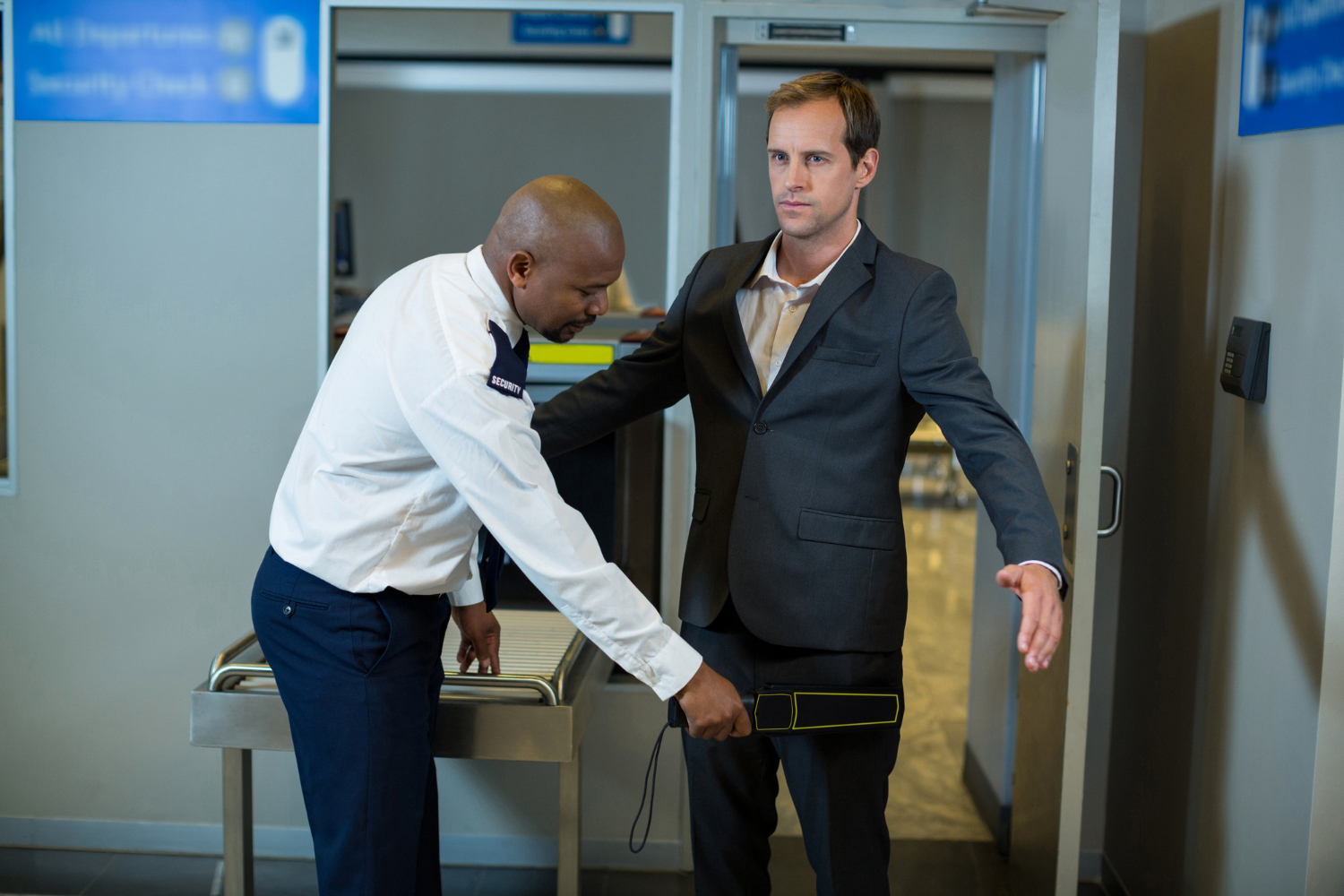
Having laptops and liquids ready to go signals an experienced traveler. Scrambling at the belt slows the whole line down.
Officers notice immediately whether a traveler has already removed their laptop and liquids and is ready to place them in bins efficiently, versus someone who reaches the belt and only then starts digging through their bag in a panic. This preparation, or lack of it, is visible from several people back in line. Whether you’ve prepared your bin before reaching the belt is one of the clearest signals officers pick up on, a small habit that instantly identifies an experienced traveler versus someone who’ll likely need extra time and assistance.
Like our content? Follow us for more.
2. How You Respond to Basic Instructions
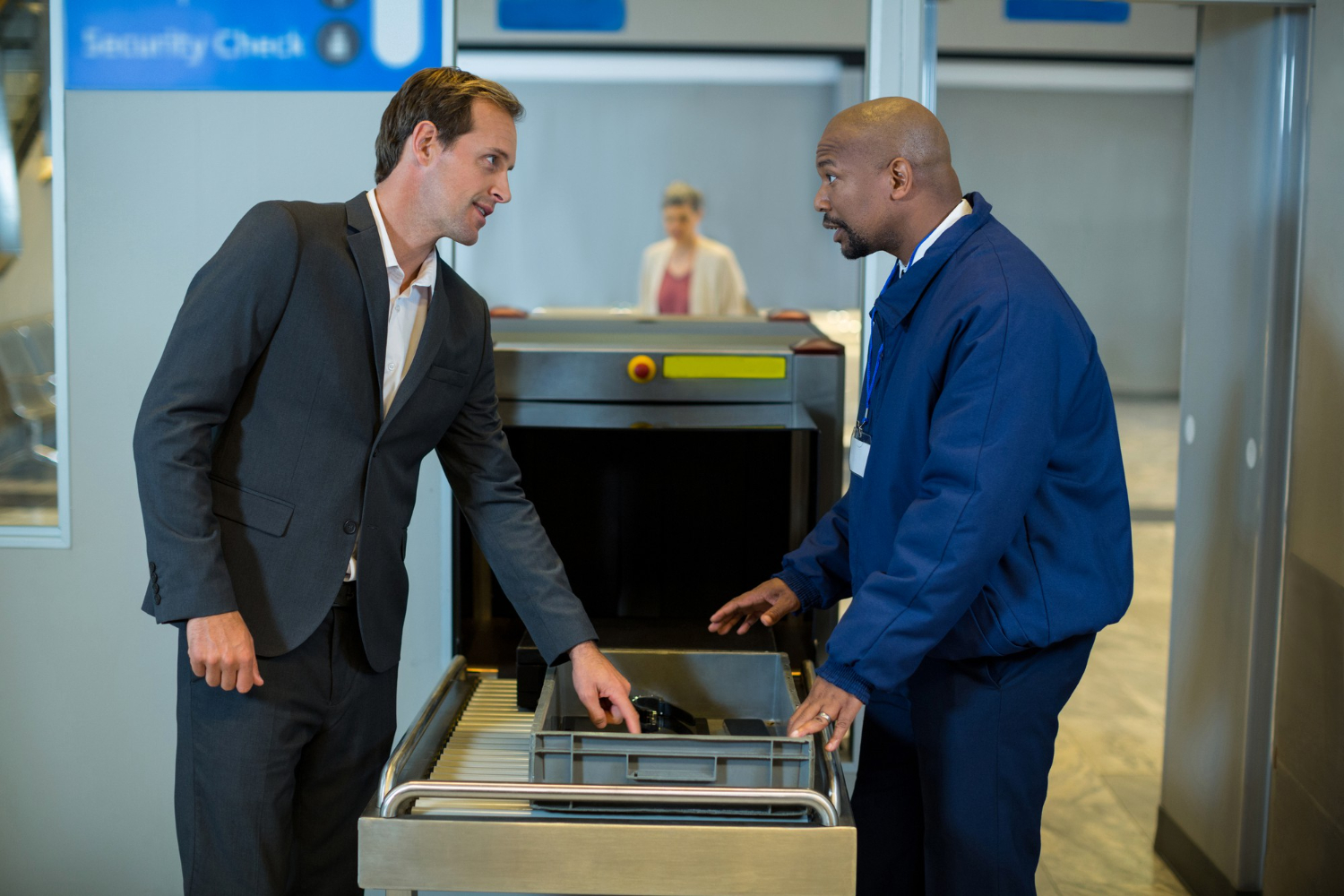
Following simple directions calmly speeds up screening. Confusion or resistance draws closer attention.
Officers notice quickly whether a traveler follows basic instructions, removing shoes, stepping into the scanner, holding still, calmly and promptly, or responds with confusion, hesitation, or mild resistance. Calm compliance moves the whole line efficiently, while any deviation naturally draws a bit more attention. How you respond to basic instructions shapes an officer’s immediate read on a traveler, a simple interaction that officers process almost instinctively given how many times a day they repeat the same directions.
3. Whether Your Documents Are Easily Accessible
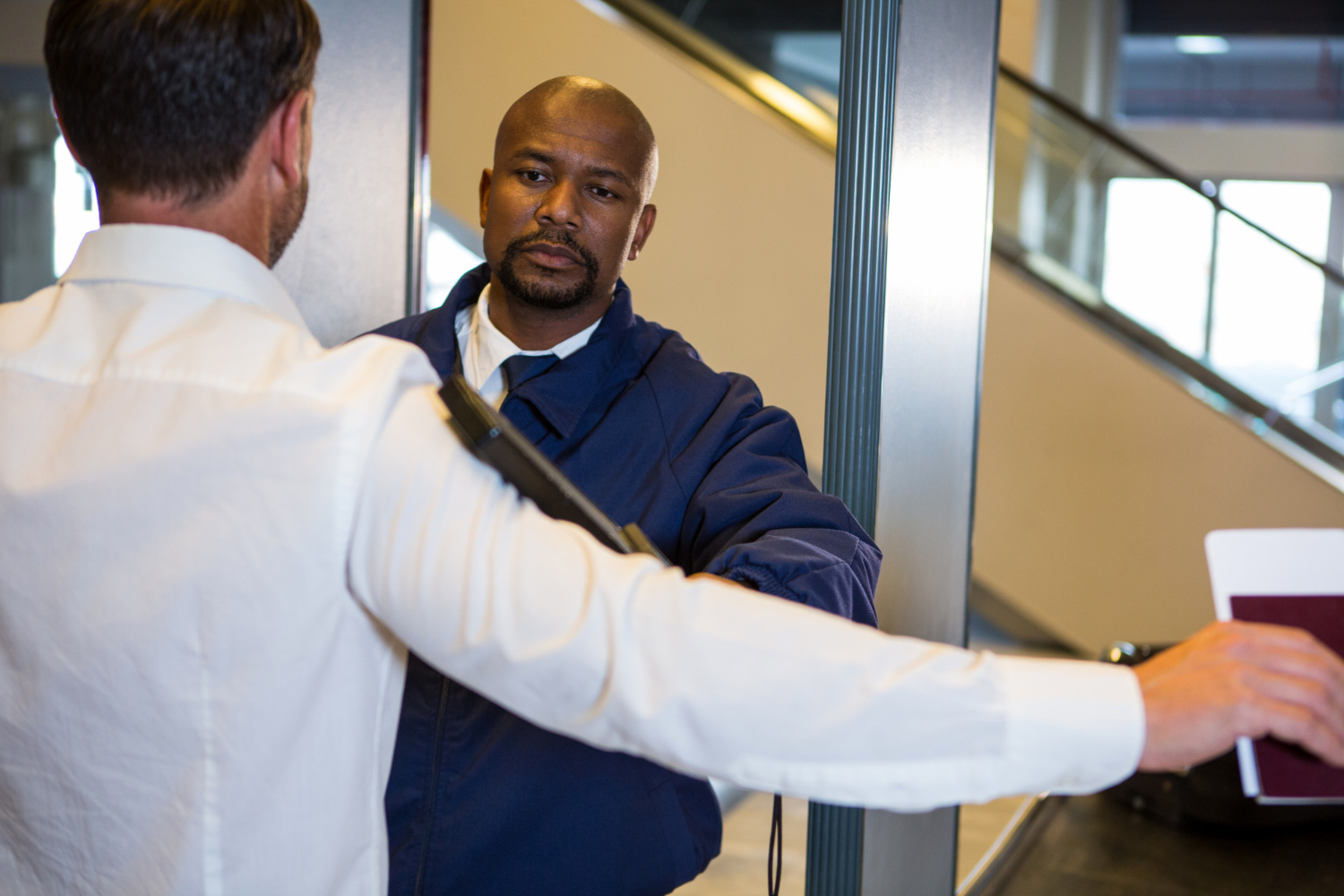
Having your ID and boarding pass ready avoids delays. Fumbling through a bag or wallet is noticed immediately.
Officers notice whether a traveler has their identification and boarding pass readily accessible, versus someone rifling through a crowded bag or wallet at the exact moment they’re needed. Having documents ready to present promptly is one of the simplest ways to move through the identity verification step smoothly. Whether your documents are easily accessible is a small but telling detail, the kind of basic preparation that officers process quickly as a sign of a traveler who’s simply organized and ready to go.
4. Nervous Behavior That Doesn’t Match the Situation
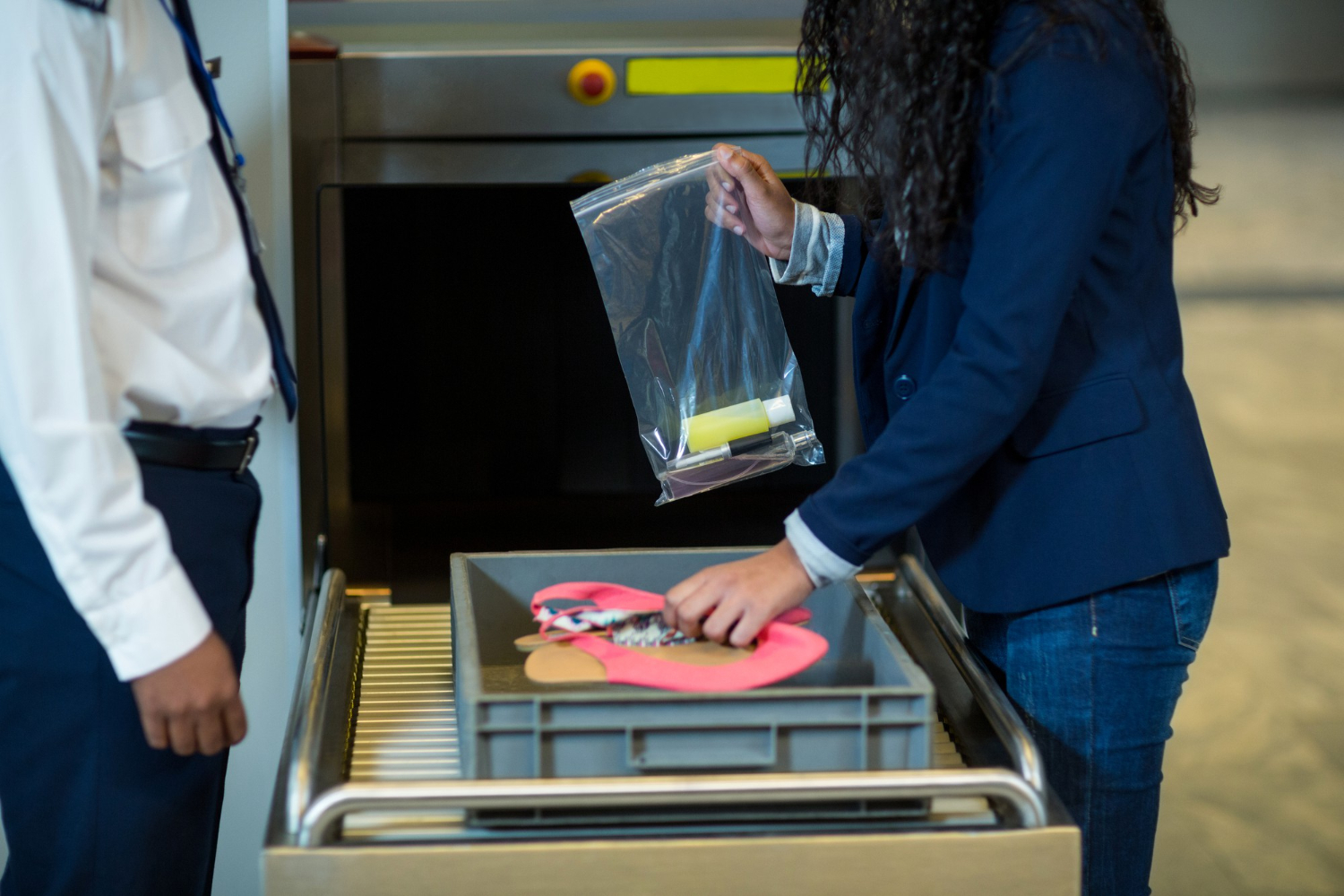
Genuine anxiety is common and understood. Behavior that seems disproportionate to routine screening draws more scrutiny.
Officers are trained to recognize that some travelers are simply nervous flyers, a common and well-understood reaction that rarely draws special attention on its own. What does stand out is behavior that seems genuinely disproportionate to routine screening, excessive sweating, avoidance of eye contact combined with other unusual cues, or inconsistent answers to simple questions. Nervous behavior that doesn’t match the situation is assessed contextually by trained officers, who distinguish between ordinary travel anxiety and behavior patterns that genuinely warrant closer attention.
5. How Carefully You Packed Electronics and Liquids
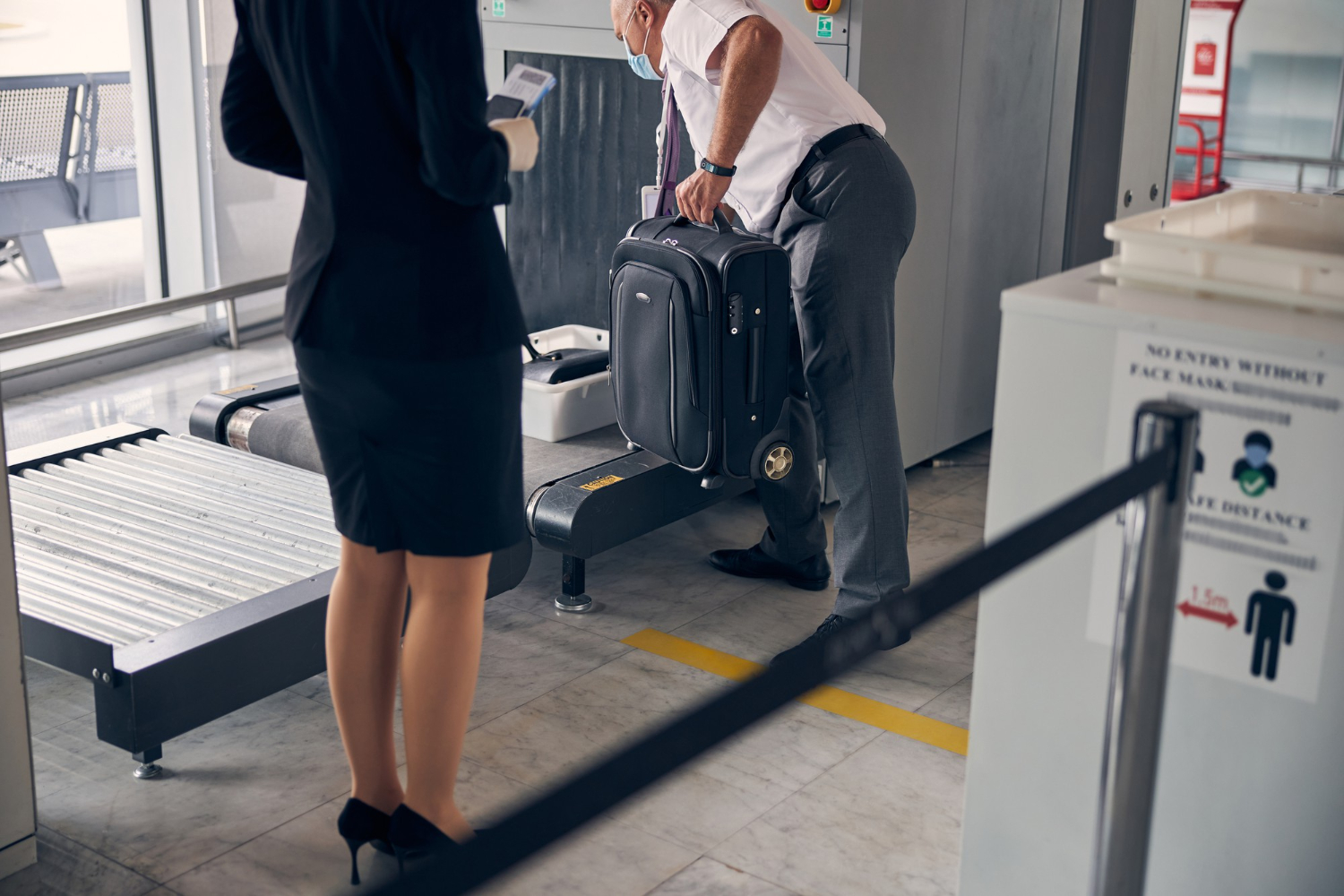
Properly organized bags move through screening faster. Poorly packed bags often require manual inspection.
Officers notice whether a traveler’s carry-on is packed with electronics and liquids reasonably accessible and organized, versus a chaotically packed bag where a laptop or liquid container is buried and hard to locate on the X-ray image, often triggering a manual bag check. How carefully you packed electronics and liquids directly affects how smoothly your bag clears the X-ray scanner, since a well-organized bag is genuinely easier for both the machine and the reviewing officer to clearly assess.
6. Whether You’re Traveling With Unusual or Bulky Items
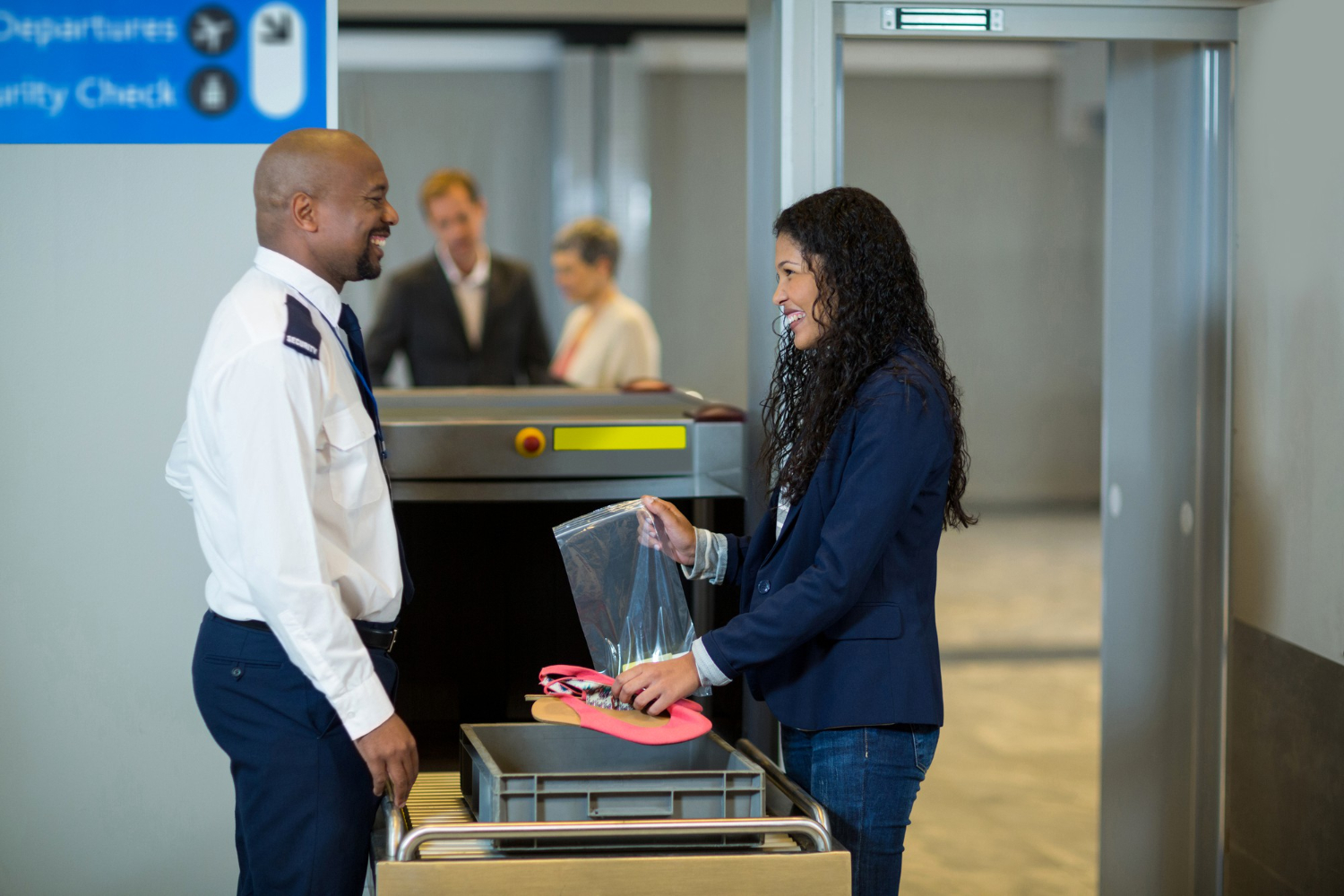
Uncommon items in a bag draw a closer look. This is routine curiosity, not automatically suspicion.
An unusual or bulky item appearing on the X-ray image, an odd-shaped gift, sports equipment, or something simply uncommon compared to typical carry-on contents, naturally draws a closer look from the reviewing officer, a routine part of image interpretation rather than an assumption of wrongdoing. Whether you’re traveling with unusual or bulky items is simply something officers notice as part of doing their job carefully, a normal part of screening that rarely results in more than a quick, polite clarifying question.
7. Your General Demeanor Toward Airport Staff
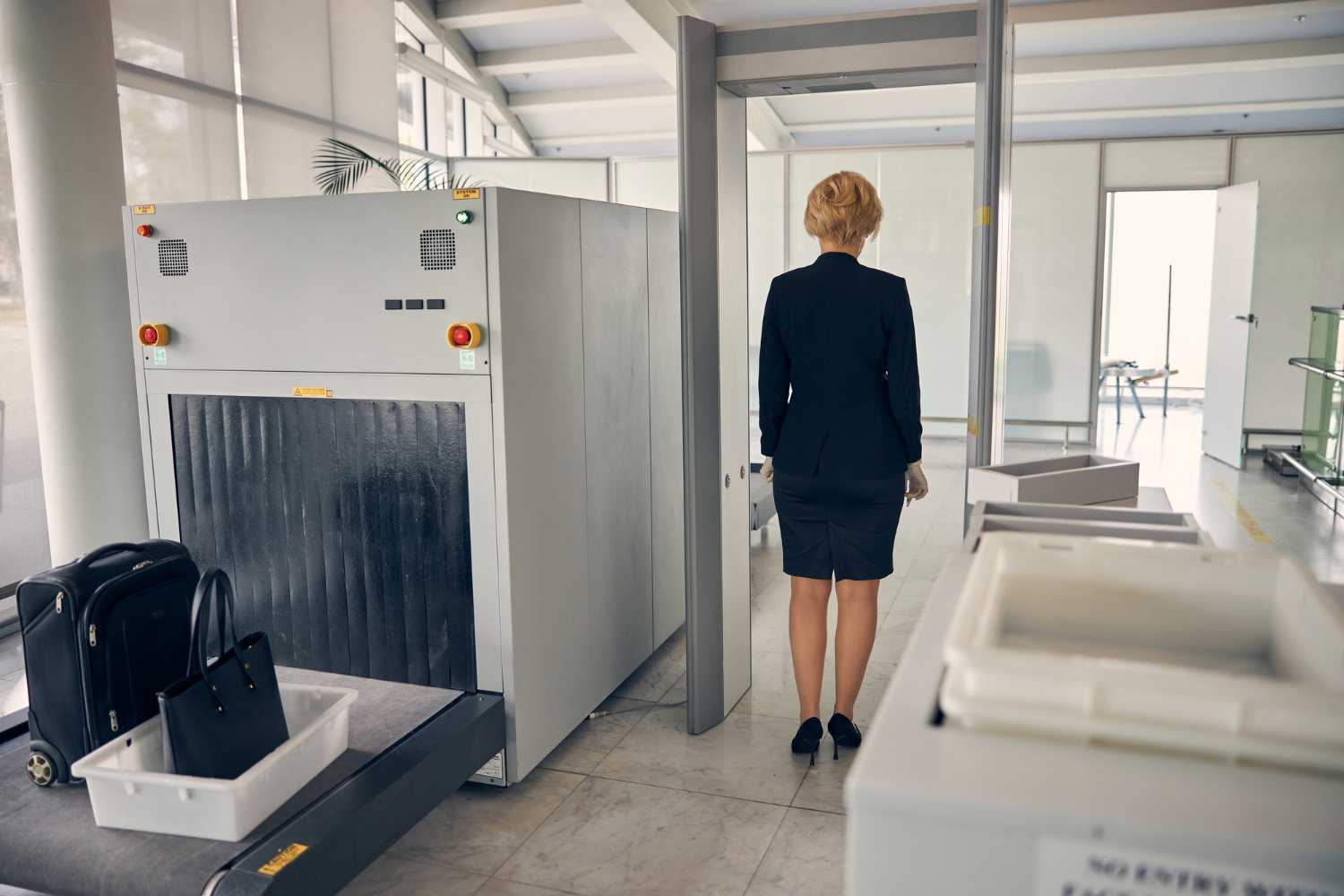
Basic courtesy toward officers is noticed and appreciated. Rudeness or impatience doesn’t go unnoticed either.
Officers notice a traveler’s general demeanor toward staff throughout the screening process, basic courtesy and patience versus visible irritation or rudeness during what is, for officers, simply a repetitive workday. A pleasant interaction tends to make the whole process move more smoothly for everyone involved. Your general demeanor toward airport staff shapes the tone of an otherwise brief, procedural interaction, a small courtesy that officers, like anyone in a customer-facing role, genuinely notice and appreciate.
8. Whether You Know the Current Screening Rules

Familiarity with current TSA requirements streamlines the process. Outdated assumptions can cause avoidable delays.
Officers notice whether a traveler is up to date on current screening requirements, liquid limits, laptop removal policies, or PreCheck lane eligibility, versus operating on outdated assumptions from a previous trip that no longer apply. Rules do shift periodically, and confusion over outdated policies is a common, avoidable source of delay. Whether you know the current screening rules affects how smoothly your specific screening goes, since staying informed about current requirements genuinely speeds up the process for both the traveler and the officers managing the line.
9. How You Handle an Unexpected Additional Screening
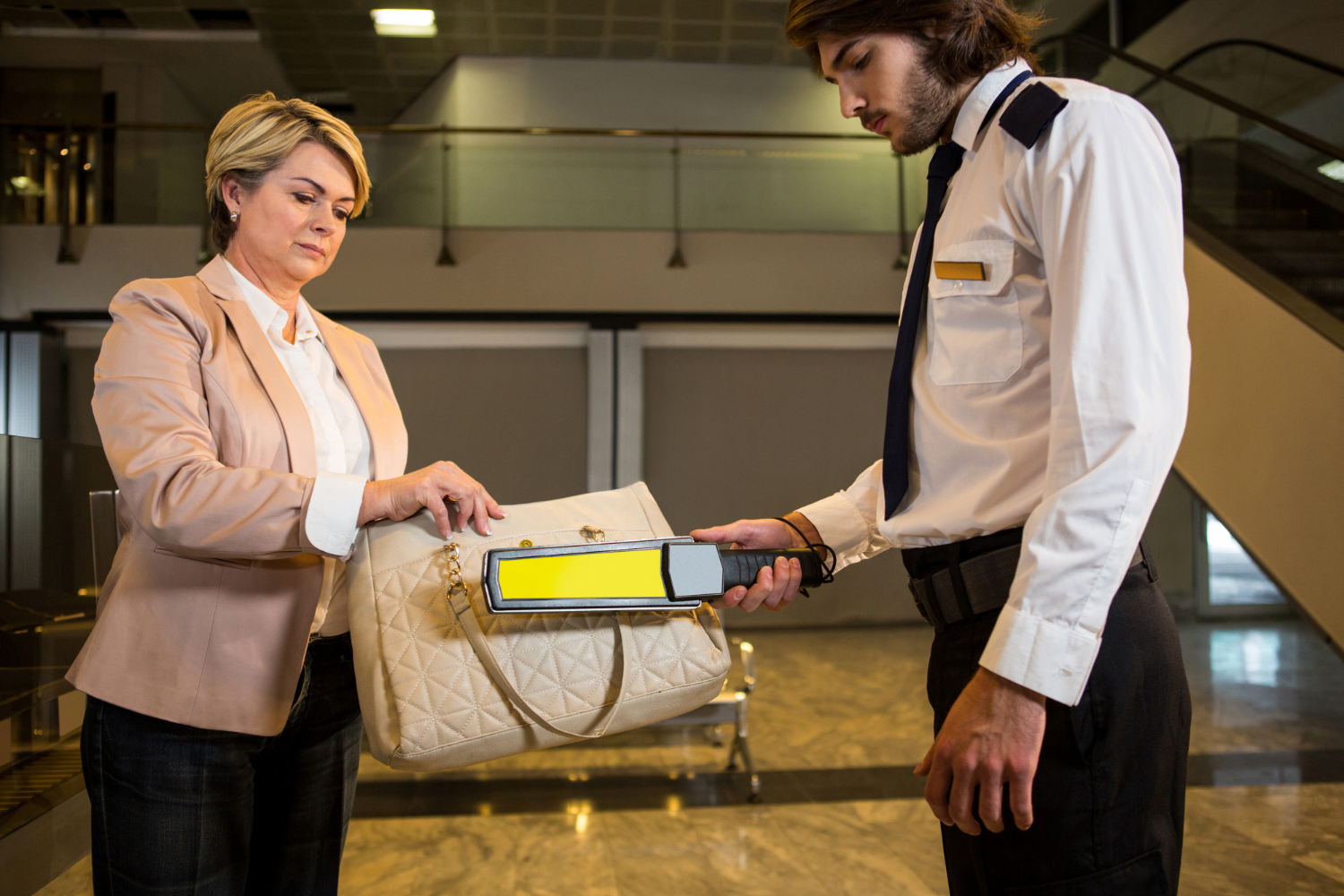
Random or triggered secondary screening happens to many travelers. A calm, cooperative response makes the process faster for everyone.
Being selected for additional screening, whether random or triggered by something on the scanner, happens to a substantial number of ordinary travelers with nothing at all amiss, and officers notice how a traveler handles this moment, calm cooperation versus visible frustration or argument. How you handle an unexpected additional screening genuinely affects how quickly the process concludes, since a cooperative, patient response from the traveler consistently keeps this routine extra step brief and straightforward.
10. Whether You Thank the Officers on Your Way Through
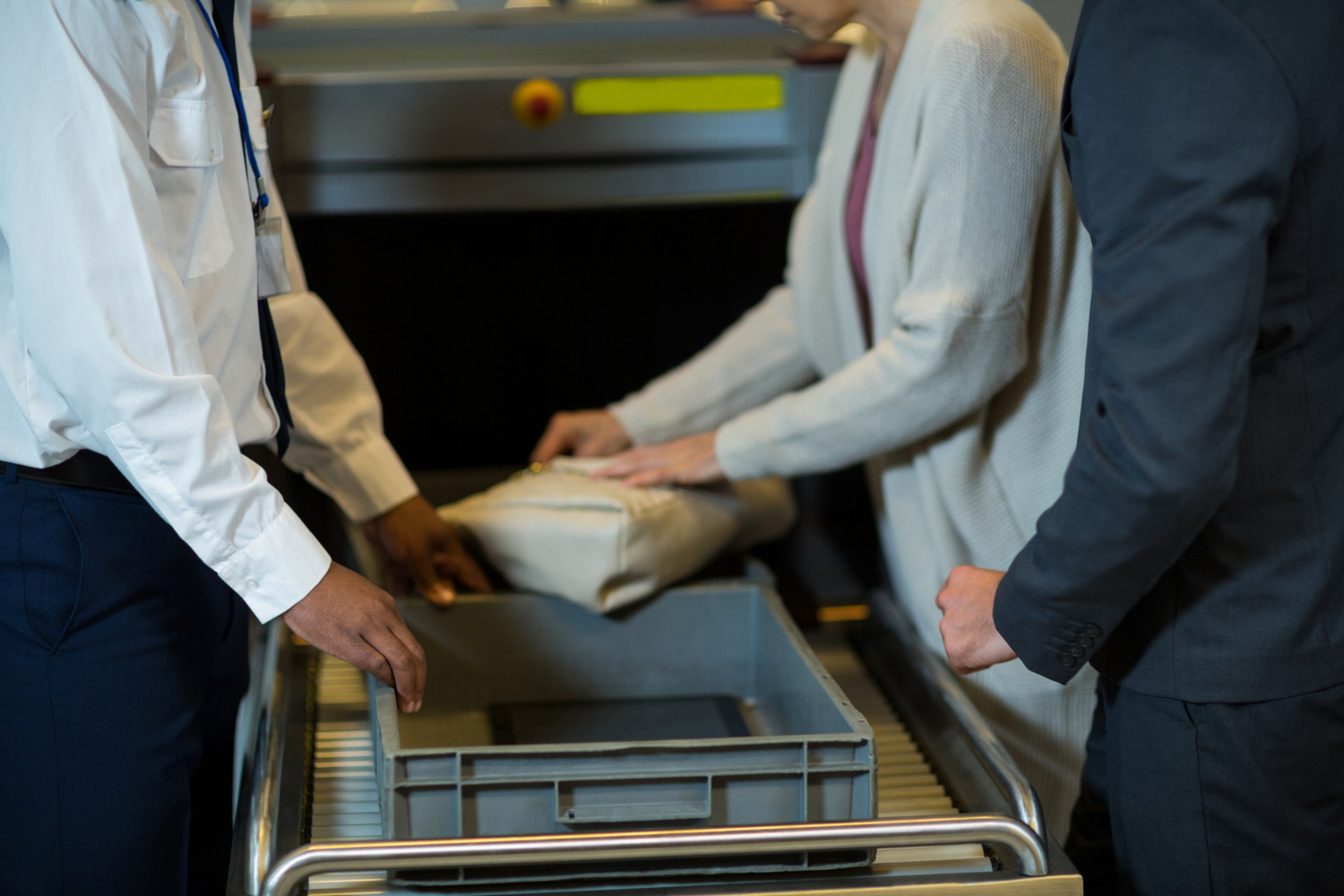
A simple thank-you at the end of screening is noticed. It’s a small gesture that officers say genuinely brightens a repetitive job.
After gathering belongings and heading toward the gate, officers notice whether a traveler offers a simple thank-you or acknowledgment on their way out, a small gesture that many officers describe as a genuine, appreciated bright spot in an otherwise repetitive and often thankless job. Whether you thank the officers on your way through is the small, final interaction that closes out the screening experience, a simple courtesy that costs a traveler nothing but is consistently remembered and valued by the officers on the other side of it.
Small Habits That Shape a Smoother Screening
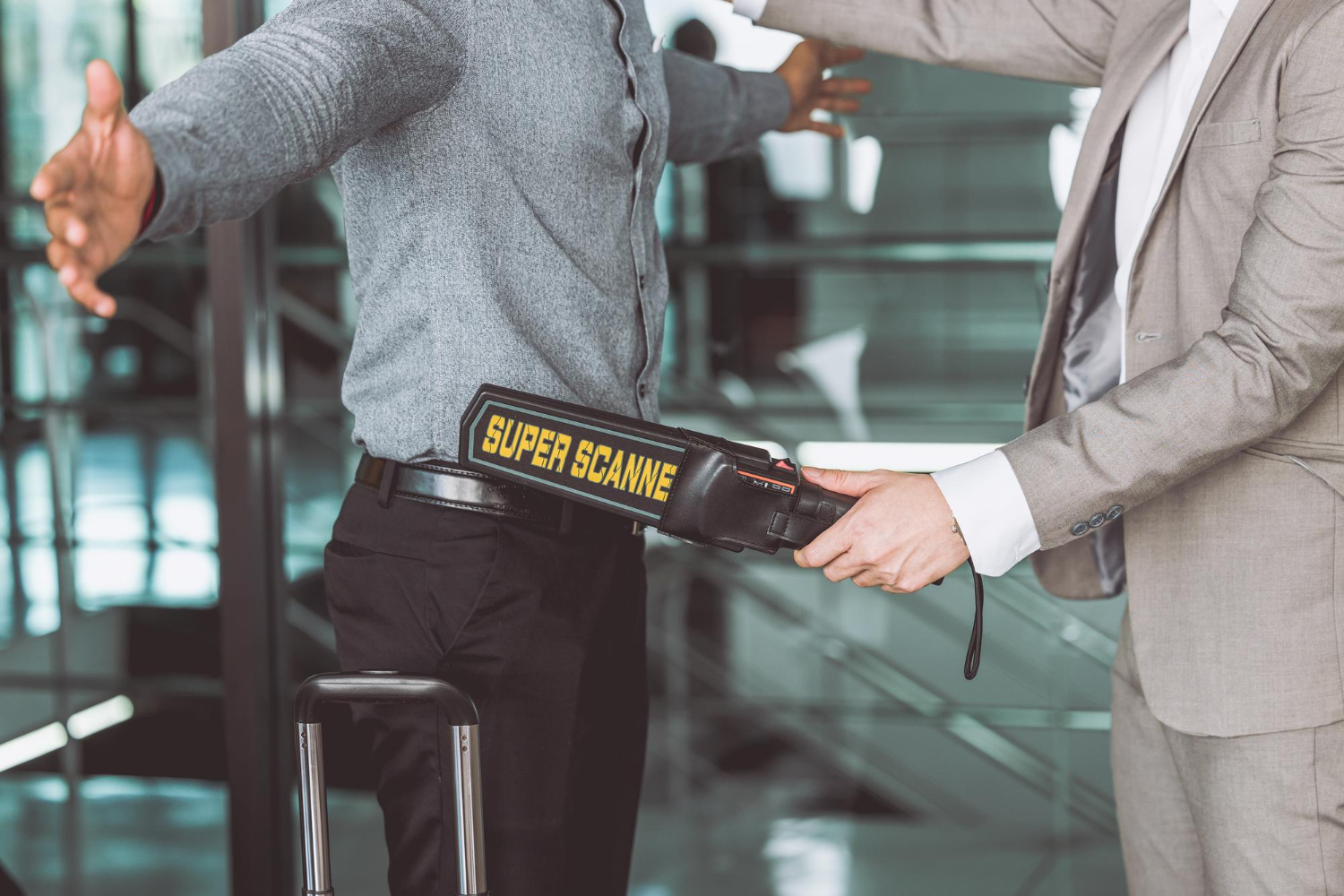
Taken together, these ten observations show that TSA officers pick up on a surprising amount during the brief, routine interaction of airport security screening, preparation, demeanor, and basic courtesy all shape how smoothly the process actually goes for both traveler and officer alike.
None of these observations require special effort to get right, simply preparing your bin in advance, keeping documents accessible, and staying calm and courteous throughout the process covers nearly everything officers actually notice. For travelers hoping for the smoothest possible experience at the checkpoint, these small, consistent habits matter more than any special trick or shortcut, a reminder that basic preparation and simple courtesy remain the most reliable way to move through airport security quickly and comfortably.
Like our content? Follow us for more.