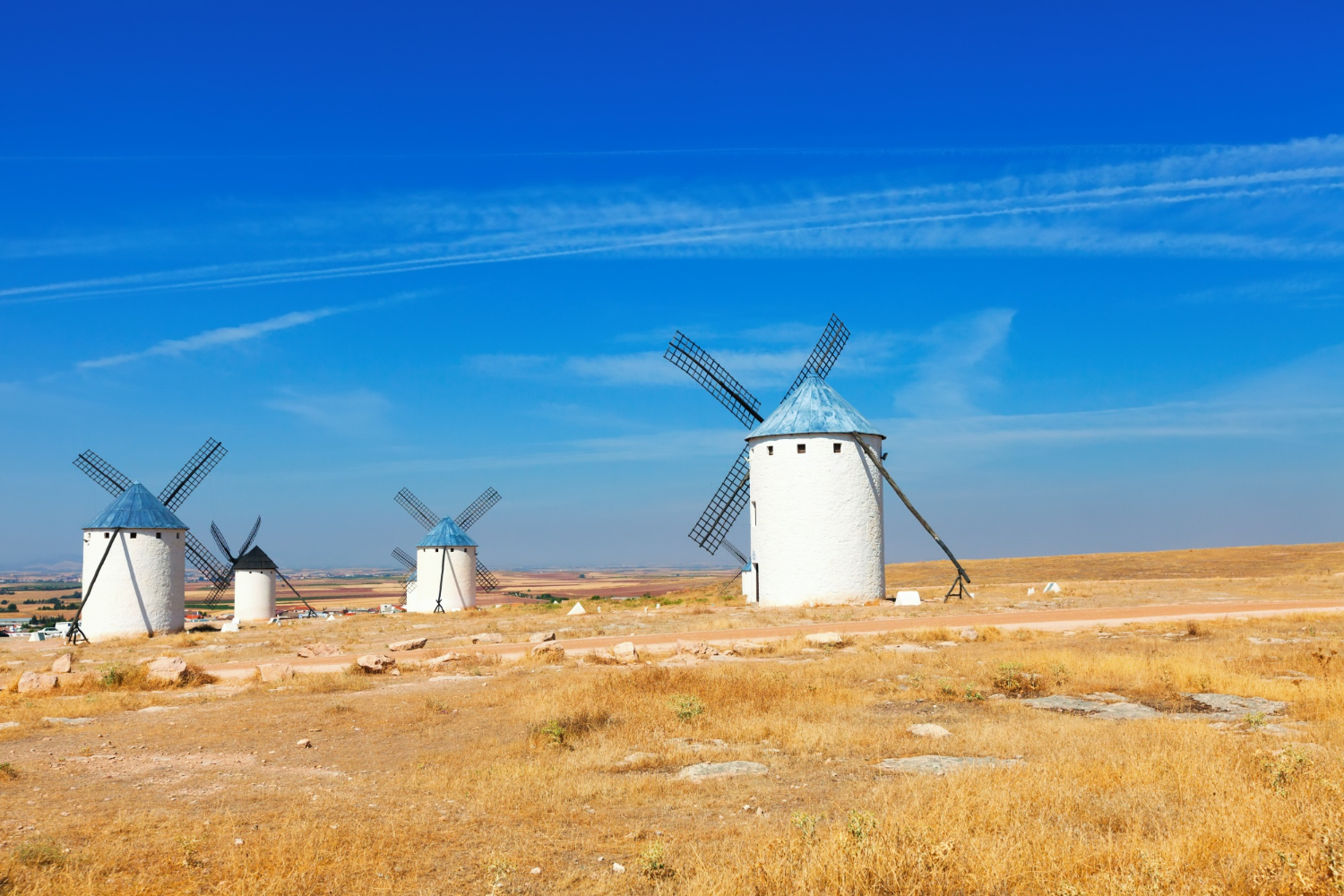
The difference between a preserved windmill and a working one is the noise. Inside a mill under sail, the whole building shakes, the gears roar and flour comes out warm. Here are ten that still run.
1. Kinderdijk, Netherlands
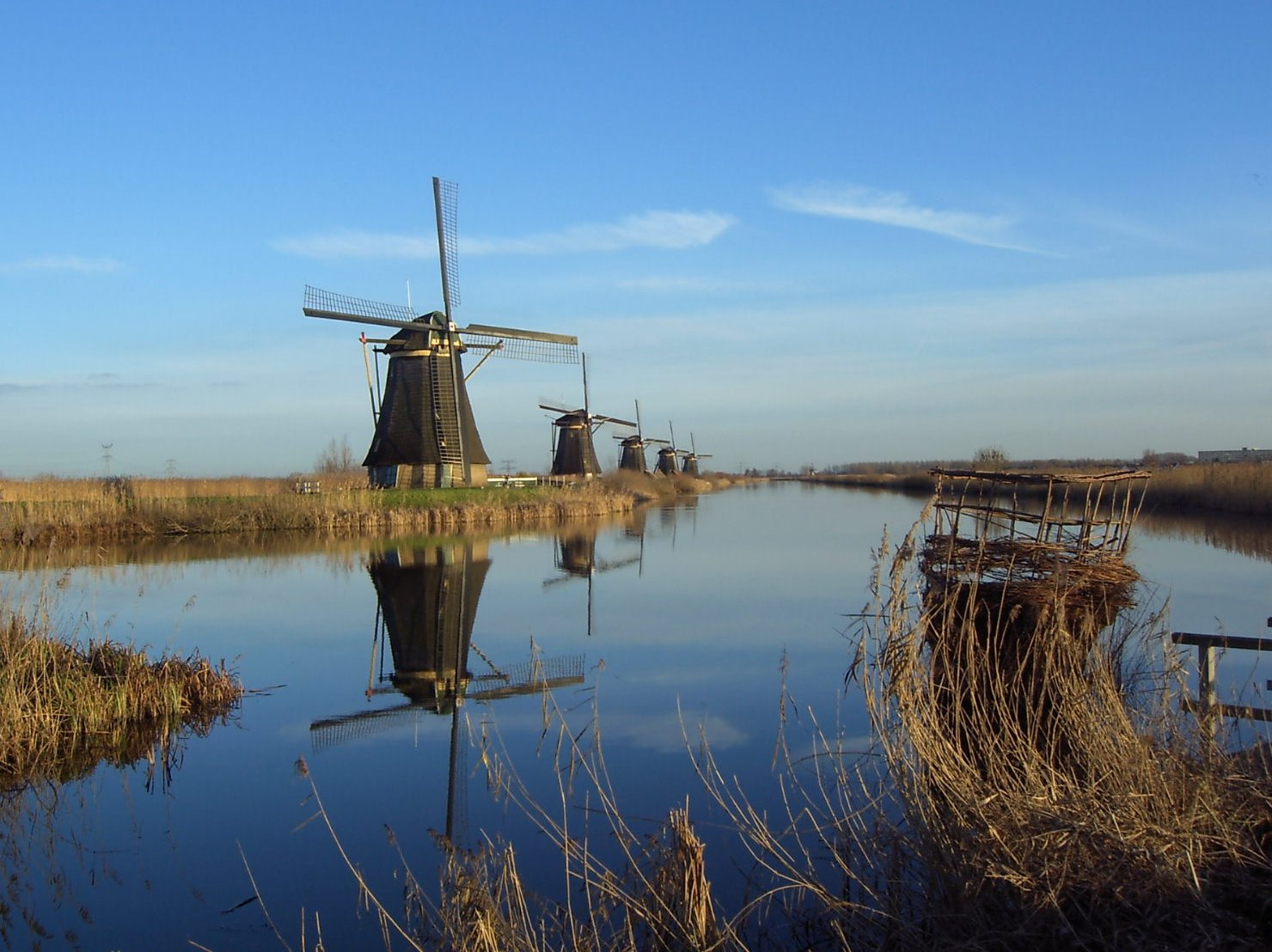
Nineteen eighteenth-century mills stand along the dykes, built to pump water out of the polder rather than to grind anything.
Several are open, and one is furnished as a miller family would have lived in it, which is the part visitors remember. Kinderdijk is the windmill site where the machines were built to move water rather than grain.
Like our content? Follow us for more.
2. De Gooyer, Amsterdam, Netherlands
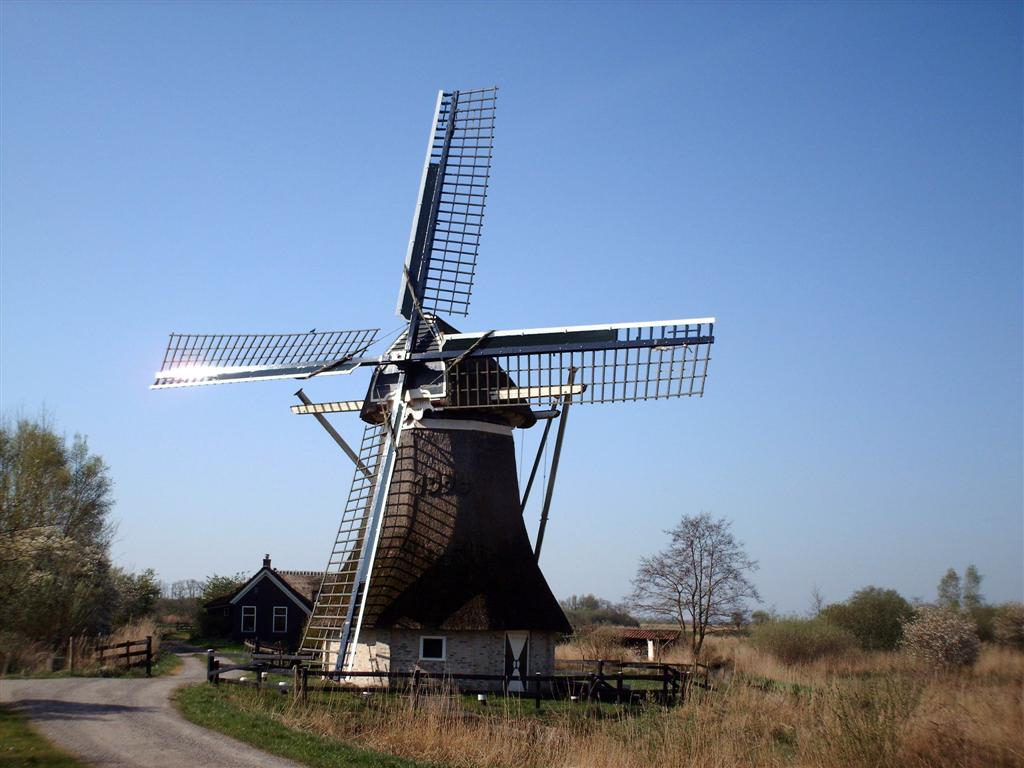
A tall wooden tower mill in the city, the highest of its kind in the country, standing beside a former bathhouse.
It is a landmark within an ordinary residential district rather than a rural set piece. De Gooyer is the windmill that ended up inside a capital city.
3. Zaanse Schans, Netherlands
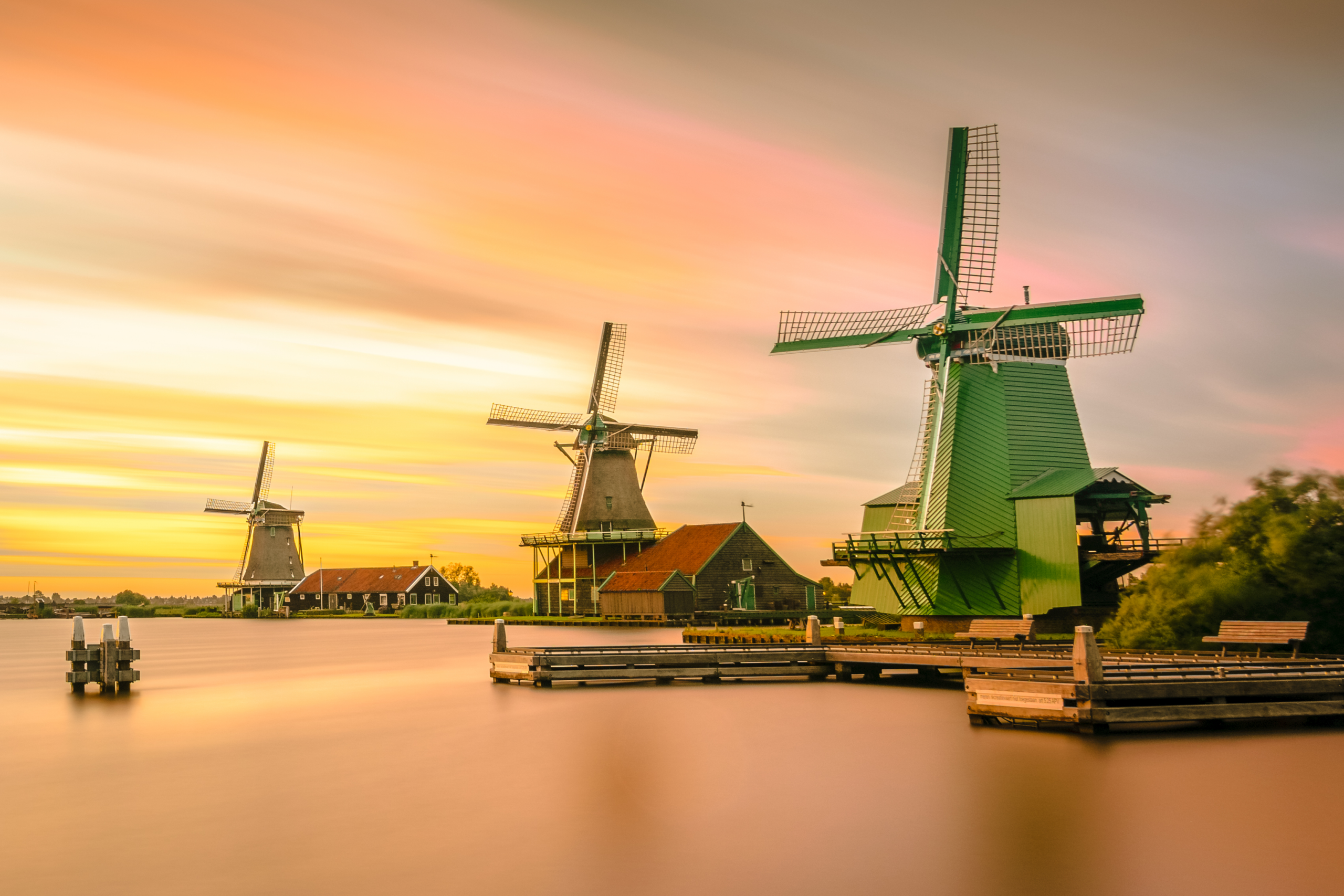
A working collection of mills on a riverbank, several of which still produce paint pigment, oil and sawn timber commercially.
Watching a mill saw planks with wind power is more startling than watching one grind flour. Zaanse Schans is the windmill site where the machines are still producing goods for sale.
4. Moulin de Valmy, France
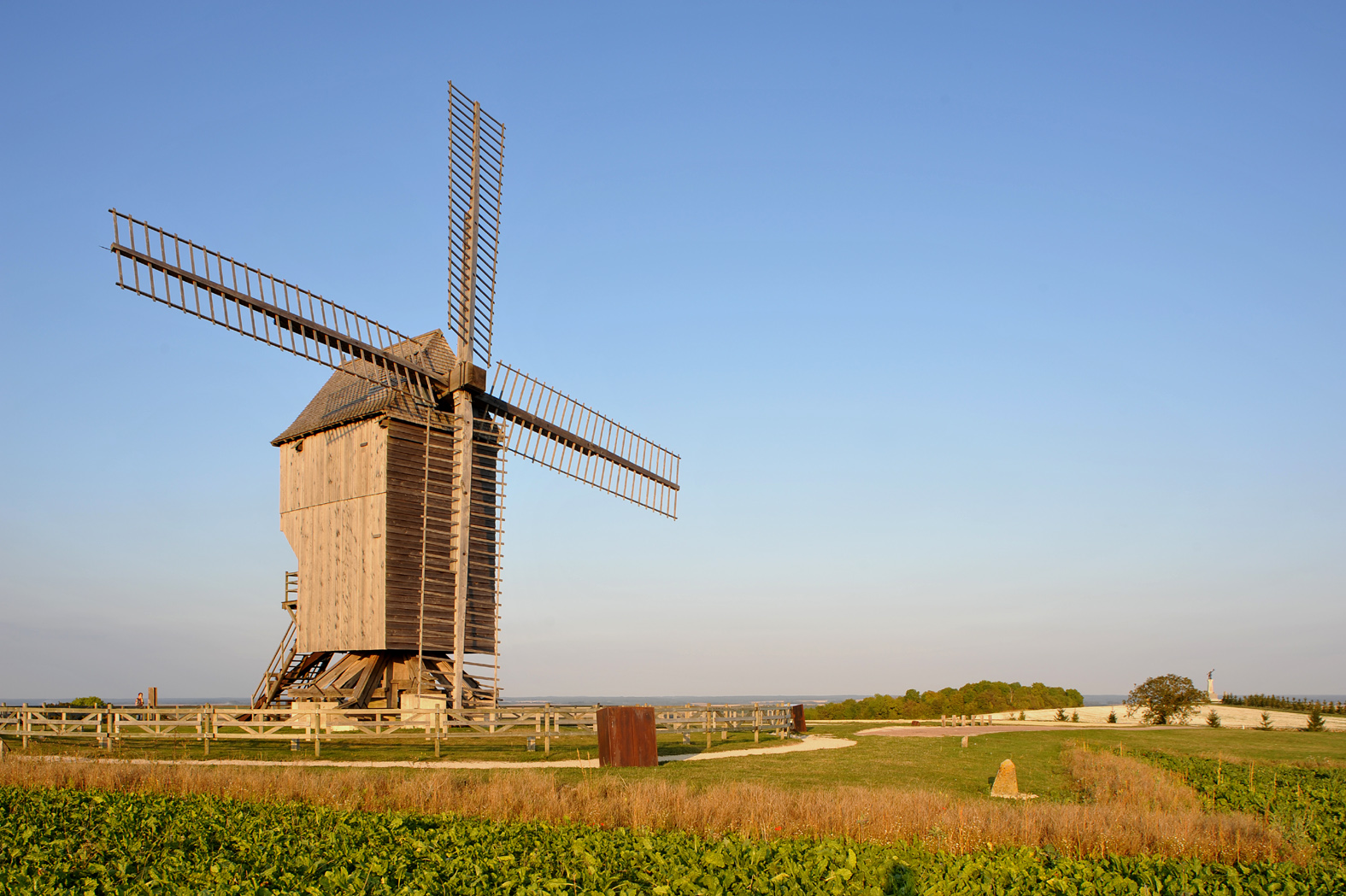
A reconstructed post mill on a ridge, of the type that turns its entire body to face the wind rather than just the cap.
The post-mill design is the older form and is now much rarer than the tower mill. Valmy is the windmill that shows how the whole building used to rotate.
5. Consuegra, Spain
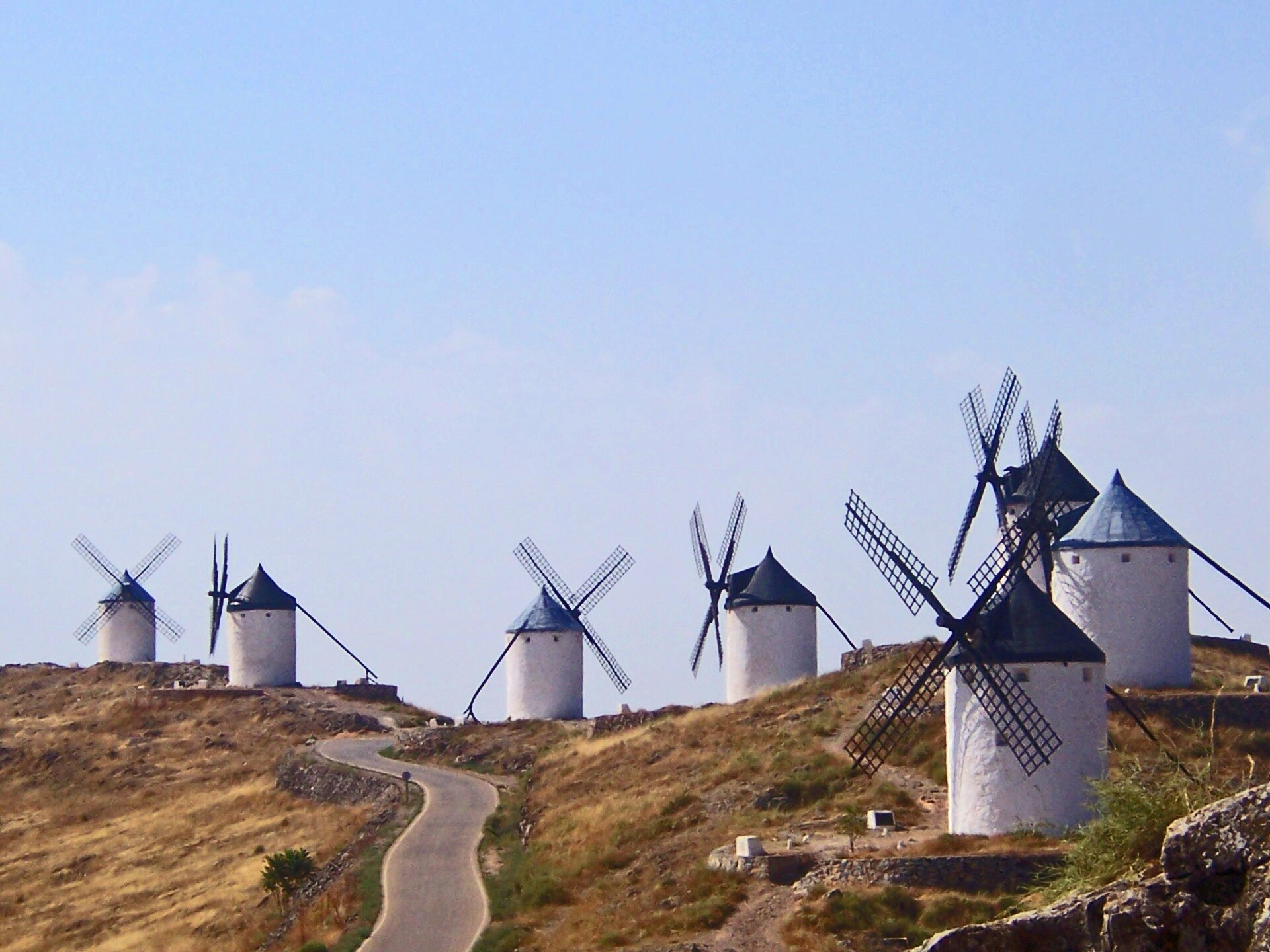
A line of whitewashed mills along a ridge above a Castilian town, several restored to working order with original machinery.
They are the mills most associated in the popular imagination with a certain novel, though the association is literary rather than historical. Consuegra is the windmill row that dominates a skyline for miles.
6. Skerries Mills, Ireland
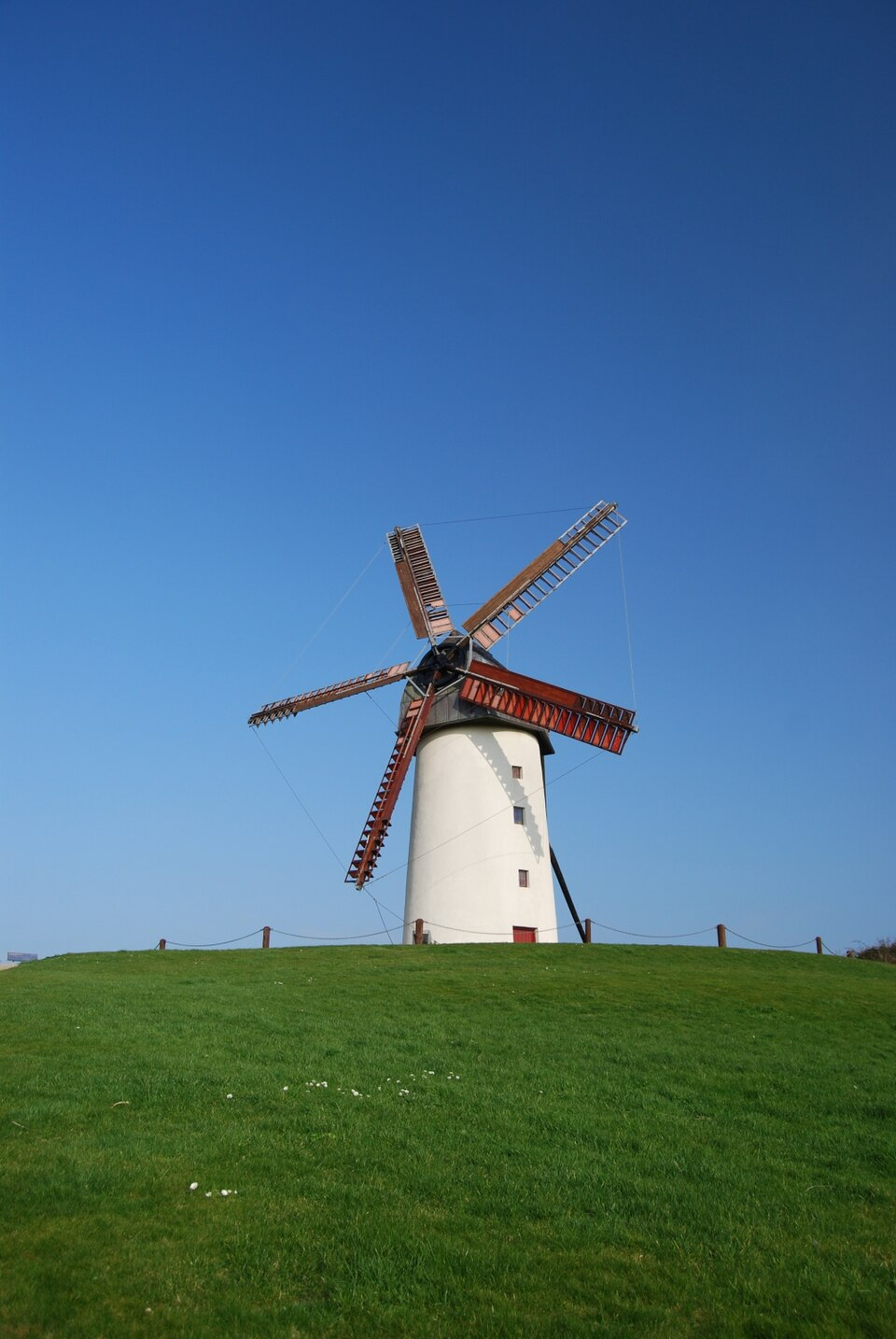
A site with two working windmills of different types alongside a watermill, all operating and milling on the same ground.
Seeing wind and water power side by side makes the engineering comparison immediate. Skerries is the windmill site where you can compare two power sources in one visit.
7. Sibiu and the Romanian Village Mills
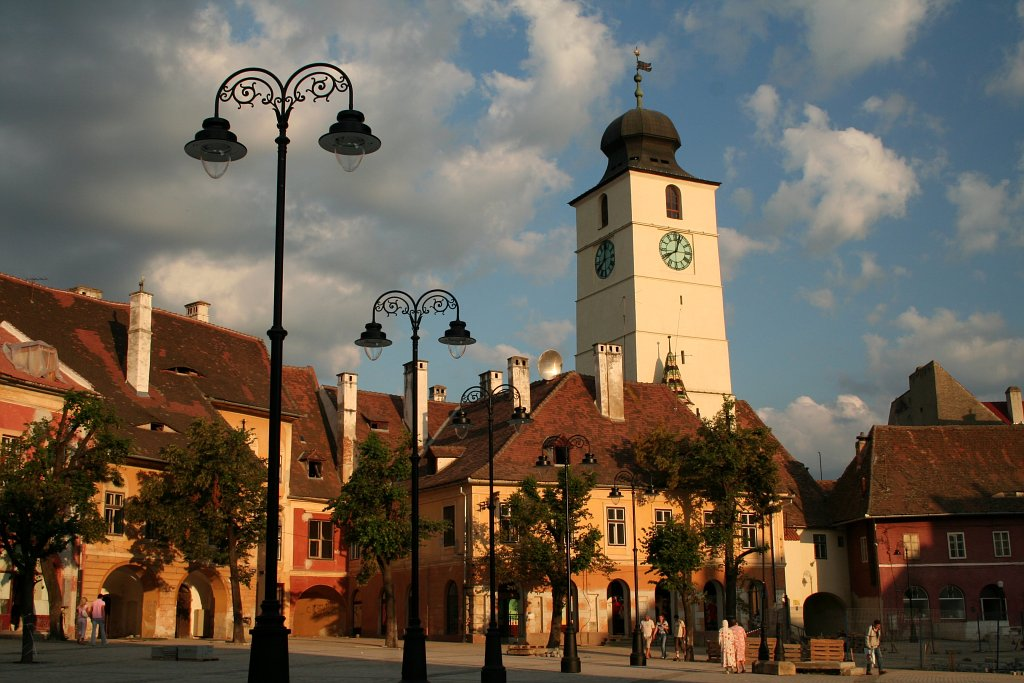
Open-air museums in central Romania have relocated working village mills, preserving regional designs that were disappearing.
The construction is timber throughout, including the gearing. These are the windmills preserved by being moved rather than by being left.
8. Mykonos and the Cycladic Mills, Greece
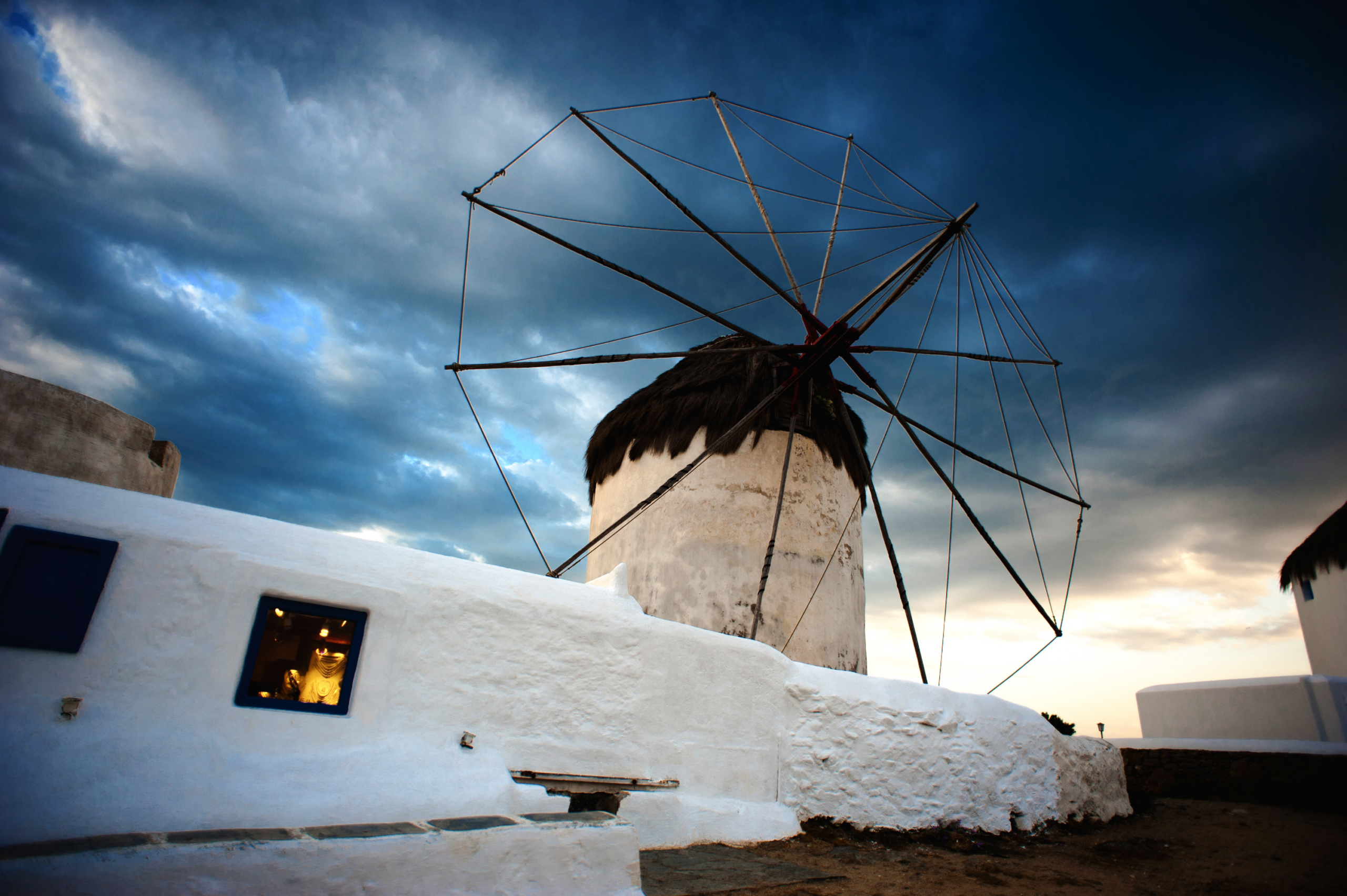
Round whitewashed mills with thatched conical roofs stand on headlands across the Greek islands, positioned for the prevailing wind.
Most are no longer working, though some have been restored and one or two operate as small museums. The Cycladic mills are the windmills built to catch a wind that blows almost constantly.
9. Jill and the Sussex Mills, England
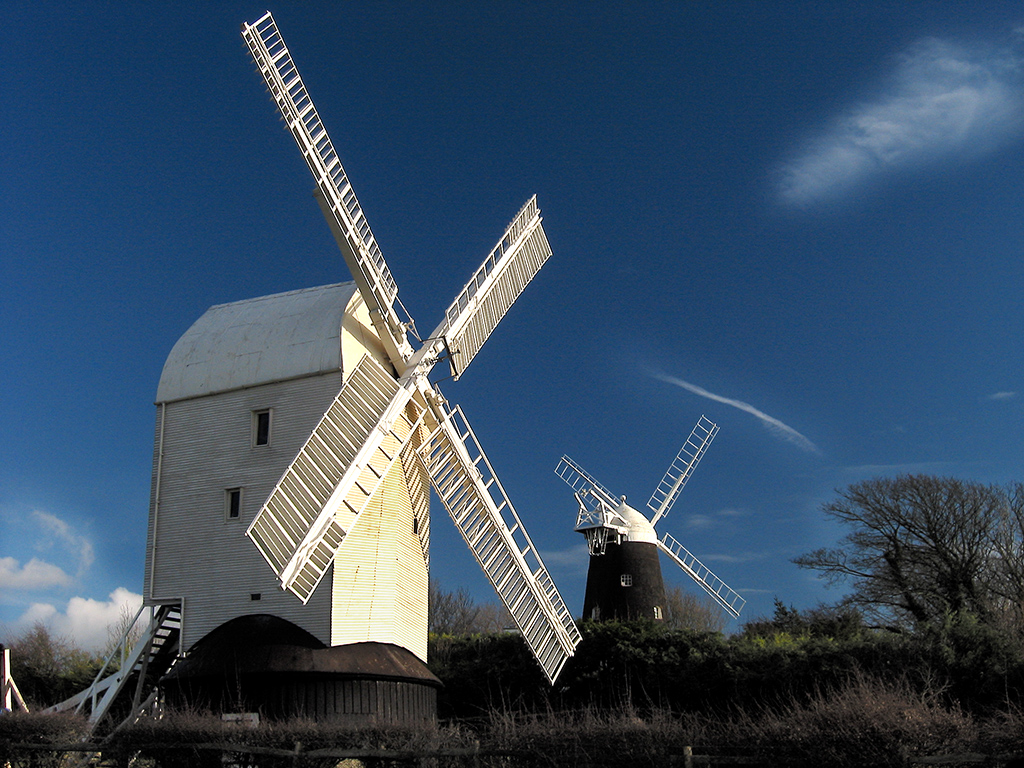
Southern England retains several working mills, some grinding flour for sale on open days with volunteers operating the machinery.
Opening depends on the wind as much as the calendar, which is a unusual constraint. The Sussex mills are the windmills whose opening times depend on the weather.
10. Nashtifan, Iran
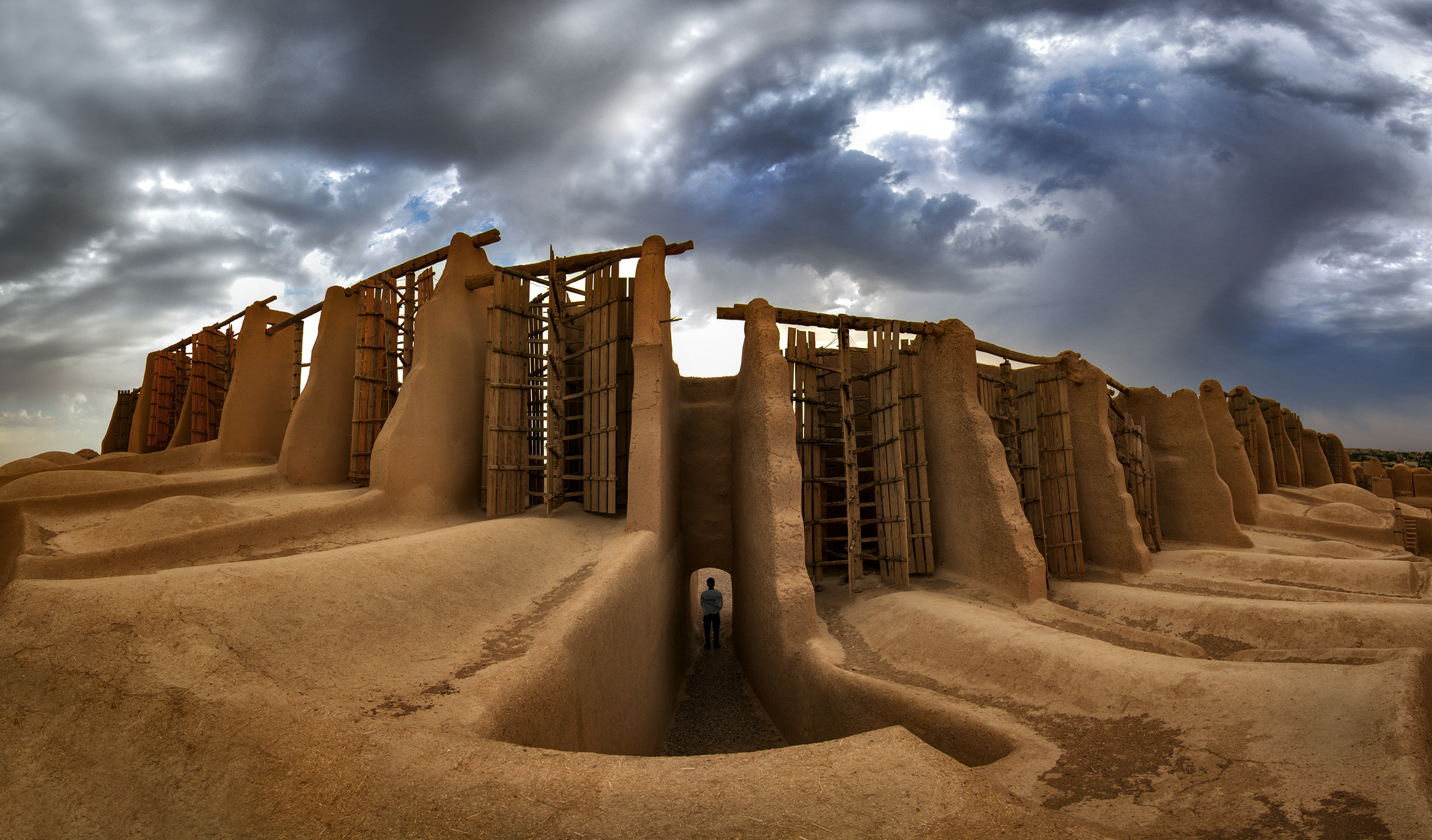
Vertical-axis windmills built from clay, straw and wood, of a design believed to be among the oldest still standing anywhere.
They work on a completely different principle from European mills, with sails rotating around an upright shaft. Nashtifan is the windmill site that shows the technology took more than one form.
Wind, Gears and a Very Loud Room
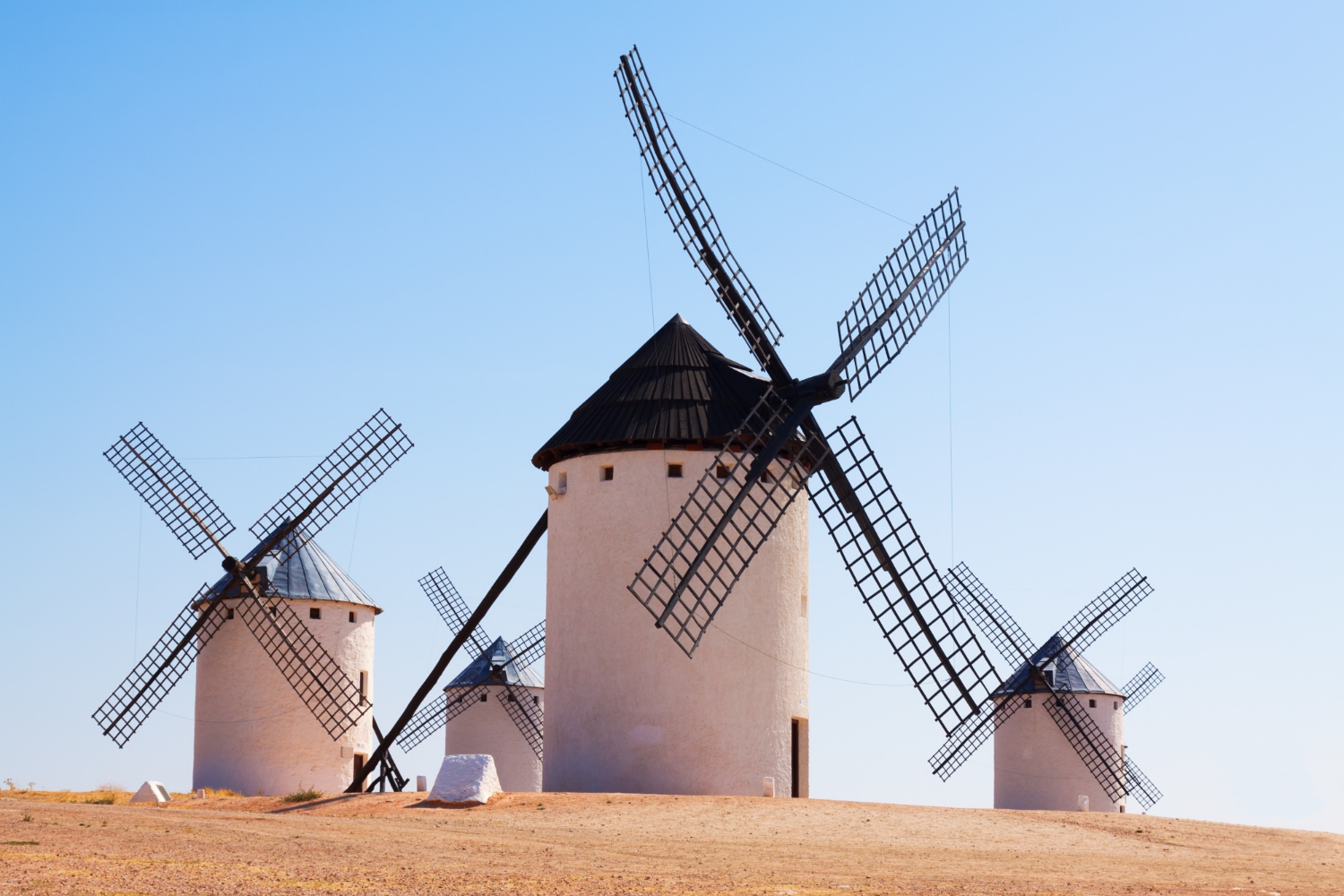
A working mill is a reminder that before engines, a great deal of heavy industry ran on weather, and that the miller had to read the wind the way a sailor did.
Practical notes: many working mills only turn when there is enough wind and not too much, so opening is truly weather-dependent; interiors involve steep ladders and low beams; and volunteer-run sites often open on limited days. Check before travelling, and if the sails are turning when you arrive, go in.
Like our content? Follow us for more.