Pull into Galena, Illinois and you’re surrounded by 19th-century brick buildings on the same streets that hosted Civil War-era political meetings. Visit Bisbee, Arizona and the mining-era infrastructure remains essentially intact. Some American small towns have substantially preserved their mid-20th-century character — not as deliberate museums, but because economic and demographic forces specific to each location stopped the constant rebuilding that has transformed most American communities. Here are 11 specific small towns where time genuinely seems to have stopped.
The American small town has been transformed substantially since 1955 by suburbanization, interstate highway construction, big-box retail expansion, and demographic migration to cities and Sun Belt destinations. But specific economic and geographic circumstances have preserved certain small towns essentially intact — their main streets, downtown architecture, and overall feel remain remarkably similar to what they looked like 70 years ago. The preservation isn’t deliberate in most cases. It’s the result of stagnation, isolation, or specific protections that prevented modernization.
1. Galena, Illinois
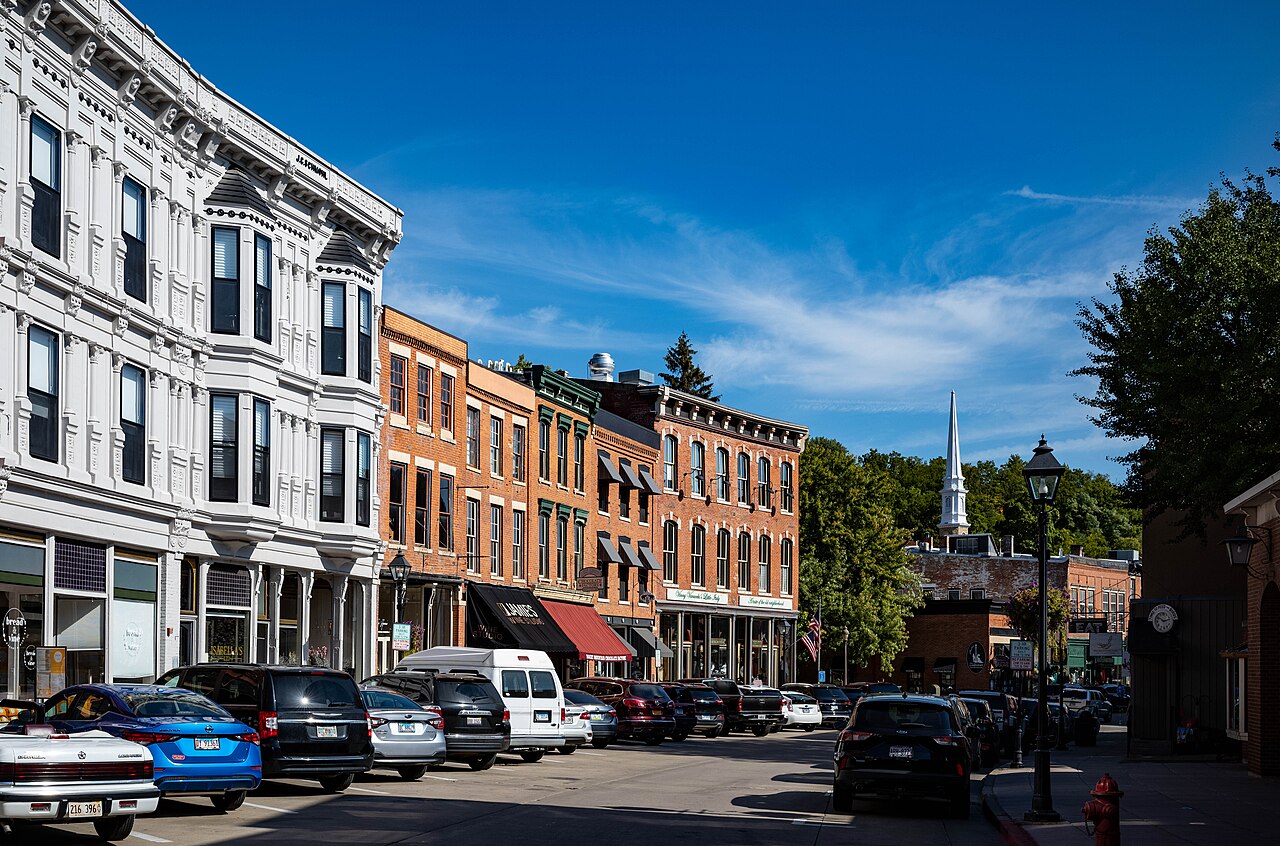
Galena’s preservation comes from specific economic decline. Once the largest city in Illinois (1845), Galena’s population peaked at approximately 14,000 in the 1850s and has since declined to approximately 3,000. The town’s lead mining economy collapsed after the 1850s. Railroad bypass routing prevented later economic recovery. The cumulative effect: 85% of Galena’s buildings are on the National Register of Historic Places. The downtown architecture is substantially 19th-century brick. Tourism has become the dominant economy, specifically built around the town’s preserved character. Walking Galena’s Main Street provides one of the most complete experiences of pre-1900 American downtown anywhere.
2. Bisbee, Arizona
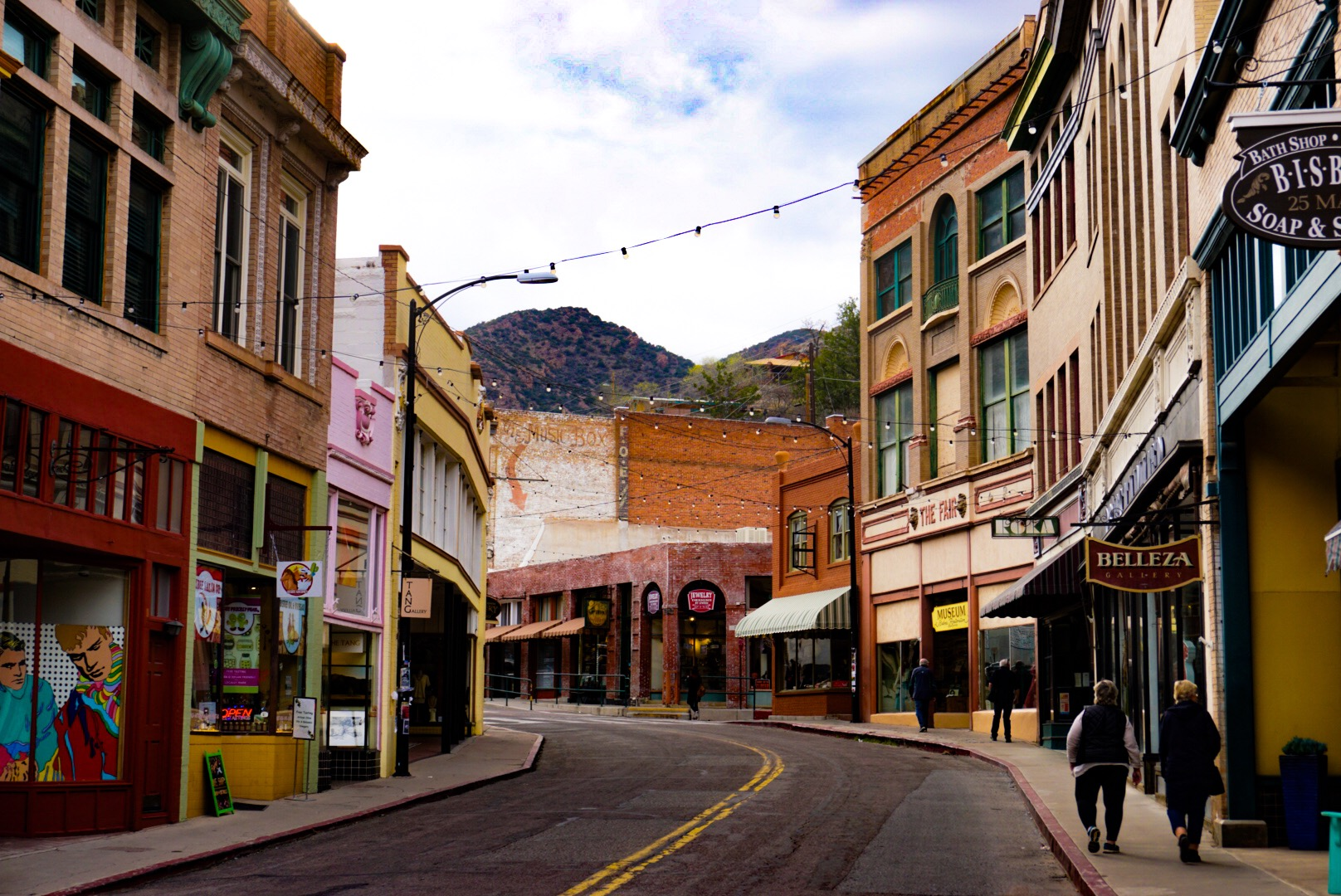
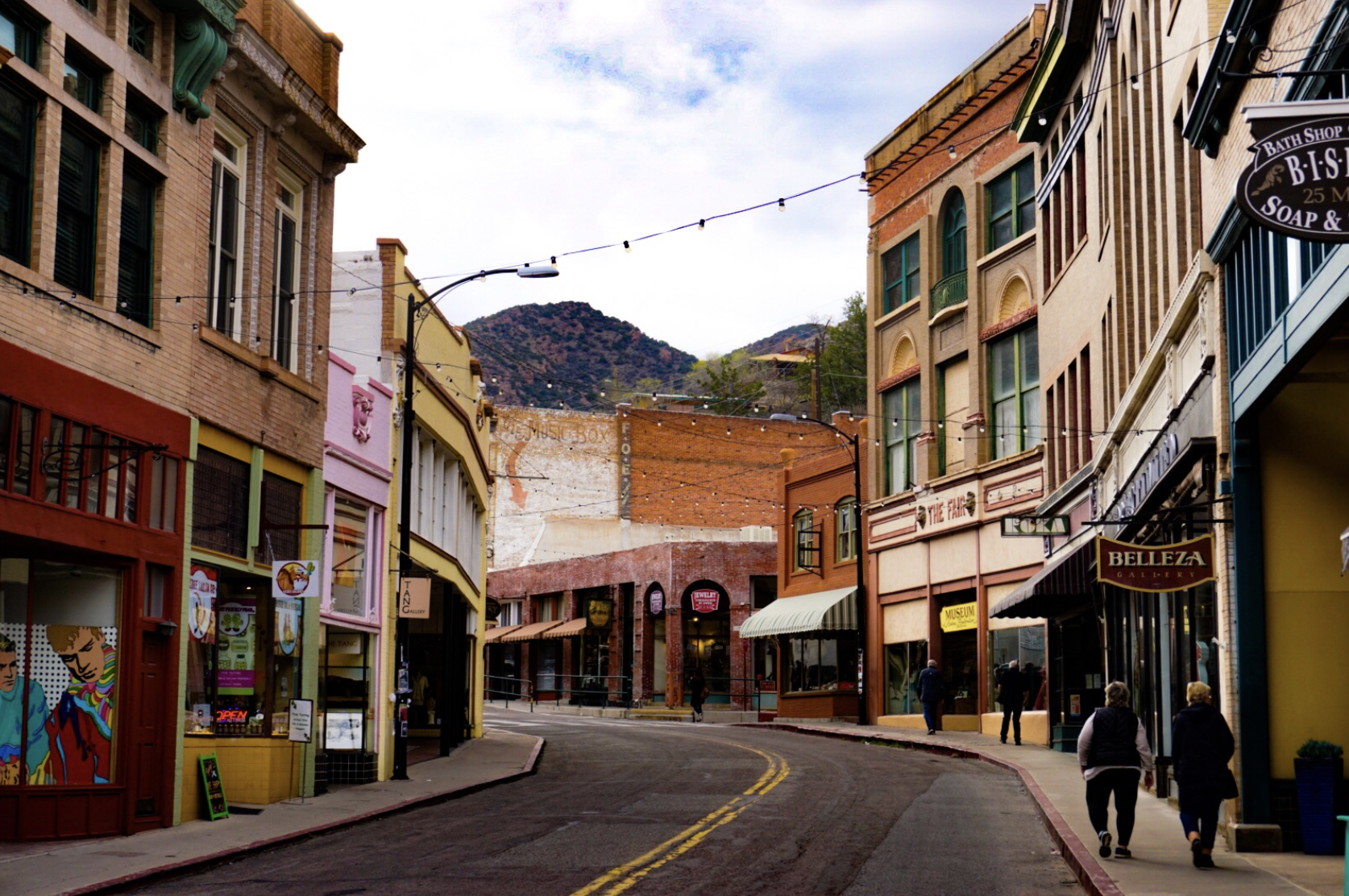
Bisbee’s preservation came from copper mining collapse. The town reached approximately 9,000 residents during peak copper production (1900-1975) but declined dramatically when the Lavender Pit mine closed in 1975. The cliffside architecture — Victorian buildings clinging to canyon walls — became fashionable for artists and retirees in the 1980s and 1990s. Modern Bisbee contains substantial mining-era infrastructure essentially intact: the Copper Queen Hotel (1902), the Bisbee Mining and Historical Museum, and dozens of preserved Victorian buildings. The town’s geographic constraints (it’s literally built into a canyon) prevented suburbanization that has transformed most American small towns.
3. Eureka Springs, Arkansas
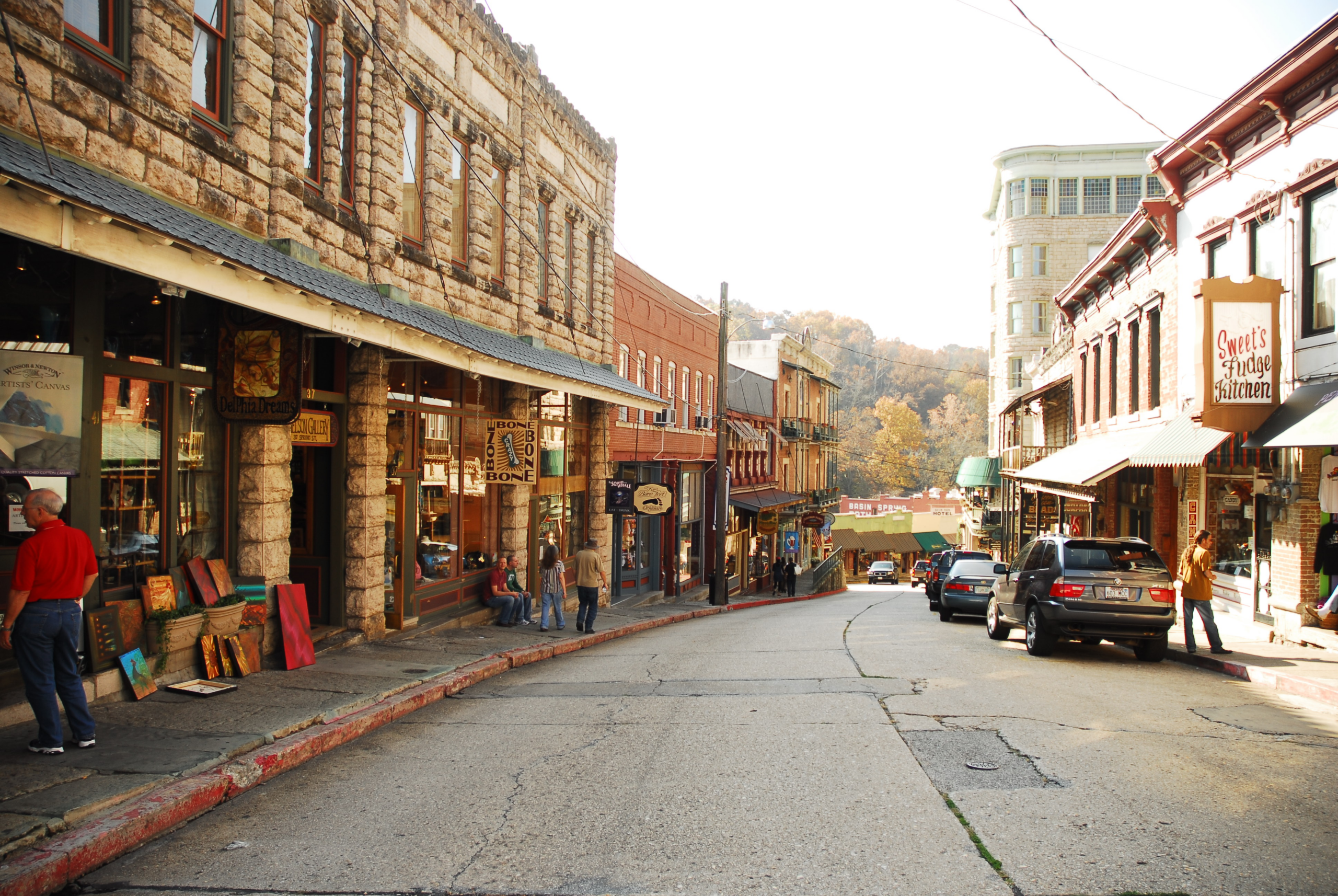
Eureka Springs’ Victorian architecture survived because the town never modernized. Founded in 1879 around mineral springs believed to have healing properties, Eureka Springs reached its peak in the 1880s. When the spring tourism declined, the town stagnated economically through the 1900s and most of the 20th century. The Victorian buildings remained because there was no money to rebuild them. The entire downtown is now a National Historic District. The mountainous terrain prevented large-scale modern development. Modern Eureka Springs functions primarily as a tourist destination specifically built around the substantially-preserved 19th-century character.
4. Mackinac Island, Michigan
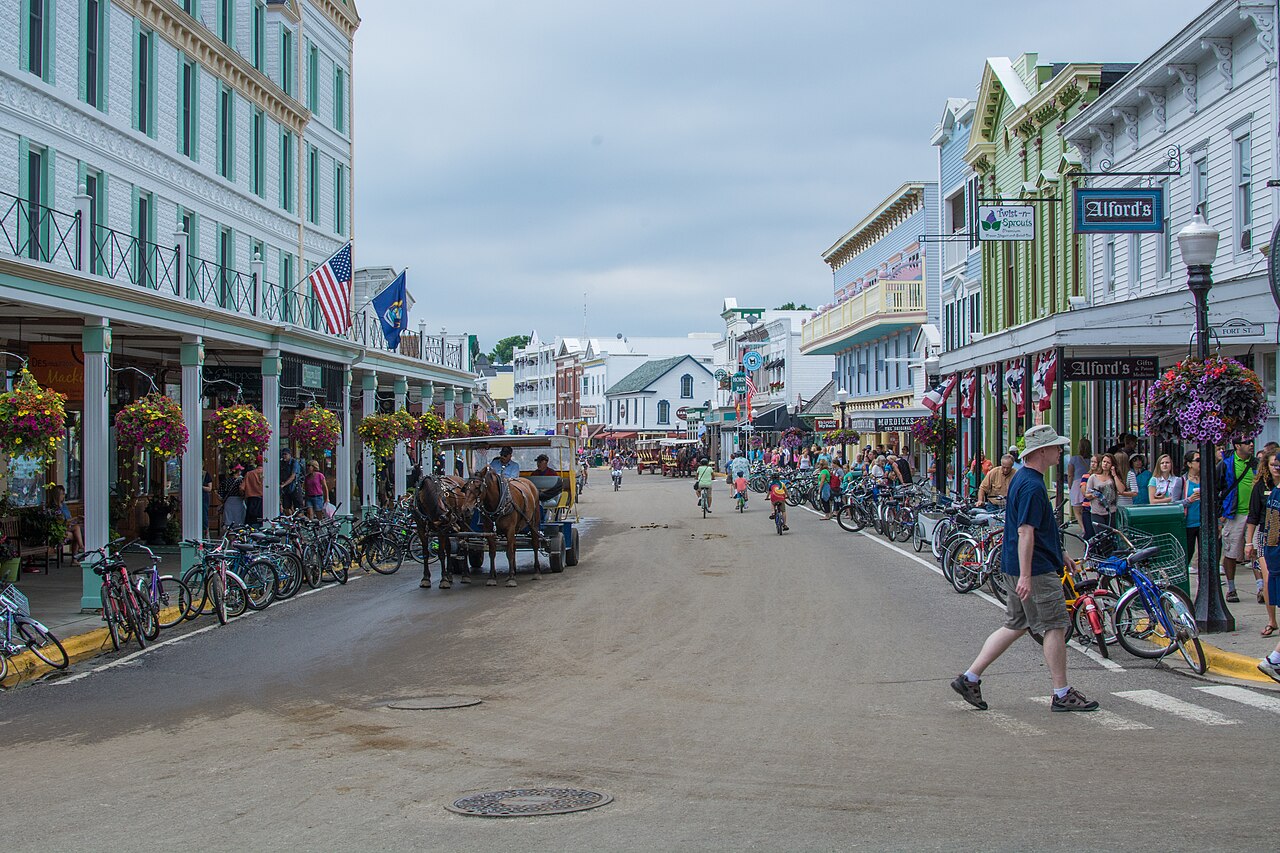
Mackinac Island’s preservation comes from a single specific decision: the island banned automobiles in 1898. The ban has been maintained continuously since then. Transportation on the 4-square-mile island is exclusively horse-drawn carriages, bicycles, and pedestrian. The cumulative effect of 125+ years without cars has produced one of the most distinctive American towns: a substantial Victorian-era resort community where everything operates as it did before automotive transportation. Modern Mackinac Island has approximately 500 year-round residents and receives over 1 million visitors annually. The Grand Hotel (1887) remains operational. The streetscape is essentially unchanged from 1900.
5. Saugatuck, Michigan
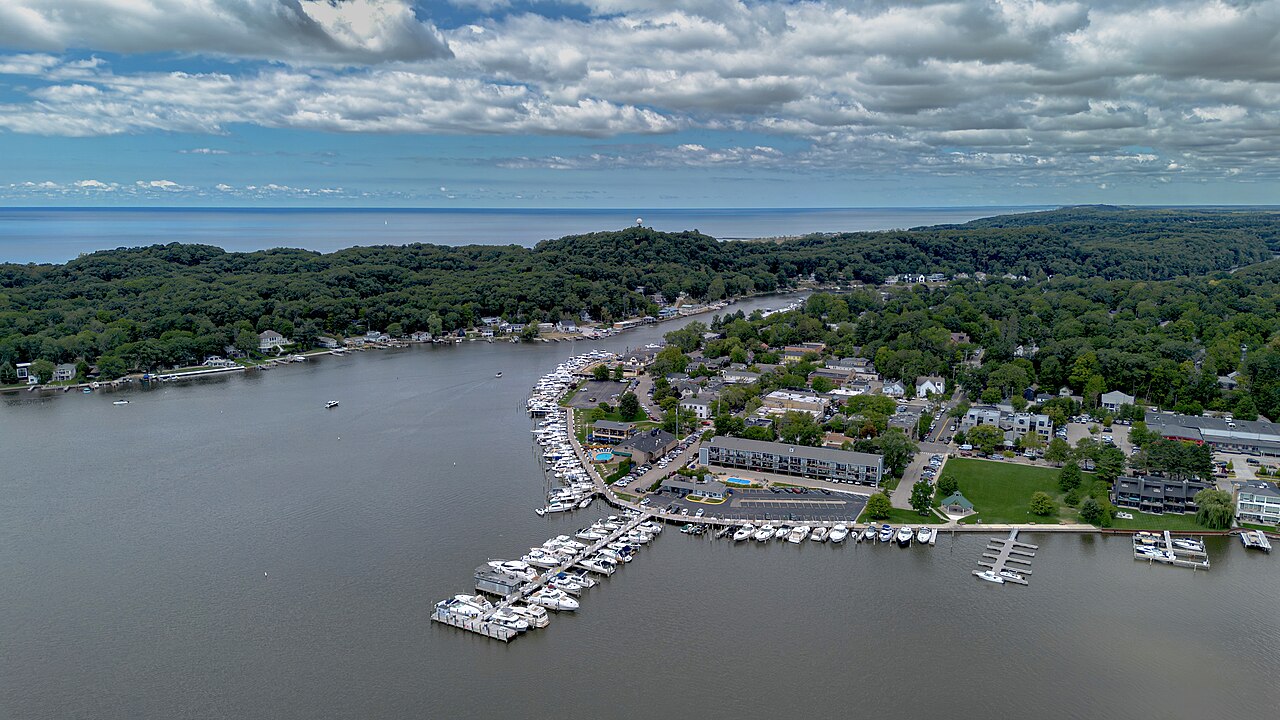
Saugatuck’s lakefront resort character has remained substantially preserved through specific zoning enforcement and small-town politics that prevented major commercial development. The town of approximately 1,000 residents on Lake Michigan maintains the resort architecture from the 1920s-1950s. Active artist communities, specific small-business culture, and zoning that has prohibited chain retail have produced a town where the main commercial district could pass for a 1950s vacation village. Modern Saugatuck is essentially impossible to walk through without noticing how dramatically different it feels from typical contemporary American small towns.
6. Talkeetna, Alaska
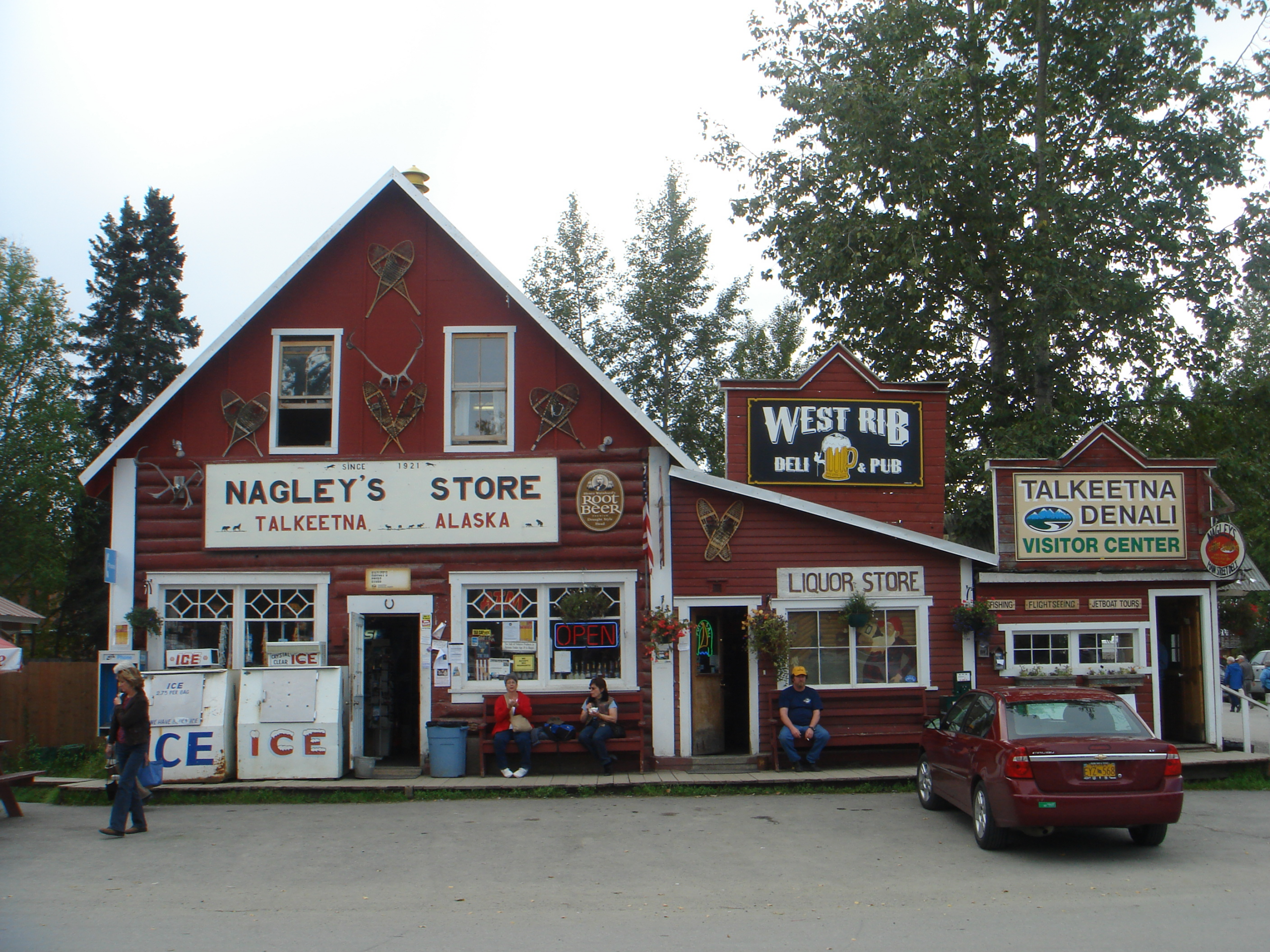
Talkeetna’s preservation comes from extreme remoteness. Located 113 miles north of Anchorage, the town of approximately 1,000 serves as the staging area for Denali climbing expeditions. The town’s geographic isolation has preserved Russian frontier-era architecture, log buildings, and a substantially walkable historic downtown. The “main street” is essentially three blocks of preserved buildings, most dating from before 1950. Modern Talkeetna includes a few new buildings but maintains substantial historic character. The town inspired the fictional Cicely, Alaska of “Northern Exposure” — a TV series specifically set in the kind of preserved small town Talkeetna represents.
7. Crested Butte, Colorado
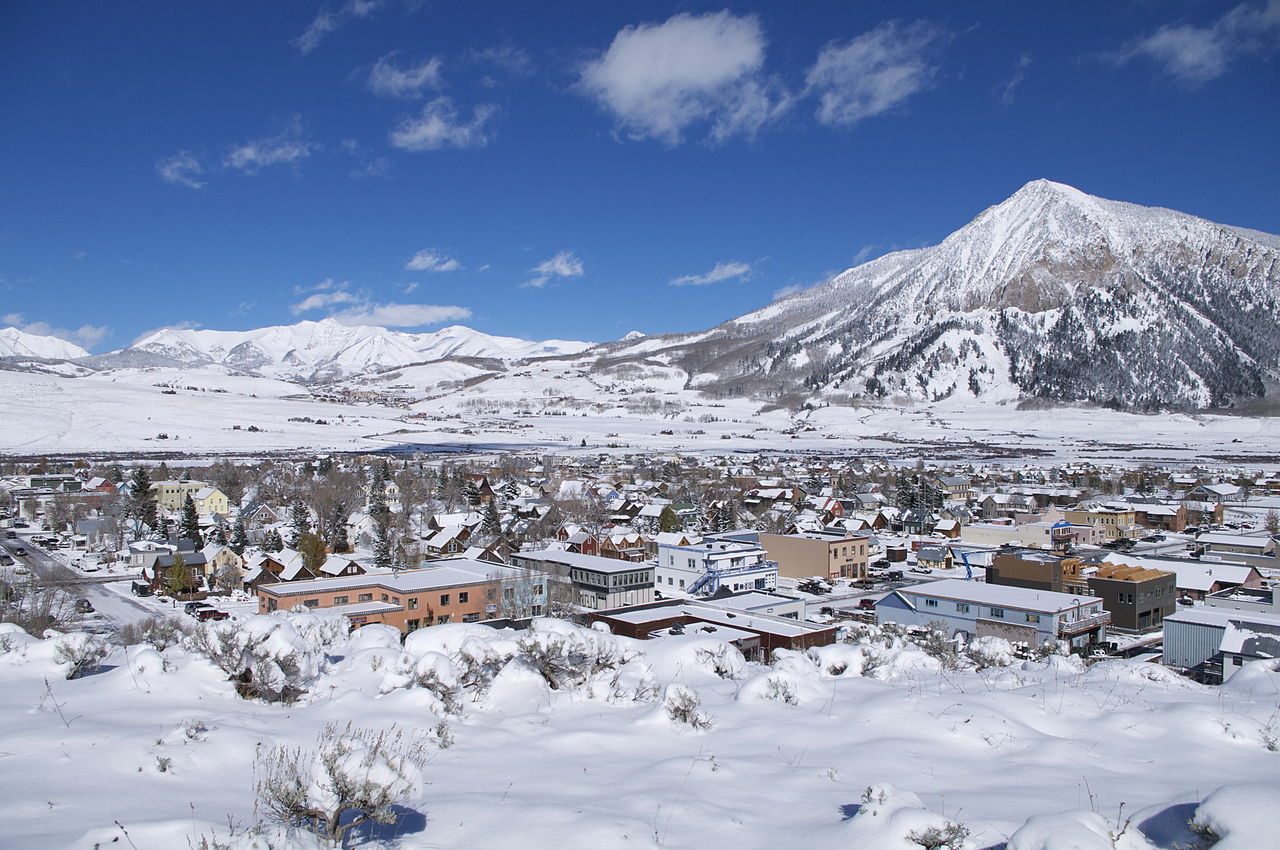
Crested Butte’s Victorian-era mining architecture has been preserved through specific town policy. After coal mining declined in the 1950s, the town developed ski tourism while implementing strict architectural review requirements. Modern Crested Butte requires new construction to maintain Victorian aesthetic compatibility. The cumulative effect: the downtown looks substantially similar to what it looked like in 1900, with the additional preservation of mid-20th-century elements that survived the mining transition. Modern Crested Butte is one of the only American ski towns that has maintained substantially intact pre-tourism character despite extensive ski-related development.
8. Cooperstown, New York
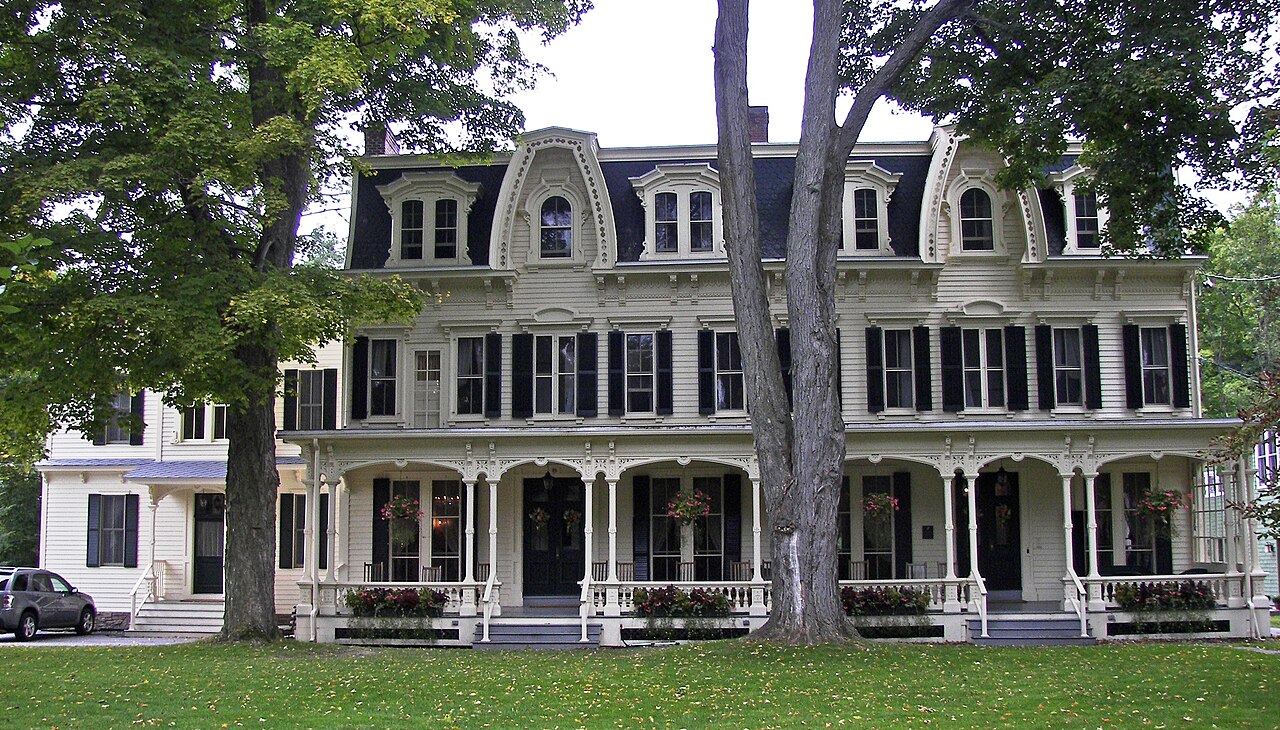
Cooperstown’s preservation comes from museum-driven economy. The Baseball Hall of Fame (founded 1939) and the Farmers’ Museum have produced sufficient tourism revenue to preserve the substantial Victorian-era architecture surrounding Otsego Lake. The downtown maintains 19th-century brick storefronts. Lake-side architecture remains substantially original. Modern Cooperstown of approximately 1,800 residents receives 250,000+ visitors annually. The Hall of Fame’s tourism dollars have specifically funded historic preservation that would otherwise have been impossible. The result is one of the most thoroughly preserved 19th-century lake-side towns in the American Northeast.
9. Cumberland Island, Georgia
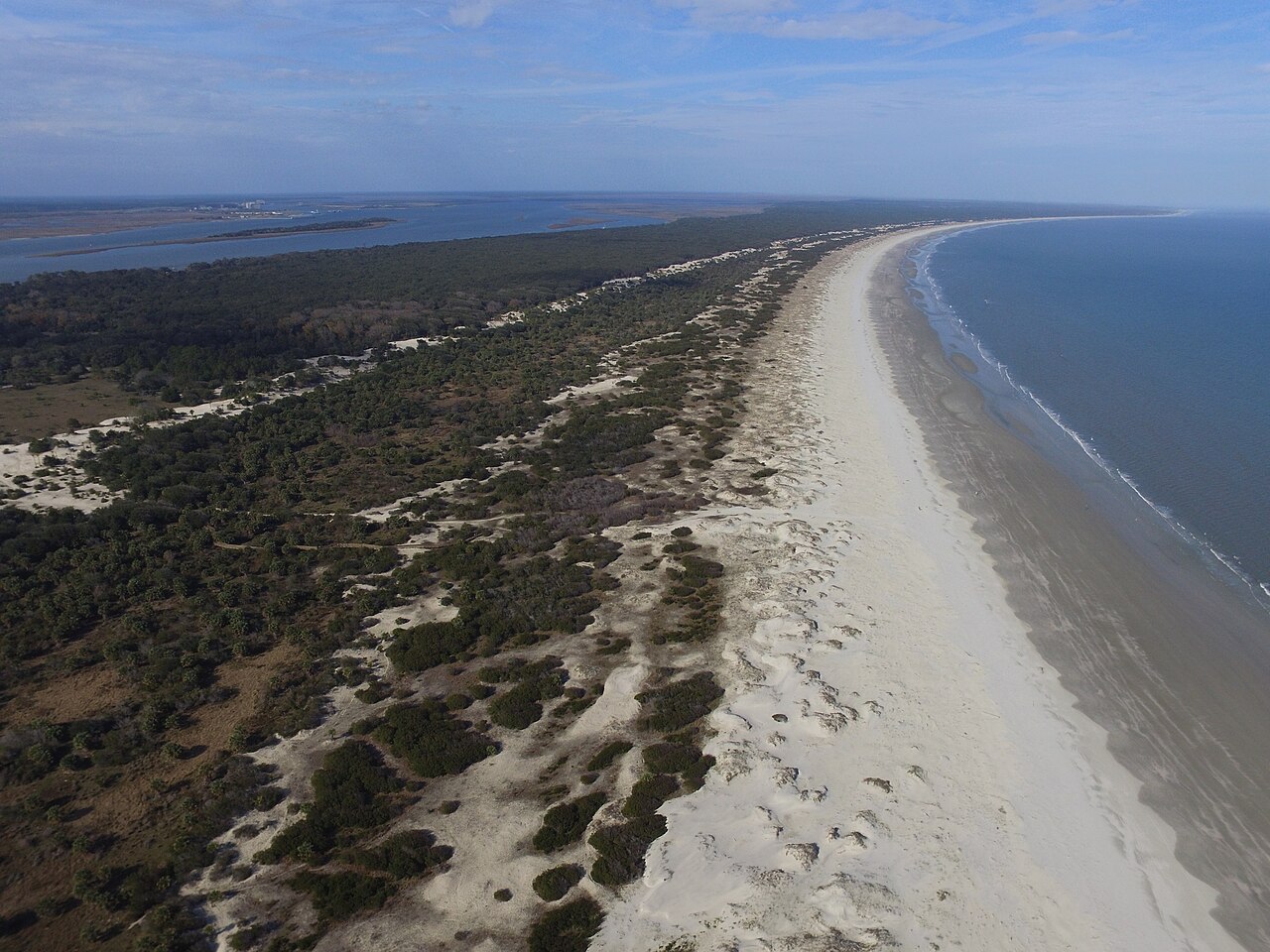
Cumberland Island’s preservation comes from federal protection. Designated as Cumberland Island National Seashore in 1972, the island prohibits cars, has limited development, and maintains substantial historic infrastructure including ruins of the Carnegie family’s Plum Orchard mansion. Modern Cumberland Island has approximately 50 year-round residents, requires ferry access from St. Marys, Georgia, and limits daily visitor numbers. The island contains substantial wild horse populations descended from 18th-century Spanish stock. Walking through Cumberland Island provides an experience of the American Southeast as it existed before extensive development, with specific buildings dating from various 19th-century periods.
10. Gettysburg, Pennsylvania
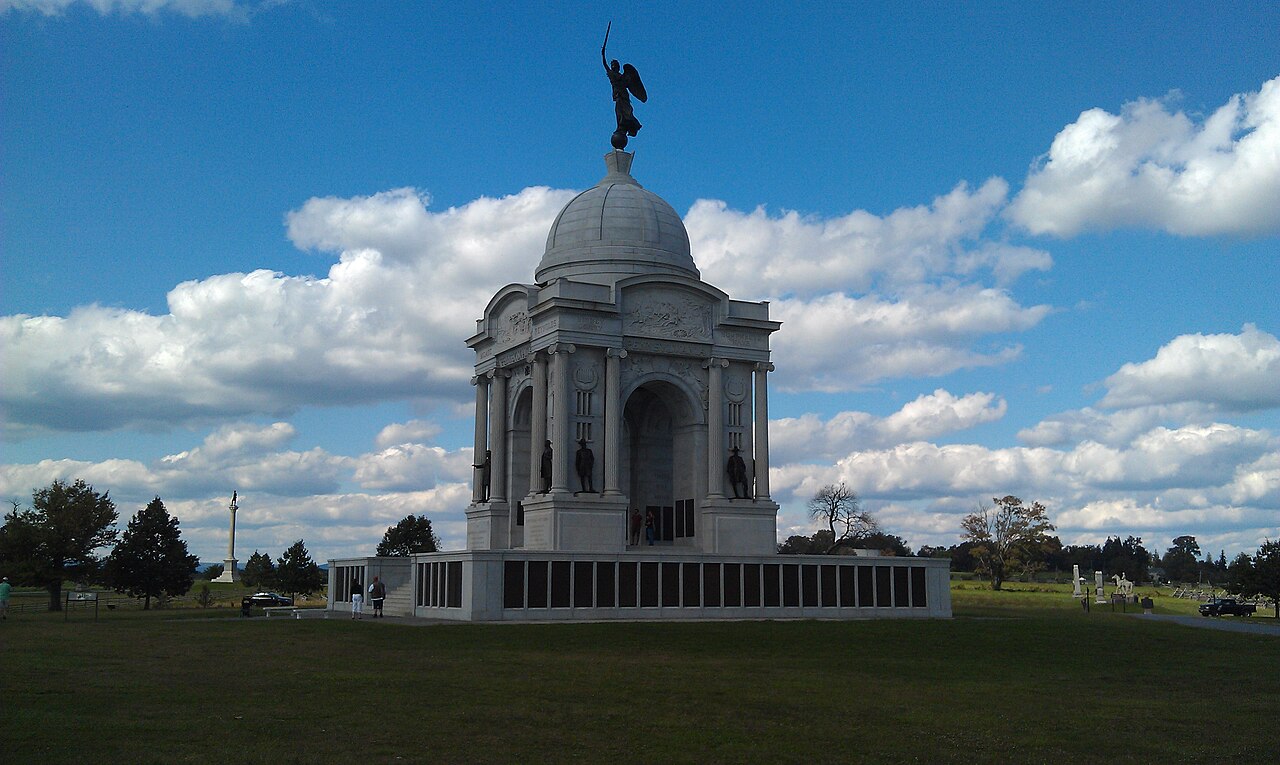
Gettysburg’s preservation comes from Civil War battlefield protection. The Gettysburg National Military Park preserves not just the battlefield itself but substantial portions of the surrounding town as it existed in 1863. Approximately 1,300 historic buildings remain in the area. The downtown maintains 19th-century brick architecture. Modern Gettysburg of approximately 7,500 residents balances functioning as a contemporary small town with preserving its specific historical significance. The cumulative effect: walking from the battlefield into town produces minimal architectural transition. The town and battlefield together preserve substantial 1863-era American character.
11. Solvang, California
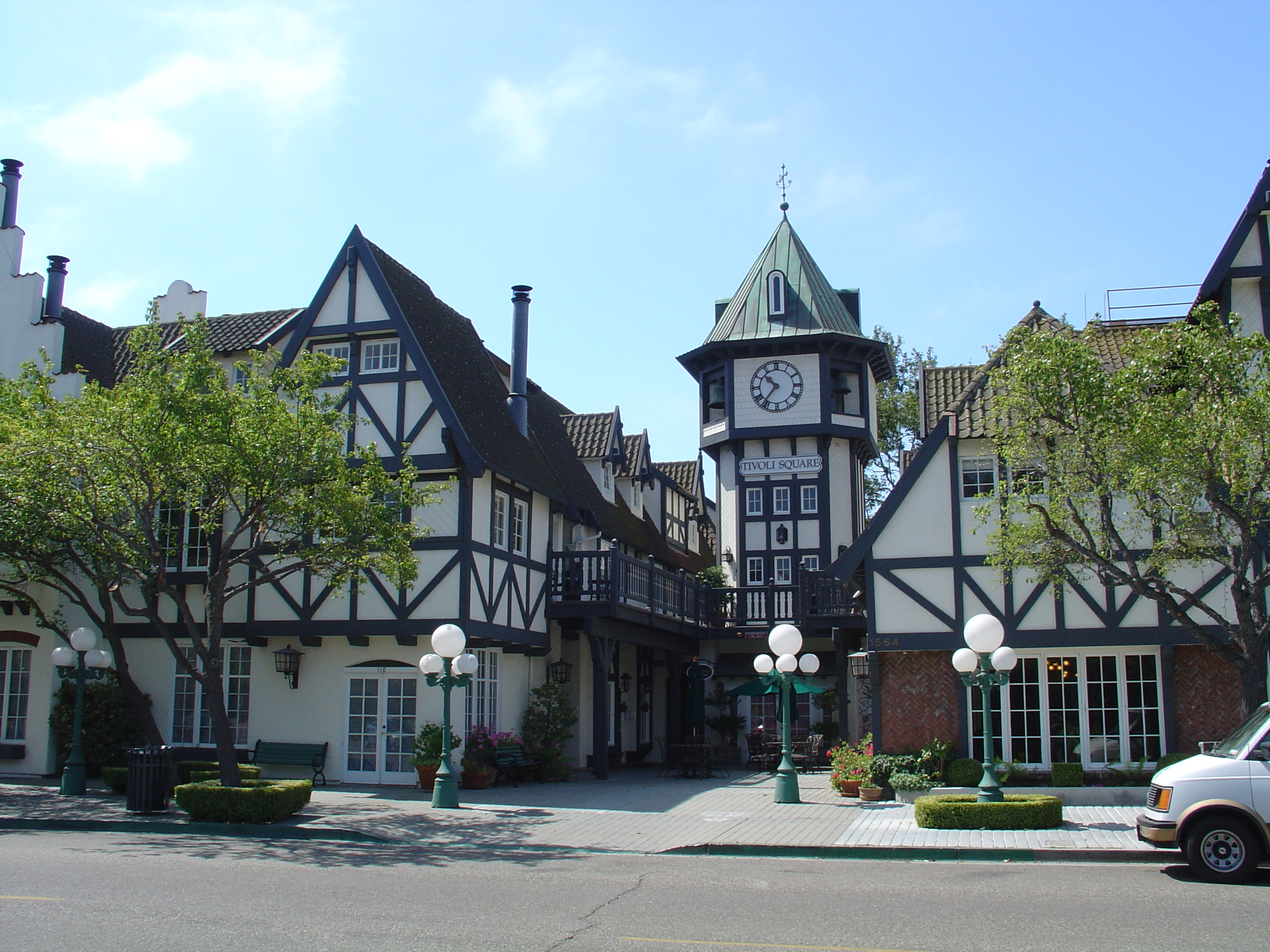
Solvang’s distinctive Danish architecture comes from specific community decision. Founded by Danish immigrants in 1911, the town was rebuilt in deliberate Danish architectural style starting in the 1930s. Modern Solvang of approximately 5,200 residents maintains strict architectural requirements that all new construction conform to Danish village styling. The cumulative effect: the entire downtown is intentionally designed to look like a 1950s Danish village, with windmills, half-timbered buildings, and specific aesthetic restrictions. Solvang isn’t preserved in the sense of having stopped changing — it’s deliberately maintained as a specific aesthetic that the community has decided to preserve.
What These Preserved Towns Actually Represent
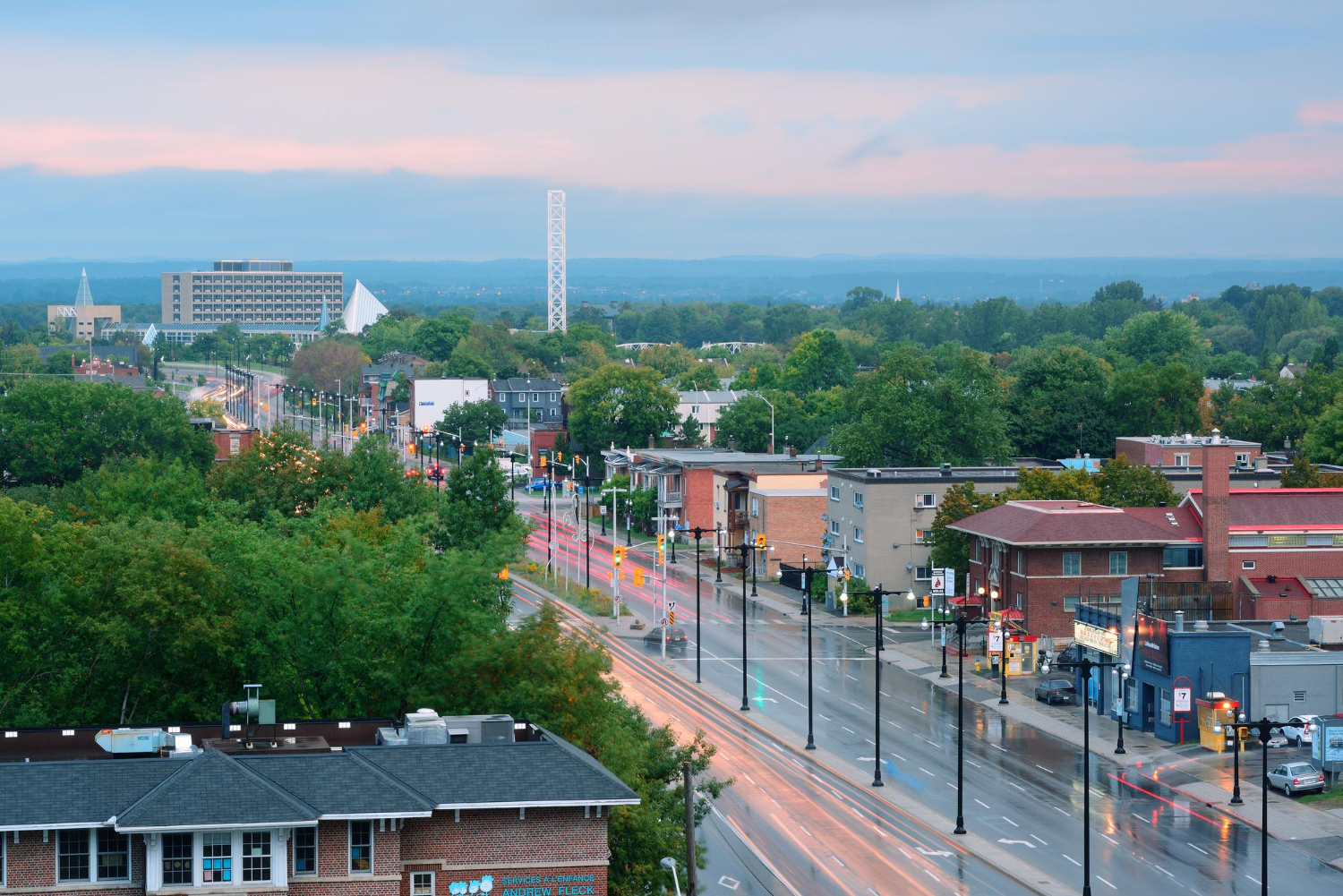
The 11 towns described above were preserved by genuinely different mechanisms: economic decline (Galena, Bisbee, Eureka Springs), specific decisions (Mackinac’s car ban, Solvang’s architecture), federal protection (Cumberland Island, Gettysburg), and museum-driven tourism (Cooperstown). The diversity of preservation methods reveals something specific: the American small town’s general transformation since 1955 wasn’t inevitable. Specific local circumstances and policy choices could and did prevent it. Modern Americans seeking the small-town experience that’s largely disappeared can still find it — but only in places where specific factors prevented the modernization that affected almost everywhere else.