For generations of American students, home economics class was a memorable break from ordinary academics, a hands-on course that taught practical skills like cooking, sewing, and household budgeting. Held in a special classroom outfitted with rows of stoves and sewing machines, it was equal parts fun, frustrating, and formative, producing lopsided hemlines and questionable casseroles alongside genuinely useful life skills. Looking back, it’s remembered with real fondness. Here are eleven things every kid remembers about home economics class, counted down one by one.
1. The Classroom Full of Kitchens
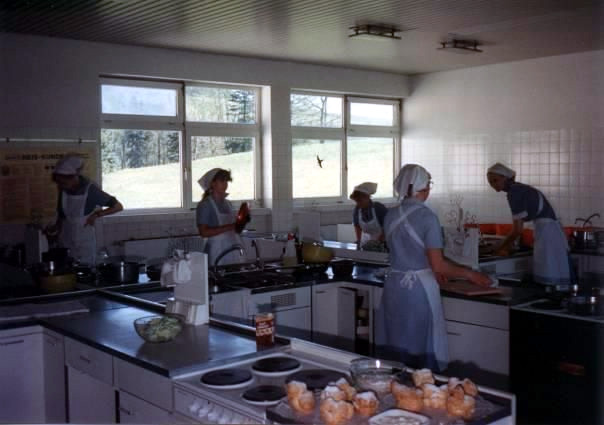
The room had multiple mini-kitchens. Each group had its own stove and counter.
Home ec class was held in a unique classroom, one lined with several small kitchen stations, each with its own stove, sink, and counter space for a small group of students. Walking into a room full of working kitchens instead of desks was a novelty. Sharing a stove with classmates was part of the routine. The classroom full of kitchens is an iconic home-ec memory, the unusual setup of multiple working kitchen stations that transformed an ordinary classroom into a cooking lab, a distinctive feature that made the class instantly recognizable and different from anywhere else in the school.
Like our content? Follow us for more.
2. Learning to Sew on a Machine
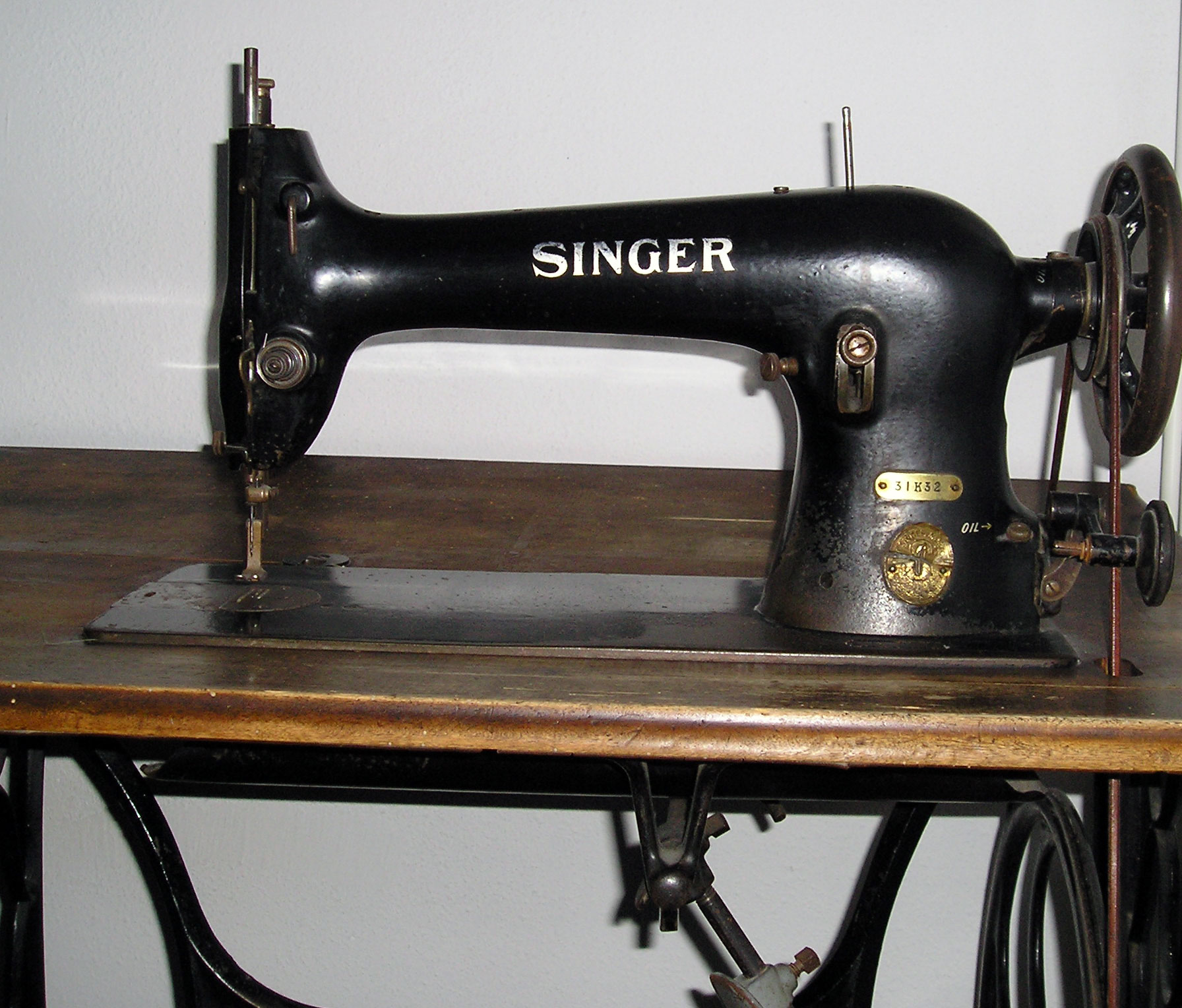
Kids learned to operate a sewing machine. Threading the needle was the first hurdle.
A core part of home ec was learning to sew on a machine, threading the needle, winding the bobbin, and guiding fabric carefully under the needle without sewing your fingers. The whir of a room full of sewing machines running at once was a distinctive sound. Mastering the machine felt like a real accomplishment. Learning to sew on a machine is a defining home-ec skill, the hands-on lesson in operating a sewing machine that many students encountered for the first time, a practical skill that, however wobbly the early stitches, gave kids a genuine sense of capability.
3. Making a Lopsided Apron or Pillow
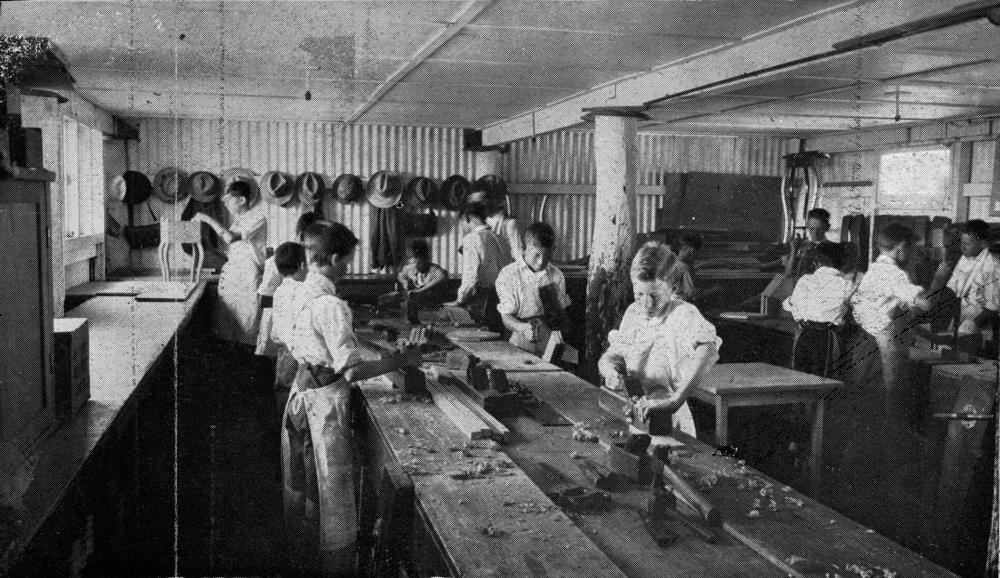
The first sewing project was often an apron. It rarely came out perfectly straight.
The classic beginner sewing project was an apron or a simple pillow, cut from a paper pattern and stitched together with varying degrees of success. Seams wandered, hems puckered, and the finished product was rarely symmetrical, but finishing it and taking it home was a proud moment nonetheless. It was a labor of love, crooked stitches and all. Making a lopsided apron or pillow is a beloved home-ec memory, the imperfect first sewing project that nearly every student produced, a wonderfully humble creation that still felt like a genuine achievement worth showing off to family.
4. Reading and Following a Recipe
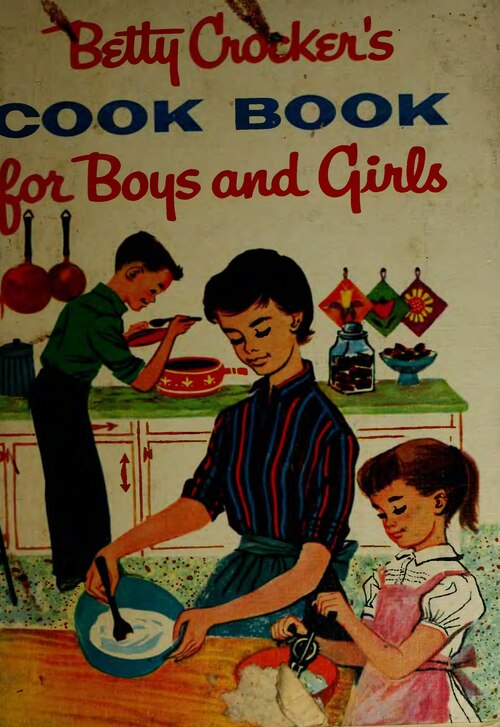
Kids learned to read recipes step by step. Following instructions exactly was the lesson.
Home ec taught students to read and follow a recipe properly, measuring ingredients precisely and completing steps in the correct order, a skill that seems basic but was genuinely new to many kids. Learning that baking, unlike freeform cooking, demanded real precision was an important lesson. A recipe card became a trusted guide. Reading and following a recipe is a foundational home-ec skill, the lesson in precise measurement and sequential steps that many students encountered for the first time, a practical foundation for cooking that stuck with kids long after the class itself ended.
5. The Nerve-Wracking Egg-Cracking Test
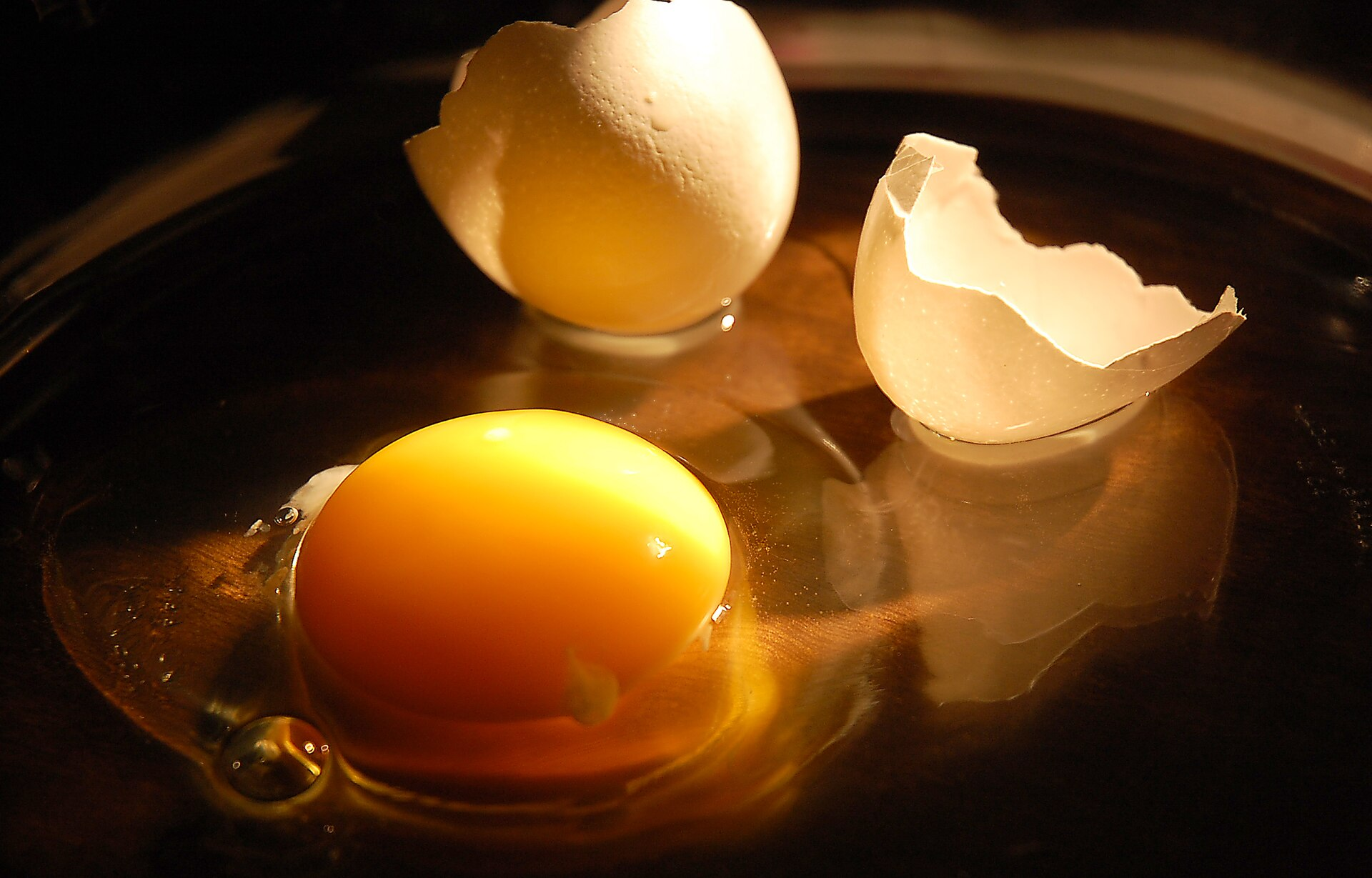
Cracking an egg cleanly was surprisingly hard. Shell fragments were a common mishap.
A surprisingly nerve-wracking rite of passage was learning to crack an egg cleanly into a bowl, tapping it just right to avoid a shower of shell fragments or a smashed mess. Doing it in front of classmates added a little pressure to a seemingly simple task. Getting it right felt like a small triumph. The nerve-wracking egg-cracking test is a relatable home-ec memory, the deceptively tricky kitchen skill that tripped up plenty of students, a small but memorable challenge that anyone who took the class remembers fumbling through before finally getting the hang of it.
6. Cooking a Dish the Whole Class Shared
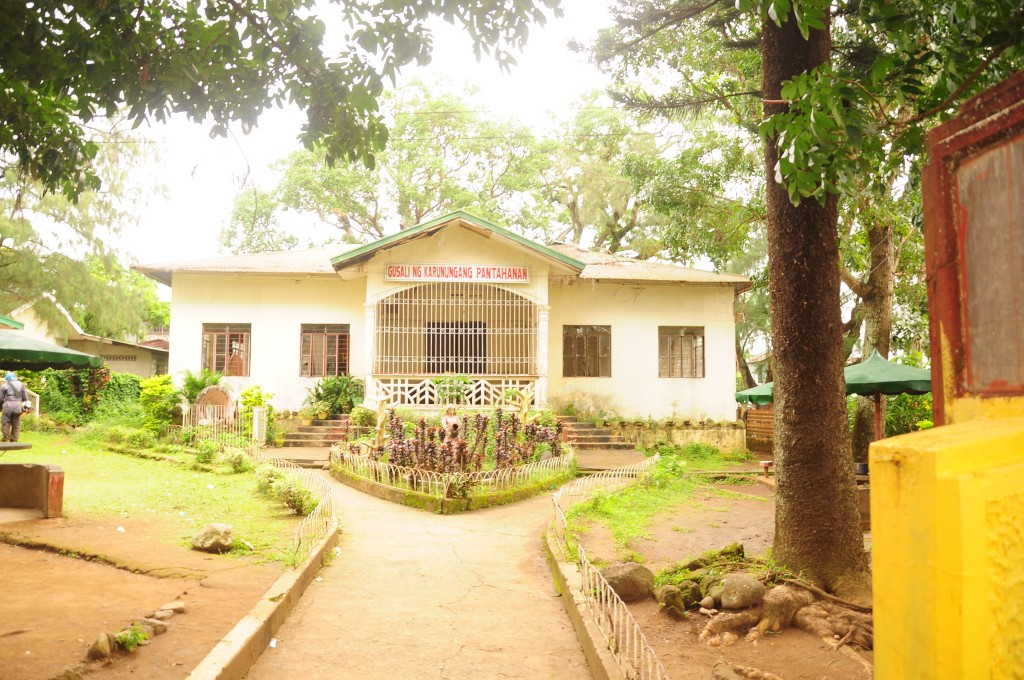
Finished dishes were often sampled together. Tasting classmates’ cooking was part of the fun
After a cooking lesson, the class often gathered to sample what everyone’s group had made, comparing results and tasting each other’s dishes, some delicious, some memorably not. The shared tasting session was a fun, social part of the class. Getting compliments on your dish felt genuinely rewarding. Cooking a dish the whole class shared is a warm home-ec memory, the communal tasting that turned individual cooking projects into a shared classroom experience, a lighthearted moment of camaraderie that made the class feel social as well as educational.
7. Learning to Budget and Balance a Household
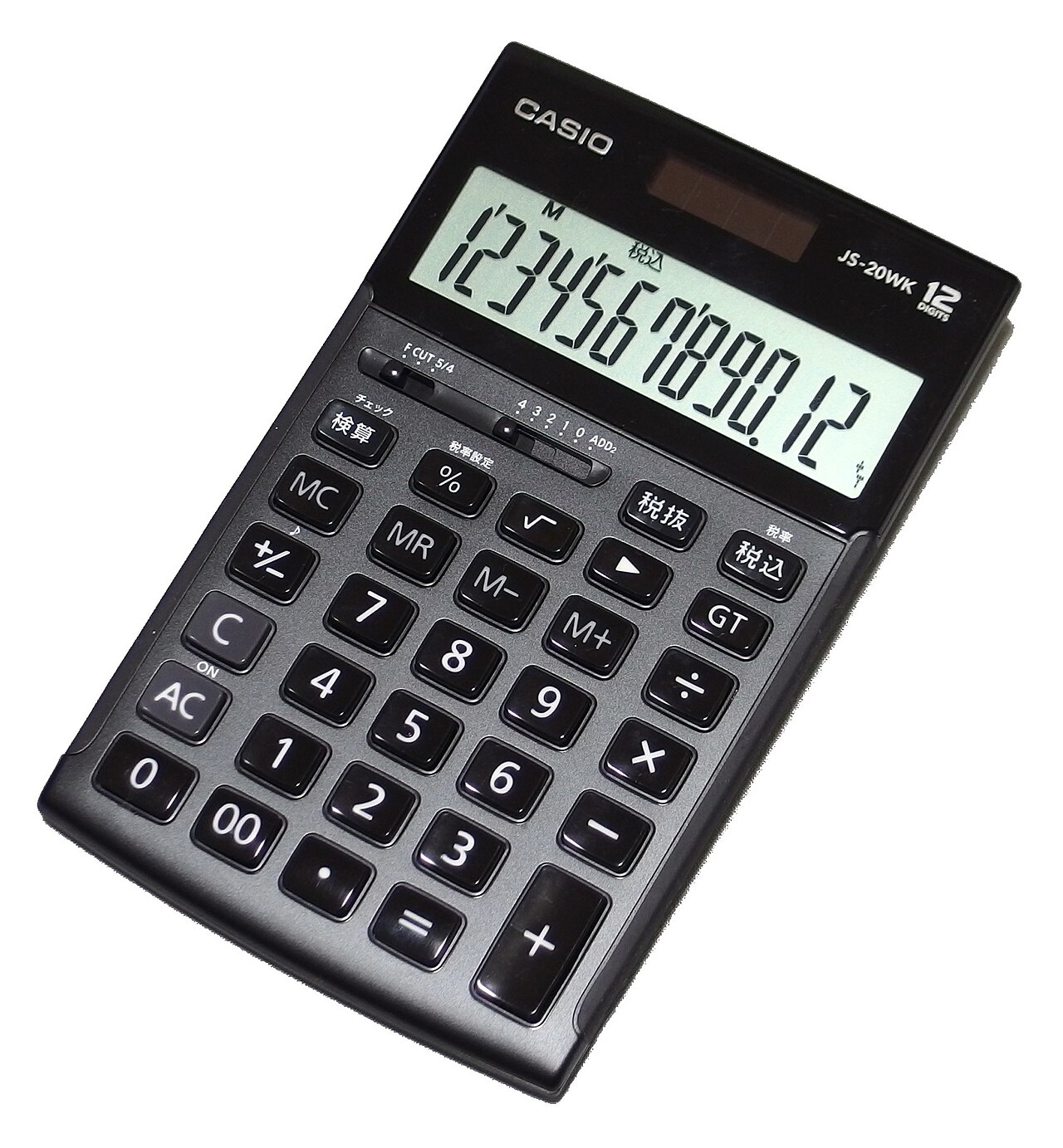
Lessons covered household money management. Budgeting for groceries was part of the curriculum.
Beyond cooking and sewing, home ec often included lessons on household budgeting, teaching students how to plan grocery spending, compare prices, and manage a hypothetical household income. These practical money lessons were an early introduction to real-world financial responsibility. It was surprisingly grown-up material. Learning to budget and balance a household is an underappreciated home-ec lesson, the practical money-management skills taught alongside cooking and sewing, a genuinely useful foundation that gave students an early, hands-on introduction to managing everyday finances.
8. The Smell of a Dozen Dishes Cooking at Once
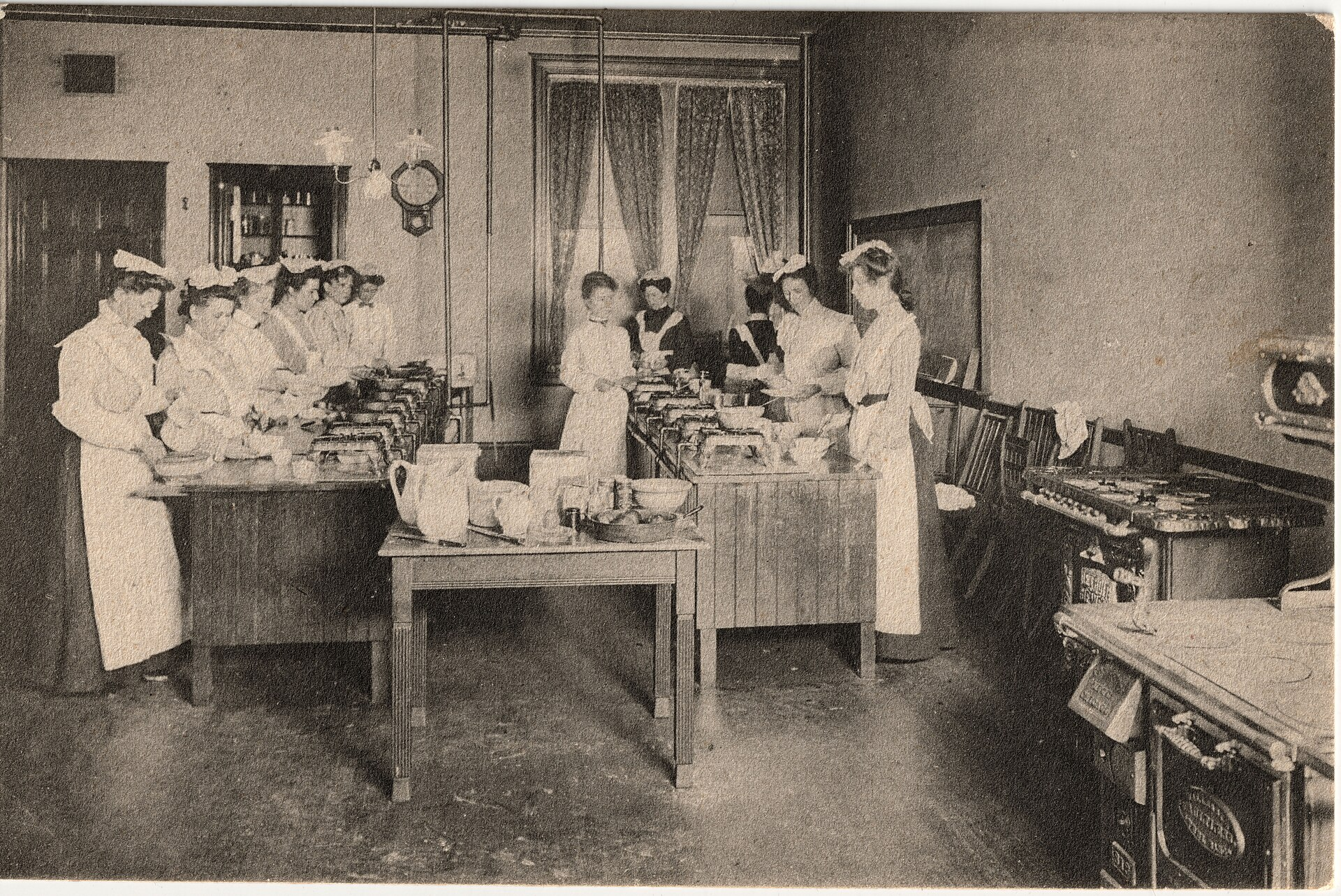
The whole room filled with cooking aromas. Every station made something different.
With several kitchen stations all cooking simultaneously, the home ec classroom filled with a mix of aromas, different dishes from every group blending into one distinctive, mouth-watering smell. Walking into class on cooking day and catching that scent was a small daily pleasure. It made the room feel alive. The smell of a dozen dishes cooking at once is an evocative home-ec memory, the mingled aromas of a room full of simultaneous cooking projects, a sensory detail that instantly transports anyone who took the class back to the buzz and bustle of a busy home-ec kitchen.
9. The Teacher Who Ran a Tight Kitchen
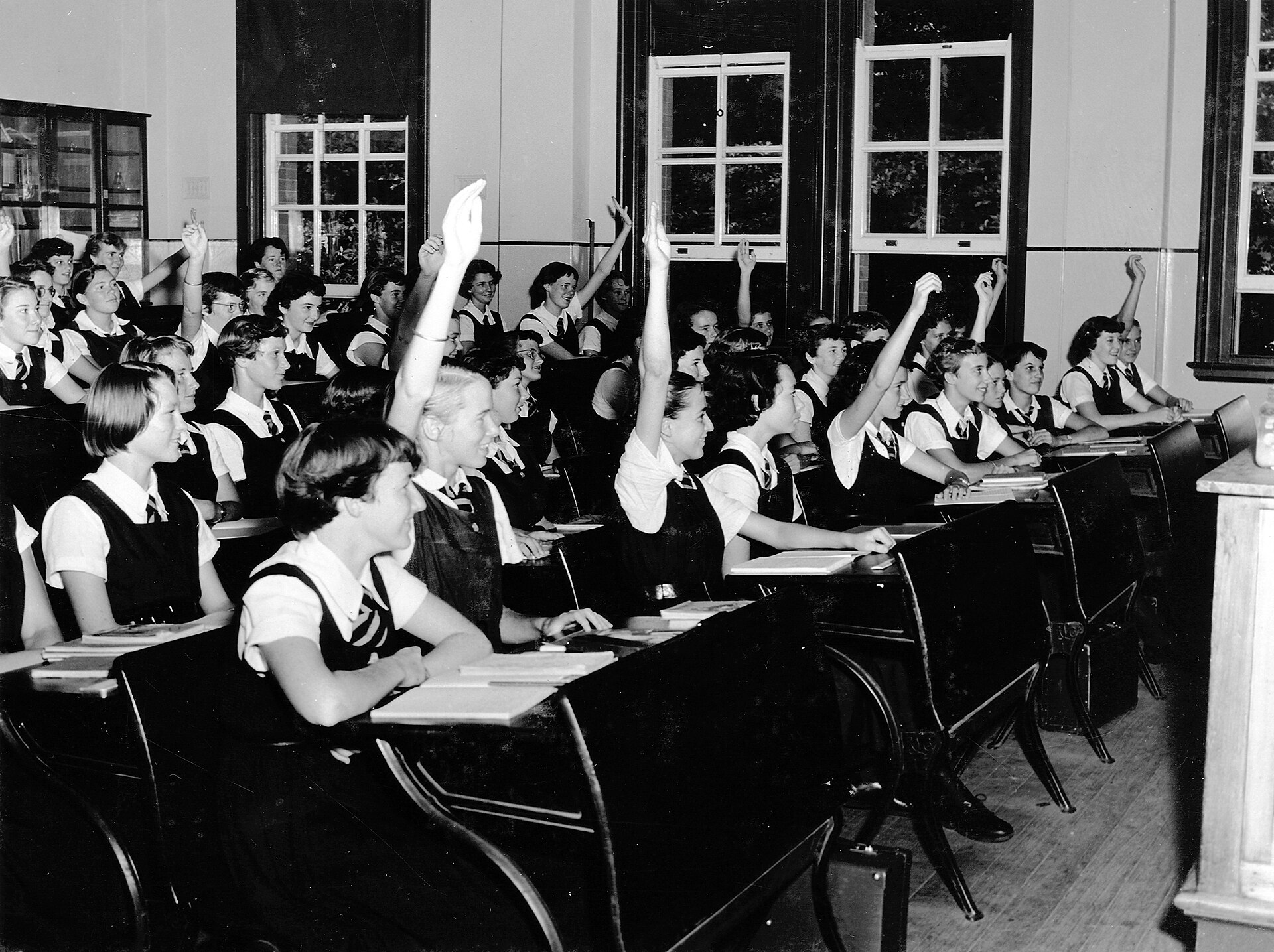
The instructor enforced safety and cleanliness. Their rules kept the chaos in check.
Presiding over the organized chaos was the home ec teacher, who enforced kitchen safety, cleanliness, and proper technique with a watchful eye, making sure knives were handled carefully and stoves were never left unattended. Their firm but patient guidance kept a room full of beginners from disaster. Their rules were strict for good reason. The teacher who ran a tight kitchen is a memorable home-ec figure, the instructor whose safety rules and hands-on guidance kept the classroom functional, a mentor whose patience with clumsy first attempts at cooking and sewing made real learning possible.
10. Cleaning Up Your Station Afterward
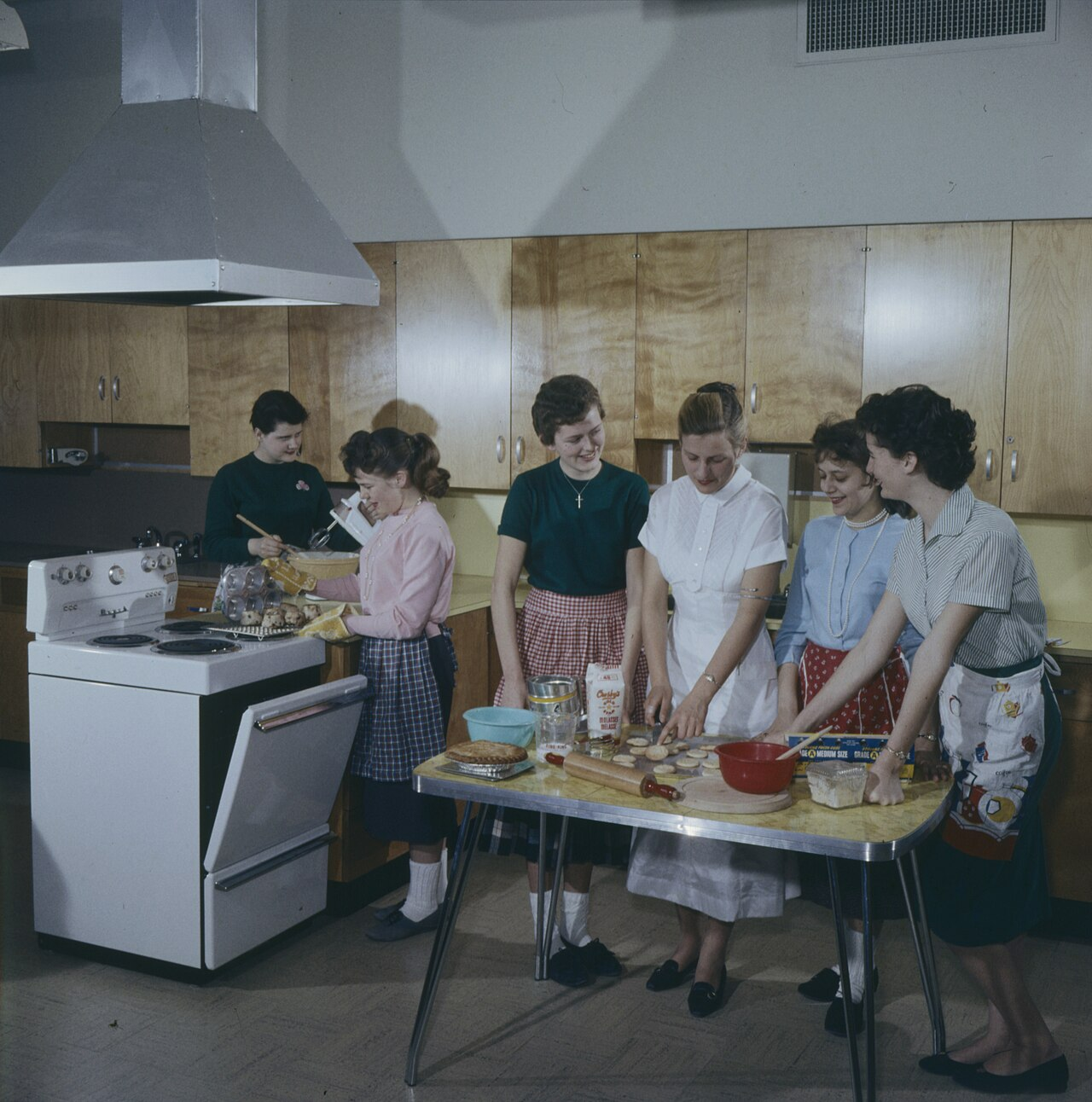
Cleanup was as important as the cooking itself. Leaving a messy station wasn’t an option.
Just as important as the cooking or sewing itself was the cleanup afterward, washing dishes, wiping counters, and leaving your station spotless for the next class. Skipping this step wasn’t an option, and the teacher checked every station before dismissal. Learning to clean up after yourself was a built-in lesson. Cleaning up your station afterward is a practical home-ec memory, the mandatory tidying that followed every project and instilled a genuine sense of responsibility, a routine that, while sometimes tedious, taught a lasting habit of leaving things better than you found them.
11. Skills That Actually Stuck With You
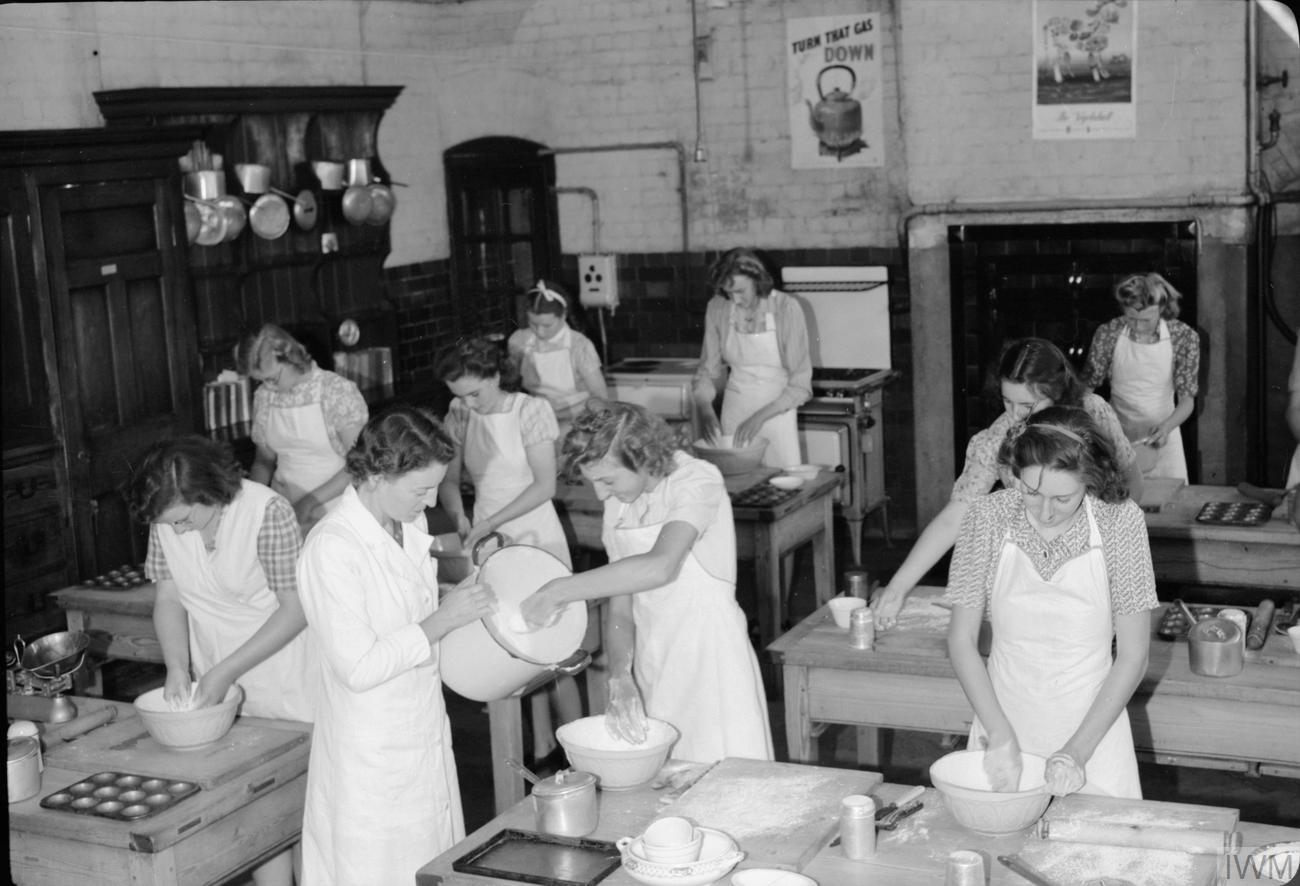
The lessons proved genuinely useful later in life. Many still use what they learned.
More than almost any other class, home economics taught skills that stuck, how to sew a button, follow a recipe, or stick to a budget, practical knowledge that many students found themselves using well into adulthood. Looking back, it was often more genuinely useful than plenty of other subjects. The lessons proved surprisingly lasting. Skills that actually stuck with you is the true legacy of home economics class, the practical, hands-on knowledge that outlasted many other lessons from school, a clear sign of just how valuable that hour a week in the kitchen or at the sewing machine really turned out to be.
A Genuinely Useful Rite of Passage
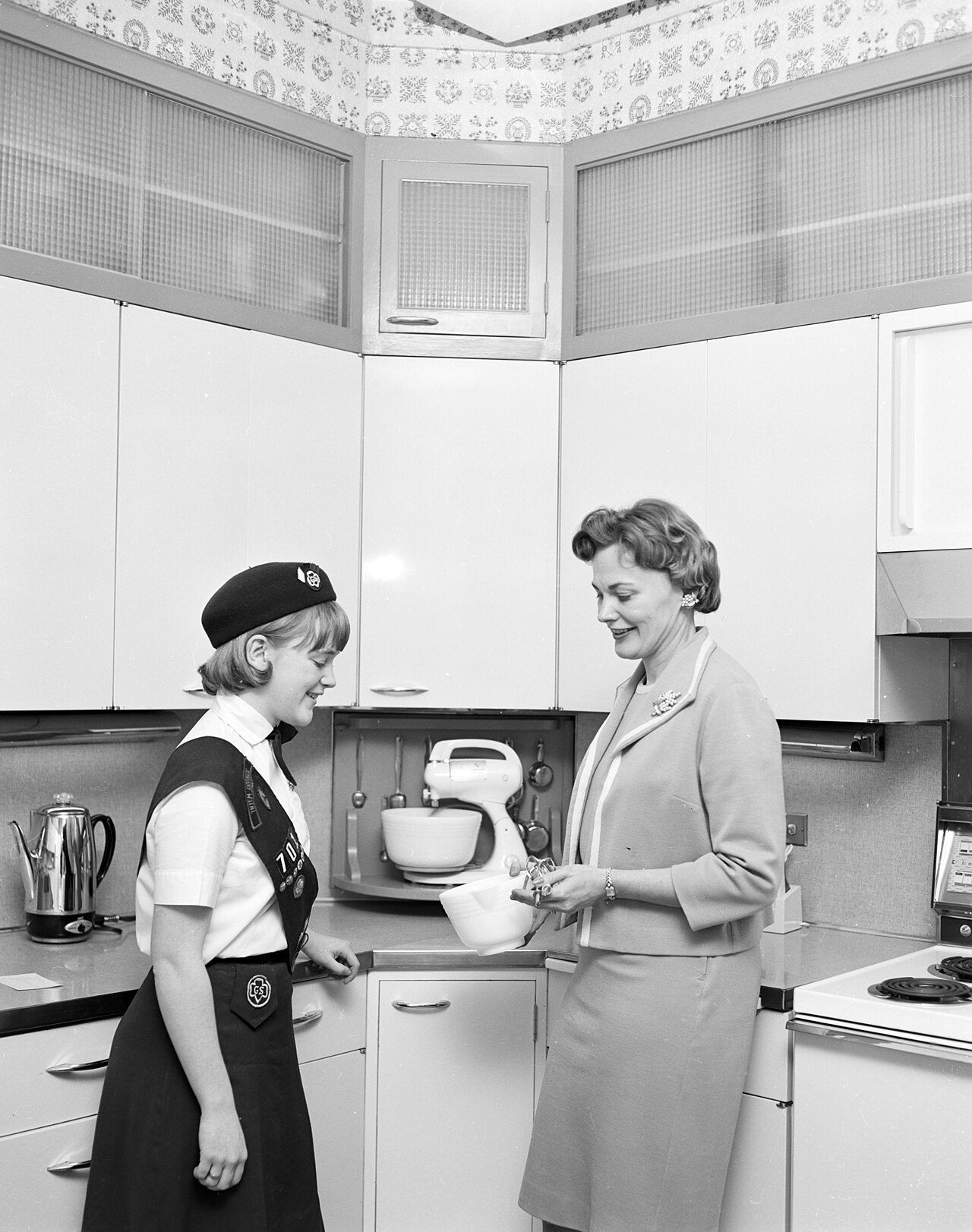
Taken together, these eleven things capture the experience of home economics class, from the classroom full of kitchens and the lopsided apron to the egg-cracking test, the budgeting lessons, and the skills that lasted a lifetime. It was a genuinely useful rite of passage, a hands-on class that anyone who took it remembers fondly.
Home economics has evolved and been renamed in many schools over the years, sometimes folded into broader “family and consumer sciences” courses, but the core mission, teaching practical life skills, remains much the same. The changes reflect how schools have updated the curriculum for changing times. Yet for those who took the original class, these details bring it all back: the sewing machines, the shared kitchen, the proud lopsided apron. Looking back at home economics class is a warm, practical tribute to a genuinely useful rite of passage, when a school class actually prepared kids for everyday adult life.
Like our content? Follow us for more.