
How many days a country stops working says a lot about it — its religious makeup, its history, its attitude toward rest, and how many different traditions it formally recognizes. According to a Pew Research Center analysis of 190 UN member countries published in early 2026, the typical country observes 13 public holidays this year, with an enormous spread between the top and the bottom. The countries at the top are overwhelmingly places where multiple religious calendars are officially observed at once. Here are 13 of the most holiday-rich nations, plus where the United States lands.
1. Myanmar — The World Leader
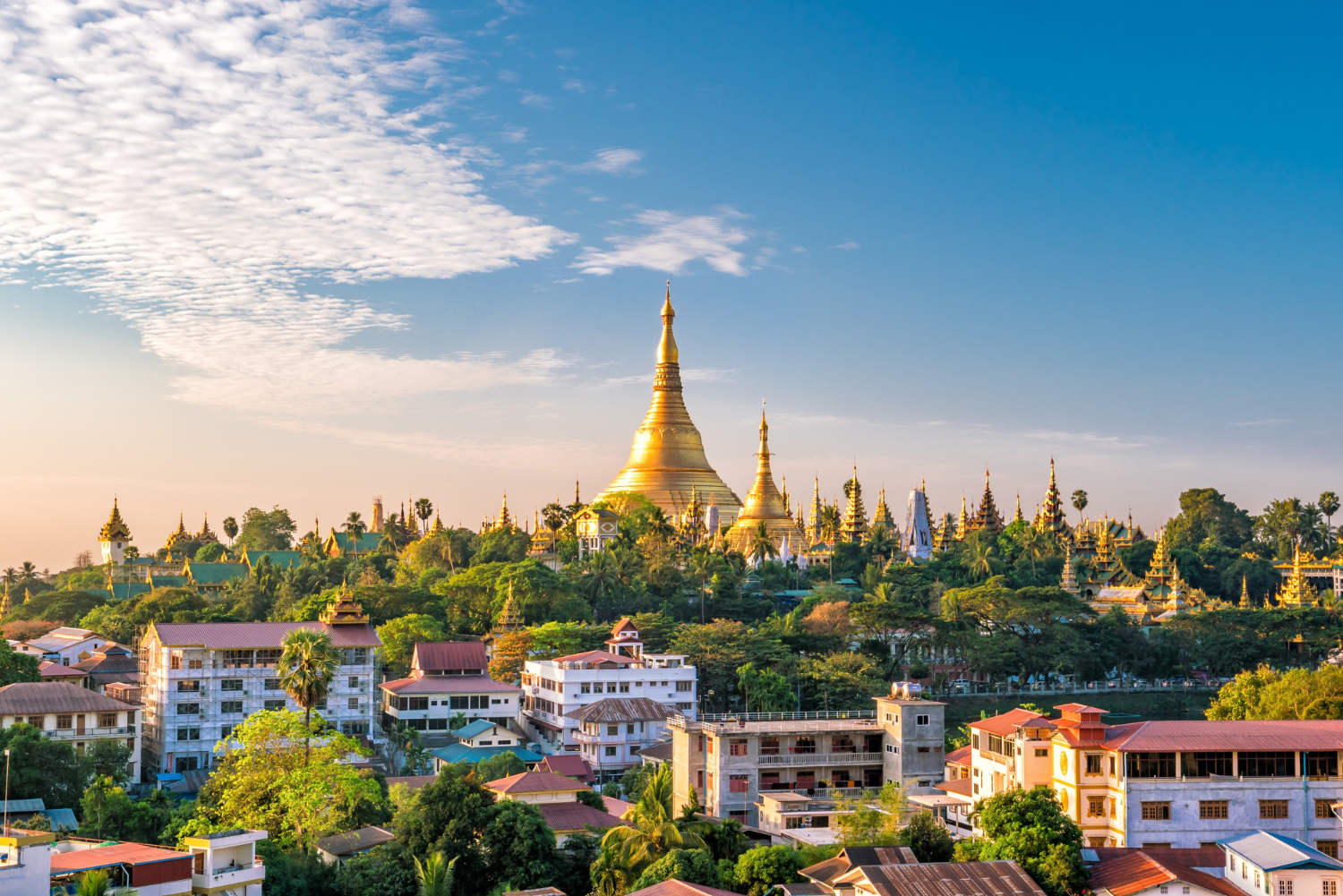
Myanmar tops the global list with 30 public holidays in 2026.
Myanmar holds the top position with 30 public holidays, more than any other country analyzed. The reason is the structure of the calendar rather than any unusual generosity: a predominantly Buddhist country, Myanmar observes numerous holidays tied to the lunar calendar, including full moon days that recur throughout the year, alongside a multi-day traditional New Year celebration and national observances. When a country formally recognizes a religious calendar with many recurring observances, the totals climb quickly — which is the single biggest factor separating the top of this list from the bottom.
Like our content? Follow us for more.
2. Bangladesh — Four Religious Calendars at Once
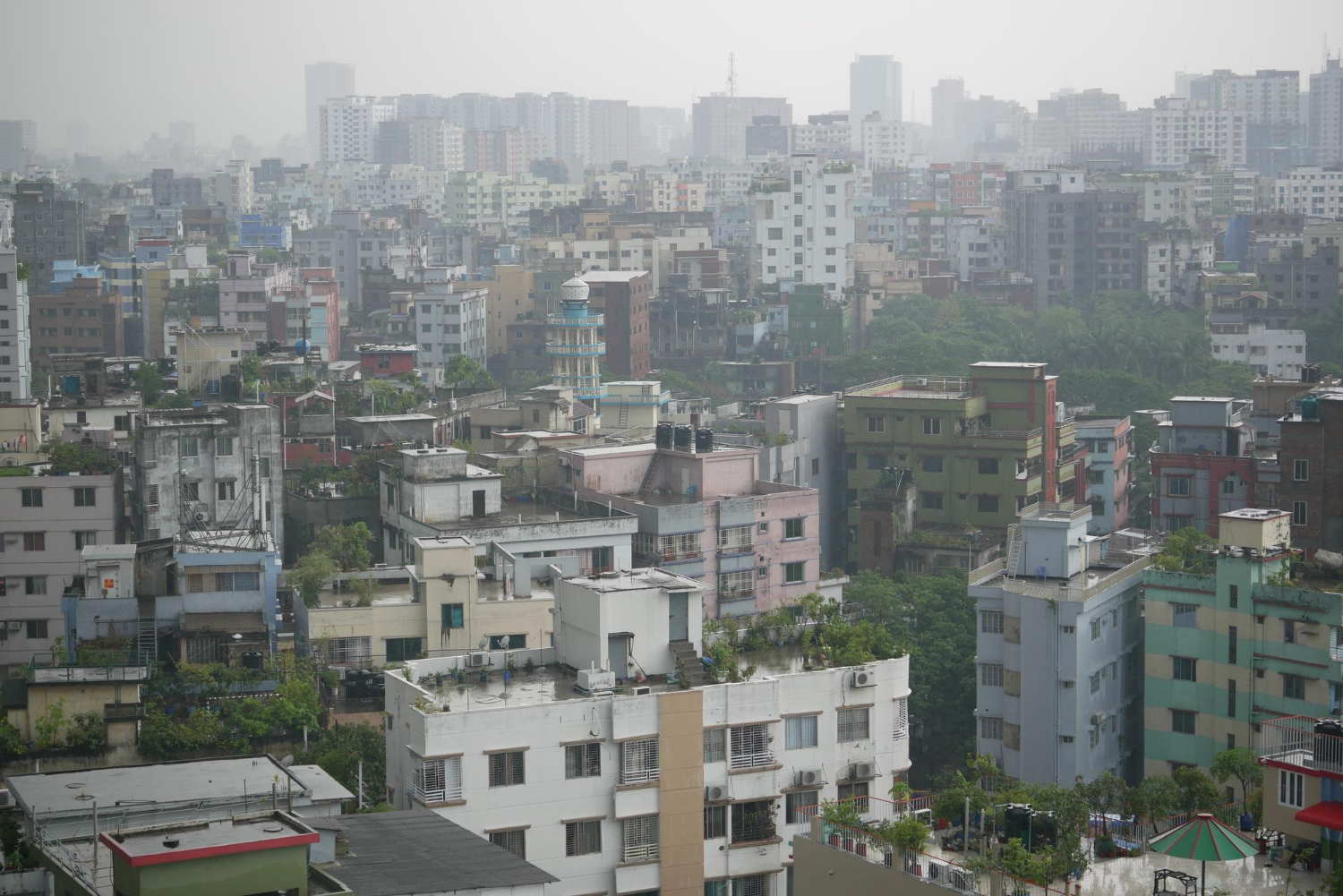
Bangladesh observes 29 public holidays, reflecting a deliberately inclusive calendar.
Bangladesh comes second with 29 public holidays, and the composition is the interesting part. The country’s calendar reflects real religious diversity, with official holidays recognizing Muslim, Hindu, Buddhist, and Christian observances, alongside national and historical commemorations. Additional days tied to national elections have also featured. It’s a good illustration of how a state that chooses to formally acknowledge multiple faith communities ends up with a substantially longer holiday calendar than a country that recognizes one or none.
3. Sri Lanka — Full Moons Every Month
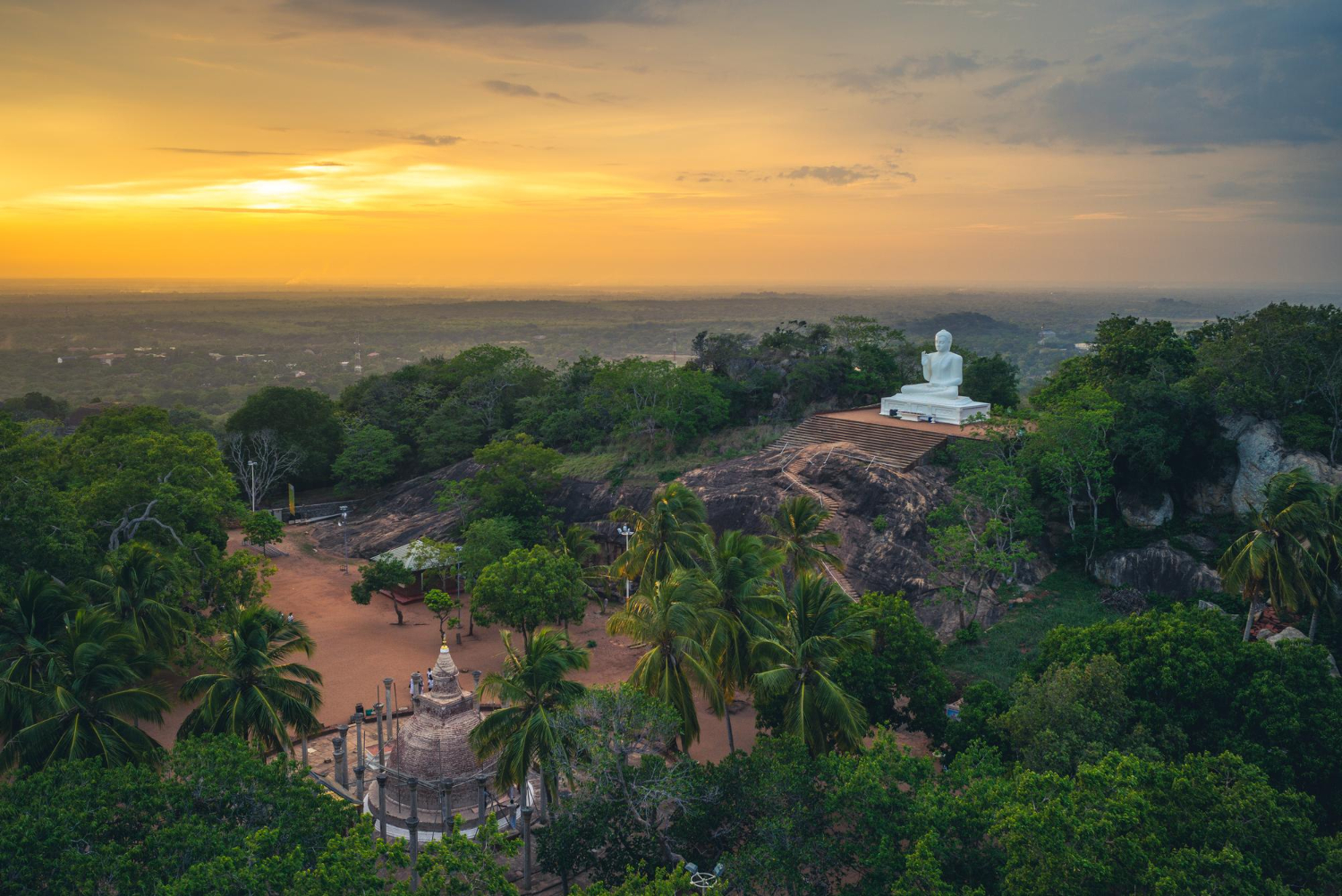
Sri Lanka’s 25 public holidays include a monthly Buddhist observance.
Sri Lanka ranks third with 25 public holidays, driven substantially by Poya days — full moon days observed monthly as Buddhist holidays, which alone account for a dozen days a year. Add the multi-day traditional New Year, plus holidays for the island’s Hindu, Muslim, and Christian communities, and the calendar fills rapidly. Sri Lanka is frequently cited in these rankings for exactly this reason, and it’s a truly useful thing for travelers to know, since business hours and transport are affected on those days.
4. Nepal — Among the Most Holiday-Rich Anywhere
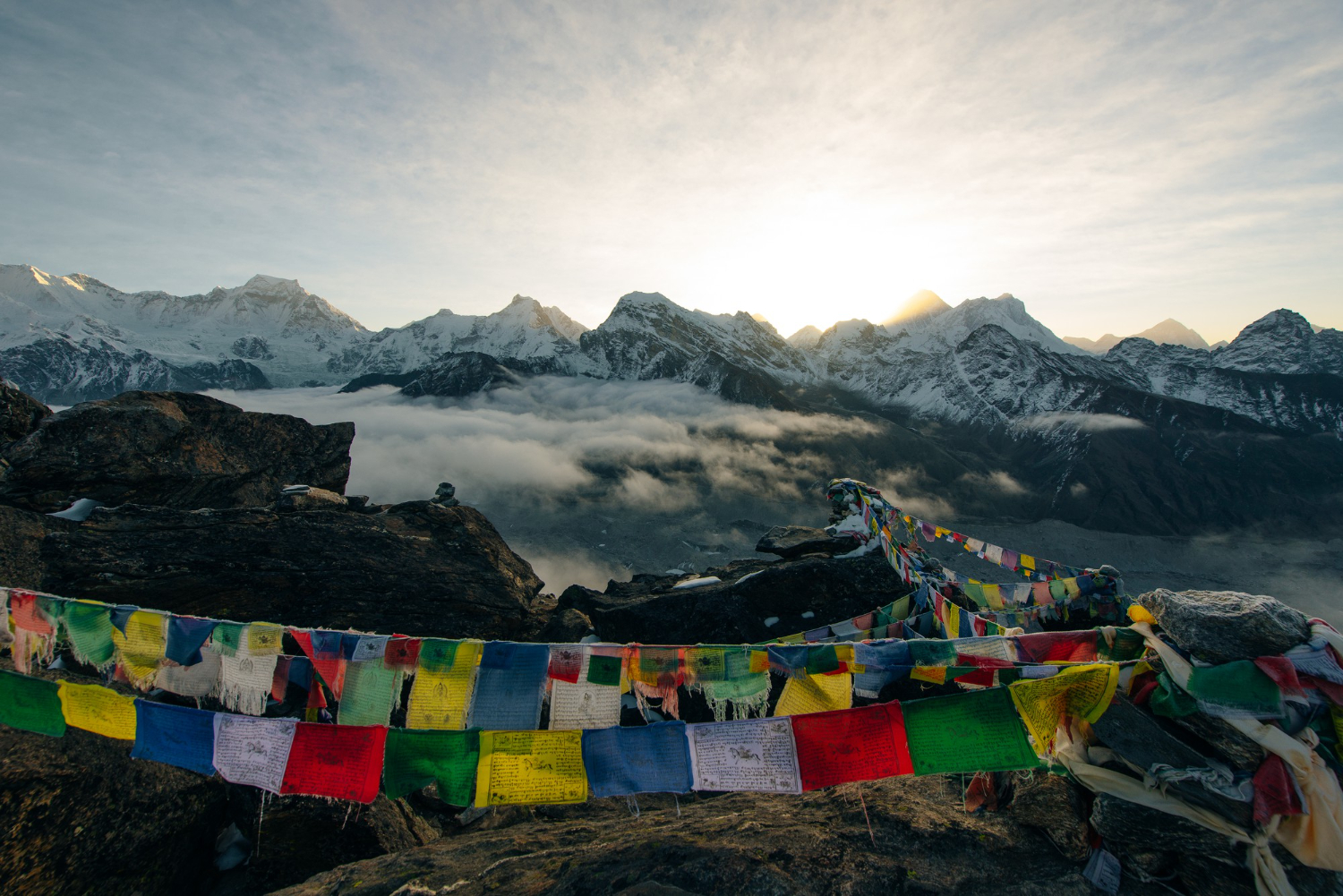
Nepal’s calendar is dense with religious festivals across multiple traditions.
Nepal consistently appears at or near the top of holiday rankings, with counts varying by source and year depending on what’s included — some tallies put it among the highest in the world. The country’s calendar accommodates a great many Hindu and Buddhist festivals, some running for multiple days, alongside national observances. Nepal is a useful case study in why these lists disagree with one another: national, regional, and sector-specific holidays are counted differently by different compilers, and a country with many multi-day festivals can be ranked very differently depending on methodology.
5. India — Enormous Variation by State
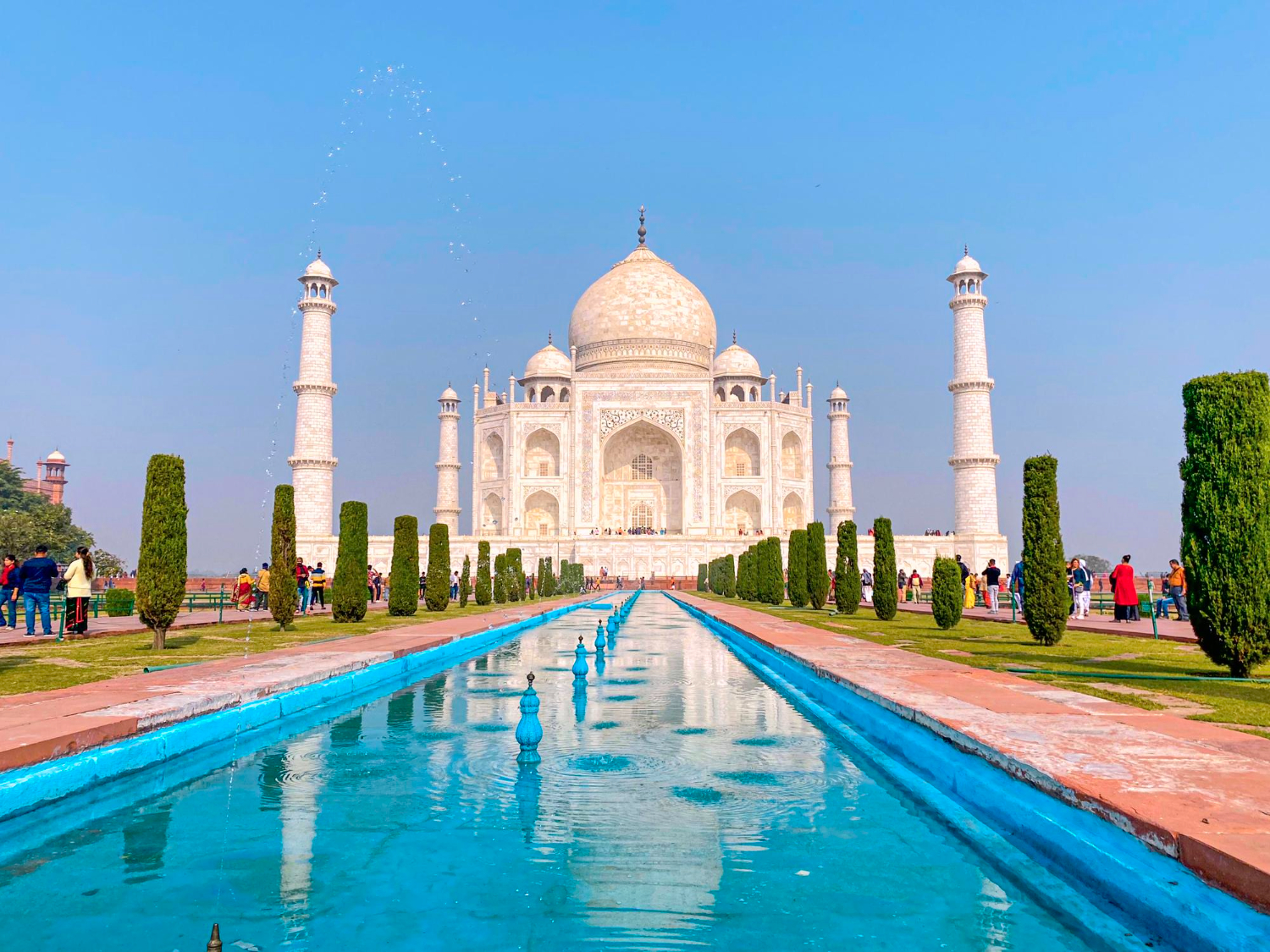
India’s national holidays are few, but the total observed in any given state is much higher.
India is the clearest example of the counting problem. The number of strictly national holidays is small — a handful of days observed everywhere — but each state adds its own, and the practical total in a given state can be very high, with some tallies running into the twenties or beyond. India’s religious diversity means official recognition of Hindu, Muslim, Sikh, Christian, Jain, and Buddhist observances, distributed differently across states. Whether India tops a list or sits mid-table depends almost entirely on whether the compiler counts national holidays, state holidays, or the maximum any resident might experience.
6. Cambodia — A Famously Long Calendar
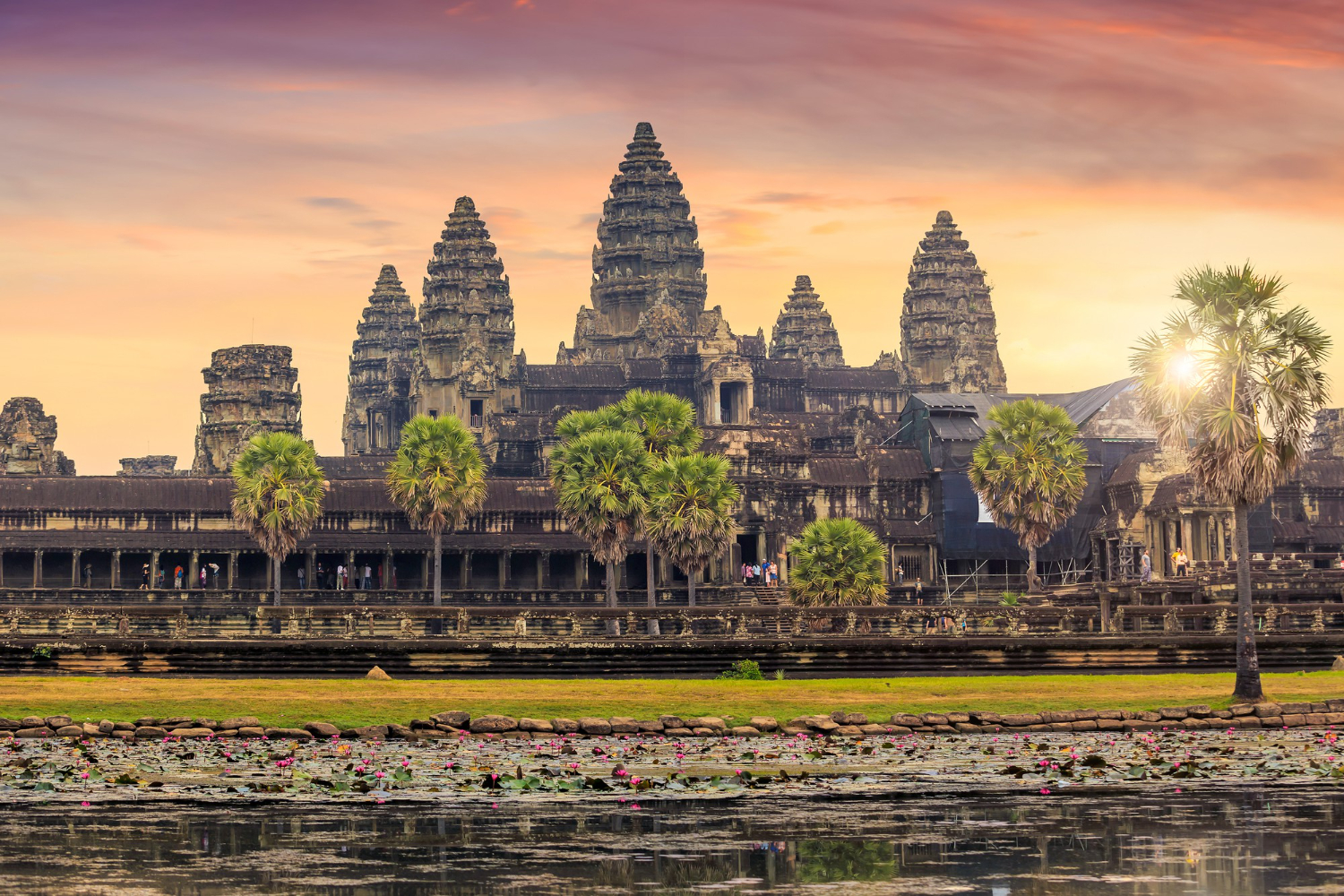
Cambodia has historically ranked among the world’s highest for public holidays.
Cambodia is regularly cited among the countries with the most public holidays, with counts commonly reported in the high twenties in various years, though the government has adjusted the official list at points. The calendar includes multi-day observances for the traditional New Year and other major festivals, royal and national commemorations, and religious days. Multi-day festivals are the key driver — a single celebration that officially occupies three days contributes three times as much to the total as a one-day holiday elsewhere.
7. Iran — A Dense Calendar of Observances
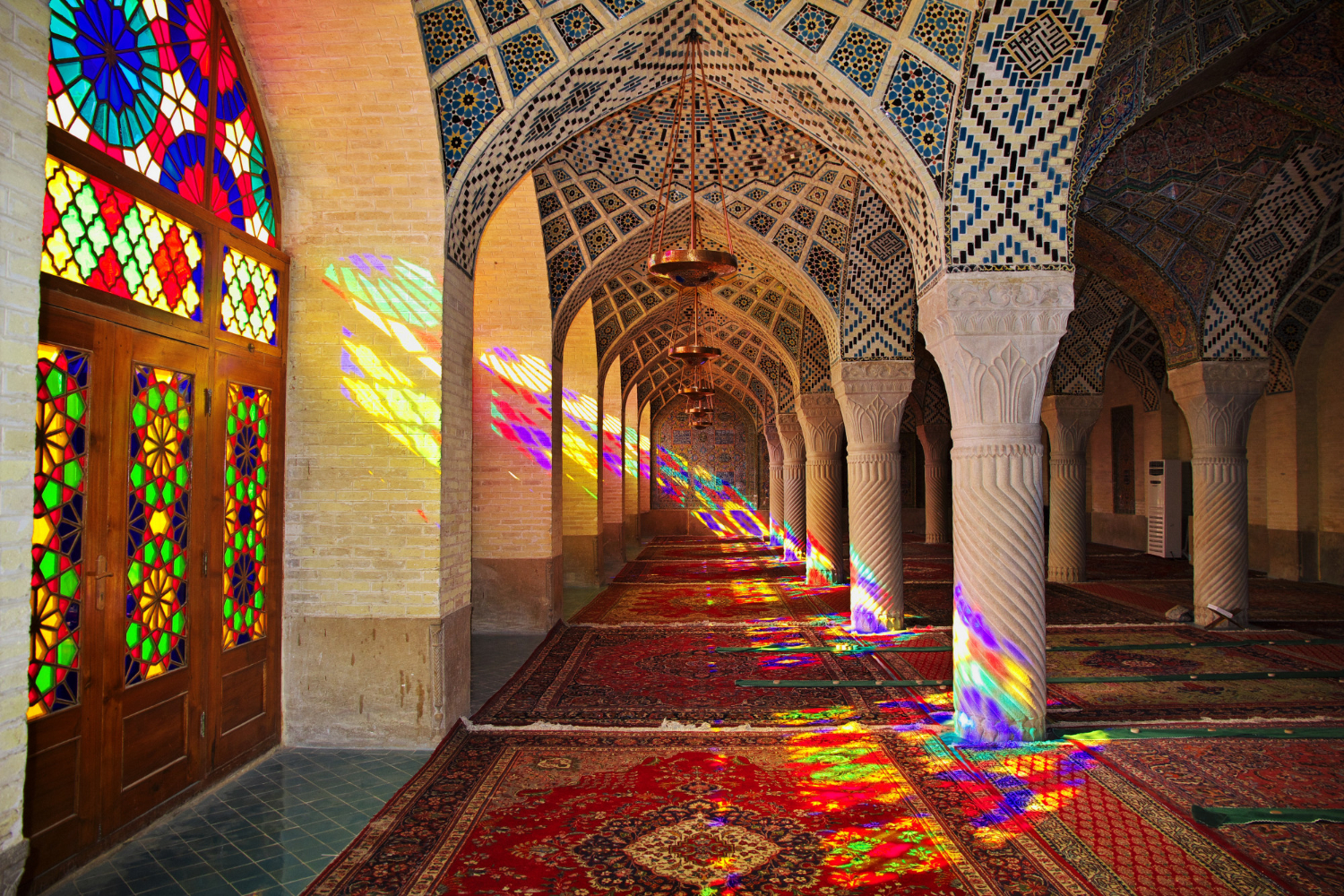
Iran’s official calendar includes a large number of religious and national days.
Iran appears near the top of most holiday rankings, with counts commonly reported in the twenties. The calendar combines a substantial number of religious observances with national commemorations, and it operates across more than one calendar system, with some dates fixed to the solar calendar and others following the lunar one and therefore moving through the year. The result is one of the fuller official holiday calendars anywhere, and another instance of the general rule that religious observance is the main engine of a long list.
8. Thailand — Festivals and Royal Observances
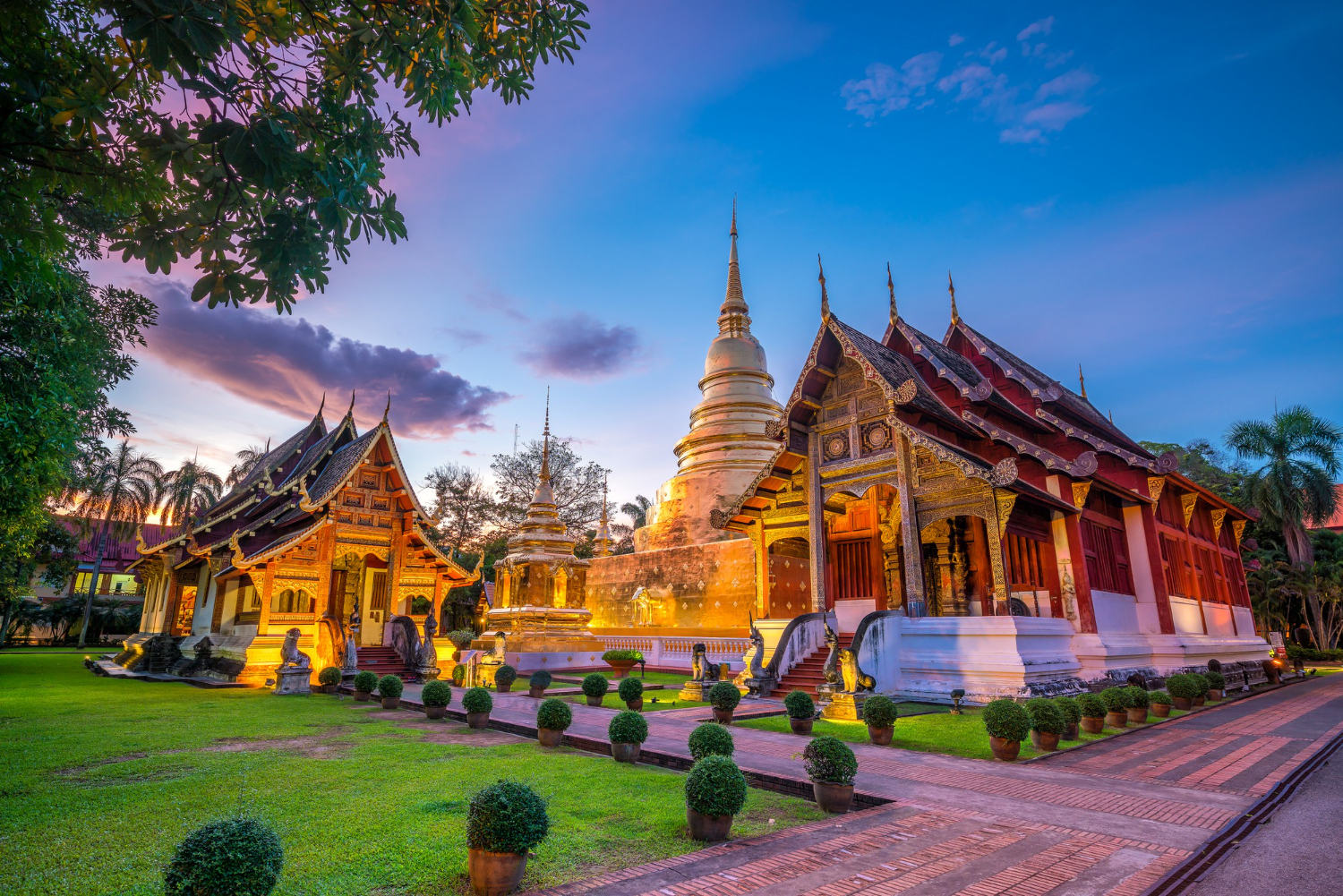
Thailand’s public holidays combine Buddhist festivals with royal commemorations.
Thailand consistently ranks high, with public holiday counts commonly reported in the high teens to low twenties. The calendar includes major Buddhist observances, the multi-day traditional New Year celebration in April, and a number of royal commemorative days. Additional days are sometimes declared by the government to create long weekends and encourage domestic travel — a policy tool several countries use, and one that makes year-to-year totals fluctuate.
9. The Philippines — Regular and Special Holidays
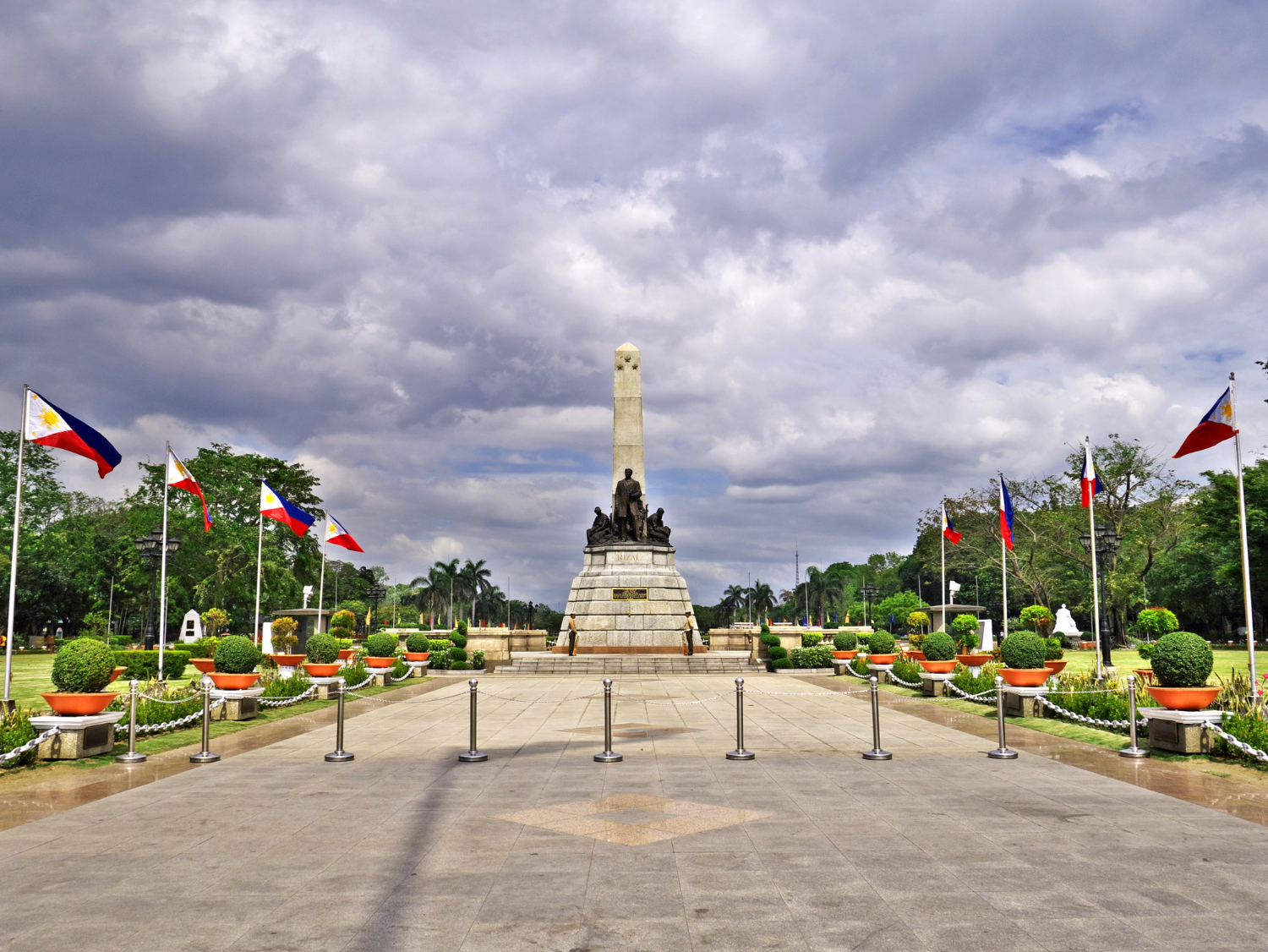
The Philippines observes a long list split across two official categories.
The Philippines is regularly cited with totals around 18 or more, using a system that formally distinguishes between regular holidays and special non-working days, each carrying different rules about pay. The calendar reflects the country’s predominantly Catholic tradition alongside national commemorations and observances recognizing Muslim communities. The two-tier structure is another reason cross-country comparisons get messy — whether special non-working days count as public holidays is a judgment call that changes the total substantially.
10. Colombia — Latin America’s Long-Weekend Champion
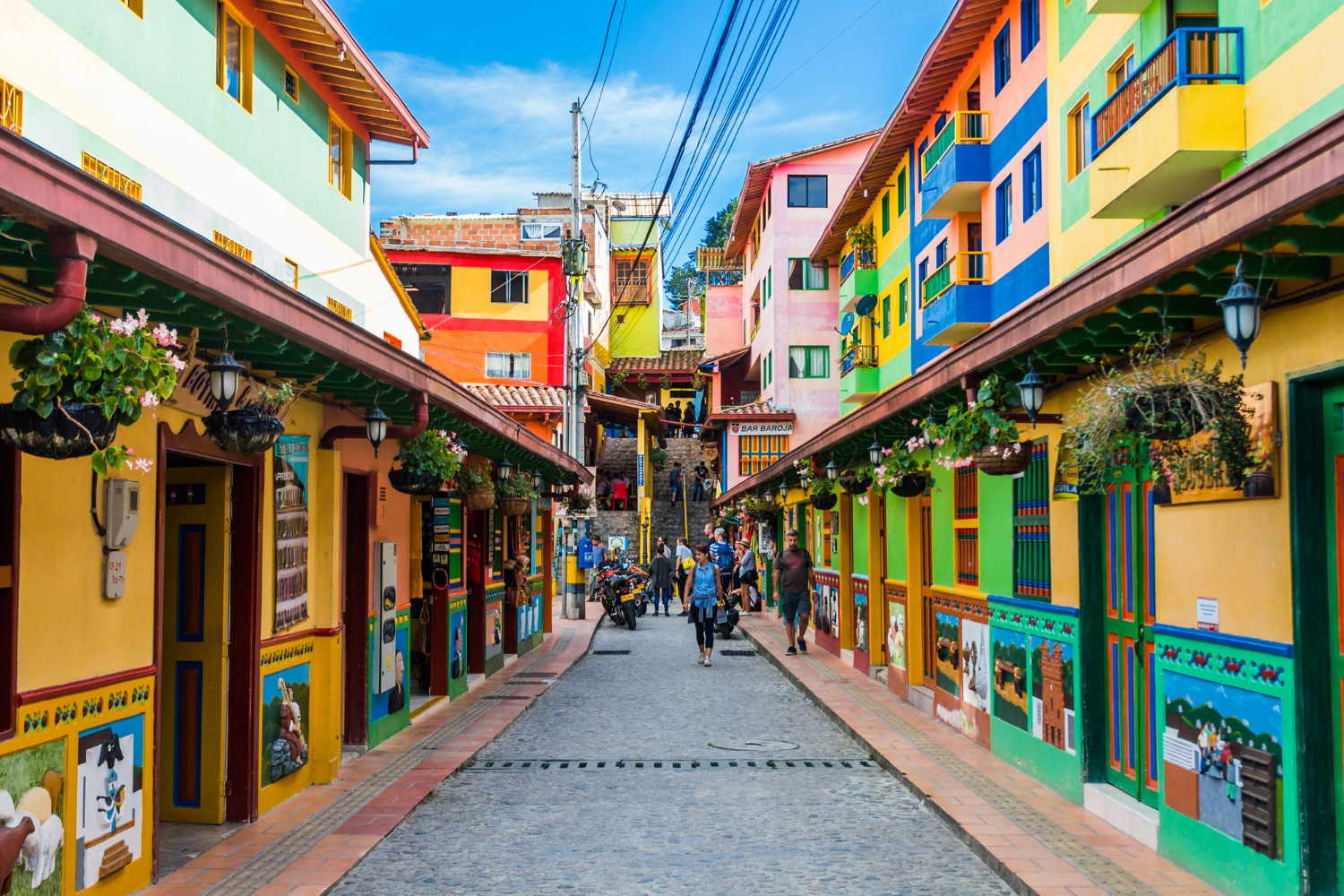
Colombia observes around 18 holidays, many deliberately moved to Mondays.
Colombia stands out in the Americas with roughly 18 public holidays, and it does something clever with them: a long-standing law shifts many holidays to the following Monday, guaranteeing a three-day weekend rather than a midweek day off. The practice is common enough that these are colloquially known as long-weekend holidays. It’s a policy other countries have examined, since it maximizes the practical benefit of a day off for both rest and domestic tourism without adding to the total count.
11. Japan — Sixteen Holidays and a Law That Adds More
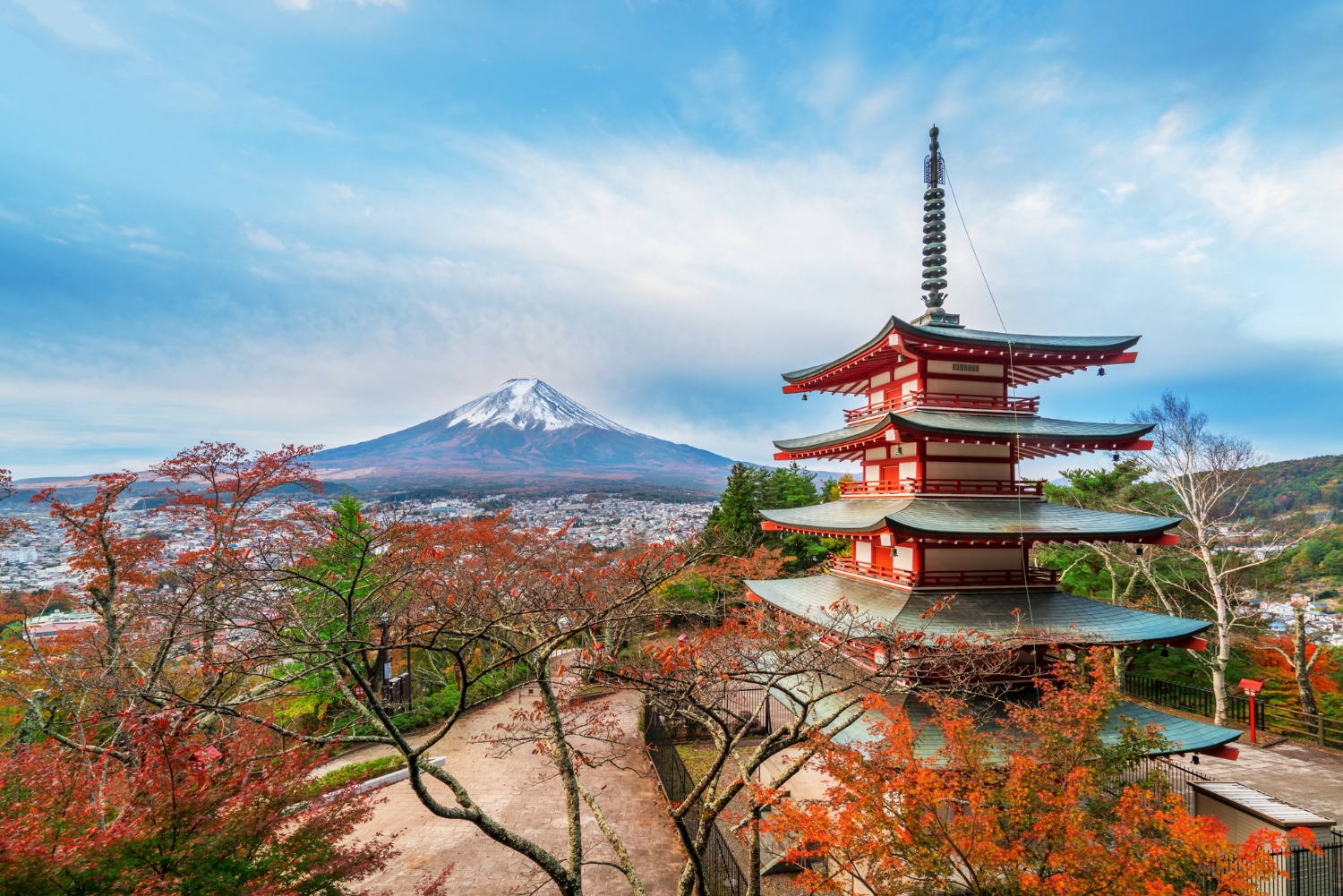
Japan’s calendar includes rules that automatically generate extra days off.
Japan observes around 16 public holidays, an unusually high number for a wealthy industrialized country, and its system has two notable features. When a holiday falls on a Sunday, the following Monday becomes a substitute day off; and when a single working day falls between two holidays, that day also becomes a holiday. Several holidays cluster into a spring stretch that functions as a major national travel week. The policy background is relevant — Japan has long grappled with low uptake of annual leave, and generous public holidays partly compensate.
12. The United States — Below the Global Median
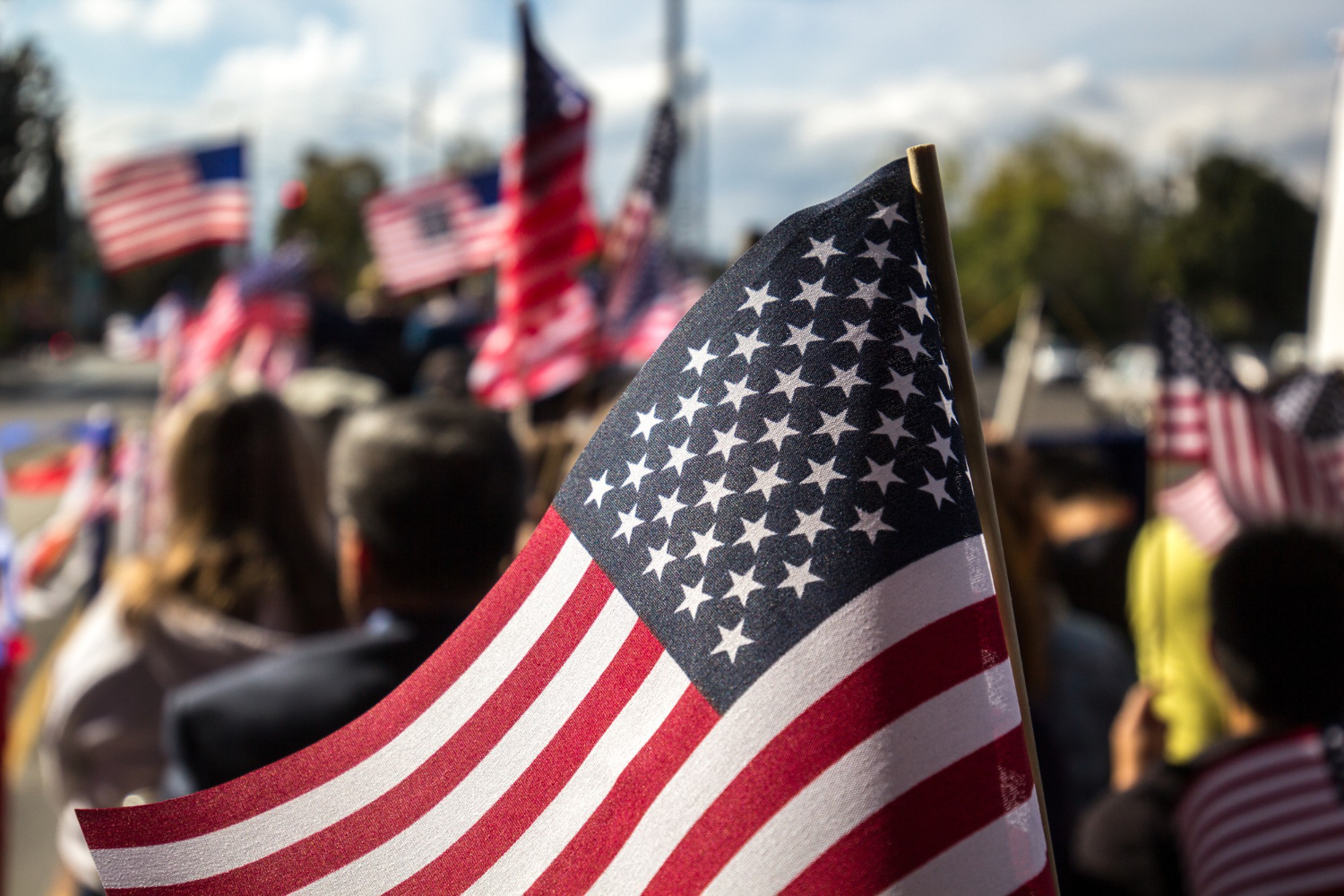
America recognizes 11 federal holidays, fewer than the typical country’s 13.
Here’s the American reveal. The United States recognizes 11 public holidays at the federal level — New Year’s Day, Martin Luther King Jr. Day, Presidents’ Day, Memorial Day, Juneteenth, Independence Day, Labor Day, Columbus Day, Veterans Day, Thanksgiving, and Christmas — which places it below the global median of 13 and well behind most of the world. There’s a further wrinkle that makes the American position weaker than the raw number suggests: federal holidays formally apply to federal employees, and there is no national requirement that private employers provide paid holidays at all, nor any federal mandate for paid annual leave. Most other countries on this list combine their public holidays with a legally guaranteed vacation entitlement on top.
13. Switzerland, Uruguay and Bosnia and Herzegovina — The Fewest of All
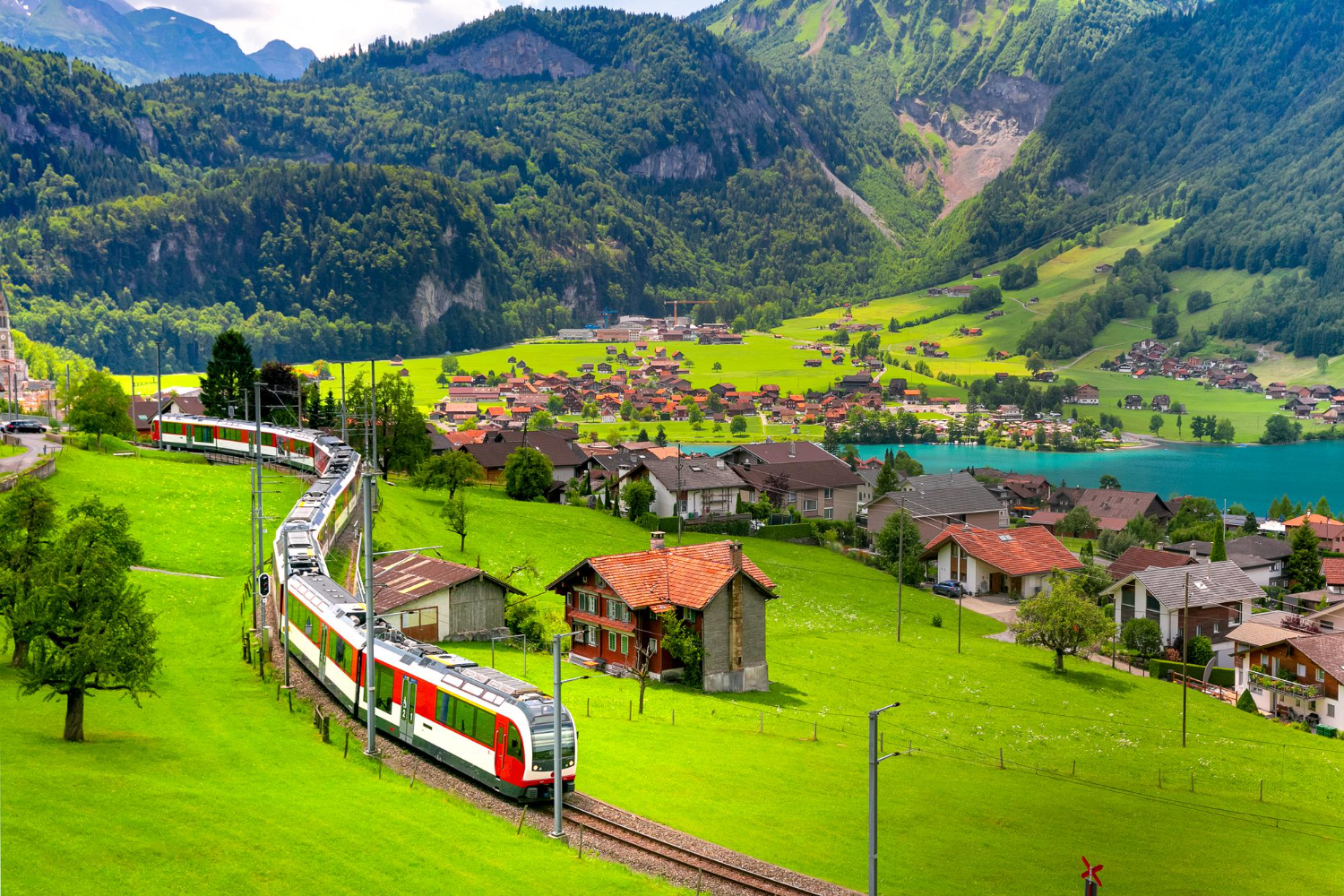
At the other end, some countries observe barely a handful of national holidays.
Rounding out the picture, the Pew analysis identified Switzerland, Bosnia and Herzegovina, and Uruguay among the countries with the fewest public holidays. In Switzerland’s case the explanation is structural rather than austere: the country is highly decentralized, and most holidays are set by individual cantons rather than nationally, so the count of strictly federal holidays is very small while residents in practice get substantially more. It’s the final demonstration that these rankings measure how holidays are legally designated at least as much as how much time off people actually receive.
Reading the Holiday Scoreboard
Myanmar at 30, a global median of 13, Colombia engineering three-day weekends by law, Japan generating bonus days off automatically, and an America sitting at 11 with no guaranteed paid vacation on top — the holiday rankings reward religious pluralism and deliberate policy far more than national wealth.
For travelers, the practical value here is straightforward: knowing a destination’s holiday calendar prevents the classic mistake of arriving to find banks, offices, and many businesses closed, transport packed, and prices elevated — or, played the other way, lets you deliberately arrive for a major festival. And for Americans, the comparison is a reminder that the modest US position reflects a policy choice rather than a global norm. Most of the world takes more days off, and several countries have built their calendars specifically to make sure those days actually land where people can use them.
Like our content? Follow us for more.