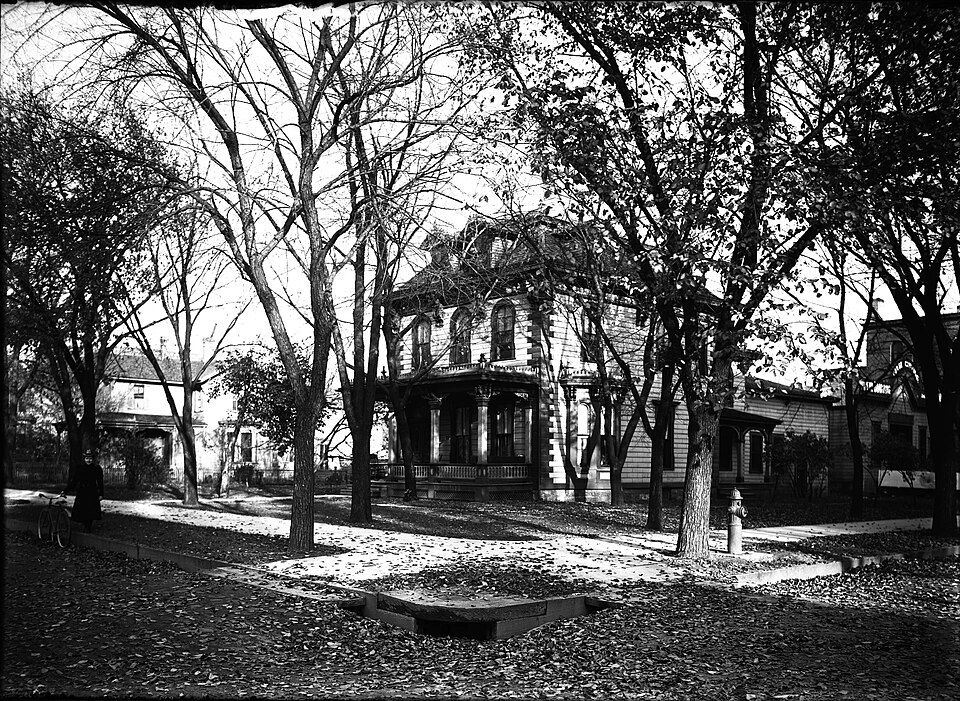
The rented room was one of the great staples of American housing for a century, and in 1958 it was still everywhere. Large old houses near city centres, converted into six or eight or twelve rooms, with a resident landlady, a shared bathroom per floor, a parlour, a telephone in the hall and a sign in the window.
It housed the people for whom nothing else was built: a young man at his first job, a nurse on shift work, a widow with a small pension, a student, a travelling salesman, anybody newly arrived in a city with a suitcase.
Then it vanished – not gradually and not by accident. Here are eleven things about living in an American rooming house in 1958 that now sound invented.
1. You Could Rent a Place to Live by the Week, With No Lease
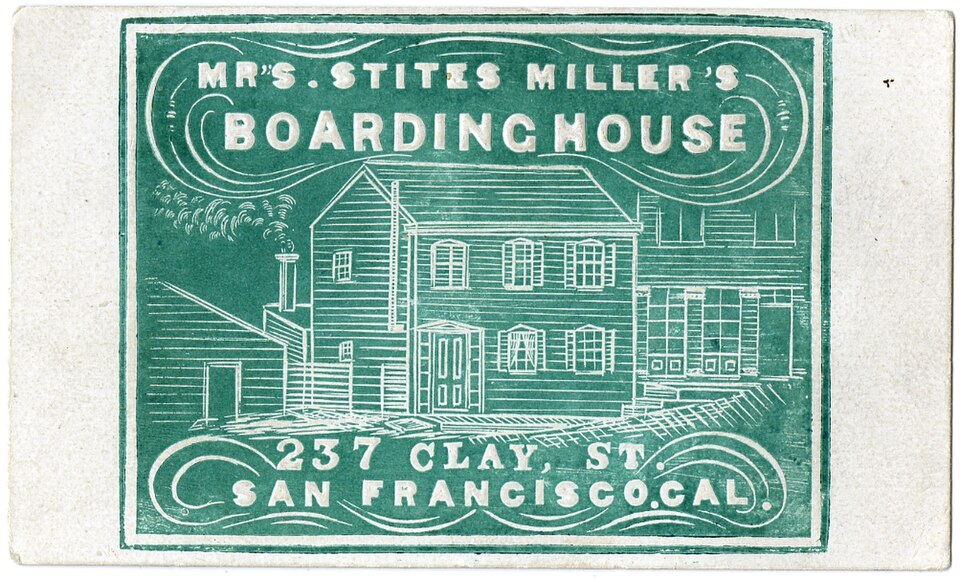
A room was taken by the week or the month, paid in cash to the landlady, with no lease, no credit check, no references in many cases, no deposit beyond the first week and no documentation at all beyond her ledger.
This made housing available to people with no savings, no employment history and no established credit, which is to say the people who need housing most urgently. Nothing in the modern American rental market performs that function.
Like our content? Follow us for more.
2. Meals Were Included and Taken Together
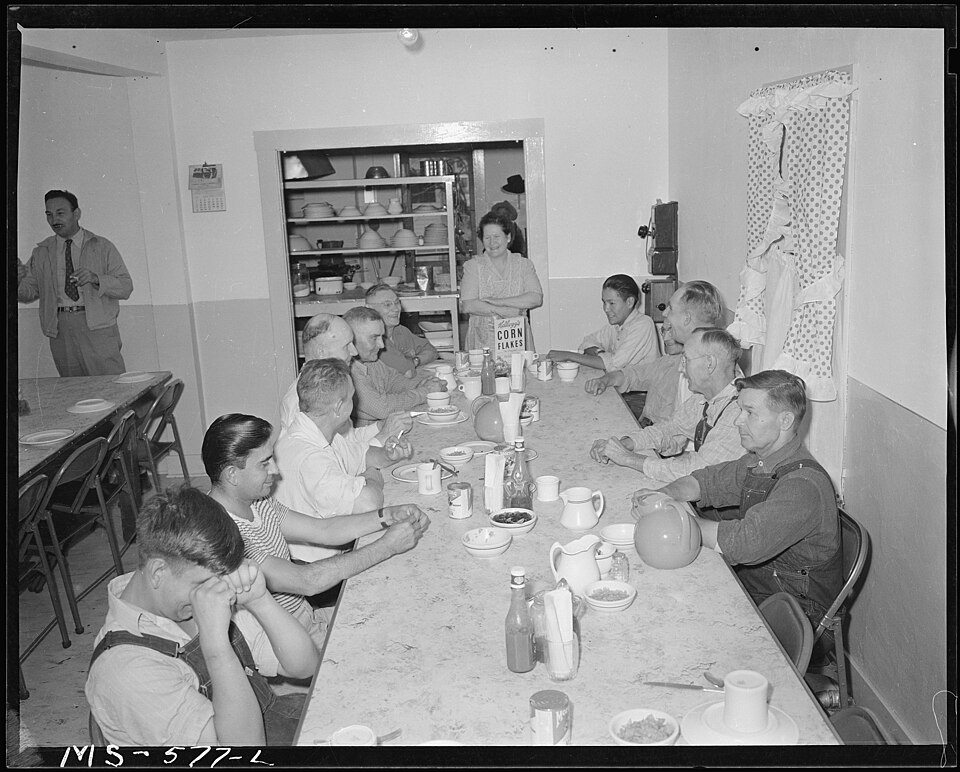
In a boarding house proper – as distinct from a rooming house, which let rooms only – breakfast and an evening meal were included and served at a common table at fixed times. Arriving late meant going without.
It meant a tenant needed no kitchen, no cooking skill and no equipment, which was most of the point for a young man who had never cooked. It also meant eating with eight strangers twice a day for as long as you lived there.
3. One Bathroom Served the Whole Floor
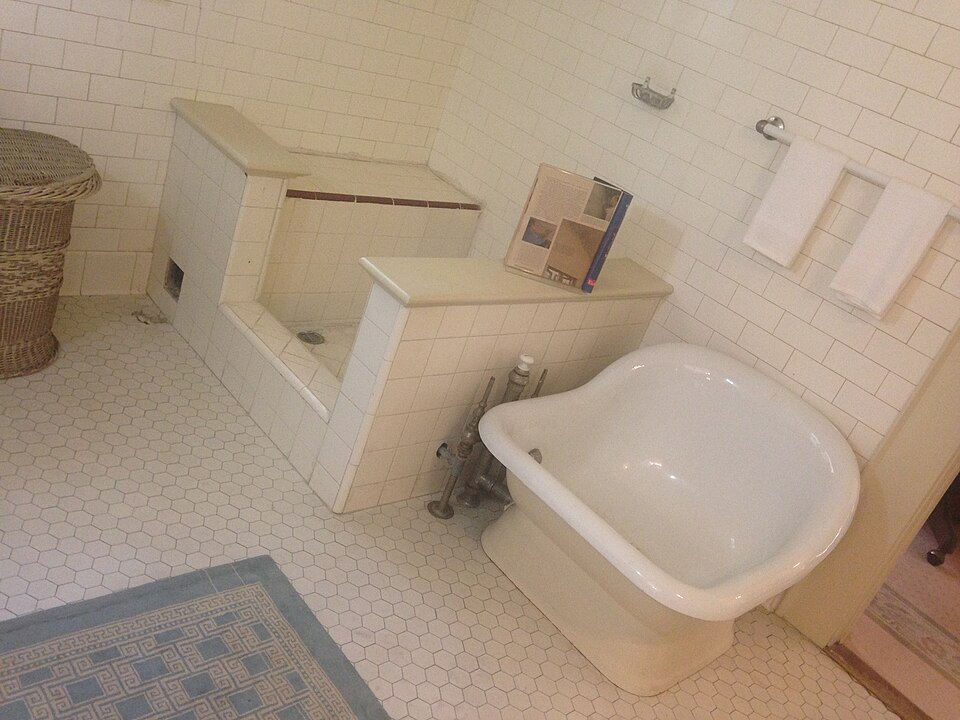
A single bathroom per floor, shared by six or eight people, with an informal rota, a queue in the morning and a coin meter on the hot water in some houses.
Nobody considered this a hardship because the alternative within most people’s means was worse. It is also the specific feature that later building and housing codes used to prohibit the entire building type.
4. The Landlady Ran Your Life
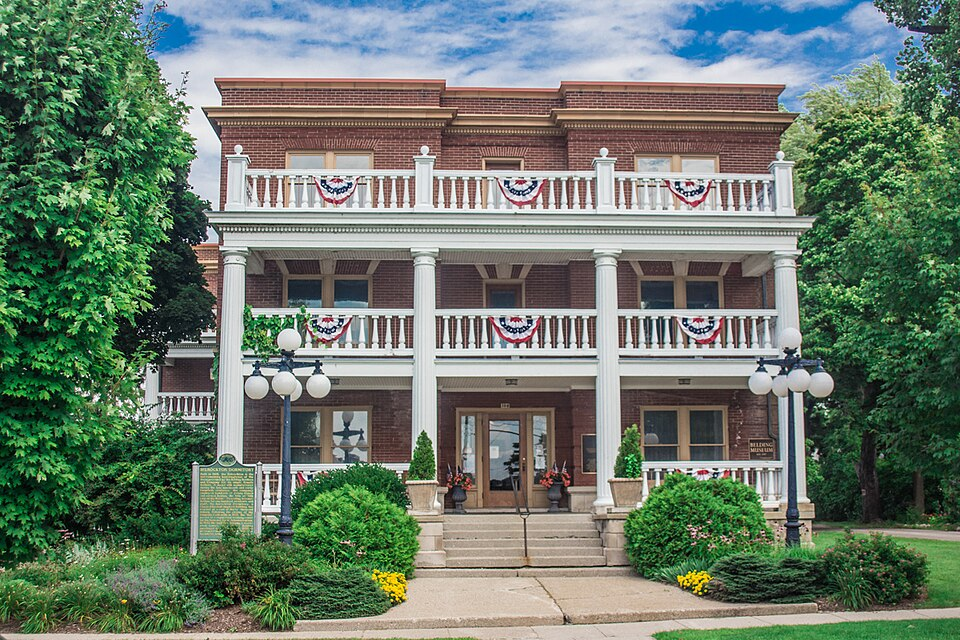
House rules were extensive and enforced: locked front door after a fixed hour, no visitors of the opposite sex above the ground floor, no cooking in rooms, no alcohol, no noise after a certain time, church on Sunday in some houses, and notice of overnight absence.
The landlady knew everybody’s hours, visitors and business, and she told people’s families when asked. This was partly social control and partly the thing that made the house safe enough for a young woman’s parents to permit her to live in it.
5. There Was One Telephone and Everybody Used It
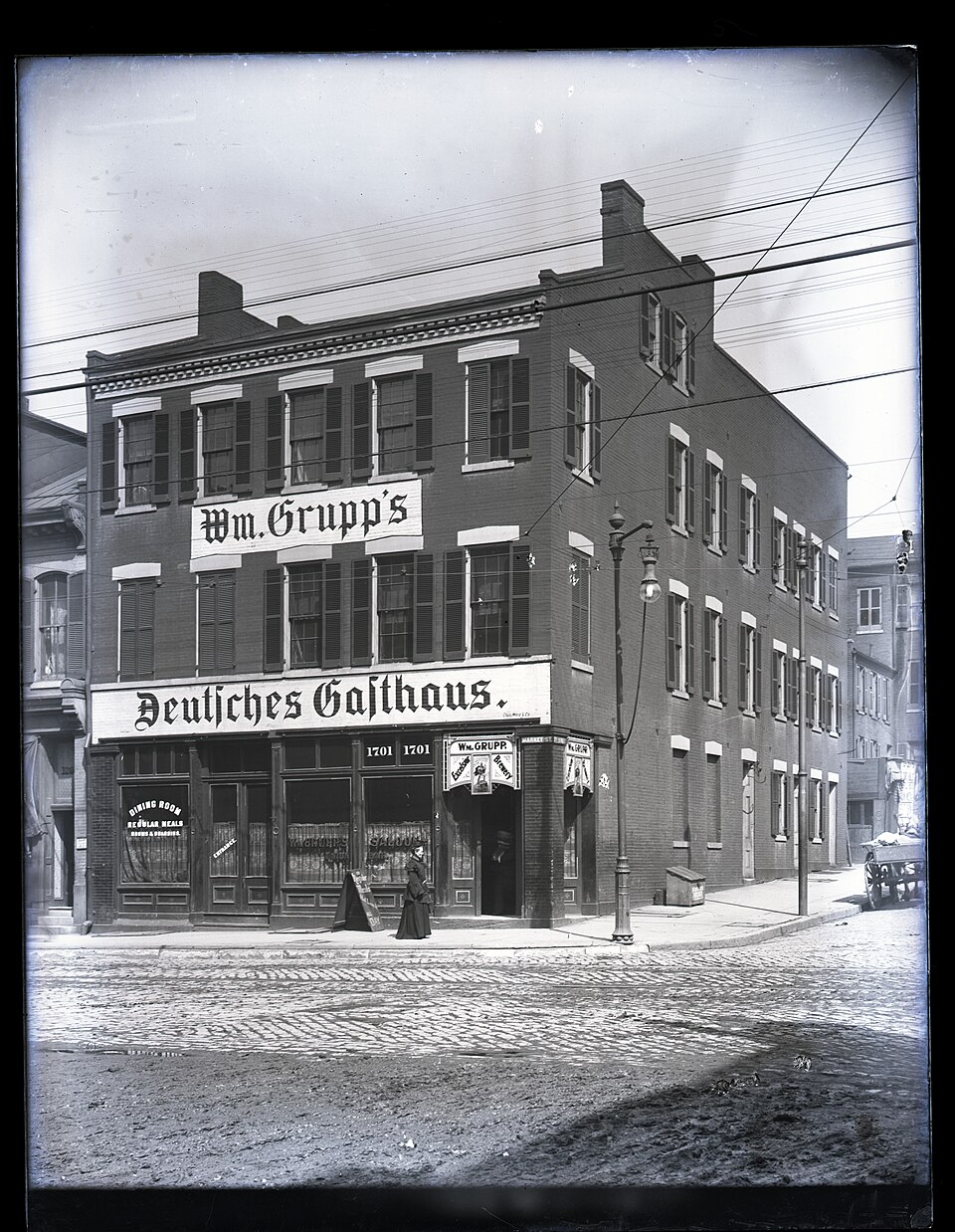
A single telephone in the downstairs hall, usually a payphone or on a coin box, with a notepad beside it. Calls were taken by whoever was nearest, messages were written down and left in a pigeonhole or slipped under a door.
Privacy was essentially nil. Everybody in the house knew who was calling whom, and the landlady generally knew most of it before the tenant did.
6. Single Working Women Lived There by Design
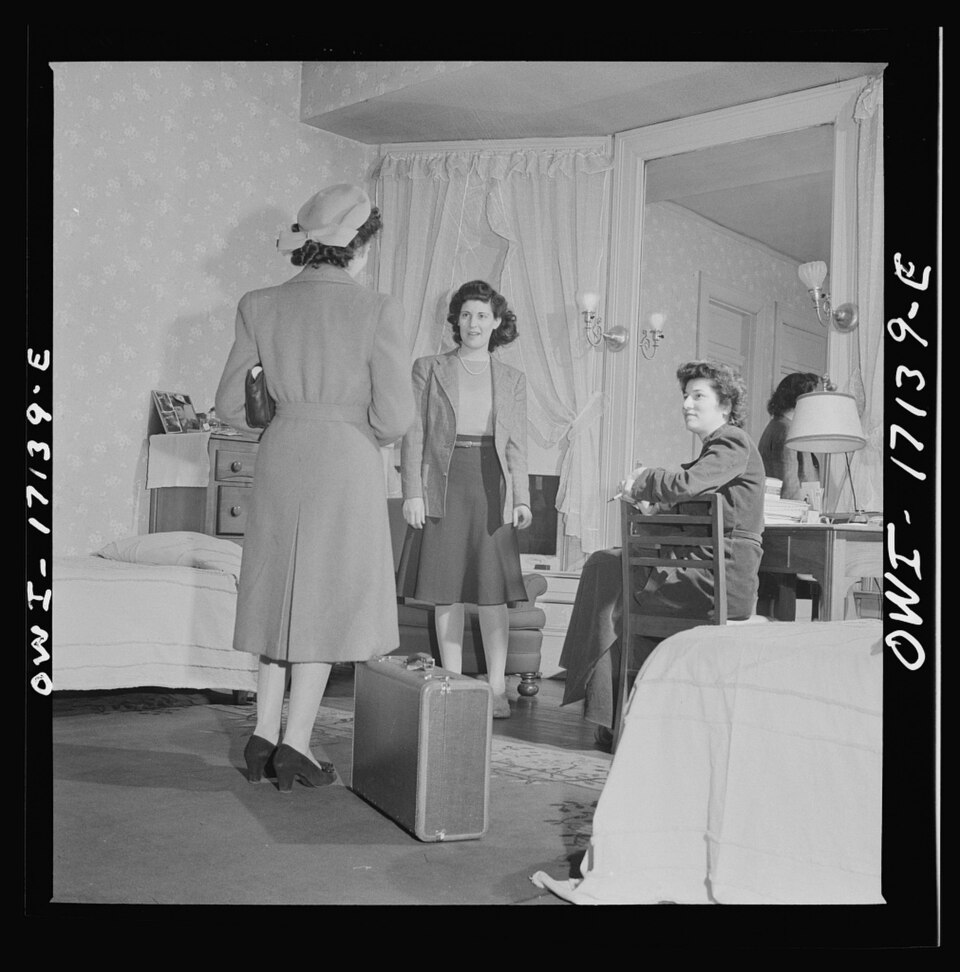
Respectable rooming and boarding houses for women were an established institution, some run commercially and many by religious and charitable organisations, and they existed specifically so that a young woman could move to a city for work with her family’s approval.
The supervision was the product. That category of housing has essentially disappeared from American cities, and the question of where a young woman of modest means now lives when she moves to a city for work does not have a comparable answer.
7. It Was Where Men Who Had Fallen Out of Family Life Lived
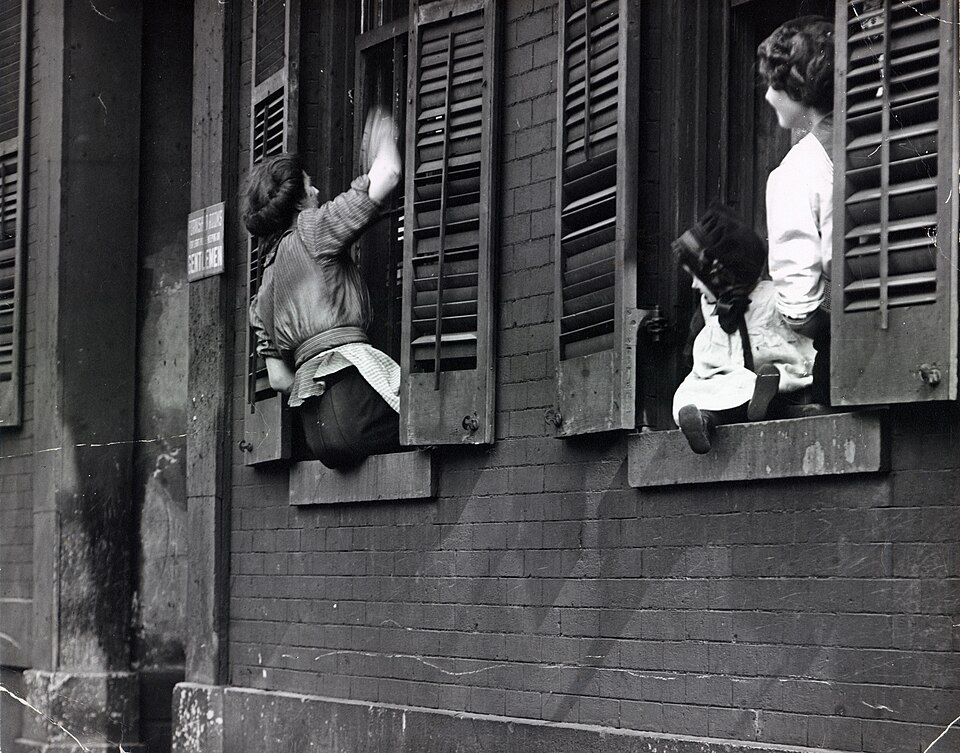
The single-room-occupancy hotel and the cheaper rooming house also housed older men – widowed, divorced, estranged, itinerant, or simply alone – who had a small income and no household. Whole districts of American cities consisted of this housing.
It was poor housing but it was housing, with a door, a lock and an address. When those districts were cleared, a substantial number of the men living in them did not move into anything better.
8. Your Address Was Somebody Else’s House
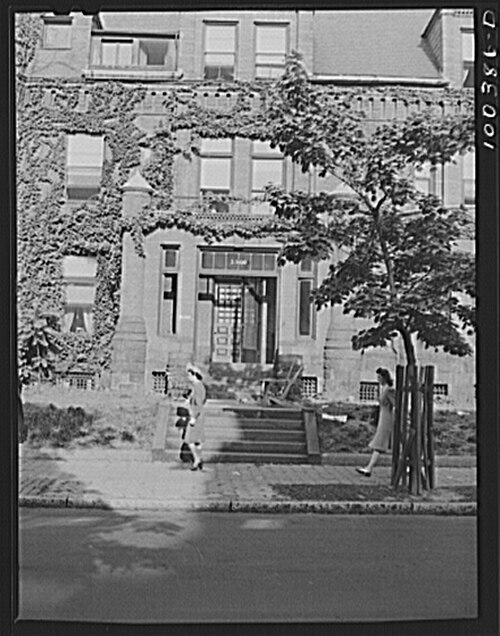
A tenant’s address was a room number in a private residence, and mail, callers, employers and official correspondence all came to the landlady’s door. She signed for things, she received visitors and she knew what arrived.
The arrangement made no distinction between a tenant and a long-term guest, which is precisely how the law of the period treated it, and it is why the modern tenancy framework fits the building type so badly.
9. The Rent Was a Fraction of a Week’s Wage
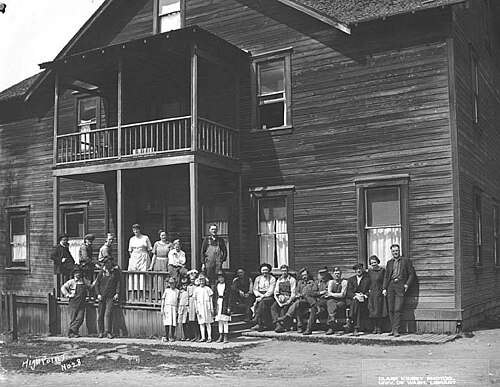
A room, and in a boarding house two meals a day, cost a modest and manageable share of an ordinary working wage, which is what made the whole arrangement function for people at the bottom of the labour market.
This is the single hardest part of the arrangement to convey now. The housing existed because it was genuinely cheap to build, cheap to run and cheap to rent, and because it was legal.
10. It Was Deliberately Made Illegal
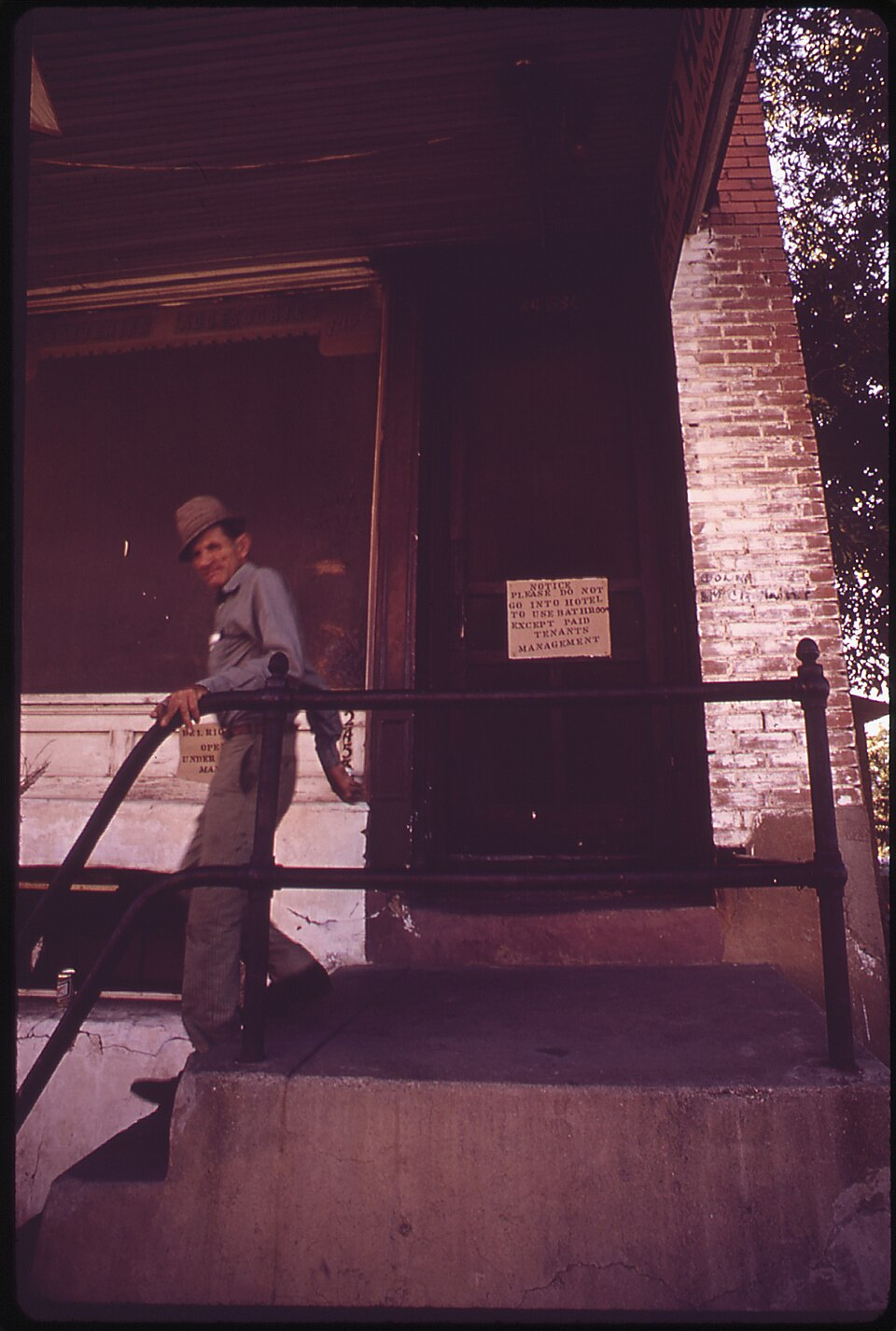
The disappearance was a policy outcome. Single-family zoning across American suburbs and much of the urban fabric prohibited the conversion of a house into rented rooms outright. Occupancy limits capped unrelated adults in a dwelling. Building and housing codes imposed bathroom-per-unit, kitchen, window, egress and parking requirements that the building type could not satisfy. Urban renewal demolished the districts where it concentrated.
Each measure had a stated justification – overcrowding, fire safety, sanitation, neighbourhood character – and some of those justifications were sound. The combined effect was to prohibit the cheapest legal form of housing in the United States, and the prohibition remains almost entirely in place.
11. Nothing Replaced It
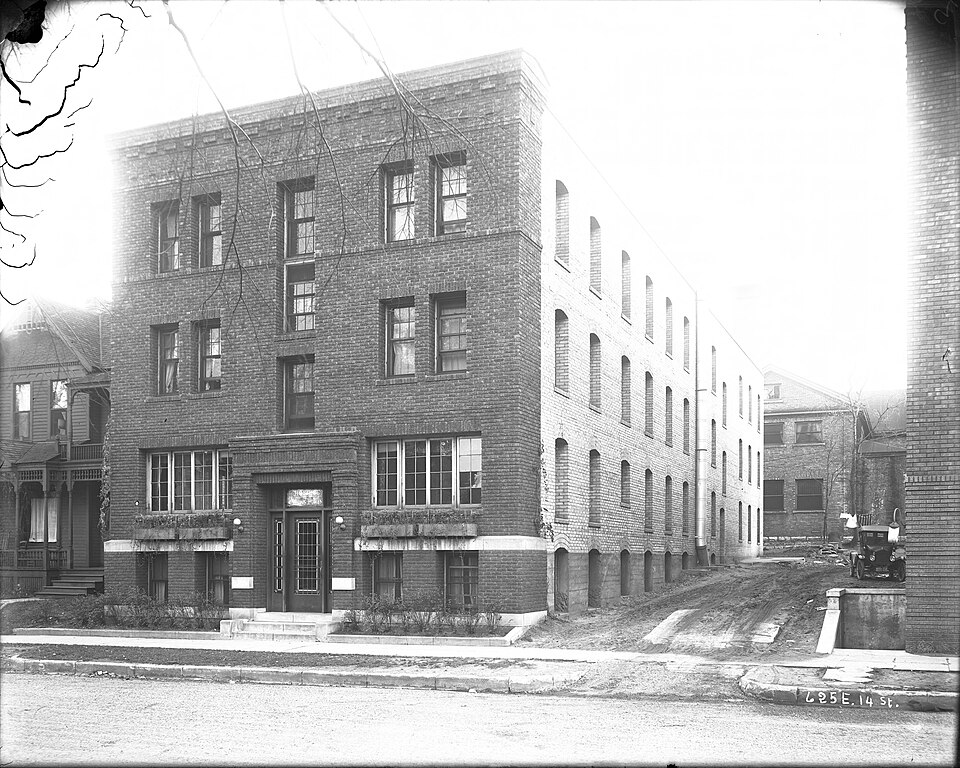
The bottom rung of American housing was removed and nothing was built in its place. The studio apartment is not a substitute – it costs several times as much, requires a lease, a deposit, a credit check and an income – and the modern equivalents that do exist are either institutional or, where an attempt is made at the old model, frequently illegal.
The current conversation about missing housing in American cities is in large part a conversation about this. The rooming house was the housing of last resort that was not a shelter, and the category has been empty for fifty years.
How an Entire Housing Type Disappeared
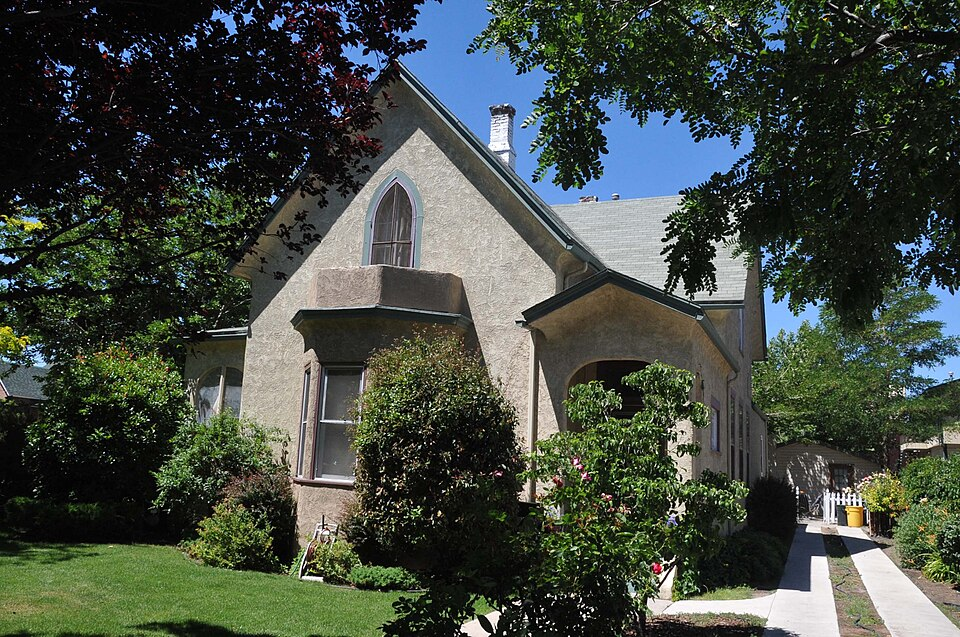
Four things removed the rooming house, and they worked together.
Zoning was the largest. The spread of single-family-only zoning through American municipalities made the conversion of a house into rented rooms illegal across most of the country’s residential land, and occupancy limits on unrelated adults closed the remaining route.
Building and housing codes did the rest. Requirements for a bathroom and kitchen per unit, for window area, for egress and for off-street parking are individually reasonable and collectively impossible for a converted house with eight rooms and one bathroom per floor.
Urban renewal physically demolished the districts where the cheapest version concentrated, generally without replacement.
And rising expectations did the remainder. Americans came to regard a private bathroom and kitchen as a minimum, which they are in any decent sense – but the standard was applied as a prohibition rather than an aspiration, which left the people who could not afford it with nothing legal at all.
It is easy to romanticise the rooming house and it should be resisted. The rooms were small, the bathroom was shared, the landlady read your mail if she felt like it, the rules were intrusive and arbitrary, and the worst of the single-room hotels were genuinely wretched places.
But a nineteen-year-old could arrive in an American city with a suitcase and eleven dollars, take a room that week, and start work on Monday. That specific thing is not possible now in any large American city, and the reason is not that the market stopped providing it. The reason is that it was made illegal, one ordinance at a time, by people who were mostly trying to do something else.
Like our content? Follow us for more.