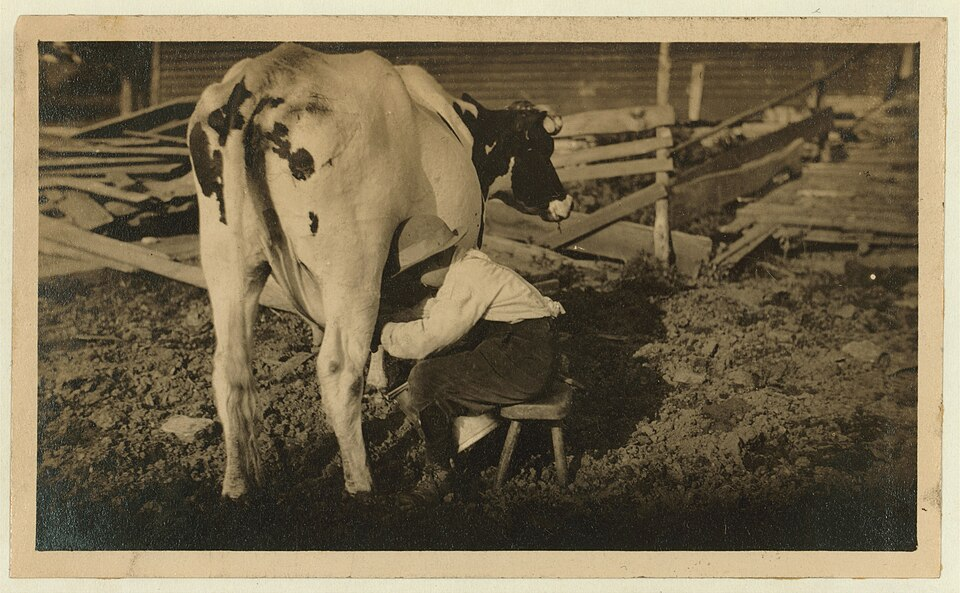
There were well over a million dairy farms in the United States in 1960, most of them family operations with twenty or thirty cows, worked twice a day every day of the year by whoever lived in the house.
The work was physical, the hours were brutal, the margins were thin, and the regulation was light. Almost everything about how that farm operated has since been changed by a combination of food-safety law, labour law, environmental rules and the simple economics of scale.
Here are twelve things that were normal on an American dairy farm in 1960. Six of them would now shut the farm down.
1. Children Did the Work
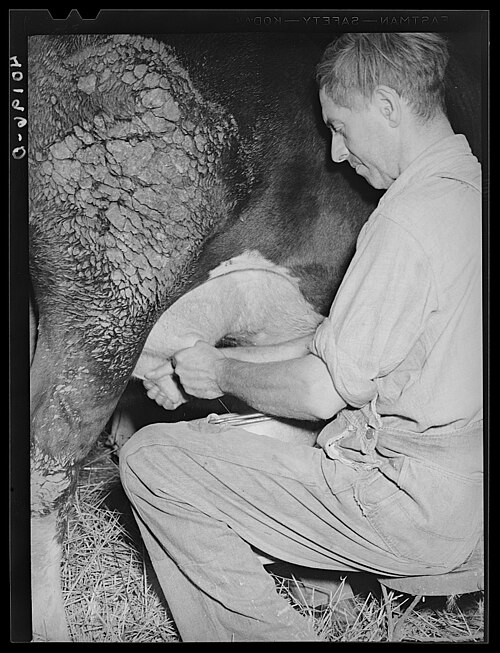
Farm children milked, fed, mucked out, drove tractors, operated elevators and augers, handled livestock and worked with machinery from the age of seven or eight. It was not help – it was labour the operation depended on, performed before and after school and all day in summer.
Farm injury and fatality rates for children were correspondingly high, and remain the reason agriculture is treated separately in American child-labour law. The hazardous-occupation rules now prohibit children under sixteen from operating most farm machinery and from handling certain livestock on any farm other than their own parents’ – and the parental exemption is the only reason any of this history was ever lawful.
Like our content? Follow us for more.
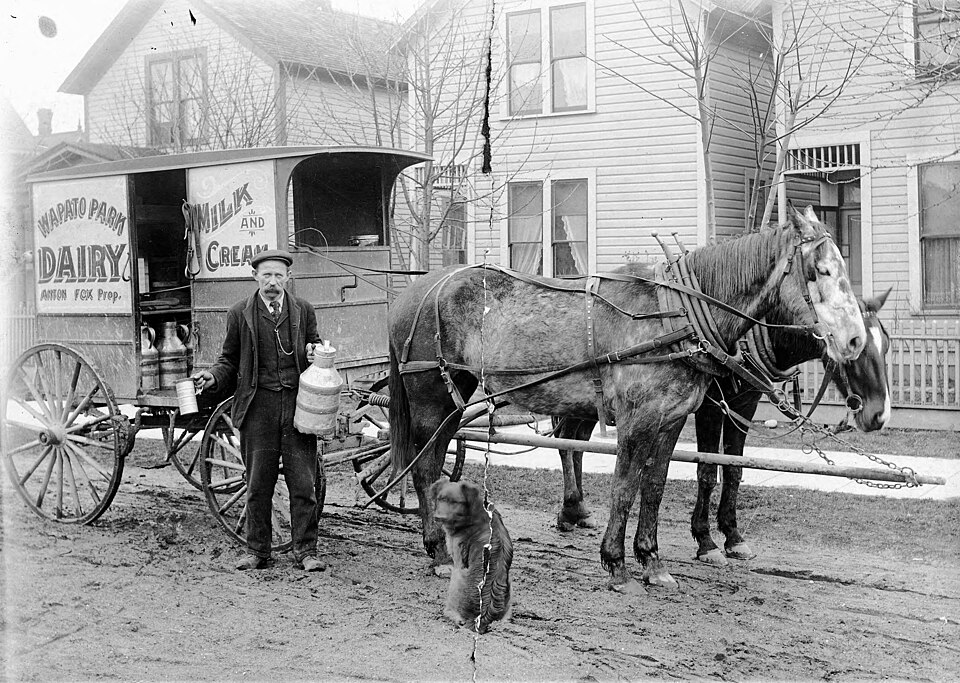
2. Milk Went Into Cans and Sat in Water
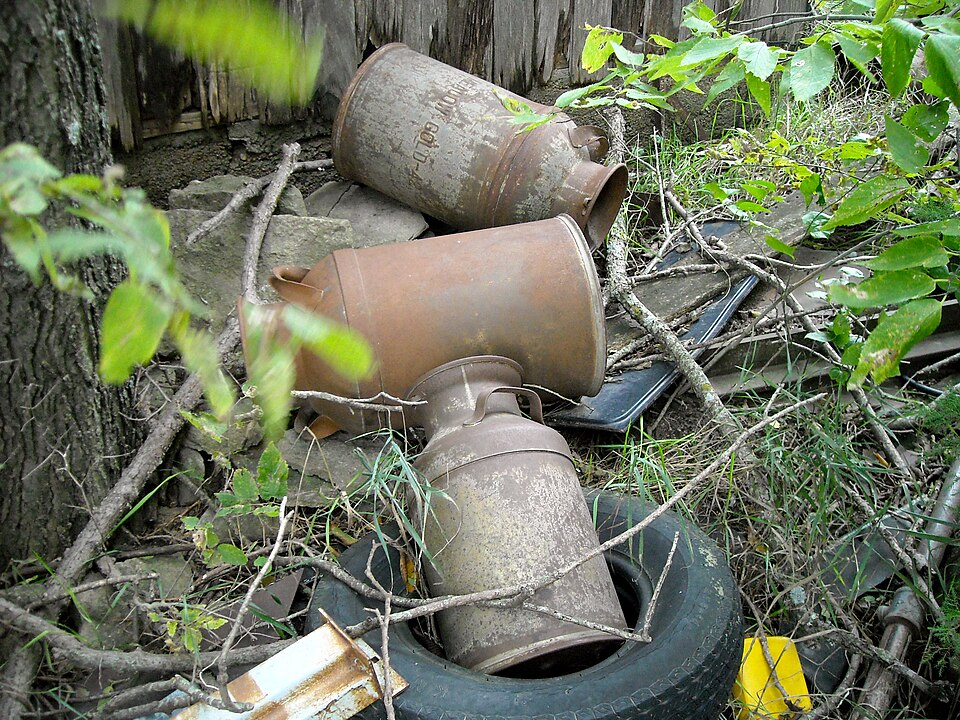
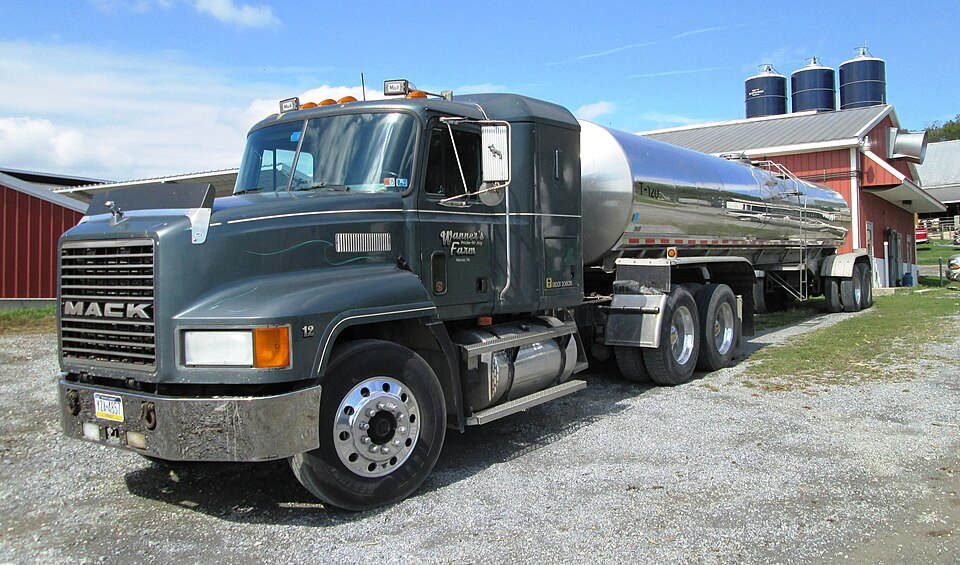
Before bulk tanks, milk went into ten-gallon steel cans which were set in a water-cooled tank or trough, collected by a truck and hauled to a creamery. Cooling depended on the water being cold enough and the cans being handled promptly.
The system worked but its temperature control was approximate, and warm milk in a can on a summer morning was a real problem. Bulk tanks with mechanical refrigeration and recorded temperature are now required for American Grade A milk, and can collection is no longer permitted for it.
3. The Family Drank It Straight From the Tank
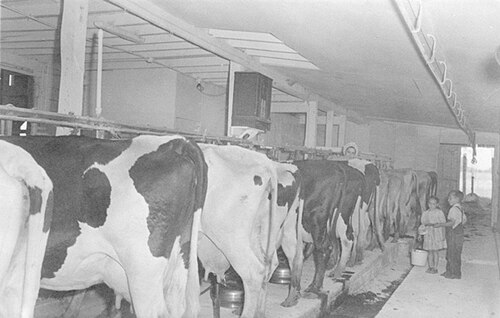
Farm families drank their own unpasteurised milk as a matter of course, dipped from the can or the tank, and so did visitors, neighbours and the children’s friends.
Farm families had generally built up exposure and most suffered nothing, though not all of them. The sale and in many states the distribution of unpasteurised milk is now prohibited or tightly restricted in the United States, and although a farm family drinking its own milk remains lawful, supplying it to anybody else generally is not.
4. The Barn Was Sprayed With Insecticide While the Cows Were In It
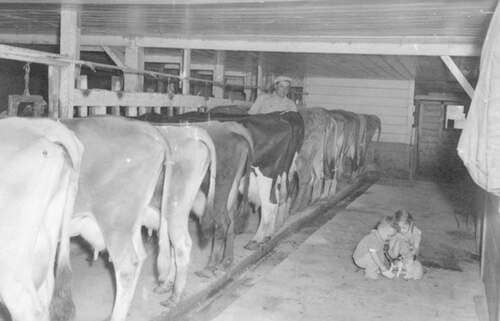
Fly control in a dairy barn was aggressive and constant, and the compounds used in the period included organochlorines applied by hand sprayer, back-pack and mist blower, to the walls, the bedding, the cows themselves and the air of an occupied barn.
Residues ended up in the milk, which is how several of the compounds were eventually traced. The organochlorine insecticides in routine period dairy use were prohibited in the United States during the nineteen-seventies, and any application to a lactating animal or an occupied milking area is now closely regulated.
5. The Milking Parlour Was the Same Room as Everything Else
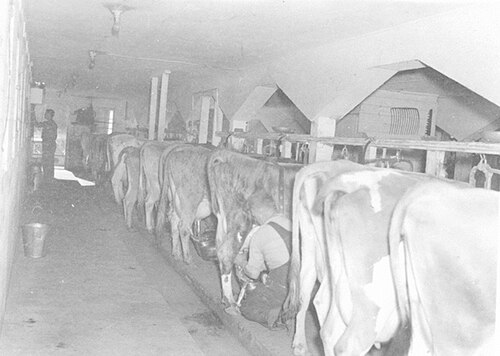
On a stanchion-barn farm the cows were milked where they stood, in the same space in which they were bedded, fed and in which they defecated. Teat preparation was a rag and a bucket, often the same rag down the line.
Bacterial counts reflected it. Modern American Grade A requirements specify separation of the milking area, single-use or sanitised preparation, and plate-count and somatic-cell limits that a 1960 stanchion barn would not have met.
6. The Bull Lived on the Farm
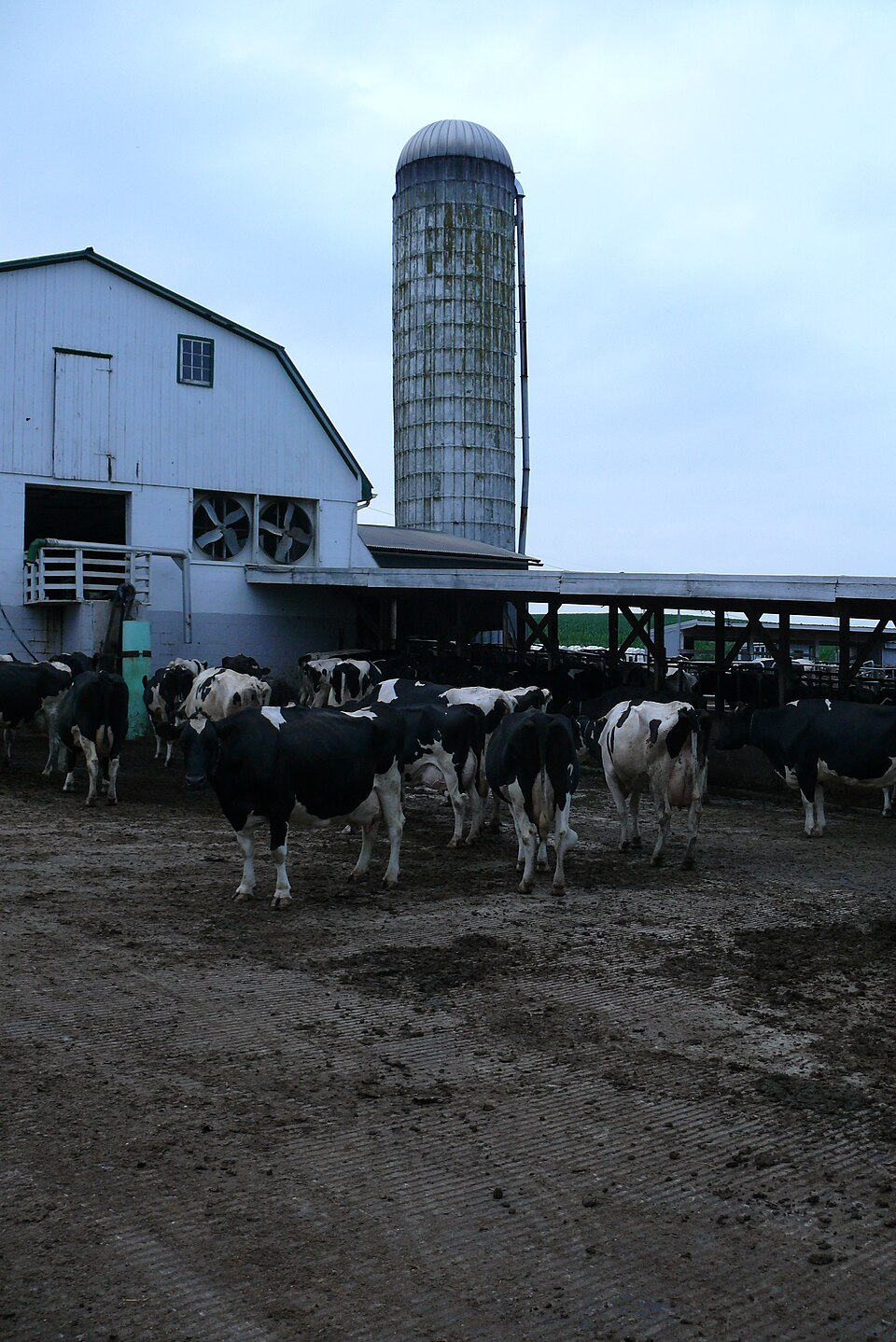
Before artificial insemination became general, a dairy farm kept a bull, and a dairy bull is among the most dangerous animals in American agriculture. He was handled by whoever was available, including children, with a pole, a nose ring and a good deal of luck.
Bull-related deaths were a regular feature of farm fatality records. Artificial insemination removed the bull from the majority of American dairy farms, and it is one of the few changes that nobody who remembers the bull argues about.
7. The Machinery Had No Guards
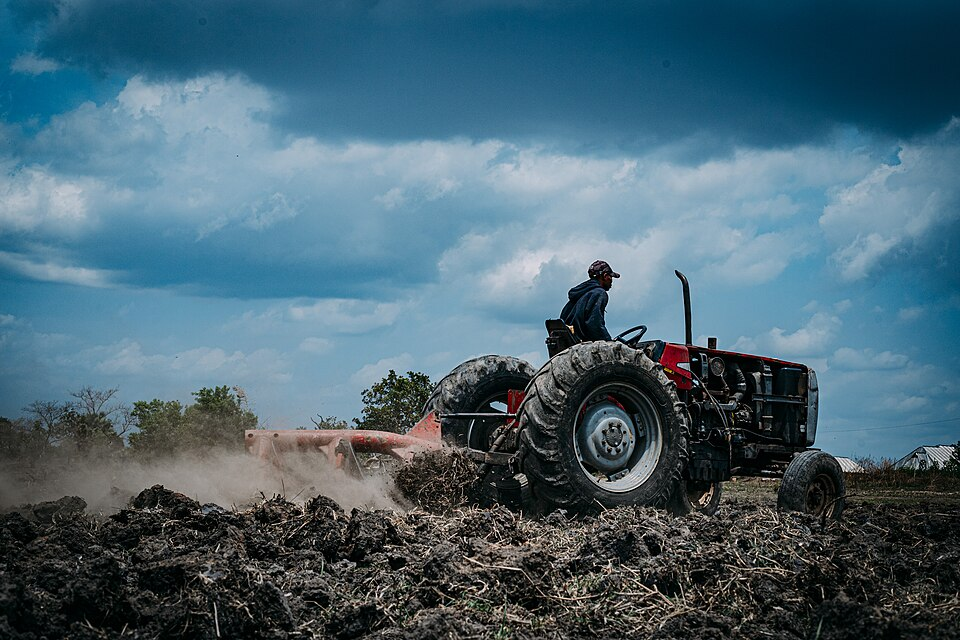
Power take-off shafts, belts, pulleys, augers, elevators and silo unloaders ran unguarded. The PTO shaft in particular – spinning at speed, at waist height, with nothing over it – was responsible for an appalling number of entanglement injuries.
Everybody knew it was dangerous and nobody stopped using it. Guarding of power take-off shafts and other drive components is now required on American equipment, and operating unguarded machinery is a violation on any farm with employees.
8. Nobody Wore Hearing Protection or a Mask
Tractors without cabs, grain augers, silo blowers, hammer mills and chainsaws were operated for hours without ear protection, and silos, haylofts and grain bins were entered without any respiratory protection at all.
Hearing loss was effectively universal among farmers of the generation, and respiratory illness from mould and dust exposure was common and poorly recognised. Hearing and respiratory protection are now required for agricultural employees, and confined-space entry into silos and bins is specifically regulated.
9. The Manure Went Wherever the Slope Took It
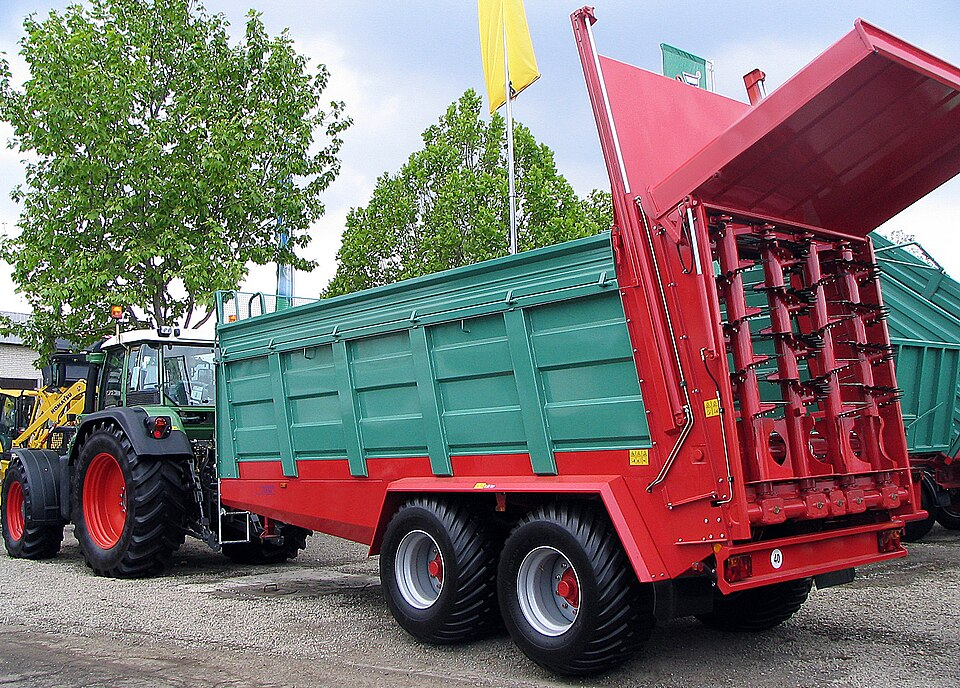
Manure was spread on fields when convenient, piled in the yard, and the runoff from the yard and the pile went into the nearest ditch, stream or pond. There was no containment, no storage requirement and no nutrient plan.
Multiplied across a million farms this was a very large and entirely unmanaged source of water pollution. Manure storage, containment and nutrient management are now regulated for American dairy operations above a size threshold, and discharge to surface water is prohibited.
10. The Veterinary Medicine Cabinet Was Unsupervised
Farmers treated their own animals, and the shelf in the milk house held antibiotics, hormones, dewormers and assorted compounds bought over the counter and administered by judgement. Withholding periods before a treated cow’s milk went back in the tank were a matter of the farmer’s own discretion.
Antibiotic residue in the bulk supply was a genuine and recurring problem. Veterinary prescription requirements, mandatory withholding periods and residue testing of bulk loads have since transformed this, and a positive test now carries serious consequences.
11. It Was Twice a Day, Every Day, Forever
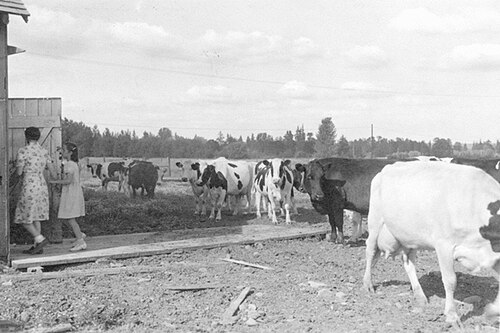
Cows must be milked twice daily, which meant the family could not take a day off, a holiday or a weekend, in any year, for as long as they farmed. Illness, weddings, funerals and childbirth were all worked around the milking.
This is the part that former dairy farmers describe most intensely and the part least visible from outside. It is also a substantial reason so many families eventually left the business.
12. A Farm With Thirty Cows Could Support a Family
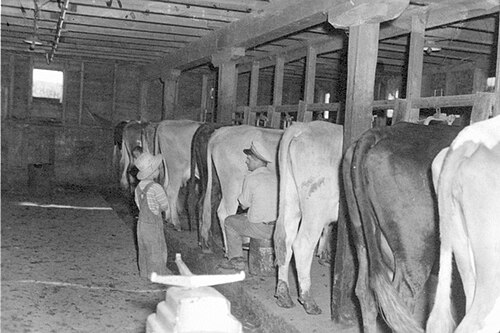
In 1960 a herd of twenty-five or thirty cows, worked by a family, produced a living. The milk price relative to costs, the availability of a local creamery, and the absence of today’s capital requirements made a small operation viable.
That ceased to be true, comprehensively and fairly quickly. The overwhelming majority of American dairy farms that existed in 1960 are gone, the surviving herds are vastly larger, and the small family dairy is the clearest single example of consolidation in American agriculture.
What Closed Them, and What Did Not
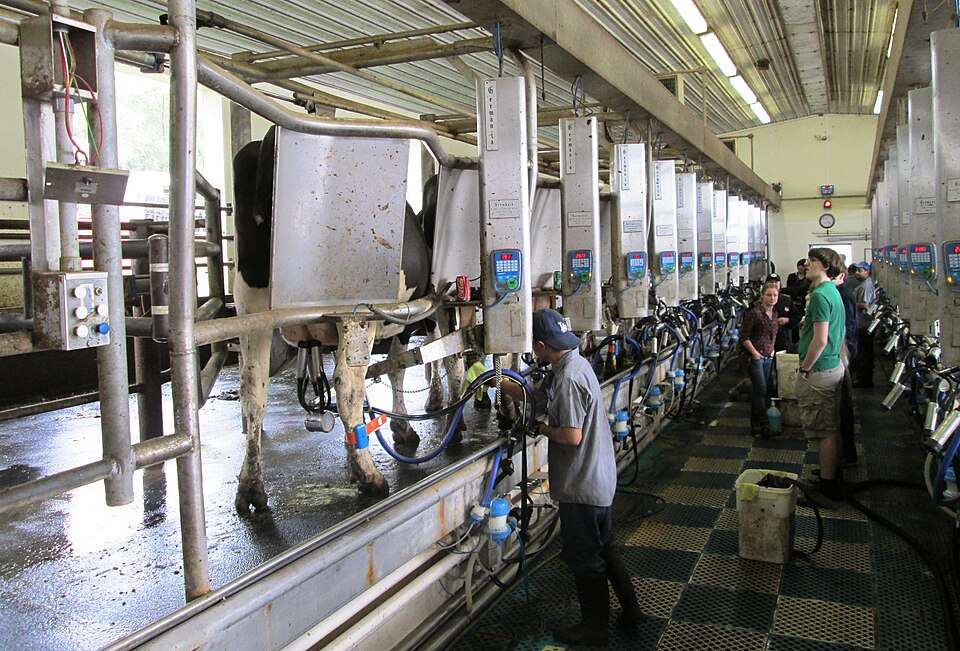
Six of these would now end the operation: children under sixteen running machinery and handling livestock outside the narrow parental exemption, can cooling for Grade A milk, supplying unpasteurised milk beyond the household, the organochlorine fly sprays, a stanchion barn’s sanitation against modern plate-count and somatic-cell limits, and unguarded power take-off and drive components with anybody employed on the place.
But none of that is why the farms disappeared, and it is worth being clear about the distinction. Food-safety, labour and environmental regulation changed how dairy farming is done and raised the cost of entry considerably. What actually removed a million American dairy farms was the arithmetic: milk prices that fell relative to costs, capital requirements that rose faster than a thirty-cow herd could service, the closure of local creameries, and the bulk-tank and refrigeration requirements that each demanded investment a small operation could not justify.
The regulation was mostly justified on its own terms, and it also happened to arrive at the same time as an economic squeeze that was going to consolidate the industry regardless.
The nostalgia for the small dairy farm is real and it is held most strongly by the people who left one. They remember the barn in winter, the smell of silage, the whole family working, and knowing every animal by name and temperament.
They also remember an eight-year-old on a tractor, the bull in the pen that nobody wanted to go into, the uncle who lost an arm to a power take-off shaft, and not having a single day off in nineteen years. Most of the things on this list that are now prohibited were prohibited for reasons the farmers themselves could have named.
Like our content? Follow us for more.