

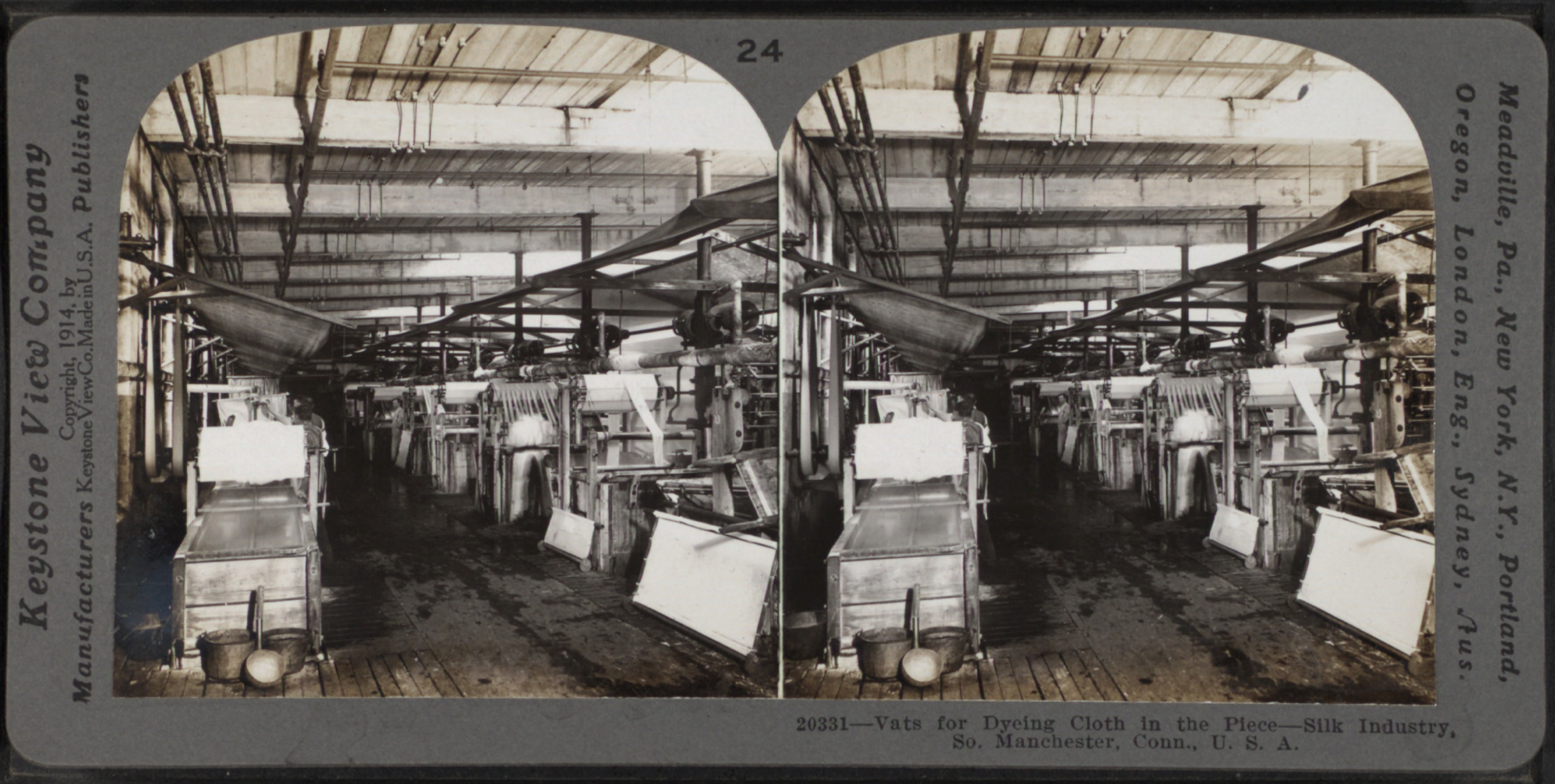
In 1960 the colour in cloth was decided by a man holding a wet sample against a reference at a north-facing window, working from recipes written in his own notebook in his own notation, which he regarded as his personal property.
The chemicals were weighed by hand out of open sacks. The vats were open and boiling. Everything was lifted wet. And the used liquor went into the river, which changed colour accordingly.
Here are eleven things that were ordinary in a dyeworks in 1960, and what became of each one.
1. The River Downstream Told You What Colour They Were Running
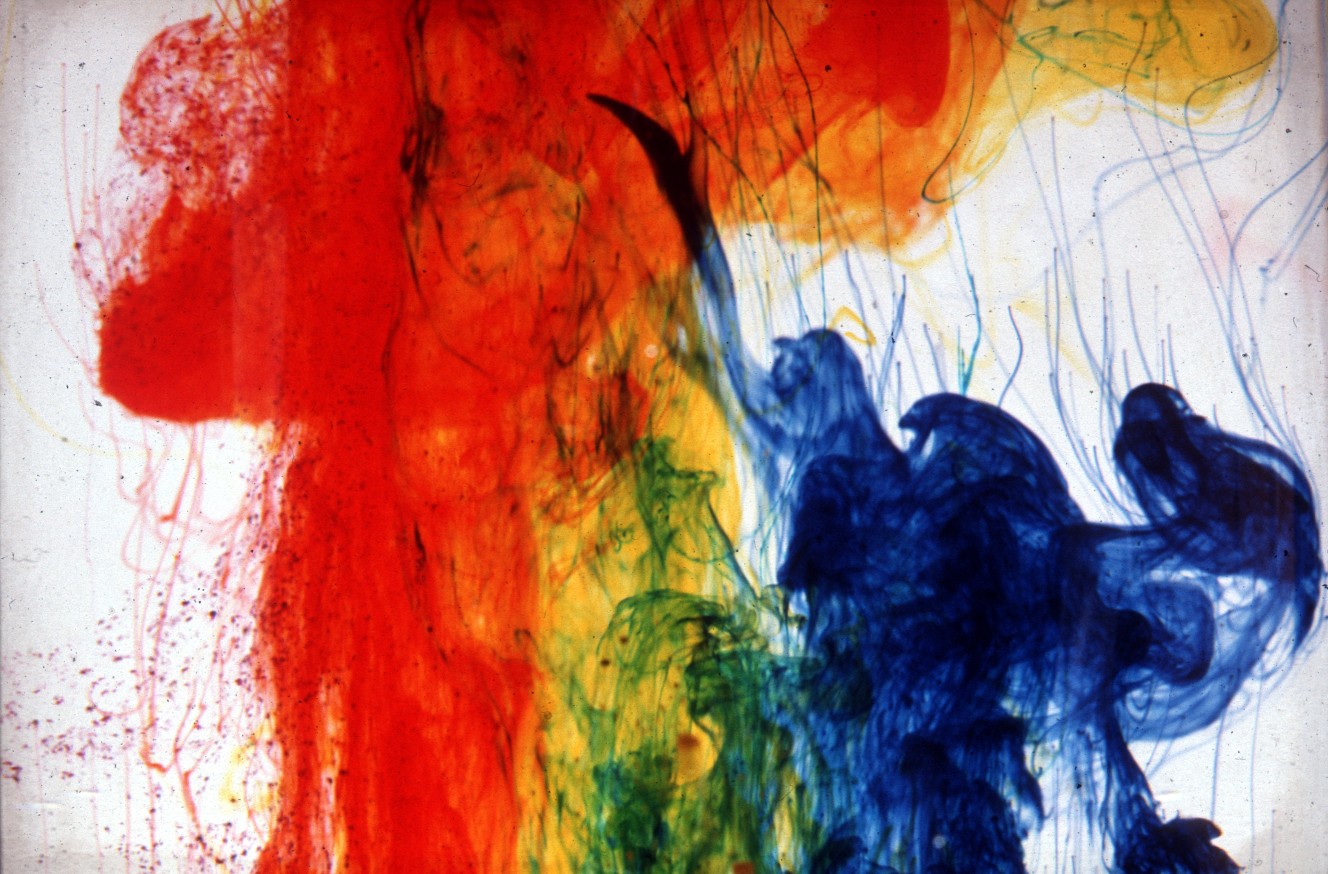
Dye liquor was discharged after use, and in a dyeing district the watercourse below the works changed colour according to what was in the vats that week. People knew the week’s orders by looking at the water.
Discharge consents, effluent treatment, colour removal and water recycling transformed this, and rivers in former textile districts are now in better condition than at any point since industrialisation. The coloured river is the most frequently recounted detail about these works and the most complete reversal on the list.
Like our content? Follow us for more.
2. The Shade Was Matched by Eye Against a Sample in Daylight
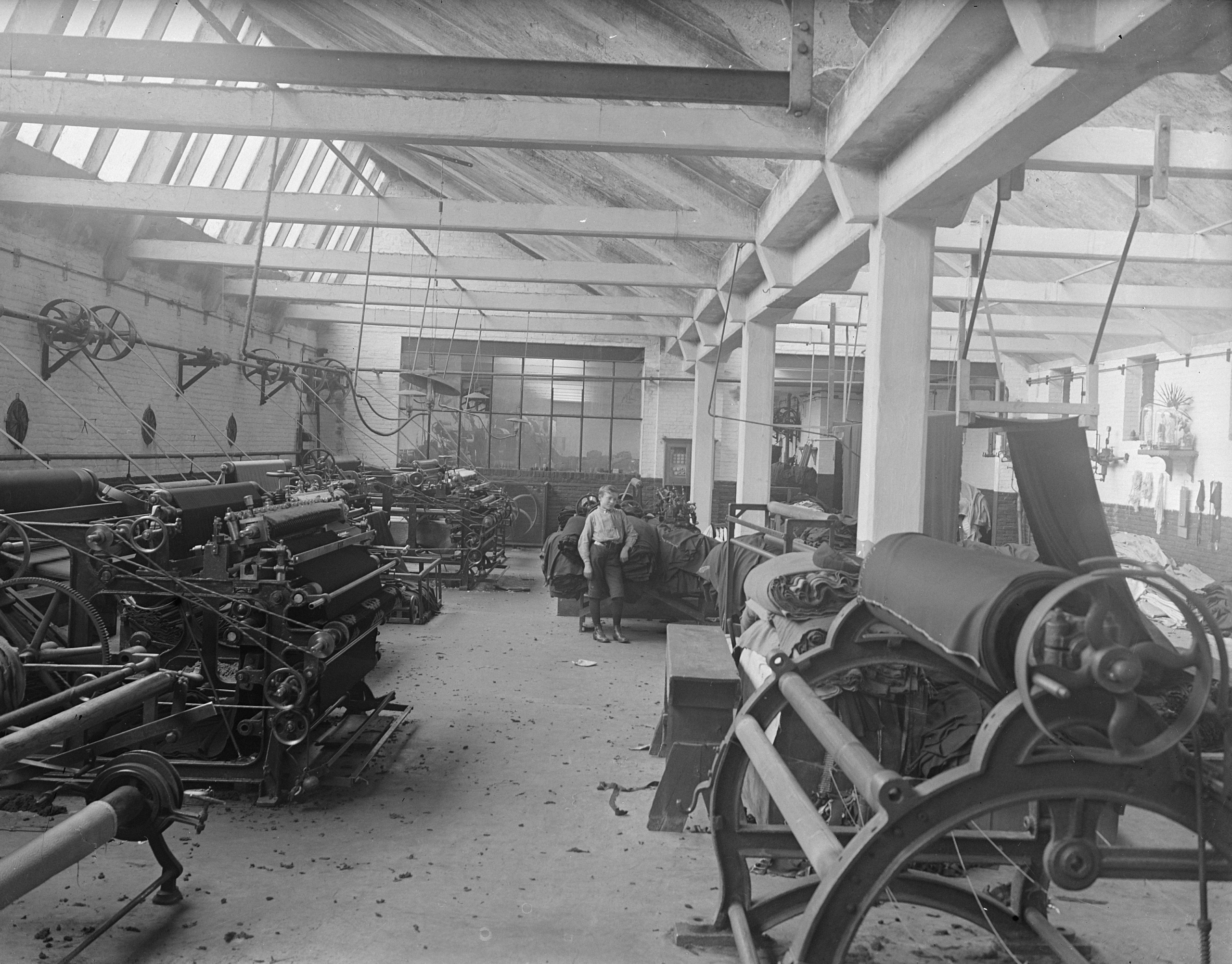
Colour matching was done by a dyer holding a wet sample against a reference in north light at a window, and deciding whether it was right. His judgement determined whether a batch was accepted or re-dyed.
Spectrophotometers, standardised light booths, numerical colour specification and recipe prediction software replaced the window. Colour matching by eye is a genuine skill that very few people possess to that standard, it was effectively untransferable, and it was also the single largest source of disputes with customers.
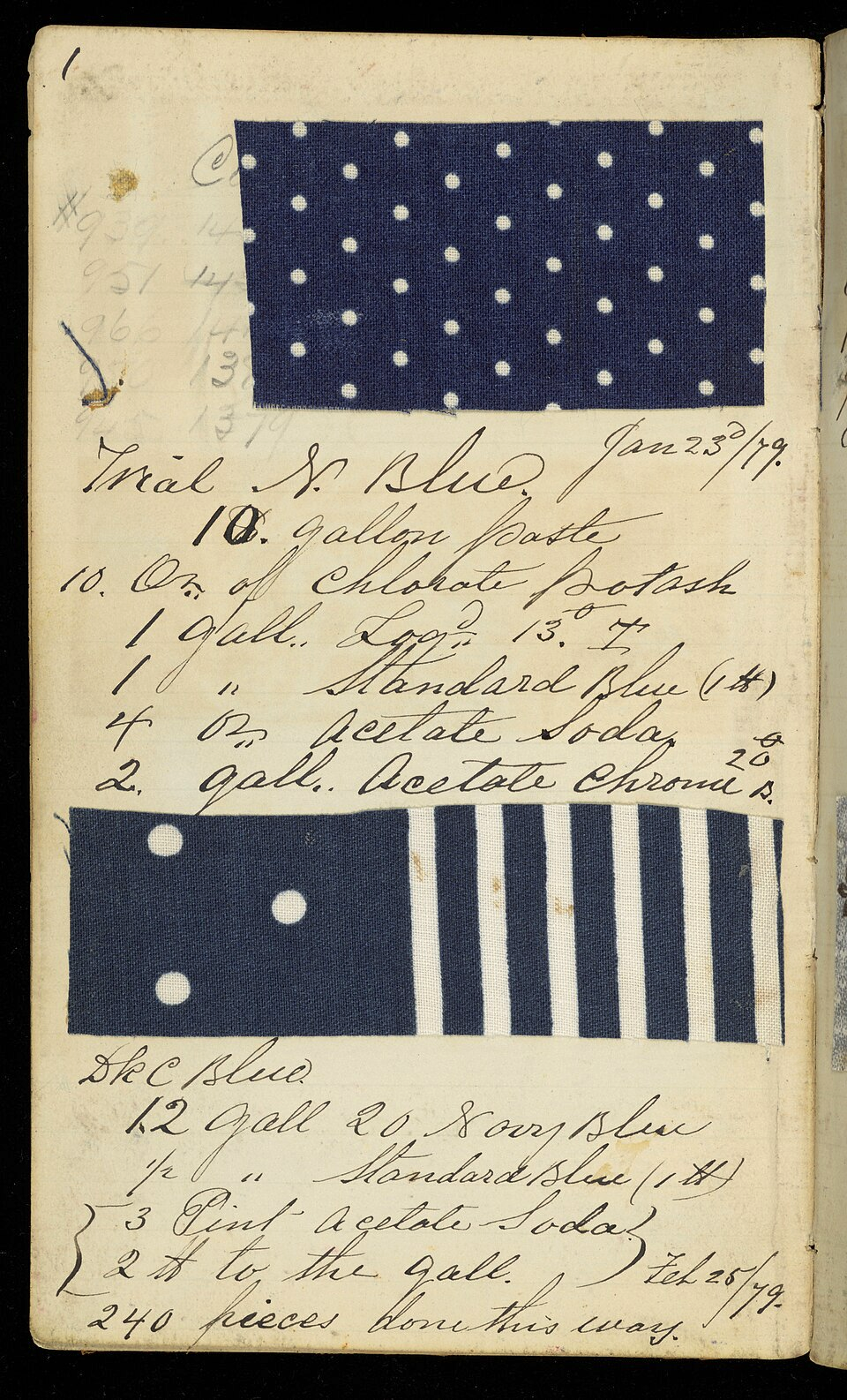
3. Recipes Were in One Man’s Notebook and He Did Not Share It
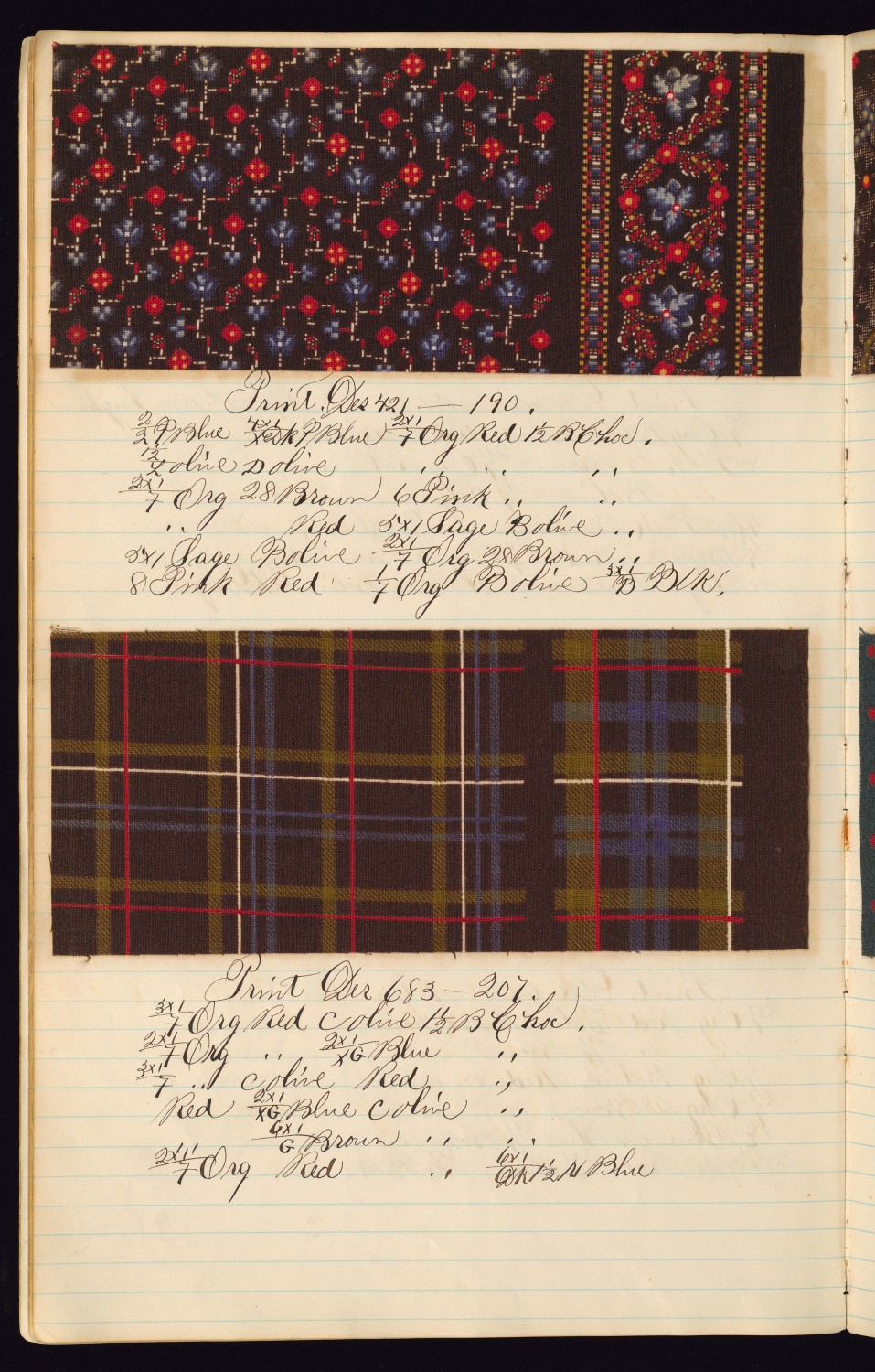
Dye recipes – quantities, sequence, temperatures, timings, the small corrections that made a particular shade reproducible – were recorded by the head dyer in his own book, in his own notation, and treated as personal property.
Recipe management systems, laboratory standardisation and documented procedures replaced the notebook. The notebook was a real commercial asset and a real vulnerability: a works could lose the ability to reproduce its own colours if the dyer left, retired or died, and this demonstrably happened.
4. The Chemicals Were Handled by Hand From Open Sacks and Drums
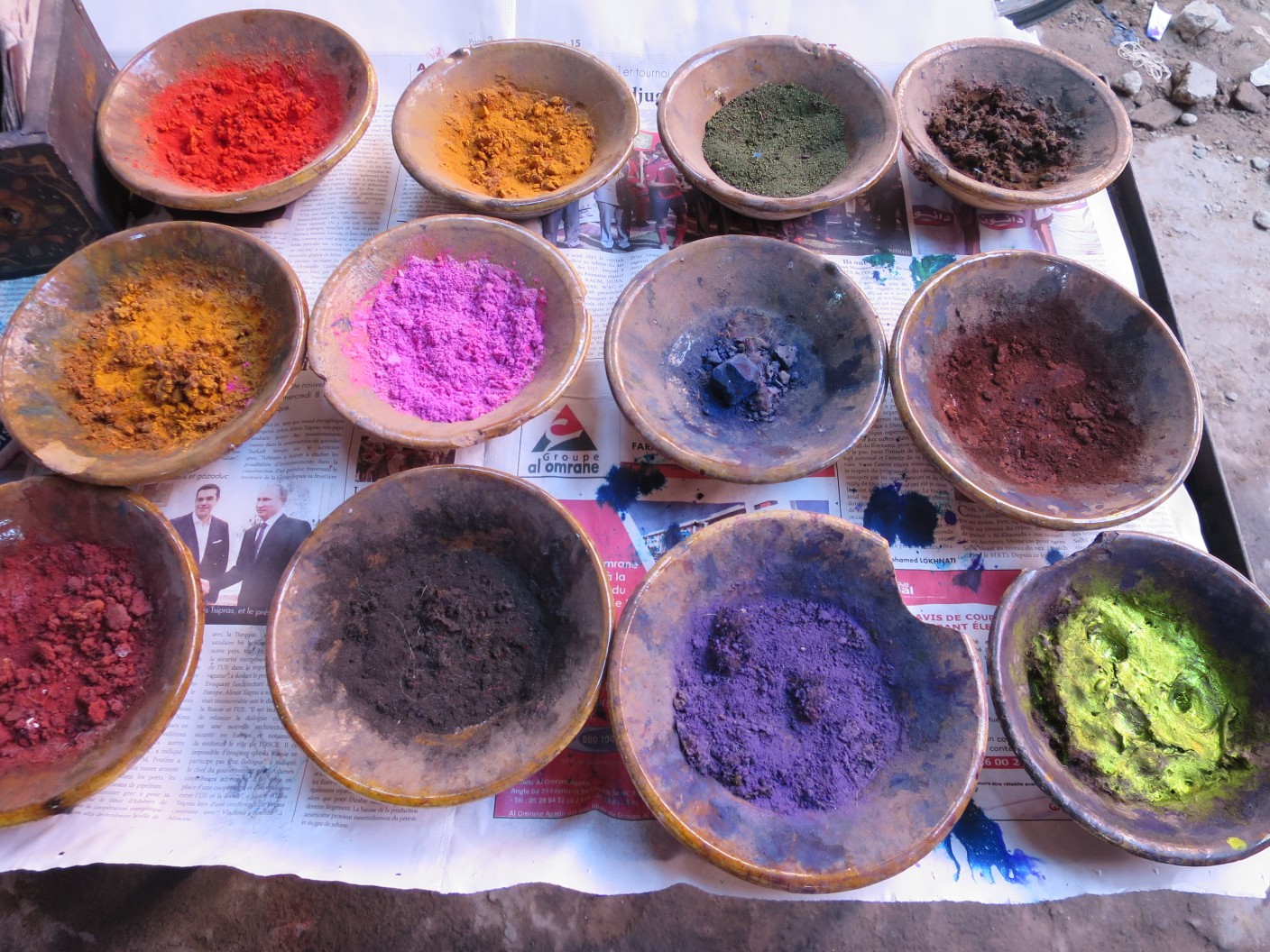
Dyestuffs, mordants, acids, alkalis and assorted auxiliaries were weighed out of open containers by hand and tipped into vats, in powder form, in rooms with no extraction.
Enclosed dosing, pre-weighed and liquid dispensing, local exhaust ventilation, substitution of the most hazardous materials and exposure limits have changed this completely. Certain dye intermediates in use historically were subsequently identified as causing serious occupational disease and were prohibited. This is stated as occupational history. Anybody with that work history should raise it with their own doctor rather than with an article.
5. The Vats Were Open and the Steam Filled the Building
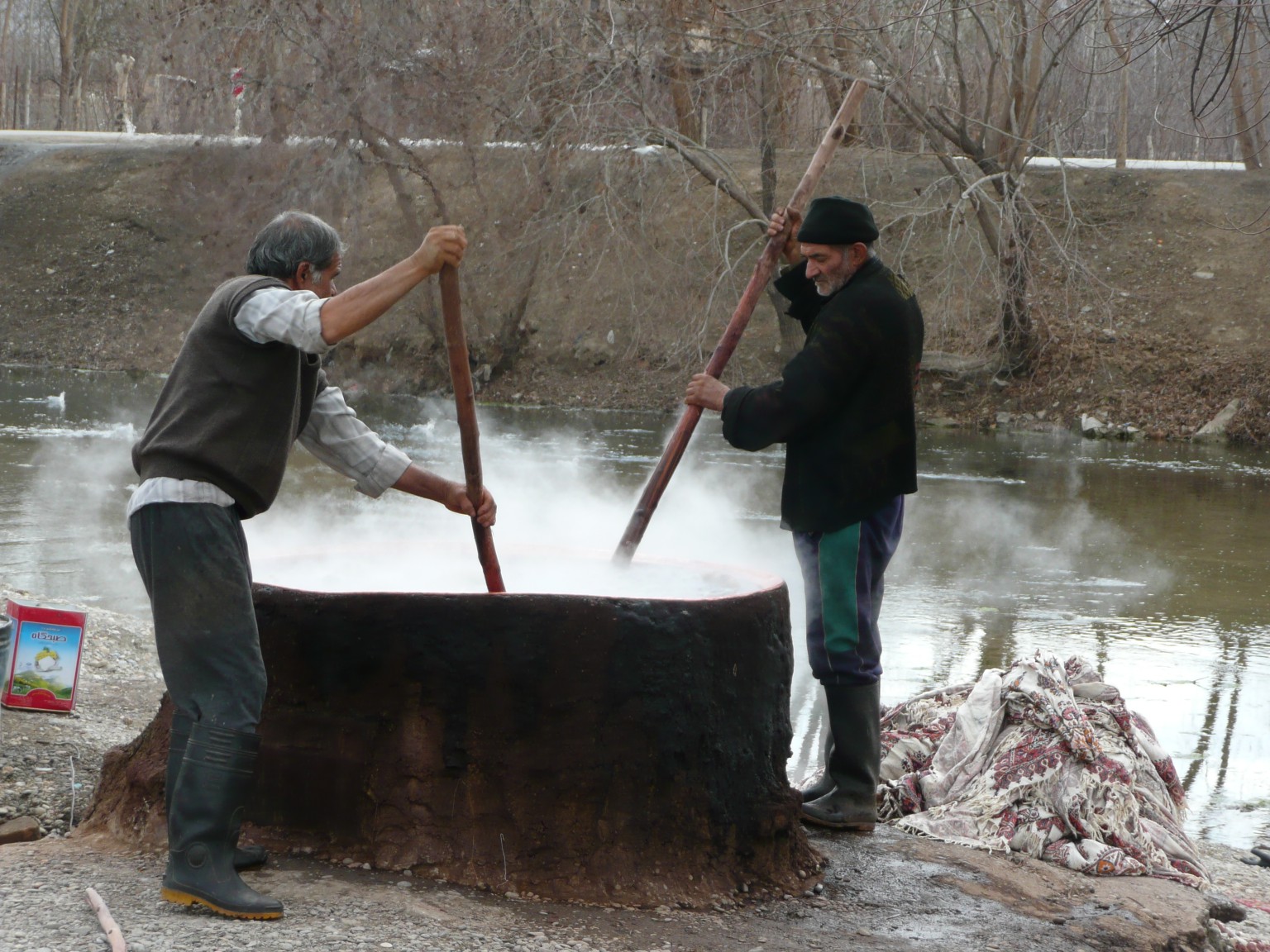
Dyeing is done hot. Open vessels at or near boiling meant a working atmosphere of steam carrying whatever was in the liquor, and a building in which you could not see from one end to the other.
Closed and pressurised dyeing machines, extraction and heat recovery removed the steam and the exposure together. The visibility is the part that former workers mention: an environment where you worked largely by sound and familiarity because you frequently could not see.
6. Everything Was Lifted Wet
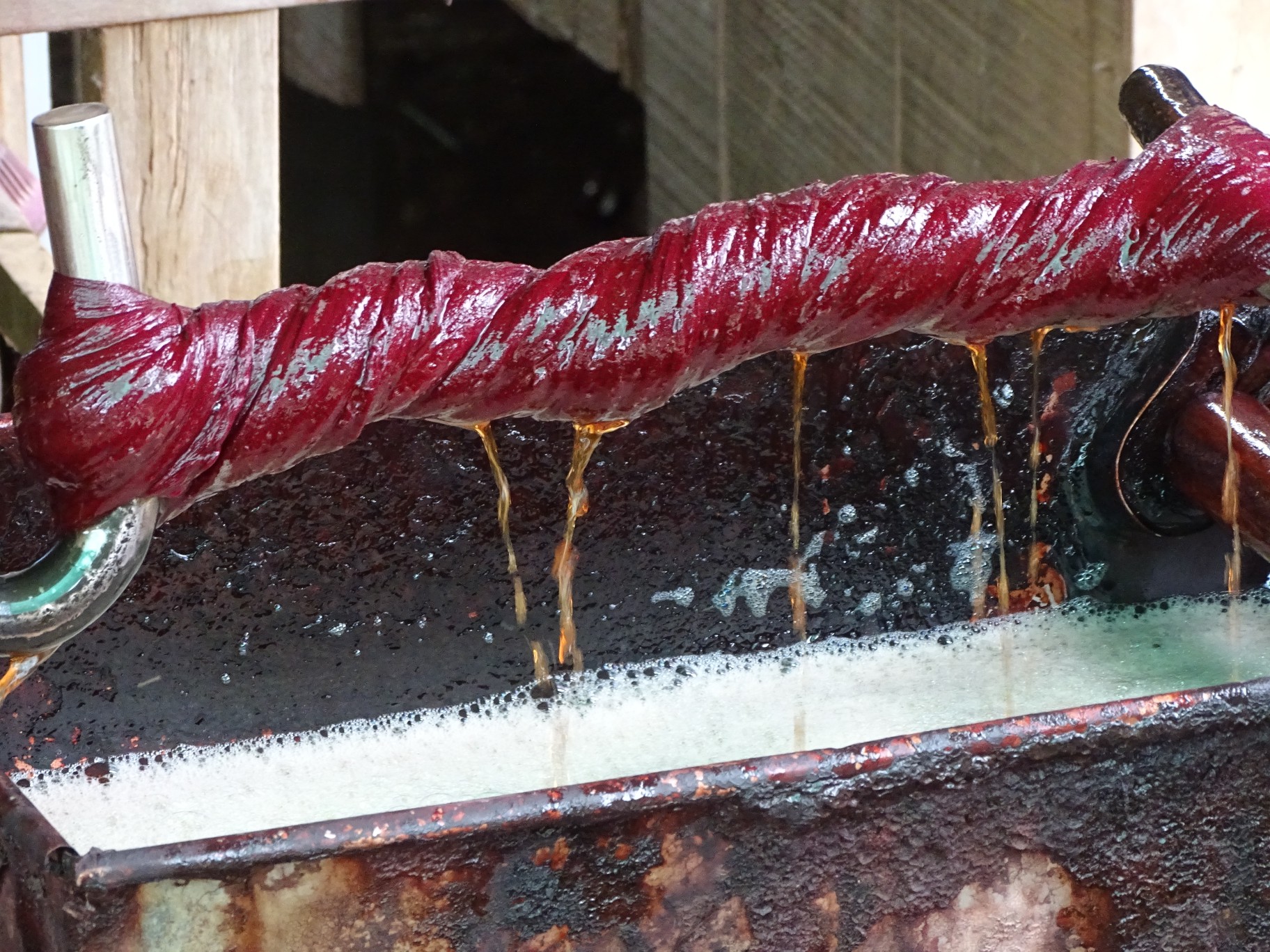
Wet textile is extraordinarily heavy. Loading and unloading vats, moving lengths of cloth and hanks of yarn, and handling it between processes was done by hand, soaked, all shift.
Mechanical handling, hydro-extraction before moving material, and machines that load and unload themselves eliminated most of it. The weight of wet cloth is the single most underestimated fact about textile work and it accounts for most of the physical toll of the trade.
7. The Water Supply Decided Where the Works Could Be
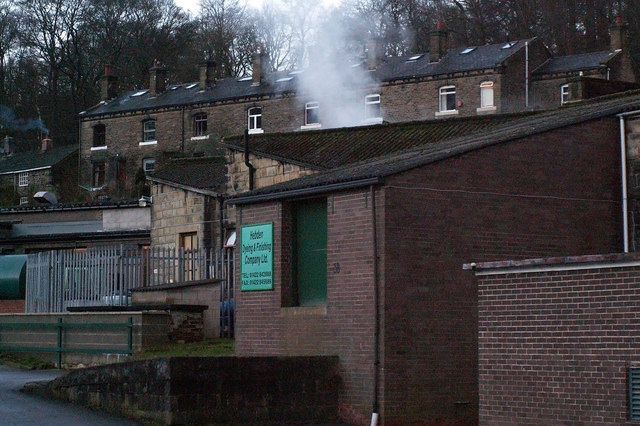
Dyeing requires enormous volumes of water of a particular quality – soft water in particular – and works were sited on specific rivers for that reason, which is why entire textile industries cluster in certain valleys and nowhere else.
Water treatment made the natural chemistry of the supply far less decisive, and recycling reduced the volumes. The geography of the textile industry is a map of water quality, which is why those districts are where they are and why nothing comparable grew up elsewhere.
8. Natural Dyestuffs Were Still in Use Alongside Synthetic Ones
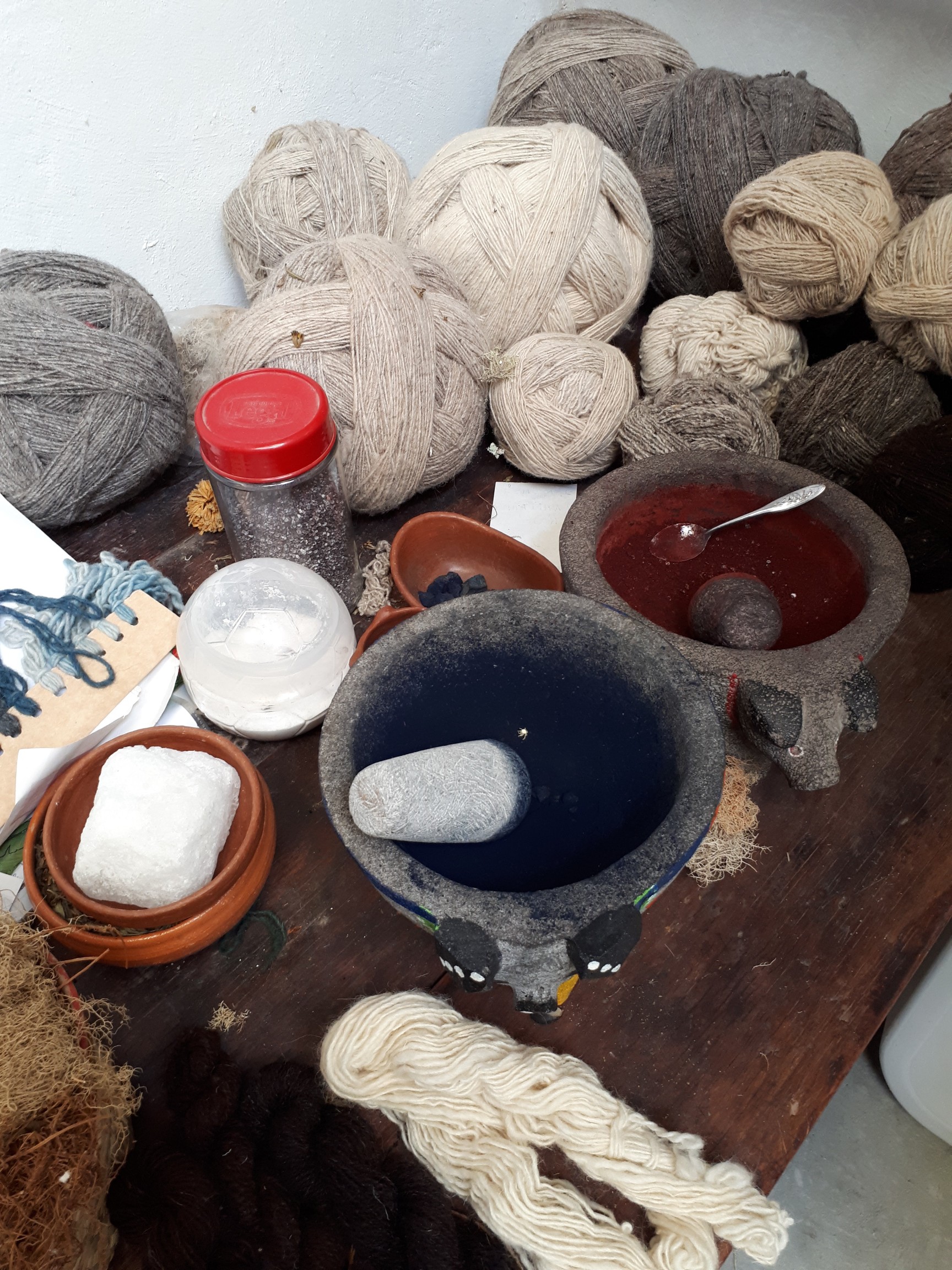
Some colours were still obtained from plant and insect sources, with the practical consequence that a shade depended on the harvest and the batch, and consistency between deliveries could not be relied on.
Synthetic dyes displaced almost all of it, and the gain was consistency rather than brightness – a synthetic dye arrives the same every time. Natural dyeing survives as a craft and a small premium market, where the variability is reframed as character, which is the same transformation the hand-made brick underwent.
9. The Works Ran to the Fashion Calendar and Nothing Else Mattered
Colour demand is seasonal and arbitrary. A works geared up for whatever shades the season required, and a wrong guess or a late change left it with unsellable stock and idle vats.
Faster turnaround, smaller batch dyeing and dyeing later in the production sequence have reduced the exposure considerably. The fundamental problem has not changed: a dyer is forecasting what colour people will want in nine months, and nobody has solved that.
10. Nobody Thought the Whole Industry Could Leave
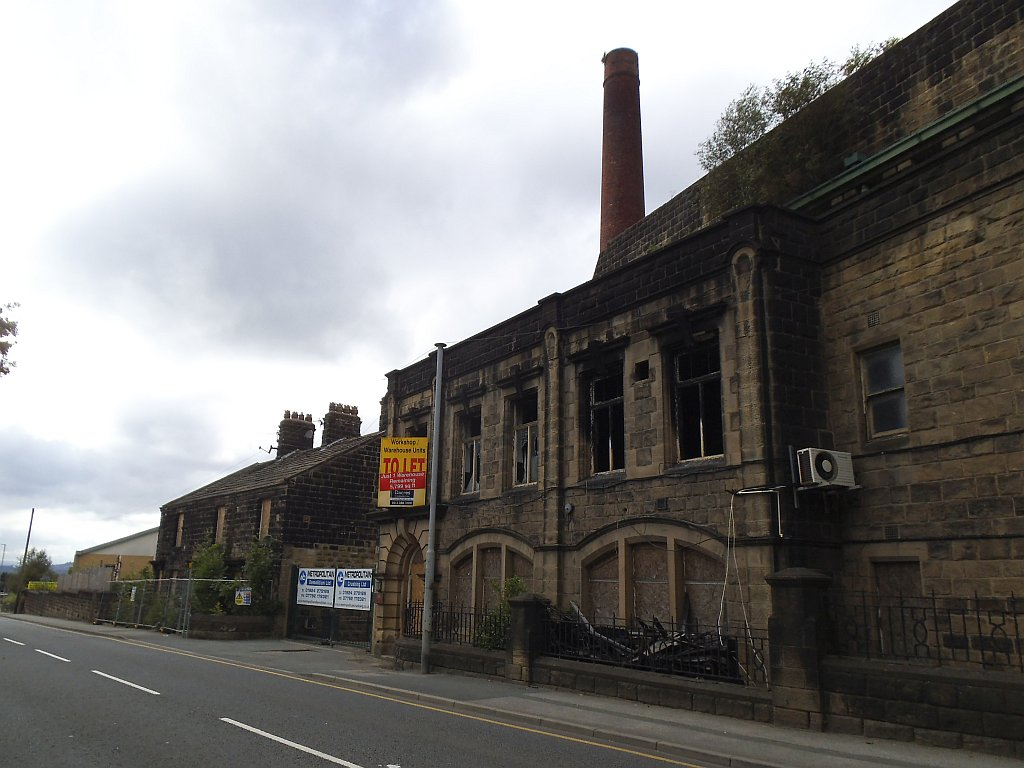
In 1960 dyeing and finishing sat beside spinning and weaving in the same districts because the material had to move between them physically, and that integration looked permanent.
The industry relocated to lower-cost regions over roughly two decades, and because dyeing was tied to the weaving it followed the weaving out. The works were specialised buildings on constrained riverside sites with contaminated ground, which made them far harder to repurpose than most industrial premises – so many simply stood empty for years.
11. The Colour Got Into Everything and Never Left
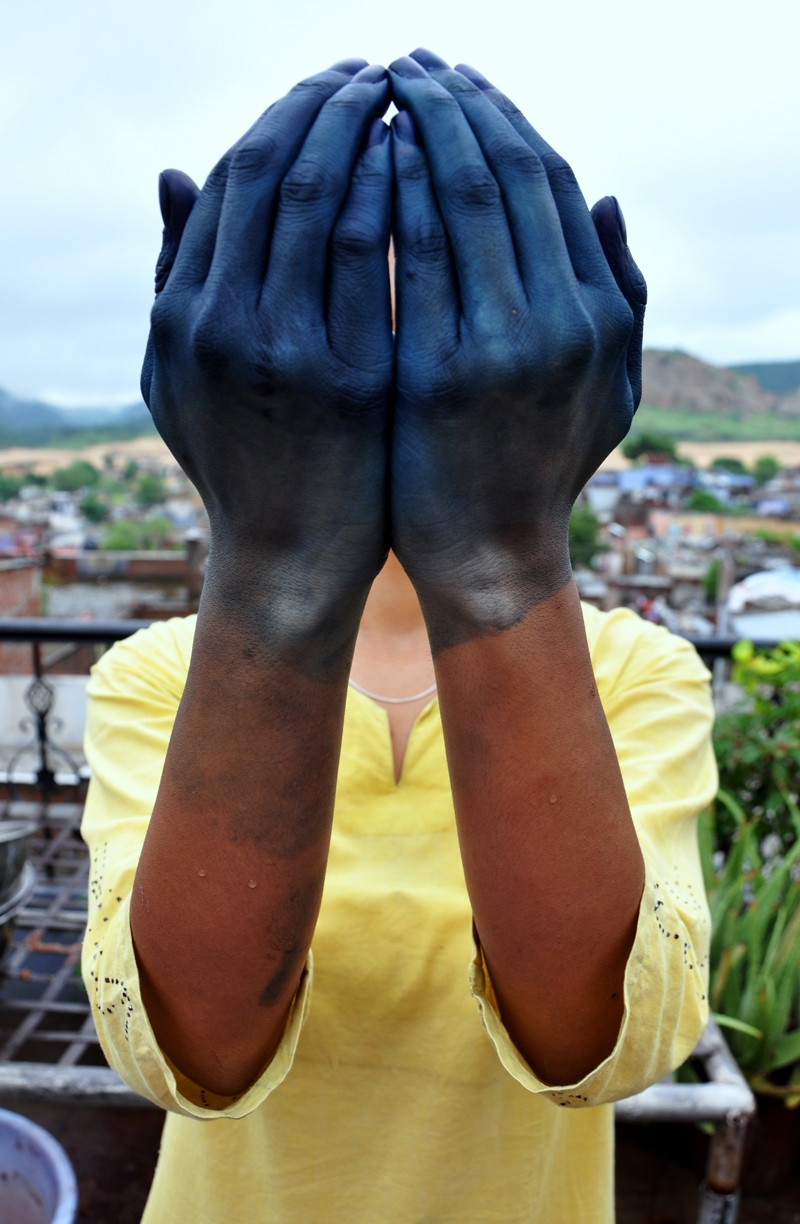
Dye in use does not stay where it is put. It was in the floors, the walls, the overalls, the hands and under the fingernails of everybody in the building, and a dyer’s hands announced his trade.
Enclosed processes removed it. The stained hands were the trade’s badge in exactly the way the hop picker’s were, and in a dyeing town a man’s occupation and frequently his department were readable from across the street – which is a form of visible working identity that has essentially disappeared from every industry.
The Notebook Was the Whole Business
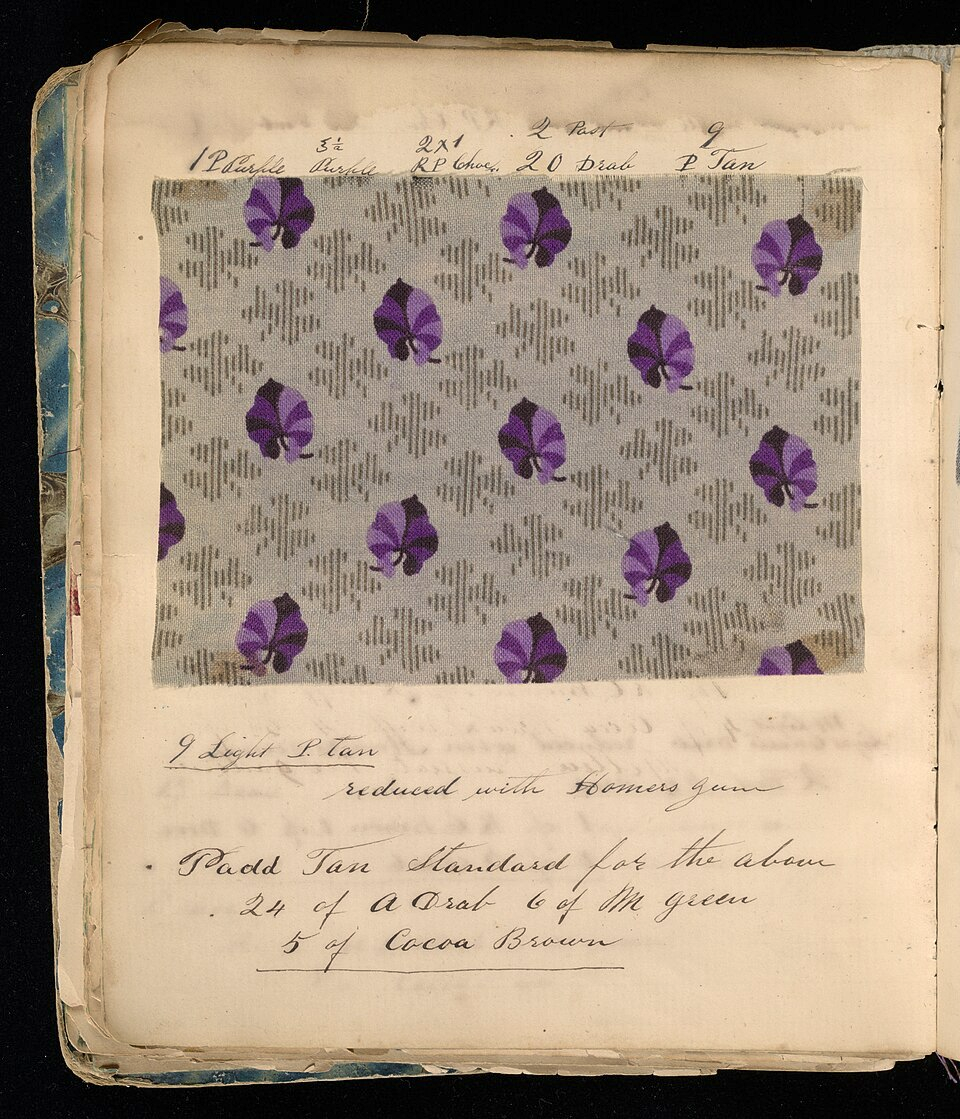
The detail here that has no modern equivalent is the head dyer’s notebook.
Reproducing a colour is harder than it sounds. The same dyestuff on the same fibre at the same concentration will not give the same result if the water chemistry differs, the temperature curve differs, the sequence of additions differs, or the material was prepared differently. Getting a specified shade reliably requires a recipe that accounts for all of it, and those recipes were arrived at empirically, by trial, over years.
The man who did that work wrote it down for himself. In his own shorthand, with his own corrections, in a book he kept. It was not company property in any meaningful sense, it was frequently not legible to anybody else, and it was never complete, because a substantial part of it remained in his head as the judgement that turned the written recipe into the actual result.
Which means a dyeworks’ ability to make its own products was held in one man’s handwriting and one man’s memory.
Works lost colours when dyers left. Works lost colours when dyers died. A competitor could acquire a capability by hiring a person. And a dyer in dispute with his employer held a position that very few employees in any industry have ever held.
The systems that replaced it – standardised laboratory procedure, numerical colour specification, documented recipes, instrumental matching – look like bureaucracy and are in fact the resolution of an enormous and entirely unmanaged business risk. They also ended the one form of bargaining power that the most skilled person in the building ever had.
If you worked in dyeing you will know the colour of your own hands and what the river did.
Which works was it, and is the building still standing?
Like our content? Follow us for more.
