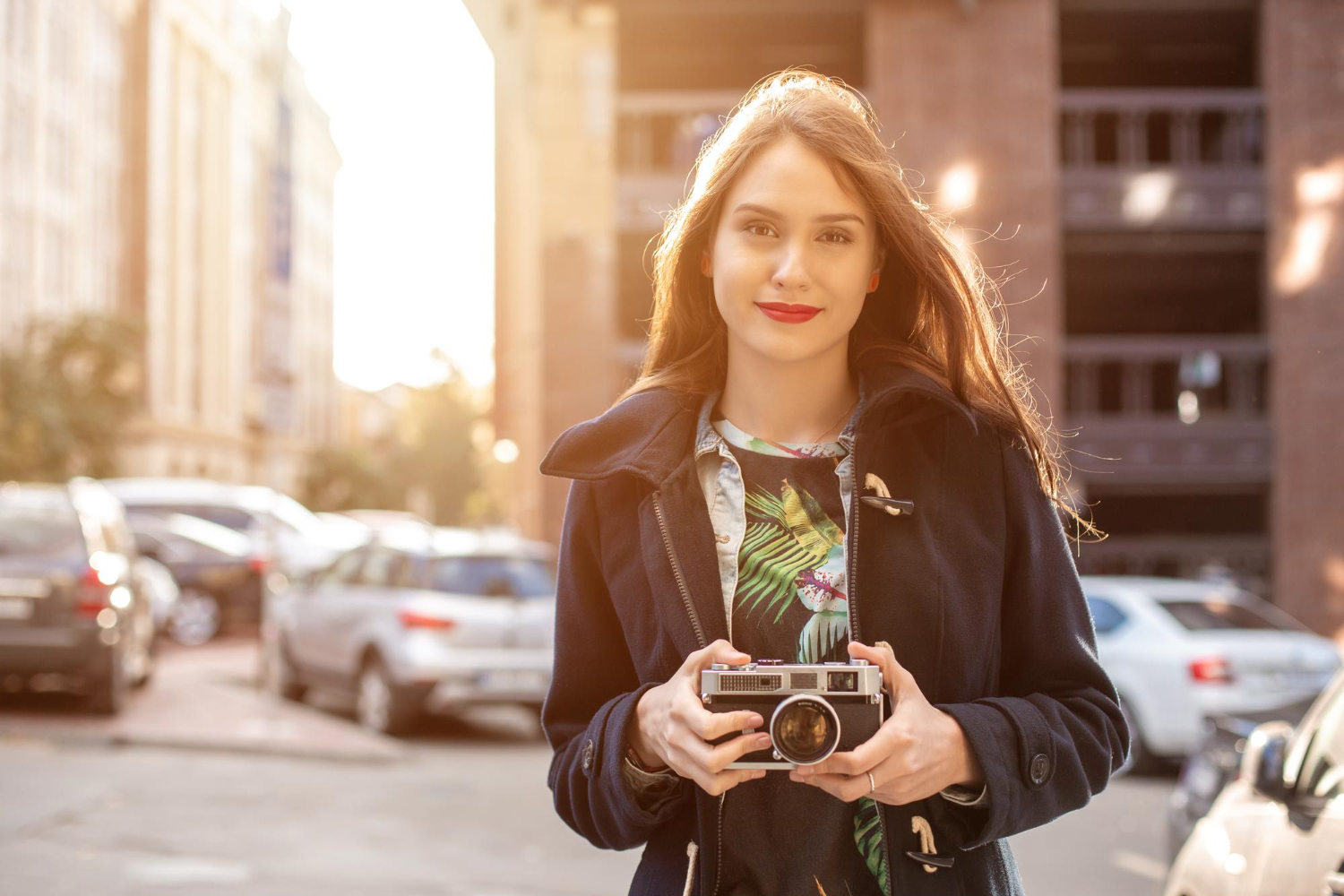
The single most useful realisation is that the famous view has been photographed by everyone who came before you, from the same place, and you cannot improve on it by standing there. Here are eleven alternatives.
1. Turn Around
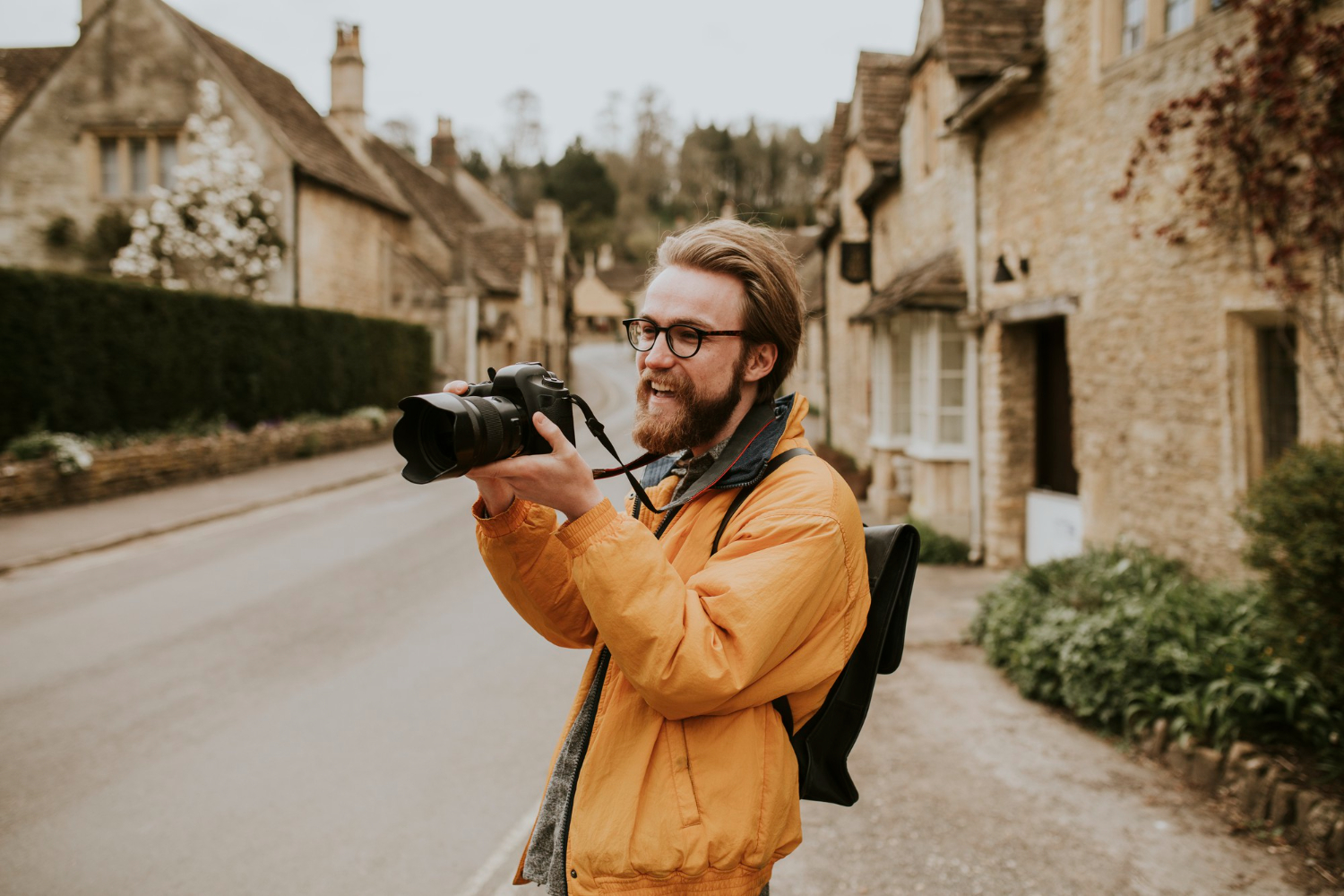
At every viewpoint there is a crowd facing one direction and nobody facing the other. The view behind you is frequently more interesting and is certainly less photographed.
It costs nothing to check. Turning around is the photographic habit that produces the most unexpected results for the least effort.
Like our content? Follow us for more.
2. Photograph the Ordinary Things
Shopfronts, doorways, buses, laundry, road markings, packaging and the way people queue are what actually differ between countries, and nobody photographs any of them.
In ten years those are the pictures that will surprise you. Photographing the ordinary is what makes a set of images recognisable as a specific place.
3. Wait Ten Minutes
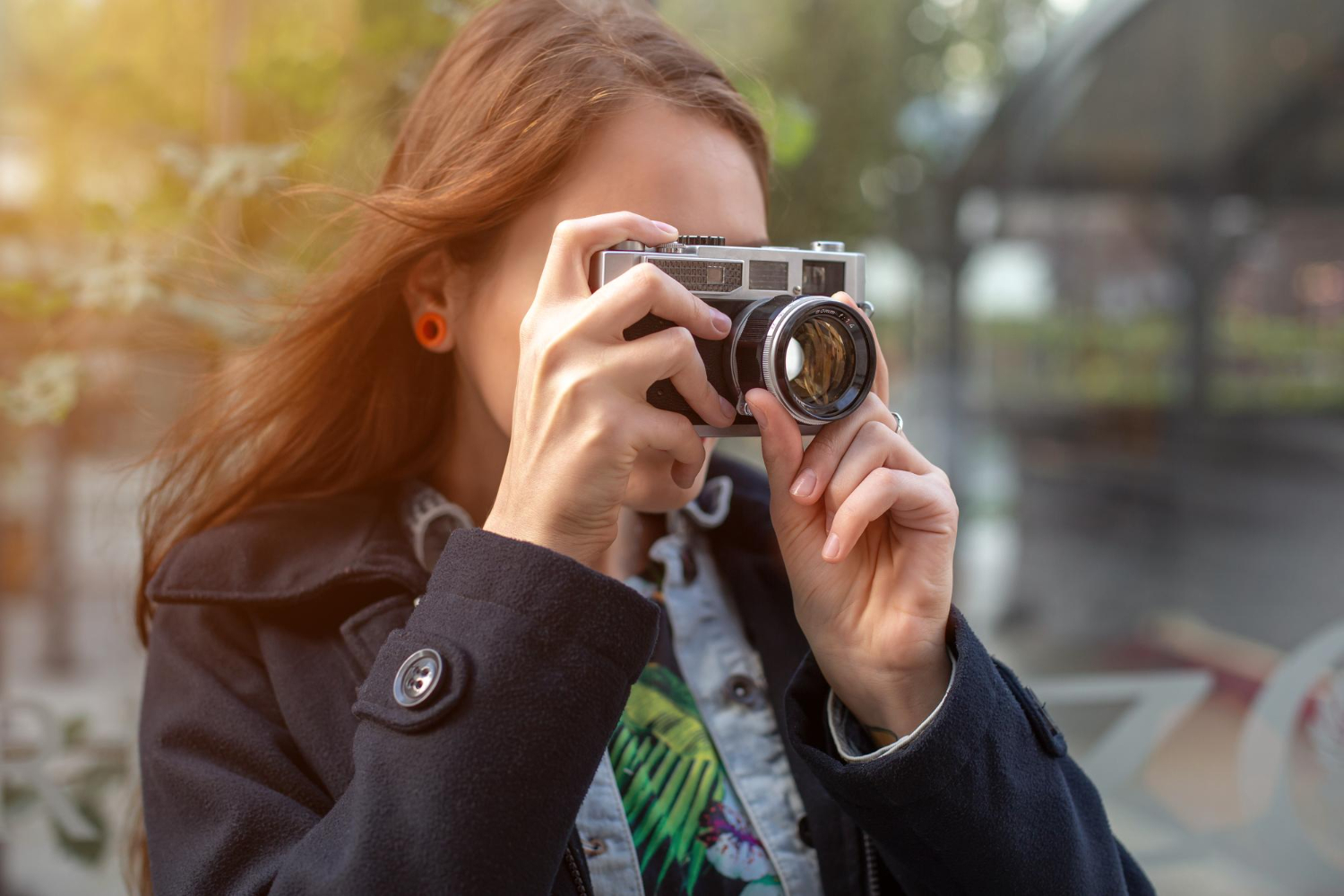
Photographers arrive, take the shot and leave. Standing still for ten minutes changes the light, moves the crowd and produces something nobody else waited for.
Almost nothing improves a picture as reliably as patience. Waiting is the technique that requires nothing but a willingness to stand there.
4. Ask Before You Photograph Anyone
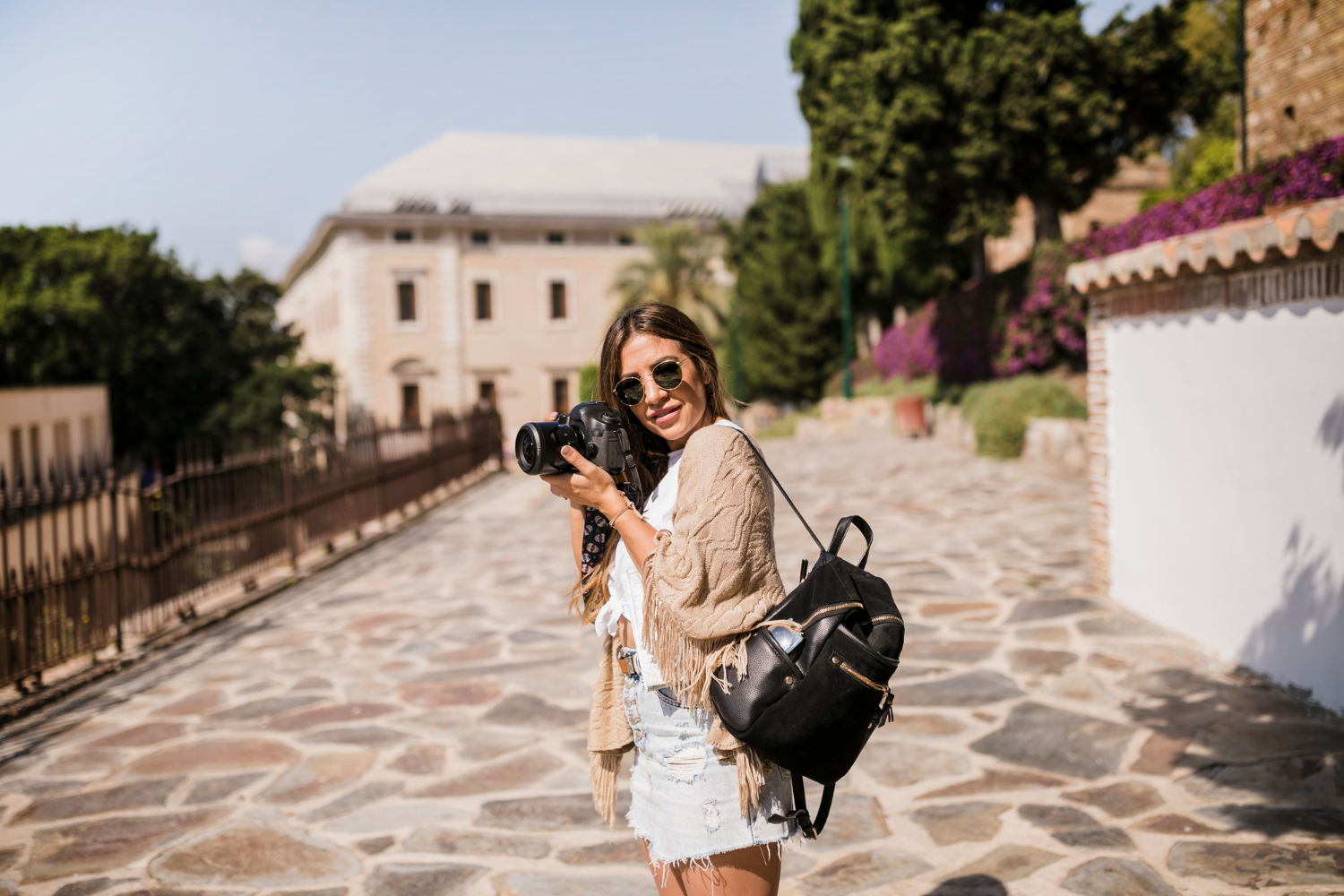
A person going about their day is not a subject, and photographing someone at close range without acknowledgement is intrusive anywhere in the world.
A gesture and a smile usually get a yes, a refusal should be accepted immediately, and nobody in distress or in a situation they did not choose should be photographed at all. Asking first is the single most important thing on this list.
5. Get Much Closer Than Feels Comfortable
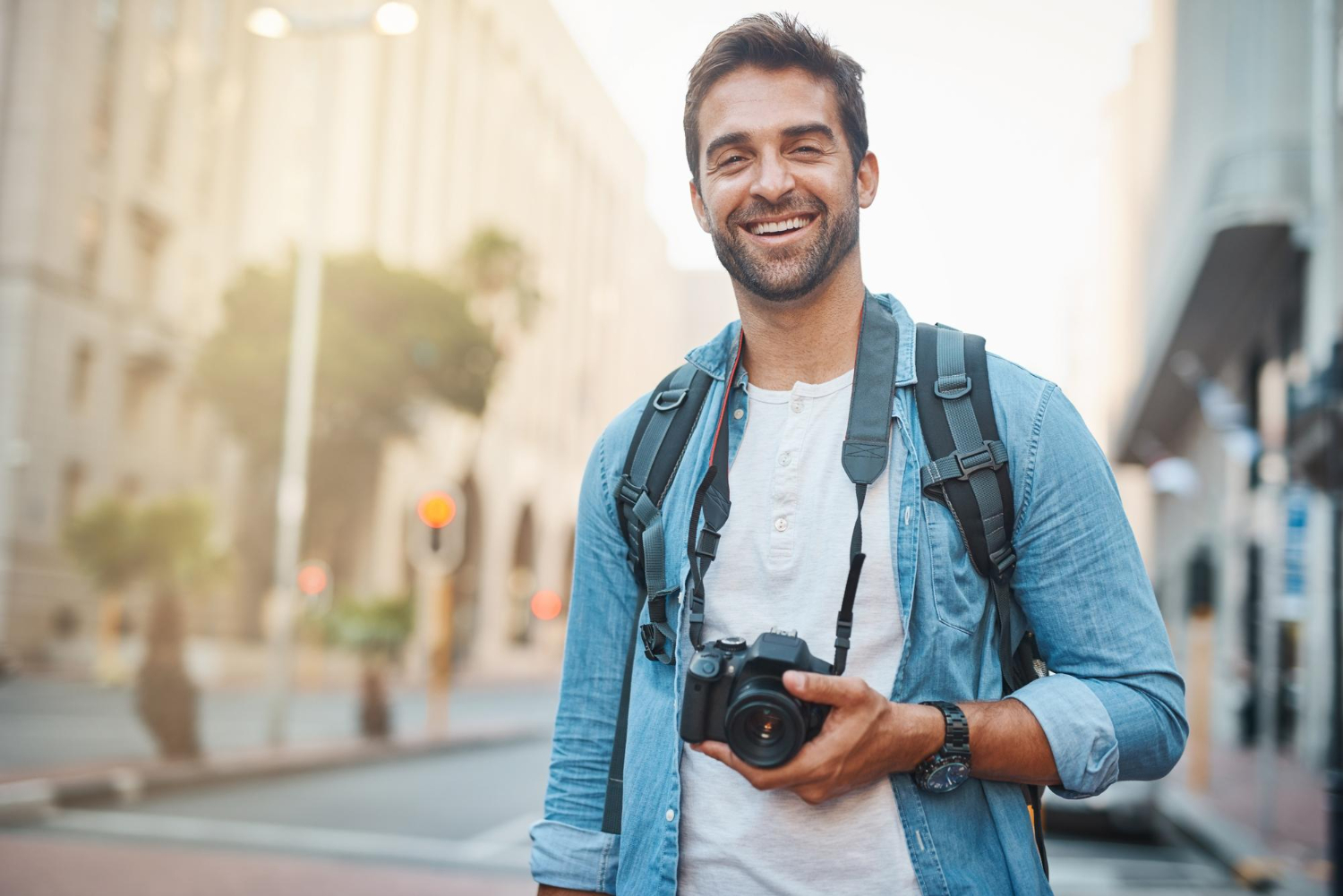
Most disappointing photographs contain too much. Filling the frame with one thing – a hand, a sign, a texture, a detail – almost always produces a stronger image than including the whole scene.
Step forward rather than reaching for a zoom. Getting closer is the correction that fixes the largest proportion of weak pictures.
6. Go at the Hours Nobody Else Does
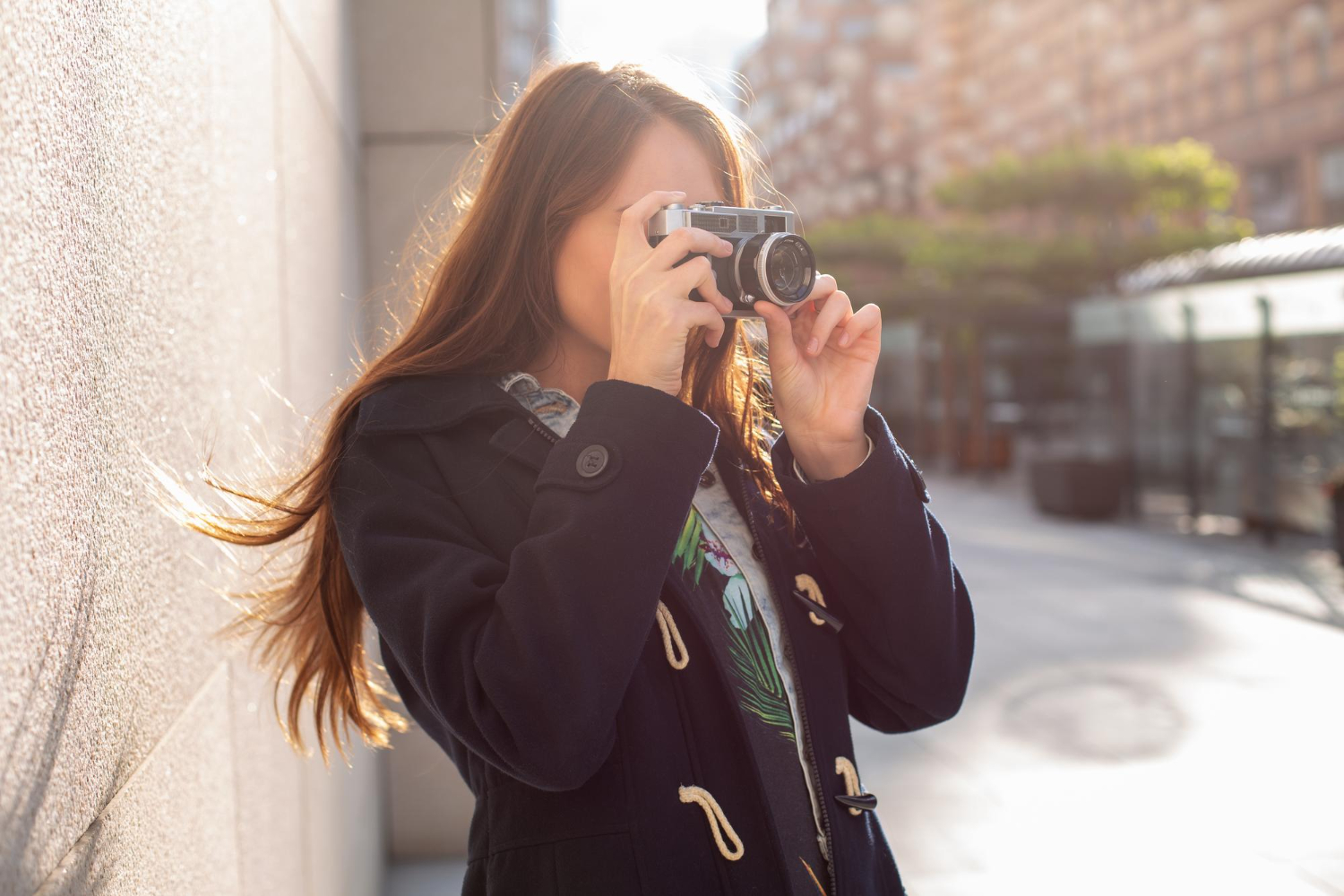
Early morning and the hour before dark change the light entirely and empty the streets, and both are available to anyone prepared to set an alarm.
The same location at seven in the morning is a different place. Going early is the decision that separates a photograph from a snapshot.
7. Include Something for Scale
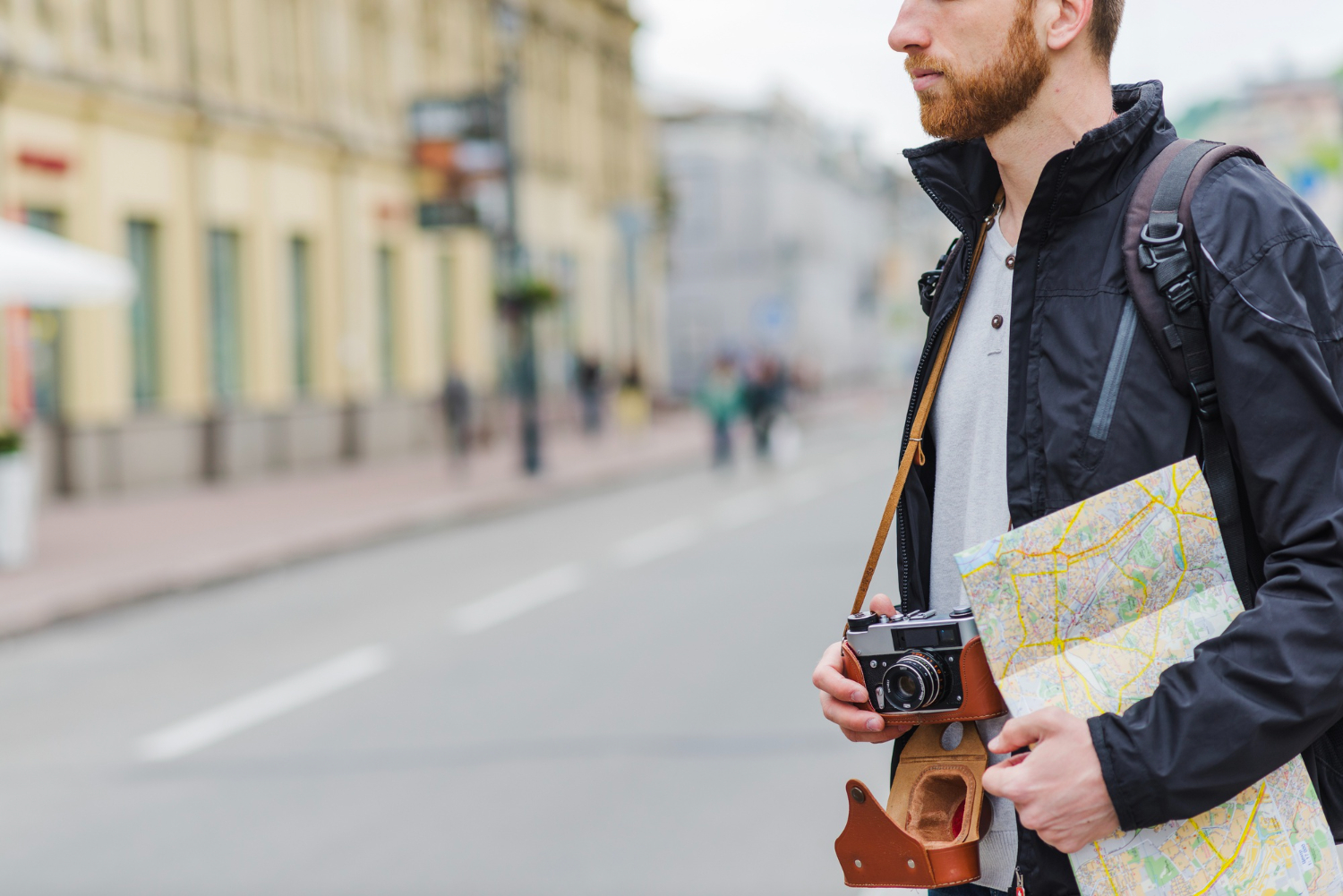
Enormous things photograph badly because there is nothing to compare them against. A person, a door or a vehicle in the frame is what makes the size legible.
Without it, a vast interior and a small one look identical. Including something for scale is what makes size survive the photograph.
8. Photograph the Same Thing Repeatedly
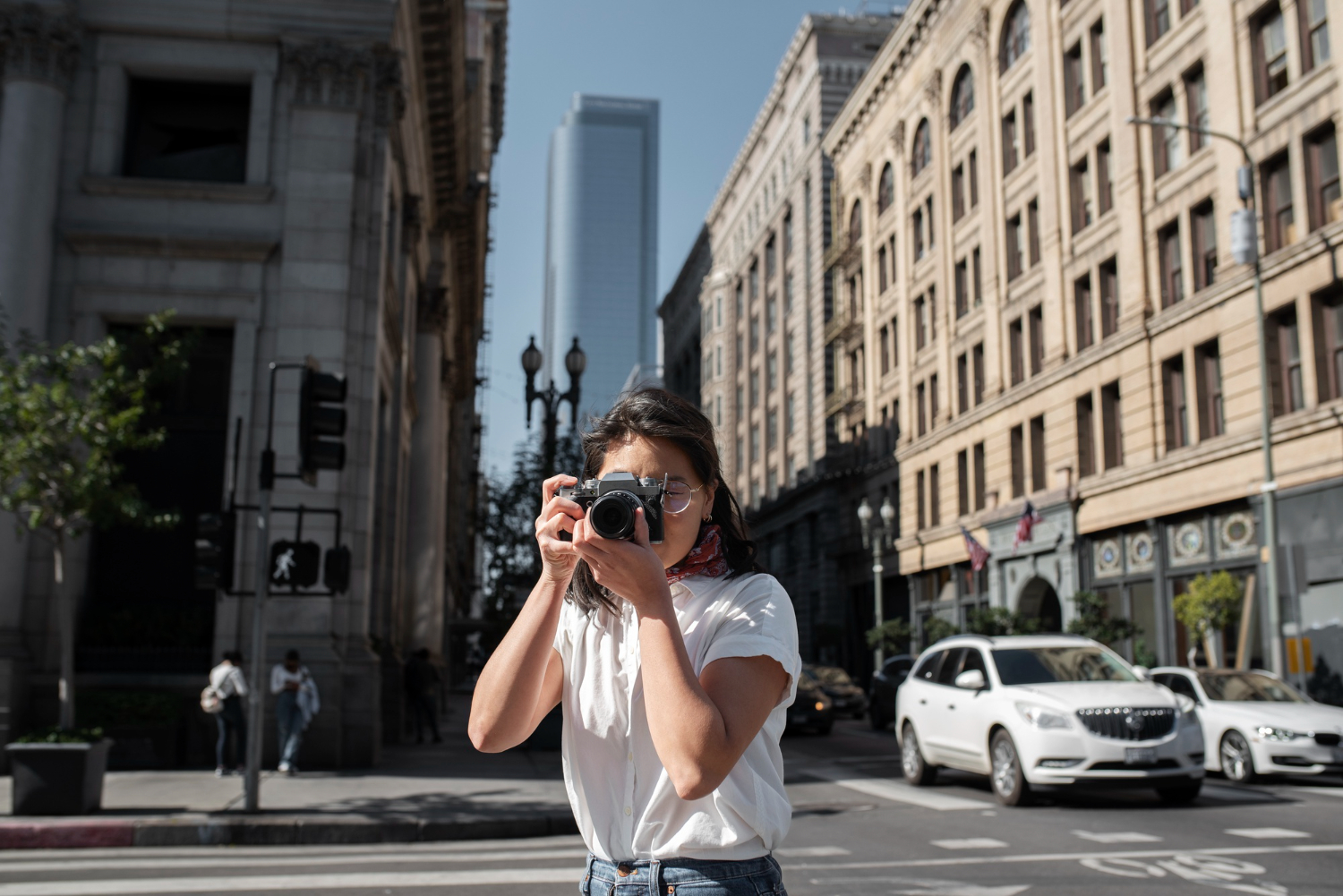
Returning to one subject at different times, in different weather, from different positions, teaches more than photographing fifty things once.
It also produces a set rather than a collection. Photographing one thing repeatedly is how people who take good pictures actually work.
9. Check Whether You Are Allowed
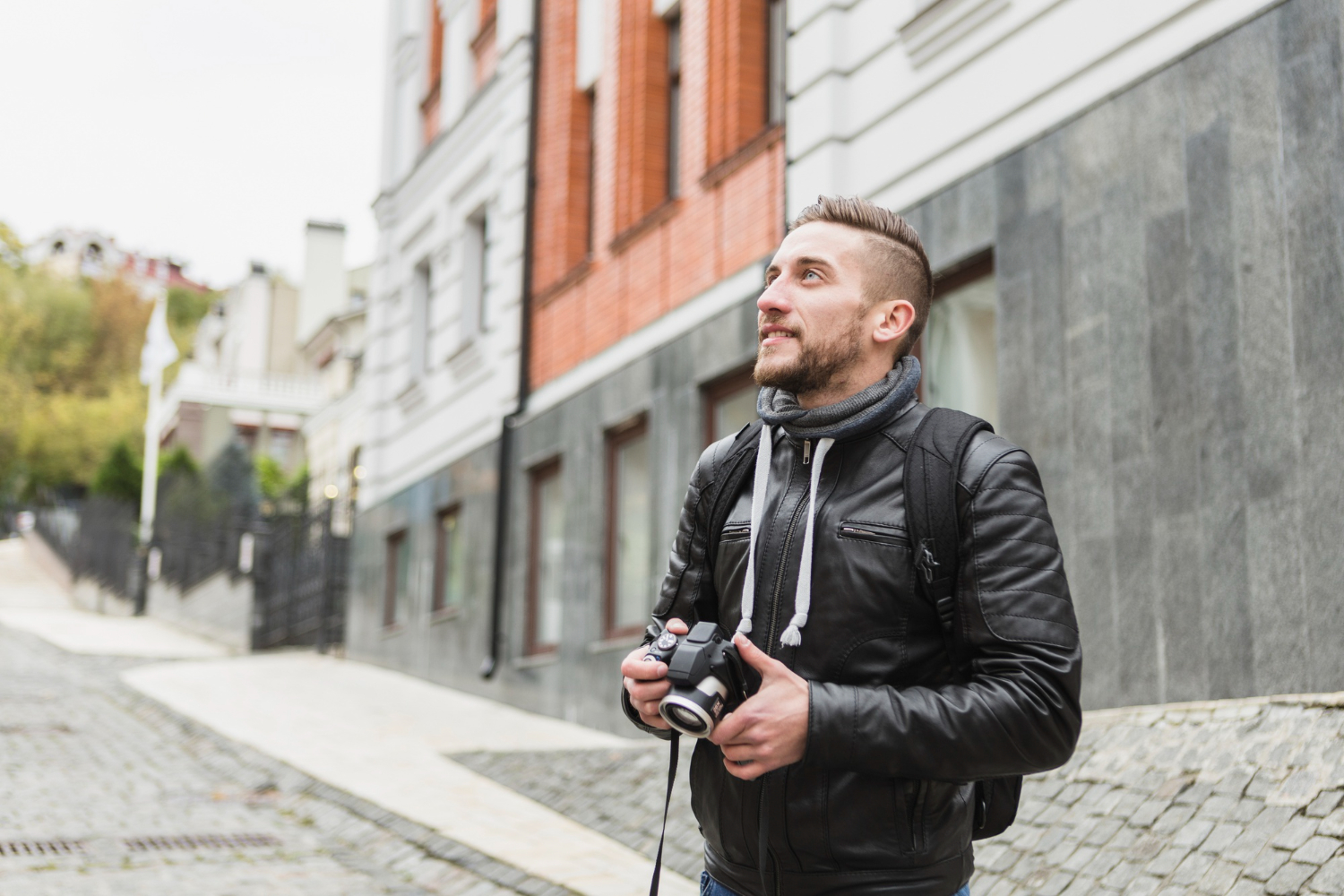
Photography is restricted or prohibited at a number of sites, for reasons ranging from conservation to religious observance to private ownership.
Look for posted rules and follow them without argument. Checking whether you are allowed is the courtesy that keeps sites open to everyone who comes next.
10. Put the Camera Down Sometimes
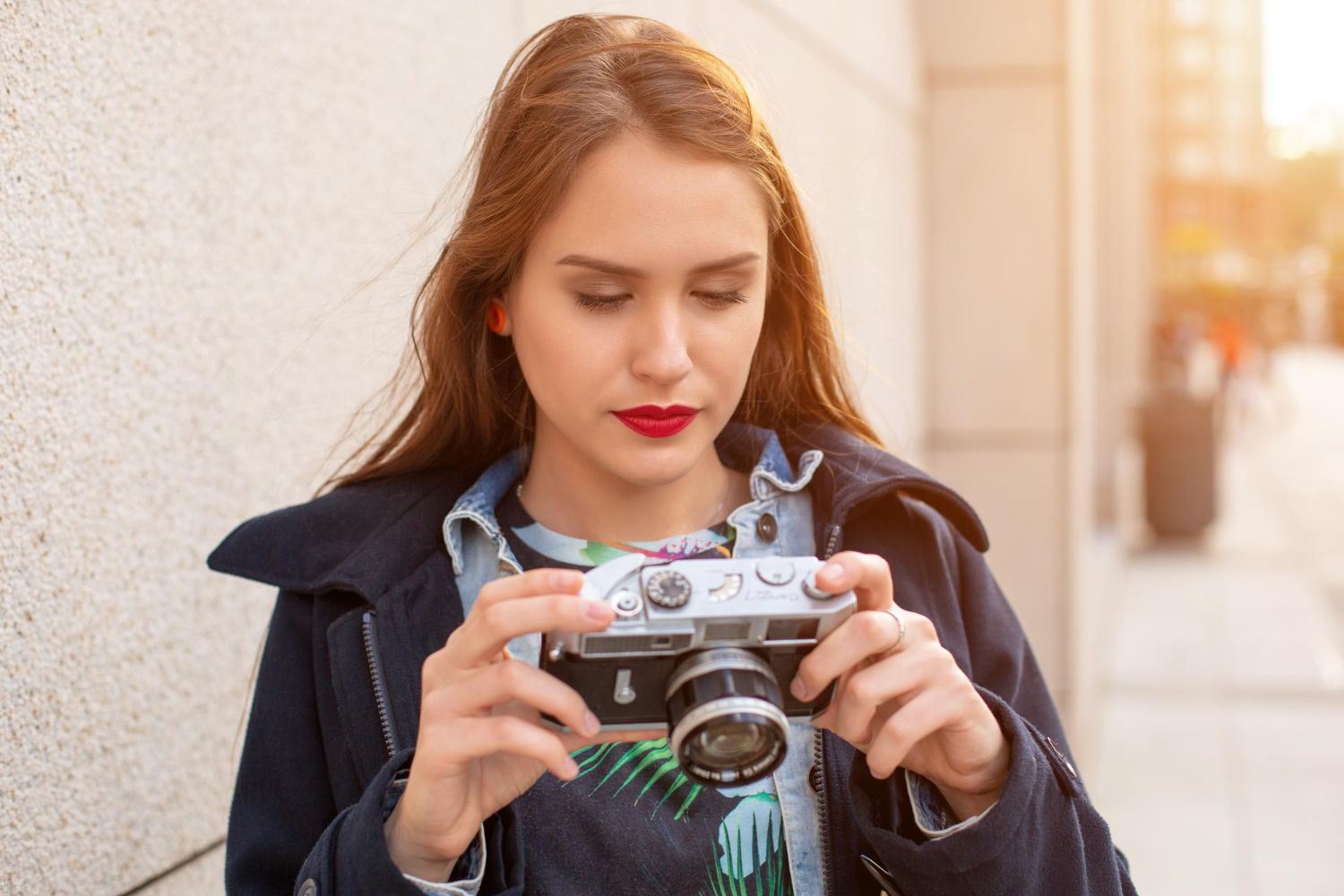
Photographing an experience continuously is a documented way of remembering less of it, and some things are better watched than recorded.
Deciding in advance which parts you will not photograph is a real technique. Putting the camera down is the counterintuitive practice that improves both the trip and the pictures.
11. Do Something With Them Afterwards
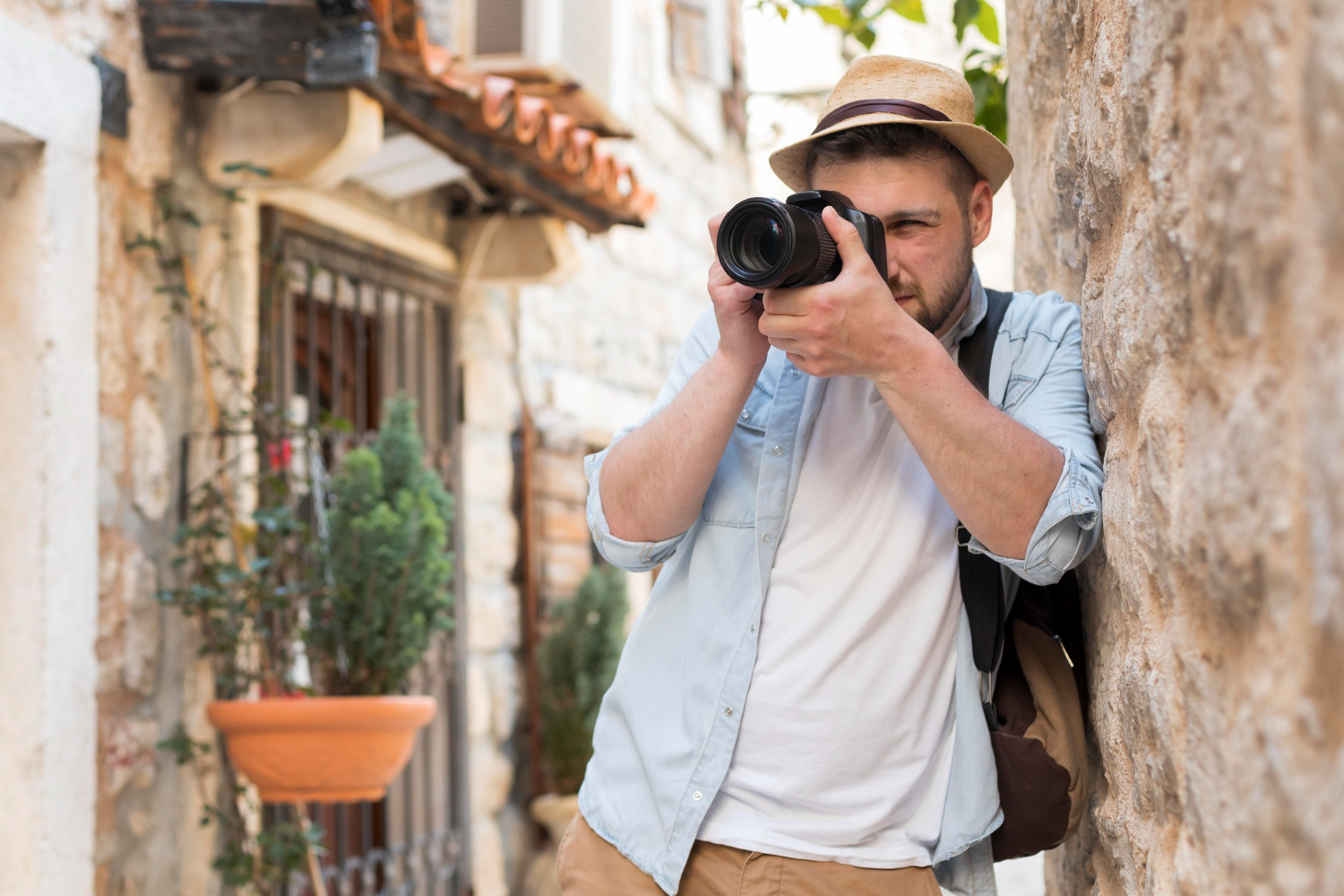
The great majority of travel photographs are never looked at again, which is the actual failure rather than any technical shortcoming.
Choose twenty, print a few, or make something. Doing something with them afterwards is what turns photographs into a record rather than storage.
The Famous View Is Already Taken
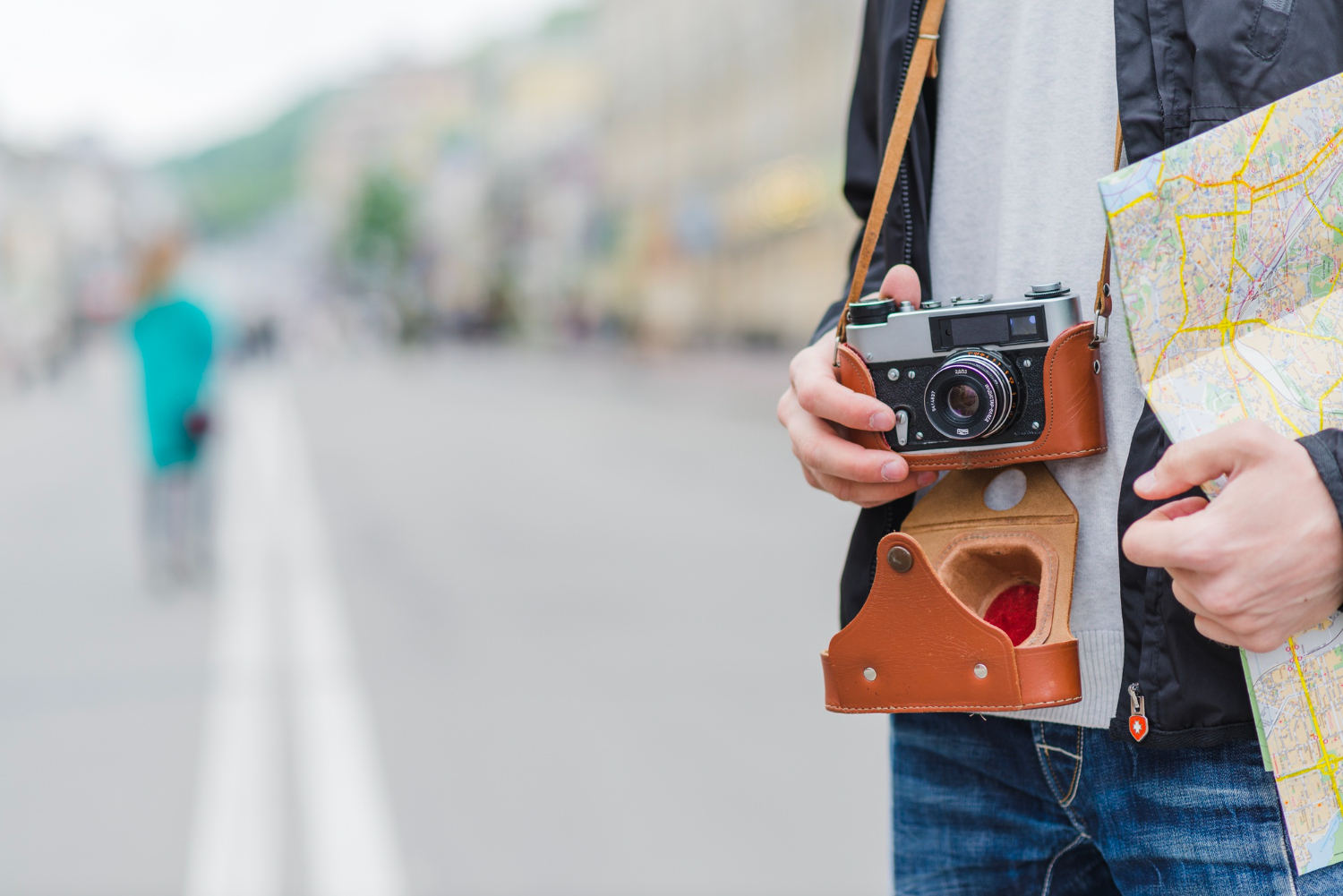
Almost everything here is about position, timing and attention rather than equipment. The picture nobody else has is generally standing a few metres away from the picture everybody has.
One last point, which matters more than the rest combined: the people who live in the place you are photographing did not agree to be part of your trip. Ask, accept a refusal without argument, respect posted restrictions, and leave people alone when they are having a difficult day. Everything else on this list is optional and that is not.
Like our content? Follow us for more.