This is not about what to take. It is about what a bag becomes once it has been opened and closed thirty times, which is a separate and less discussed problem. Here are ten.
1. The Order You Packed In Survives One Day

Careful layering is undone the first time anything at the bottom is needed, and after that the bag has whatever arrangement the last repack produced.
No system survives contact with a trip. Initial ordering is worth almost nothing beyond day one.
Like our content? Follow us for more.
2. So Group by When You Need It, Not What It Is

Sorting by category means the daily items are distributed throughout; sorting by frequency puts everything used constantly in one accessible place and everything else out of the way.
It is a different principle entirely. Access-based grouping is what actually survives repeated use.
3. Four or Five Things Do Almost All the Work
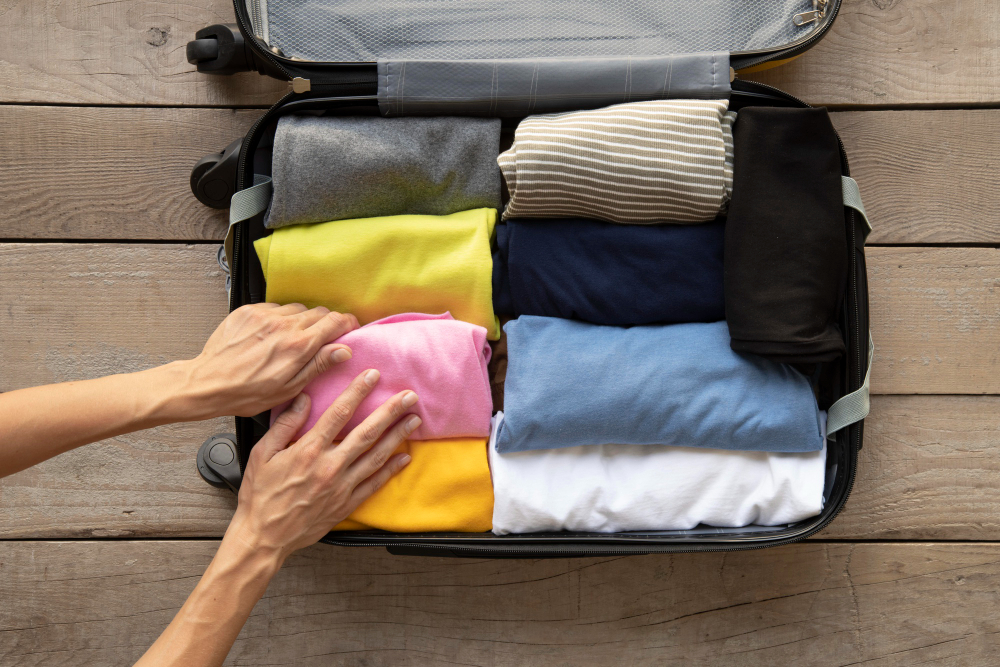
Whatever is carried, a small number of items account for the overwhelming majority of use, and identifying which they are after a few days allows everything to be reorganised around them.
The list is personal and stable. The frequent few are what the bag should be arranged for.
4. Weight Matters Less Than Shape
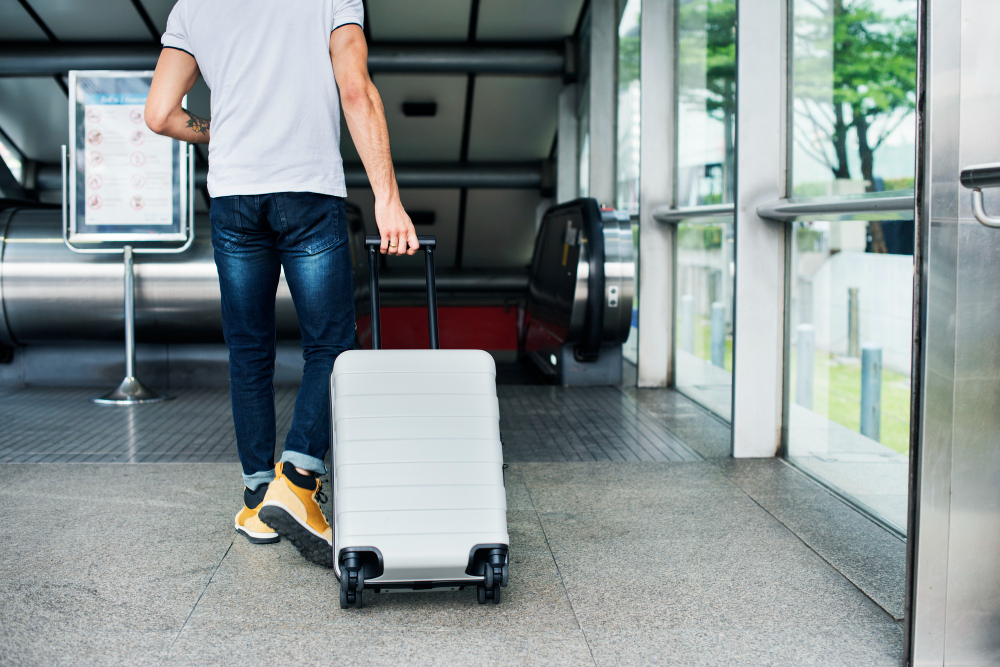
A heavy compact bag is easier to manage than a lighter awkward one, because carrying, lifting, stowing and moving through tight spaces all depend on dimensions rather than mass.
Nobody weighs a doorway. Shape and rigidity determine how manageable a bag is in practice.
5. Things Migrate Downward
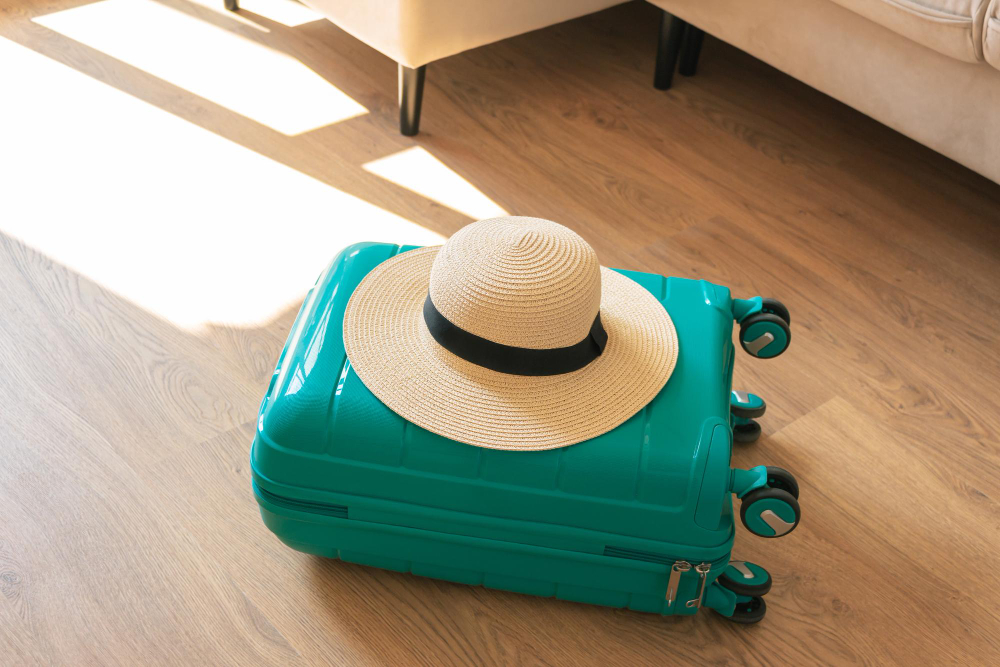
Small dense items work their way to the bottom through repeated movement, which is where anything small and important will be when it is needed urgently.
It happens to every bag. Downward migration is why small things need their own container.
6. One Container Inside for the Small Things
A single bag or pouch for everything that would otherwise sink removes an entire category of searching, and it can be lifted out and used as a unit.
It is the highest-value organisational decision available. Internal containment is what stops the daily search.
7. Wet and Dry Have to Be Separated
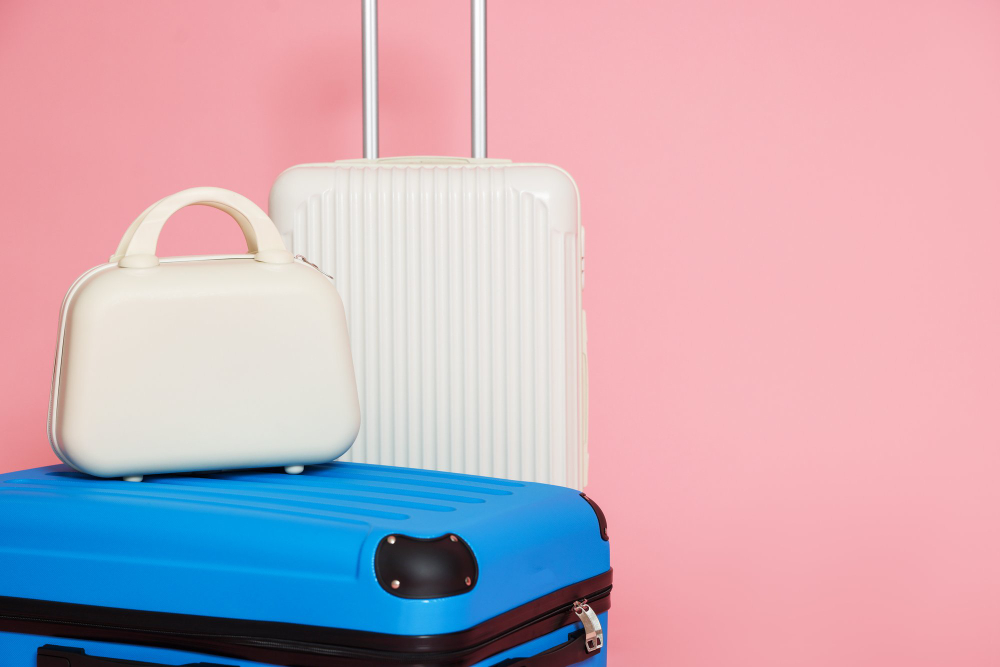
Something will be packed damp, and whatever it touches will be damp by evening – which is a problem that compounds across a trip rather than resolving.
It needs deciding before it happens. Damp separation is the failure that ruins other things.
8. Repack Fully Every Few Days
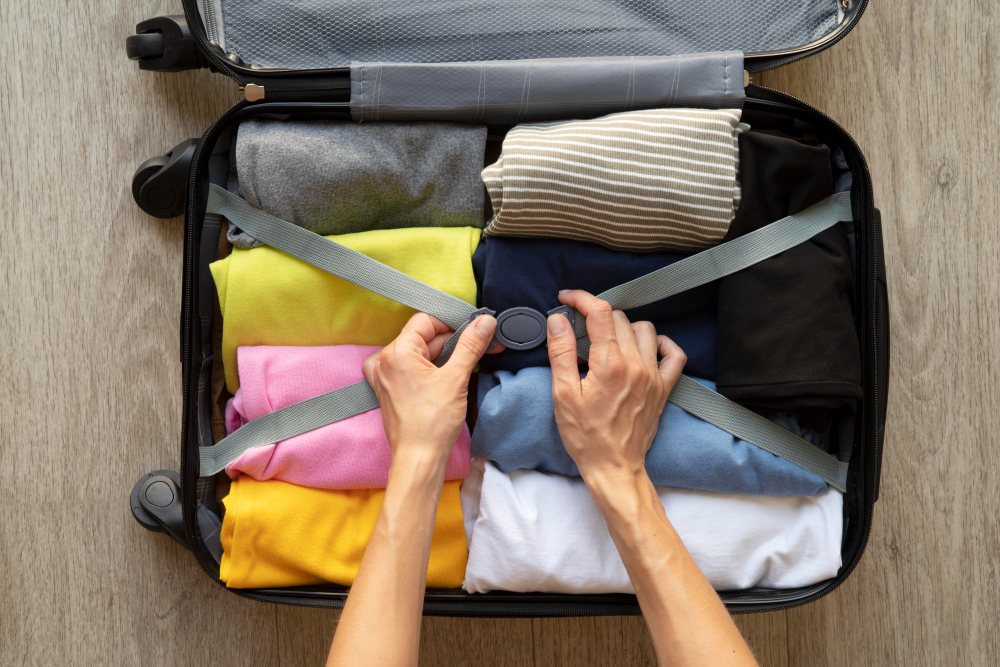
A complete repack takes ten minutes, restores the arrangement, reveals what has not been used and surfaces anything that has gone missing.
Doing it periodically prevents gradual collapse. Scheduled repacking is maintenance rather than tidiness.
9. What You Have Not Touched, You Will Not Touch
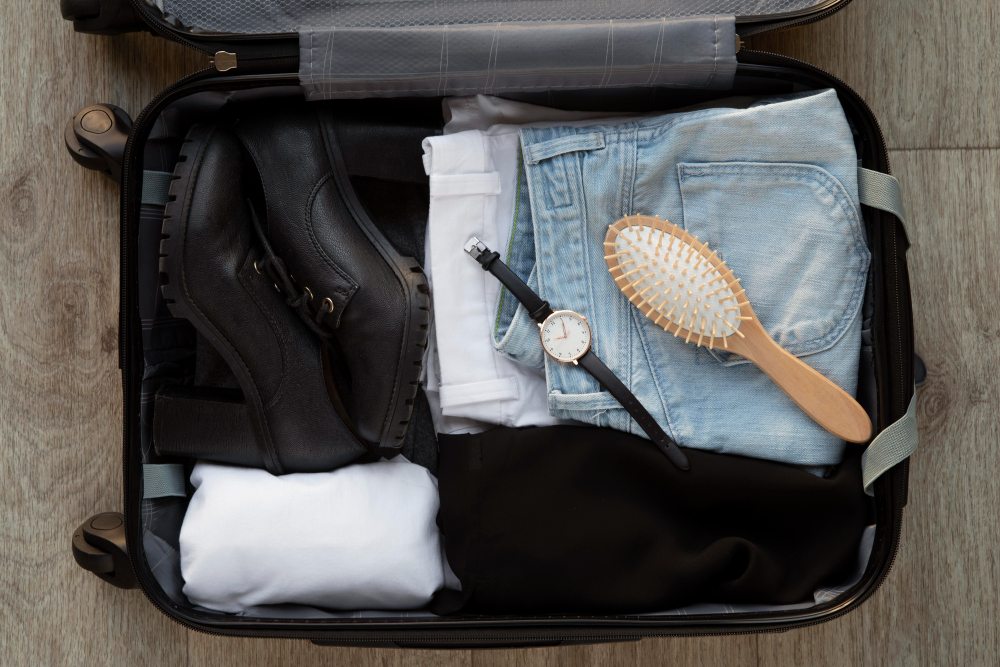
Anything unused after the first week will almost certainly remain unused, which is information worth acting on rather than noting.
It can be posted home, given away or simply accepted as ballast. Unused items are the packing feedback nobody applies.
10. The Bag Becomes Familiar and Then Invisible
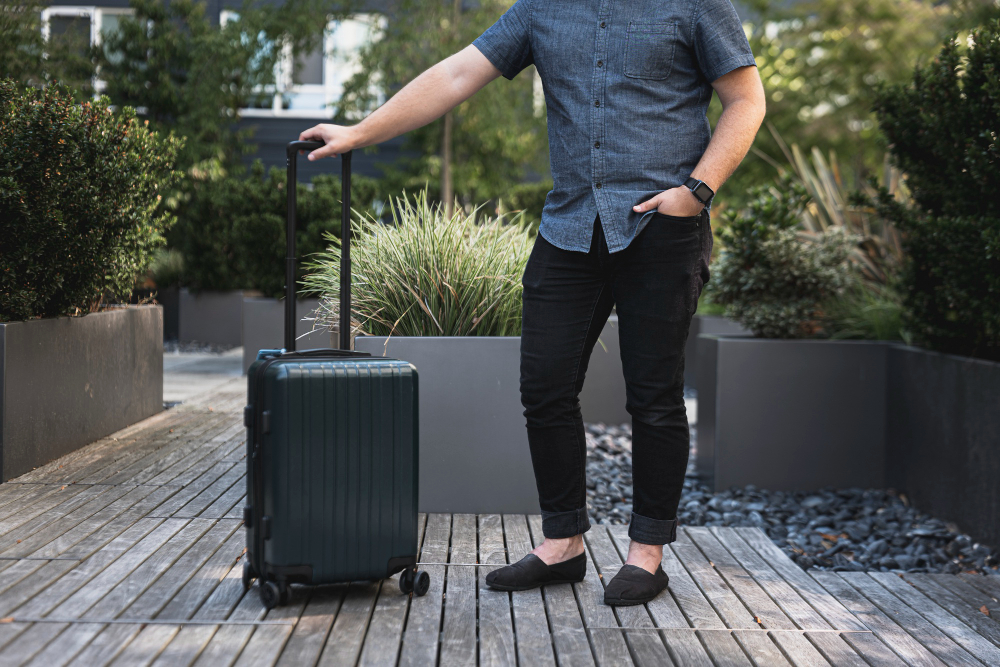
After a couple of weeks, everything is where your hand expects it, the searching stops entirely and the whole thing stops being a consideration.
That is the point it starts working. Acquired familiarity is what the first fortnight is buying.
What Happens After the Packing
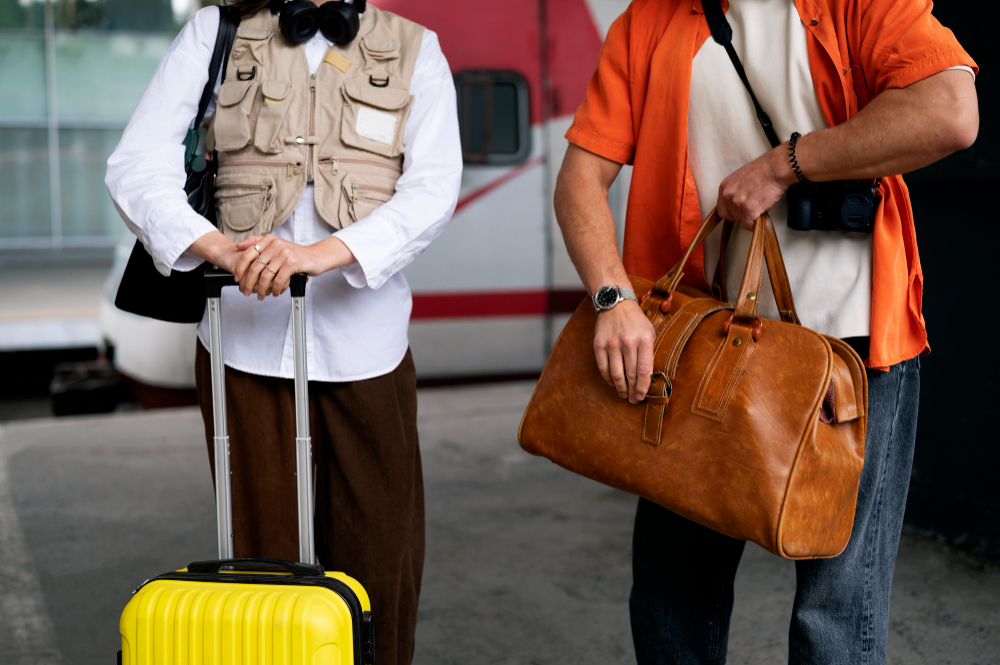
An order that collapses on day one, four items doing most of the work, small things sinking, a container for them, and a full repack every few days.
One qualification: all of this assumes carrying your own bag and being able to move it freely, and that assumption does not hold for everybody. Where it does not, the calculation changes completely and the priority becomes what can be managed rather than what can be reduced – which is a different problem this list does not address.
Like our content? Follow us for more.