Great Smoky Mountains National Park welcomed 12.1 million visitors in 2024. Gates of the Arctic National Park welcomed 11,907 — that’s fewer people in an entire year than walk through a single Walmart on a busy Saturday. While Yellowstone and Zion deal with traffic jams and timed-entry permits, dozens of other American national parks are operating at fractions of their potential capacity. Here are 12 that you can essentially have to yourself, with the actual 2024 visitor data and what each one offers.
In 2024, the U.S. National Park Service recorded 331.9 million recreation visits across its 433 sites — a new all-time record, surpassing the previous high from 2016. The 63 sites officially designated as “national parks” accounted for 28% of those visits.
But the distribution of those visits is dramatically uneven. Great Smoky Mountains National Park alone received 12.1 million visits — nearly 4% of all national park visits in the entire National Park Service system. Zion received 4.9 million. Grand Canyon received 4.9 million. Yellowstone received 4.7 million. The “famous” parks together account for the substantial majority of visits.
Meanwhile, dozens of equally spectacular parks operate at tiny fractions of these numbers. Five U.S. national parks received fewer than 25,000 visitors in all of 2024 — that’s fewer people in an entire year than typically pass through a single popular shopping center on a busy Saturday. These parks aren’t less impressive than Yellowstone — they’re typically more remote, harder to reach, and substantially less marketed to mainstream travelers.
For travelers seeking genuine wilderness without crowds, timed-entry restrictions, or shoulder-to-shoulder photography stops, here are 12 American national parks that you can essentially have to yourself — with the actual 2024 visitor numbers (compiled from National Park Service data) and what each one actually offers.
1. Gates of the Arctic National Park & Preserve, Alaska — 11,907 visitors (2024)
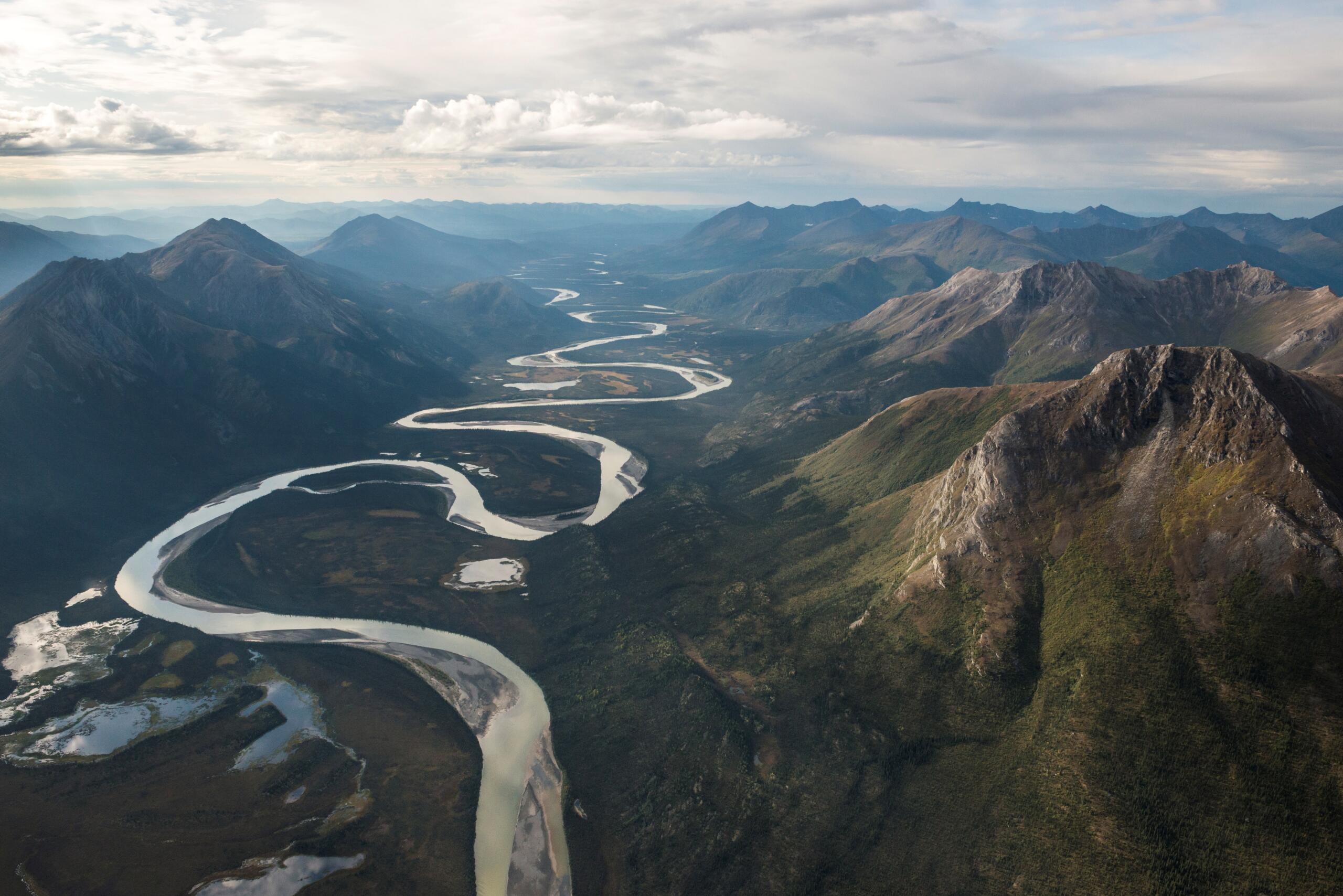
The least-visited U.S. national park in 2024. Located entirely north of the Arctic Circle, Gates of the Arctic covers 8.4 million acres of pristine Alaskan wilderness. There are no roads, no trails, no campgrounds, no visitor centers within the park boundaries. Visitors must charter bush planes from communities like Bettles or Coldfoot to reach the park.
The wilderness experience is genuine — visitors who reach Gates of the Arctic are essentially alone in territory that has never been substantially modified by human activity. The Brooks Range mountains, the headwaters of the Noatak River, and vast tundra landscapes provide hiking, river rafting, and wildlife viewing opportunities. The aurora borealis is visible during winter months. Caribou herds migrate through the park.
This is not a casual day-trip destination. Most visitors plan multi-day expeditions with experienced guides. Trip costs typically run $3,000-10,000+ per person depending on duration and services. But for travelers seeking the genuine experience of being in true wilderness, Gates of the Arctic offers something that essentially no other American park can match.
2. North Cascades National Park, Washington — 16,485 visitors (2024)
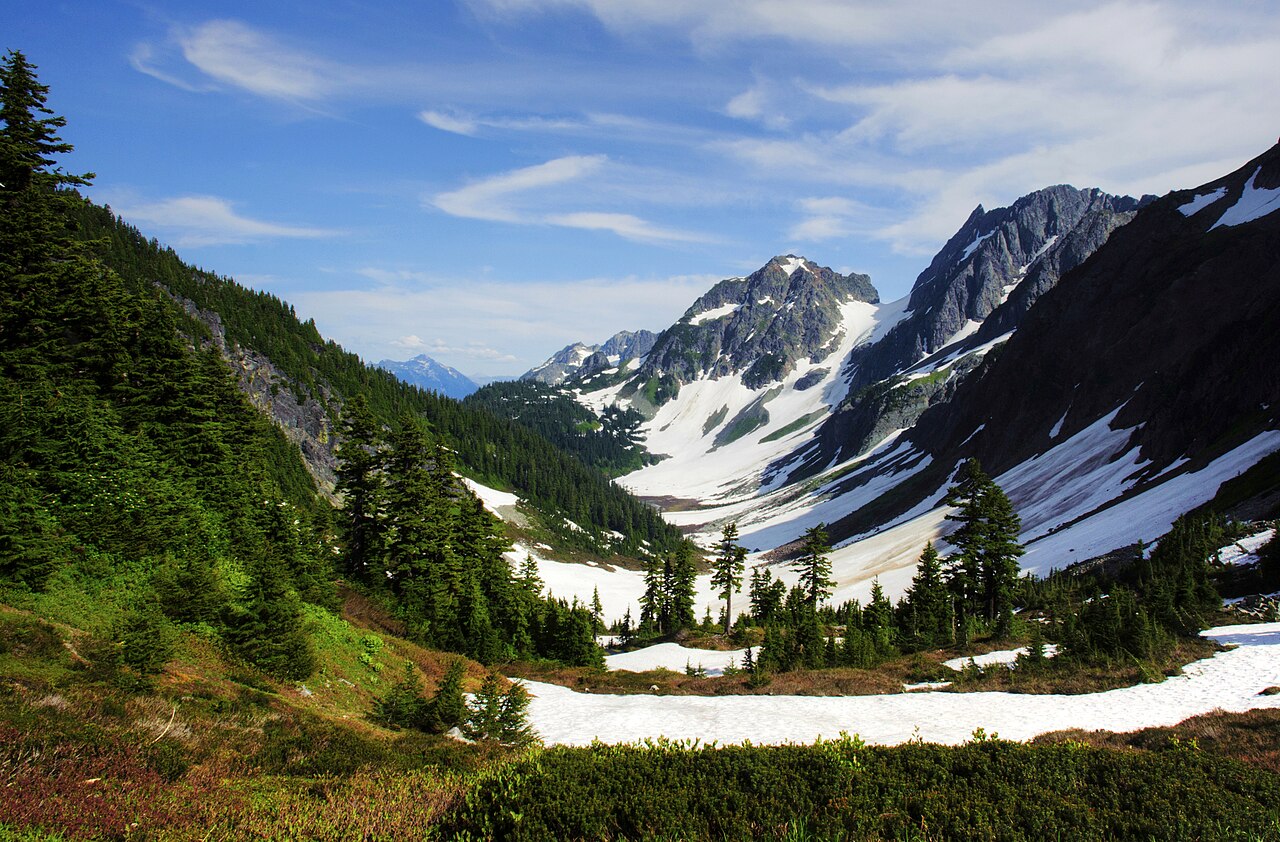
The surprising entry on this list. North Cascades is just three hours’ drive from Seattle, has paved roads through portions of the park, and contains some of the most dramatic mountain scenery in the lower 48 states. Yet it sees a tiny fraction of the visitors that Olympic National Park (3.7 million) or Mount Rainier National Park (1.5 million) receive in nearby Washington.
Often called the “American Alps,” North Cascades features over 300 glaciers (more than any other park outside Alaska), jagged granite peaks, alpine lakes, and substantial old-growth forest. Hiking trails range from easy walks to multi-day backcountry expeditions. The park’s relative obscurity is essentially a marketing accident — it offers Olympic-quality scenery with a fraction of the crowds.
(Note: Adjacent Ross Lake National Recreation Area, technically a separate NPS unit, received 971,173 visitors in 2024. Most visitors to the broader North Cascades region pass through this area, which is much more accessible than the National Park itself.)
3. Kobuk Valley National Park, Alaska — 17,233 visitors (2024)
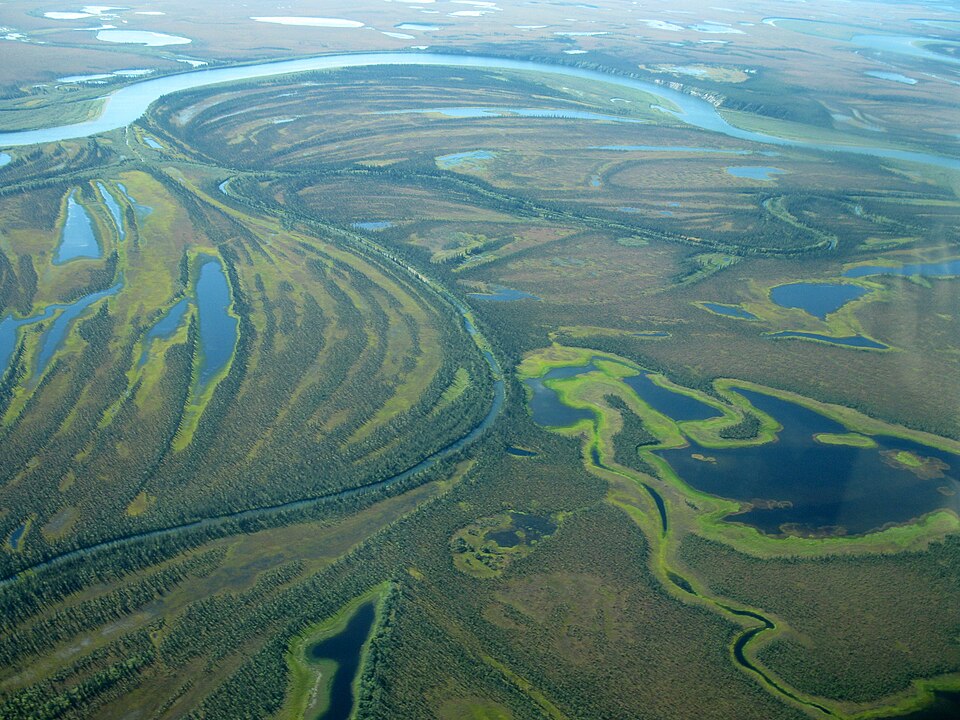
Another remote Alaska park, Kobuk Valley covers 1.8 million acres in northwestern Alaska. The park has no roads, no campgrounds, and no entrance gates. Visitors arrive by chartered air taxi from communities like Kotzebue.
The park’s signature feature is the Great Kobuk Sand Dunes — a 25-square-mile system of sand dunes that’s the largest in Arctic North America. The dunes contrast dramatically with the surrounding boreal forest and tundra. Half a million caribou migrate through the park annually, crossing the Kobuk River and Onion Portage in patterns that have continued for 8,000+ years.
The Iñupiaq people have hunted caribou in this region throughout that same 8,000-year period. The park preserves both the natural ecosystems and the continuing cultural traditions of indigenous communities who still hunt here.
4. Lake Clark National Park & Preserve, Alaska — 18,505 visitors (2024)
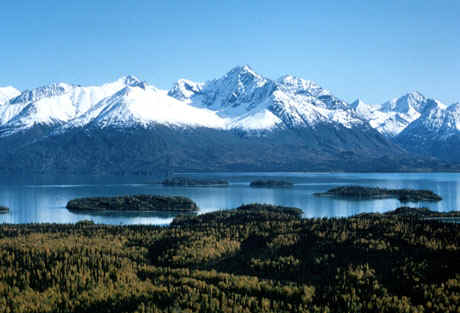
Lake Clark covers more than 4 million acres in southwest Alaska, where the Alaska Range meets the Aleutian Range. The park preserves a stunning landscape including:
- The 50-mile-long turquoise Lake Clark itself
- Three federally designated Wild Rivers
- Two National Natural Landmark volcanoes (Mount Iliamna and Mount Redoubt)
- Brown bears (one of the largest concentrations in North America)
- One of the world’s largest sockeye salmon runs
The land has been the ancestral homeland of the Dena’ina people for over 10,000 years. The park preserves both natural and cultural heritage.
Access requires float plane or boat. Most visitors stay at one of several remote lodges within or adjacent to the park, with trip costs typically $3,000-15,000+ per person.
5. National Park of American Samoa — 22,567 visitors (2024)
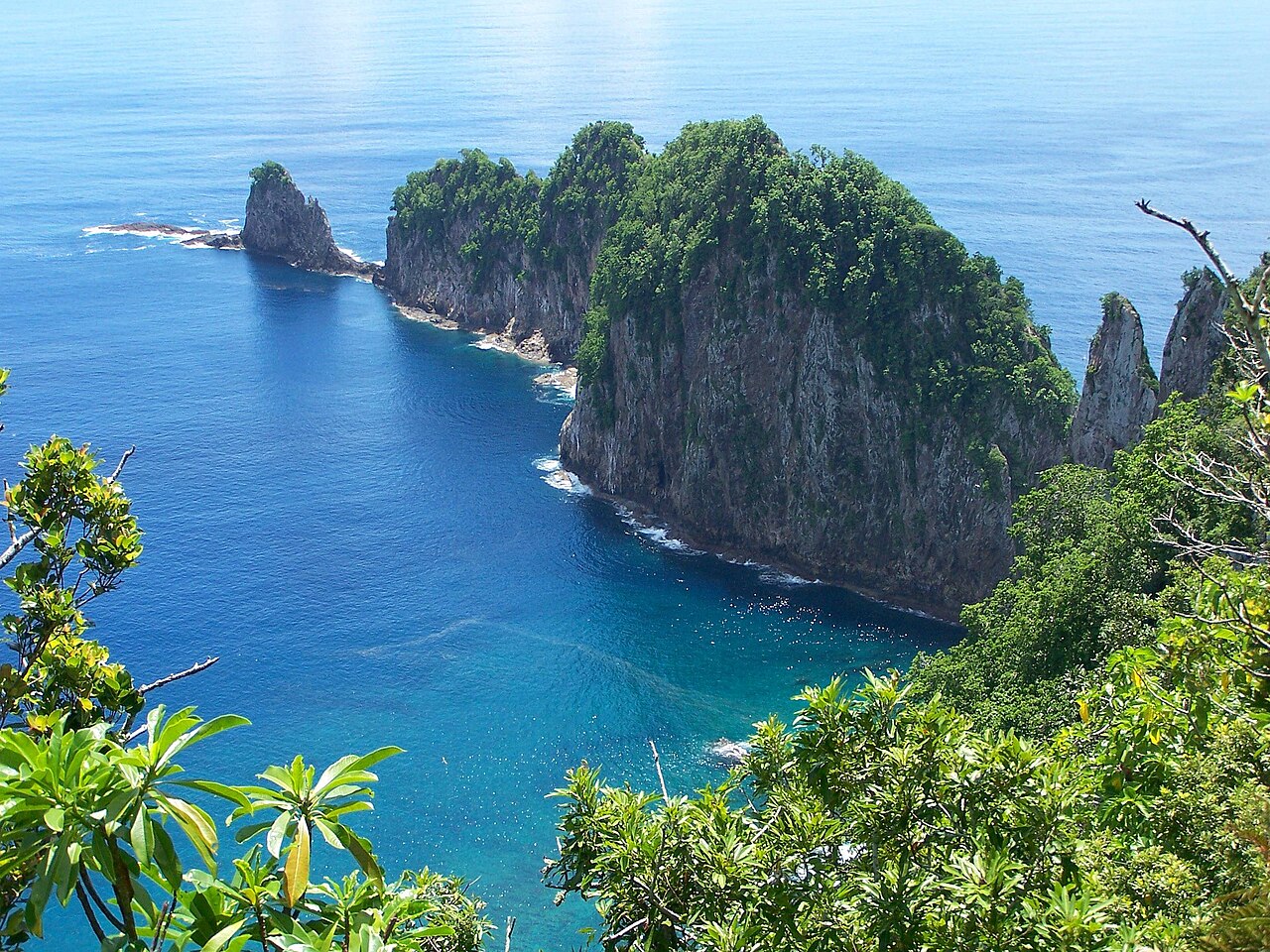
The only U.S. national park south of the equator. Located on three islands in the South Pacific, this 13,500-acre park preserves tropical rainforests, coral reefs, and Samoan cultural sites.
The park requires visitors to travel to American Samoa — a U.S. territory with its own immigration requirements separate from the U.S. mainland. Hawaiian Airlines offers direct flights from Honolulu, though American Samoa is not a casual day trip from anywhere.
Once there, visitors can hike through lush jungle to dramatic ocean vistas, snorkel among vibrant coral gardens, and experience fa’asamoa (the Samoan way) in villages within and around the park boundaries. The park is genuinely culturally engaged with the Samoan communities that surround it — a rare model for indigenous-park relationships.
6. Isle Royale National Park, Michigan — 28,806 visitors (2024)
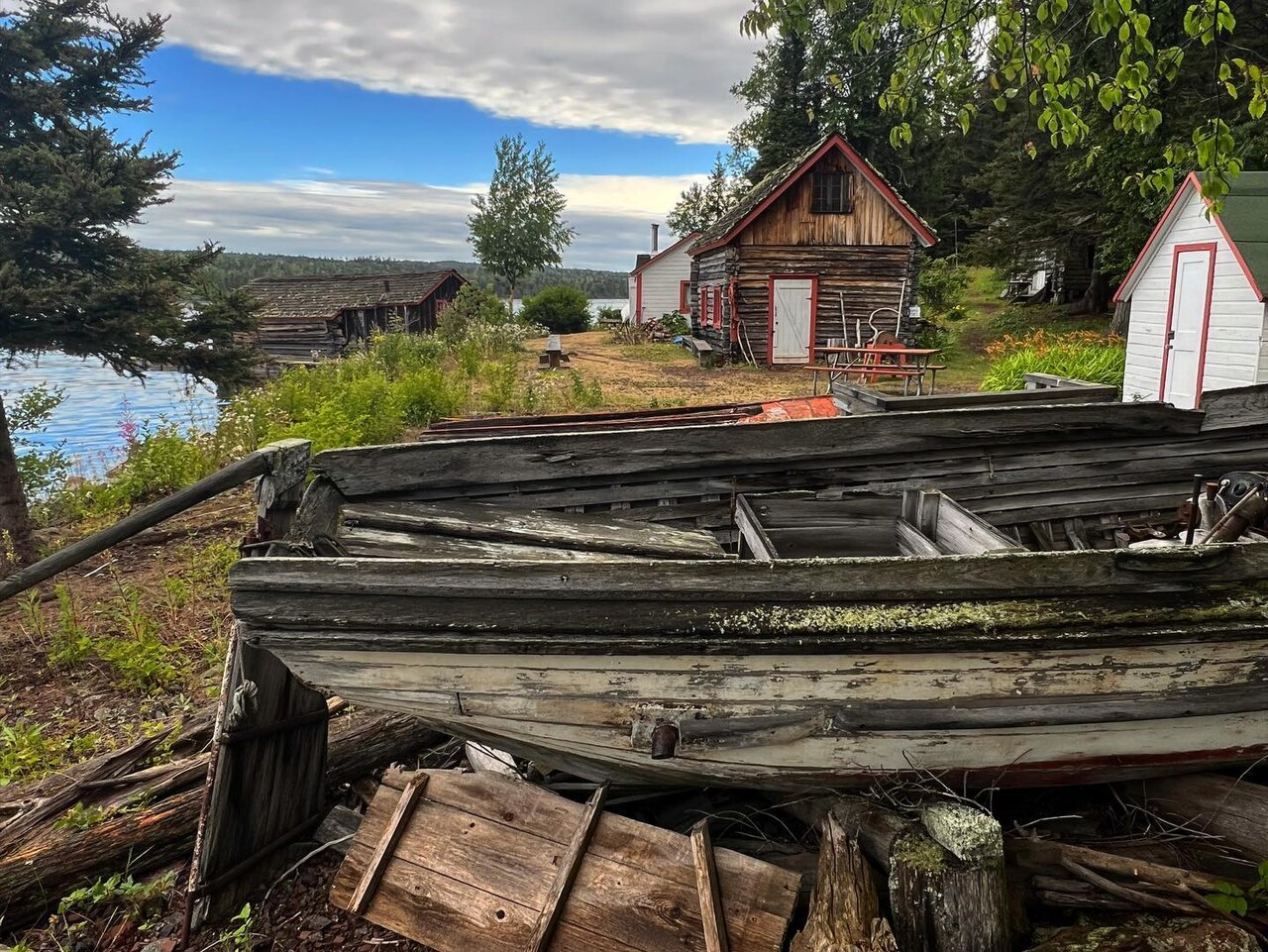
Isle Royale is an island in Lake Superior accessible only by boat or seaplane. The remote location keeps visitor numbers low despite the park being in the lower 48 states.
The 893-square-mile island and its surrounding islands offer:
- Famous wolf and moose populations (subjects of one of the longest-running predator-prey ecological studies in scientific history, started in 1958)
- Extensive hiking trail networks
- Excellent kayaking along rugged shorelines
- Backcountry camping in pristine wilderness
- Substantial historical sites including 19th-century copper mines
Most visitors stay 3-7 days. Day trips are theoretically possible but generally not recommended given the substantial travel time required to reach the island. Boat services typically operate May through September; the park is essentially closed in winter.
7. Katmai National Park & Preserve, Alaska — 36,230 visitors (2024)
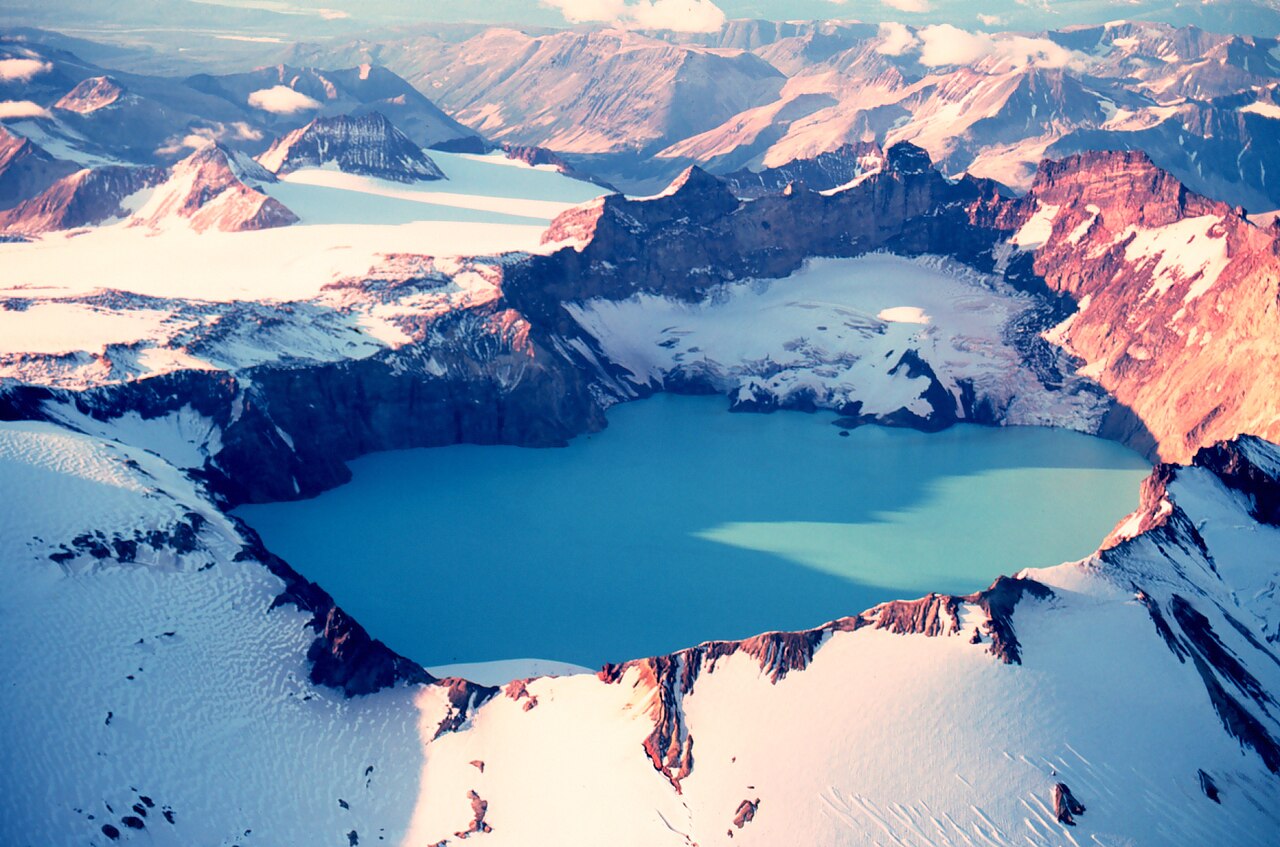
Katmai is famous worldwide for the Brooks Falls bear-viewing platform — the iconic location where brown bears catch jumping salmon. Despite the global fame and constant nature documentary appearances, the park’s remote Alaska location keeps actual visitor numbers low.
Beyond the bears, Katmai preserves:
- The Valley of Ten Thousand Smokes (created by the 1912 Novarupta volcanic eruption — the largest volcanic eruption of the 20th century)
- 14 active volcanoes within park boundaries
- One of the largest brown bear populations in the world (approximately 2,200 bears)
- Vast preserved wilderness across 4.7 million acres
Most visitors fly into King Salmon (commercial flights from Anchorage), then take floatplanes or chartered boats to Brooks Camp. Bear viewing typically peaks in July (when sockeye salmon are running) and September (when bears are bulking up before hibernation).
8. Wrangell-St. Elias National Park & Preserve, Alaska — 81,670 visitors (2024)
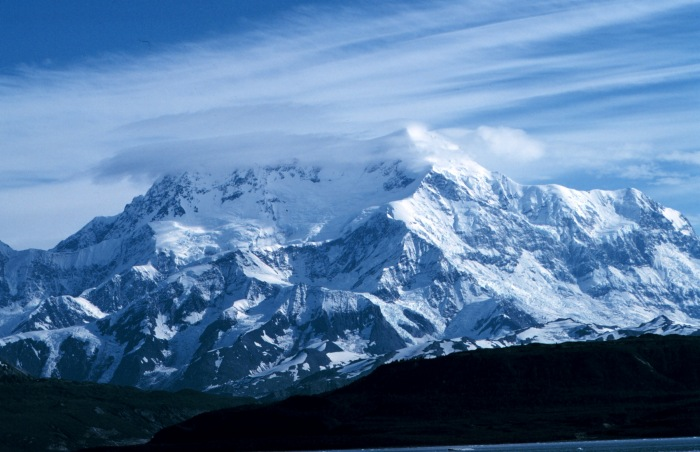
The largest U.S. national park — 13.2 million acres, equivalent to Yellowstone, Yosemite, and the entire country of Switzerland combined. Despite the dramatic size, Wrangell-St. Elias receives fewer visitors than many small parks closer to population centers.
The park contains:
- Nine of the 16 highest peaks in the United States, including Mount St. Elias (the second-highest peak in the U.S.)
- Substantial glaciers including the Bagley Icefield (the largest non-polar icefield in North America)
- The historic Kennecott Copper Mine (active 1911-1938, now a National Historic Landmark within the park)
- The town of McCarthy (population approximately 100), one of the most remote communities in the lower 48
Two unpaved roads provide limited access to the McCarthy and Nabesna areas. Most of the park is backcountry accessible only by foot, raft, or aircraft. The park has minimal visitor services — most exploration requires substantial preparation and self-sufficiency.
9. Dry Tortugas National Park, Florida — 84,285 visitors (2024)
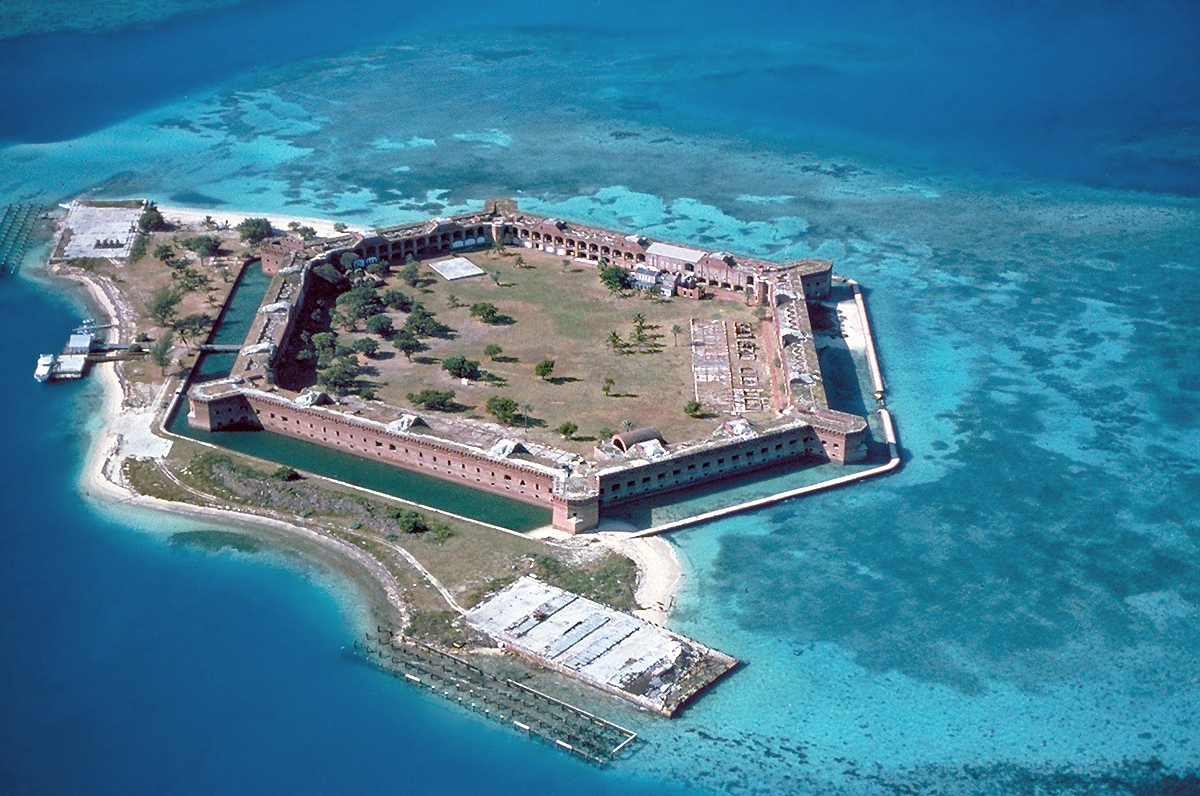
Located 70 miles west of Key West in the Gulf of Mexico, Dry Tortugas consists of seven small islands and surrounding open water. The park is accessible only by boat or seaplane (typically the Yankee Freedom ferry from Key West).
The park’s centerpiece is Fort Jefferson on Garden Key — one of the largest 19th-century forts in the United States. The fort was used as a Civil War-era prison (Dr. Samuel Mudd, who treated John Wilkes Booth’s broken leg, was imprisoned here). The surrounding waters offer some of the best snorkeling in the United States, with intact coral reefs and shipwrecks.
Most visitors come on day trips from Key West (the ferry departs at 7 AM and returns by late afternoon). A small number of visitors camp on Garden Key for multi-day stays. The park is closed to most visitors during sea turtle nesting season (Bush Key closes February through September for tern breeding).
10. Great Basin National Park, Nevada — 152,068 visitors (2024)
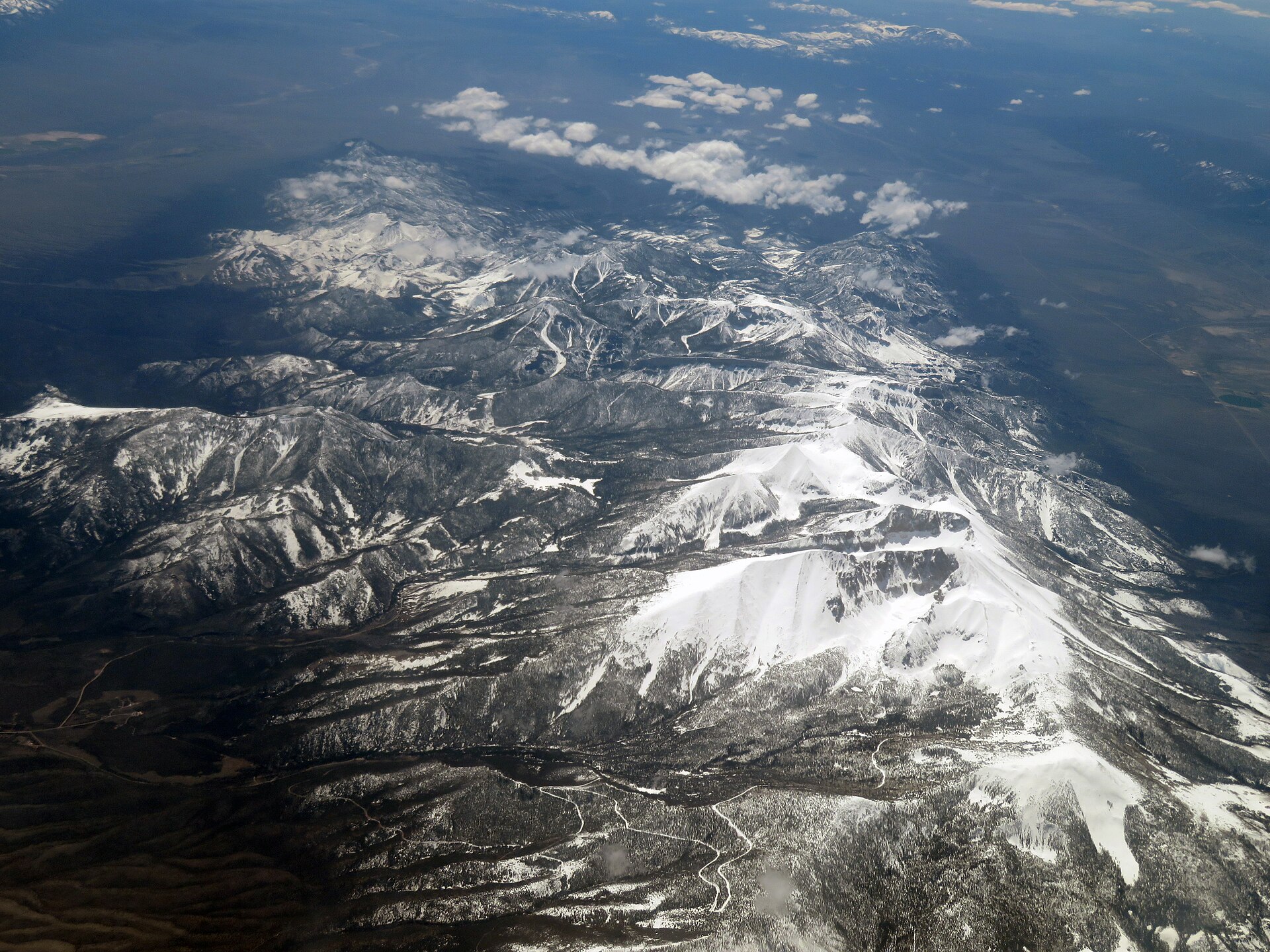
Great Basin sits along the Nevada-Utah border, in the heart of the Great Basin Desert. Despite reasonable accessibility (paved highway access from both Nevada and Utah), the park receives a fraction of the visits its scenery deserves.
The park features:
- Wheeler Peak (13,063 feet) — the second-highest peak in Nevada
- Ancient bristlecone pine forests including some of the oldest known living trees on Earth (some over 4,000 years old)
- The Lehman Caves system (extensive limestone caverns with substantial rock formations, accessible via guided tours)
- The remains of a small glacier at the base of Wheeler Peak
- Some of the darkest night skies in the United States (the park is an International Dark Sky Park)
The remote location — 5 hours from Las Vegas, 4 hours from Salt Lake City — keeps visitor numbers low. For travelers willing to drive, the park offers high-quality experiences without crowds.
11. Black Canyon of the Gunnison National Park, Colorado — 308,162 visitors (2024)
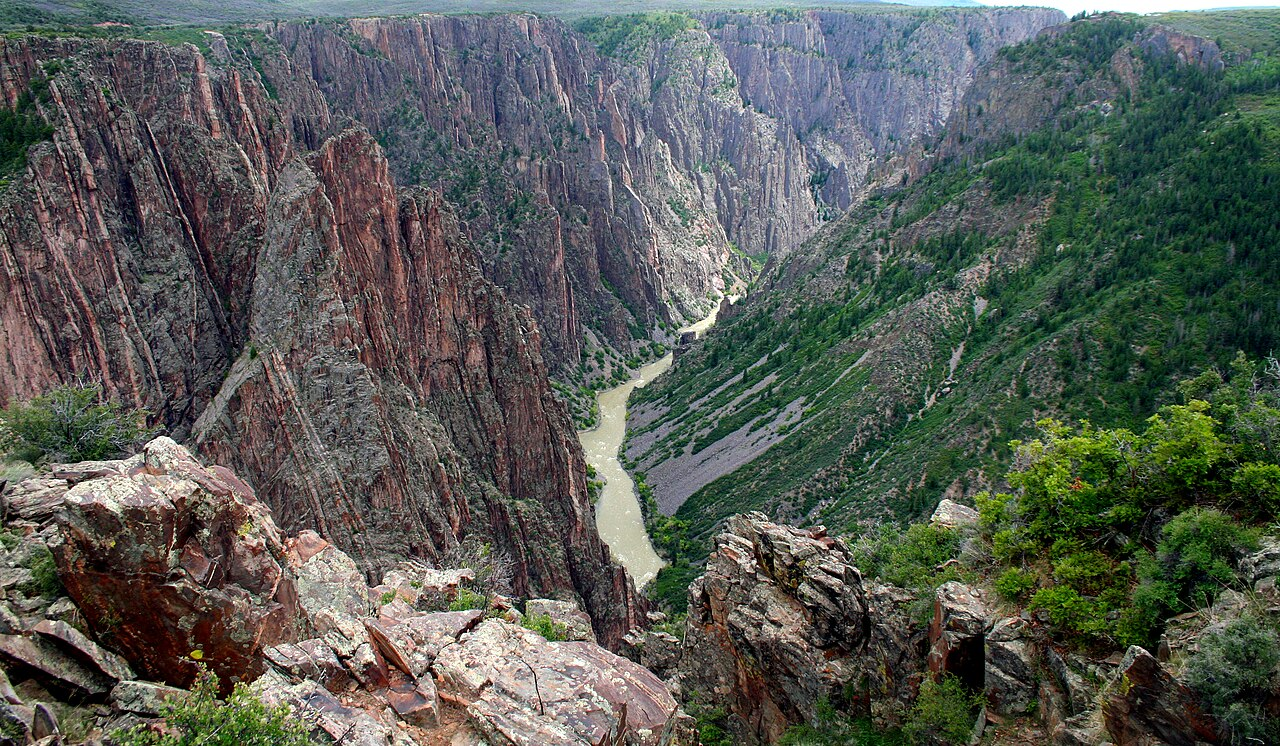
Despite being in Colorado (a state with several extremely popular national parks), Black Canyon of the Gunnison receives a small fraction of Rocky Mountain National Park’s 4.1 million visitors.
The park’s signature feature is the Black Canyon itself — a 2,000-foot-deep gorge cut through dark Precambrian rock by the Gunnison River. The canyon’s narrow width and steep walls make it one of the most dramatic gorges in North America. Some sections are so narrow and deep that sunlight reaches the canyon floor for only a few minutes per day.
Visitor services are limited but adequate — a visitor center, several established overlooks, and limited campground facilities. The park is sometimes called “the most beautiful national park you’ve never heard of.” For Colorado residents and visitors willing to make the additional drive (about 4 hours from Denver), the park provides substantially less-crowded alternatives to Rocky Mountain.
12. Big Bend National Park, Texas — 561,469 visitors (2024)
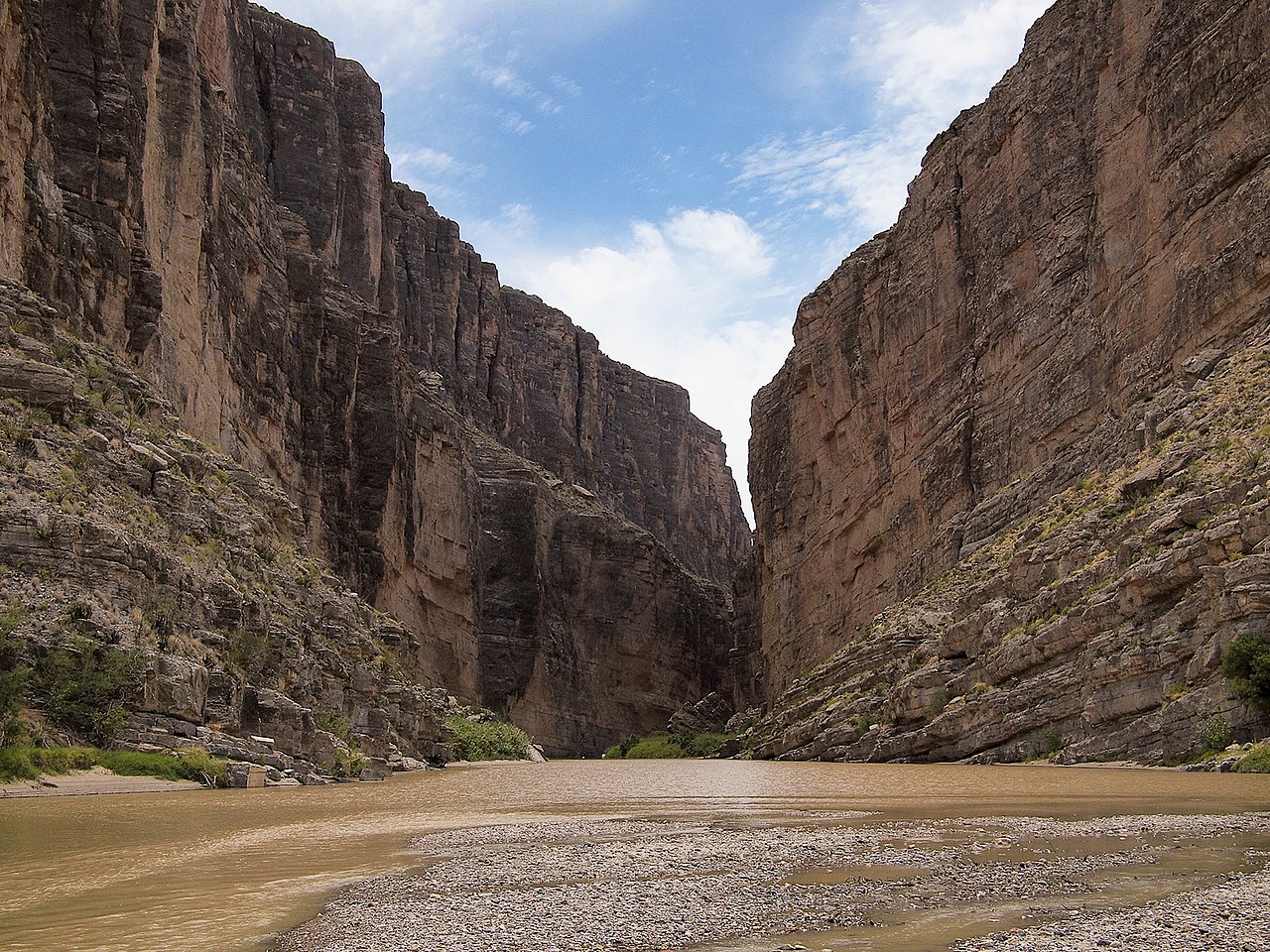
Big Bend covers 801,163 acres in the bend of the Rio Grande River along the Texas-Mexico border. The park is among the most ecologically diverse in the United States, including desert, mountains, and river ecosystems within a single park.
Notable features:
- The Chisos Mountains (the only mountain range entirely contained within a single national park)
- Substantial Rio Grande river miles for kayaking and rafting
- One of the darkest night skies in North America (designated International Dark Sky Park)
- Cross-border access points to small Mexican communities
- Hot springs along the Rio Grande
- Substantial cultural sites including ghost towns from former mining operations
The park’s extreme remoteness — 5 hours from El Paso, 8 hours from Austin — limits casual visitors. The combination of distance from major population centers, limited services within the park, and challenging summer temperatures (regularly exceeding 100°F) keeps visitor numbers modest despite the park’s substantial appeal.
What this all reveals about American national park visitation
Several patterns emerge from the visitation data that have practical implications for travelers:
Geography drives visitation more than scenery. The most-visited parks are typically located within reasonable driving distance of major population centers. Great Smoky Mountains, Acadia, Cuyahoga Valley, and Indiana Dunes all benefit from proximity to substantial East Coast and Midwest populations. Alaska parks are spectacular but receive few visitors because most Americans never make it to Alaska.
Marketing matters substantially. Some parks (Yellowstone, Yosemite, Grand Canyon) have benefited from over a century of cultural prominence. Others (North Cascades, Great Basin) are equally spectacular but lack the marketing presence that drives visitation.
Crowding is concentrated, not universal. While certain parks deal with severe overcrowding, the National Park Service system as a whole has substantial unused capacity. Travelers willing to choose less-famous parks can have wilderness experiences with minimal crowds.
The most spectacular parks are often the hardest to reach. Gates of the Arctic, Wrangell-St. Elias, Lake Clark — these contain some of the most pristine wilderness in the world and receive the smallest visitor numbers specifically because reaching them is difficult and expensive.
Budget and time matter. Visiting Alaska’s parks typically costs $5,000-15,000+ per person and requires 1-3 weeks. Visiting the famous parks can be done for $500-2,000 per person and requires 4-7 days. Most American travelers make practical choices that drive concentration toward accessible parks.
For travelers planning national park visits in 2026, the practical implications:
For genuine wilderness without crowds: Choose Alaska parks if you have substantial budget and time. Choose North Cascades if you want lower-48 wilderness without travel logistics.
For dramatic scenery with manageable crowds: Choose Great Basin, Black Canyon of the Gunnison, or Big Bend. Each provides spectacular experiences at fractions of the visitor numbers of the famous parks.
For unique experiences: Dry Tortugas, Isle Royale, and National Park of American Samoa each offer experiences essentially unavailable at any other American park.
For tropical national park experiences: National Park of American Samoa is the only U.S. national park in the tropics outside of Hawaii.
For stargazing: Great Basin, Big Bend, and Wrangell-St. Elias are all International Dark Sky Parks with some of the darkest night skies remaining in the United States.
The American national park system contains 63 parks. Most American travelers visit fewer than 5 in their lifetimes, and most of those visits are concentrated in the same handful of famous parks. The 12 parks on this list represent essentially untapped opportunity for travelers willing to look beyond Yellowstone and Yosemite — wilderness experiences, dramatic scenery, and genuine solitude that the famous parks can no longer provide.
The trade-off is generally clear: greater logistical complexity in exchange for substantially better experiences. For travelers who have already done the famous parks and are ready for something more substantial, the parks on this list represent some of the most rewarding destinations in American outdoor recreation. Just expect to actually plan your trip rather than walking up to the entrance gate.