

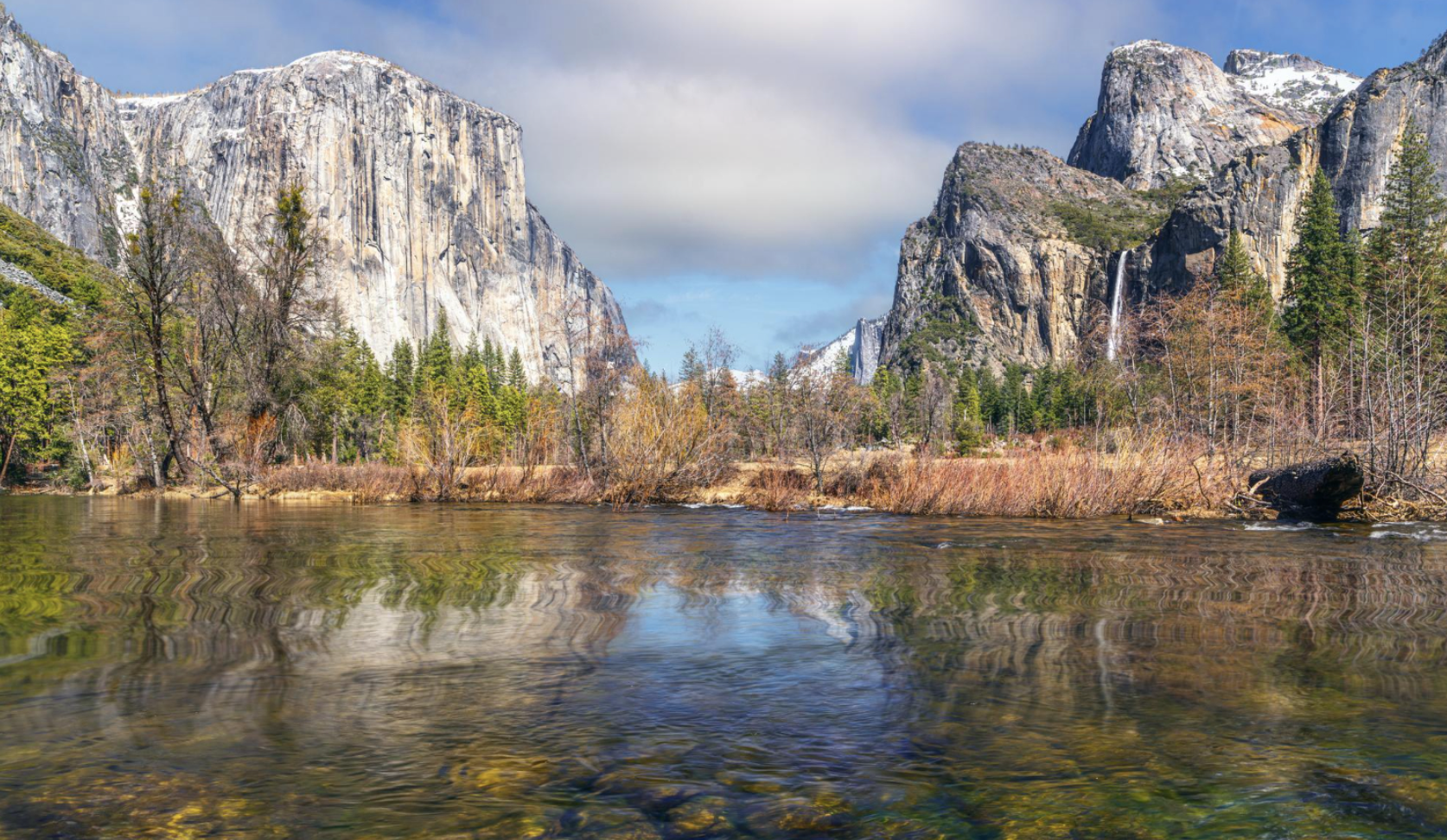
America’s national parks were created to preserve wild places and make them accessible to everyone, but their own popularity has become a problem. Record visitation has turned the most famous parks into traffic-jammed, reservation-required, elbow-to-elbow experiences during peak season, and longtime park lovers increasingly avoid the marquee names in summer in favor of quieter alternatives. The crowding isn’t just an annoyance — it degrades the very experience the parks were meant to offer, strains fragile ecosystems, and has forced the Park Service to implement timed-entry systems, shuttle requirements, and reservations at the busiest parks. None of this means these parks aren’t worth seeing; it means timing and strategy matter more than ever. Here are twelve beloved national parks so crowded at peak times that regulars are staying away, and how to experience them better.
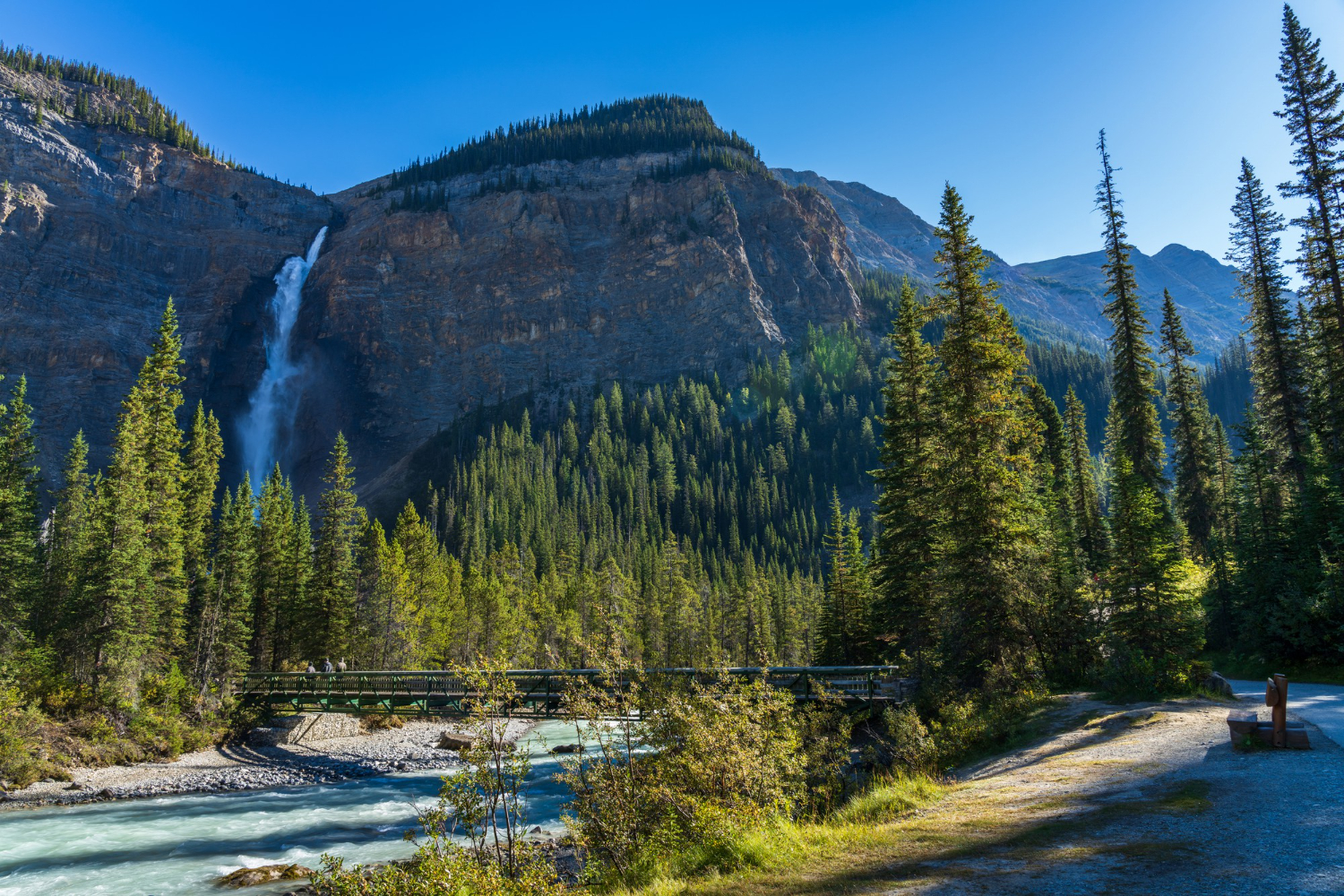
1. Zion National Park, Utah
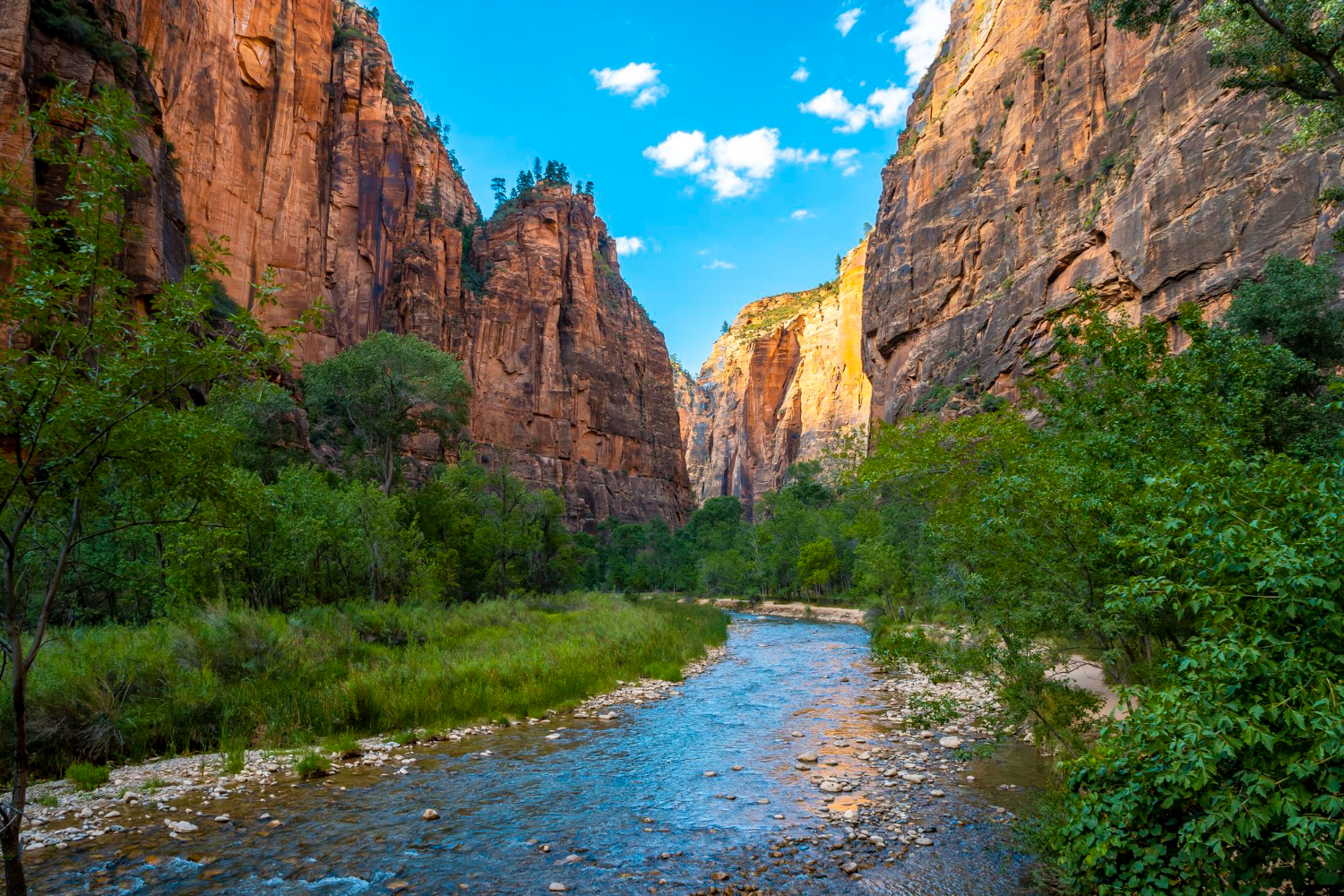
Zion has become one of the most crowded parks in America, with its narrow canyon funneling enormous crowds onto a few key trails. The park requires a shuttle system to manage traffic, and its famous Angels Landing hike now requires a permit obtained by lottery specifically because of overcrowding and safety concerns. Regulars increasingly visit in the off-season or at dawn. The combination of soaring visitation and a physically constrained canyon makes peak-season Zion one of the most overrun park experiences in the country.
Like our content? Follow us for more.
2. Arches National Park, Utah
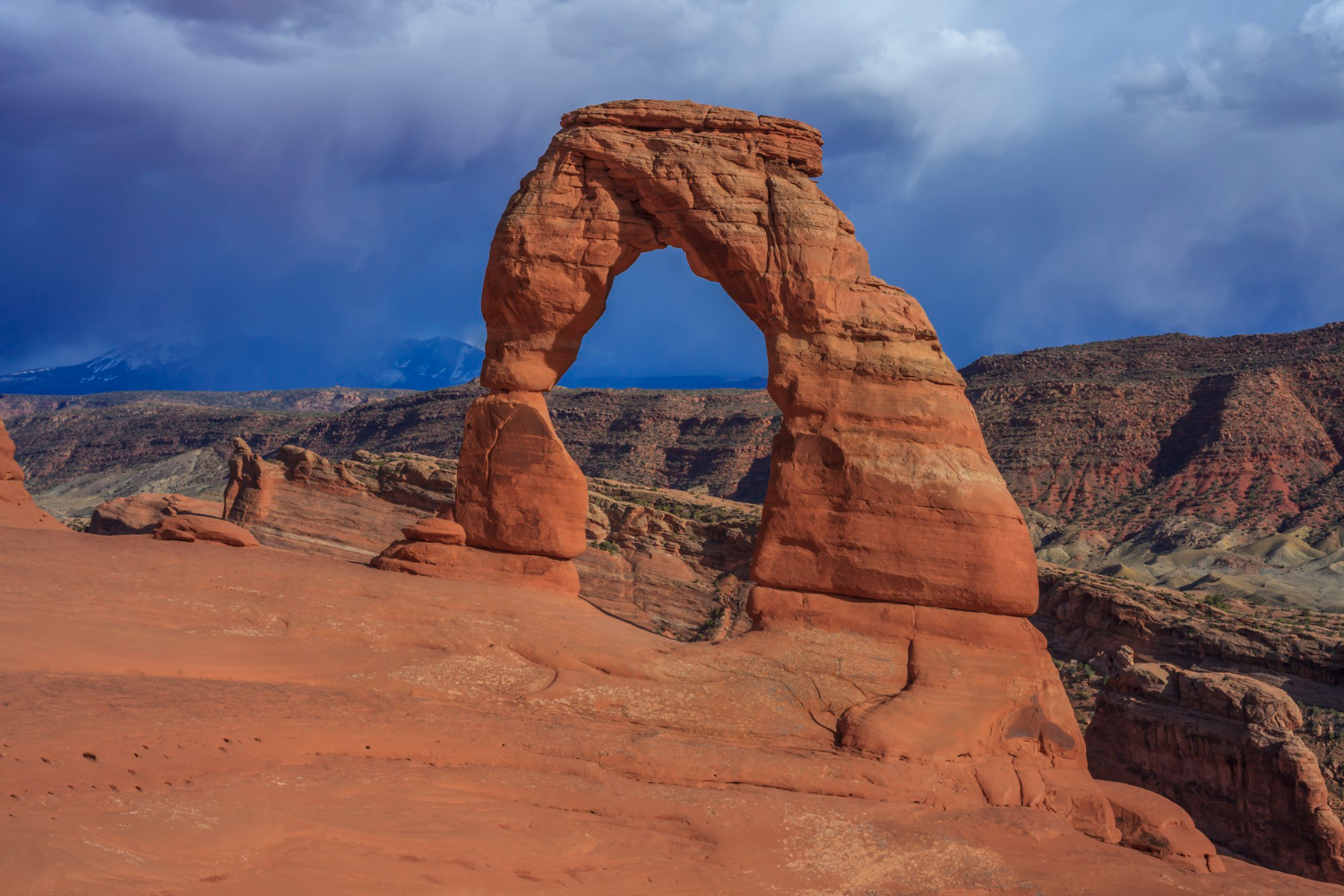
Arches became so congested that the Park Service implemented a timed-entry reservation system during peak months — visitors without a reservation can be turned away or face long entrance lines. The park’s relatively compact size and concentration of famous arches create bottlenecks at the most popular features. Regulars plan around the reservation system or visit in shoulder seasons. Arches is a prime example of a park where the crowds and the resulting reservation requirements have fundamentally changed the spontaneous visit.
3. Yosemite National Park, California
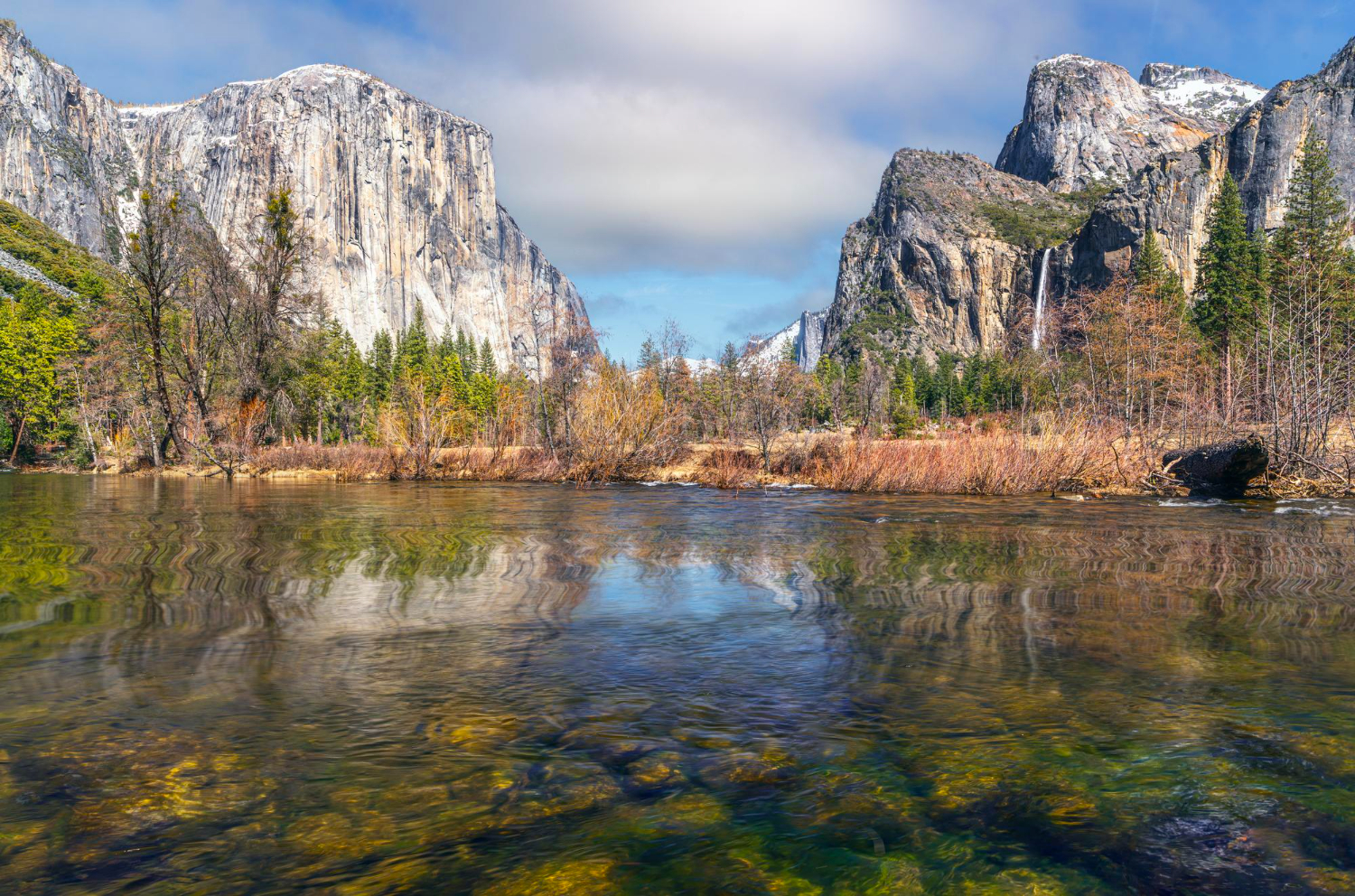
Yosemite Valley in summer can resemble a crowded city, with traffic jams, packed parking lots, and crowds at every famous viewpoint. The park has implemented reservation systems during peak periods to manage the crush. The valley’s concentration of iconic sights in a relatively small area means everyone clusters in the same spots. Regulars head to the high country, visit off-season, or arrive at dawn. Peak-season Yosemite Valley is among the most congested natural areas in America.
4. Yellowstone National Park, Wyoming
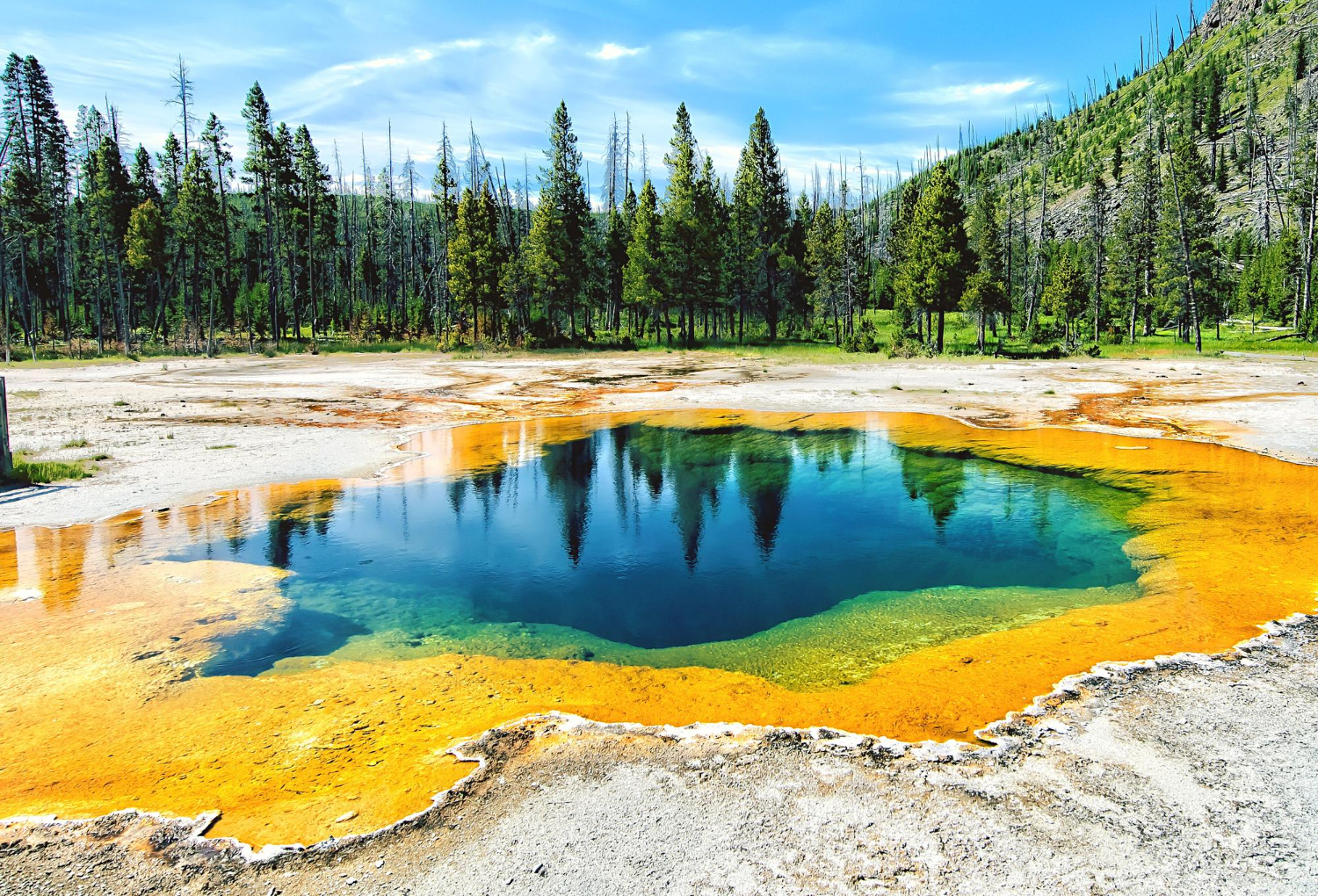
Yellowstone draws enormous summer crowds that create “bison jams” and traffic backups, packed boardwalks at the geysers, and full parking lots at the famous features. The park’s vast size helps, but the crowds concentrate at Old Faithful and the other marquee sights. Visitors also create dangerous situations approaching wildlife for photos. Regulars visit in late spring or fall and explore the less-famous areas. Summer Yellowstone at the popular features is a crowded, sometimes chaotic experience far from the solitude many imagine.
5. Great Smoky Mountains National Park, Tennessee/North Carolina
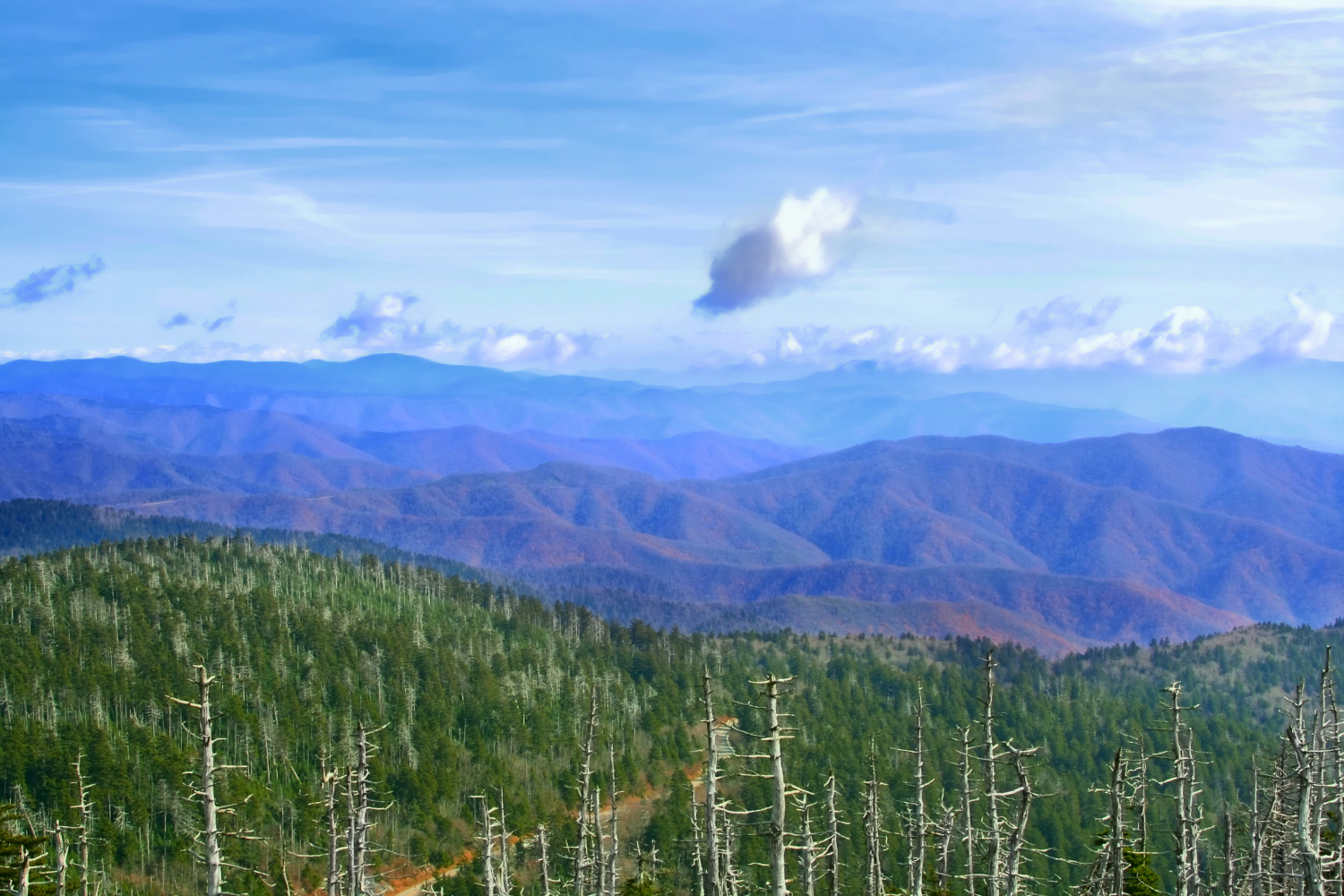
Great Smoky Mountains is by far the most-visited national park in America, drawing more than twice the visitors of any other, with the resulting congestion on its roads and at popular spots like Cades Cove, where traffic can crawl for hours. The park’s accessibility and proximity to population centers drive the enormous numbers. Regulars know to avoid peak times and the most famous loops. The sheer volume of visitors makes the most popular areas of the Smokies feel anything but wild during busy periods.
6. Rocky Mountain National Park, Colorado
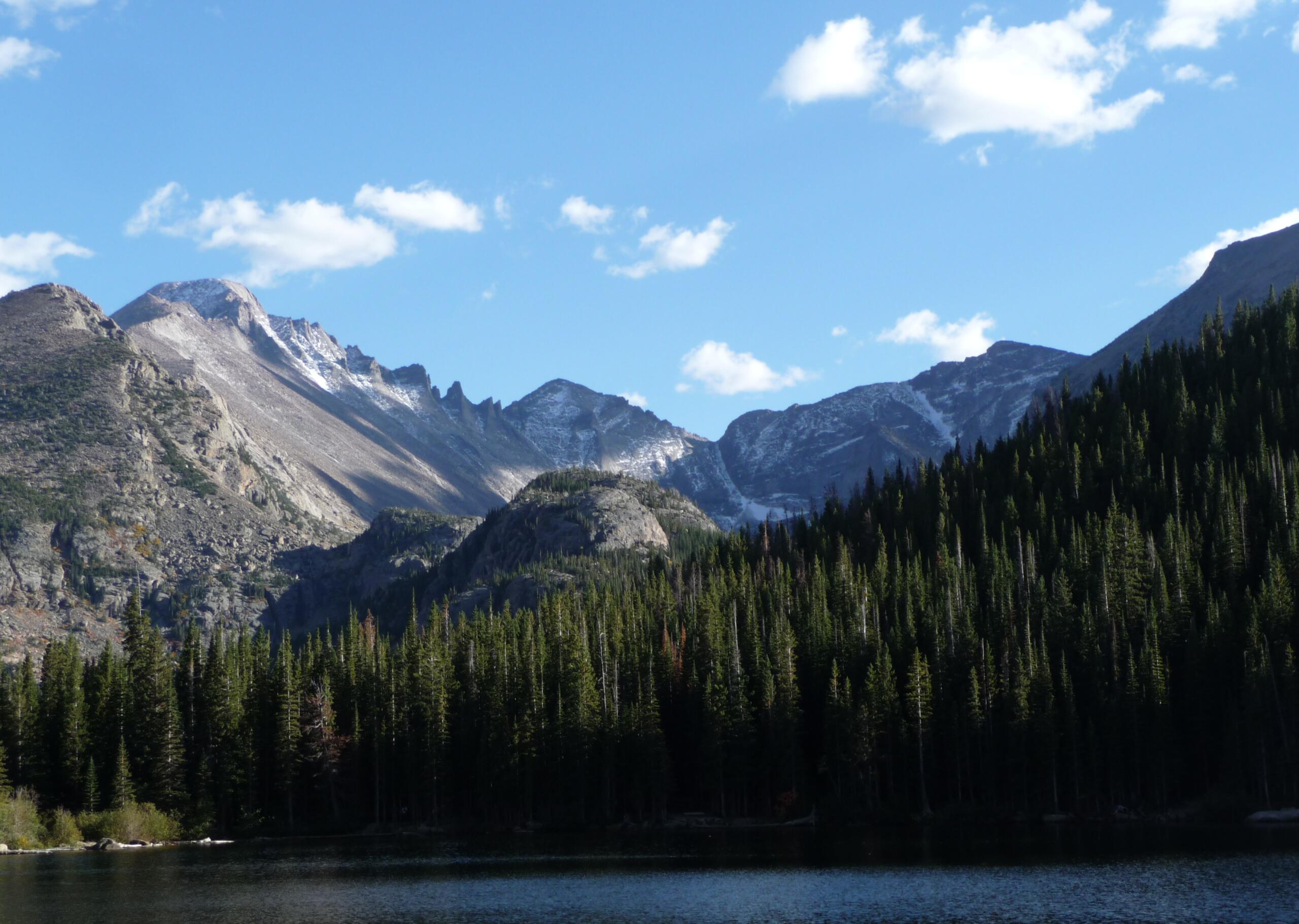
Rocky Mountain implemented a timed-entry permit system to manage overwhelming crowds, particularly along the popular Bear Lake corridor and Trail Ridge Road. The park’s proximity to Denver drives heavy visitation, and the most accessible areas fill quickly. Regulars use the reservation system strategically or explore less-trafficked trailheads. The crowding and the resulting permit requirements have made the once-spontaneous visit to this Colorado favorite a more managed affair.
7. Acadia National Park, Maine
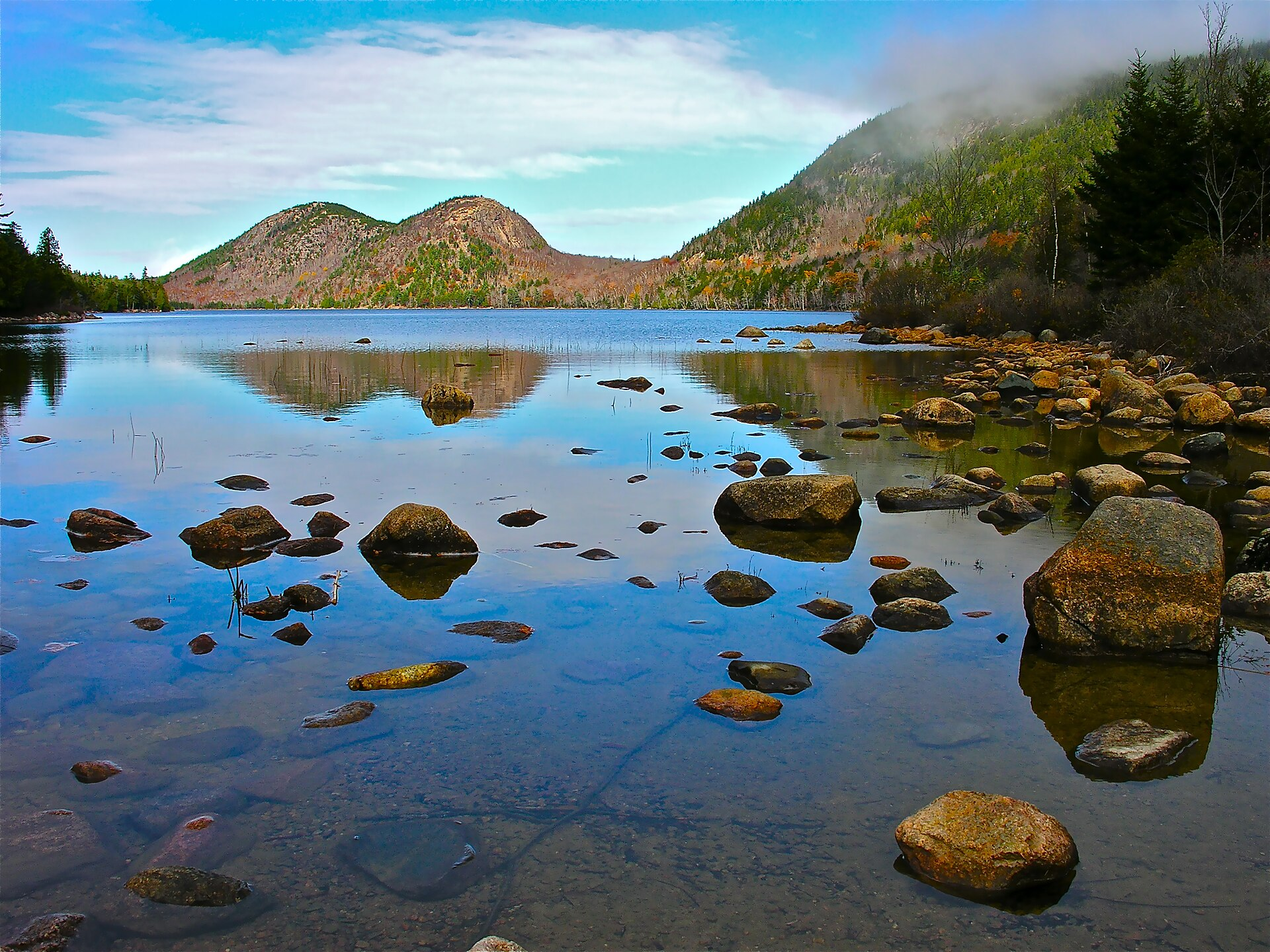
Acadia concentrates enormous crowds onto its scenic Park Loop Road and at the summit of Cadillac Mountain, which now requires a vehicle reservation to drive up during the season. The park’s compact size and the famous sunrise crowds at Cadillac create real congestion. Regulars visit in the quieter shoulder seasons or explore the less-famous parts of the park. Peak-season Acadia, particularly at its most famous viewpoints, has become a crowded experience requiring advance planning.
8. Grand Canyon National Park, Arizona
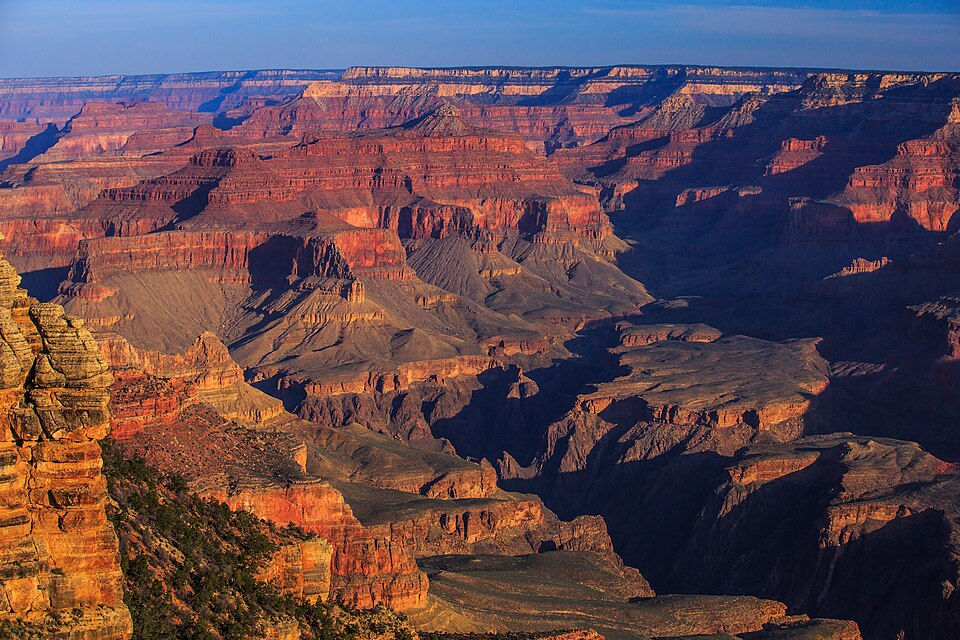
The Grand Canyon‘s South Rim draws massive crowds to a relatively concentrated set of viewpoints and facilities, with packed shuttles, full parking, and crowded overlooks during peak season. The sheer fame of the canyon ensures enormous visitation. Regulars visit the much quieter North Rim, explore beyond the main viewpoints, or come off-season. The most accessible South Rim viewpoints in summer can be shoulder-to-shoulder, a crowded contrast to the vast solitude of the canyon itself.
9. Glacier National Park, Montana
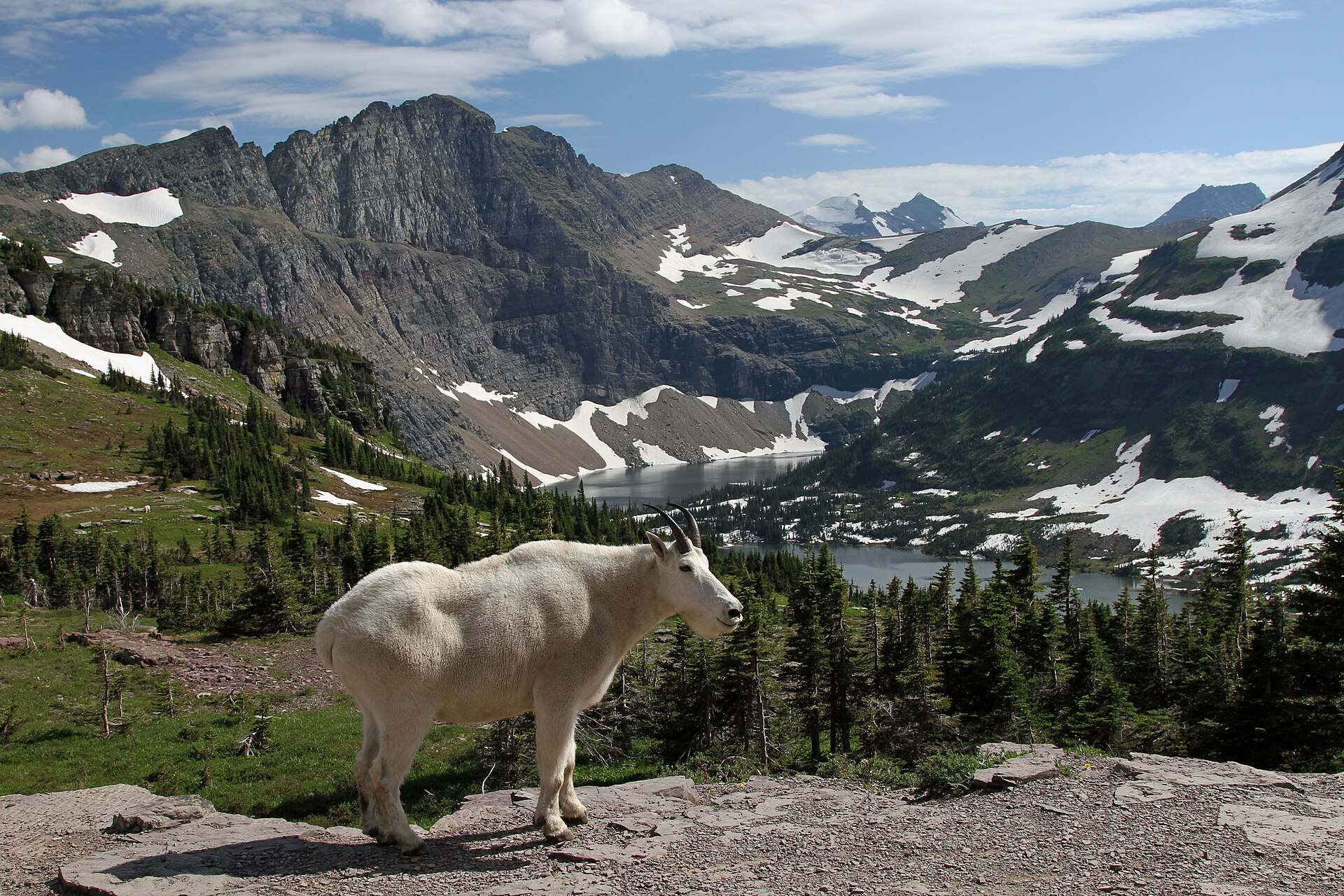
Glacier implemented a vehicle reservation system for its famous Going-to-the-Sun Road to manage crowds that had overwhelmed the park’s limited infrastructure. The short summer season concentrates visitation into a narrow window, and the famous road and popular trailheads fill quickly. Regulars navigate the reservation system or visit the less-crowded park entrances. The crowding on Glacier’s signature road has made the timed-entry system a necessary part of planning a visit.
10. Joshua Tree National Park, California
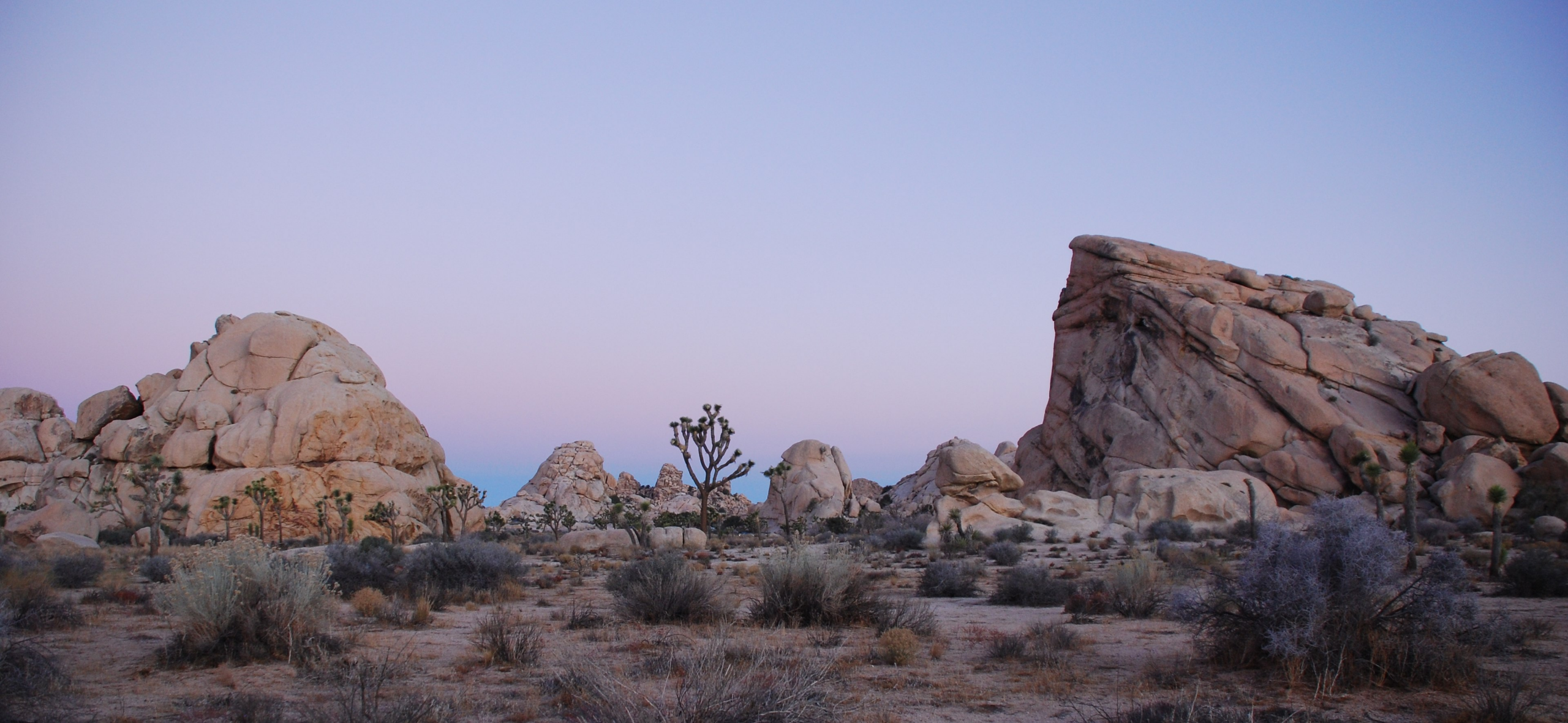
Joshua Tree has seen visitation surge dramatically, particularly with its popularity on social media drawing crowds to specific photogenic spots, creating congestion at the most famous features and parking areas. The park’s proximity to Southern California’s huge population fuels the crowds. Regulars visit on weekdays or in the off-season and seek out the less-photographed areas. The social-media-driven surge has made the most famous Joshua Tree locations crowded in a way that surprises longtime visitors.
11. Grand Teton National Park, Wyoming
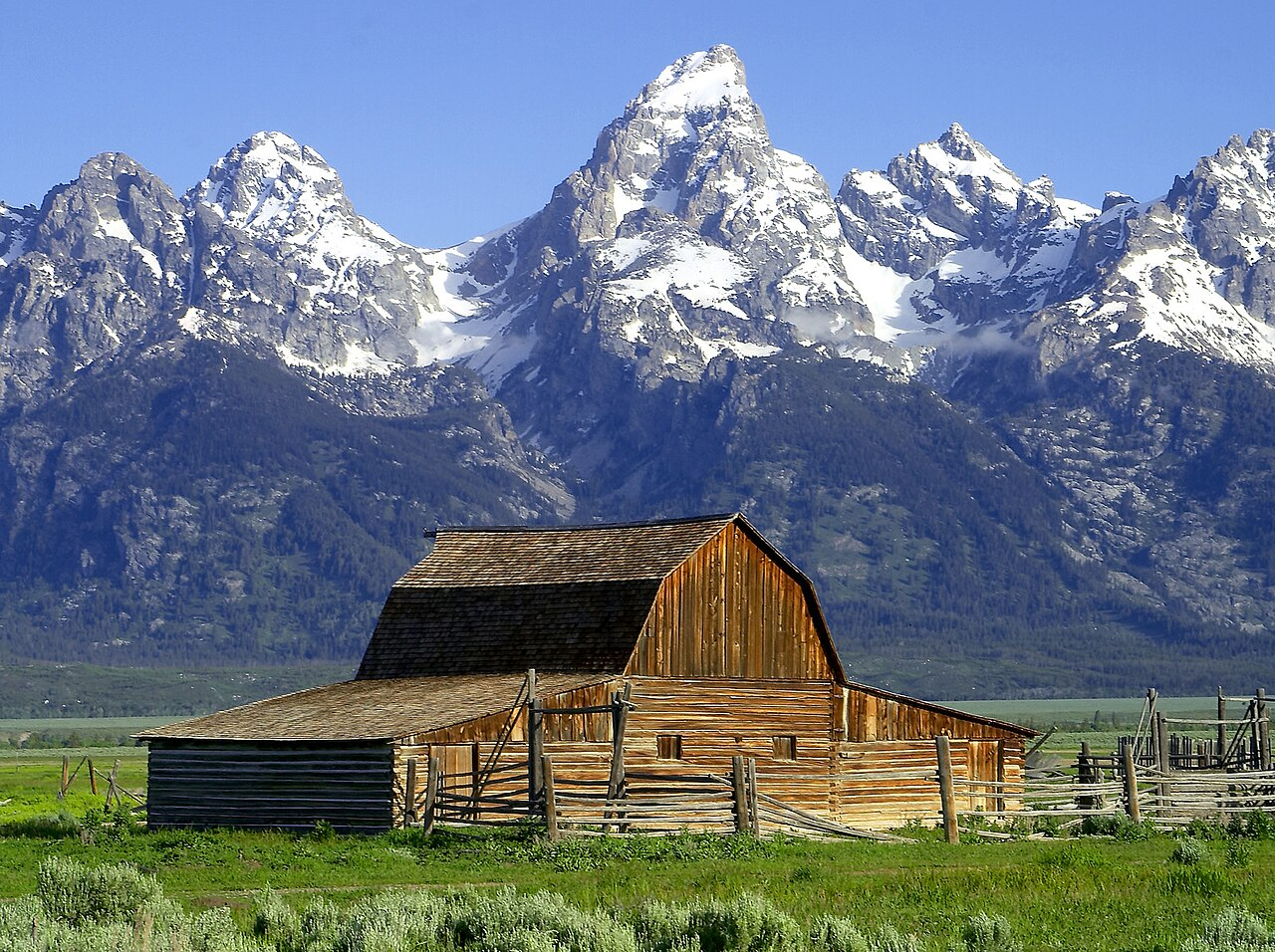
Grand Teton, often visited alongside Yellowstone, draws heavy summer crowds to its famous viewpoints, popular trails, and the scenic drives, with the resulting parking and trail congestion at peak times. The park’s stunning and accessible scenery concentrates visitors at the best-known spots. Regulars explore beyond the famous overlooks and visit in shoulder seasons. The combination with Yellowstone tourism makes the Tetons’ most popular areas crowded during the peak summer window.
12. Hot Springs and the Smaller Parks Overwhelmed by Their Size
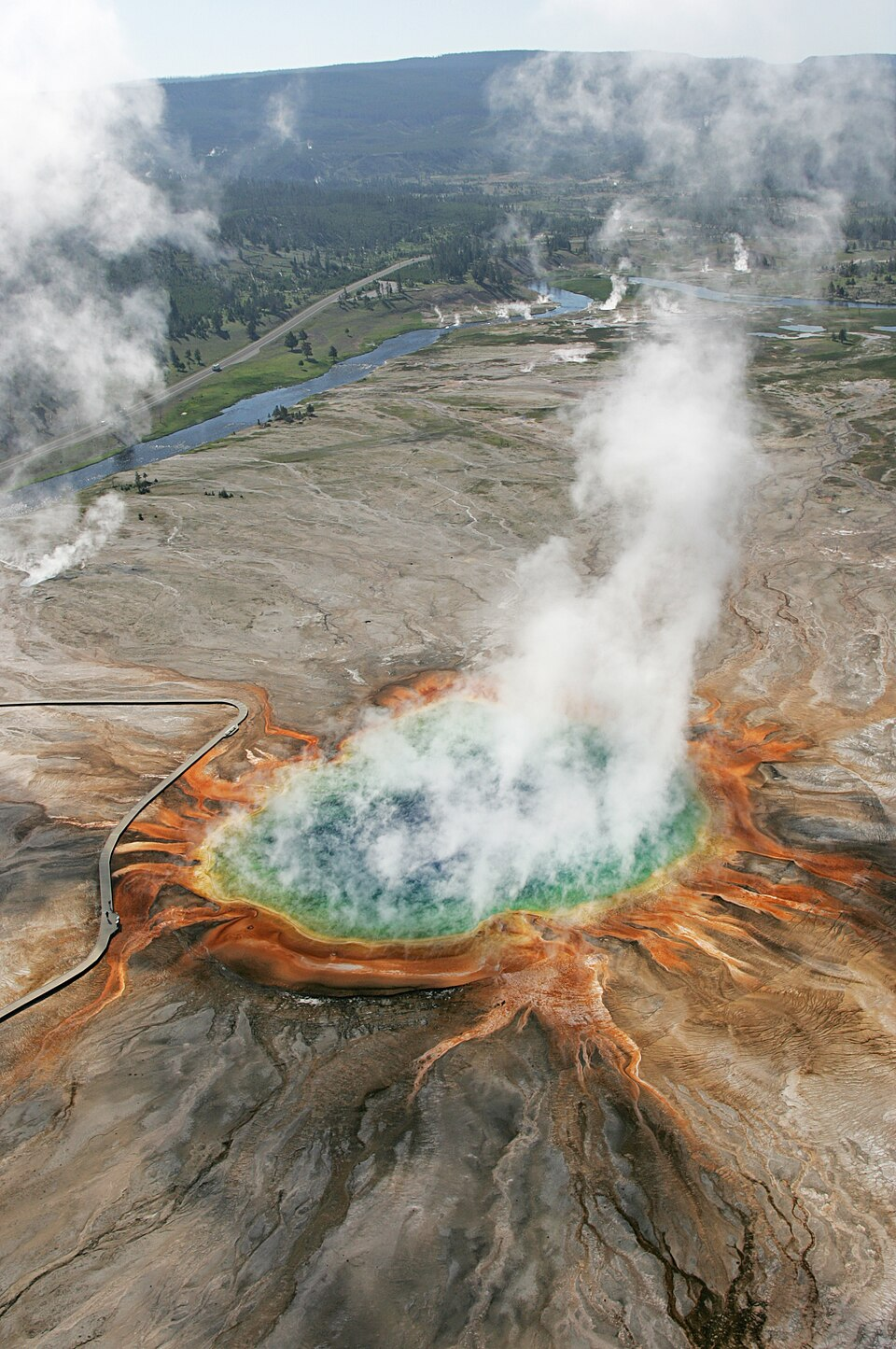
Beyond the giants, several smaller or more fragile parks suffer disproportionately from crowds because their limited size or delicate features can’t absorb high visitation — parks where a surge of visitors quickly overwhelms the modest infrastructure and concentrated attractions. For these parks, even moderate crowds create a packed experience, and the lack of the vast acreage that helps disperse visitors in the bigger parks means peak times feel especially congested. Regulars seek out the genuinely remote and lesser-known units of the park system, where solitude still genuinely exists.
How to Actually Enjoy These Parks
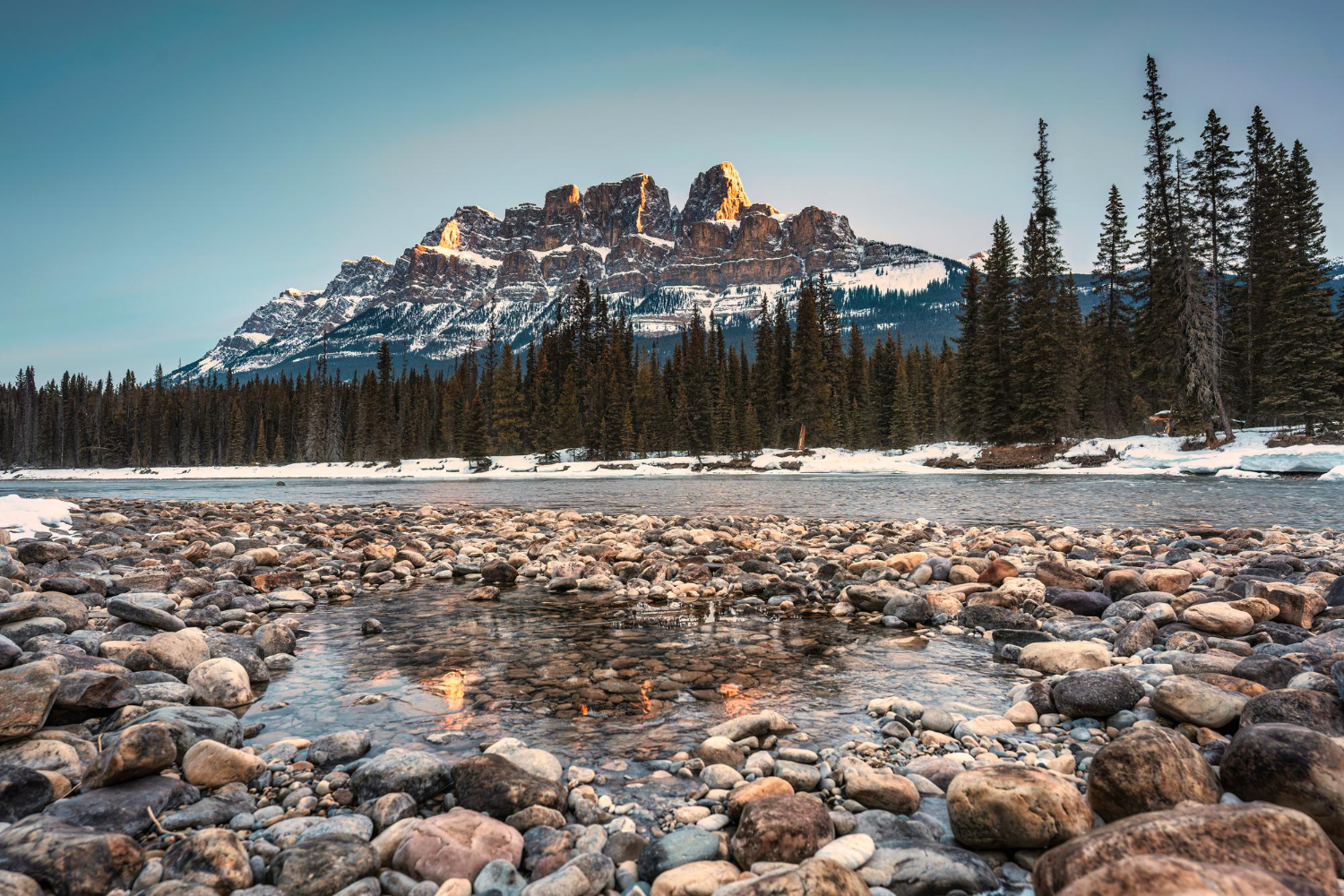
The crowding problem is real, but it’s also almost entirely avoidable with strategy, and that’s the genuinely useful takeaway rather than simply staying home. The single most effective move is timing: nearly every park on this list transforms in the shoulder seasons — late spring and especially fall — when the crowds thin dramatically while the scenery often improves. The second is the time of day: arriving at a popular trailhead or viewpoint at dawn means experiencing it in near-solitude before the midday crush, and the early light is better anyway. The third is embracing the reservation systems rather than fighting them — the timed-entry permits at Arches, Rocky Mountain, Glacier, and others exist precisely to make the visit better, and planning around them beats being turned away at the gate. The fourth, and most rewarding, is venturing beyond the marquee features: every crowded park has quieter trails, lesser-known areas, and entire sections that most visitors never reach, where the wild experience the park was meant to offer still genuinely exists. And the broadest strategy is to consider the many spectacular but less-famous parks and public lands — the national monuments, national forests, and lesser-known park units — that offer comparable beauty without the crowds. The parks belong to everyone, and the crowds are a sign of how much people love them. The answer isn’t to avoid these treasures but to experience them on terms that preserve what makes them worth visiting: a little planning, a willingness to go off-peak and off the beaten path, and the understanding that the best of these parks is rarely found in the packed parking lot at noon.
Like our content? Follow us for more.
