In 1964 it did not belong to anybody and everybody wore it, and that single fact explains every other thing about it. A household needs something to put on for two minutes of being outside – to fetch something, to look at something, to go to the end of the property and come back – and putting on your own outer garment for two minutes is more trouble than the two minutes is worth. One garment by the door, available to whoever was going out, solves that completely. Children understood the status immediately: a thing nobody owned could be taken by anybody. Here are twelve things every American kid remembers about the shared coat by the back door in 1964, and why homes dropped it.
1. It Did Not Belong to Anybody and Everybody Wore It
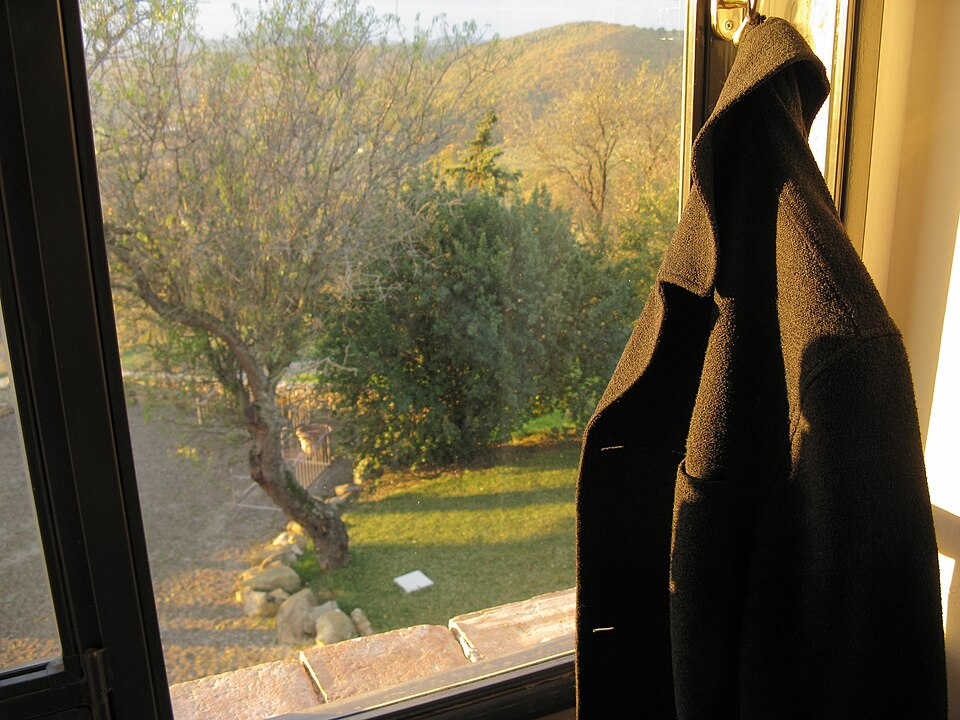
The garment had no owner, which is the fact that explains every other thing about it.
The arrangement arose from a practical problem rather than from anybody’s decision. A household needs something to put on for two minutes of being outside – to fetch something, to look at something, to go to the end of the property and come back – and putting on your own outer garment for two minutes is more trouble than the two minutes is worth. A single garment by the door, available to whoever was going out, solves that completely.
Children understood the status immediately. A thing nobody owned could be taken by anybody, which made it one of a very small number of household objects a child could use without reference to any adult at all.
Like our content? Follow us for more.
2. It Had Been Somebody’s Once and Nobody Remembered Whose
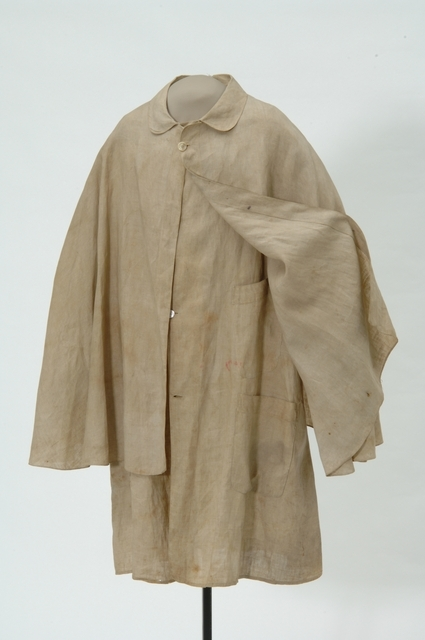
These garments entered the role by being retired from a previous one, and the provenance faded.
The pathway was always the same. Something that had become too worn, too out of date or too ill-fitting to be worn properly was not discarded, because discarding a serviceable garment made no sense in 1964 – it was moved to the door, where its condition no longer mattered and its usefulness continued for years longer than its original life had lasted.
Children asked once and got a vague answer. The reply was generally a reference to somebody no longer in the household or to a period before the child existed, which is as much as anybody could supply, and the question was not asked again.
3. It Was the Wrong Size for Every Single Person
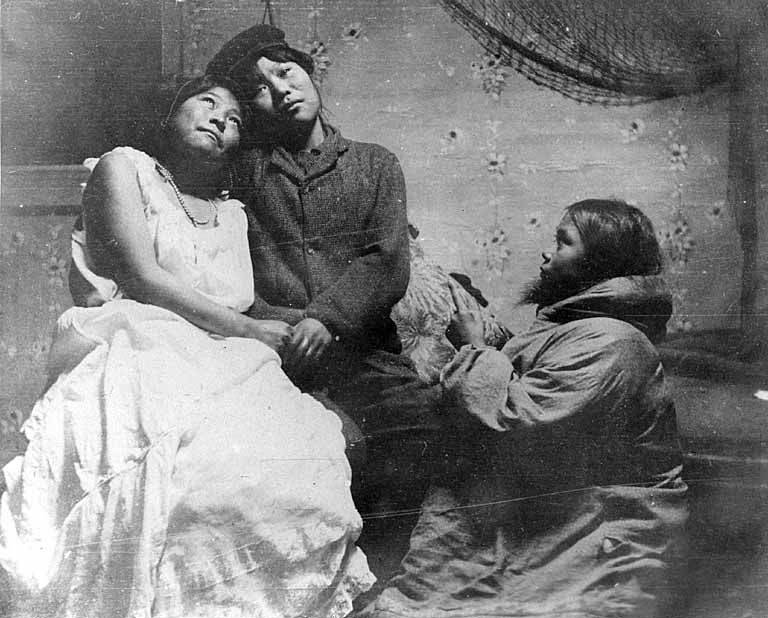
The garment fitted nobody, which was understood and accepted by all parties.
The misfit was inherent in the arrangement. A single garment serving five people of different sizes cannot fit any of them, and the one that ended up in the role was generally sized for whoever had owned it previously rather than for anybody currently using it – which meant adults wore something tight and children wore something that reached their knees.
The children’s version of this is what people remember. A child in an adult’s outer garment, with the sleeves turned back several times and the hem somewhere around their shins, is the single most frequently described image of the whole subject.
4. The Pockets Contained Things From Several Years
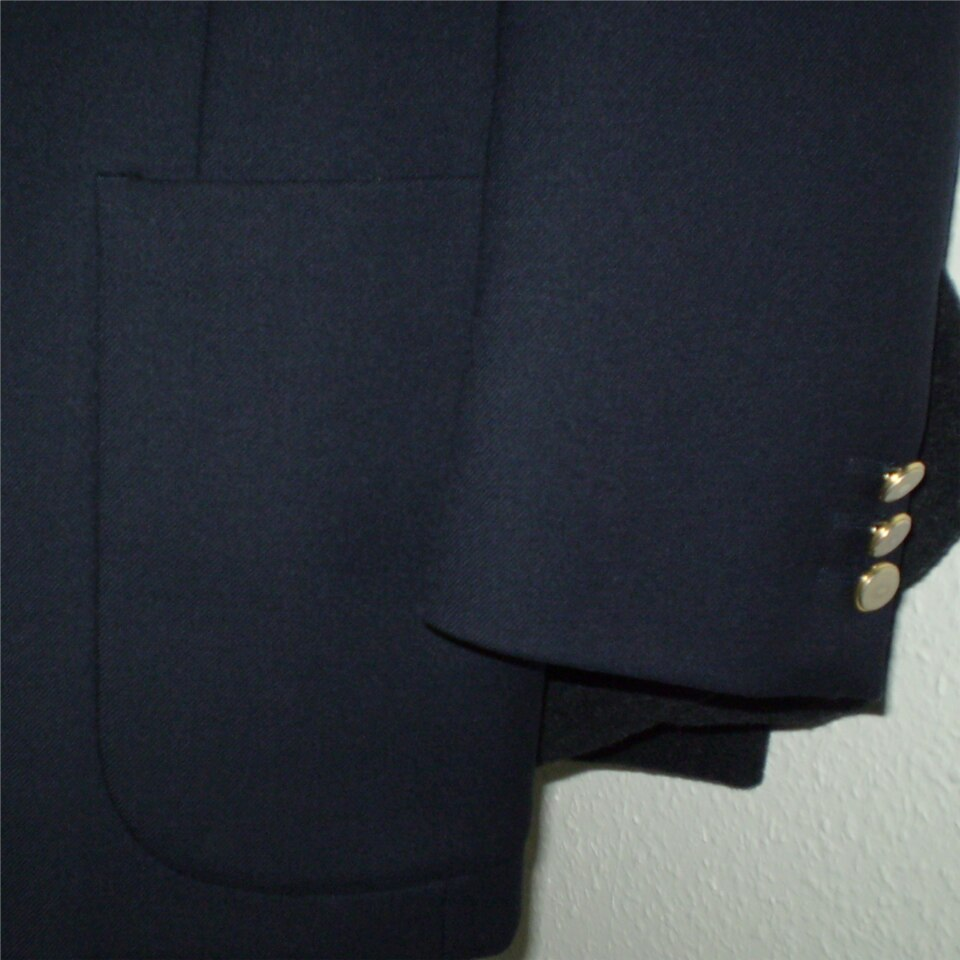
The garment accumulated material that nobody removed, from everybody who had worn it.
The accumulation is a consequence of shared use and nobody’s responsibility. A person who puts something in a pocket intends to take it out later; a person who puts something in a shared garment’s pocket forgets about it immediately, because the garment is not theirs and they will not be wearing it again tomorrow – which means the contents built up continuously and were never cleared.
Searching them was a recognised childhood activity. A child wearing the garment went through the pockets as a matter of course, and the finds were genuinely interesting precisely because nobody could say who had left them or when.
5. It Was Always Slightly Damp
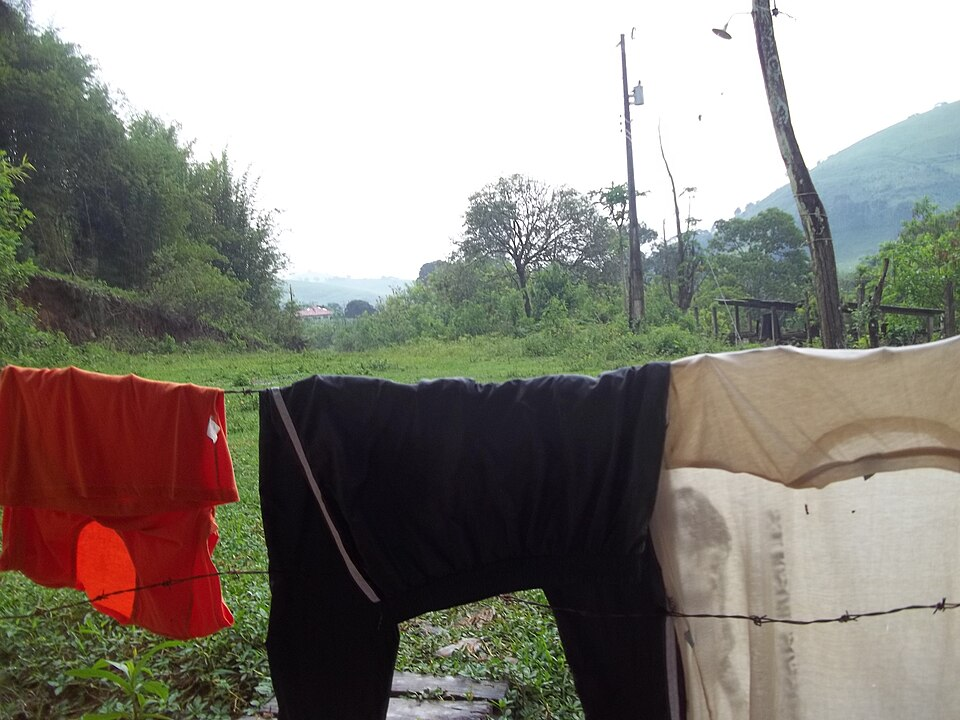
The garment never fully dried, which was the one real drawback of the whole arrangement.
The reason is the use pattern. Something worn for short periods, several times a day, in whatever conditions existed outside, and hung on a hook in an unheated part of the house between uses, does not get a chance to dry – which means it was put on damp more often than not.
Children minded this more than adults. The sensation of putting on a cold damp garment to go outside for two minutes is described by a great many people as one of the more unpleasant small experiences of a 1964 childhood, and it was never once addressed by anybody.
6. It Hung on One Hook and Nothing Else Did
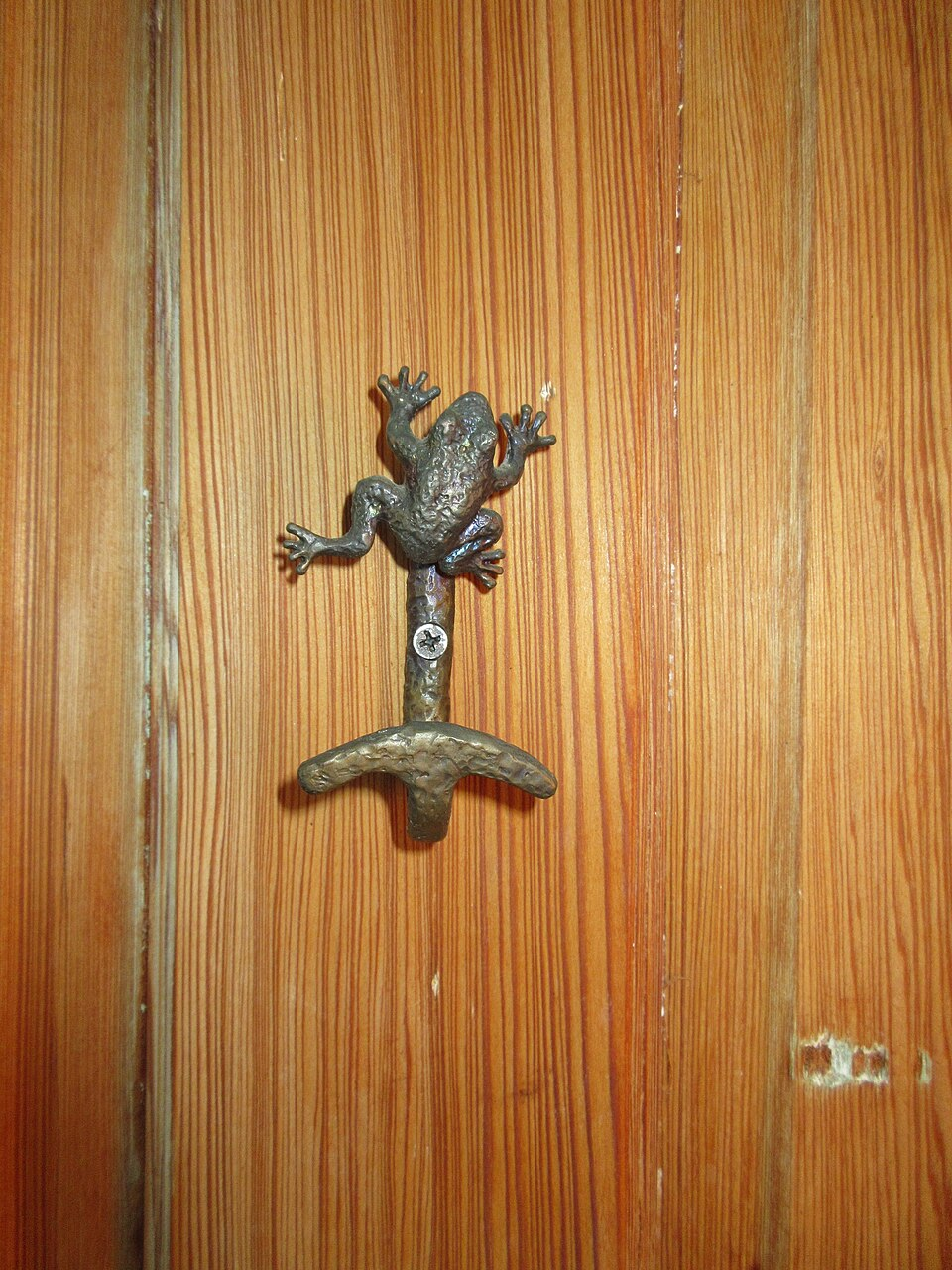
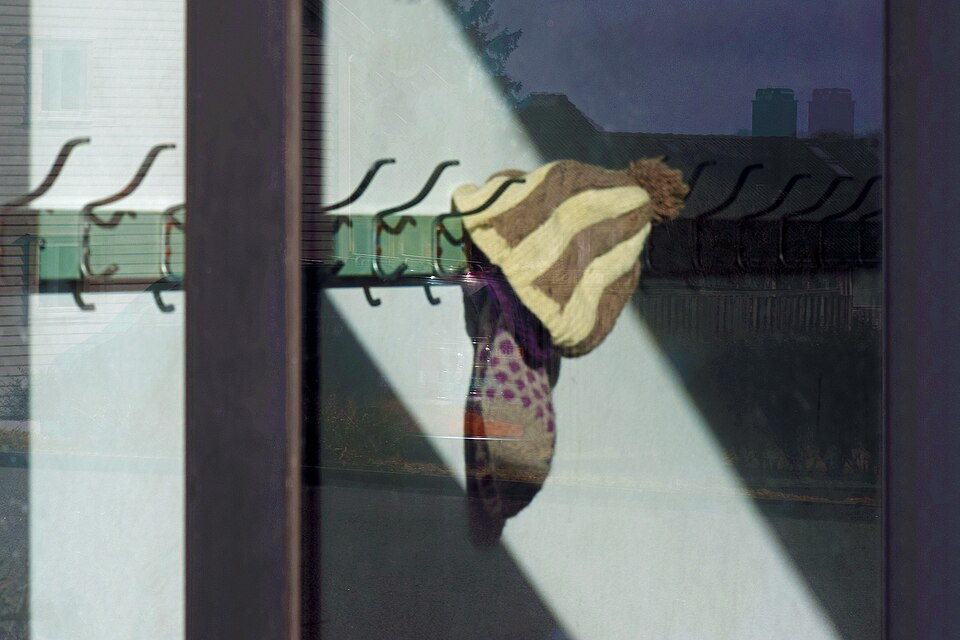
The garment had a dedicated position, and the position was as fixed as anything in the house.
The exclusivity developed rather than being established. Everybody put it back in the same place because that is where it had been when they took it, and within a short period that hook had become the garment’s hook – with the result that the two were associated completely and neither was used for anything else.
The hook was at adult height. A child who could not reach it put the garment on a chair or over something else and was told to hang it up, which is a correction almost everybody received and which nobody could comply with until they were tall enough.
7. You Wore It for Jobs That Did Not Deserve a Coat
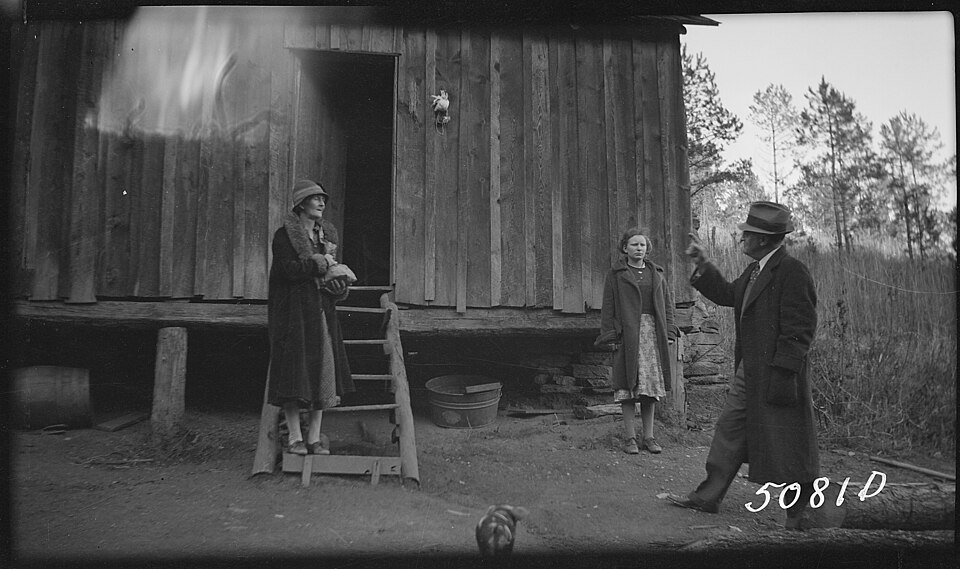
The garment existed for a specific category of task that had no other solution.
That category is broad and entirely domestic. Going to the end of the garden, looking at the weather, dealing with something outside the back door, moving something a short distance, checking on something – all of these take under five minutes and all of them require being outside, and none of them justifies the business of putting on proper outdoor clothing.
This is what the arrangement actually solved. A household with one garment at the door removed the friction from every one of those tasks, which means a great many small jobs got done that might otherwise have been postponed.
8. It Smelled of the Outside of the House
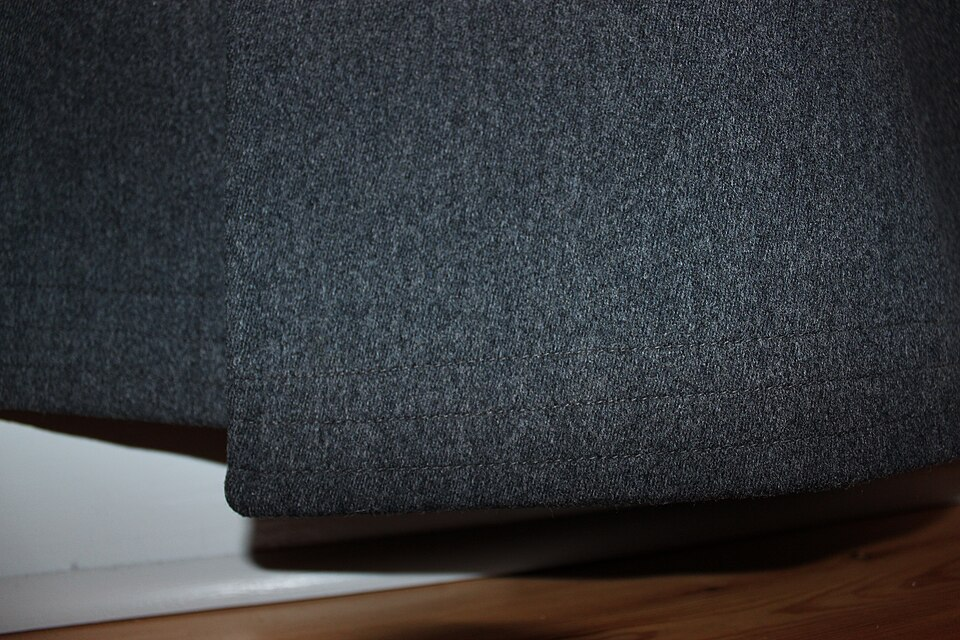
The garment carried an atmosphere that was specific to its position and its use.
The combination was particular and is described consistently. Something perpetually slightly damp, hung in an unheated space by a door that opened frequently, worn by everybody and washed by nobody, develops a smell that is neither pleasant nor unpleasant and is completely distinct from anything else in the building.
It is the detail people report most reliably about the whole subject. A great many people describe the smell of that garment with total confidence while being unable to say what colour it was.
9. It Was Never Washed and Nobody Thought About That
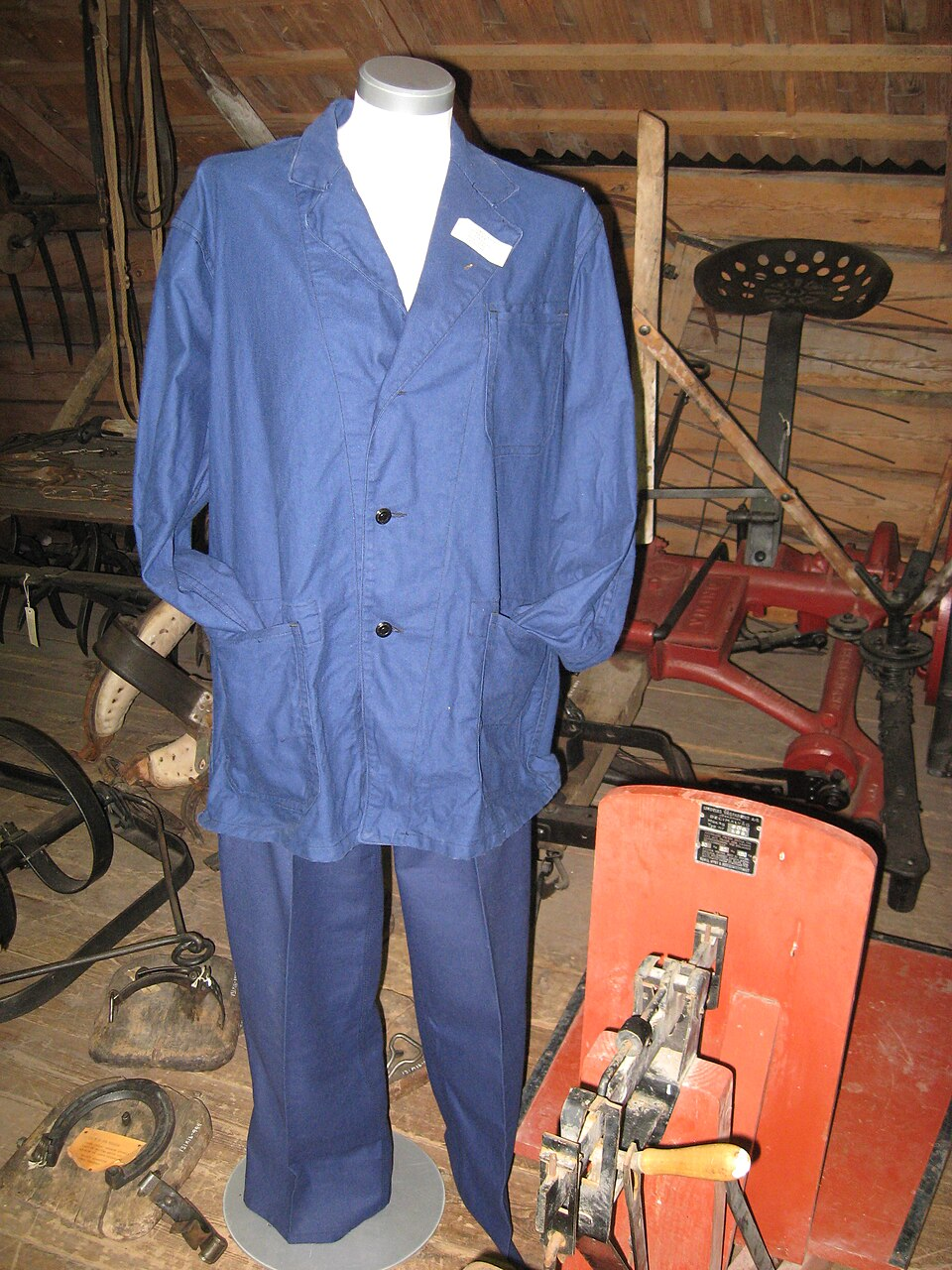
The garment fell outside the household’s laundry arrangements entirely, for a structural reason.
The omission follows from the ownership. Laundry of that period was organised by person, and a garment belonging to nobody had no place in anybody’s pile – which means it was simply never collected, never processed and never missed from the arrangement.
Nobody noticed the gap until it was pointed out. Households confronted with the observation generally agreed and then did nothing, because washing it would have meant it was unavailable for a day, which was a worse outcome than its condition.
10. Somebody Took It Properly Outside Once and It Did Not Come Back
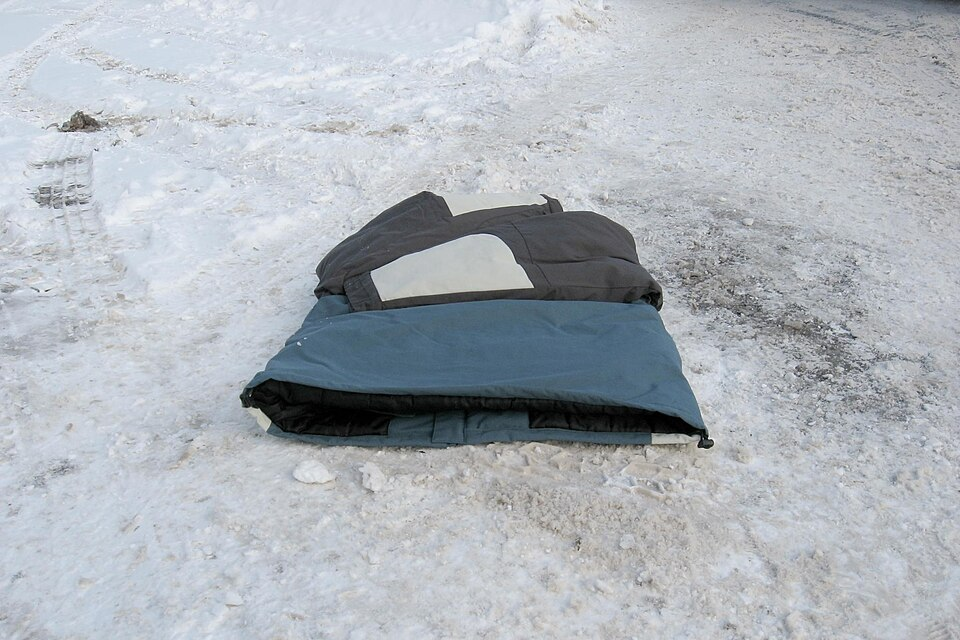
The garment occasionally left the premises and the loss was always eventual rather than immediate.
The departure happened the same way everywhere. Somebody wearing it for a two-minute job found a reason to continue, left the property in it, and the garment then existed somewhere else – and because nobody owned it, nobody went looking for it with any urgency.
The replacement arrived within a fortnight. Another garment reached the end of its proper life, went onto the same hook, and the role continued with a different object – which means the position outlasted every individual garment that filled it.
11. Children Were Allowed to Treat It Badly

The garment was the one item of clothing no child was ever careful with.
The permission was real and was understood by everybody. A garment with no owner, no value and no standards attached to it is a garment that can be sat on, knelt in, dragged and generally used without any consideration – and children who were corrected constantly about every other item of clothing they owned were corrected about this one never.
That freedom is what children actually liked about it. The relief of wearing something that could not be ruined is reported by a great many people and is the only entirely positive thing anybody says about the garment.
12. Then Households Stopped Having One
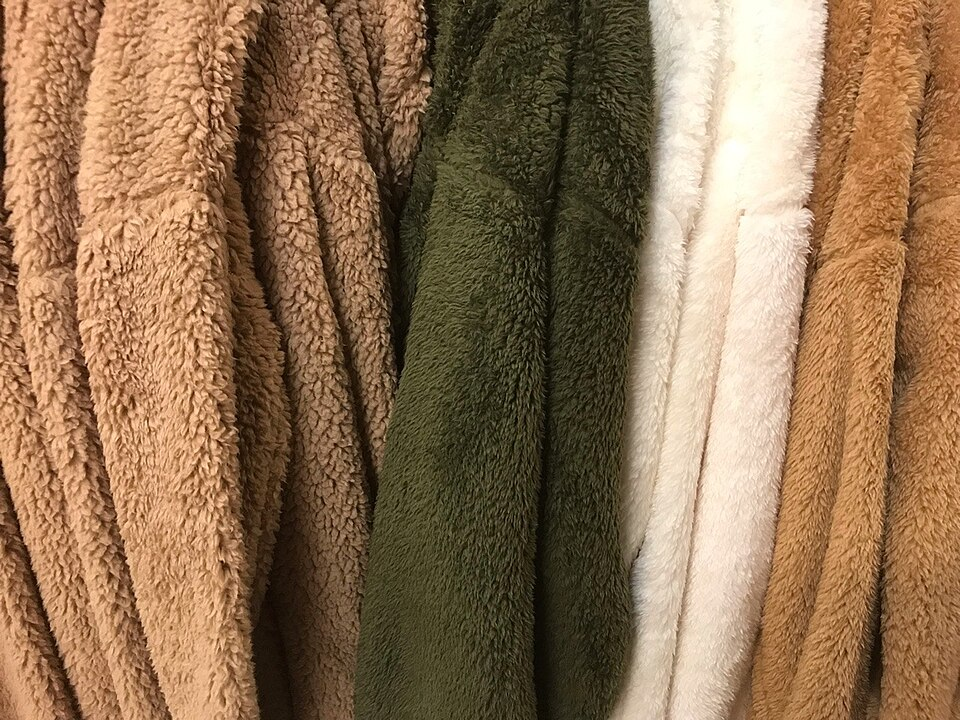
More clothing per person, cheaper garments, heated hallways, different house layouts and a complete change in how much anybody owns ended the shared garment entirely.
Most of that is an improvement. Everybody having something of their own that fits, is dry and is washed with everything else is better in every respect than one perpetually damp garment on a hook that fitted nobody.
What went with it is a category of object. Something belonging to no person, in a fixed position, available to a child without reference to anybody, accumulating other people’s forgotten things in its pockets, and the only garment in a 1964 childhood that nobody could be told off about.
How a Garment Ended Up With No Owner
Read in order, the twelve describe an object defined entirely by what it was not. The pathway into the role was always the same: something too worn, too out of date or too ill-fitting to be worn properly was not discarded, because discarding a serviceable garment made no sense in 1964 – it was moved to the door, where its condition stopped mattering and its usefulness continued for years longer than its original life had lasted. Children asked once about whose it had been, received a vague reference to somebody no longer in the household or to a period before they existed, and did not ask again.
Everything else follows from having no owner. It fitted nobody, because a single garment serving five people of different sizes cannot, and it was generally sized for whoever had owned it before – which produced the most frequently described image of the whole subject, a child in an adult’s coat with the sleeves turned back several times and the hem somewhere around their shins. Its pockets accumulated continuously, because a person who puts something in a shared garment’s pocket forgets about it immediately, and going through them was a recognised childhood activity precisely because nobody could say who had left anything or when. And it fell outside the laundry arrangements entirely, because laundry of that period was organised by person and a garment belonging to nobody had no place in anybody’s pile.
What it actually solved was friction. Going to the end of the garden, looking at the weather, dealing with something outside the door, checking on something – all under five minutes, all requiring being outside, none justifying proper outdoor clothing. A household with one garment at the door got a great many small jobs done that might otherwise have been postponed.
And the position outlasted every object that filled it. When one eventually left the premises on somebody and did not come back, another reached the end of its proper life within a fortnight and went onto the same hook.
The practical case against it is complete, and one drawback in particular. Something worn for short periods several times a day, in whatever conditions existed outside, and hung in an unheated part of the house between uses, never gets a chance to dry – so it was put on damp more often than not, which children minded considerably more than adults and which nobody ever addressed. Everybody having something of their own that fits, is dry and is washed with everything else is better in every respect.
What went with it is the one entirely positive thing anybody says about the garment. A coat with no owner, no value and no standards attached to it could be sat on, knelt in and dragged, and children who were corrected constantly about every other item of clothing they owned were corrected about this one never.
Like our content? Follow us for more.