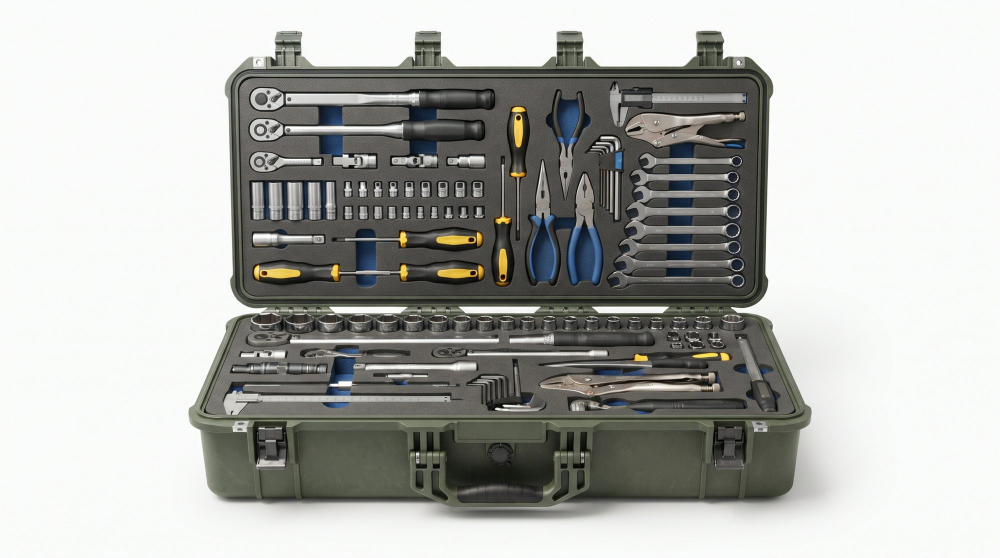
Carrying your own tools to a job abroad engages three regimes that have nothing to do with each other: customs treatment of the equipment, immigration permission for the work, and whether your trade may lawfully be performed there at all.
Most people research the first and are stopped by the third. Here are fourteen things that decide how it goes.
1. Tools carried for work are not personal effects
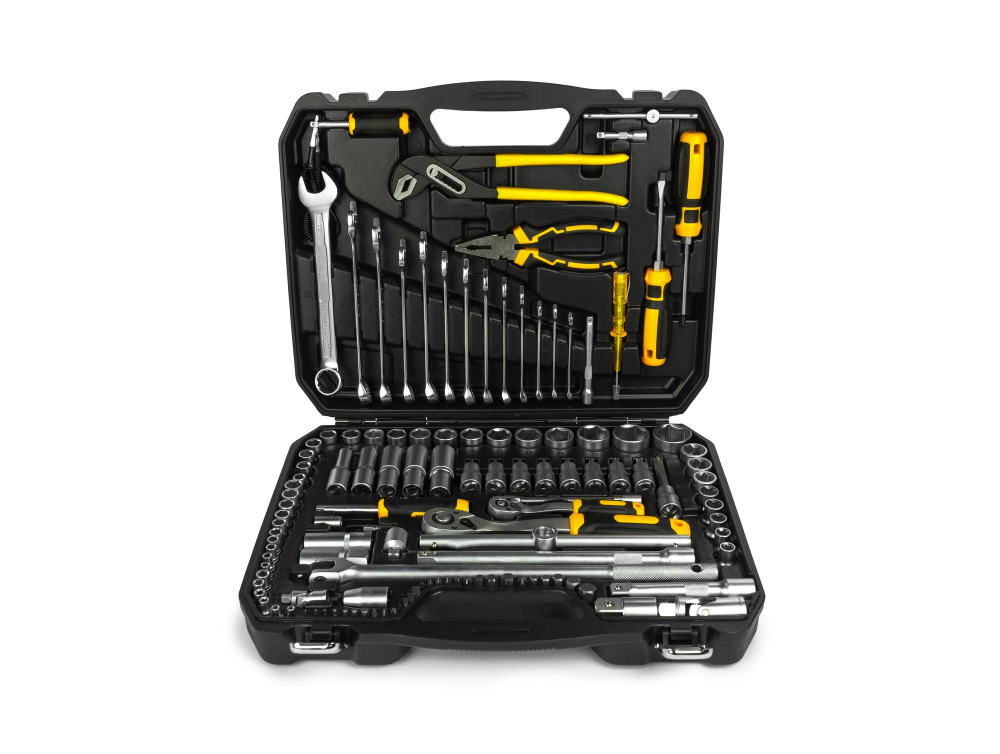
Customs distinguishes between what a traveller has for their own use and what is being brought in to do a job. A toolkit, a test instrument, a camera rig, a hairdressing kit or a set of chef’s knives carried for paid work falls on the commercial side of that line.
The consequence is that the goods are an import. Duty and tax are chargeable on their value unless a relief applies, and the fact that they will be leaving again does not by itself provide the relief.
Establish before travelling whether what you are carrying will be treated as professional equipment, because the answer determines everything else in this file.
Like our content? Follow us for more.
2. Temporary admission is the relief, and it has a document
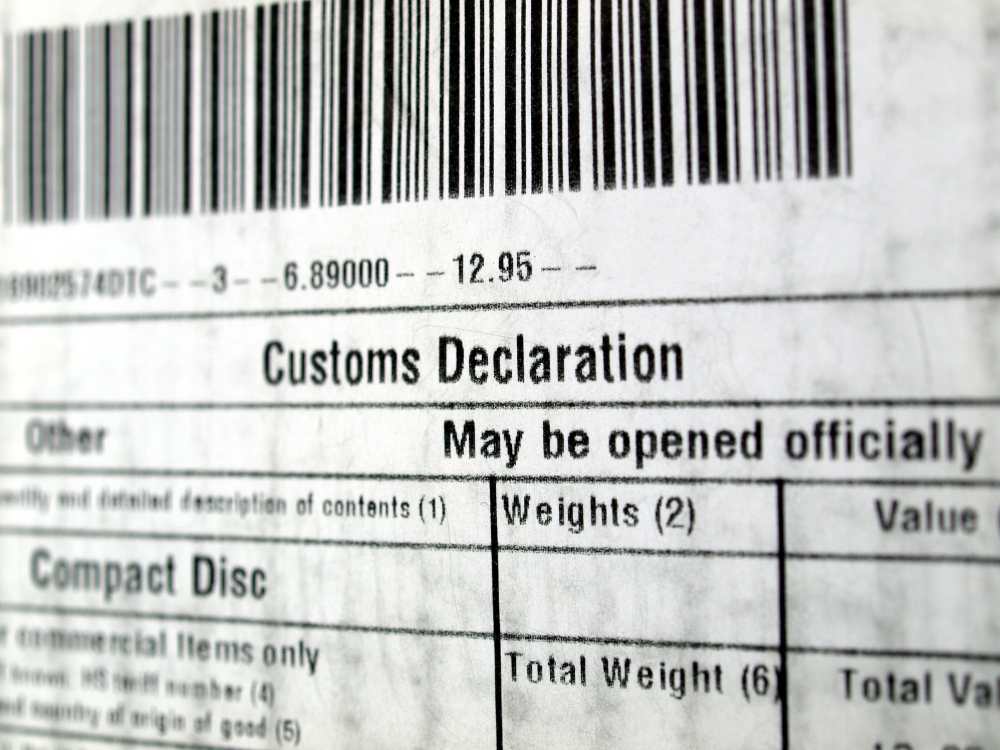
The mechanism is temporary admission: goods enter for a defined purpose and period, without duty, on the basis that they will leave again in the same state. Most countries operate it and many recognise a single international document for it.
That document lists every item with a description, a serial number and a value, is presented at each frontier, and is stamped in and out so that the record shows the goods arrived and departed. Without it, the alternative is paying duty and reclaiming it, which is slower and often not worth attempting.
If you travel for work with equipment of any value, find out whether your destination accepts the international document and whether your own country issues it.
3. The document is backed by a guarantee, not a fee

Obtaining it involves an administrative charge and, separately, security for the duty that would be payable if the goods did not leave: a deposit, a bank guarantee or an insurance-backed indemnity, sized against the declared value.
That security is released when the document is surrendered correctly with all the stamps in place. It is not released if the paperwork is incomplete, which is the mechanism that makes the stamps matter.
Budget for the security as well as the fee, and understand that getting it back depends entirely on the stamping.
4. Every item has to be on the list, with its serial number
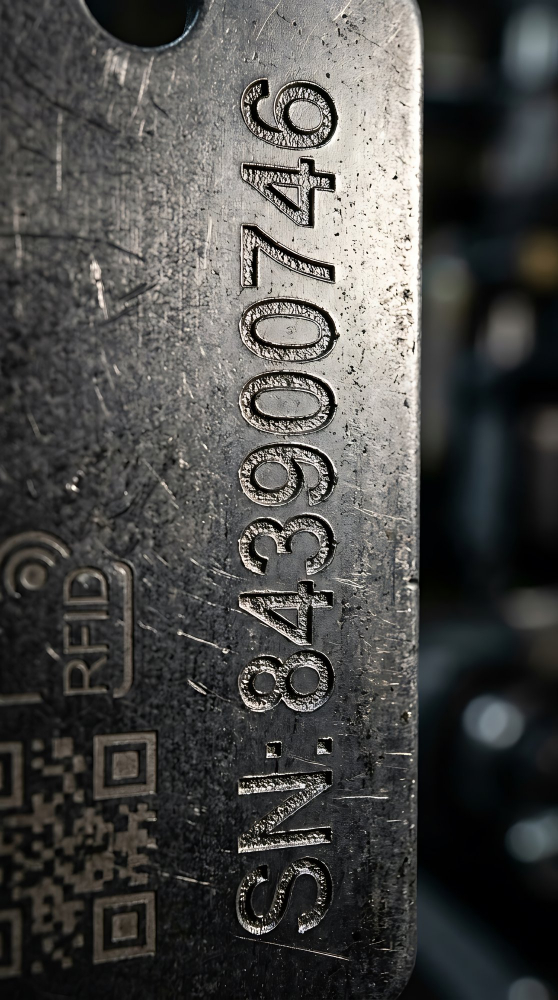
The list is the document. An item not on it is not covered, which means a tool added to the case the night before travel is an unaccompanied import sitting in the same bag as a documented consignment.
Serial numbers are what allow an officer to confirm that what is leaving is what arrived. Items without serial numbers are described specifically, and generic descriptions invite questions at the exit.
Build the list from the actual kit, item by item, with serial numbers photographed, and do not add anything afterwards.
5. It must be stamped at every border, in both directions

The document works by a chain of endorsements: out of your own country, into the destination, out of the destination, back into your own country, and the same again for any country in between.
A missing stamp breaks the chain. The most common failure is leaving a country without presenting the document, because departure is the point at which nobody stops you and there is no queue directing you to a customs desk.
Find the customs office before you need it, at every departure, and allow time. The exit stamp is the one that releases your guarantee.
6. Consumables are not covered and need declaring separately
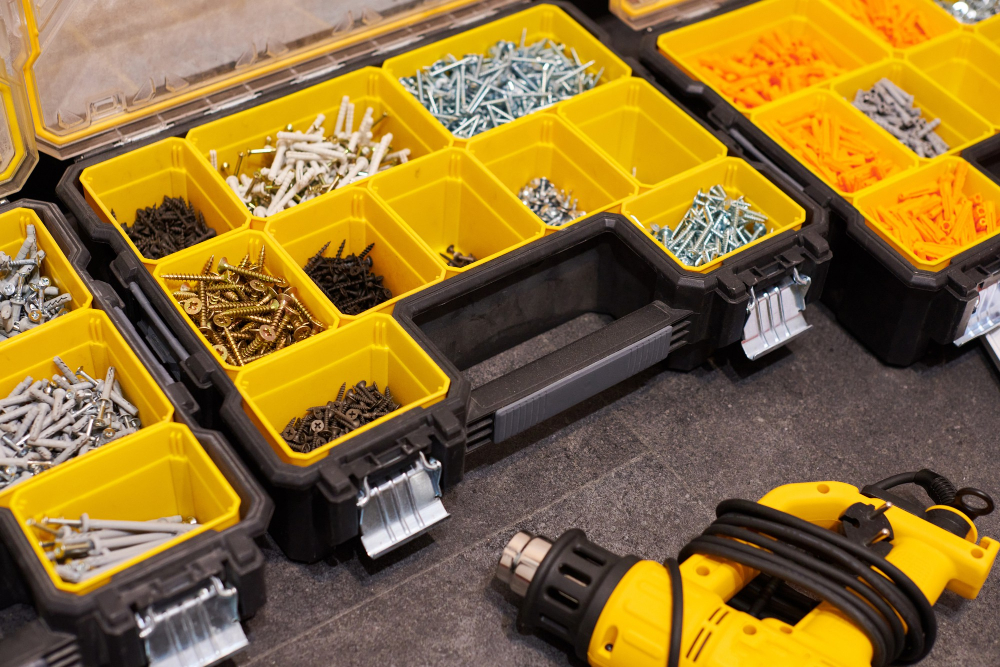
Temporary admission applies to goods that leave again in the same state. Materials that will be used up — cable, fixings, film, chemicals, cleaning products, spare parts to be fitted — are a permanent import and are treated on their own terms.
This is the distinction that trips up trades who think of their van as one load. The drill is temporarily admitted; the box of screws is imported.
Separate consumables from equipment physically and on paper, and declare them as what they are.
7. Powered tools bring their own battery rules
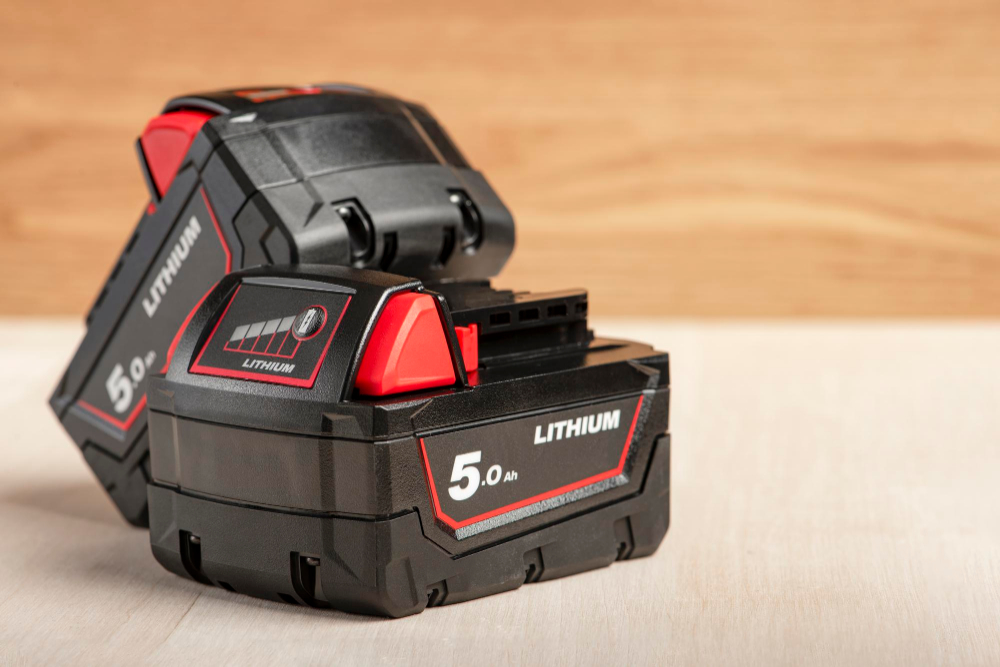
Cordless tools use lithium batteries, which travel under dangerous goods rules rather than baggage rules: carry-on only, terminals protected, capacity within the airline’s published limits, spares counted individually and limited in number.
A professional kit frequently exceeds the permitted number of spare batteries, which is a problem with no workaround other than carrying fewer or shipping them as cargo under the appropriate arrangements.
Read the capacity printed on each battery against the airline’s limits, count the spares, and plan the kit around the limit rather than discovering it at the desk.
8. A toolkit is full of dangerous goods nobody thinks about
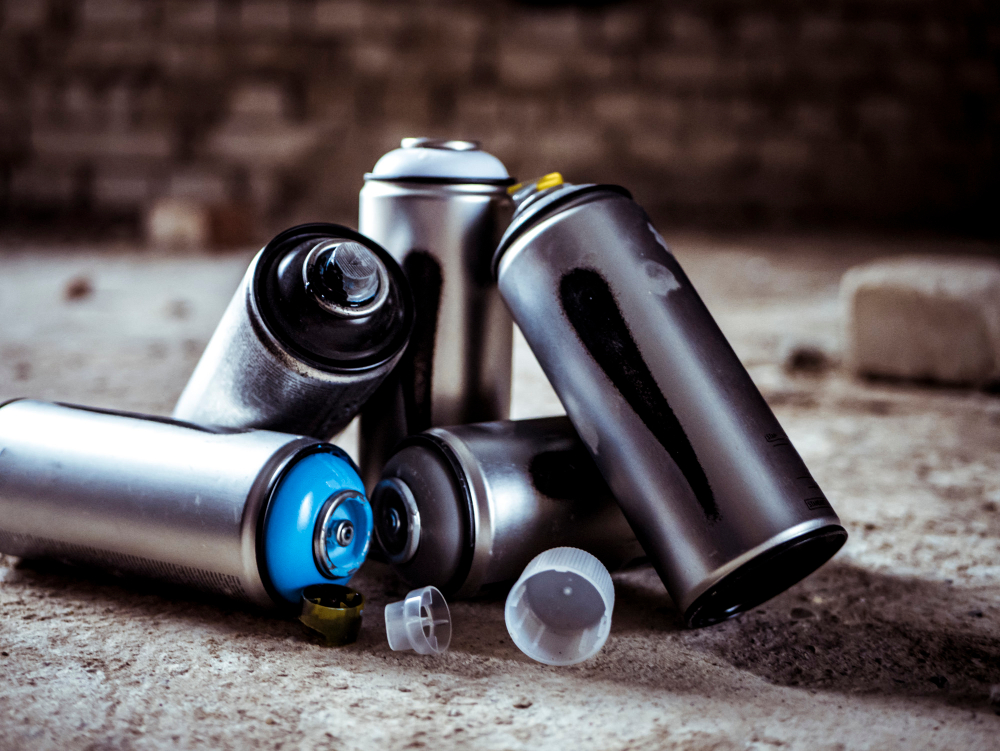
Gas cartridges, aerosols, adhesives, solvents, resins, cleaning fluids, fuel for a torch, and anything in a pressurised container are restricted or prohibited in baggage, and an apparently empty fuel container retains vapour and is treated as a dangerous article.
A trade kit assembled for a job and loaded straight into a case is the single most likely source of a prohibited item at an airport, and the items are usually the cheapest things in it.
Empty the case before travelling and buy the consumables at the destination. It is faster than any alternative and removes the whole category.
9. Permission to work is a different question from permission for the tools
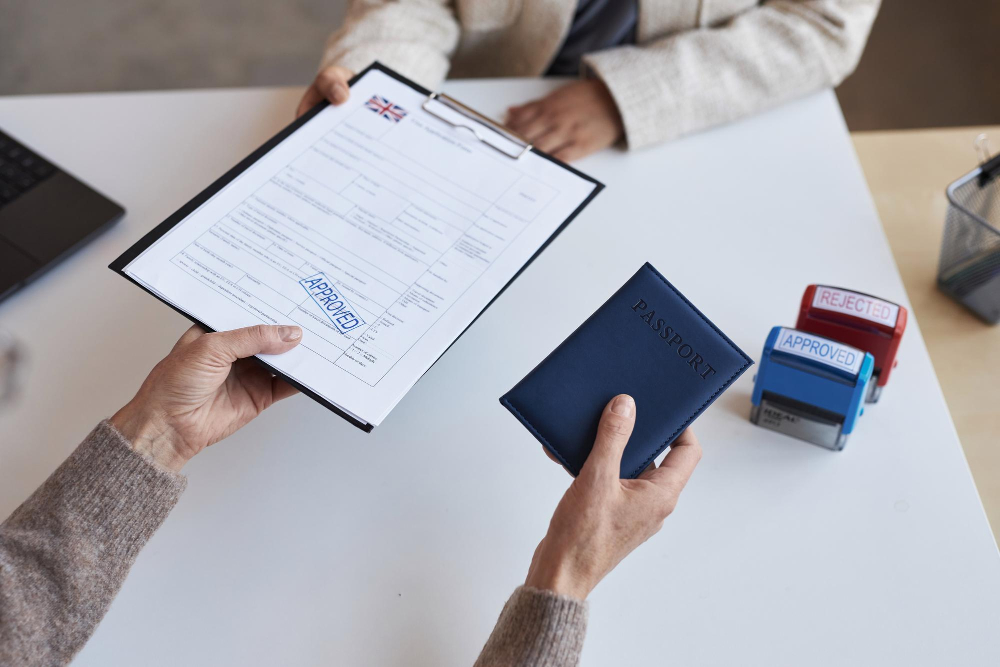
Clearing equipment through customs says nothing about whether the person carrying it may lawfully perform the work. Immigration permission for paid activity is a separate regime with separate documents and separate consequences.
The two are frequently confused because both involve a border. A traveller can have perfectly documented equipment and be in breach of their immigration permission, or be fully entitled to work and have an undocumented import in the van.
Settle both separately, in writing, before travelling, and do not treat a successful customs clearance as evidence of anything about the immigration position.
10. Your trade qualification may not be recognised
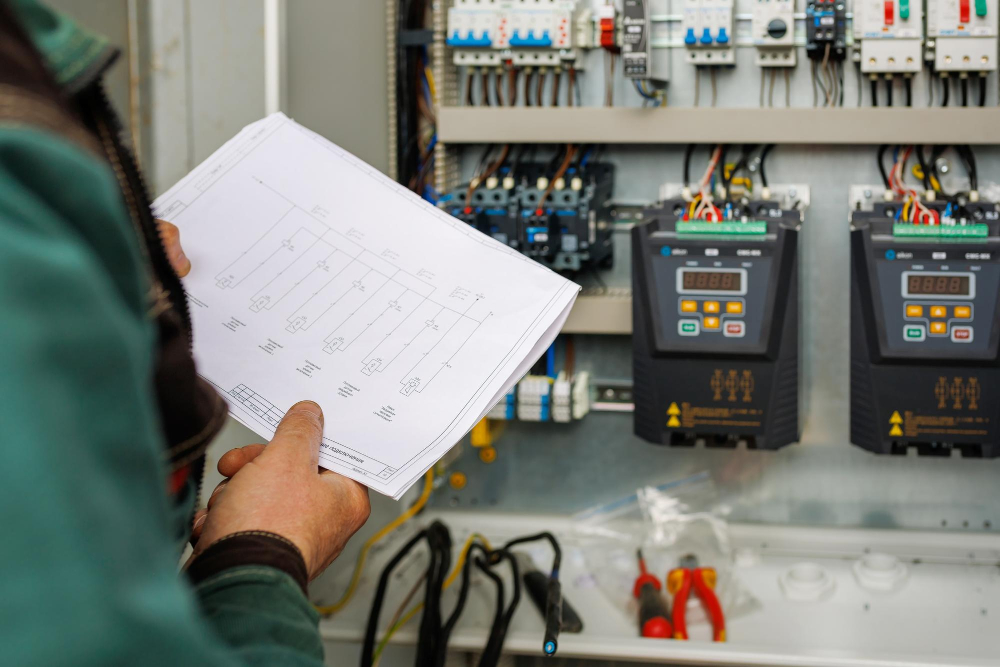
Many trades are regulated at the destination — gas, electrical, lifting, asbestos, food, medical and aviation work among them — and a qualification held in one country frequently does not permit the work in another without recognition, registration or a local certificate.
This is independent of both customs and immigration. It governs whether the work may lawfully be done at all, who may sign it off, and whether an insurer will stand behind it.
Check the destination’s registration requirement for your specific trade before accepting the job, because it is the condition least likely to be fixable on arrival.
11. Insurance for tools stops at a border more often than people expect

Business tool policies are frequently written with a territorial limit, sometimes to the country of issue, and cover for tools in a vehicle overnight is commonly excluded or heavily conditioned wherever you are.
Public liability and professional indemnity cover have their own territorial limits, and working abroad without them extended is a larger exposure than losing the tools.
Read the territorial limits on every policy you hold, extend them in writing before travelling, and check the overnight-in-vehicle condition specifically.
12. Hiring at the destination removes most of this

Hiring tools and equipment locally eliminates the temporary admission document, the guarantee, the stamping, the battery limits and the dangerous goods problem in one decision, and local hire companies hold the certification their own market requires.
For a single job, the cost frequently compares well with the paperwork and the risk, and for specialist plant it is usually the only practical route. The exception is equipment a tradesperson will not work without, which is a real and reasonable preference.
Price local hire against taking your own before deciding, and consider a hybrid: your own hand tools, hired powered plant and locally bought consumables.
13. If the paperwork goes wrong, deal with it immediately

A missing stamp, a lost document or an item that cannot be accounted for is resolved through the issuing body and the customs authority concerned, and there are procedures for regularising it — but they have time limits and they become harder as the trail cools.
The guarantee is at stake, and in some cases a duty demand follows. The issuing body is the party to contact first, because it administers the system and knows what evidence will satisfy the authority.
Contact the issuing body the moment you notice a problem, with the document, the dates and any boarding passes or transport records that evidence the movement.
14. And the sequence for a job abroad

Before accepting the work: confirm that your trade may lawfully be performed there and what registration it requires, and confirm your immigration permission for paid activity. Those two can stop the job and neither is fixable at a border.
Then the equipment: decide what travels and what is hired, obtain the temporary admission document with a serial-numbered list and budget for the guarantee, strip the case of dangerous goods and buy consumables locally, count the batteries, and extend the insurance territorially in writing.
The honest summary: tools for work are a commercial import rather than personal effects; temporary admission is the relief and it works by a chain of stamps, with the exit stamp being the one that releases your guarantee; consumables are a separate permanent import; the cheapest things in the case — aerosols, adhesives, gas cartridges, fuel residue — are the most likely to be prohibited; and clearing the tools says nothing about whether you may lawfully do the work, which is the question that should be settled first.
Three regimes, in the wrong order

Start at the end, because the question that can cancel a job is the last one people ask. Many trades are regulated at the destination — gas, electrical, lifting, asbestos, food, medical and aviation work among them — and a qualification held in one country often does not permit the work in another without recognition, registration or a local certificate. That governs whether the work may be done, who signs it off, and whether an insurer stands behind it, and it is the condition least likely to be fixable on arrival.
Next, immigration. Clearing equipment through customs says nothing about whether the person carrying it may lawfully perform paid work. The two get confused because both happen at a border, and a traveller can have immaculate equipment paperwork and be in breach of their permission.
Only then the equipment. Tools carried for work are a commercial import rather than personal effects, and the relief is temporary admission: goods enter for a defined purpose and period on the basis that they leave again in the same state, under a document listing every item with a serial number and a value, backed by security for the duty that would otherwise be payable. That security comes back only when the document is surrendered with every stamp in place, which is why the stamps rather than the fee are the substance of the system.
And two categories sit outside it. Consumables — cable, fixings, chemicals, spare parts to be fitted — are a permanent import, because they do not leave in the same state. And the dangerous goods in a trade kit are the cheapest things in it.
Before accepting the job, settle the two things that can stop it: whether your trade requires registration or recognition at the destination, and whether your immigration permission covers paid activity. Get both in writing.
Then decide what actually travels. Hiring locally removes the temporary admission document, the guarantee, the stamping, the battery limits and the dangerous goods problem in a single decision, and local hire companies hold the certification their own market requires. A hybrid works well: your own hand tools, hired powered plant, consumables bought on arrival.
For whatever does travel: build the itemised list from the actual kit with serial numbers photographed and add nothing afterwards, budget for the guarantee as well as the fee, read the capacity on each lithium battery against the airline’s limits and count the spares, and empty the case of aerosols, adhesives, gas cartridges, solvents and anything that has held fuel.
Then find the customs office before every departure rather than after it, and extend your tool, liability and indemnity insurance territorially in writing — checking the overnight-in-vehicle condition specifically, because it is commonly excluded wherever you are.
Like our content? Follow us for more.