

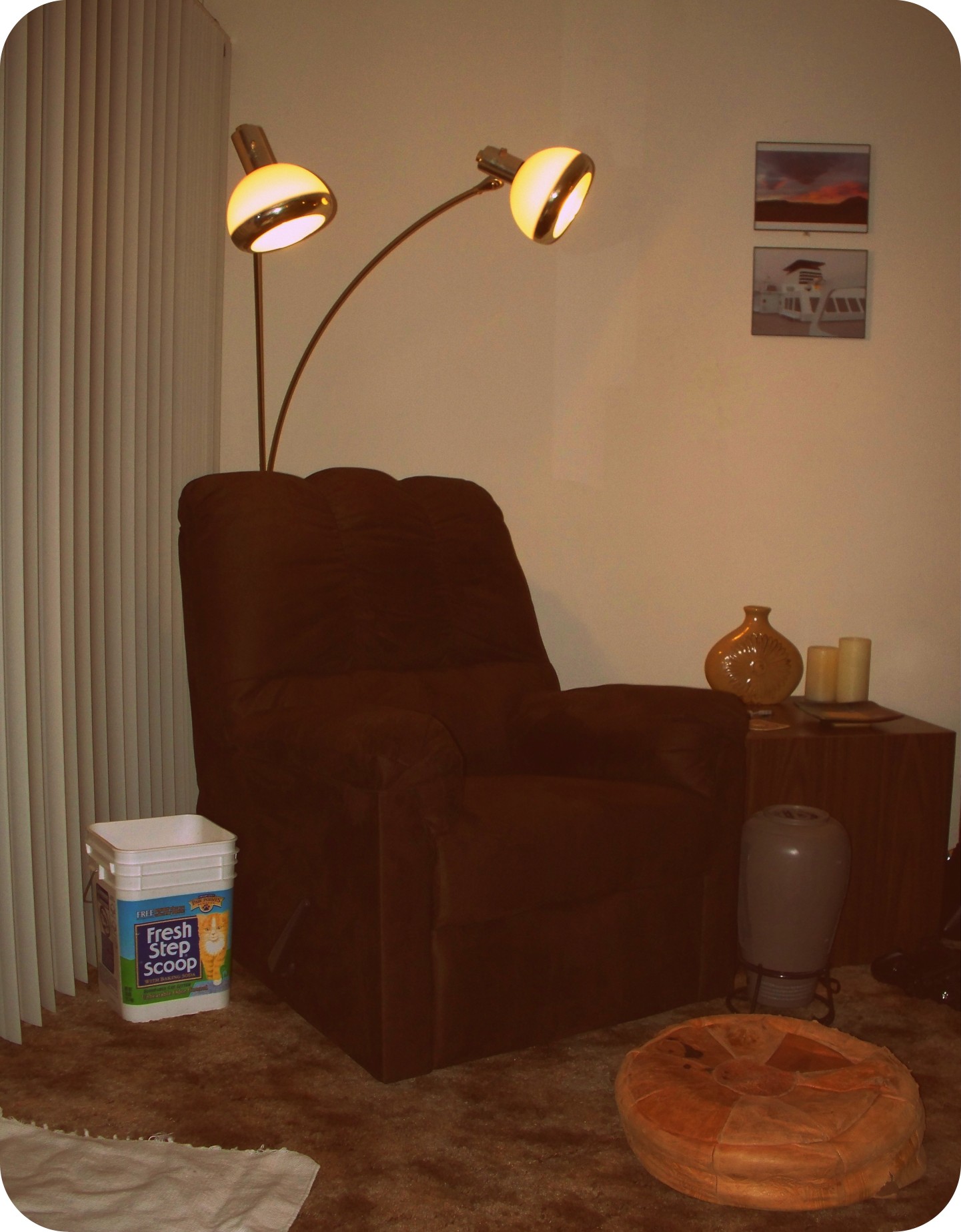
In 1974 there was one chair in the American living room that belonged to a person rather than to the house, and every member of the family knew exactly which one it was.
It was the biggest thing in the room and the ugliest, upholstered in vinyl or brown tweed chosen for survival. It had no motor and often no lever at all – you pushed back with your shoulders and the footrest came up. It rocked when it was upright. It had been a Father’s Day present. The arms wore through and got covered with something crocheted. And whoever sat in it after dinner was asleep inside twenty minutes.
Here are fourteen things every family knew about it.
1. It Belonged to One Person and Everybody Knew Which
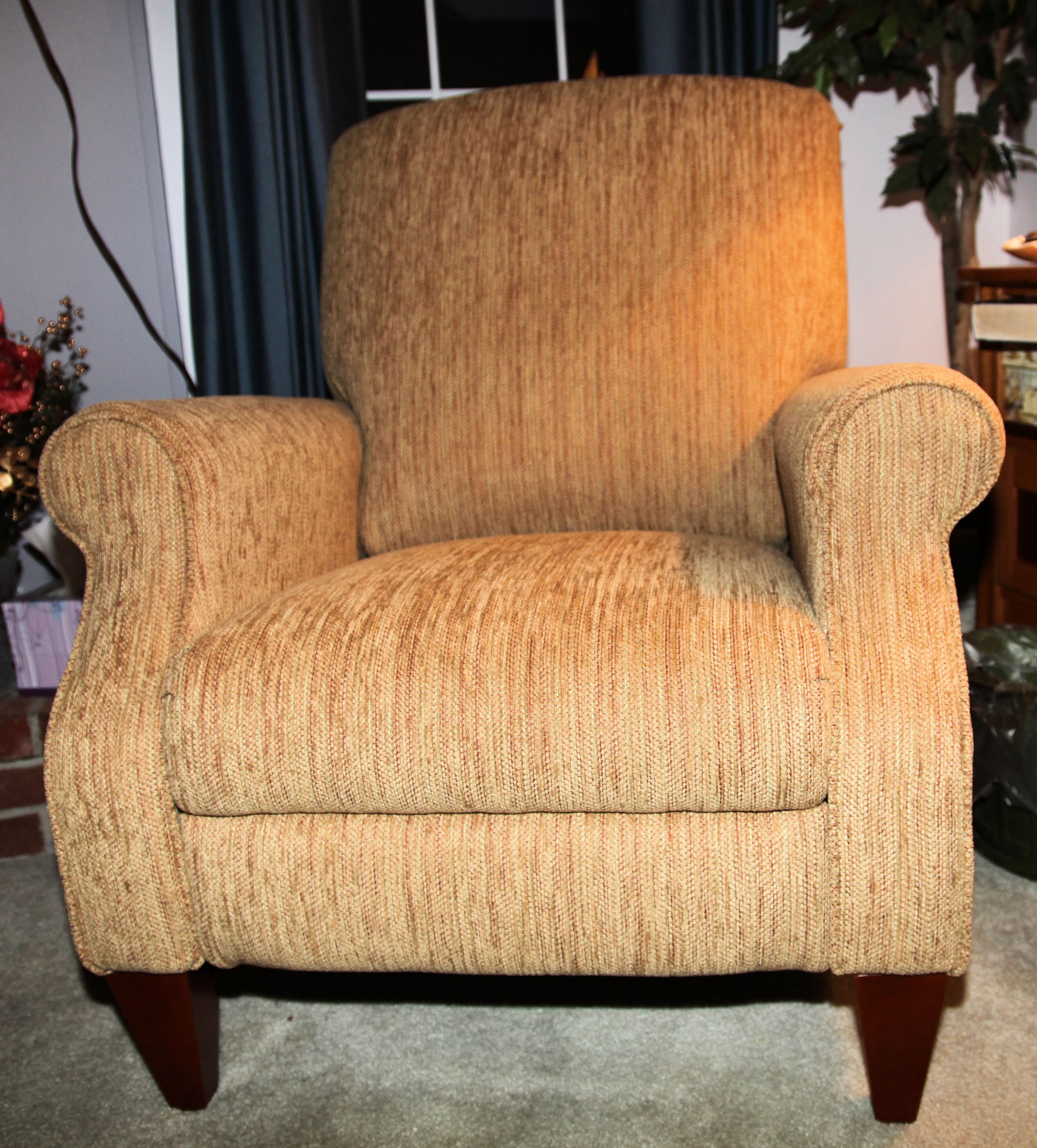
The chair was not household furniture. It was one person’s property within the house – usually the father’s – and sitting in it when he was at home was understood by every member of the family to be out of the question.
Reclining seats built into sofas and sectionals, several to a room, with no individual ownership attached to any of them and no social penalty for sitting in one.
Nothing else in an American house worked that way. The table was everybody’s, the sofa was everybody’s, the television was contested nightly – and then there was one chair with an owner, and the rule was never written down and never needed to be.
Like our content? Follow us for more.
2. It Was the Biggest Thing in the Room and Looked It
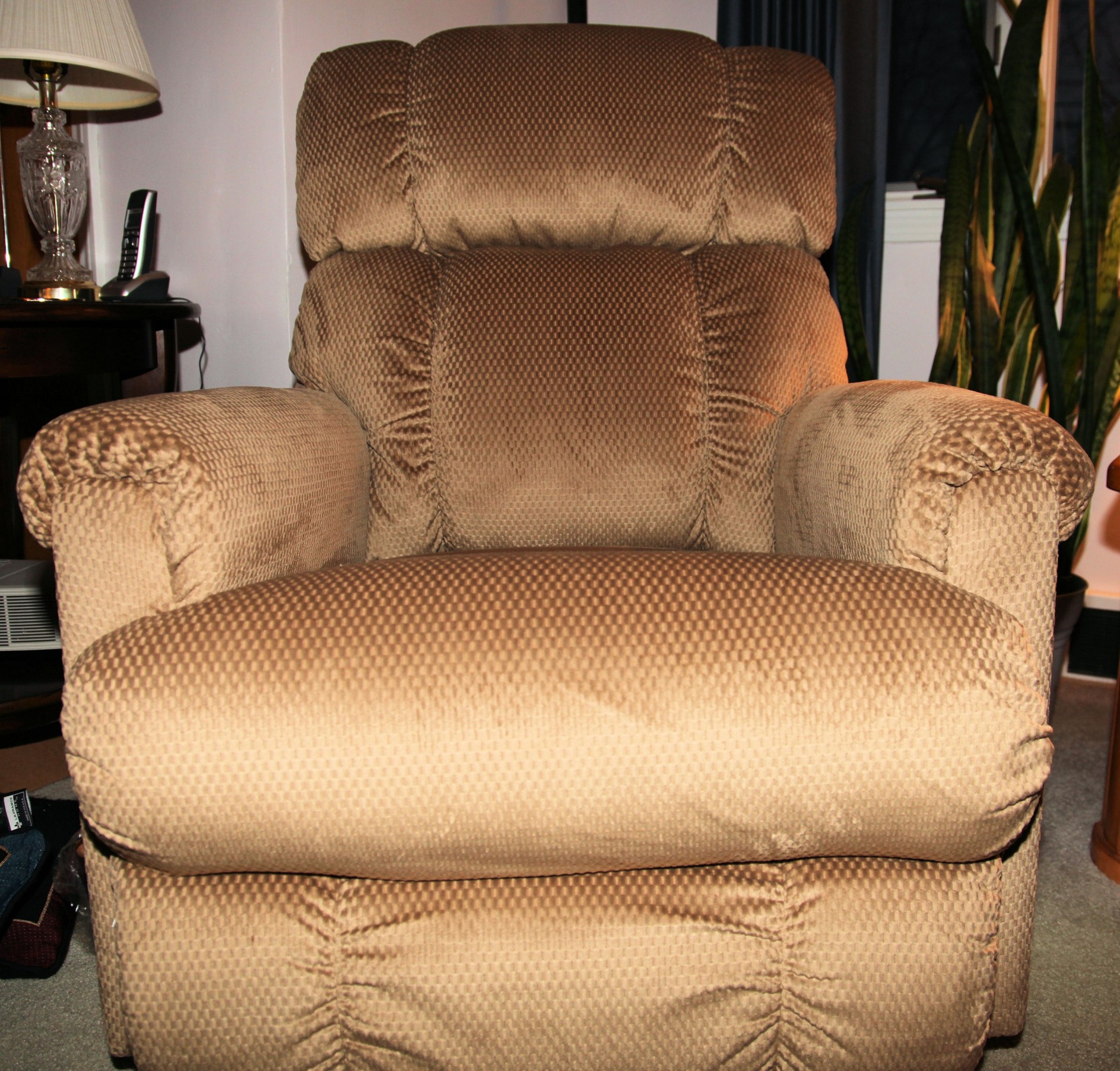
A recliner needed clearance behind it and ahead of it, sat higher than everything else, and was built on a scale that no other chair in the house approached – which made it visually dominant wherever it went.
Mechanisms concealed inside sofa-scale furniture with wall-clearance designs that recline without moving backward, so the bulk is distributed instead of concentrated.
Households accepted the imposition because the function justified it. The chair was the most comfortable object anybody owned, by a wide margin, and that bought it the right to be twice the size of everything around it and to be upholstered in whatever had been going cheap.
3. The Mechanism Ran on Your Own Weight
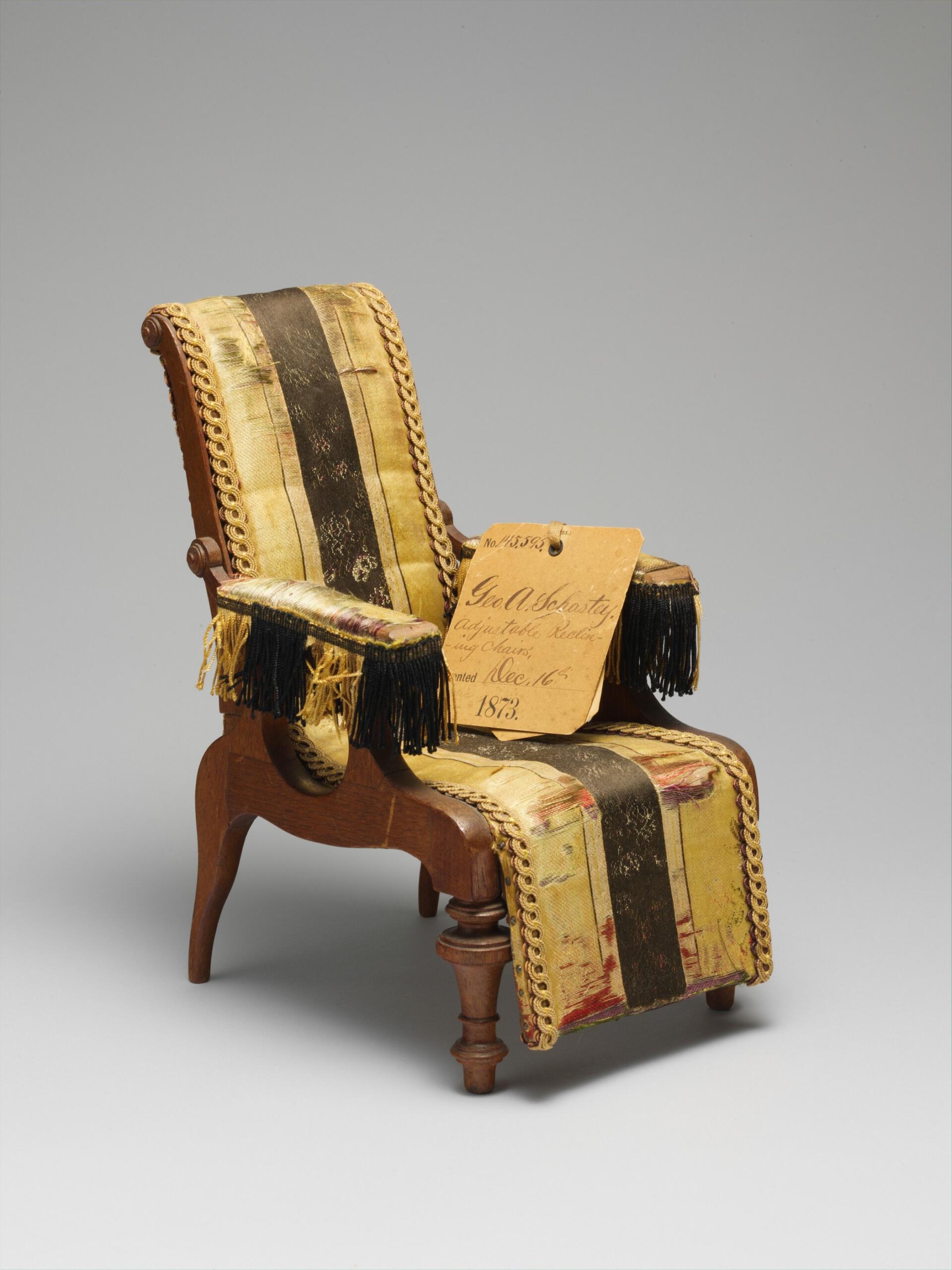
There was no motor and no power. Pushing back with your shoulders moved the backrest and raised the footrest through a linkage, balanced so that body weight did the work and the chair held whatever position you stopped in.
Powered recliners with motors, buttons and in many cases a plug – alongside mechanical versions that still work exactly as the old ones did.
The balance was the engineering achievement and it is genuinely clever. A chair that moves under shoulder pressure, stops where you leave it, and returns when you sit forward, with no latch and no setting, is doing something quite sophisticated with nothing but geometry and the person sitting in it.
4. The Footrest Coming Up Was the Entire Point
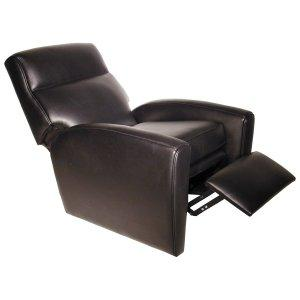
The feature that mattered was not the angle of the back. It was that a padded platform rose from the front of the chair and supported the legs from thigh to heel, which is what makes reclining restful rather than merely leaning.
The same, in every reclining seat made since – the footrest is the one element of the design that has never been altered because there is no improvement available.
And it explains why these chairs felt so different from anything else. Sitting with unsupported legs puts a continuous load on the lower back and hips; raising the legs to the level of the body removes it. That one change is the whole difference between a chair you sit in and a chair you fall asleep in.
5. The Best Ones Had No Controls at All
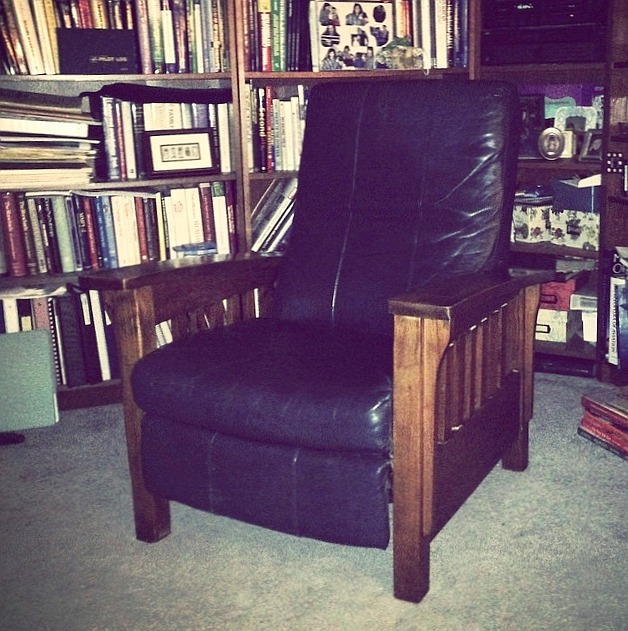
Some models used a side lever or a wooden handle to release the mechanism. The better ones had nothing – no lever, no button, no catch – and were operated entirely by shifting your weight.
Buttons and switches almost universally, because powered mechanisms need them, which means the chair now requires an instruction rather than an action.
The lever-free version was the elegant one and people who had it were loyal to it for life. A chair with no controls cannot be set wrongly, cannot break its control, and can be operated by somebody half asleep in the dark – which is exactly the condition it was designed for.
6. It Rocked as Well as Reclined
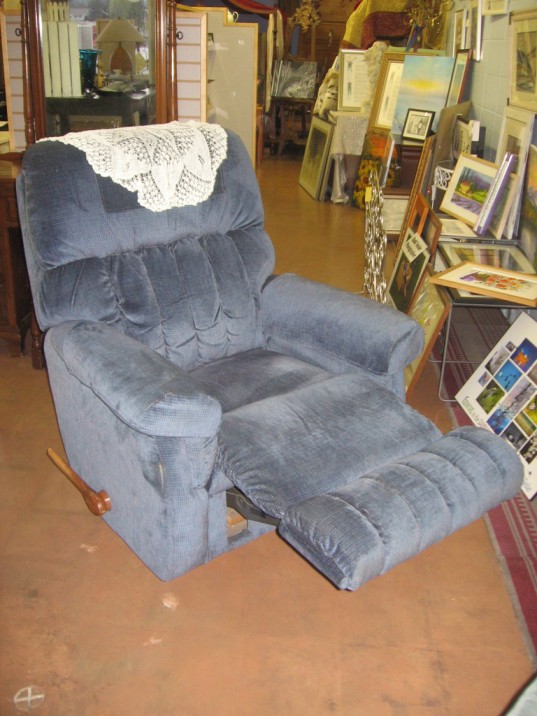
A great many of these chairs did two jobs: upright, they rocked on a spring base; reclined, the rocking locked out and the chair became a fixed lounger – two completely different pieces of furniture in one frame.
Rocker-recliners still widely made, with the combination now one option among several rather than the default most households had.
The dual function is why the chair ended up in so many nurseries and sickrooms as well as in front of televisions. A chair that rocks a baby and then reclines flat enough to sleep in is doing more for a household than its price suggests, and families bought them for that as much as for the evening news.
7. It Was Covered in Something Indestructible
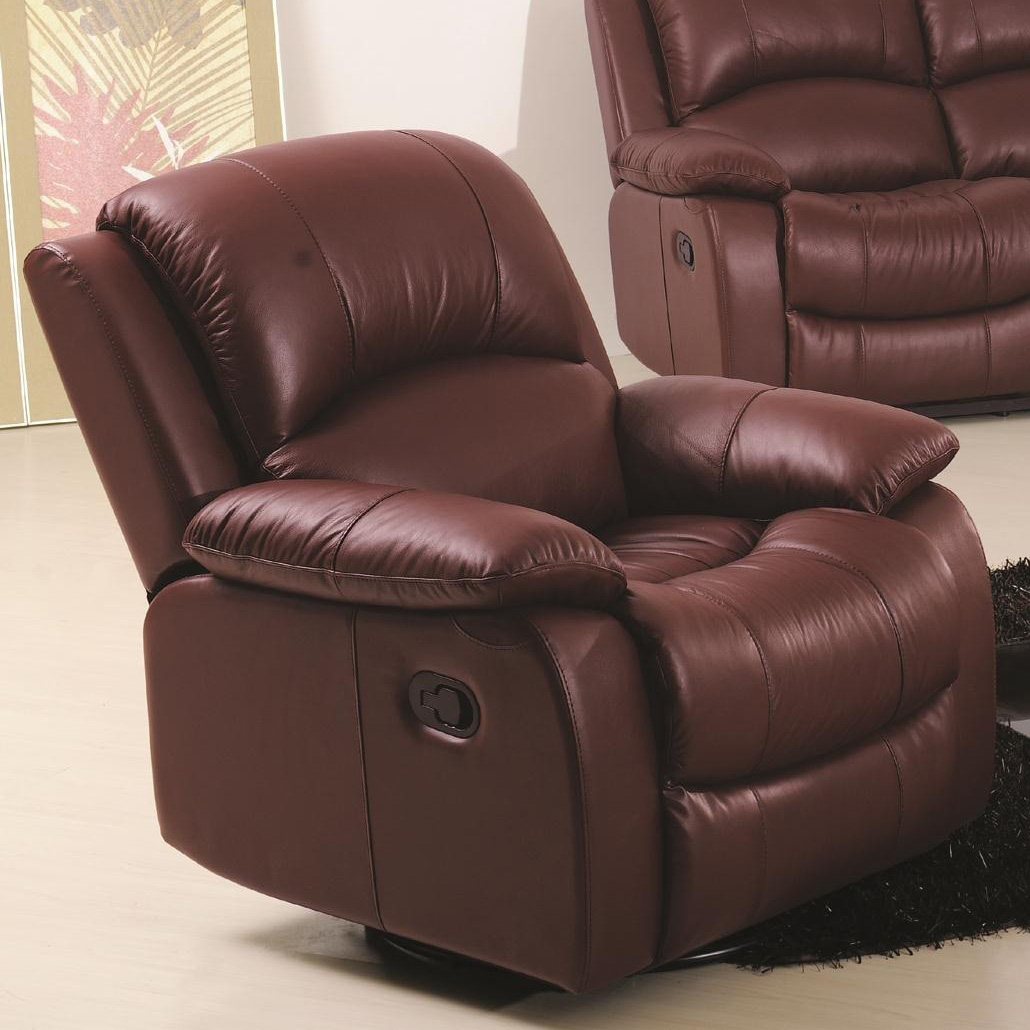
Upholstery was chosen for survival rather than beauty: heavy vinyl that stuck to skin in summer, coarse tweed in brown and gold, or crushed velour – all of it in colours that would not show what happened to it.
Performance fabrics and treated leathers engineered for durability and for cleaning, in neutral colours, with the same priority pursued by better means.
The material choice was rational and nobody pretended otherwise. This was the one seat in the house that got sat in every single evening by the same person, with food, with a drink, with a newspaper, for fifteen years – so it was covered in whatever would still be there at the end of that.
8. It Faced the Television, and the Room Followed
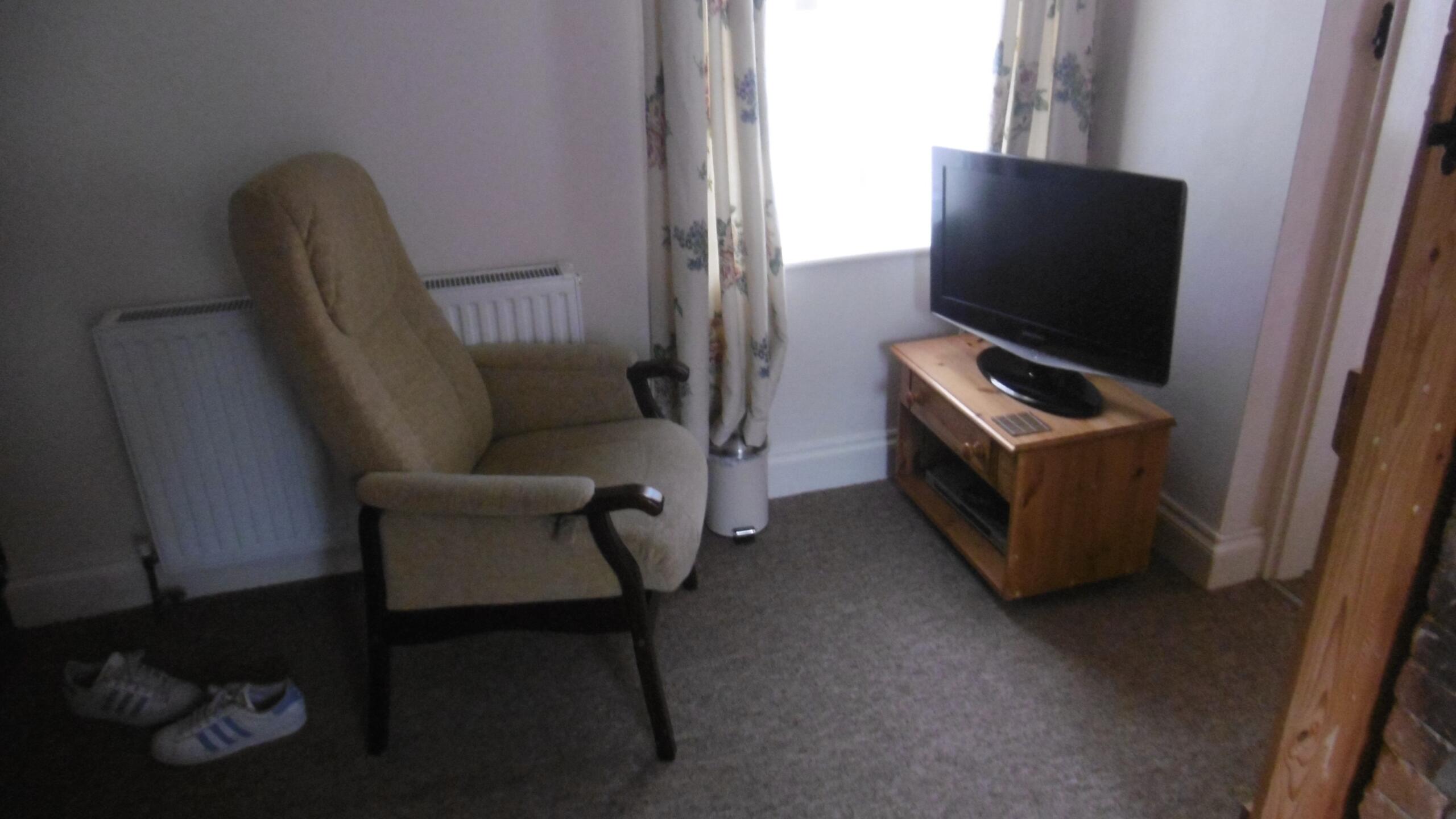
The chair was positioned for one sightline, and once it was placed, the sofa and everything else in the room were arranged around that axis – so the furniture stopped facing inward and started facing a wall.
Rooms designed around a screen from the outset, with the viewing axis treated as the room’s organising principle before any furniture is chosen.
This is the most consequential thing the chair did and it happened without discussion. A room where seats face each other is arranged for conversation; a room where seats face a wall is arranged for watching – and the recliner, placed for the best view, is what turned one into the other in millions of houses.
9. The Arms Wore Through First and Got Covered
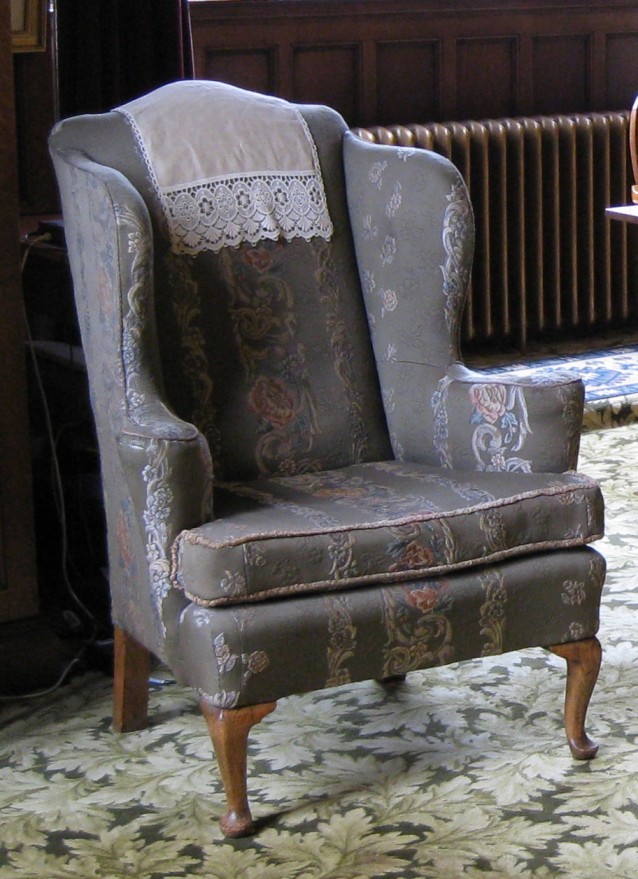
Wear concentrated exactly where hands and forearms rested, and the arms went shiny, then thin, then through – after which they were covered with knitted arm caps, folded towels, or fabric cut to fit.
Replaceable arm covers sold with better furniture, and otherwise the same improvisation – which makes this one of the few items here that has not changed at all.
The arm caps were frequently handmade and frequently the only decorative thing on the chair, which gave the whole object a slightly patched-up dignity. A recliner with crocheted arm covers and a worn headrest was a chair somebody had been sitting in for a very long time.
10. It Arrived as a Present
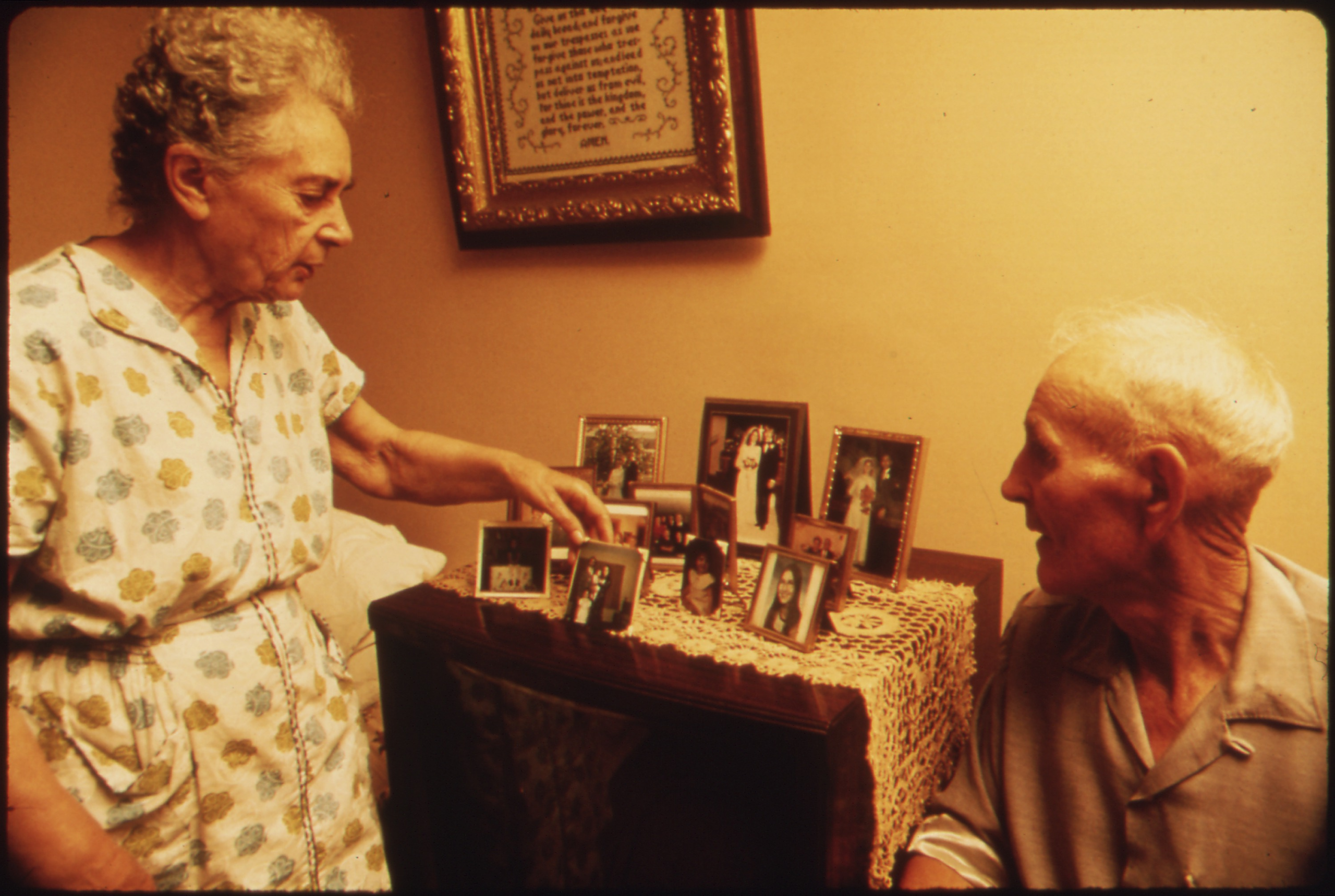
Recliners were bought for people rather than for rooms, and they were classic milestone gifts – a retirement, a significant birthday, a Father’s Day with the whole family contributing – which is partly why ownership attached so firmly.
Furniture bought as furniture, by households, for rooms – with the chair-as-gift tradition substantially faded along with the single-occupant chair itself.
The gift framing is what made the territorial rule enforceable. A chair the family had bought for one person, together, as a present, was unarguably his – and a child who sat in it was not breaking a furniture rule but sitting in somebody’s present.
11. Things Lived In It and Around It
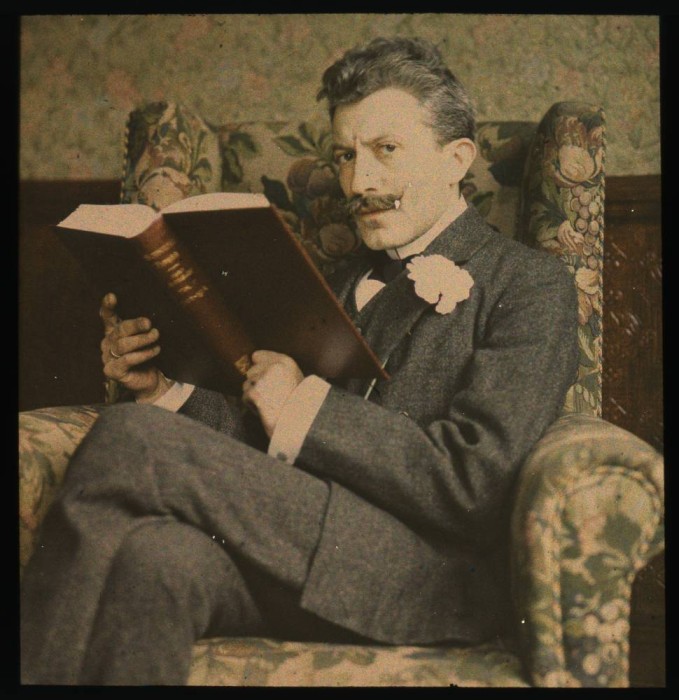
The chair accumulated: a magazine rack or a fabric pocket on the side, the newspaper folded into the cushion, reading glasses on the arm, a remote control once those existed, and whatever had been dropped down the side.
The same accumulation, with cup holders, storage compartments, charging ports and tray tables now built in deliberately, which is the furniture industry formalising what people were already doing.
The side pocket is a good small example of design following behaviour. Nobody specified that a chair should store a newspaper; people stored newspapers in their chairs, manufacturers noticed, and the pocket appeared – after which it was impossible to imagine the chair without one.
12. Falling Asleep in It Was the Chair Working Correctly

Somebody sitting down after dinner in a chair that supported their legs, in a warm room, in front of a television, went to sleep within twenty minutes – reliably, nightly, and to the amusement of everybody else present.
Exactly the same outcome in exactly the same circumstances, which means this is the single most durable item on the list and requires no explanation at all.
It is worth saying that this was the design intent rather than a failure of it. The chair was built to remove load from the spine and support the legs at body level, which is close to a description of how to make a person sleep – so the nightly unconsciousness was the product performing as specified.
13. It Was Too Big for the House and Came In Anyway
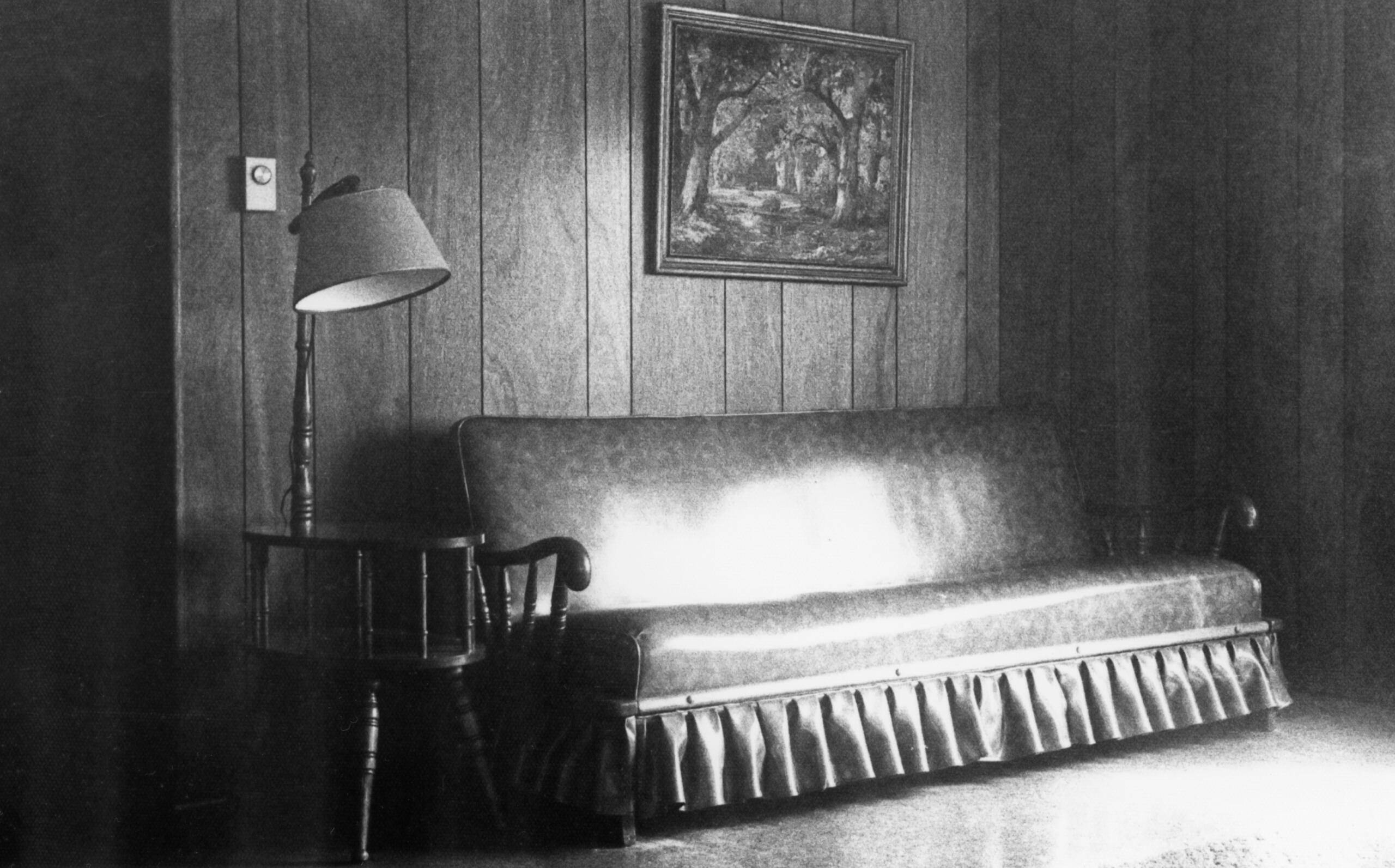
Getting one into a room involved doorways, stairs, corners and frequently the removal of a door – and once positioned it stayed in that spot, unmoved, for the life of the chair.
Furniture designed for delivery, with removable backs, modular sections and knock-down frames specifically so that the old problem does not arise.
The immovability had a side effect worth noting. Because nobody could easily shift it, the chair fixed the room’s arrangement in place for a decade or more – so a single delivery day in 1974 could determine where everybody in a family sat every evening until the chair wore out.
14. Then the Mechanism Won and the Chair Disappeared Into the Sofa
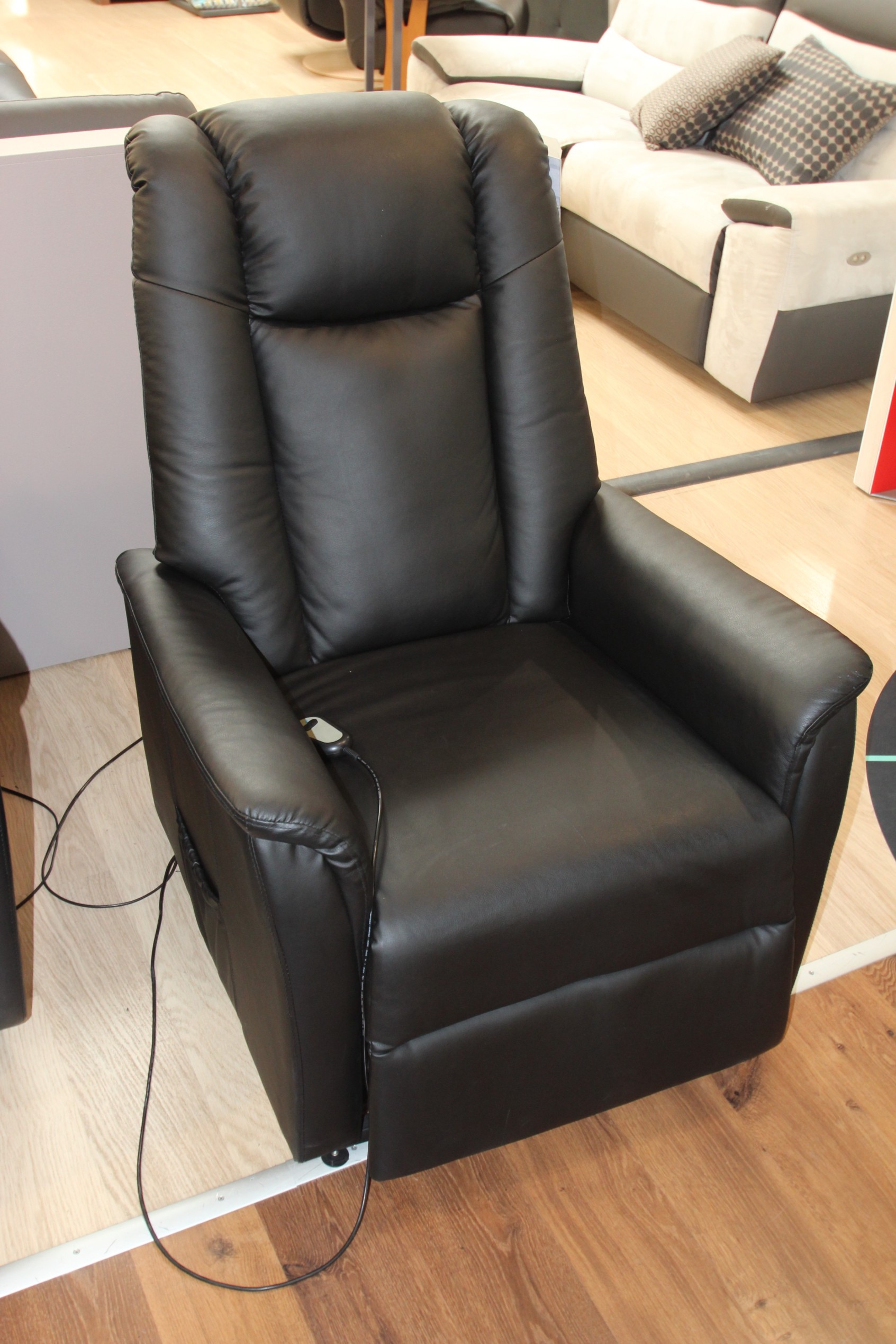
The recliner was one enormous mechanical chair, owned by one person, placed for one sightline, that the rest of the room arranged itself around.
Reclining seats in nearly every sofa and sectional sold – two, three, six of them in a room, with footrests, cup holders, storage and in many cases motors, belonging to nobody in particular.
Which is a complete victory and a total defeat at the same time, and it is worth seeing clearly. The mechanism won absolutely: the footrest, the balanced linkage and the weight-operated recline are now standard equipment on ordinary living room furniture, so everybody gets what one person used to have. What was abolished was the other half of the object. A single oversized chair, bought as a present, positioned for the best view, that nobody else sat in, was a visible statement about who the room belonged to – and a six-seat reclining sectional is the identical technology with the hierarchy taken out of it. The chair did not lose. It was issued to everybody, and the moment everybody had one, it stopped meaning anything at all.
The Technology Won and the Meaning Was Deleted
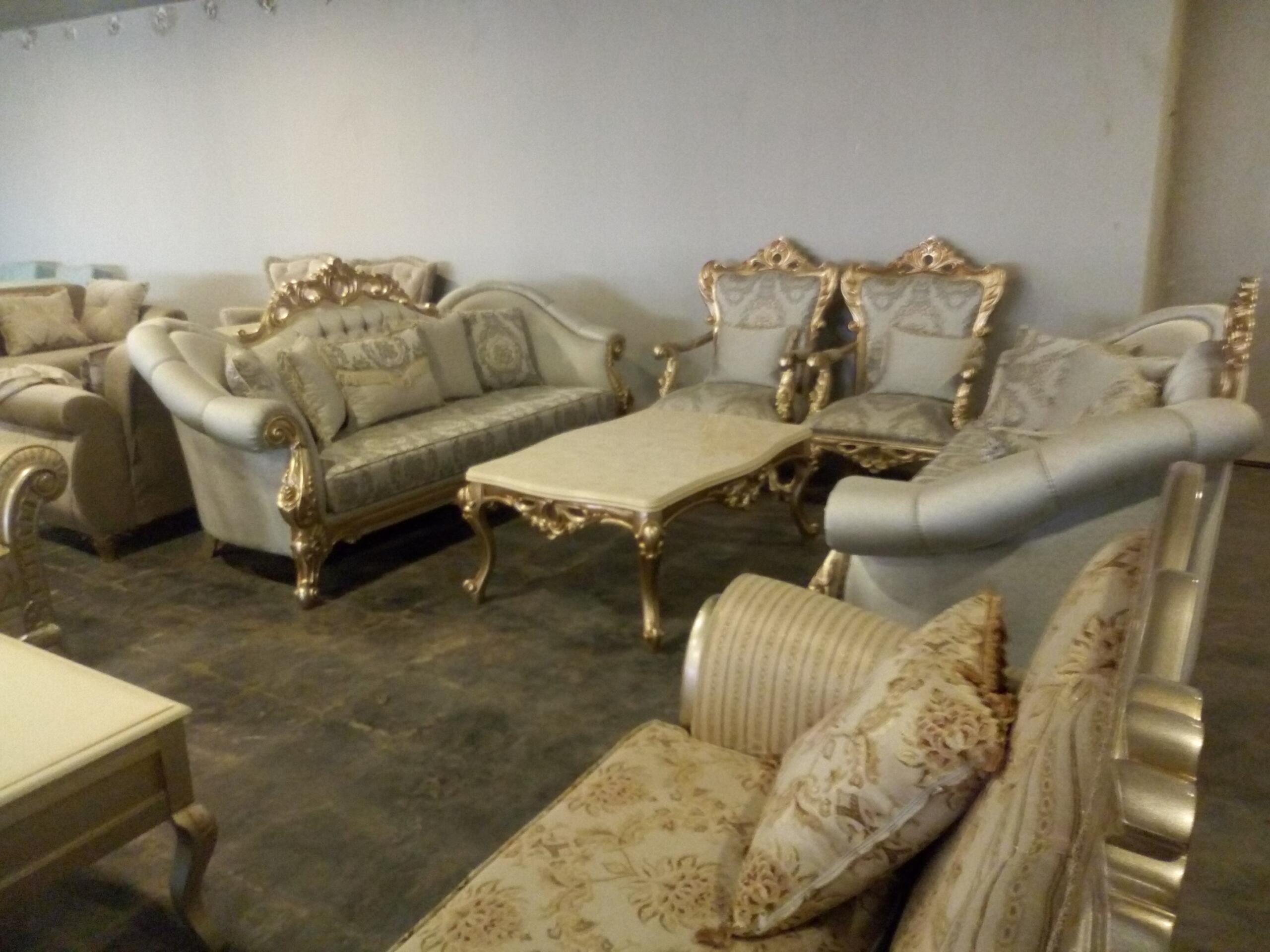
The recliner looks like a piece of furniture that went out of fashion. It did not. It won so completely that it stopped being visible.
Go and look at what is sold as an ordinary sofa now. Two seats recline, or three, or every seat in a six-piece sectional. The footrests come up. There are cup holders in the arms, storage in the console, charging ports in the base, and in a great many cases a motor and a button. Every single feature of the 1974 chair is standard equipment, distributed across all the seating in the room.
The mechanism was not abandoned. It was issued to everybody.
What was abolished is the other half of the object, and that half was never about comfort at all.
A single enormous chair, bought as a present by the whole family for one person, positioned for the best sightline in the room, that nobody else sat in while its owner was home, is a statement about how a household is organised. It is the only piece of furniture in the American house that carried that information. The table was everyone’s. The sofa was everyone’s. The television was argued over every night of the week. And then there was one chair with an owner, and the rule governing it was absolute and had never once been spoken aloud.
That is what the sectional removed. Six reclining seats is the identical technology with the hierarchy taken out of it – and the hierarchy, not the footrest, is what made the chair memorable.
It is worth noticing that the chair also did something to the house on its way through, and that change stuck. A recliner has to be placed for one sightline, and once it is placed, everything else in the room lines up on the same axis. Seats that face each other make a room for talking. Seats that face a wall make a room for watching. The recliner, positioned for the best view of the television, is what converted one into the other in several million American houses – and it did it without anybody holding a discussion about it. The formal living room with its inward-facing furniture survived for another thirty years as a room nobody used, which is roughly how long it takes an arrangement to admit it has lost.
So the honest account of the recliner is that it got everything it wanted. The legs are supported, the load is off the spine, the newspaper has a pocket, and the whole family falls asleep in front of the television now instead of just one person.
The chair is still there. It is just that there are six of them and none of them is anybody’s.
If your father had one, you know whether it had a lever, and you know what happened if you were sitting in it when he came home.
And somebody in your family made the arm covers, because the arms always went first.
Like our content? Follow us for more.
