
Almost everything about how a book feels – whether it stays open, how it turns, how heavy it is for its size – was decided during manufacture rather than design. Here are fifteen.
1. Pages Are Not Printed as Pages
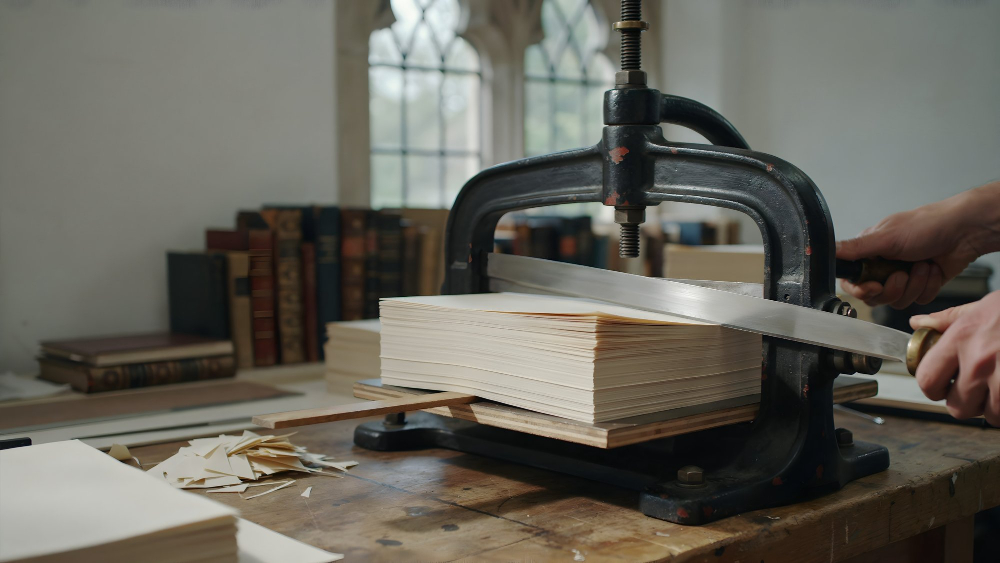
A press prints a large sheet carrying many pages at once, which is then folded down into a bundle – so the unit of production is the sheet rather than the page.
Nothing is printed individually. Sheet printing is the fact every other item follows from.
Like our content? Follow us for more.
2. Which Is Why Page Counts Come in Multiples
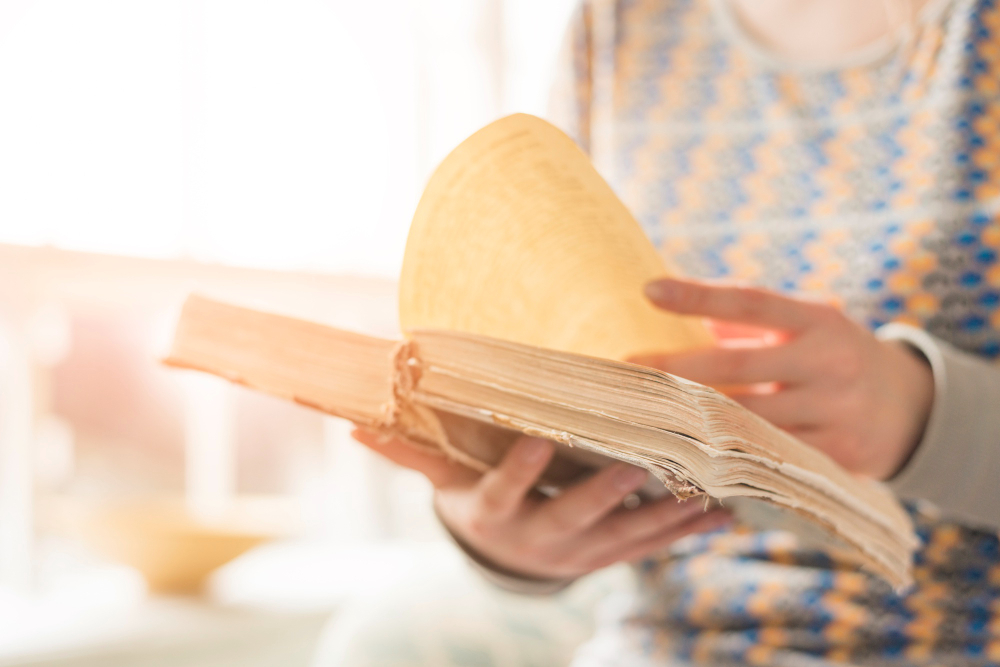
Because a sheet folds into a fixed number of pages, the total must be a multiple of that number – which is why books have blank pages at the end rather than stopping where the text does.
Those blanks are structural rather than an oversight. Fixed folding is why the count is never arbitrary.
3. The Pages Are Arranged Out of Order
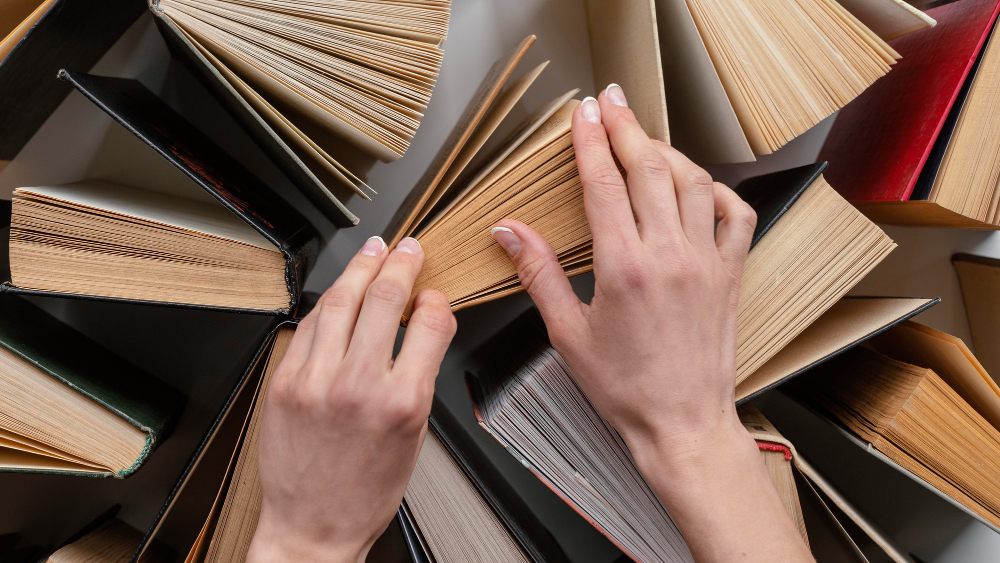
For the folding to produce a correct sequence, the pages must be positioned on the sheet in an arrangement that appears random – with page two beside page thirty-one and so on.
Working it out is a geometry problem. Imposition is the puzzle solved before anything is printed.
4. The Folded Bundles Are the Building Blocks

Each folded sheet forms a section, and a book is assembled from a stack of them rather than from loose pages – which is visible along the top edge of a sewn book.
You can count them on the spine edge. The section is the component a book is actually made of.
5. The Paper Has a Direction
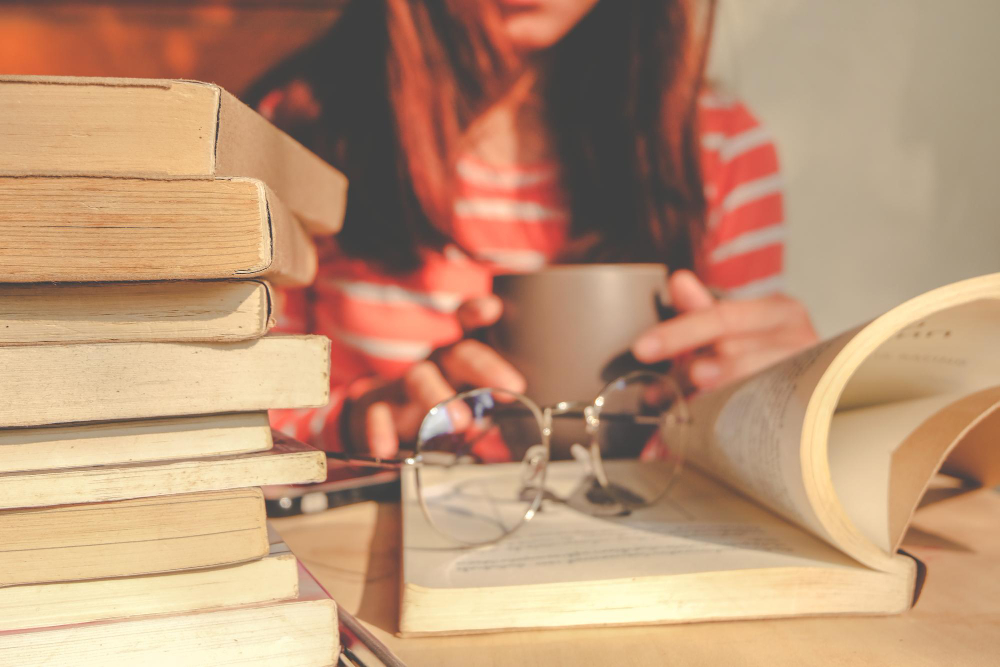
Fibres in a sheet lie predominantly one way, and pages turn smoothly and lie flat only if that direction runs parallel to the spine – run the wrong way, the book is stiff and springs shut.
It is invisible and entirely determines the feel. Grain alignment is the most consequential decision nobody notices.
6. Sewing Lets a Book Open Flat

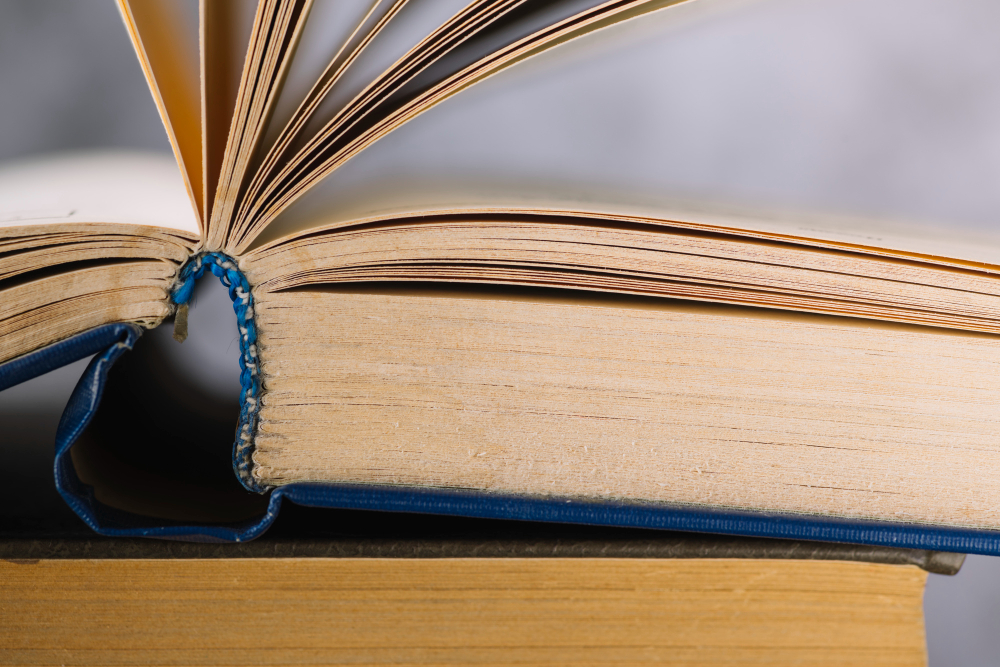
Thread passing through the fold of each section and linking them allows every section to open fully, which is why a sewn book will lie open on a table.
The spine flexes rather than resisting. Sewn binding is what makes a book usable hands-free.
7. Gluing Is Cheaper and Does Not
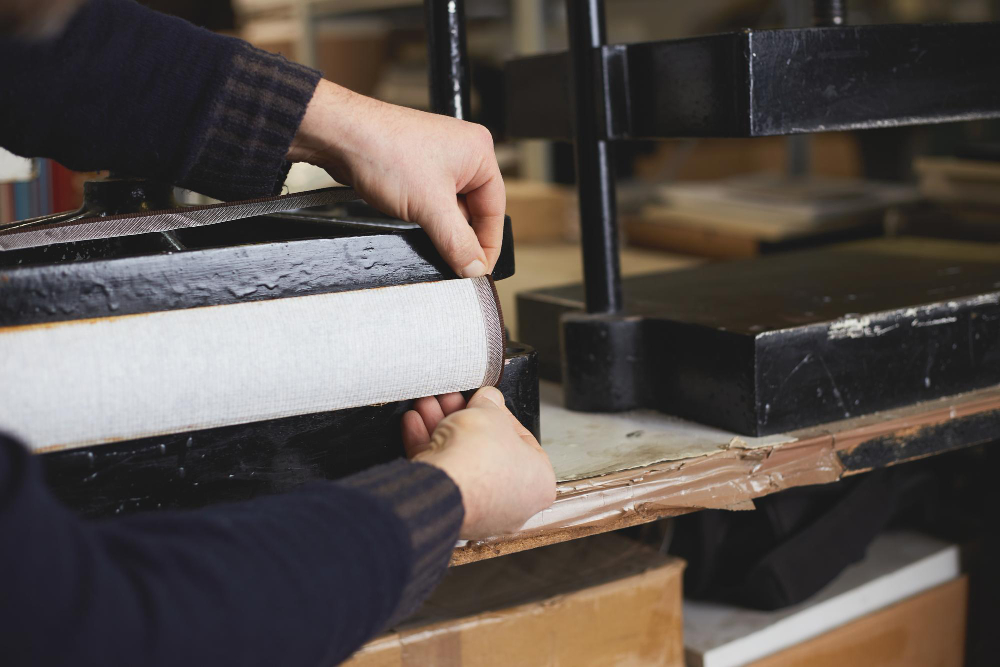
Cutting the folds off and gluing the resulting loose edges is far faster and produces a spine that resists opening and eventually cracks or releases pages.
Most paperbacks are made this way. Adhesive binding is the economic choice with a known failure mode.
8. The Spine Is Rounded on Purpose

Sewing adds thickness at the folds, so the block is deliberately rounded and the edges shaped outward, which absorbs the extra bulk and helps the book hold its form.
A flat spine would bulge. Rounding is a correction for a problem the sewing creates.
9. The Cover Is Made Separately
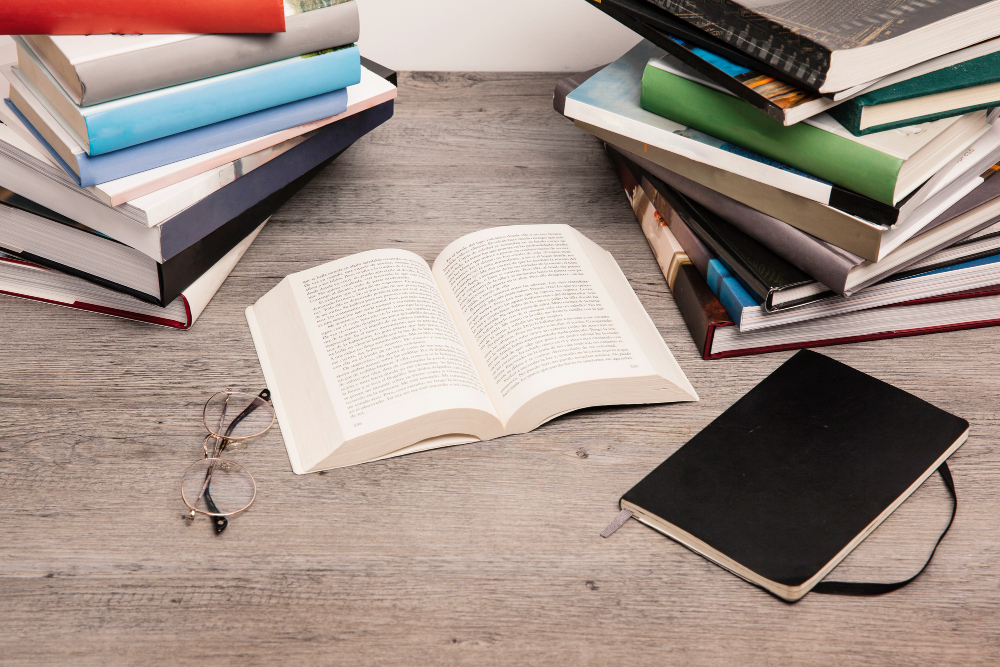
A hardback case is constructed on its own – boards, spine piece and covering material – and the finished block is then glued into it, which is why the cover overhangs the pages.
They are two objects joined at the end. Case binding is assembly rather than construction.
10. The Endpapers Do the Joining

The heavier sheets at the front and back are what actually attach the pages to the cover, taking the strain every time the book is opened.
They are structural rather than decorative. Endpapers are the joint that fails first.
11. The Edges Are Cut After Binding
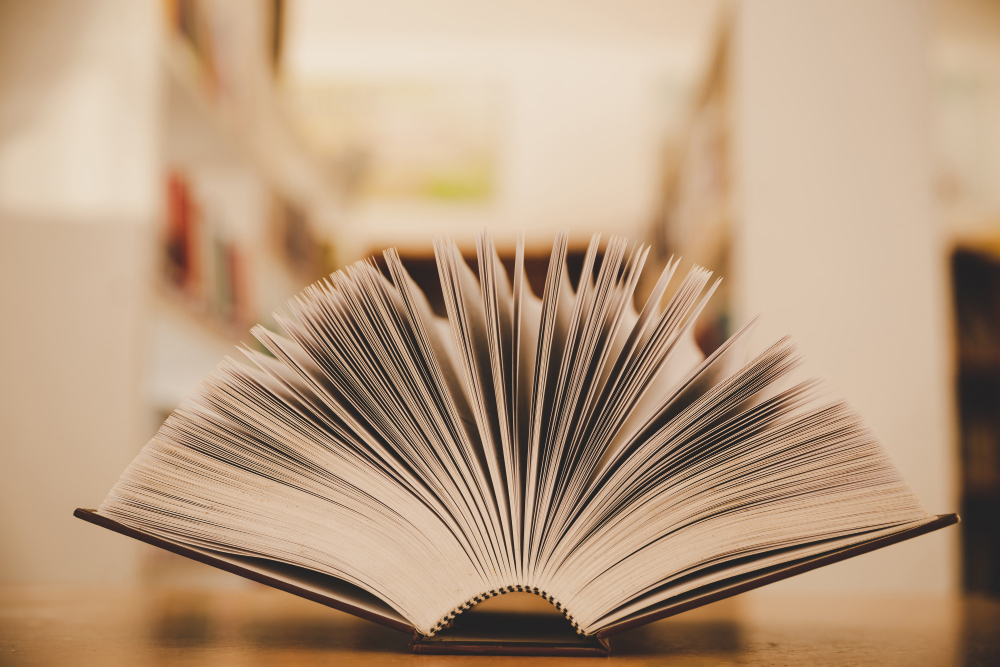
Folded sections have closed edges, so the assembled block is trimmed on three sides once bound – which is why the outer edge is perfectly flush.
An untrimmed book has to be cut open to read. Post-binding trimming is why every page is exactly the same size.
12. Bulk and Weight Are Chosen Separately
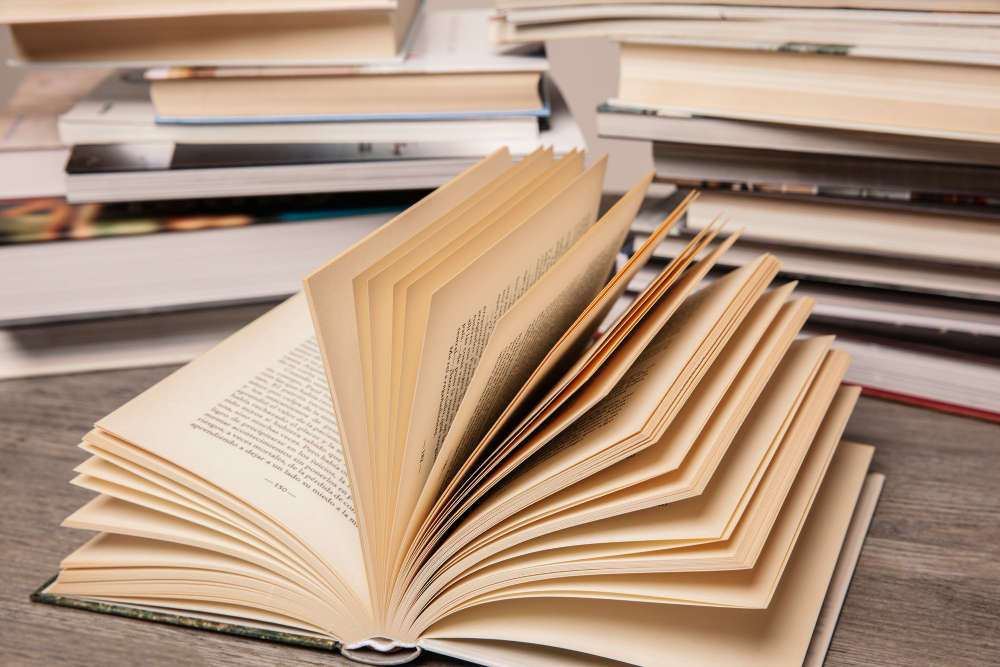
Paper can be made thicker without being heavier, so a book can be given substance without mass – which is a deliberate choice about how the object feels in the hand.
Two books of the same length can differ enormously. Paper bulk is a design decision disguised as a physical property.
13. Opacity Has to Be Bought
Thin paper shows the text from the reverse side unless it is made to resist that, which costs more – so show-through is a consequence of a budget rather than of thinness alone.
It is the commonest complaint about cheap editions. Opacity is a specification rather than an accident.
14. The Inner Margin Is Bigger for a Reason
Part of the inner margin disappears into the curve of the spine, so it is set wider than the outer one to leave equal visible space – which looks wrong on a flat page and correct in a bound book.
The proportions are designed for the finished object. Binding allowance is why margins look asymmetric on screen.
15. Everything Is a Compromise With the Spine
How flat it opens, how it turns, how long it survives and what it costs all come back to how the sections are held at the spine – which is the one part of a book nobody looks at.
Every binding method trades some of those against the others. Spine construction is where the whole object is decided.
Printed as Sheets and Assembled Afterwards
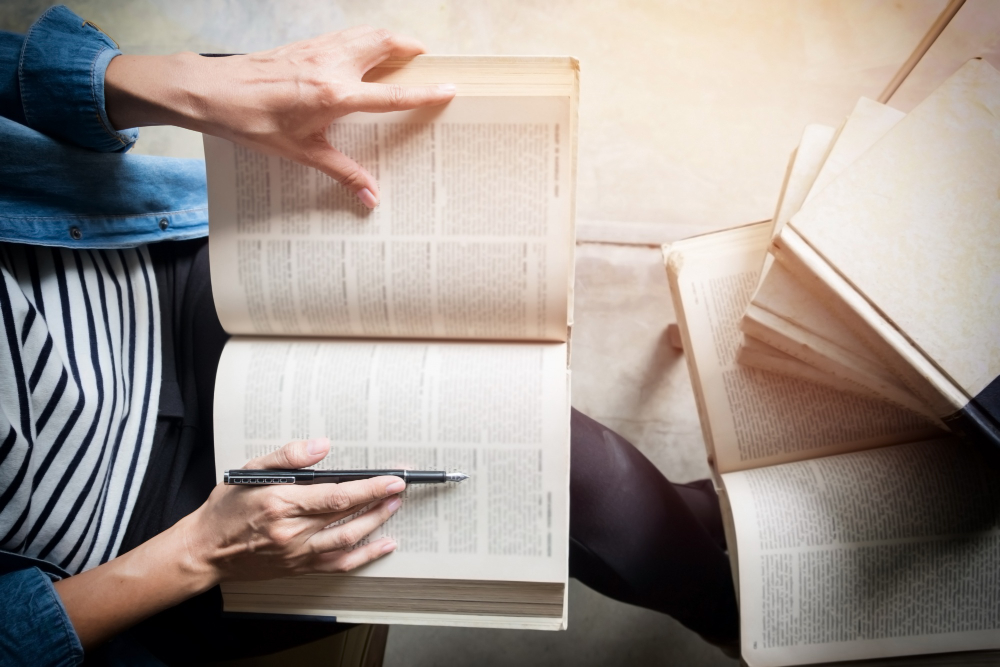
Pages arranged out of order on a large sheet, folded into sections, sewn or glued at the spine, joined to a cover made separately and trimmed flush at the end.
The fifth item is the one that explains the most. Every book that will not stay open, springs shut at the wrong moment or feels stiff to turn was almost certainly made with the paper grain running the wrong way – an invisible property of the sheet, decided before anything was printed, which determines how the finished object behaves for the whole of its life.
Like our content? Follow us for more.