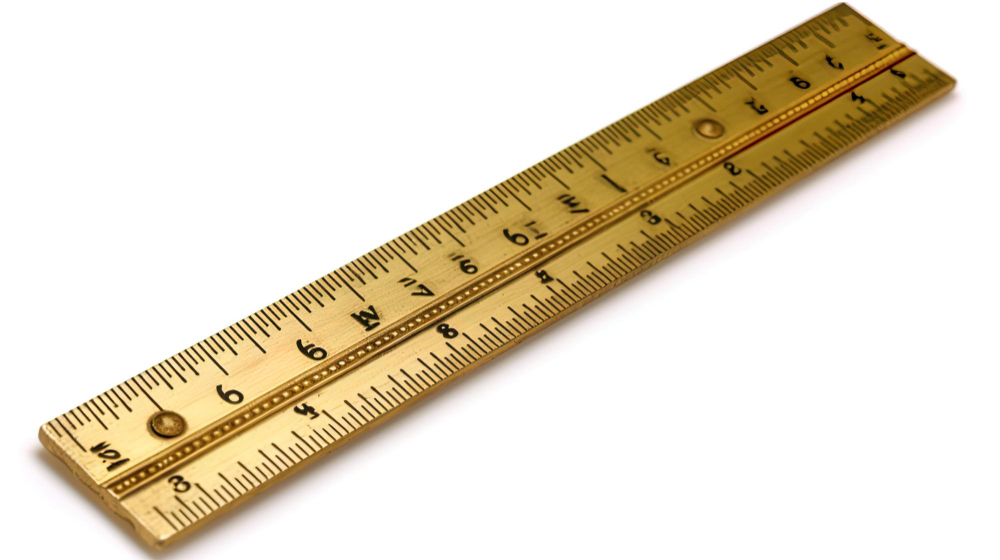
The standard account is that Americans are stubborn about measurement. It is not accurate. The United States has been formally committed to the metric system for a very long time, legalised it in the nineteenth century, defines its own customary units in terms of metric ones, and runs most of its science, medicine, military and export manufacturing in metric.
What failed was not the idea. It was the implementation, and the implementation failed for a reason written into the law itself.
America Is Already Metric Underneath
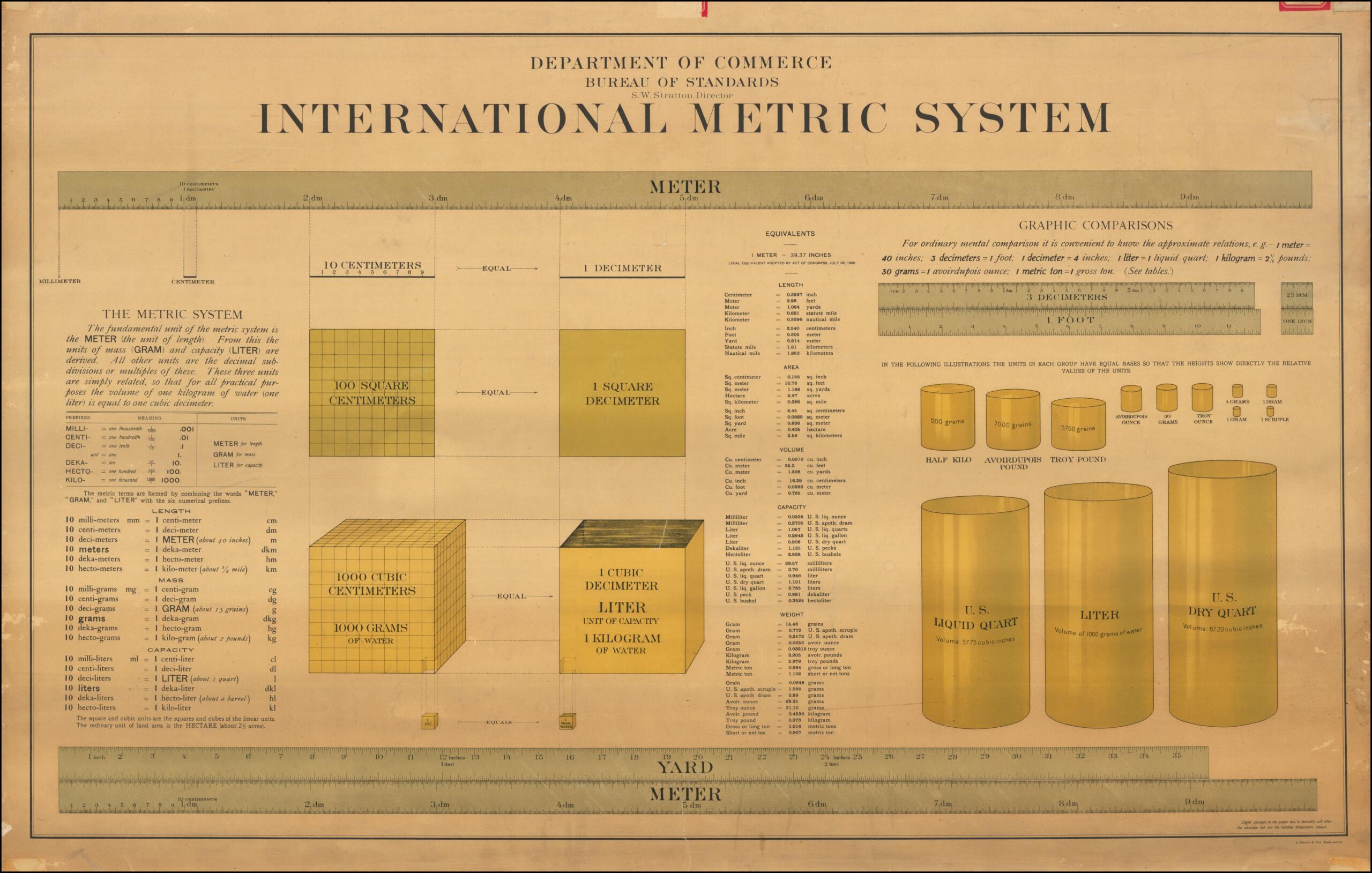
The first thing to establish is that the inch is not an independent unit.
The United States legalised the metric system for commercial use in the nineteenth century – it has been lawful to trade in metric units for over 150 years. More significantly, American customary units are themselves defined by reference to metric ones: an inch is defined as an exact number of millimetres, a pound as an exact fraction of a kilogram.
That is not a technicality. It means the physical standards the United States uses are metric standards, and the familiar units are conversions from them. When an American machinist works to thousandths of an inch, the inch they are working to is a defined length in millimetres.
So the question was never whether America would adopt the metric system. It had adopted it as the basis of its measurement. The question was whether ordinary commerce and daily life would use it directly, and that is a different and much harder problem.
Like our content? Follow us for more.
The 1975 Act and the Word That Killed It

In 1975 Congress passed legislation declaring a national policy of coordinating and planning increasing use of the metric system, and established a board to devise and carry out a programme of conversion.
It was a serious effort. The board was real, it had a budget, it produced plans, and conversion began in several visible places. Road signs in some states were replaced with dual or metric distances. Weather forecasts began giving temperatures in both scales. Schools taught metric units as the coming standard, and a generation of American children learned centimetres on the explicit understanding that this was what they would be using as adults.
And the statute contained one word that undid all of it: voluntary.
Conversion was to be voluntary. No sector was required to change, no date was set by which anything had to be done, and no penalty attached to not doing it. The board could plan, encourage, coordinate and publish. It could not require.
That is the whole failure, and it is a predictable one, because measurement conversion is a coordination problem of the purest kind.
Why Voluntary Cannot Work for This
A measurement system is only useful if everybody around you is using the same one, which means the costs and benefits of switching fall in the wrong order.
If you convert alone, you bear the full cost – retooling, relabelling, retraining, replacing gauges, rewriting drawings, confusing your customers – and you get almost no benefit, because everybody you deal with is still in the old units and you now have to convert at every interface. The benefit arrives only when nearly everybody has switched.
So each individual actor’s rational decision is to wait and let somebody else go first. Which everybody does.
A mandatory conversion with a date solves this by removing the option to wait. Every other country that converted successfully did it that way: a legislated deadline, sector by sector, with the old units prohibited in trade after a fixed point, and the costs borne simultaneously by everybody so that nobody was stranded.
The American act did the opposite. It announced the destination and left the timing to the participants, which in a coordination problem is the same as not doing it.
What Happened to the Road Signs
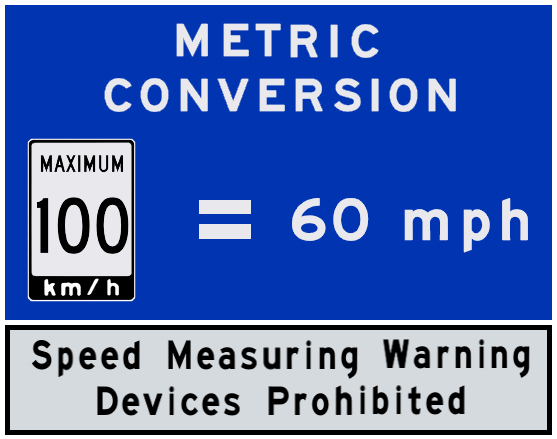
The visible part of the programme produced a backlash, and the backlash is the reason the effort is remembered as a failure rather than as an abandonment.
Dual-unit and metric road signs appeared in several states, speed limits in kilometres were trialled, and the reaction was hostile. Signs were vandalised, states objected to the cost of replacement, and the whole thing became a symbol of federal interference in something nobody had asked to have changed.
This is worth dwelling on, because it is the one part of conversion that touches everybody and produces no benefit to anybody. A road sign in kilometres helps an American driver not at all – they are not going anywhere that uses them, and they have to re-learn a number they already knew. Industry conversion has a real payoff in export markets; speed limit conversion has none.
So the programme led with its least defensible element, lost the public argument there, and the board was abolished within about a decade. What survived was the underlying policy and the parts of industry that had their own reasons.
The Parts That Converted Anyway
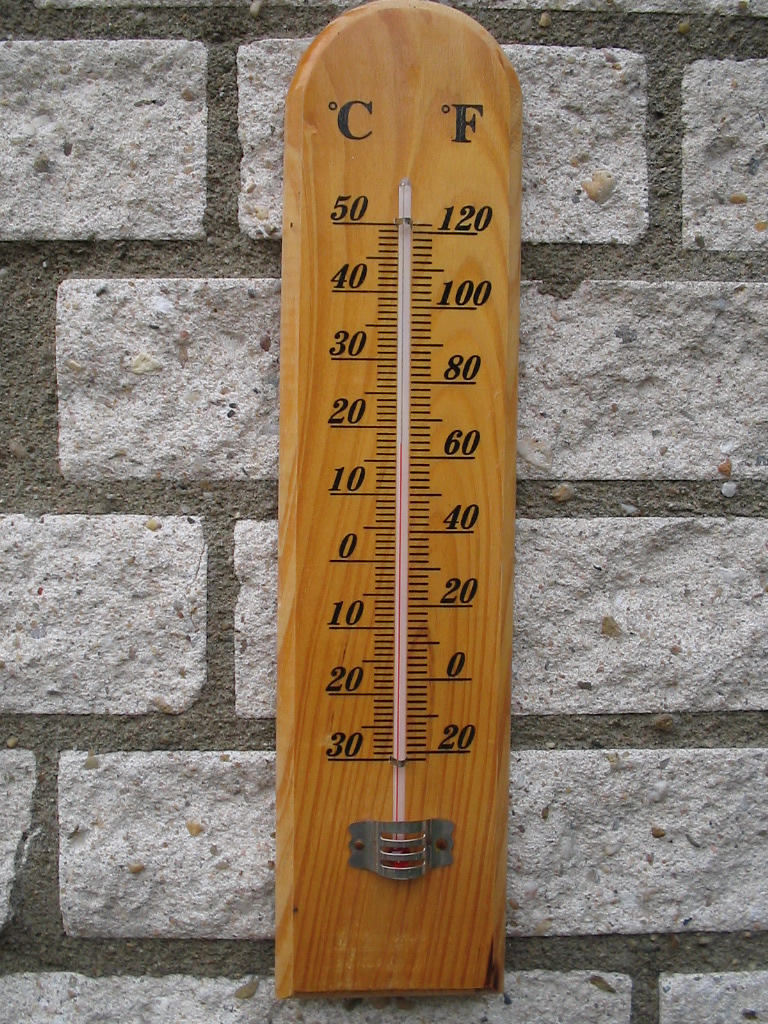
Here is the thing almost nobody realises, and it is why the question is less important than it looks.
American medicine is metric, entirely. Dosages, measurements, laboratory values and clinical records all are, and have been for a long time.
American science is metric, without exception, because scientific publication and collaboration are international.
The American military converted, because it operates with allies and has to share ammunition, fuel, maps and specifications.
American export manufacturing converted, because selling into the rest of the world requires metric drawings and metric parts. Large parts of the automotive industry are metric throughout. Electronics, optics, pharmaceuticals and photography are metric.
And American consumer packaging is dual-labelled by law, which is why a bottle of soda states both a customary and a metric volume.
What did not convert is a specific and fairly short list: the units people say out loud. Distances on roads, temperatures in conversation, body weight and height, cooking measurements, lumber dimensions, plumbing sizes and the fasteners in a hardware store. Those are the units with no export market and no professional body behind them, which is exactly where a voluntary policy would predict the holdout to be.
The Generation That Was Taught for a Conversion That Never Came
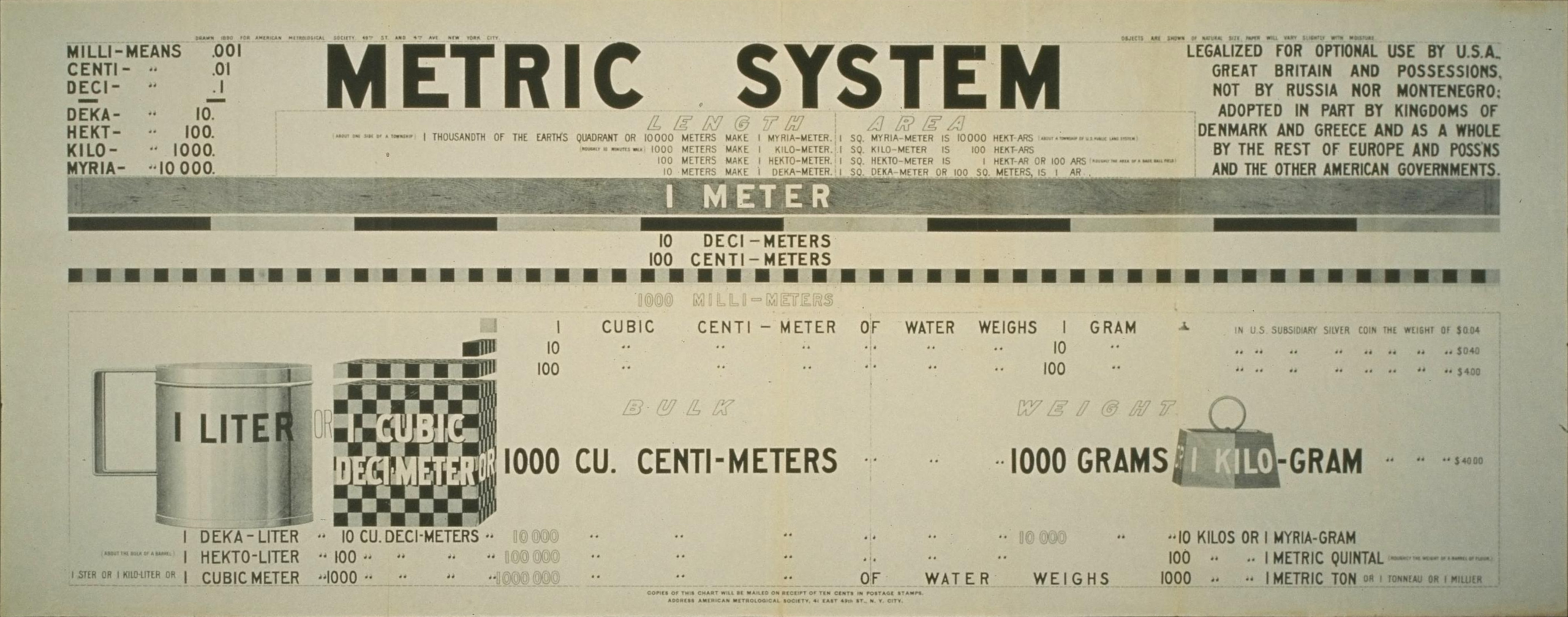
There is a cohort of Americans with a specific and slightly surreal educational memory, and it is the most human part of this story.
For a stretch in the 1970s, American schoolchildren were taught the metric system not as a comparison or a curiosity but as the system they were going to use. The teaching materials said so. Classroom charts converted familiar quantities into the new units. Children measured in centimetres, weighed in grams and read temperatures in Celsius, on the stated understanding that the country was in the process of changing and that the old units were on their way out.
Then it simply stopped. The programme wound down, the board was abolished, the signs came back, and the children went out into an adult world running entirely on the units they had been told were being retired.
The effect is still detectable. Americans of roughly that age are noticeably more comfortable with metric units than those on either side of them, can estimate a metre or a kilogram where others cannot, and remember being told that this was the future. It is a small, strange piece of educational archaeology: a generation partly trained for a country that did not arrive.
It is also the clearest illustration of the coordination problem, because schools were one of the few institutions that did convert on schedule. They did their part, on time, and it bought nothing, because nobody else had to.
The Cost of Living in Two Systems
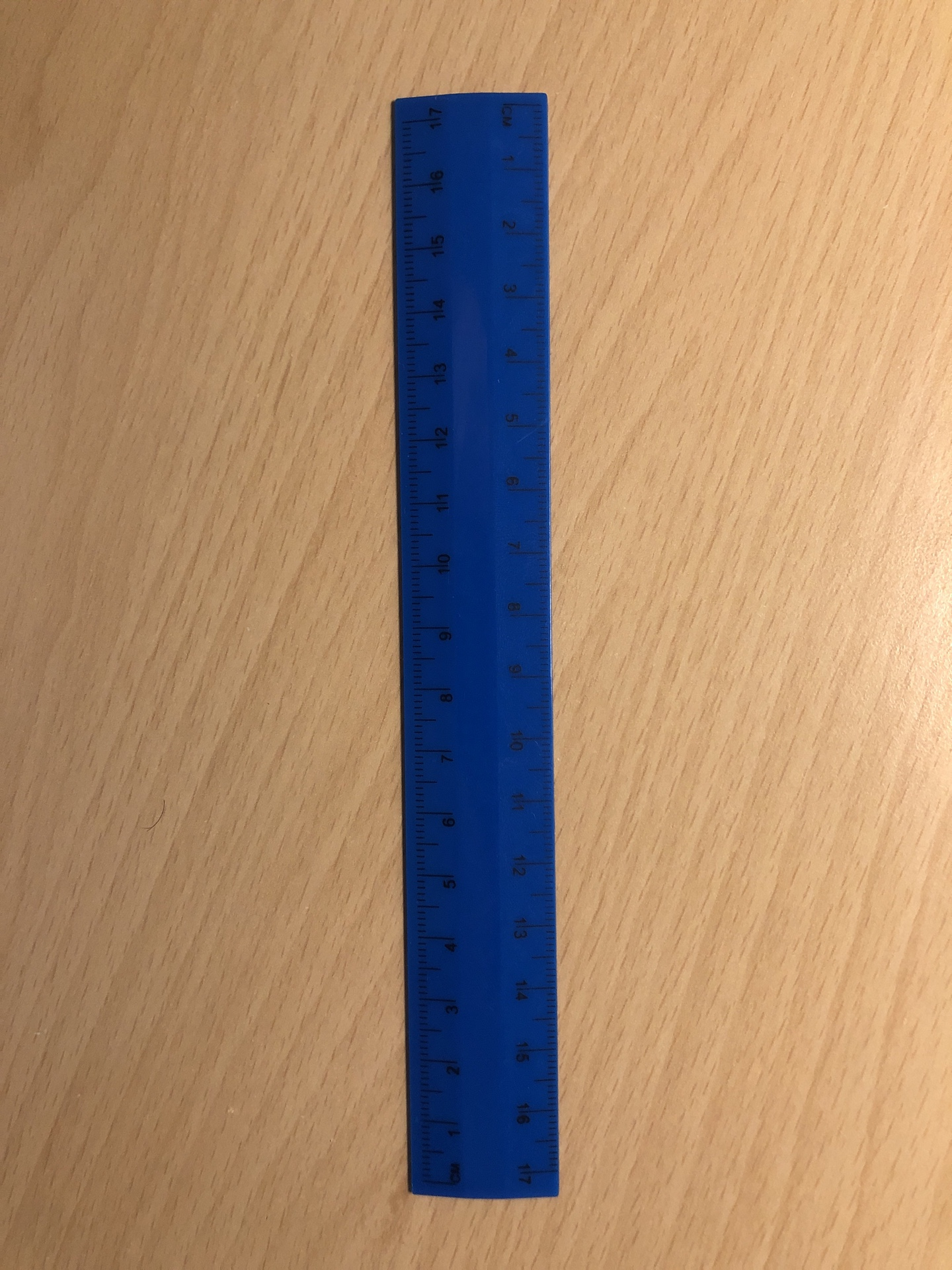
Running both is not free, and the costs are real rather than rhetorical.
There is a permanent translation overhead in engineering, where drawings, parts and tools exist in both systems and every interface between them is an opportunity for error. Anybody who has worked on an American car of a certain era with two sets of spanners has met this directly.
There have been real failures caused by unit confusion, in aviation and in spaceflight, where two parties each worked correctly in their own units and the interface between them was wrong. Those cases are well known within engineering precisely because the error is so simple and so expensive.
And there is an education cost. American schools teach both, which takes time that other countries spend on something else, and they teach the metric system as a foreign standard rather than as the one the student will use.
Against that, the conversion cost of switching now would be very large and would be concentrated on exactly the low-benefit items – signs, scales, recipes, domestic habit – that produced the backlash the first time.
The Honest Summary
The United States is metric at the level of its physical standards, legalised metric commerce over a century and a half ago, and runs its science, medicine, military, exports and much of its manufacturing in metric units.
In 1975 it legislated for general conversion, funded a board and began changing signs and syllabuses. The statute made conversion voluntary, and because a measurement system is worthless unless everybody around you shares it, voluntary conversion is a coordination problem in which every participant’s best move is to wait. They waited. The board was abolished.
The programme also led with road signs, which is the single element that costs everybody something and benefits nobody, and lost the public argument there rather than in a factory.
So the units that survive in American life are precisely the ones with no international counterparty: the ones people say out loud, in a kitchen, on a scale, or at a speed limit. Everything with a customer abroad changed decades ago, quietly, without anybody voting on it.
Like our content? Follow us for more.