Proposed and balloted, with a sick fund and a burial plot. Here are ten.
1. Joining Required Somebody Already Inside to Propose You

You could not apply. A member had to put your name forward, a second had to support it, and the membership then voted – frequently by ballot, and frequently in a form where a small number of objections was enough to refuse.
That mechanism is the whole institution in one procedure. A club that admits by invitation rather than application is deciding who belongs rather than selling a service, and every other item on this list follows from the fact that the membership controlled the door.
Like our content? Follow us for more.
2. There Was an Initiation Ceremony and You Were Not Told About It First
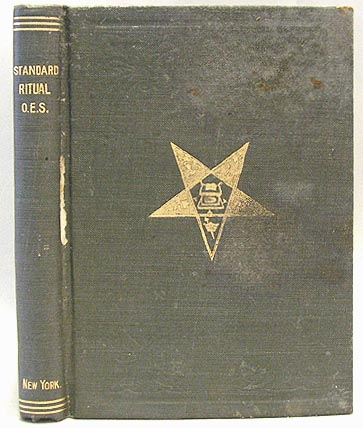
New members went through a formal ritual – words to be learned, an oath, a procession, props and in many orders a degree of theatrical alarm – and existing members were sworn not to reveal it beforehand.
The secrecy was the point rather than a cover for anything. An initiation that cannot be anticipated produces a shared experience that every member has had and no outsider can have, which is the cheapest and most durable way ever devised to make a group cohere.
3. The Building Had a Bar, a Hall and a Kitchen and Nothing Else Mattered
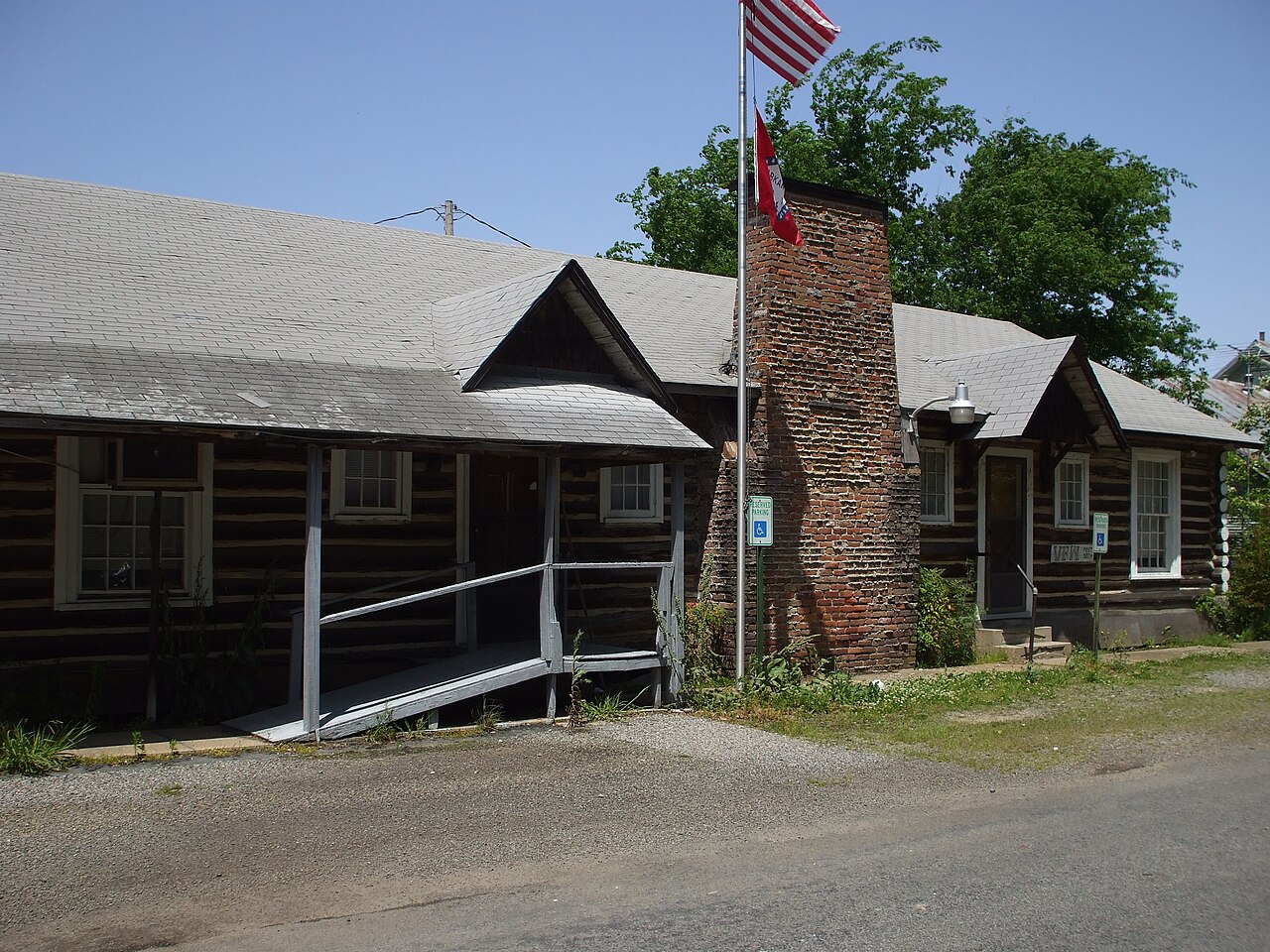
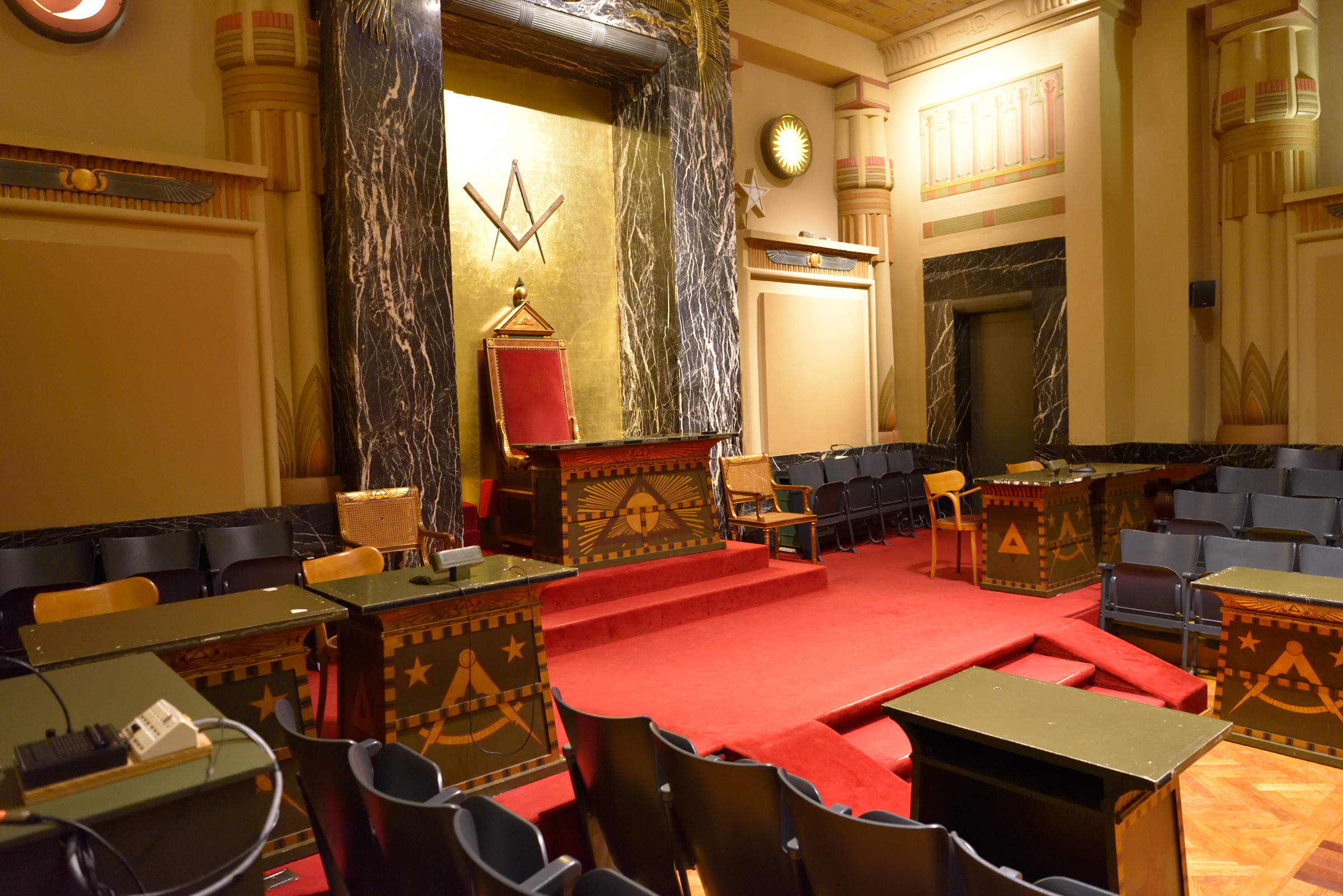
A lodge hall was a single-purpose building: a lounge with a licence, a large meeting room with a stage or a dais, and a commercial kitchen for dinners served by members.
That combination let the organisation host a wedding reception on Saturday, a meeting on Tuesday and a funeral lunch on Thursday, which is why these buildings were the civic infrastructure of a great many American towns. Nobody else in town had a room that size with a kitchen attached.
4. The Drinks Were Cheaper Than Anywhere Else in Town Because of the Licence
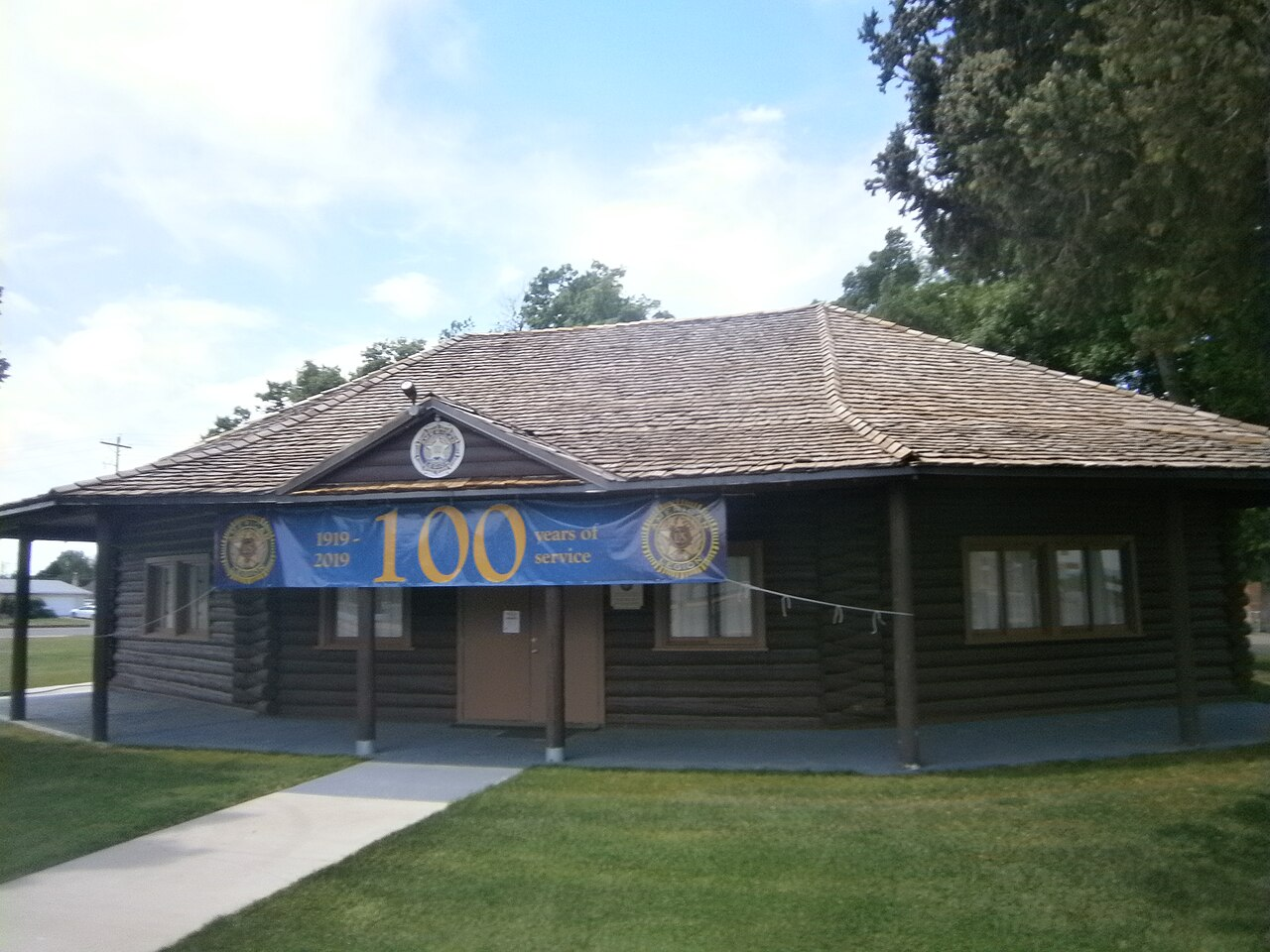
A club licence permitted service to members and their guests rather than to the public, which came with lower costs and fewer restrictions, and the bar was run at close to cost as a member benefit.
The price differential was substantial and it was one of the real material reasons to join. It is also the thing that made these buildings vulnerable later, since licensing reform, drink-driving enforcement and changing drinking habits all hit a members’ bar harder than a commercial one.
5. Every Member Had a Title and the Meeting Ran to a Written Script
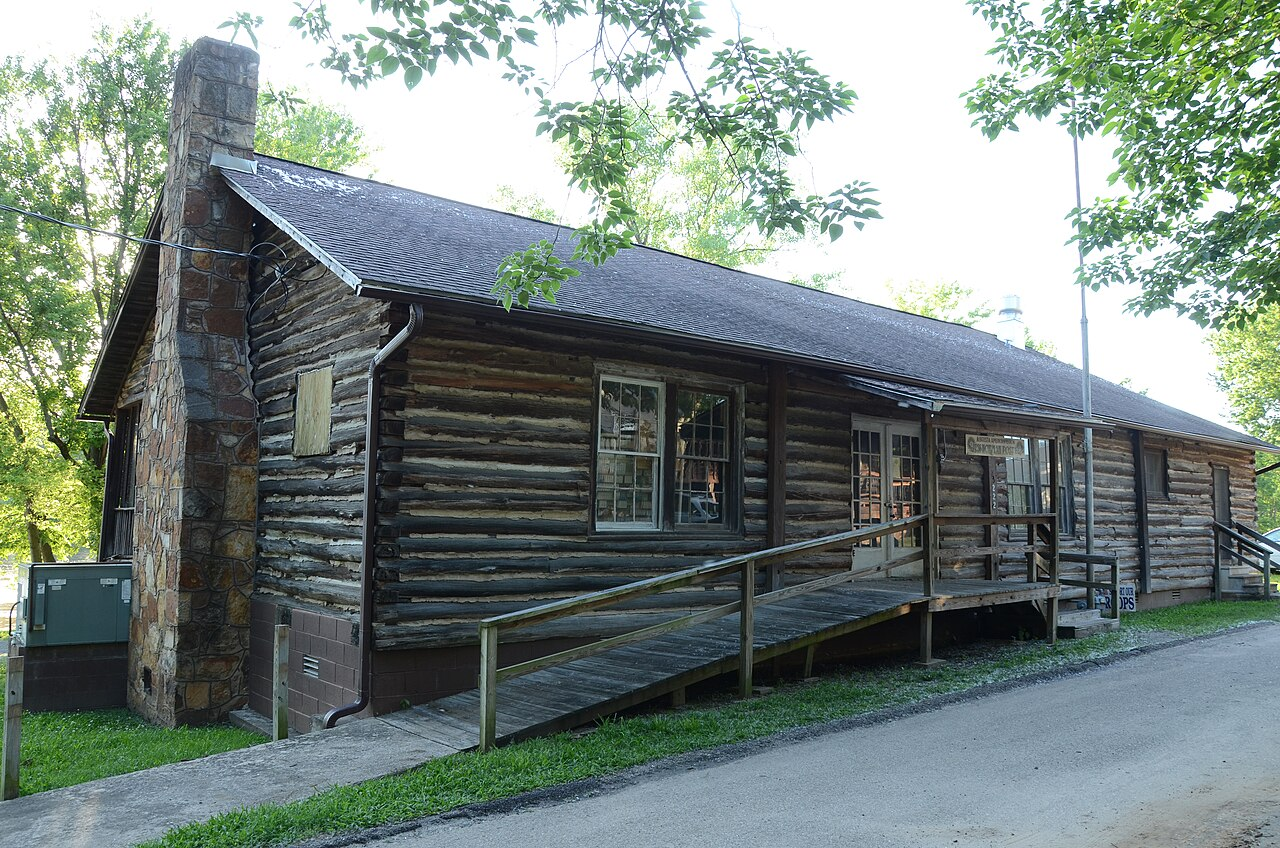
Officers held formal positions with ornate names, served fixed terms, were installed at an annual ceremony and wore regalia, and proceedings followed a set order of business – opening, roll, minutes, correspondence, committee reports, balloting, good of the order, closing – under parliamentary procedure.
The titles are frequently mocked and the combination does a specific job. A hierarchy of named offices rotating annually, running meetings to a written procedure, gave a very large number of ordinary Americans practical experience of chairing, treasurership, minute-taking and public speaking – which is why these bodies were such effective training grounds for local civic and political life, and why their decline removed one of the main places anybody learned how a formal meeting is actually conducted.
6. There Was a Sick Fund, a Death Benefit and a Burial Plot
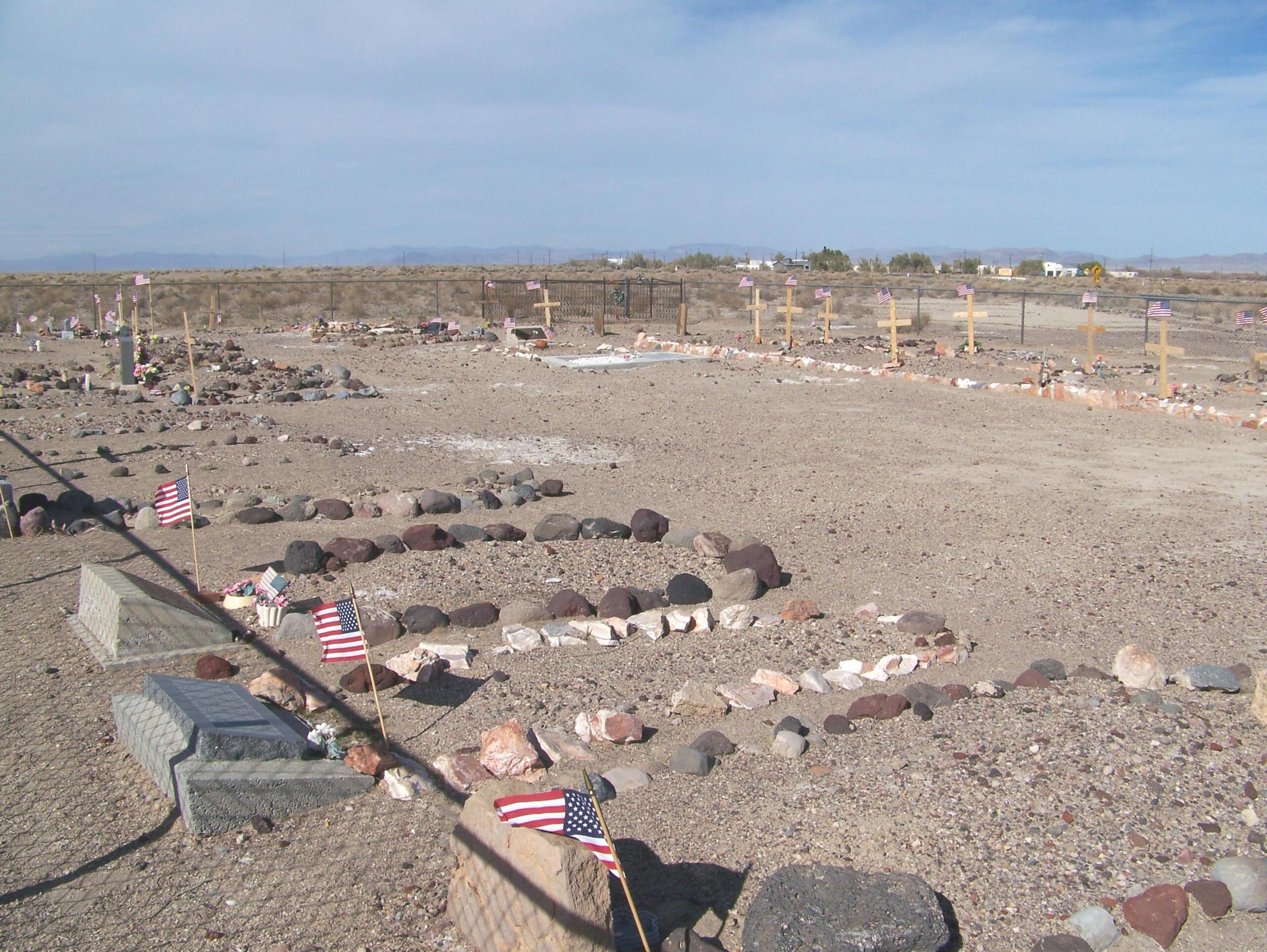
Members paid dues and the order paid out on illness, injury or death, maintained a fund for widows and orphans, and in many cases owned a section of the local cemetery.
This is the forgotten reason the whole movement existed. Before general insurance and public provision, fraternal orders were the mutual aid societies of working America, and the social activity was built on top of a real financial function. When state and commercial insurance covered the same ground, the central purpose quietly disappeared.
7. Charity Was Organised, Substantial and Specific
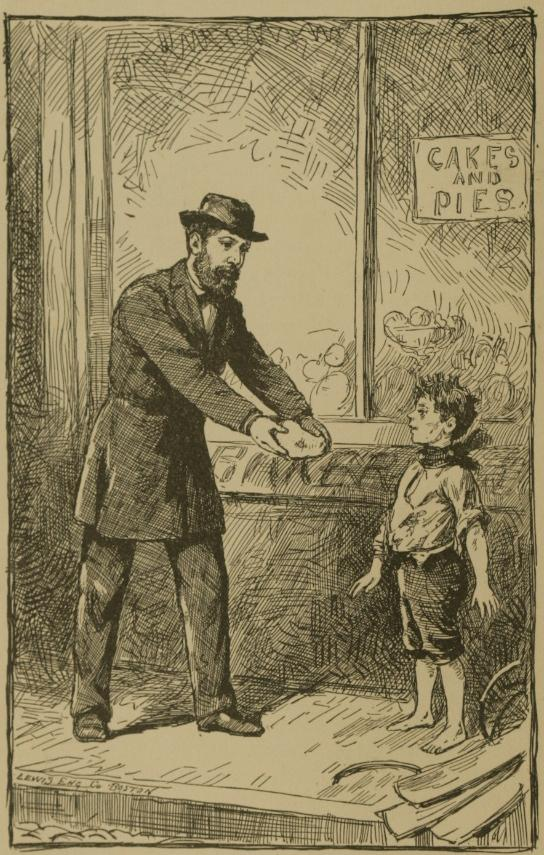
Each order had a cause – children’s hospitals, sight, hearing, burns treatment, scholarships, veterans – funded by member activity and run as a continuing commitment rather than an occasional appeal.
The sums raised were large and the specificity was deliberate. A named cause gives a local chapter something to organise around for decades, and a considerable amount of American medical and educational provision was built with fraternal money.
8. The Women’s Auxiliary Did the Catering and Ran a Parallel Organisation
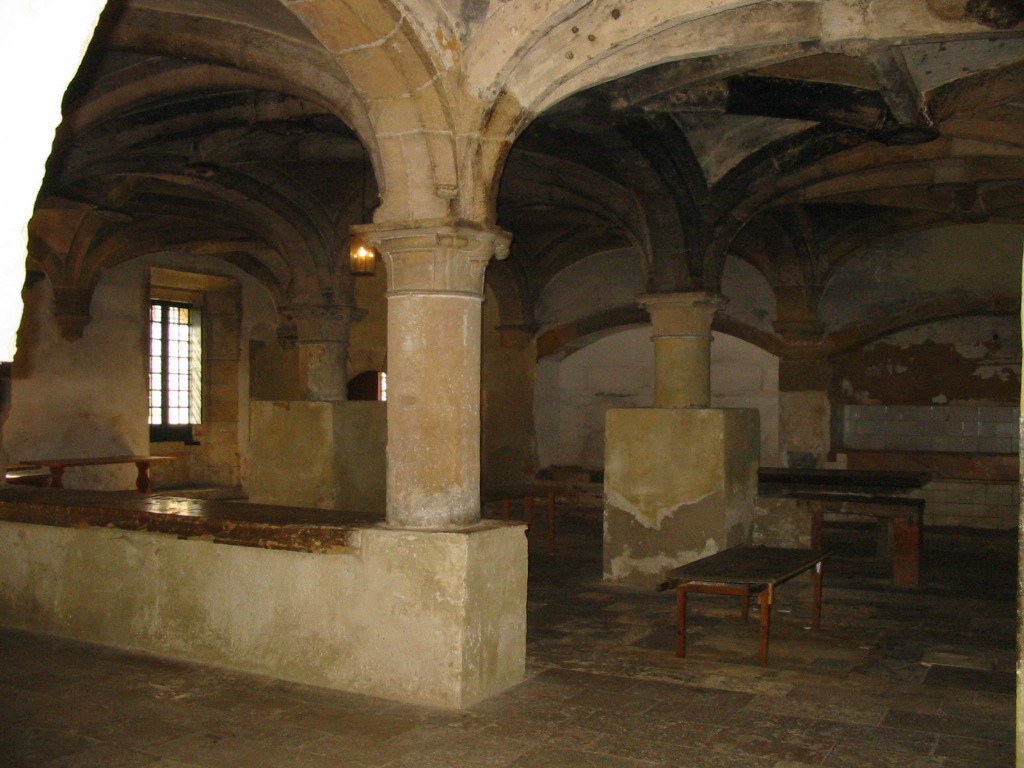
Most orders were men only and had an affiliated women’s body with its own officers, its own meetings, its own charitable programme and responsibility for the food at the main organisation’s events.
The arrangement was near universal and its two halves were not equal. The auxiliaries did an enormous amount of the actual work, including most of the fundraising and nearly all of the catering, within a structure that excluded them from the parent body’s decisions.
9. Membership Was Restricted in Ways That Were Written Down
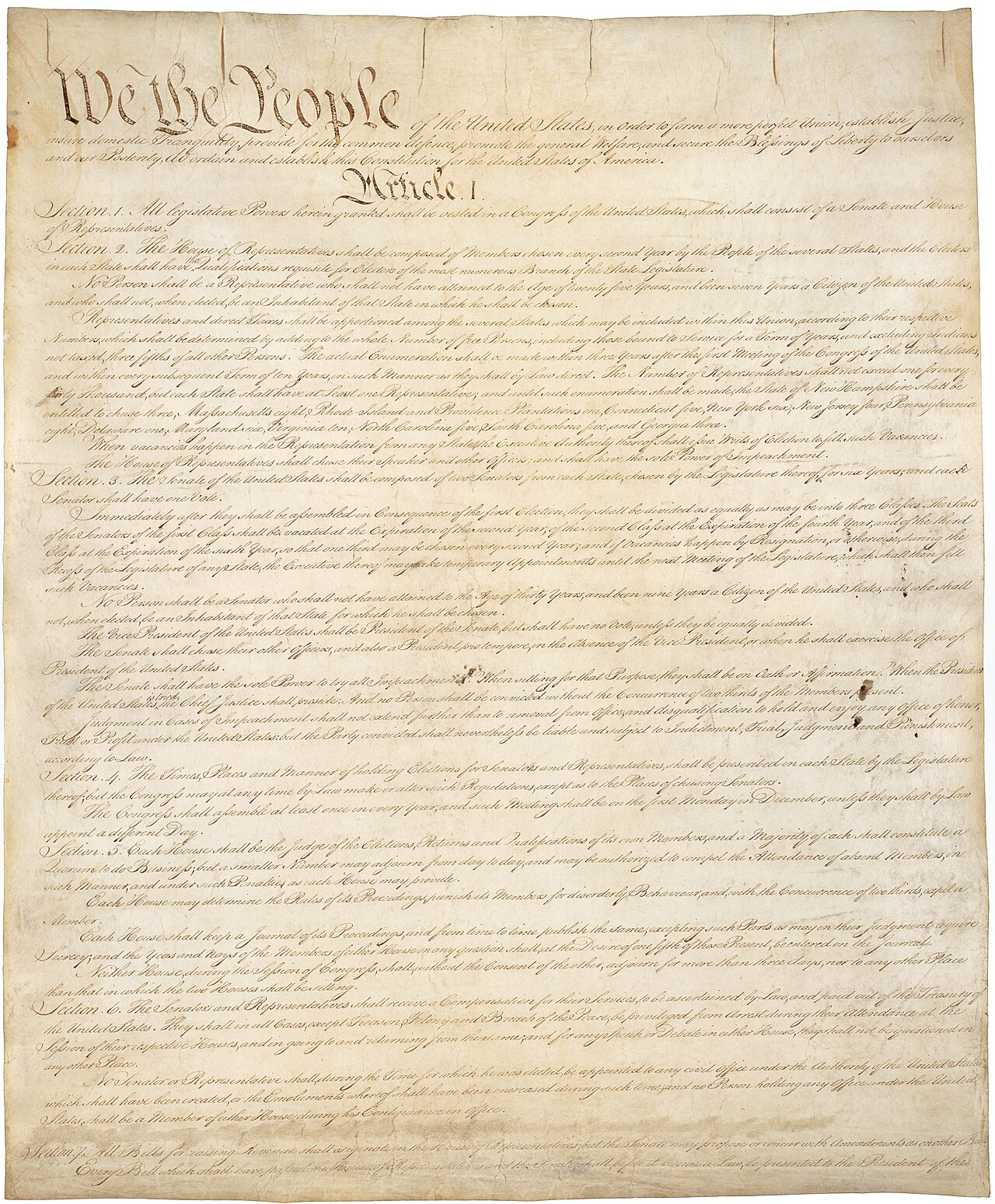
Constitutions and bylaws of many American orders in this period contained explicit restrictions on who could be admitted, and separate parallel organisations existed because of them.
This is a matter of record and it is the most important thing on the list. Those clauses were removed over subsequent decades, by internal reform, by litigation and by the loss of tax and licensing privileges attached to them, and the parallel orders founded by people who had been excluded are in several cases still operating and are older than some of the bodies that excluded them.
10. What Emptied Them Was Not One Thing
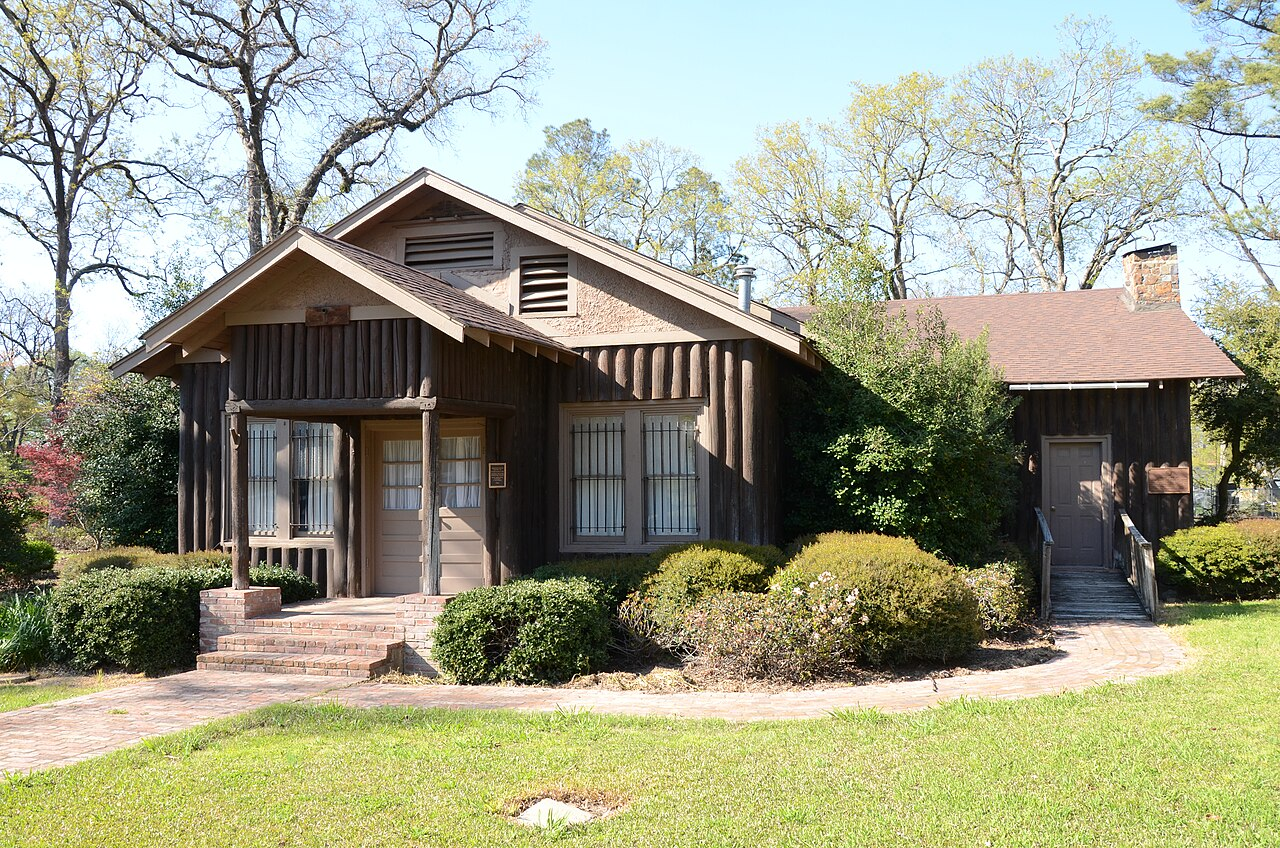
Read the list again. The sick fund, the cheap bar, the hall nobody else had, the invitation-only door and the written restrictions.
The mutual aid function was taken over by insurance and public provision. The hall was out-competed by commercial venues. The bar lost its advantage. The restrictions became indefensible and their removal, though right, arrived after the membership had already begun to age. And an institution requiring a weekly evening commitment from the same people ran into the same calendar that emptied the bowling leagues. Several of these orders are still going and doing the charity extremely well – what has gone is the reason a young person would have needed to join.
Mutual Aid First, Everything Else Afterwards
The thing to understand about American fraternal orders is that they began as insurance companies with a ritual attached, not as social clubs that happened to help people.
Before general commercial insurance and before public provision, a working man with no savings had one realistic protection against illness, injury or death: a mutual society into which he paid dues and which paid out to him and to his widow. That is what the sick fund, the death benefit and the cemetery section were, and it is the reason the orders grew to the scale they did. The dinners, the titles, the regalia and the initiation were the social architecture that held the mutual fund together and made people keep paying into it.
Which explains the decline better than anything else. When insurance became commercially available and then publicly provided, the central product was gone. What remained was a building, a bar, a charity and a weekly evening – and each of those was separately out-competed, by commercial venues, by licensing reform, by other ways to give and by the same collapse in fixed weekly commitment that emptied the bowling leagues.
The written membership restrictions are the part that cannot be left out. They were real, they were in the bylaws, they were removed by a combination of internal reform, litigation and the withdrawal of privileges, and the separate orders founded by the people excluded are in several cases older and still running. That history is a matter of record and belongs in any honest account of these institutions.
And the charity is still there. Several of these orders remain substantial and effective funders of exactly the causes they picked a century ago, which is a considerable thing to have outlasted your own business model by.
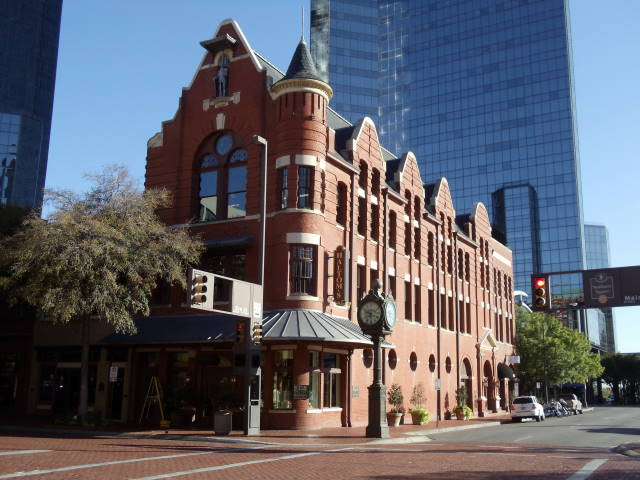
The buildings are the easiest ones to spot in a small American town – a plain brick hall with a symbol over the door and a car park that is too big for whoever uses it now.
Like our content? Follow us for more.