

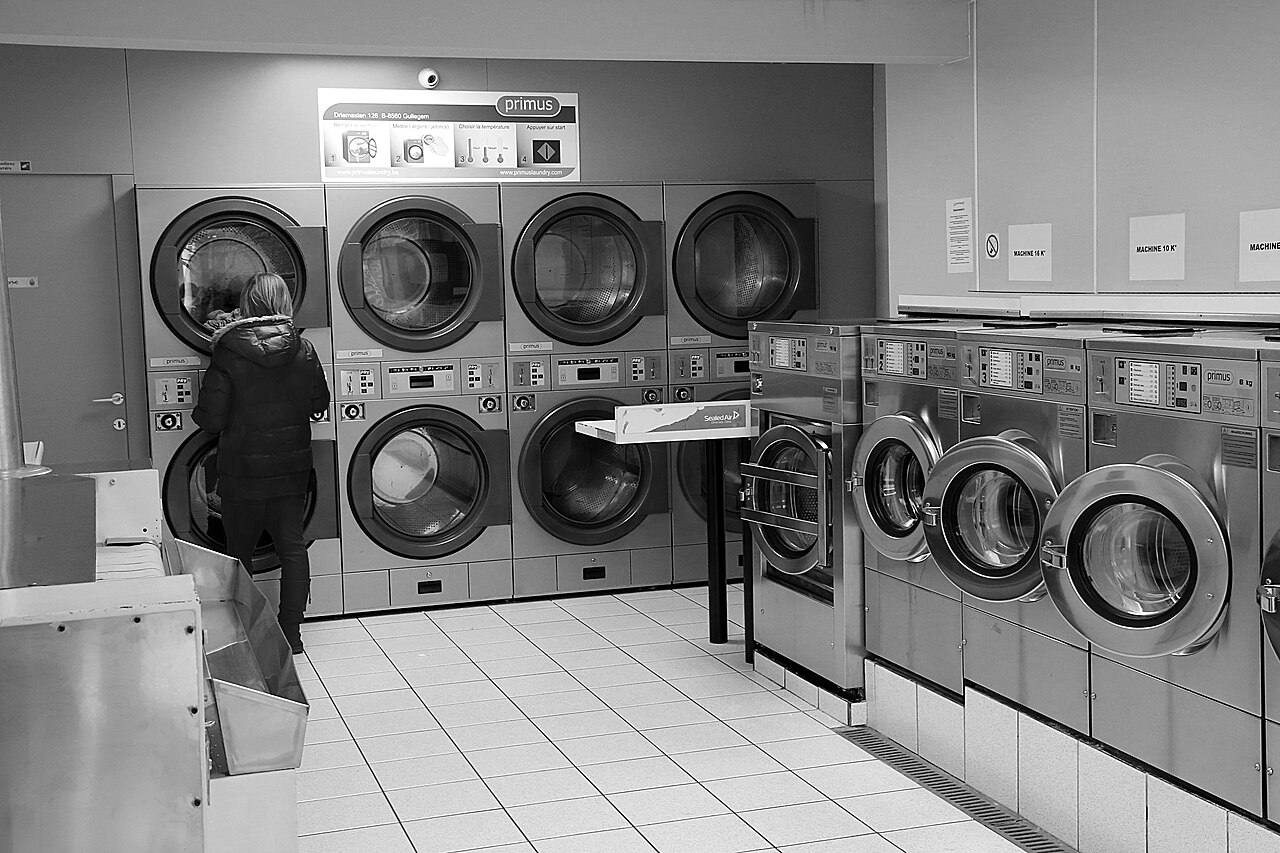
All quarters, nobody working there, and a floor built to flood. Here are eleven.
1. The Machines Took Quarters and Nothing Else
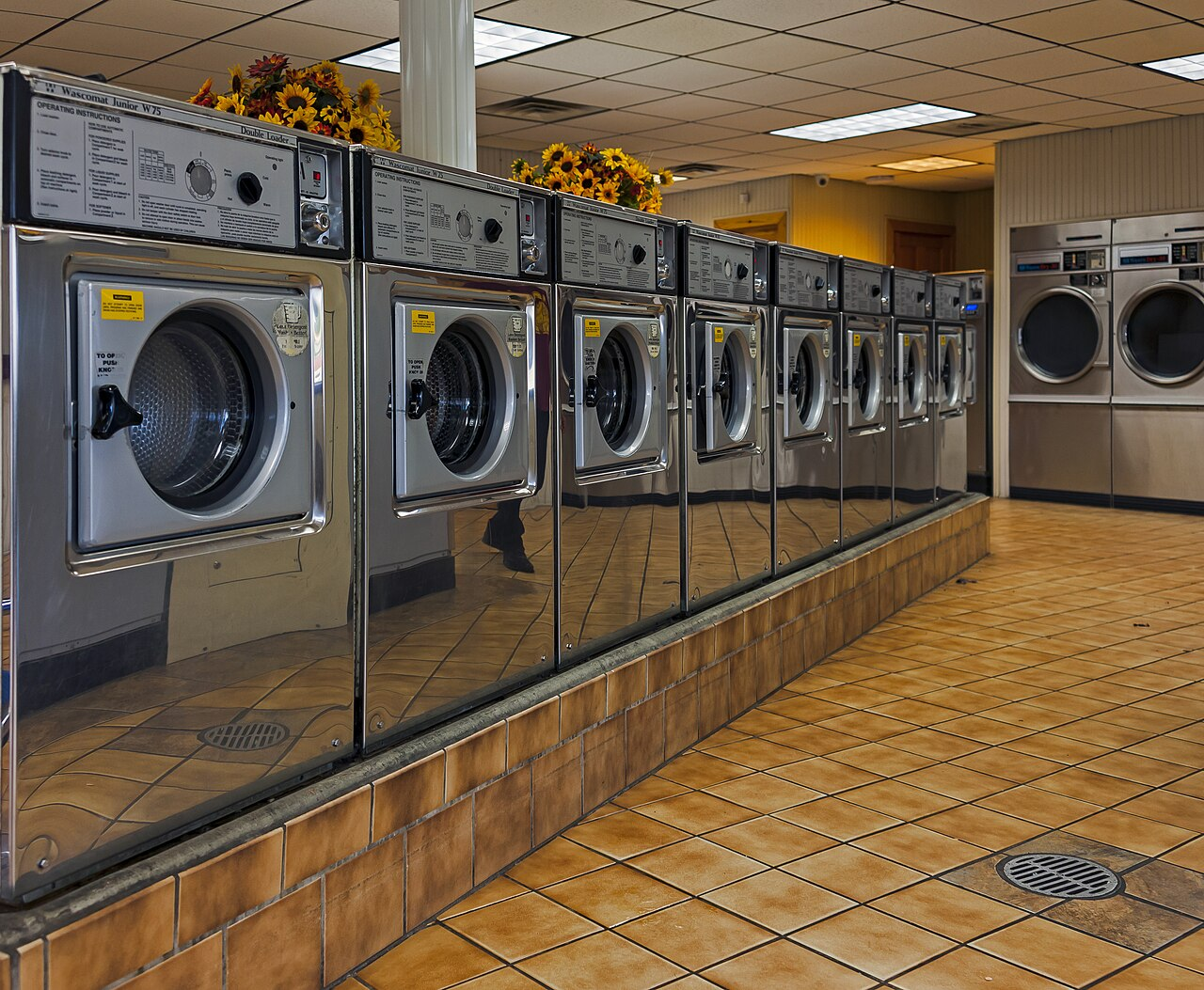
Every machine was coin-operated, the slide took a fixed number of quarters, and the whole building ran on a currency you had to obtain in advance from a change machine that frequently did not work.
Coin operation was not a payment choice, it was the entire security and accounting model. An unattended building full of expensive machines works only if each one collects its own revenue in a locked box, and that single constraint determined the pricing, the staffing and the fact that nobody could raise a price by less than twenty-five cents.
Like our content? Follow us for more.
2. There Was a Wall of Top-Loading Washers With a Lid You Could Lift Mid-Cycle
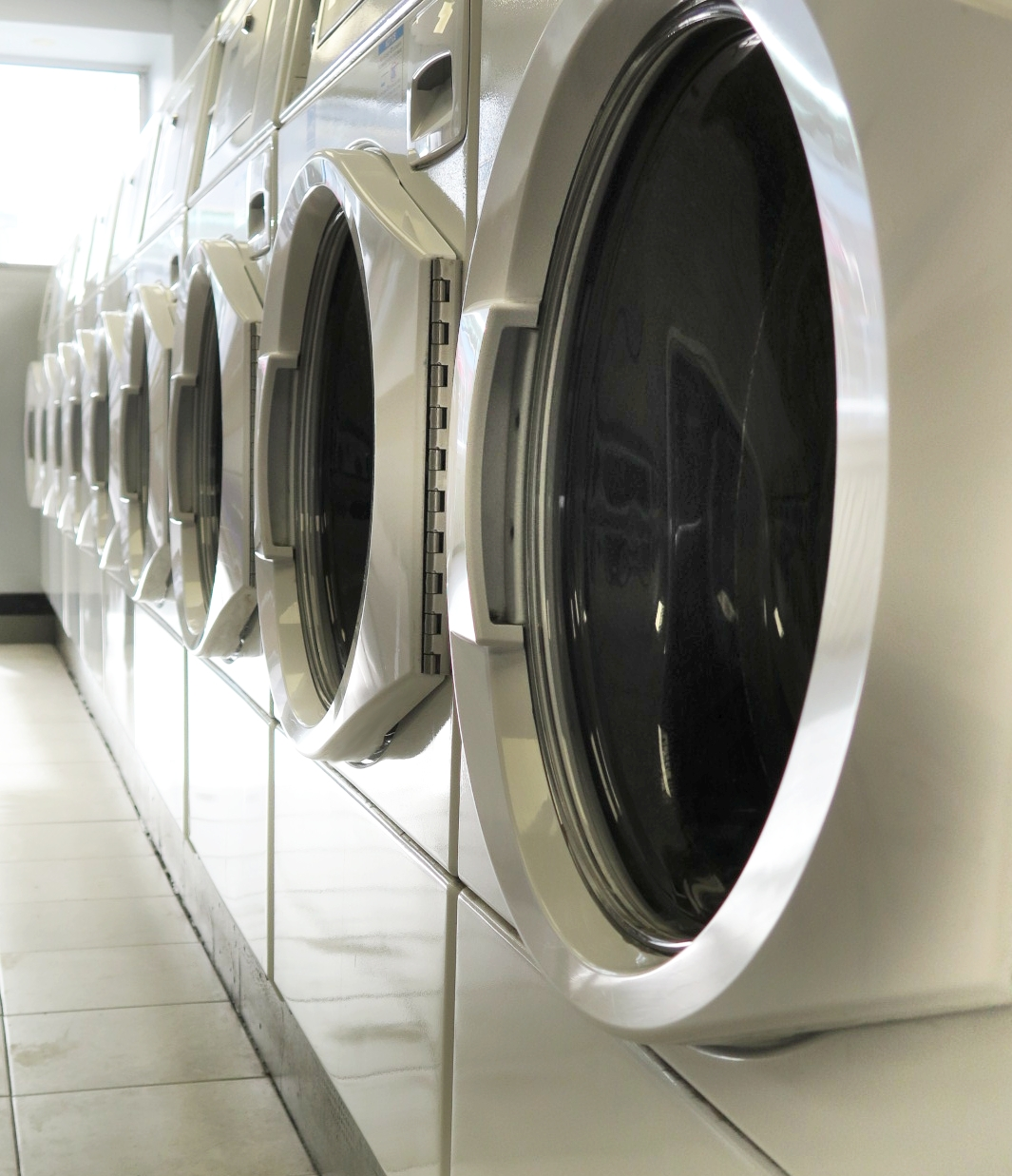
Top-loaders dominated, the lid was not interlocked in older machines, and the agitator was visible and reachable while the drum was moving.
Lid interlocks became standard and the top-loader itself has largely given way to front-loading machines in commercial use, because a horizontal-axis machine uses dramatically less water and detergent per load. The economics of a laundromat are water and energy, so the equipment changed as soon as the arithmetic did.
3. A Dryer Cost a Dime for Ten Minutes and Everybody Underestimated
Drying was sold in fixed increments by time rather than by result, which meant judging in advance how long a load would need and feeding in more coins when you had got it wrong.
Selling drying by time rather than by dryness is the single most annoying feature of the format and it persists because measuring dryness requires a sensor and a controller, whereas a timer requires neither. The whole experience of the laundromat is shaped by that one piece of cost engineering.
4. There Was a Folding Table, a Row of Chairs and a Television Bolted to the Wall
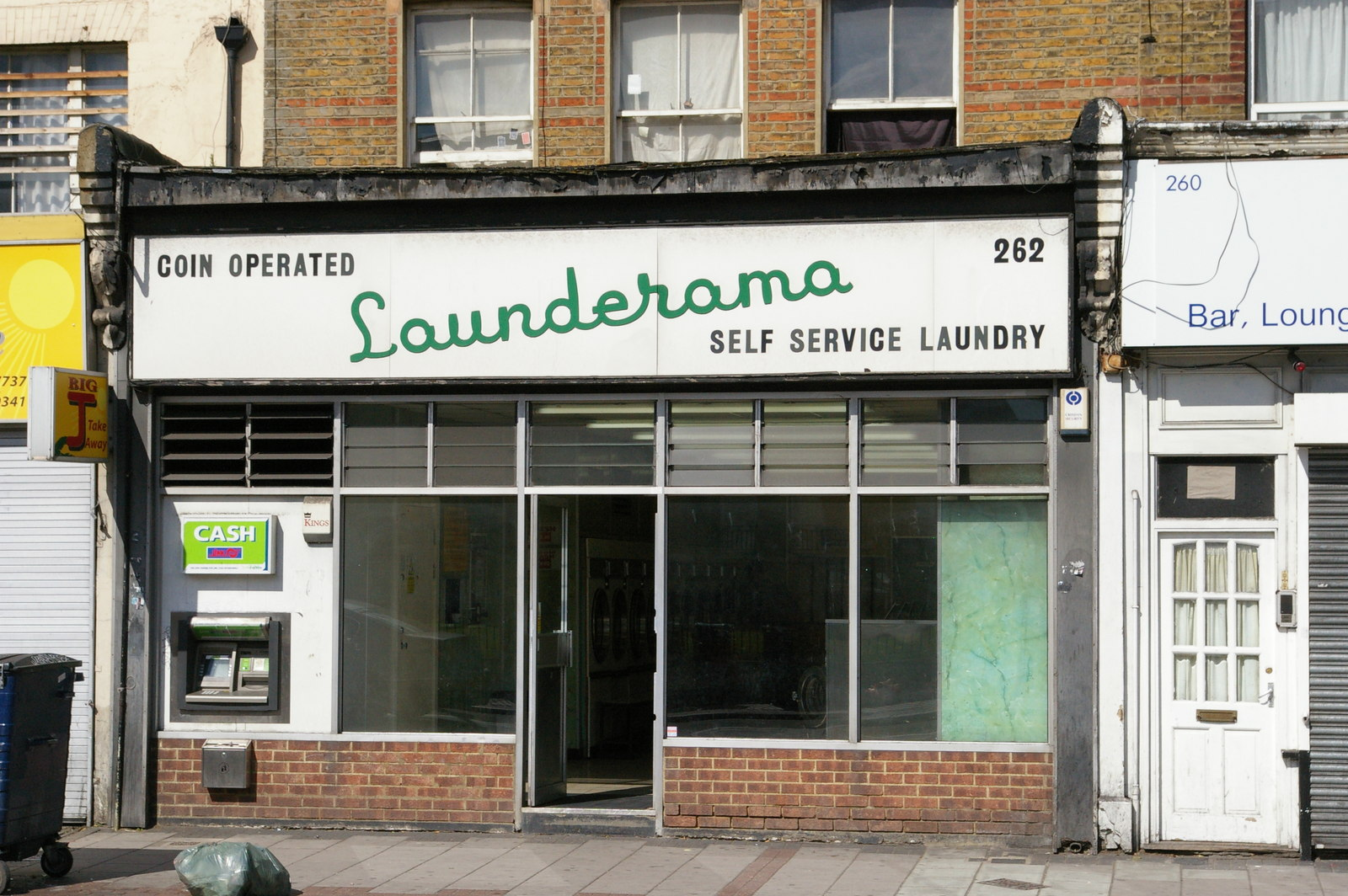
A long formica table down the middle, hard plastic seating, and a single set mounted high in a corner, tuned to whatever was on and audible to everybody.
The provision tells you what the business understood itself to be selling, which was two hours of a customer’s time. A laundromat is one of the few retail formats where the operator knows exactly how long every customer will be present and has to furnish accordingly.
5. A Soap Dispenser Sold Single Doses in a Cardboard Box
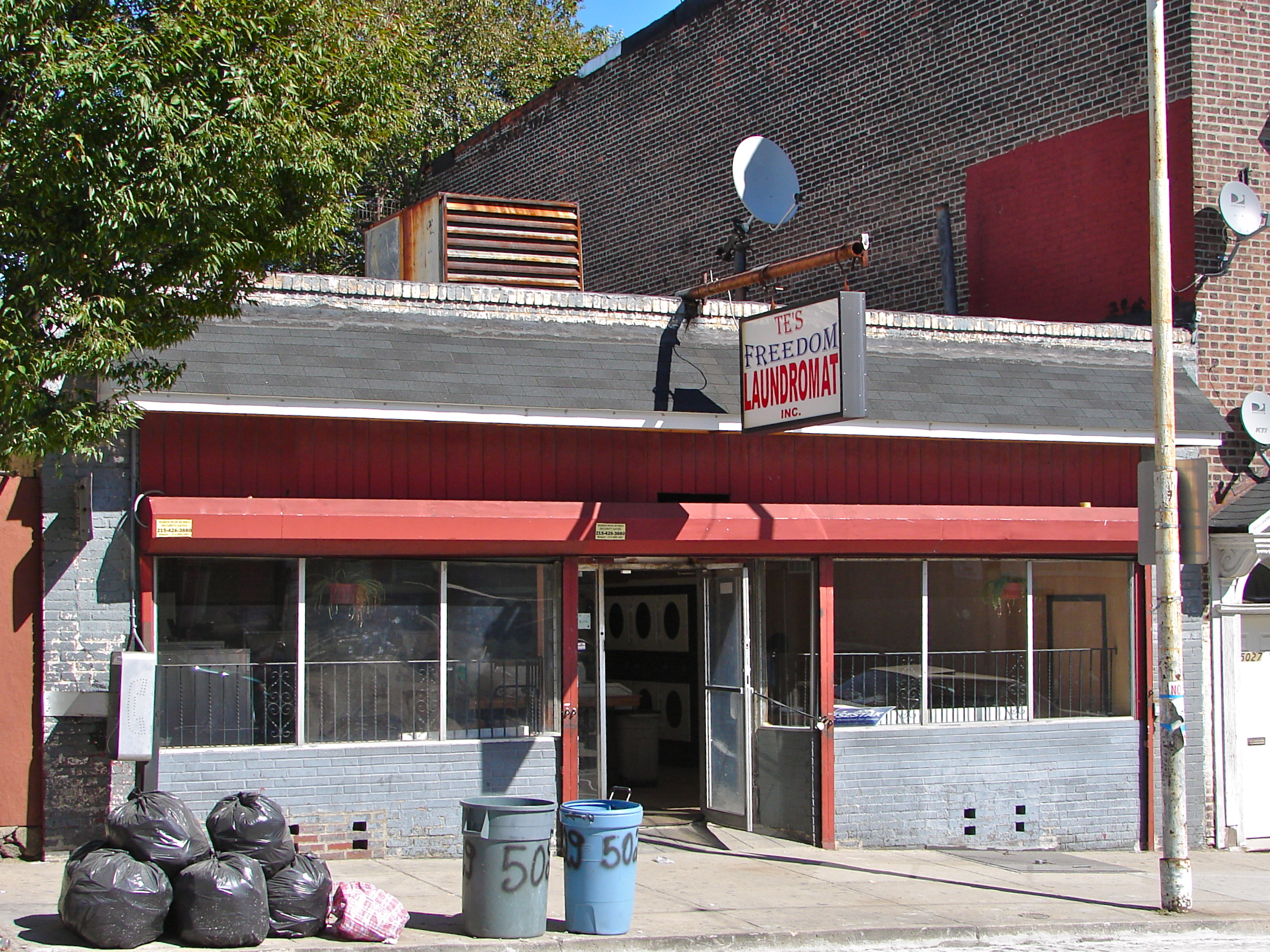
Small boxes of detergent, bleach and softener came out of a vending machine on the wall for a coin, at a substantial premium over a supermarket.
The margin on single-dose detergent was significant and it was understood as a convenience charge. It also quietly solved a real problem – a customer who has walked to the laundromat without detergent would otherwise simply leave – which is why the dispenser was by the door rather than by the machines.
6. The Change Machine Was the Most Important Object in the Building
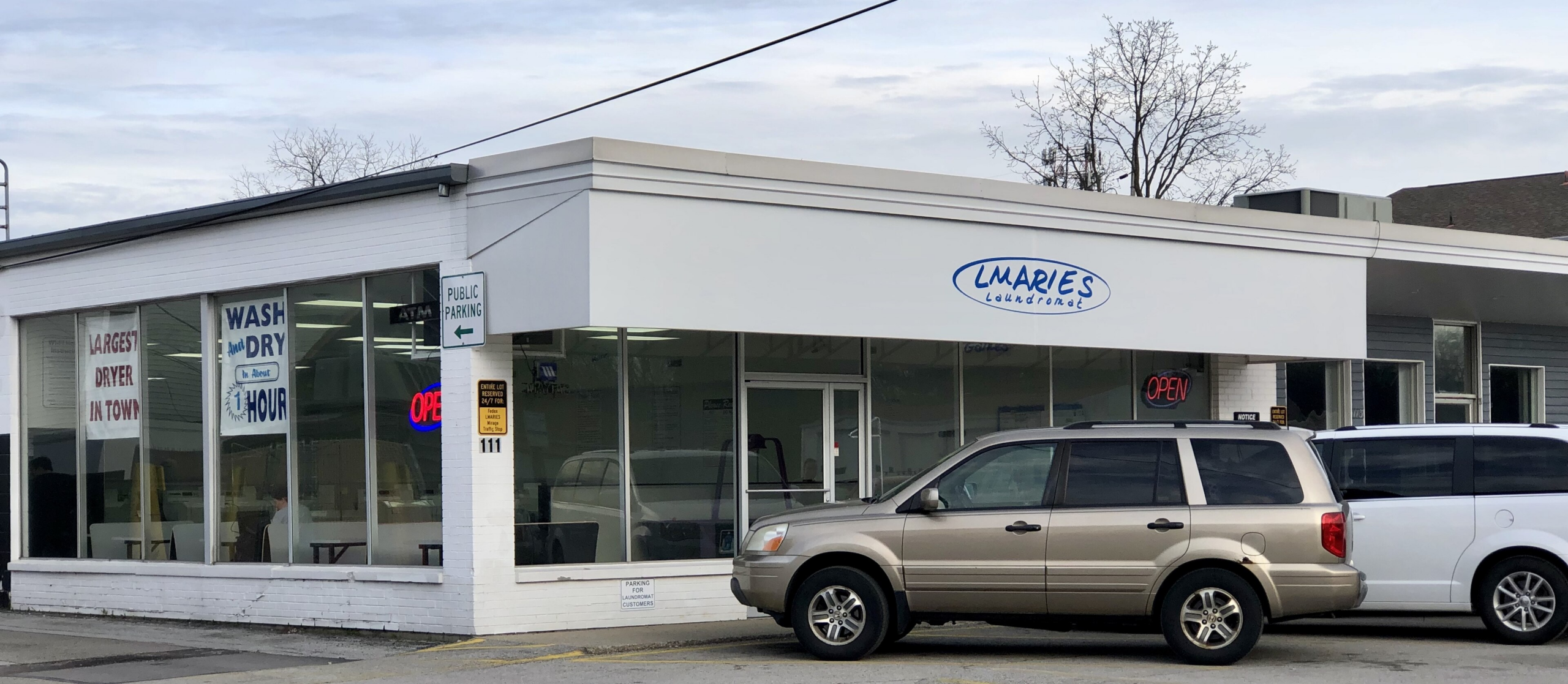
A coin changer accepting notes stood on the wall, and when it was out of order or out of coin the entire premises stopped functioning.
Everybody who used a laundromat regularly knew the state of the change machine before they knew anything else about the place. It is the clearest example of a single point of failure in any retail format – one broken device and a building full of working equipment becomes unusable.
7. There Was Nobody Working There
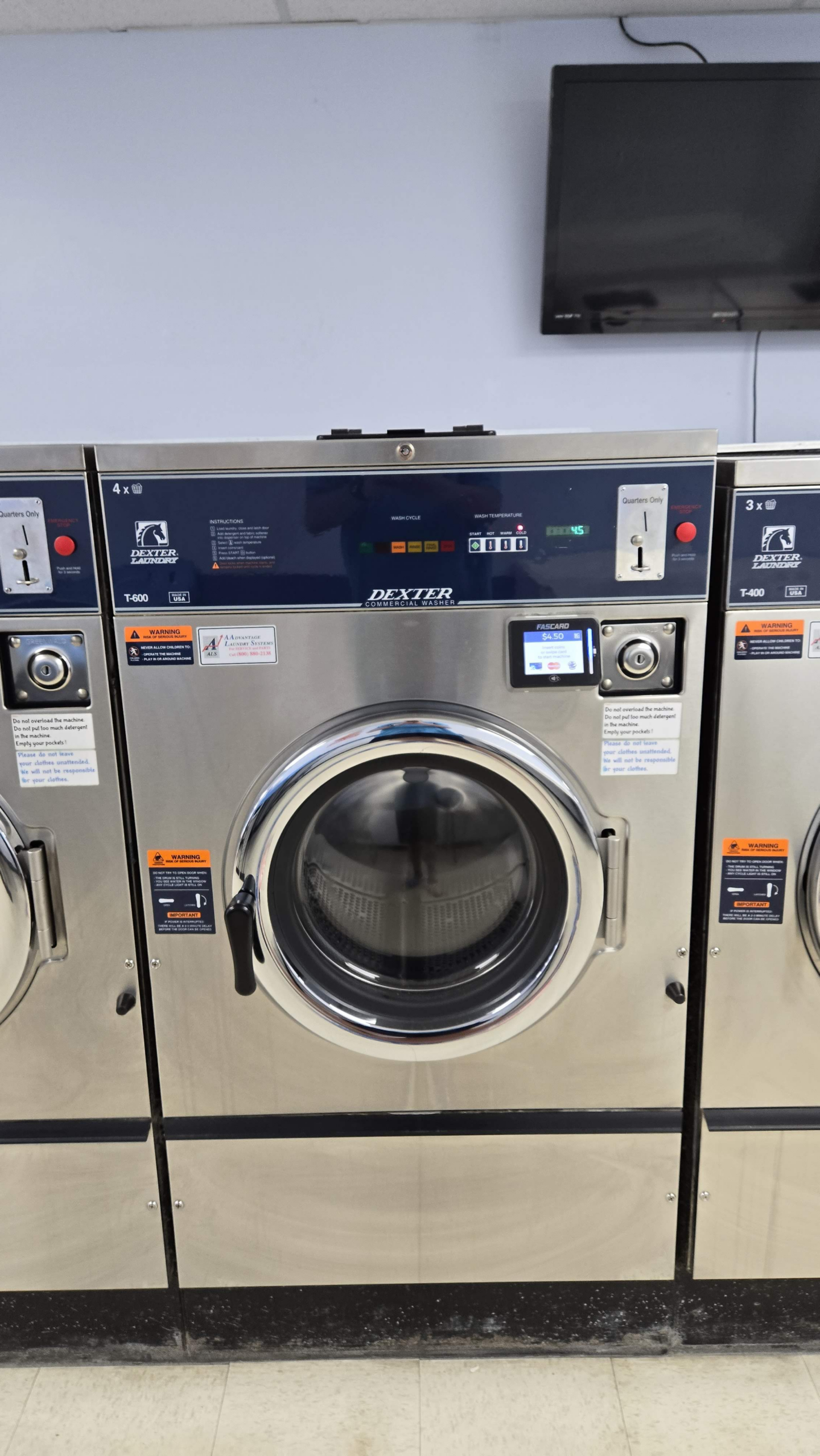
Most American laundromats were and are unattended for most of their opening hours, with an owner or an attendant visiting to collect coins, clean and deal with faults.
Unattended operation is the entire economic proposition. A self-service laundry with a member of staff on site all day does not work financially, which is why the format is designed throughout around equipment that cannot be broken easily, revenue that collects itself and a customer who needs no help.
8. It Was Open Very Late and That Was the Point
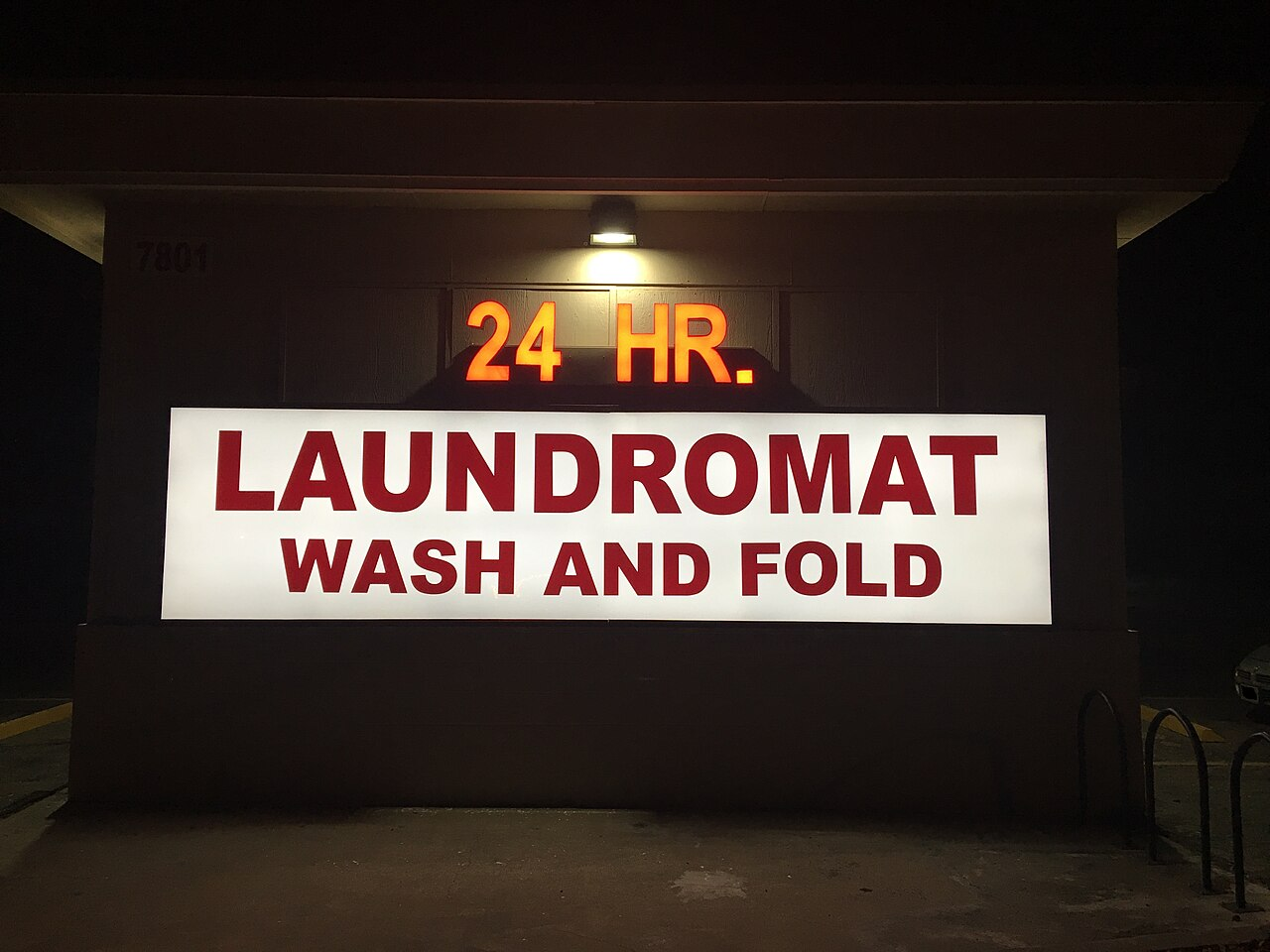
Opening hours ran well beyond those of any shop nearby, in many cases around the clock, because shift workers and people without any alternative needed them to.
The late hours were possible precisely because nobody was working, and they served a real need. For a household without a machine, the laundromat is not a convenience but infrastructure, and the availability at eleven at night is the thing that makes it function as such.
9. Somebody Was Always Reading, Studying or Asleep in the Corner
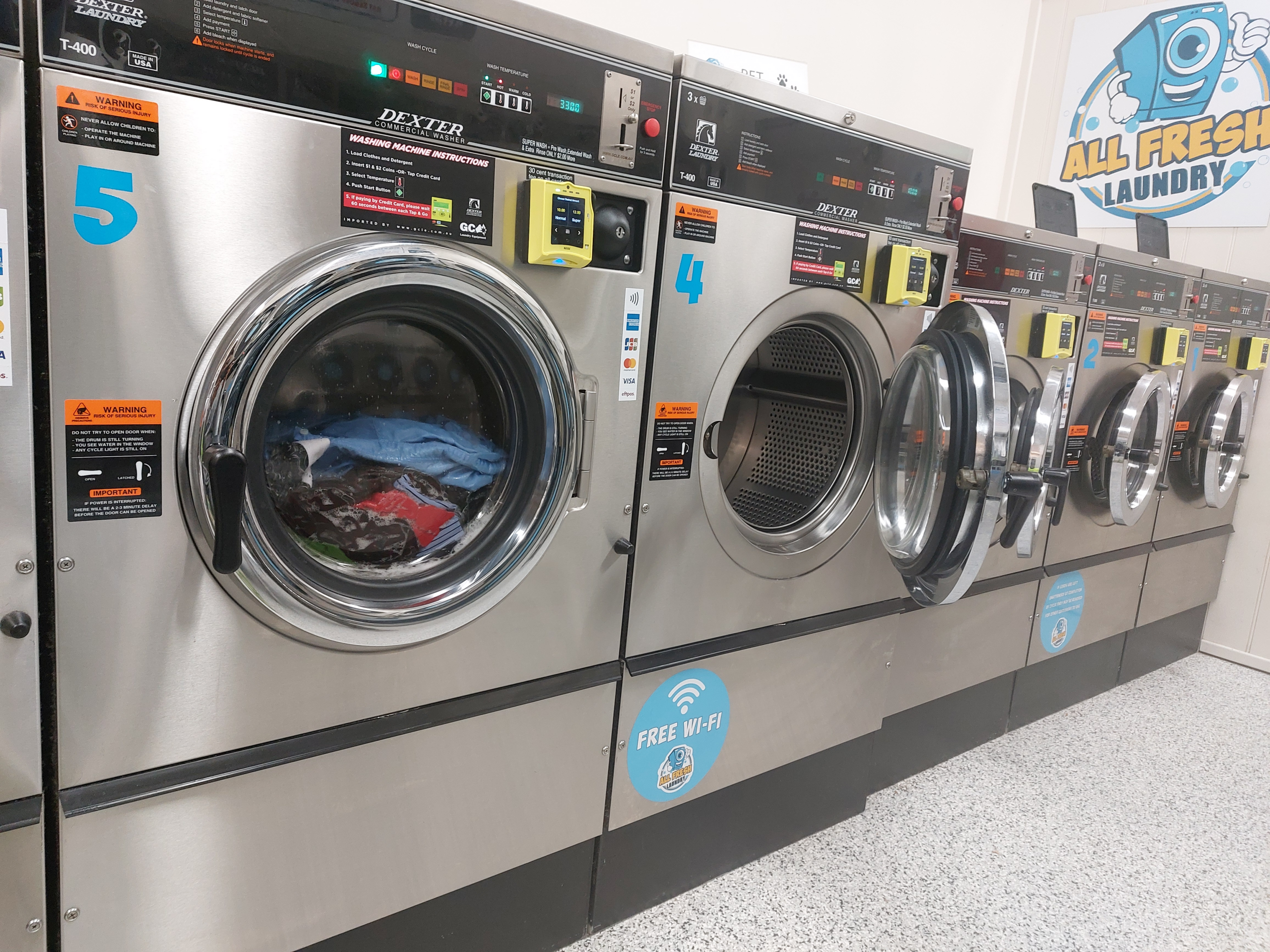
The combination of warmth, light, seating and a legitimate reason to stay for two hours made the laundromat one of very few American indoor spaces where a person could simply be, at no cost beyond the wash.
That function has never been designed for and has never gone away. Writers, students and people with nowhere else to sit have used laundromats for decades, and operators have generally tolerated it because a person sitting quietly is indistinguishable from a customer waiting.
10. The Floor Sloped to a Drain in the Middle

The slab was laid with a fall to a central floor drain, because the building had to assume that water would arrive on the floor.
The drain is the detail that reveals what the operator expected, and it was correct. A room containing thirty machines each holding many gallons will flood, and designing the floor to deal with it rather than trying to prevent it is the practical choice – the same reasoning as the hoseable carpet in an American basement.
11. The Whole Format Exists Because of One Statistic Nobody Mentions
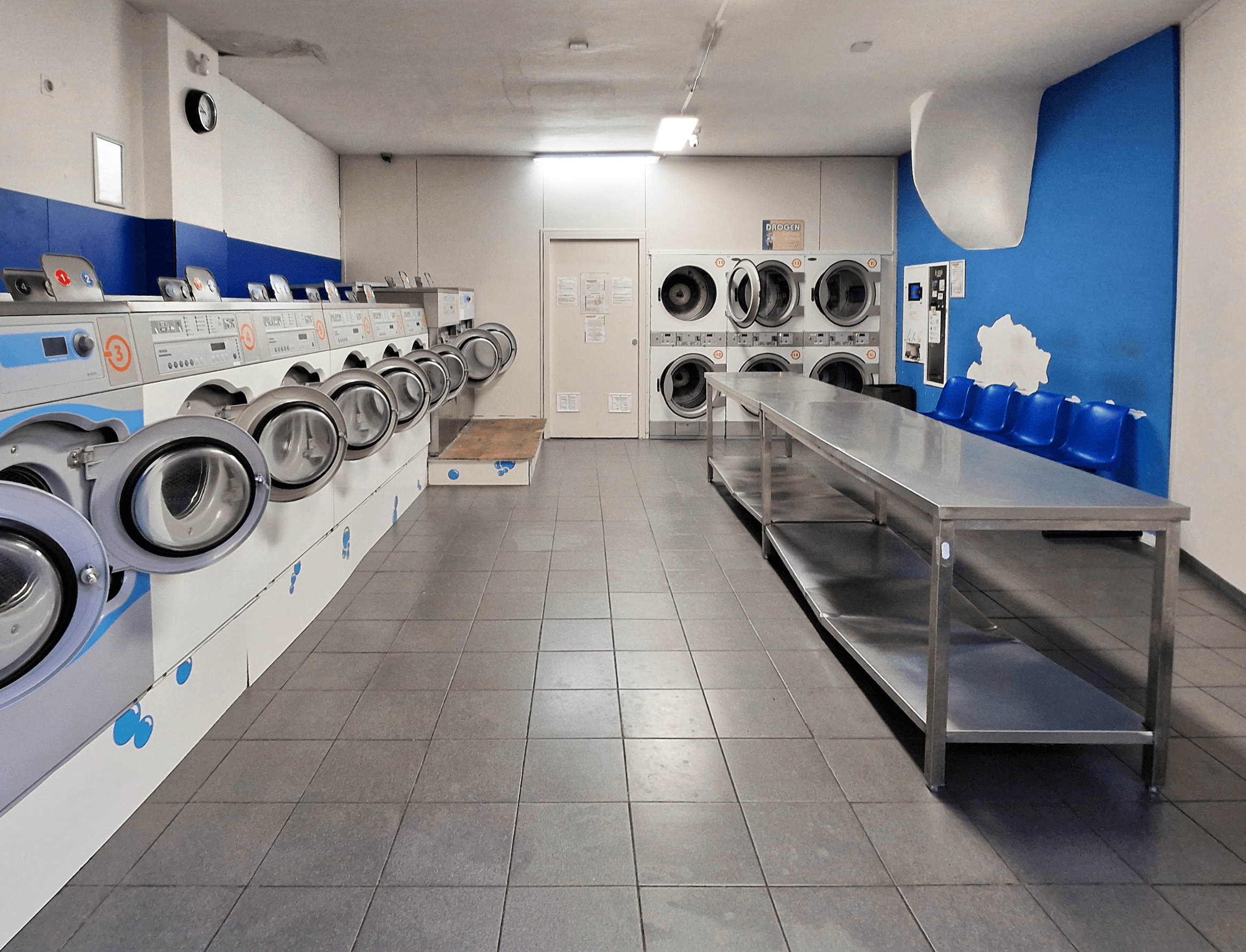
Read the list again. The unattended operation, the late hours, the coin model, the single-dose detergent and the person reading in the corner.
Every one of them is there because a large share of American households have never had a machine of their own, and in dense rental housing still do not. The laundromat is not a nostalgia format or a convenience – it is the working laundry infrastructure for millions of people, which is why it is one of the very few retail formats on any of these lists that has not declined at all.
The Format That Did Not Go Anywhere
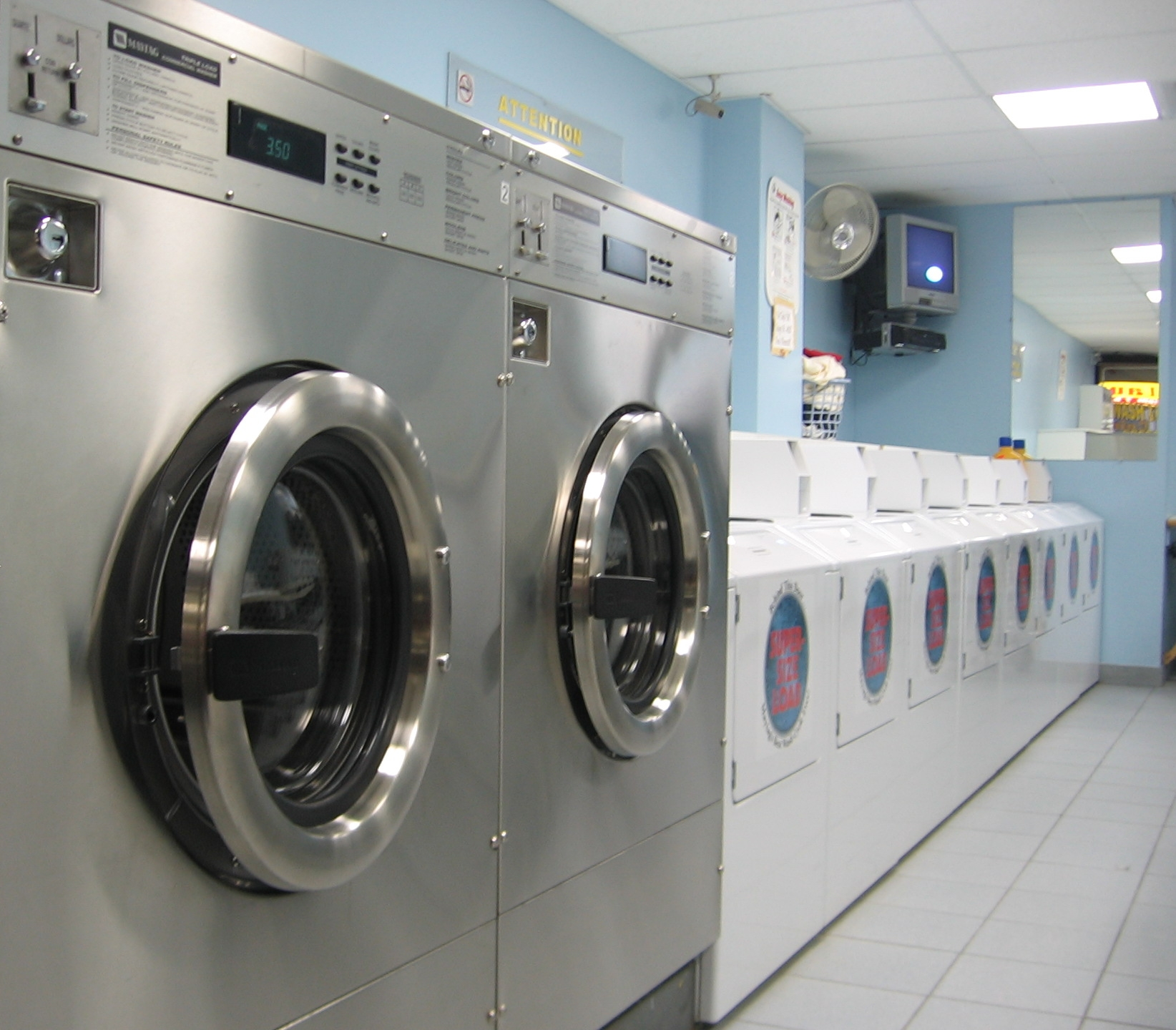
Every other building on these lists has been closing for forty years. The drive-in, the bowling alley, the municipal pool, the five-and-dime and the full-service station all peaked and declined. The laundromat did not, and the reason is worth stating plainly.
It serves a need that has not been met by anything else. A large share of American households – renters, people in older apartment stock, people in dense urban housing – have never had a washing machine where they live, and no amount of appliance affordability fixes a flat with no plumbing for one and no room to put it. For those households the laundromat is not an option alongside doing it at home. It is the only way the laundry gets done.
Everything on the list follows from that. Unattended operation keeps the price low enough. Coin collection makes unattended operation possible. Late and all-night hours serve people on shifts. The detergent dispenser catches the customer who arrived without any. The drain in the floor assumes the worst. And the chairs and the television exist because the operator knows precisely how long everybody will be there.
The only things that have really changed are the machines, which went horizontal because water and energy are the cost base, and the payment, which is drifting from quarters to cards and apps – taking with it the one object everybody remembers, which was the change machine.
The change machine is the thing to look for. If it is working, the place is being looked after, and regulars have always been able to read a laundromat from that one device.
Like our content? Follow us for more.
