

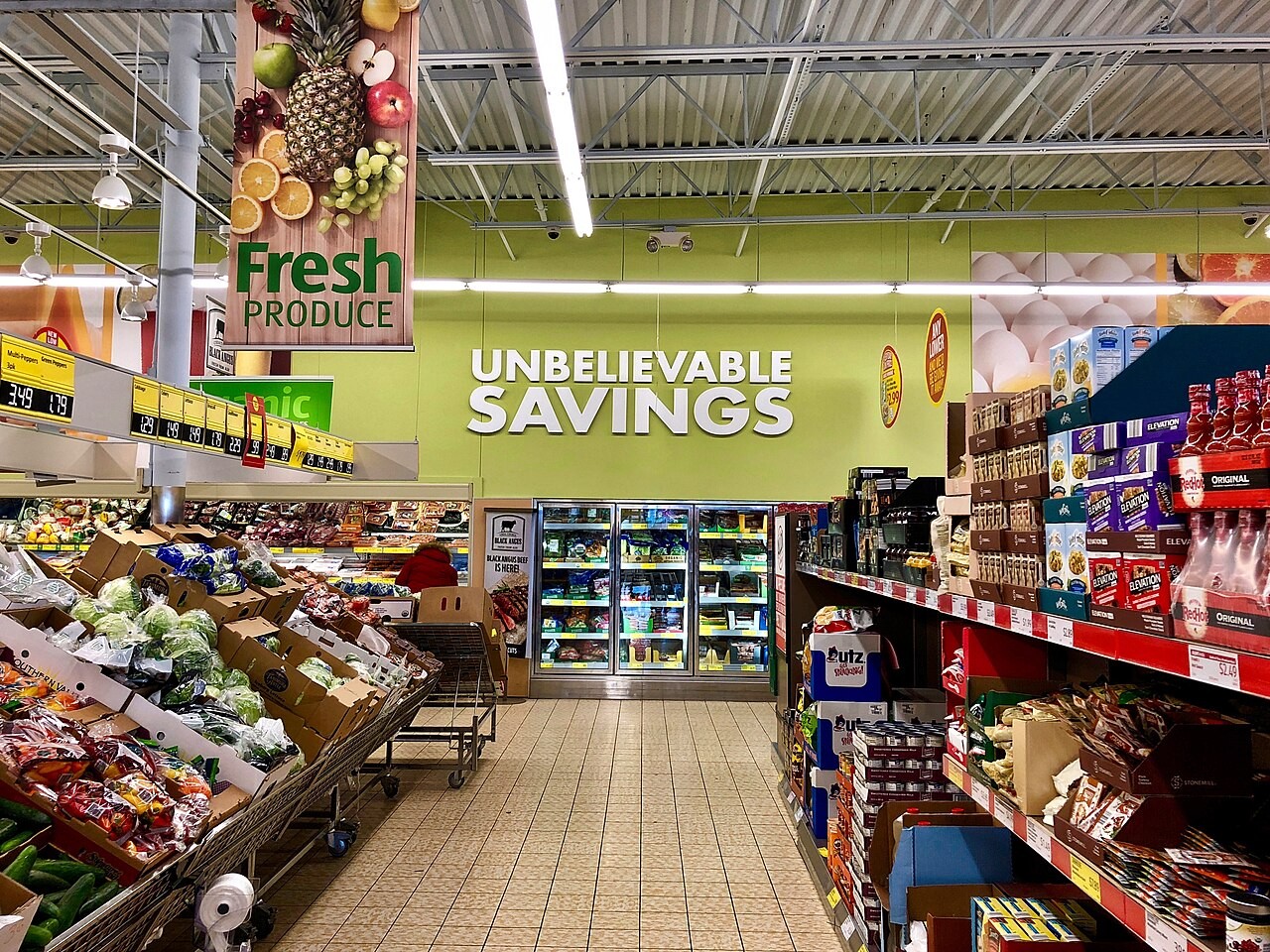
The traditional grocery store model, characterized by fixed prices on shelves, is undergoing a significant transformation. Retailers are increasingly adopting dynamic pricing strategies, leveraging technology and data analytics to adjust prices in real-time based on various market factors. This shift promises greater efficiency and potential cost savings, but it also raises concerns among store owners and consumers about affordability and transparency, particularly for essential items like milk.
The Rise of Real-Time Pricing
Grocery stores are increasingly implementing dynamic pricing, a strategy that allows prices to fluctuate based on real-time market conditions such as demand, competitor pricing, and inventory levels. This approach, long common in industries like airlines and e-commerce giants like Amazon, is now making its way into brick-and-mortar supermarkets. Technologies such as electronic shelf labels (ESLs) and sophisticated AI-powered systems enable rapid price adjustments without the need for manual changes. For instance, AI and machine learning algorithms analyze vast datasets, including historical sales, market trends, and even customer behavior, to determine optimal pricing. This allows retailers to respond quickly to market shifts, theoretically maximizing profits and managing inventory more effectively. The data suggests that many price changes are in fact decreases, with Amazon making over 116,000 price adjustments and Walmart over 68,000, often lowering prices.
Owners’ Concerns and the Milk Price Predicament
While dynamic pricing offers potential benefits, store owners express significant apprehension, particularly regarding essential items like milk. The concept of a $5 gallon of milk, once a worrying prediction, may become a tangible reality if dynamic pricing is applied without careful consideration. The volatility of dairy markets, influenced by factors from feed prices to federal marketing orders, already contributes to price fluctuations. The introduction of dynamic pricing could exacerbate this unpredictability, potentially making staples less affordable for consumers. Owners are concerned that the “menu cost” of manually updating prices, previously a barrier, is being replaced by the potential for algorithmic price gouging or a loss of predictable pricing that customers rely on for budgeting. This shift risks eroding consumer trust, especially when essential goods are involved.
Technology as the Enabler
The feasibility of dynamic pricing in grocery stores hinges on technological advancements. Electronic Shelf Labels (ESLs) are pivotal, allowing for immediate price updates across entire stores, eliminating the labor-intensive process of changing paper tags. These digital displays are interconnected through cloud and API systems, enabling the processing of large volumes of data in real time. Artificial intelligence and machine learning are the brains behind these systems, capable of learning how demand reacts to price changes and adjusting accordingly. Retailers leverage these tools to analyze historical sales data, predict market trends, monitor competitor pricing, and assess real-time inventory levels. This data-driven approach allows for a level of precision previously unattainable, enabling grocers to optimize prices not just for profit, but also for managing stock and reducing waste.
Consumer Impact and Trust
The adoption of dynamic pricing in grocery stores presents a complex scenario for consumers. While the technology can lead to discounts on items nearing expiration, thereby reducing waste and offering bargains, there’s a significant risk of customer backlash if prices fluctuate unpredictably. Consumers accustomed to stable prices for staples may find mid-trip price changes frustrating and untrustworthy. The concern is that essential items could become less affordable at peak times or for specific demographics. Experts suggest that while dynamic pricing might be accepted in discretionary categories, applying it to necessities like groceries could cross a line, prompting consumers to switch to private labels, shop elsewhere, or favor in-store purchases where they can better monitor prices. Transparency in pricing strategies will be crucial to maintain consumer confidence and avoid alienating shoppers.
The Future of Grocery Pricing
The grocery industry is at a crossroads, balancing the efficiency gains of dynamic pricing with the need for consumer trust and affordability. While technology like AI and ESLs offers powerful tools for retailers to manage inventory, reduce waste, and remain competitive, the application to everyday essentials is a delicate matter. Experts predict a cautious adoption of dynamic pricing in U.S. groceries, focusing initially on markdowns for expiring items or overnight updates rather than constant mid-trip fluctuations. The ultimate success of dynamic pricing in this sector may depend on finding a balance that benefits both retailers through optimized operations and consumers through fair pricing and continued access to affordable staples, ensuring that the familiar $5 gallon of milk remains a historical anomaly rather than a foregone conclusion.
