Most wasted days abroad are not bad luck. They are a weekly closing day, a local holiday or a season that ended, each of which is published. Here are fifteen reasons something is shut and where the dates are.
1. Most museums close one day a week and it is usually not the weekend
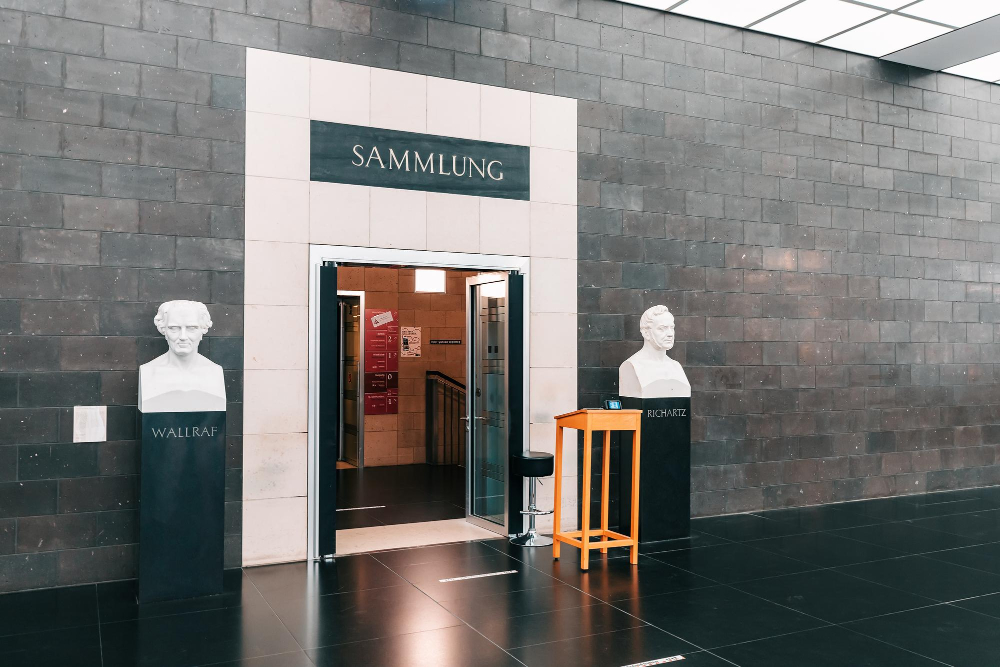
A weekly closing day is standard practice for cultural institutions, and in a great many countries it falls on a Monday, with Tuesday the next most common.
The reason is maintenance, conservation work and staffing rather than a lack of demand, and it applies to the biggest and most famous collections as readily as to small ones.
So a short city trip arranged around a weekend arrival can put the main thing somebody came for on the one day it is shut. Every institution publishes its closing day prominently, and checking the two or three that matter before fixing dates is the single most useful piece of planning for a city break.
Like our content? Follow us for more.
2. Shops, offices and services keep a weekly rest day that varies by country
The day on which ordinary commerce largely stops differs: Sunday in much of Europe and the Americas, Friday or a Friday-Saturday combination in many Muslim-majority countries, and Saturday in Israel.
Where the rest day is legally protected, large shops, many services and most public offices close, while small food shops, pharmacies on a rota and tourist-facing businesses stay open.
This is a matter of law and custom rather than individual business decisions, so it is consistent across a country and cannot be worked around by finding a different shop. Travellers need to know it mainly for provisioning, for banking and for anything requiring an official office, which is the category that genuinely cannot wait a day.
3. A long midday closure is normal in a lot of places

In many countries shops, offices and smaller businesses close for a substantial break in the middle of the day and reopen in the late afternoon, running later into the evening as a result.
It is a response to climate and to the pattern of the working day rather than a quaint survival, and it is strongest in smaller towns and weakest in city centres and tourist districts.
Visitors who plan errands for the early afternoon lose several hours to it, repeatedly, before noticing the pattern. The practical adjustment is to do anything administrative in the morning and anything leisurely in the afternoon, which is also what the people who live there do.
4. Restaurants have a closing day and a closed kitchen window
Independent restaurants very commonly close one or two days a week, frequently Sunday evening and Monday, and the pattern is strongest exactly where the food is best.
Separately, kitchens in many countries serve lunch and dinner within defined hours and do not serve between them, so arriving at four in the afternoon means no hot food regardless of the restaurant being open.
Both of these are published on the door and on the restaurant’s own page, and both surprise visitors from places where food is available continuously. For a specific restaurant somebody has travelled for, a reservation also confirms the day and the sitting, which solves both problems at once.
5. Public holidays shut more than people expect and the list is local
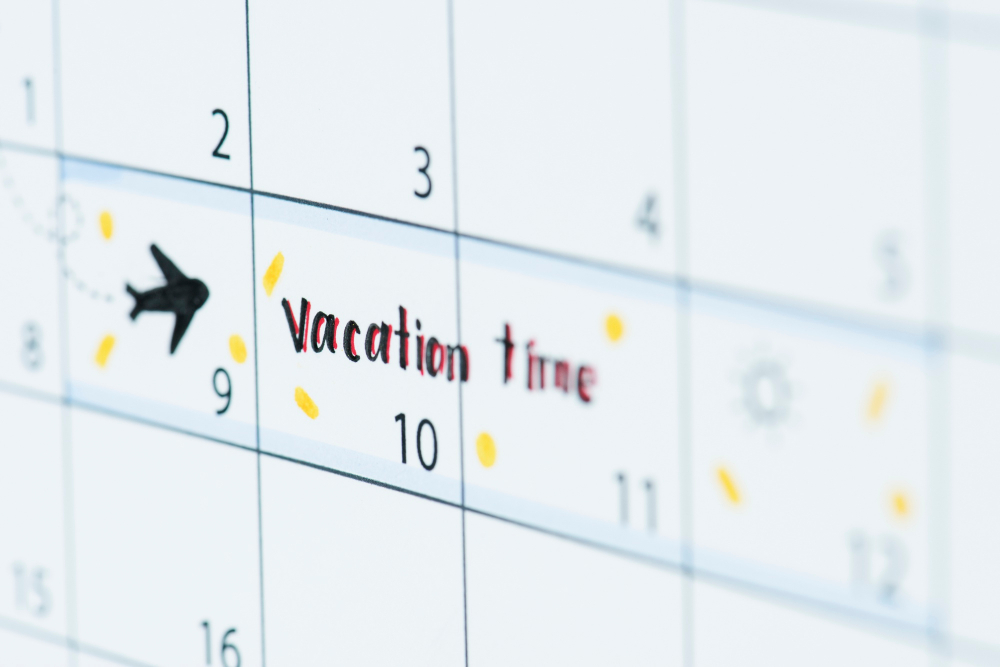
A public holiday typically closes banks, government offices, post offices, many shops and some attractions, and reduces public transport to a Sunday timetable.
The holidays themselves are national, and in many countries also regional or municipal, so a city can be shut for a local patron’s day that the rest of the country works through.
The effect on visitors is uneven: museums sometimes open and sometimes close, and transport sometimes runs well and sometimes barely runs. The authoritative list is the destination’s own official calendar for the specific region, and it is worth looking at once for the dates of a trip rather than relying on a general impression.
6. Religious calendars move, so the same holiday falls on a different date each year
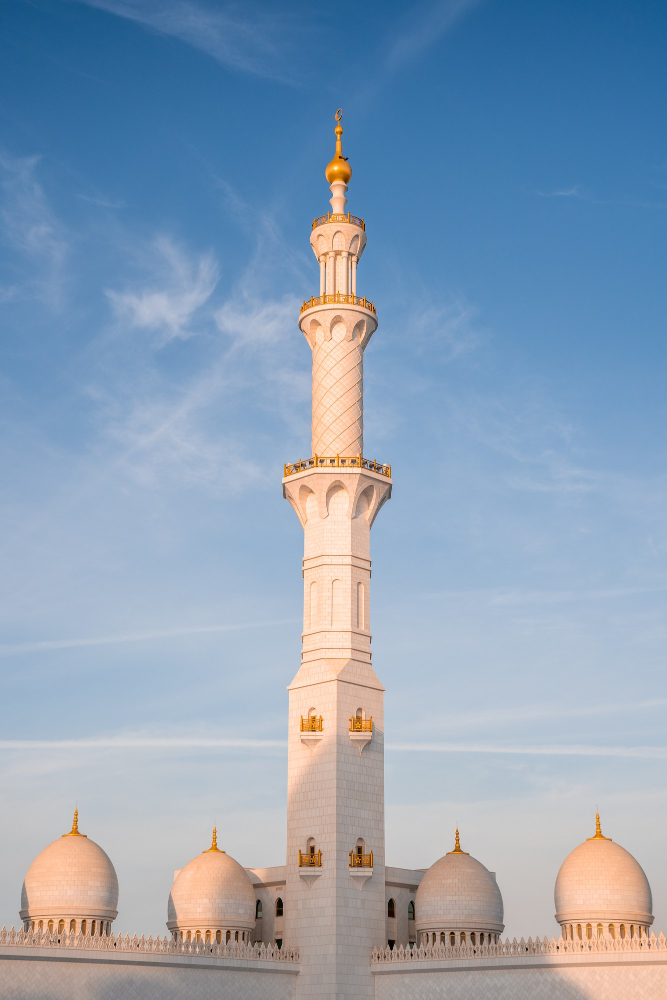
Holidays set by a lunar or lunisolar calendar move against the civil calendar, so a festival that fell in one month last year falls earlier or later this year.
That means last year’s dates are not a guide, and some observances are confirmed only shortly beforehand because they depend on an astronomical or official determination.
Some of these periods change daily life substantially — opening hours, eating patterns, transport loading — for weeks rather than a day. For a trip in a country where this applies, checking the current year’s dates and reading about what actually changes locally is worth doing properly rather than approximately.
7. A holiday in midweek creates a bridge and a shut week

Where a public holiday falls on a Tuesday or a Thursday, the intervening working day is very commonly taken as leave, which produces a long weekend during which small businesses, offices and services close for four days.
In some countries this is formalised and the holiday is moved to a Monday; in others it is purely customary and completely reliable.
The consequence is that the gap around a holiday is wider than the holiday, and that the roads and trains are busiest on the days either side. Looking at which day of the week a holiday falls on, as well as the date, tells you more than the date alone.
8. Whole national shutdown periods exist and are not holidays as such
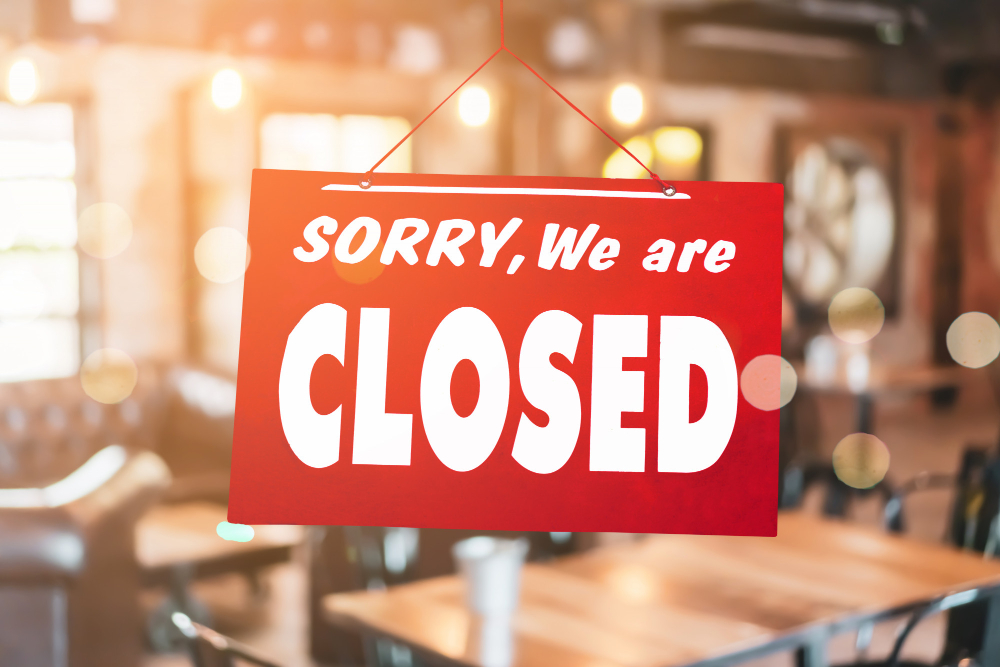
Several countries have a period — usually in the hottest month, often August — when a large proportion of small businesses simply close for two to four weeks and the cities empty.
It is not a public holiday and nothing is officially shut, but the particular restaurant, workshop, bakery or small museum somebody wants may have a handwritten sign in the window.
Major attractions and tourist infrastructure stay open and are at their busiest, so the visitor experience is crowds at the big sites and closed doors at the small ones. The reverse applies in resort areas, which are at their fullest in exactly that period and shut for much of the rest of the year.
9. Seasonal closure is the biggest single cause of a wasted journey
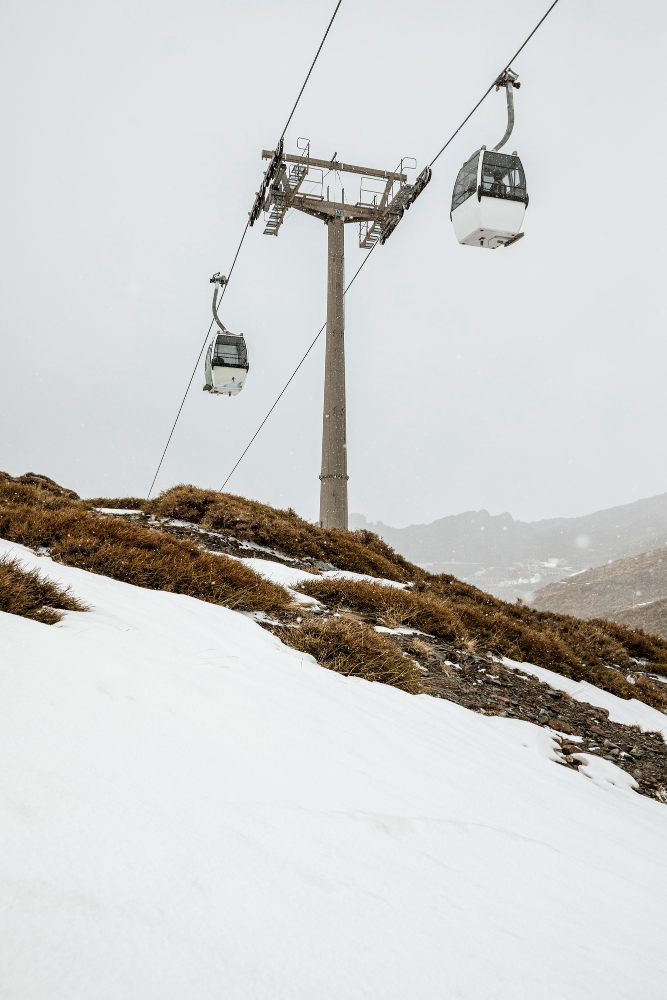
A very large number of attractions, mountain huts, ferries, cable cars, seasonal hotels, campsites and whole resort towns operate for part of the year only, and are closed and often unstaffed the rest of the time.
The season is set locally and is not the same as the weather: a site can be closed in mild autumn because its season ended, and open in cold spring because its season began.
Shoulder-season travel is cheaper and quieter for exactly this reason, and the trade-off is that a proportion of what is in the guidebook will not be available. The operator’s own published season dates are the only reliable source, and they are set anew each year rather than fixed.
10. Mountain and remote roads close for the season and the dates move
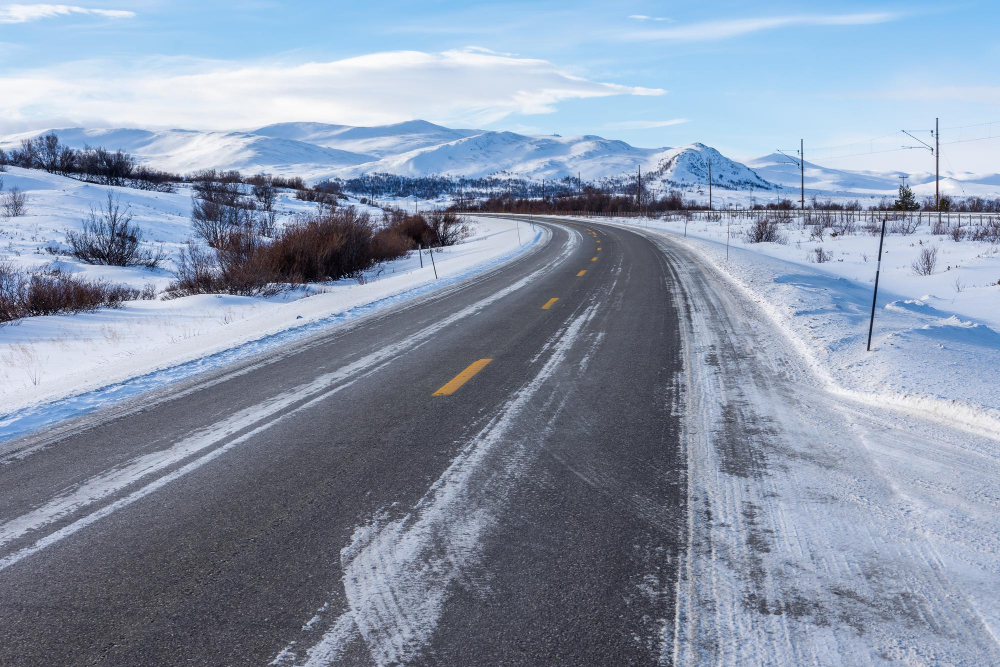
High passes, scenic mountain roads and some remote routes close for winter, and the closing and opening dates depend on conditions rather than the calendar, so they vary by weeks between years.
A route that a mapping application will happily plan can be gated and impassable, and the diversion can be very long indeed.
The road authority for the area publishes the current status, and that is the thing to check rather than a travel article or last year’s dates. This matters most for anybody driving a planned route with accommodation booked at the far end, which is the situation in which a closure is expensive rather than merely annoying.
11. Ferry and rural transport timetables change completely by season
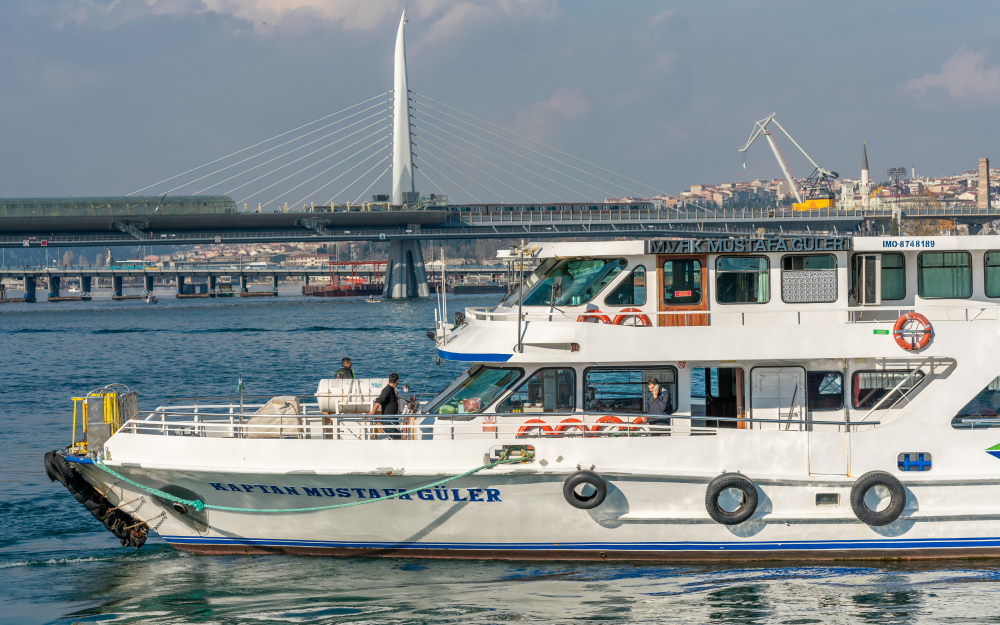
Island and coastal ferries, rural buses and some branch railways run a summer timetable and a much thinner winter one, and in some cases do not run at all out of season.
The winter service is frequently built around residents’ needs — early, infrequent, and designed for a school and market day — rather than around visitors.
A connection that works in July may have no equivalent in November, which can make an itinerary impossible rather than inconvenient. The operator’s current timetable, for the actual dates of travel, is the only version that means anything, and seasonal changeover dates are published.
12. Pharmacies, doctors and essential services run a rota rather than closing

Where shops close for a rest day or a holiday, pharmacies and some essential services typically operate a duty rota so that one in an area is always open.
The rota is published, usually in the window of every pharmacy and in local media, and it is the arrangement to look for rather than assuming nothing is available.
Out-of-hours medical arrangements are separate again and differ by country, with a dedicated number in many places. This file does not give any country’s arrangement or any number, because they differ and change; the point is that a rota exists and is published, and anybody who needs care should use the local emergency or out-of-hours route.
13. Government offices, visa appointments and anything official stop completely
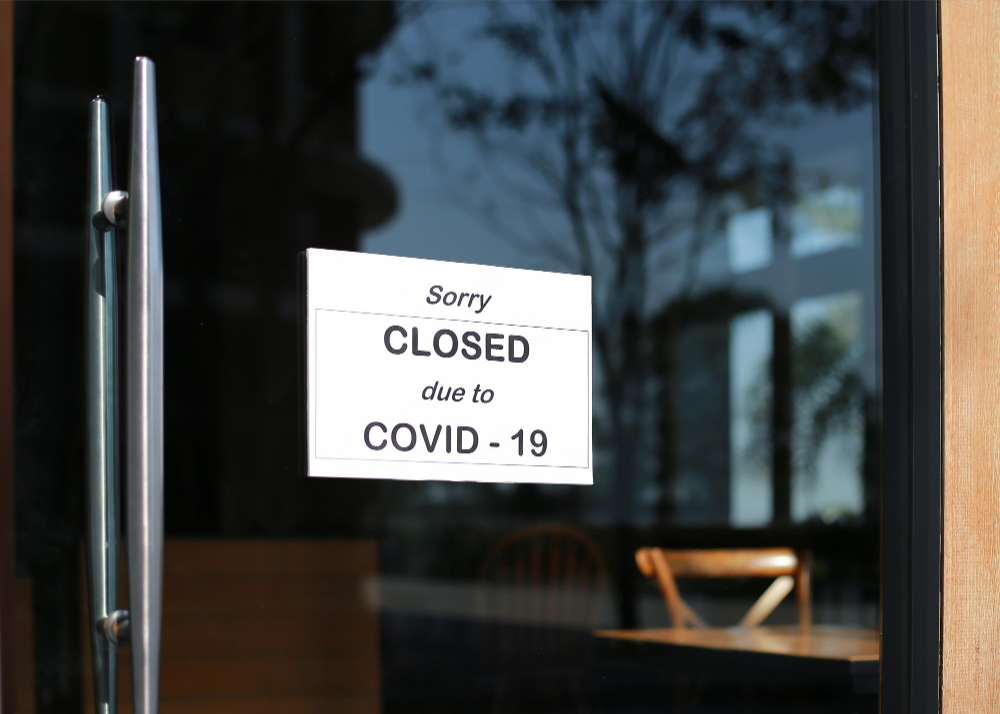
Embassies, consulates, town halls, registry offices and immigration offices close on public holidays — frequently on both the local holidays and their own country’s, in the case of a foreign mission — and appointments are not rescheduled automatically.
For anything with a deadline, a holiday in the middle of a process can add a week, and the offices that matter most often have the longest appointment queues already.
So a trip with an administrative purpose has to be planned around the official calendar rather than the tourist one. The relevant office publishes its own closure dates, and those are the dates that apply rather than the national list.
14. Markets, not just shops, run to a fixed weekly day
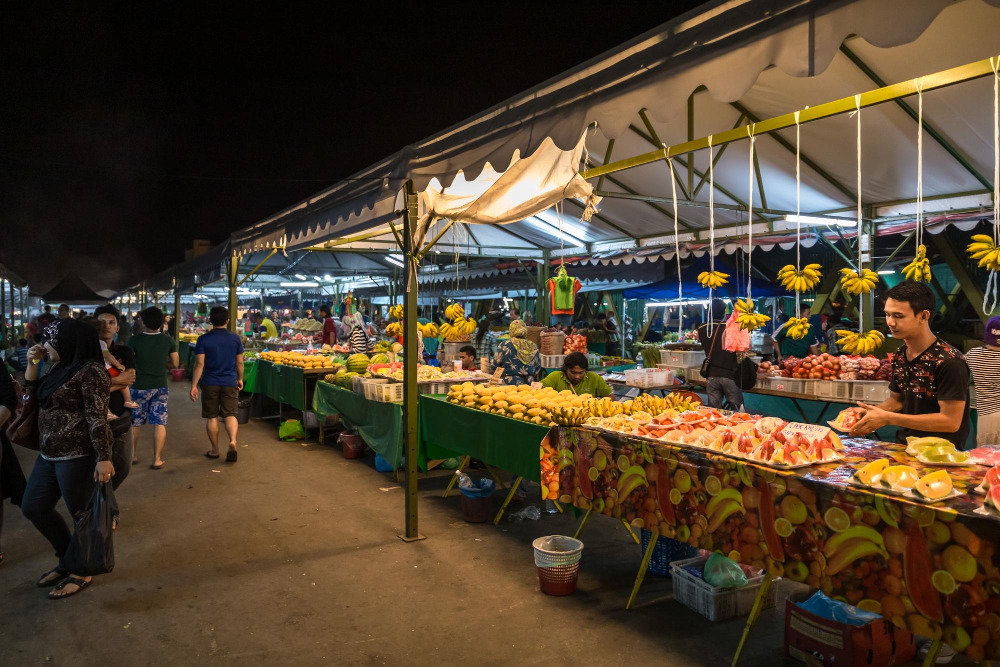
Food markets, flea markets and general markets in most of the world run on set days, often one, two or three days a week, and are simply not there otherwise.
A famous market is frequently the main reason somebody visits a town, and the square is empty on every other day of the week.
Market days are long-established, published locally and stable, and they also change what else is open, because surrounding businesses work to the market. It is one of the easiest things to check and one of the most commonly missed, because visitors assume a market is a permanent place rather than a recurring event.
15. A closure can also be a one-off and is sometimes announced at short notice
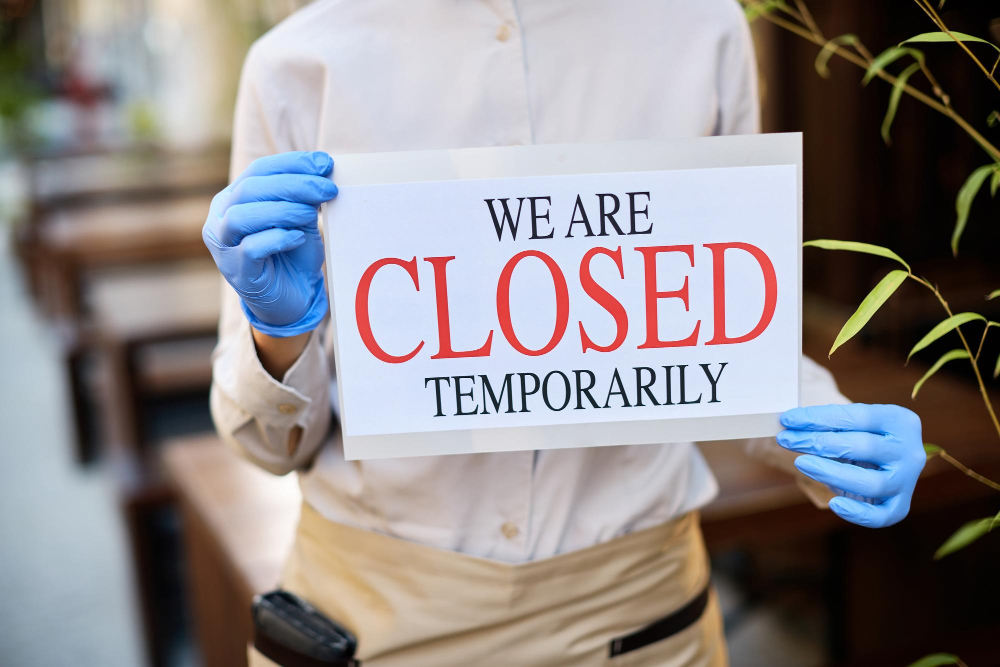
Institutions close for refurbishment, for installation between exhibitions, for private events, for strike action and for periods of national mourning, and some of that is announced with very little warning.
Major refurbishments can close a wing or a whole building for months or years, which is published well in advance and still routinely missed.
An institution’s own news or visiting page is where this appears first, and for a trip built around one site it is worth a check shortly before travelling as well as when booking. The summary: assume a weekly closing day for museums and expect it to be Monday; find out the local rest day, the midday closure pattern and the restaurant closing days; look at the specific region’s official holiday calendar for your dates and at which weekday each holiday falls on, because a midweek holiday closes four days; treat religious calendar dates as moving and check the current year; expect whole-month small-business shutdowns and seasonal closure of attractions, ferries, rural transport and mountain roads, with dates set anew each year; and know that pharmacies and essential services run a published rota rather than closing.
Five different calendars, all of them local

Closures come from five independent systems: the weekly closing day, the local rest day and midday pattern, the public holiday calendar for the specific region, the religious calendar where it applies, and the operating season. None of them carries over from home and none of them is guessable, but every one of them is published by the institution, the operator or the authority concerned. Checking the two or three things a trip is actually built around, for the actual dates, is the whole of it, and it takes about ten minutes.
Look at which weekday a public holiday falls on, not just the date. A holiday on a Tuesday or a Thursday commonly closes small businesses for four days rather than one.
Like our content? Follow us for more.