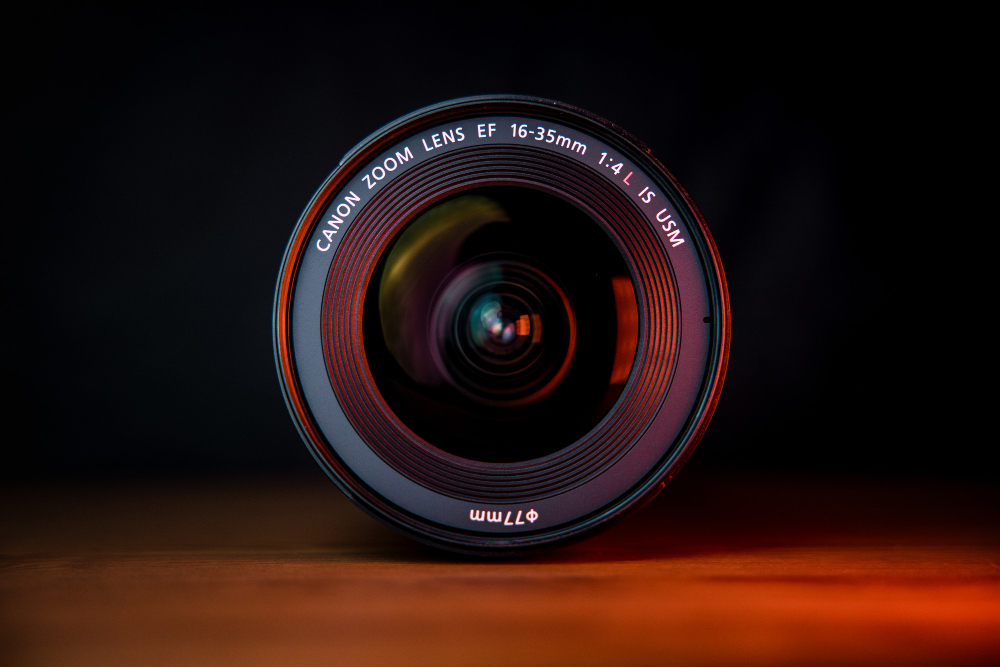
Light leaves every point of a subject in all directions. A lens collects some of that and reconverges it, and the entire craft is built on the properties and failures of that one operation. Here are fifteen.
1. It Is Reconverging Scattered Light

Light from a single point on the subject spreads outward in every direction, and the lens gathers a cone of it and bends it back to meet at one point on the sensor.
Every point in the image is that operation repeated. Reconvergence is the only thing a lens does.
Like our content? Follow us for more.
2. Focusing Is Moving the Meeting Point
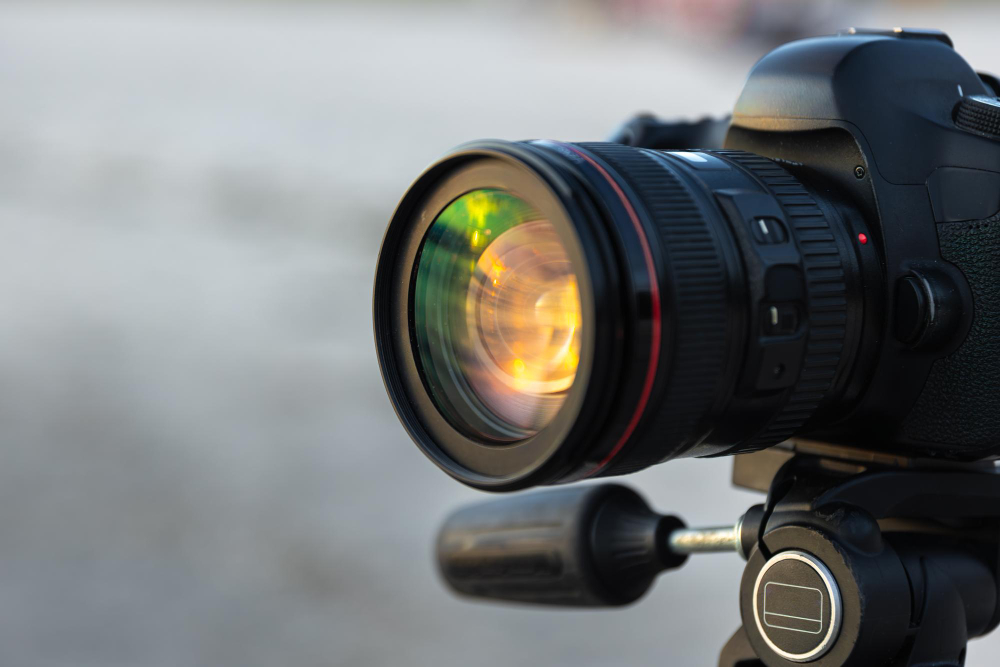
Light from a nearer subject converges further behind the lens, so focusing moves the glass relative to the sensor until the meeting point lands exactly on it.
The subject distance determines where it lands. Focus adjustment is positioning rather than any change in the glass.
3. Focal Length Sets the Angle of View
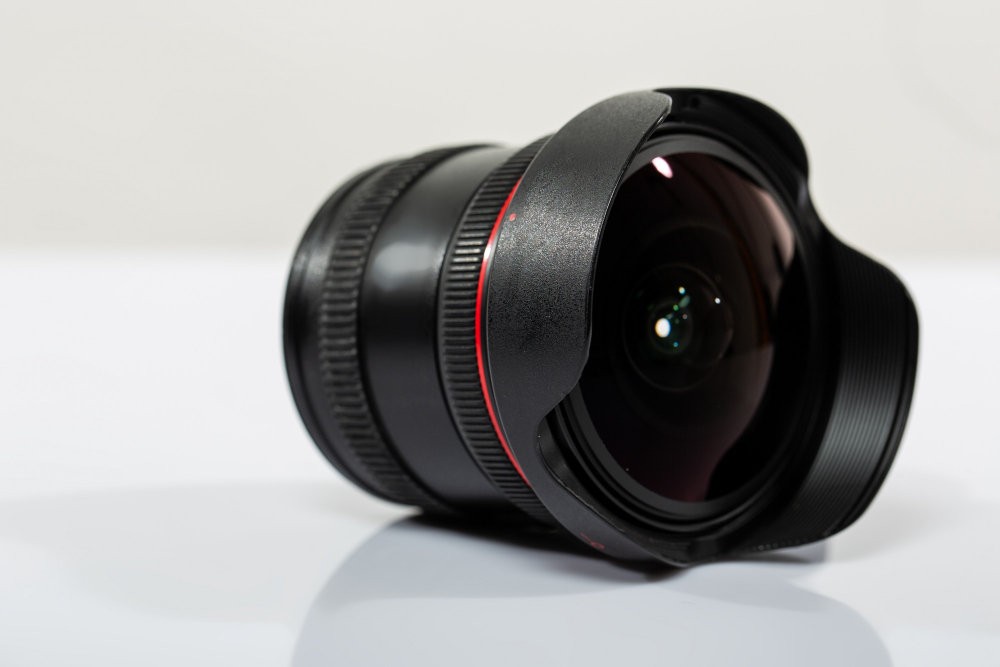
The distance at which the lens brings distant light to a point determines how much of the scene fits on the sensor – longer means a narrower view and larger subjects.
It is one number that decides the framing. Focal length is the specification everything else is described against.
4. The Aperture Is Just a Hole
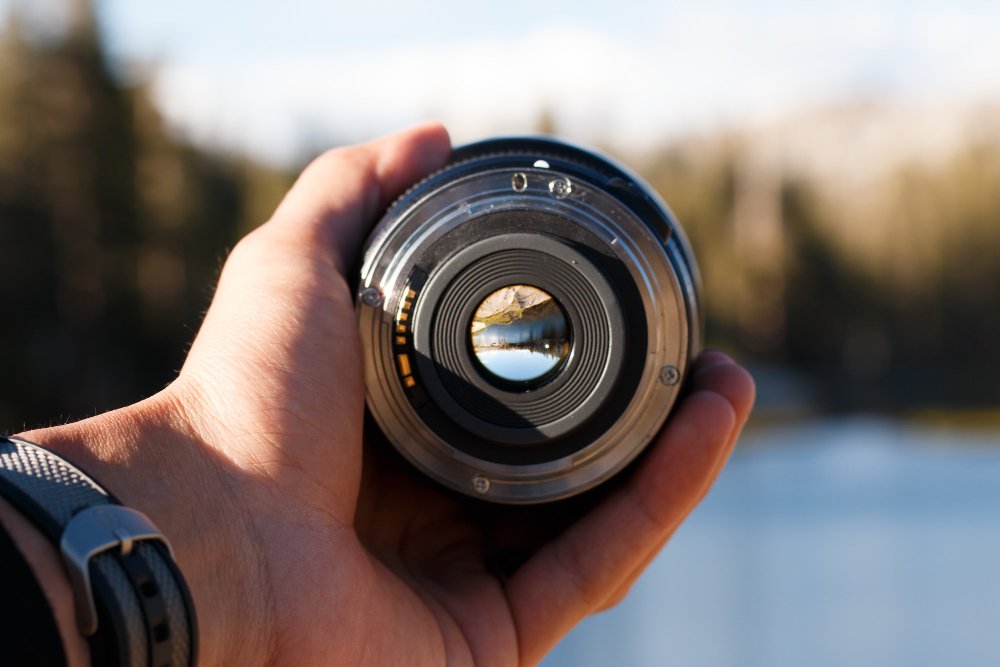
A variable opening controls how much of the cone of light the lens accepts, which sets the brightness of the image and is the main exposure control.
It is a physical restriction rather than anything optical. Aperture size is the simplest control on the lens.
5. And It Also Controls What Is Sharp

A wider opening accepts a wider cone, which converges more steeply, so points at the wrong distance are blurred more – producing a shallower zone of acceptable sharpness.
The same control does two different things. Depth of field is a side effect of the exposure control.
6. Depth of Field Depends on Three Things
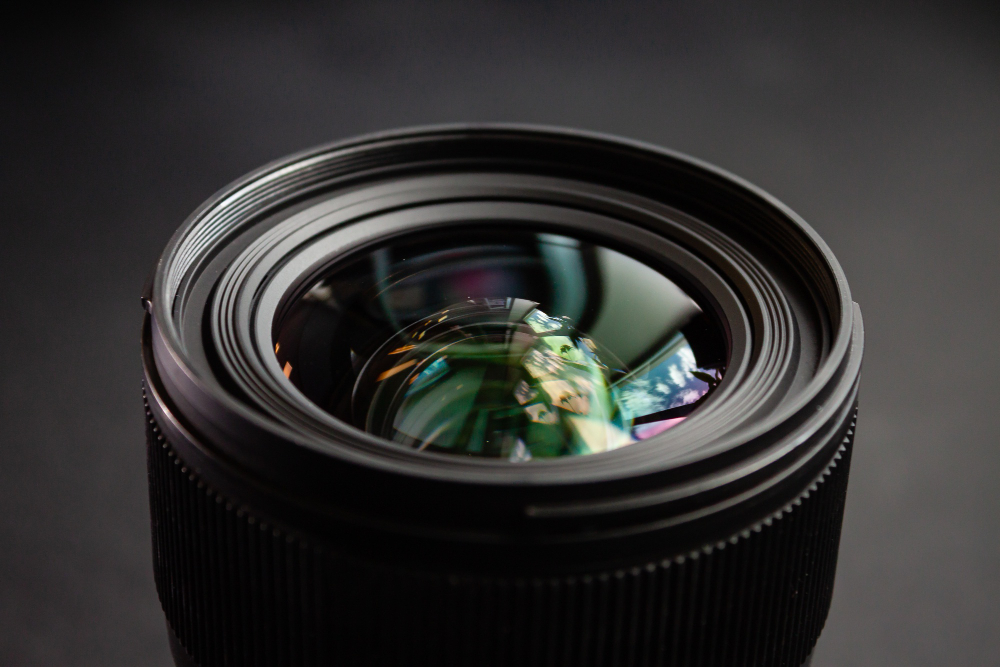
How much is acceptably sharp is set by aperture, focal length and how far away the subject is, working together – which is why the same setting behaves differently in different situations.
No single number describes it. Three-variable dependence is why depth of field is hard to predict.
7. Perspective Comes From Where You Stand

The relative sizes of near and far objects are determined entirely by camera position, not by the lens – a wide and a long lens from the same spot show identical perspective.
The lens changes what is included and not the geometry. Position dependence is the fact almost everybody gets wrong.
8. So Wide Lenses Do Not Distort Perspective

The exaggerated near-far relationships associated with wide lenses come from being close, which wide lenses permit – and any lens used that close would do the same.
The lens is enabling rather than causing. Attributed distortion is a consequence of working distance.
9. And Long Lenses Do Not Compress It

The flattened appearance of a long lens likewise comes from standing far away, which reduces the difference in distance between near and far subjects.
Again the lens is not doing it. Apparent compression is the same misattribution in reverse.
10. A Single Piece of Glass Is Not Good Enough

One lens element produces several distinct errors – colours focusing at different points, edges softer than the centre, straight lines bowing – which cannot all be corrected in one piece.
They work against each other. Optical aberration is why lenses contain many elements.
11. So They Are Built From Many Elements
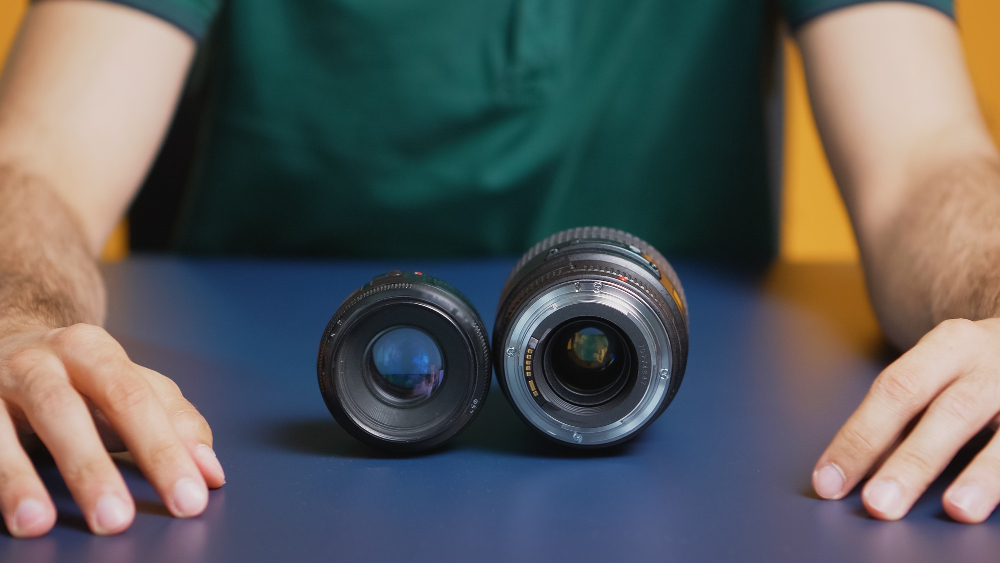
Combining elements of different shapes and different glasses allows errors to cancel, which is why a lens contains a stack of components rather than one.
Each is correcting something the others introduce. Compound construction is the answer to aberration.
12. Every Surface Reflects Some Light

Each air-to-glass boundary reflects a proportion of the light, and a lens with many elements has a great many such surfaces – which loses light and scatters it around inside.
It reduces contrast rather than sharpness. Internal reflection is the problem multiplying elements creates.
13. Which Is Why They Are Coated

Extremely thin coatings on each surface cause reflections to cancel through interference, reducing loss and scattering substantially – and producing the coloured sheen on any lens front.
That colour is the coating working. Anti-reflection coating is what made complex lenses practical.
14. Stopping Down Improves It Until It Does Not

A smaller aperture reduces most aberrations by using only the central part of the glass, so sharpness improves – up to a point, beyond which light passing a small opening spreads and softens everything.
The best aperture is in the middle. Diffraction limit is why the smallest opening is not the sharpest.
15. It Is All One Set of Compromises

Wider aperture, wider angle, longer reach, less distortion, smaller size and lower cost are mutually opposed, and every lens is a particular settlement between them.
No design wins on all of them. The compromise set is why so many different lenses exist.
Reconverging Light and Trading Off Everything Else

A cone of light bent back to a point, an opening that controls both brightness and sharpness, a stack of elements cancelling each other errors, and a position that decides the perspective.
The item worth carrying is the seventh. Perspective is set by where you stand and nothing else, which means the lens decides how much fits in the frame and the photographer decides what the scene looks like – and those are two separate decisions that get discussed as though they were one.
Like our content? Follow us for more.