Two processes determine the result: what roasting creates, and how much of it the water takes out. Almost every difference between one cup and another is one of those two. Here are fifteen.
1. The Raw Seed Tastes of Nothing Much
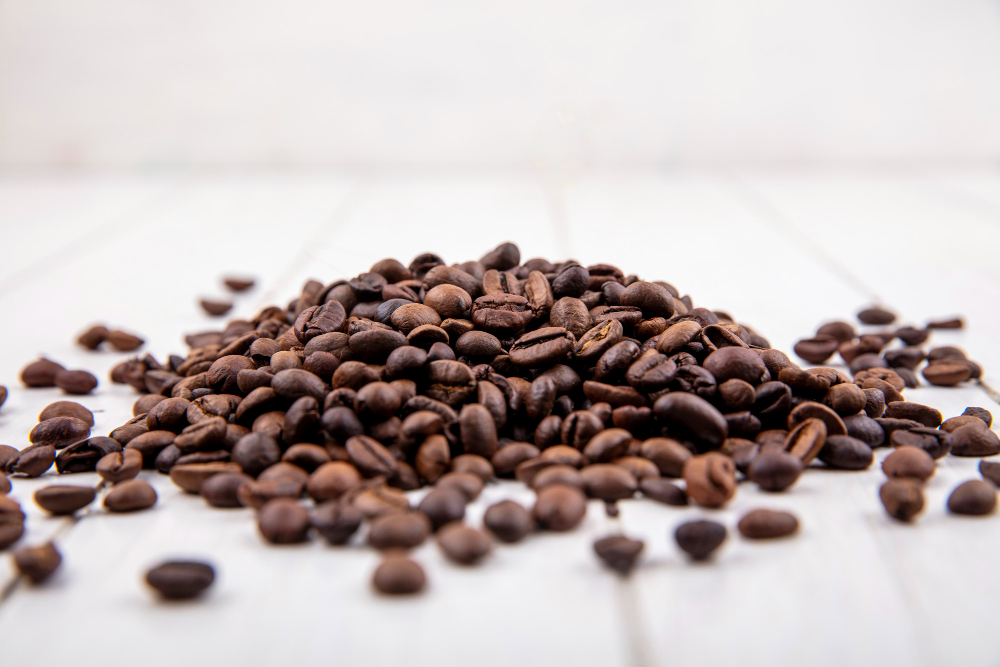
Unroasted coffee is dense, pale and largely flavourless, with none of the aroma associated with the drink present in any form.
Everything is created rather than extracted. Roast-generated flavour is the fact the whole subject rests on.
Like our content? Follow us for more.
2. Roasting Drives Out Water First
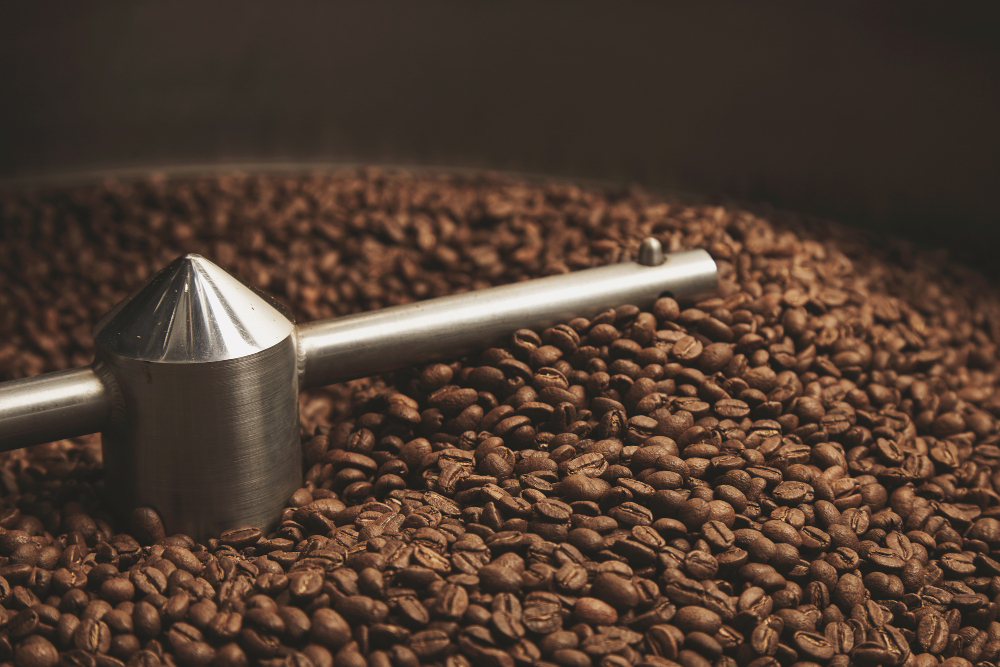
The initial stage removes moisture, during which little flavour develops and the bean changes colour gradually as it dries.
Nothing interesting has happened yet. Water removal is the preparation rather than the process.
3. Then the Browning Reactions Start
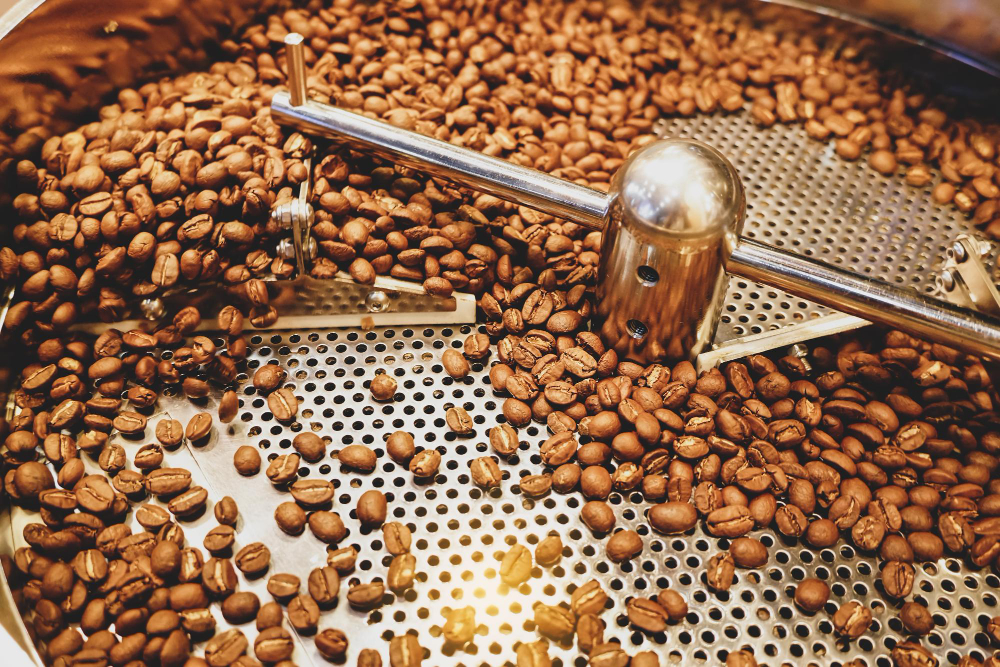
Once dry enough and hot enough, sugars and proteins react to produce hundreds of aromatic compounds, which is where coffee flavour is actually generated.
It is the same family of reactions that browns bread and meat. Aroma generation is the point of roasting.
4. The Bean Cracks Audibly
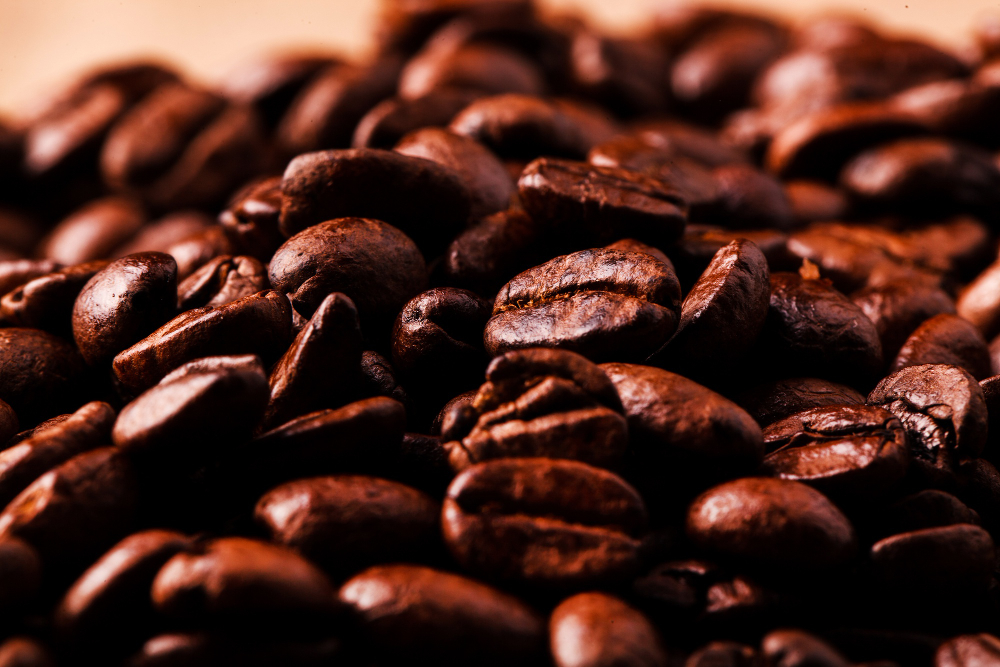
Internal pressure from steam and gas builds until the structure gives way with a distinct sound, and the bean expands substantially at that point.
Roasters use it as a marker. The first crack is the audible stage boundary.
5. Roast Level Is a Continuum, Not a Category
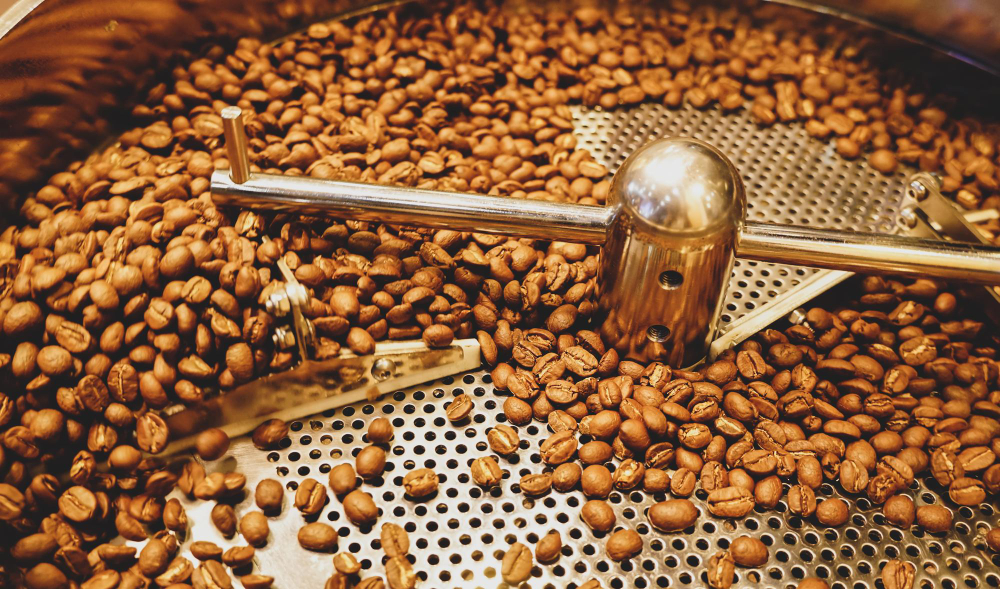
Lighter roasting retains more of the character the seed brought with it, including acidity; darker roasting develops flavours created by the roasting itself and progressively erases the origin distinction.
Neither is better and they are different products. Roast degree is a trade between origin and process.
6. Roasted Coffee Releases Gas for Days
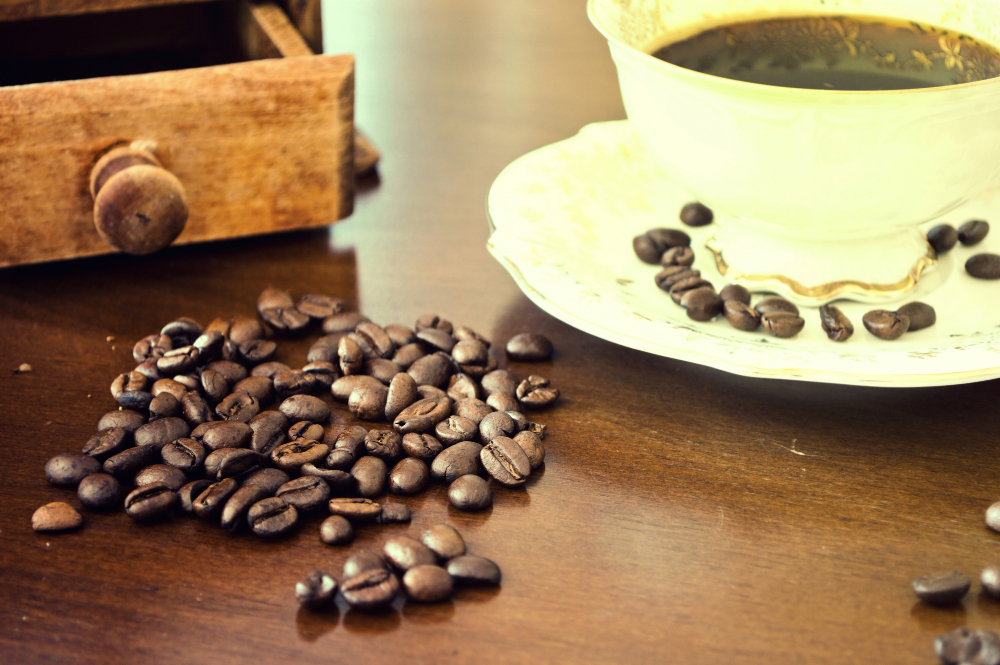
Carbon dioxide generated during roasting escapes slowly afterwards, which is why very fresh coffee foams vigorously when wetted and why a short rest improves consistency.
It also affects how water flows through. Degassing is the reason roast date matters as much as it does.
7. Grinding Is About Surface Area
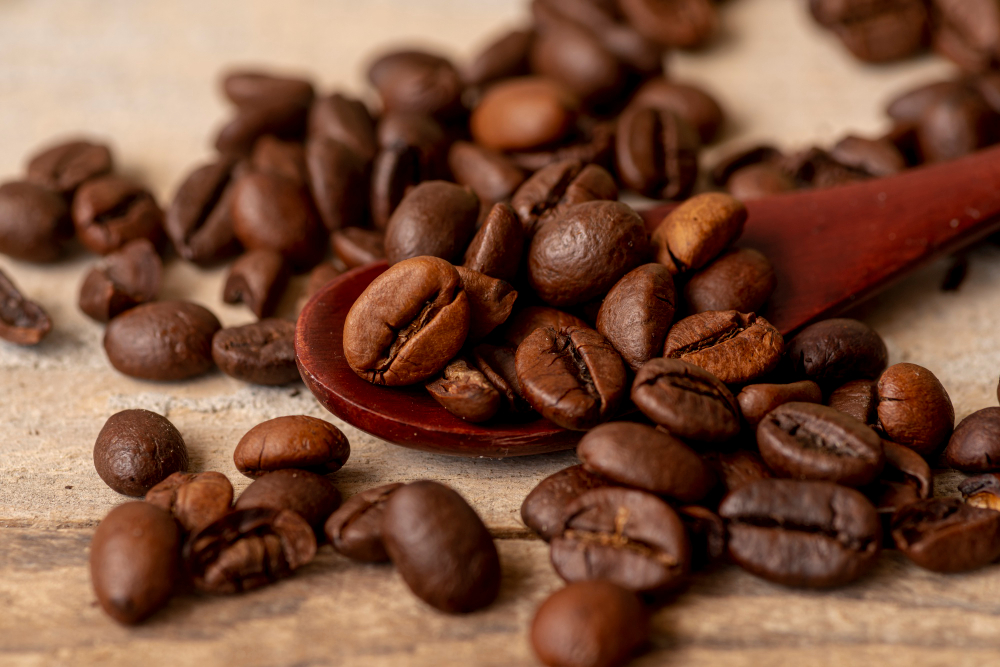
Breaking the bean exposes enormously more surface to water, and the finer the grind the more surface and the faster compounds are removed.
A whole bean extracts almost nothing. Surface exposure is what grinding is actually adjusting.
8. So Grind Must Match Contact Time
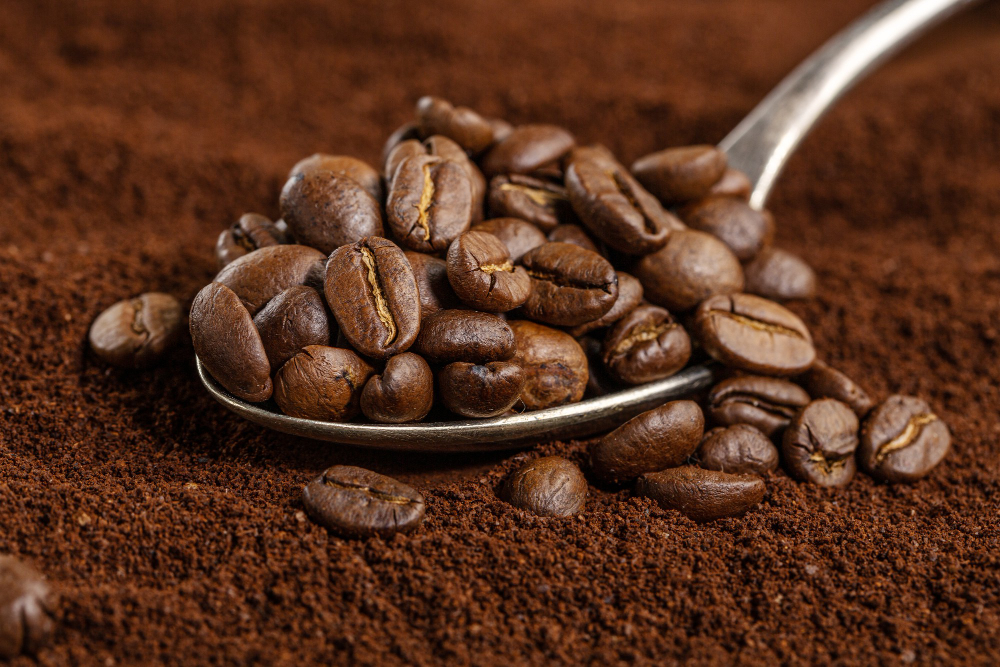
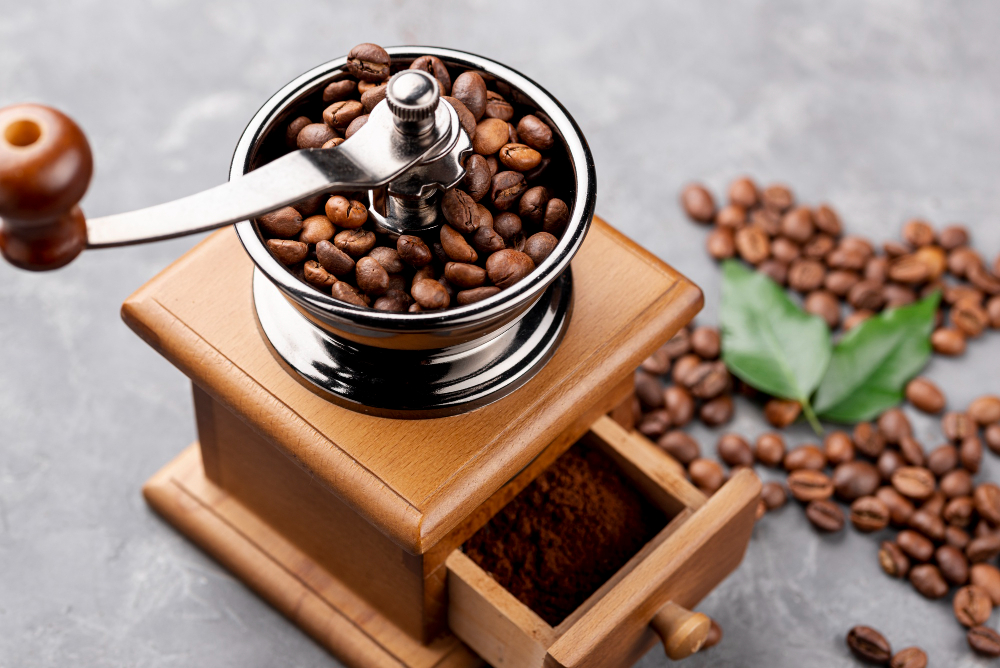
A method where water touches the grounds briefly needs a fine grind to extract enough; a method with long contact needs a coarse one to avoid extracting too much.
The two are a single decision. Grind-to-time matching is the adjustment behind every brewing method.
9. Compounds Come Out in an Order
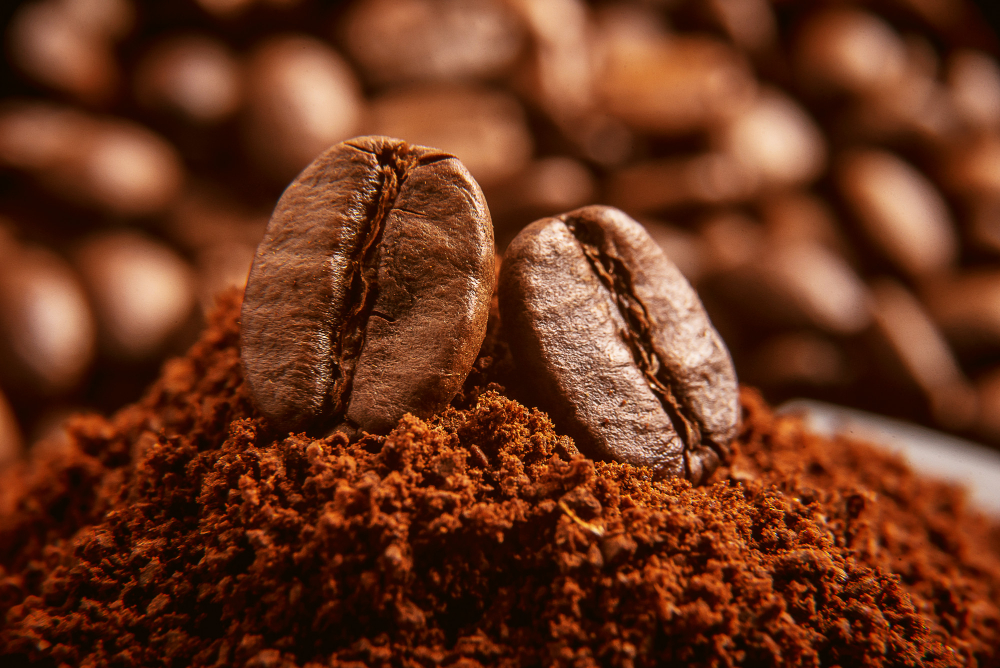
Acids and lighter aromatics dissolve first, sugars and body follow, and bitter compounds come out last – which means the taste depends on how far through that sequence the extraction stopped.
Time determines composition. Sequential extraction is why the same coffee tastes different at different strengths.
10. Sour Means Not Enough and Bitter Means Too Much
A cup stopped too early is dominated by the acids that came out first; one taken too far has picked up the bitter compounds that come out last.
The two faults point in opposite directions. Extraction diagnosis is the most useful thing to be able to do.
11. Uneven Grinding Produces Both at Once
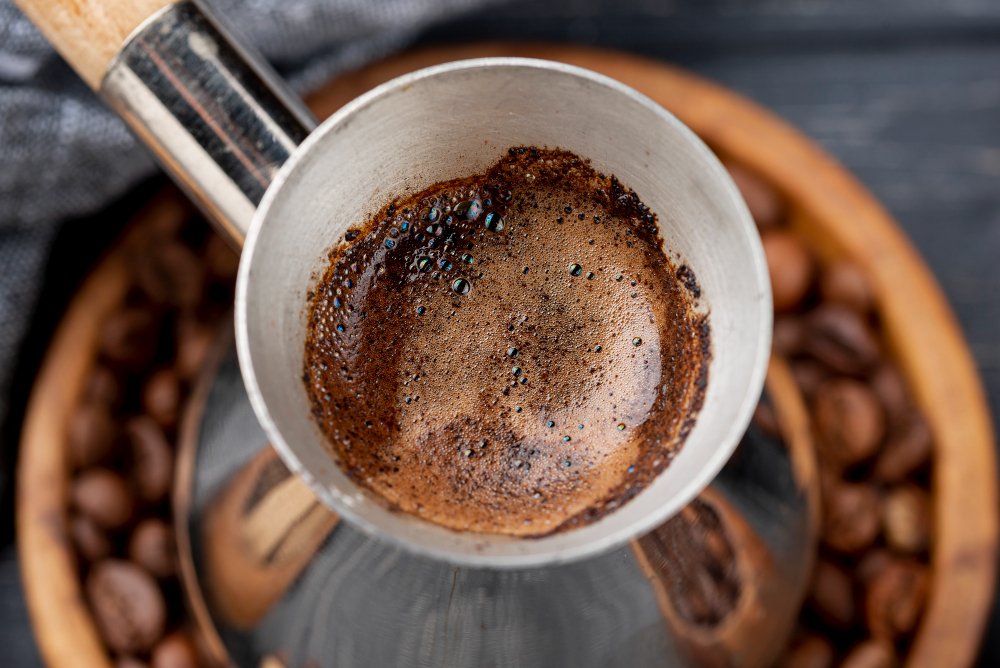
A grind containing both very fine and very coarse particles over-extracts the fine ones and under-extracts the coarse ones simultaneously, producing a cup that is sour and bitter together.
Consistency matters more than size. Grind uniformity is why the grinder affects the result more than anything else.
12. Water Temperature Sets the Rate
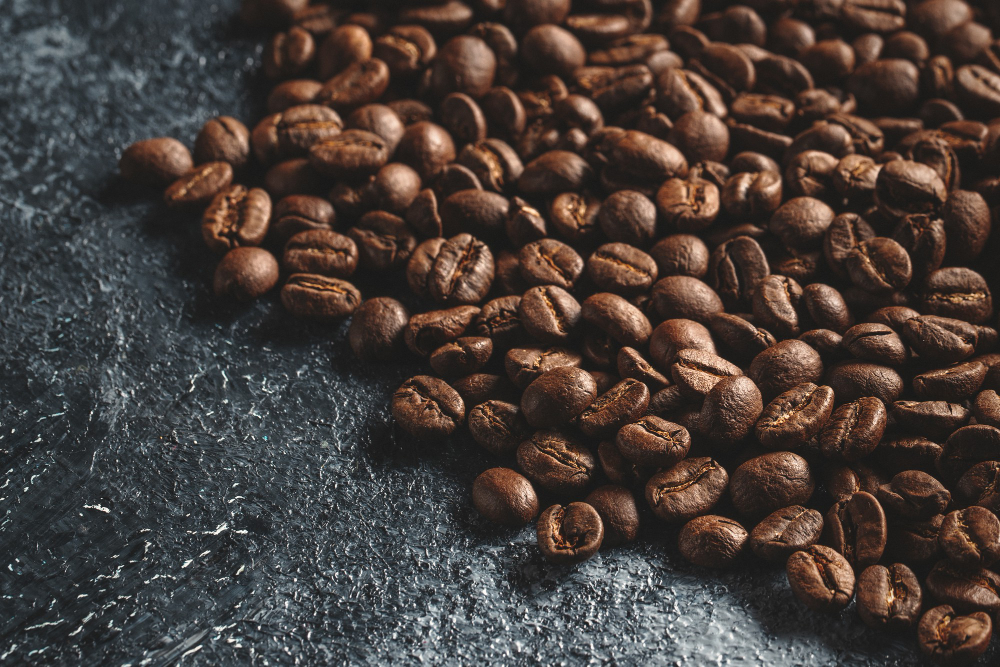
Hotter water extracts faster, which shifts how far through the sequence the brew reaches in a given time, and very hot or very cool water changes the balance substantially.
It is another variable in the same equation. Temperature dependence is why the same recipe behaves differently.
13. The Water Itself Matters
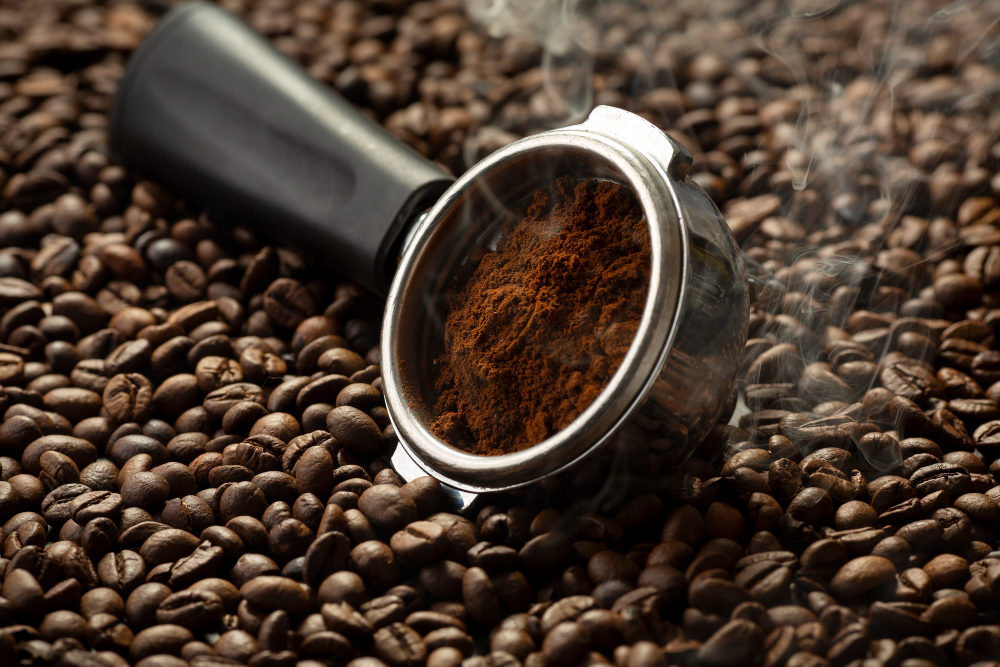
Coffee is almost entirely water, and the dissolved minerals in it affect which compounds are extracted and how the result tastes – so the same coffee differs between places.
Very pure and very hard water both cause problems. Water composition is the ingredient nobody accounts for.
14. Fine Particles Keep Extracting
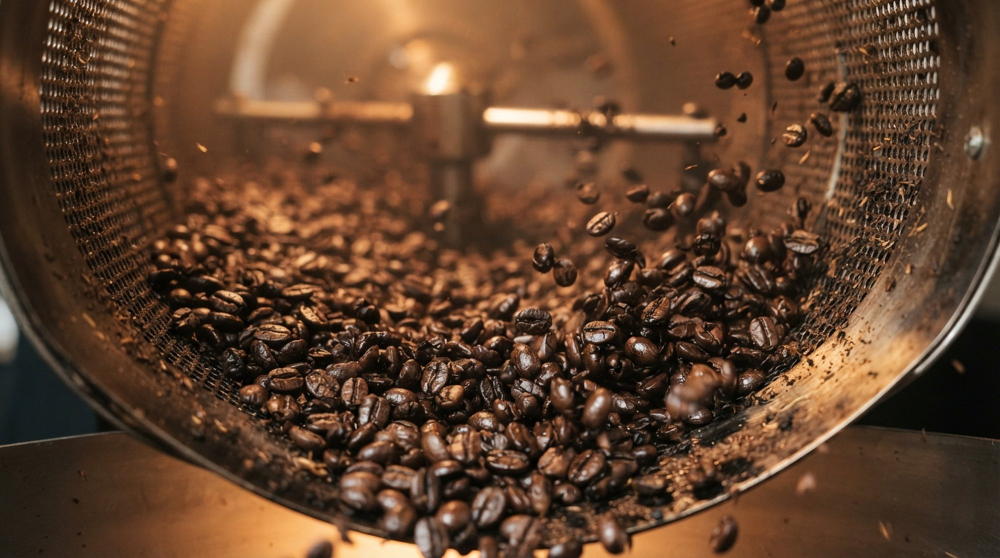
The smallest particles produced by grinding continue giving up compounds after the brew is finished, which is why coffee left standing on its own grounds changes over minutes.
Separating them stops the process. Continued extraction is why timing the finish matters.
15. It Goes Stale by Losing Volatiles
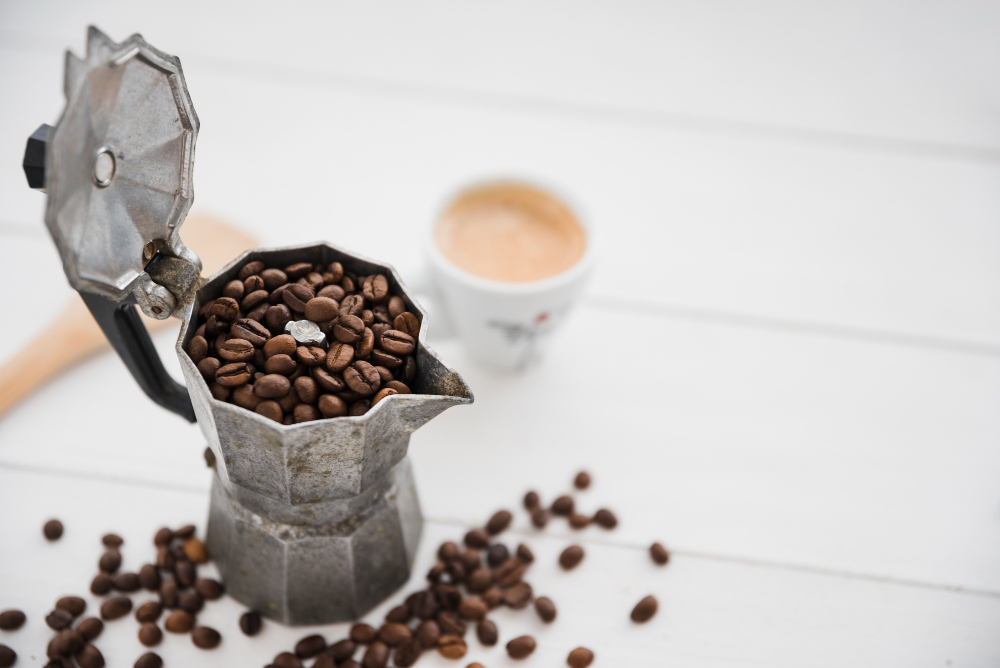
The aromatic compounds created by roasting evaporate and oxidise over time, so coffee loses character rather than going off – and ground coffee loses it far faster because of the surface area.
Whole beans keep and ground does not. Volatile loss is why the grinder belongs next to the kettle.
Created by Roasting, Removed by Water
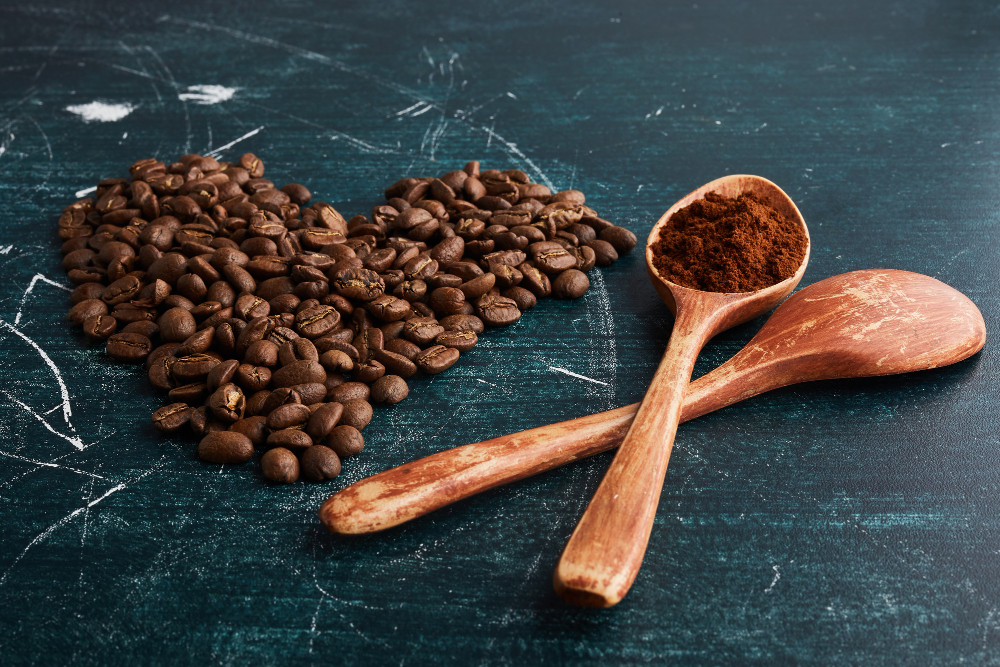
Flavour that does not exist until it is roasted into being, and a brewing stage that decides how much of it comes out and in what proportion.
The most useful item is the tenth. Sour and bitter are opposite faults with opposite corrections – sour means the water did not take enough out and bitter means it took too much – and being able to tell which one a disappointing cup is fixes more coffee than any equipment.
Like our content? Follow us for more.