
Nothing below concerns driving itself, the rules or the vehicle – those differ by country and belong with official sources. This is about how a trip is shaped differently when you are carrying your own transport. Here are ten.
1. You Can Stay Where Nothing Stops

The single largest change is access to places with no station, no bus and no reason for public transport to serve them – which is a substantial proportion of any country.
That is the whole reason to do it. Access to the unserved is what the vehicle actually buys.
Like our content? Follow us for more.
2. Luggage Stops Being a Constraint
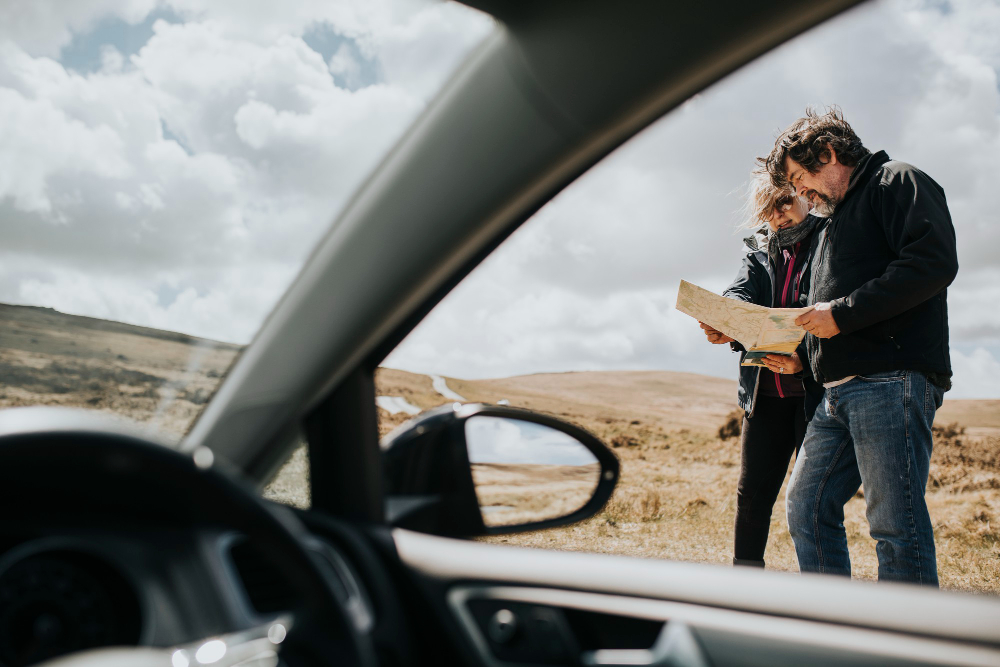
Everything travels with you rather than being carried, which removes the packing calculation entirely and changes what is worth taking.
It also removes the discipline that limited it. Unlimited capacity is a freedom that steadily becomes a burden.
3. The Journey Becomes Part of the Trip

On public transport the travel between places is time spent; driving, it is the trip – the route, the stops and what is passed are the substance rather than the gap.
That changes how routes should be chosen. Journey as content is the reorientation most people miss.
4. So the Direct Route Is Usually Wrong

Choosing the fastest road between two points optimises for a thing that is no longer the objective, and the slower route is generally where the trip is.
Time saved on a motorway is not a saving. Route selection is the decision that determines the whole character.
5. Distances Collapse and Then Do Not

A vehicle makes moderate distances trivial and long distances substantially more tiring than the same distance by train, because somebody is working the whole time.
The threshold arrives sooner than expected. Driving fatigue is the limit that does not exist on other transport.
6. Two Drivers Change Everything
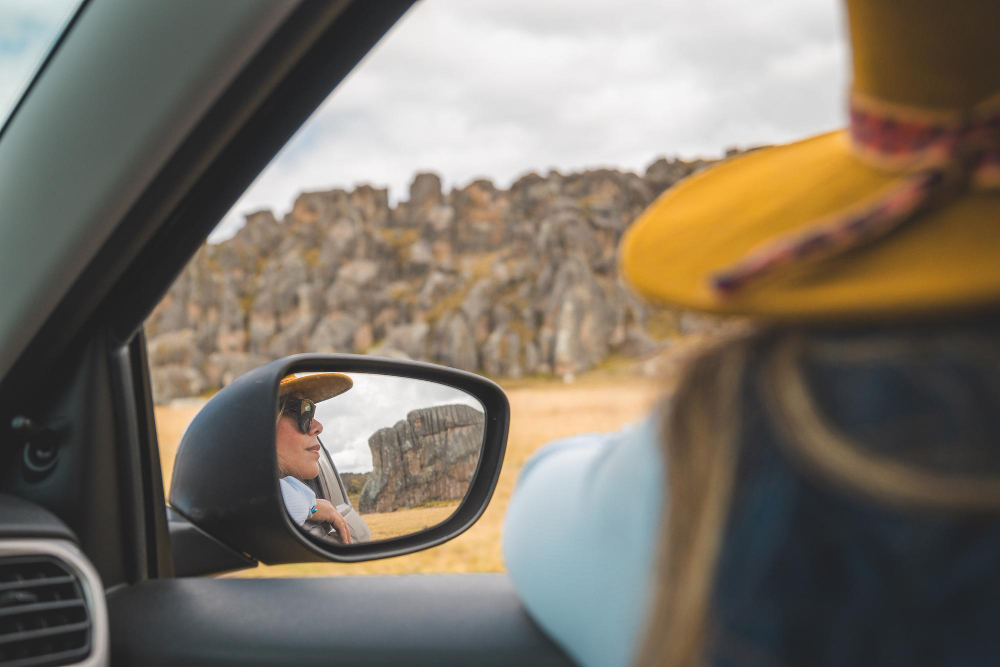
Where two people can share, the achievable daily range roughly doubles and the character of the day changes entirely, which is worth arranging for if the trip is long.
One driver sets a hard ceiling. Shared driving is the arrangement with the largest effect on what is possible.
7. Parking Determines Where You Actually Go

Historic centres, small towns and popular sites frequently have restricted, distant or difficult parking, which means the vehicle becomes an obstacle exactly where you most want to be.
Planning where to leave it matters more than planning the route. Parking is the constraint that reverses the advantage.
8. The Vehicle Has to Be Somewhere Overnight

Accommodation choices narrow to places that can accommodate it, which affects cost, location and what parts of a town are practical to stay in.
It is a filter applied to every night. Overnight provision is a planning requirement public transport does not create.
9. Changing Plans Is Free Until It Is Not

Stopping, diverting and staying longer cost nothing, which is the main pleasure – but reaching somewhere far from your route means driving all of it back.
Flexibility is asymmetric. Reversibility is what distinguishes a good detour from an expensive one.
10. Everything Is With You All the Time

A vehicle containing everything you own on the trip is a thing to think about wherever you leave it, and that low-level consideration runs through the whole journey.
It affects where you stop and for how long. Continuous responsibility is the cost of carrying your own transport.
A Different Trip Rather Than the Same One
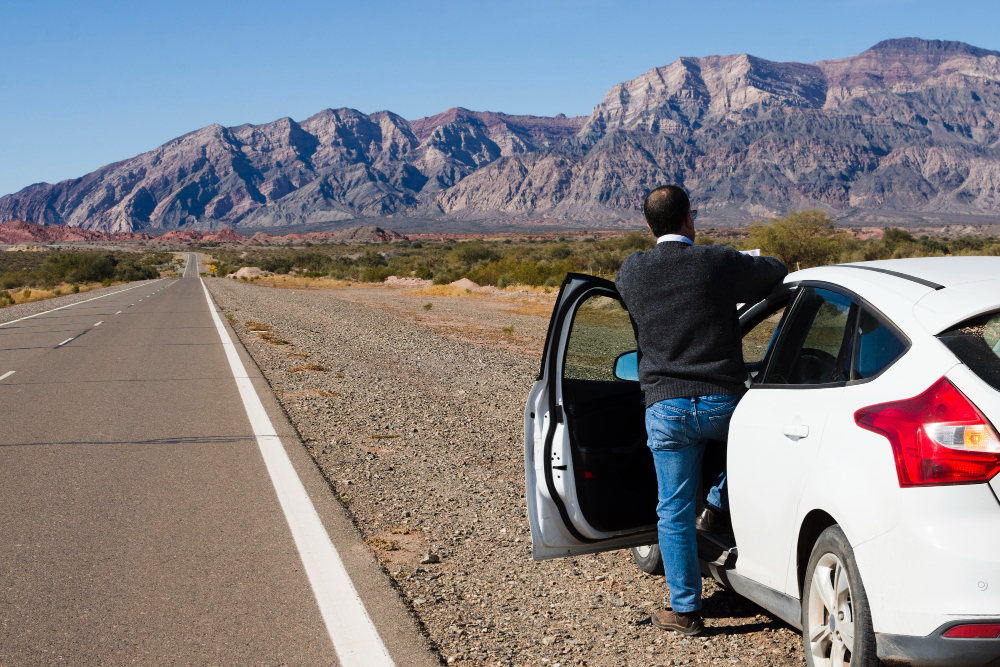
Access to unserved places, luggage without limit, journeys that are the trip, distances that collapse and then tire you, and a vehicle that has to be somewhere every night.
One necessary note: nothing above concerns driving itself. Rules of the road, licensing, required equipment, insurance and what any given country expects of a visiting driver all differ, change, and matter substantially – and the only reliable source is official information for the country concerned and for wherever your licence was issued. Check that well before travelling.
Like our content? Follow us for more.