
There is a category of institution that was built on a wrong explanation and worked correctly anyway, and it is worth understanding because the pattern recurs.
The wrong explanation, in this case, concerned what caused disease and how it travelled. The prevailing account for a very long period involved bad air arising from decay, and the measures taken followed from it — airing goods, burning materials, avoiding particular locations.
The institution that developed alongside that account was a delay. Ships arriving from certain places were held offshore, their people and cargo kept separate, for a defined period before being admitted.
That measure does not depend on the theory being right. It depends only on illness taking time to appear — which is true regardless of what causes it — and it is therefore one of the few interventions of the period that would still be recognised as sensible.
Where the Number Came From
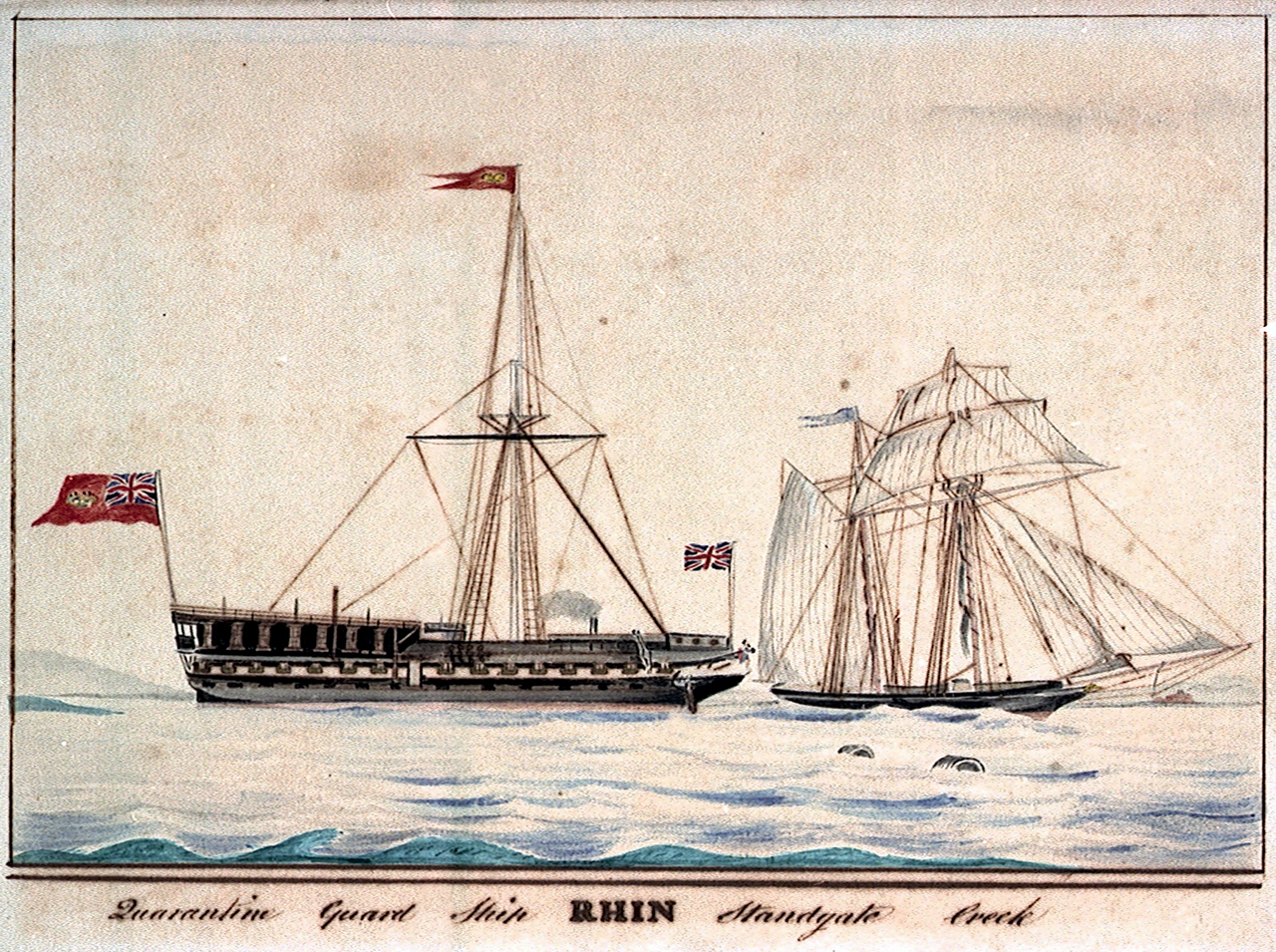
The period was not derived from observation of any illness.
Earlier arrangements used a shorter interval, and the extension to forty days appears to have been influenced by the significance of that number in religious and classical tradition rather than by any measurement of how long symptoms took to appear.
That is worth stating plainly, because the coincidence is striking: a number chosen for symbolic reasons happens to exceed the period required for essentially any illness of concern to become apparent.
It was therefore longer than necessary, which is the correct direction to err in. A period that is too short fails completely; a period that is too long merely costs time.
The name stuck to the practice and then to the concept, which is why the modern word contains a number that no longer describes anything about how long anybody is held.
There is a terminological point worth noting. The same approach was applied by land as well as by sea, with cordons and controlled crossing points, though the maritime version is the one that named the concept.
Ships are a convenient unit for the purpose – a defined group of people arriving together at a controllable point – which is why the practice developed at ports first.
Like our content? Follow us for more.
What the System Actually Involved
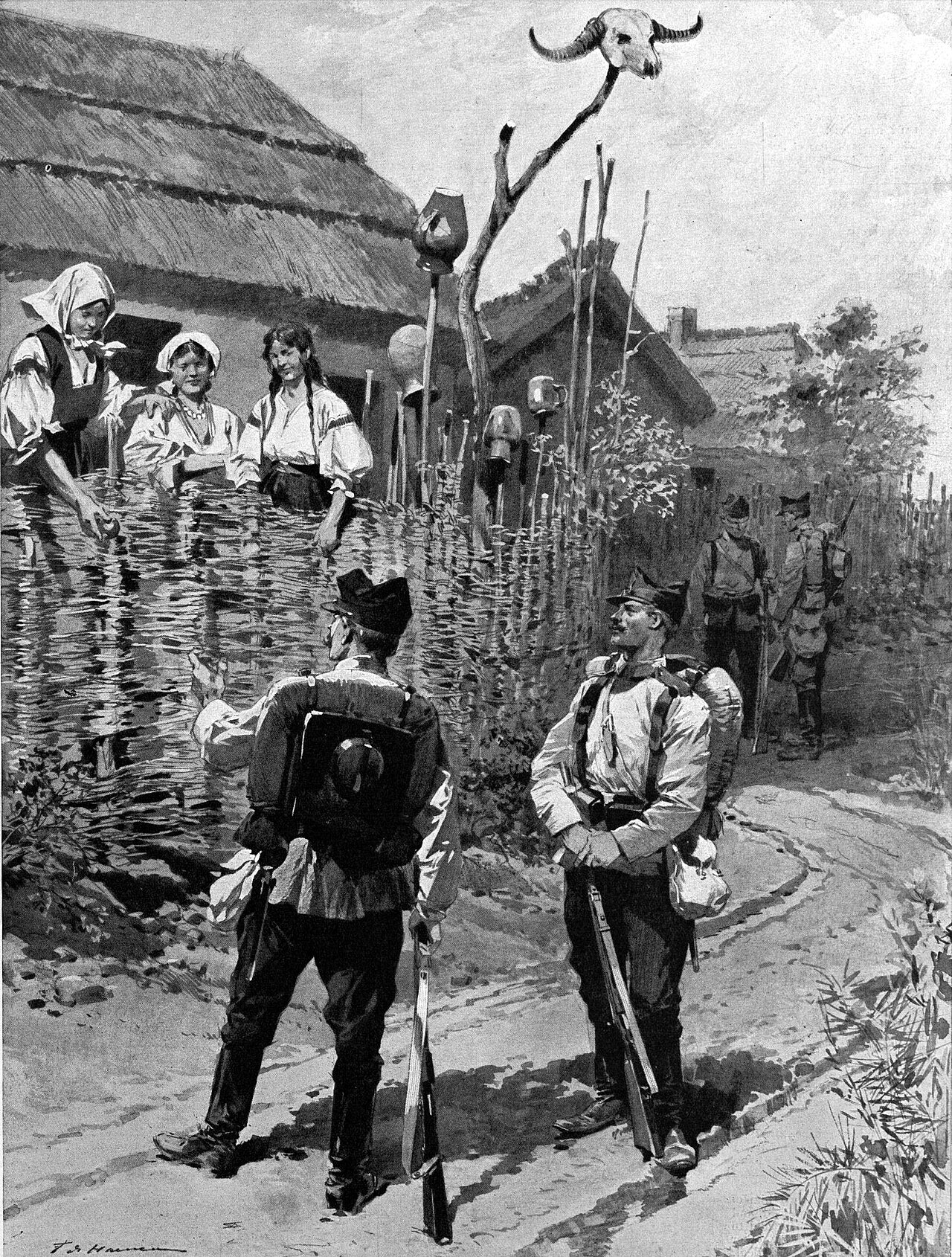
The arrangements were more elaborate than a simple delay and are worth describing.
Ships were required to stop at a designated anchorage rather than proceeding to the port, and the requirement was enforced by the harbour authorities before any contact was permitted.
Documentation mattered enormously. A vessel carried papers attesting to the health status of the port it had left, and a clean document meant a shorter detention while a foul one meant the full period or refusal.
That created an obvious incentive to falsify, and a corresponding apparatus of verification, inspection and penalty — which is the point at which the system became an administrative institution rather than a precaution.
Goods were treated separately from people. Certain cargoes were considered more likely to carry contamination and were unloaded, opened, aired and handled under supervision, while others were released more readily.
And dedicated facilities were built: stations on islands or promontories, with accommodation, storage, and physical separation from the settlement they protected.
There is a variation worth noting. The period imposed was not always the full one – it depended on the reported health of the departure port, on the cargo and on the condition of those aboard, which means the system graded its response rather than applying one rule.
That grading is what made it tolerable commercially, since a clean vessel from a clean port was released quickly.
Why It Worked Despite the Theory

The effectiveness has a straightforward explanation that has nothing to do with the reasoning behind it.
Any transmissible illness has a period between exposure and the appearance of symptoms. If a group is isolated for longer than that period and nobody becomes ill, the group was not carrying it.
That logic holds whatever the mechanism of transmission, which means a delay-based system is robust to being completely wrong about causes.
It is also robust to being wrong about which illnesses matter, since the same procedure applies to anything with a similar timescale.
What the system could not address was anything transmitted by a route the isolation did not interrupt — and there are real examples of that, where the ship was held and the vector was not, which produced failures that the theory of the time could not explain and that make sense in retrospect.
What It Cost
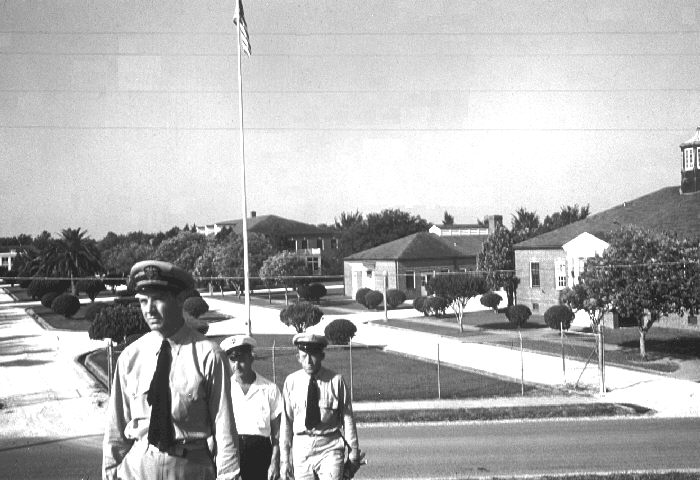
The burdens were substantial and fell unevenly, which is worth stating.
Detention was expensive for the ship, the crew and the merchants whose goods were held, and the cost was borne by them rather than by the port imposing it.
That produced pressure to evade, to falsify documentation and to land goods and people elsewhere, and a corresponding enforcement effort.
Conditions in detention varied enormously and were frequently poor, particularly for people held in numbers with limited facilities.
And the measure was applied according to where a ship had come from, which meant the burden fell systematically on particular routes and particular trades, with commercial and political consequences that were argued about extensively at the time.
Those arguments are recognisable. A measure that protects a population at a cost borne by a subset of it produces exactly the disputes you would expect, and the historical record of them is substantial.
Why Ports Built the Institutions
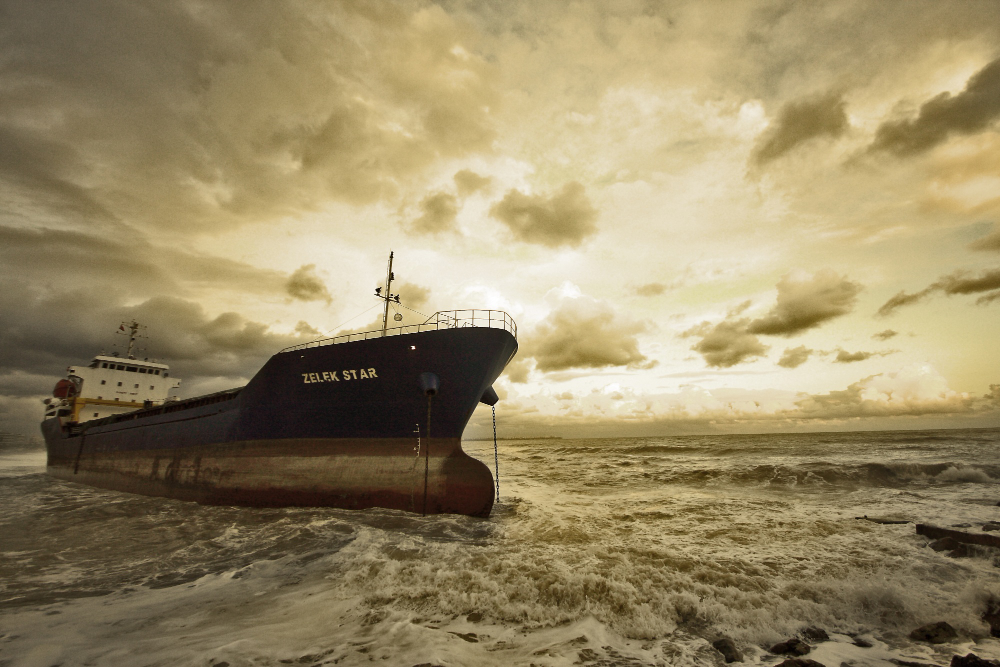
The consequence that outlasted everything else is administrative rather than medical.
Enforcing detention requires an authority with the power to stop ships, inspect them, hold people, verify documents and impose penalties — and that authority has to exist permanently rather than being assembled when needed.
So ports developed standing bodies with legal powers, staff, buildings and records, which is a substantial institutional apparatus created for one purpose.
Those bodies persisted, acquired other functions and in several cases became the origin of port health authorities and, more broadly, of public administration concerned with population health.
That is a common sequence. An institution created to do one thing with a particular set of powers turns out to be useful for other things, and the powers outlast the reasoning that justified them.
The Stations Themselves
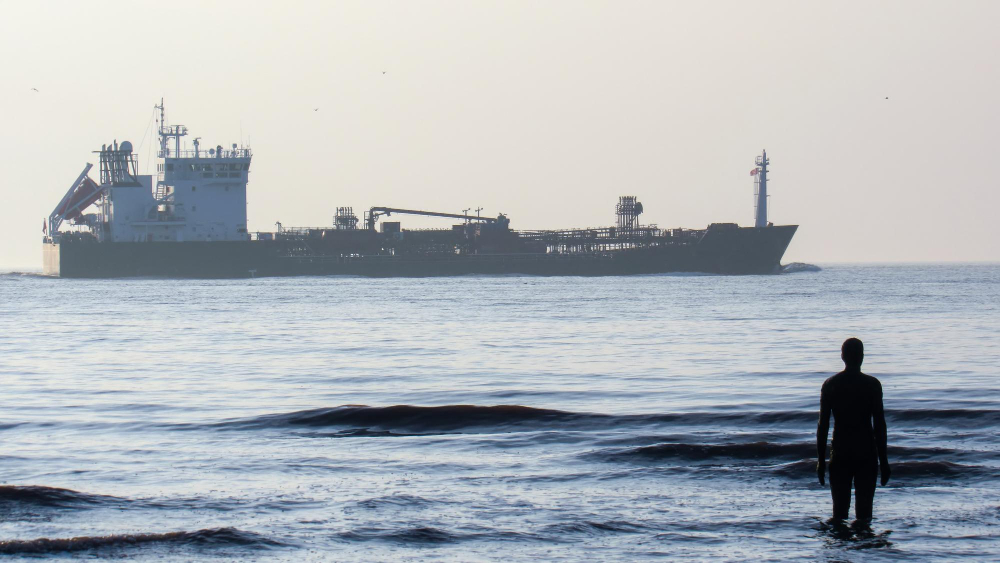
The physical infrastructure deserves description, because it was substantial and most of it is gone.
A station required a site that was accessible to shipping and separated from the population, which in practice meant an island, a promontory or a stretch of shore some distance from the town.
It needed accommodation for people held in numbers, which varied enormously in quality and was frequently the point at which the arrangement broke down, since holding a large number of people in inadequate conditions creates exactly the problems the station exists to prevent.
It needed storage and handling space for goods, with areas for opening, airing and repacking, and a system for keeping detained cargo separate from released cargo.
It needed its own water, supplies and staff, since the point of the arrangement is that people do not travel between the station and the settlement.
And it needed a means of communication that did not involve contact — which produced arrangements for passing documents and payment through intermediaries, at a distance, with procedures for handling anything that had come from the ship.
The sites survive in places, converted or abandoned, and are generally identifiable by that combination of features: substantial buildings in an isolated coastal position with good access to deep water and no obvious reason to be there.
What Is Worth Taking From It
The general point concerns interventions that work for reasons other than the ones given for them.
The people imposing detention had an incorrect account of disease, applied a number chosen for symbolic reasons, and produced a measure that was approximately correct — because the measure depended on a fact about timing rather than on the explanation.
That is not an argument that the explanation did not matter. Understanding transmission eventually permitted targeted measures that a blanket delay cannot achieve, and the blanket delay was enormously costly by comparison.
It is an argument that a robust procedure can outperform a sophisticated one built on a wrong model, and that institutions frequently outlive the reasoning that created them and are the more durable part.
Which is visible in the word. Nothing about modern practice involves forty days, the number refers to an interval nobody uses, and the term survives — attached to an idea that turned out to be right for reasons its originators would not have recognised.
Which is worth carrying beyond the specific case. A procedure that depends on a fact about timing rather than on a theory about causes will survive being wrong about almost everything else – and that robustness is a design property rather than luck.
Like our content? Follow us for more.