

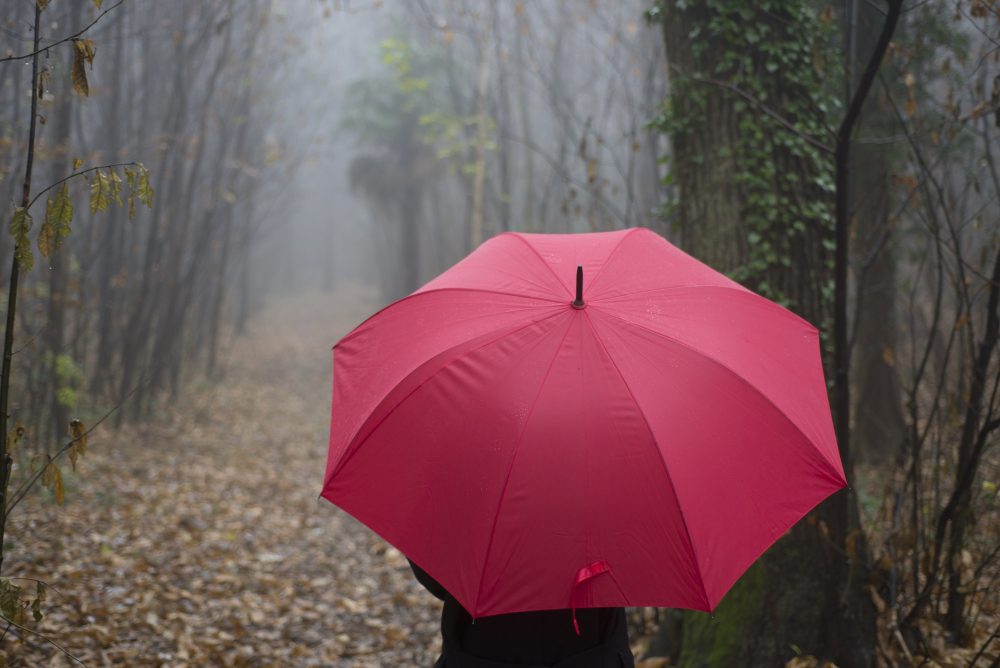
The shaft is not holding the canopy up. A sliding collar pushes struts outward, those push the ribs out, and the fabric between them is stretched tight – which is what makes a floppy sheet into a structure. Here are fifteen consequences.
1. It Is a Tension Structure
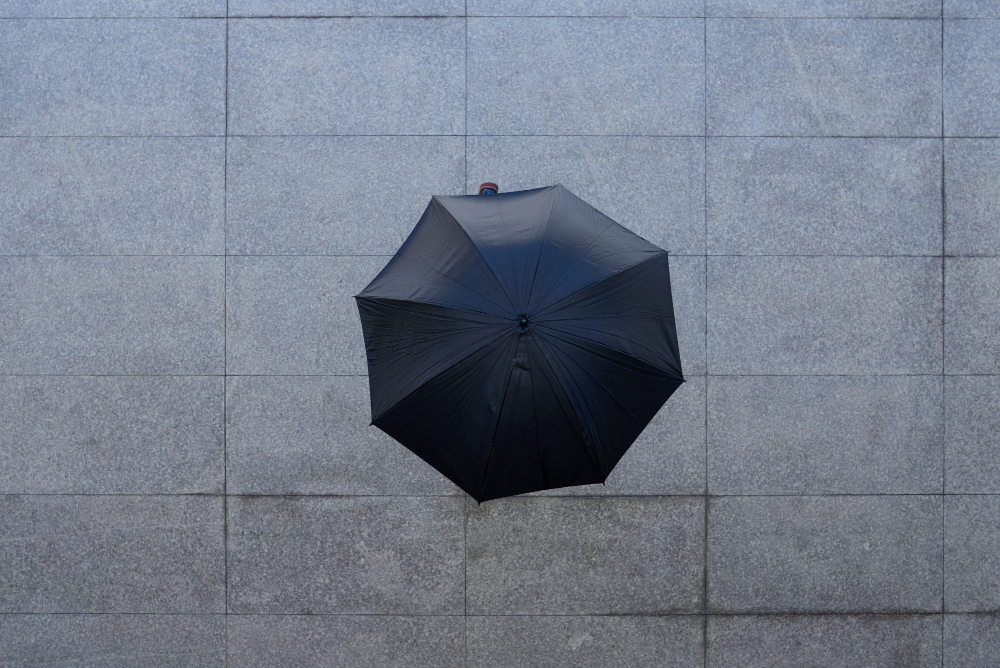
The fabric carries the load by being pulled taut, and the ribs exist to stretch it rather than to support it – which is why a canopy with one broken rib collapses across a whole section.
Nothing is rigid on its own. Maintained tension is what the entire object depends on.
Like our content? Follow us for more.
2. And the Collar Is What Holds It Open
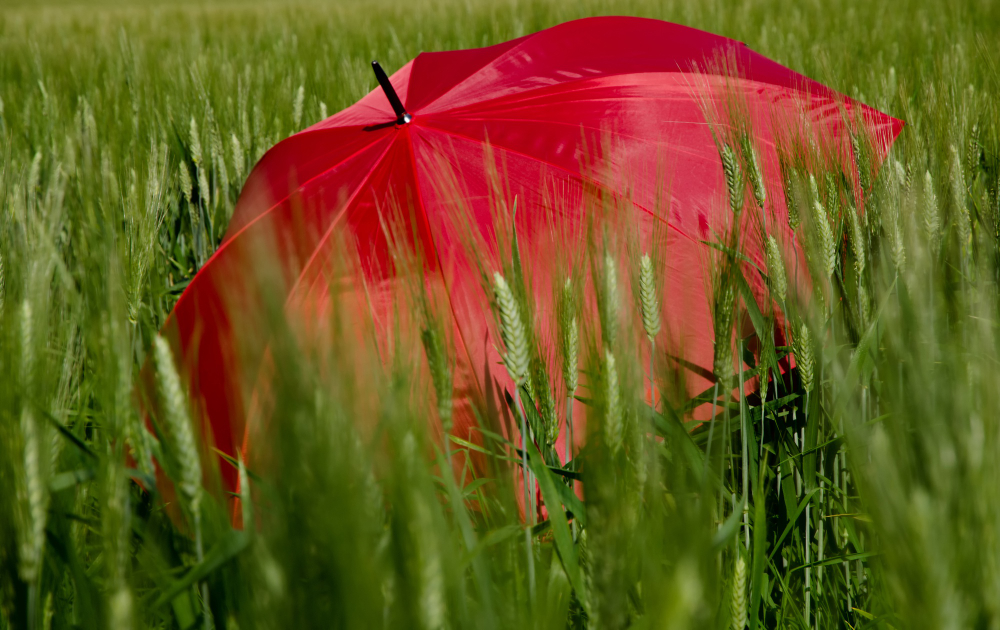
A ring sliding up the shaft pushes the struts outward, and a catch holds it in place; release the catch and the whole structure loses its tension immediately.
That small catch carries everything. The sliding runner is the component the object is built around.
3. The Canopy Is Domed for a Reason

A curved tensioned surface resists deformation far better than a flat one, because pressure from any direction is resolved into tension across the whole surface rather than bending it.
Flat would collapse instantly. Curvature is structural rather than stylistic.
4. Wind Is the Only Real Load
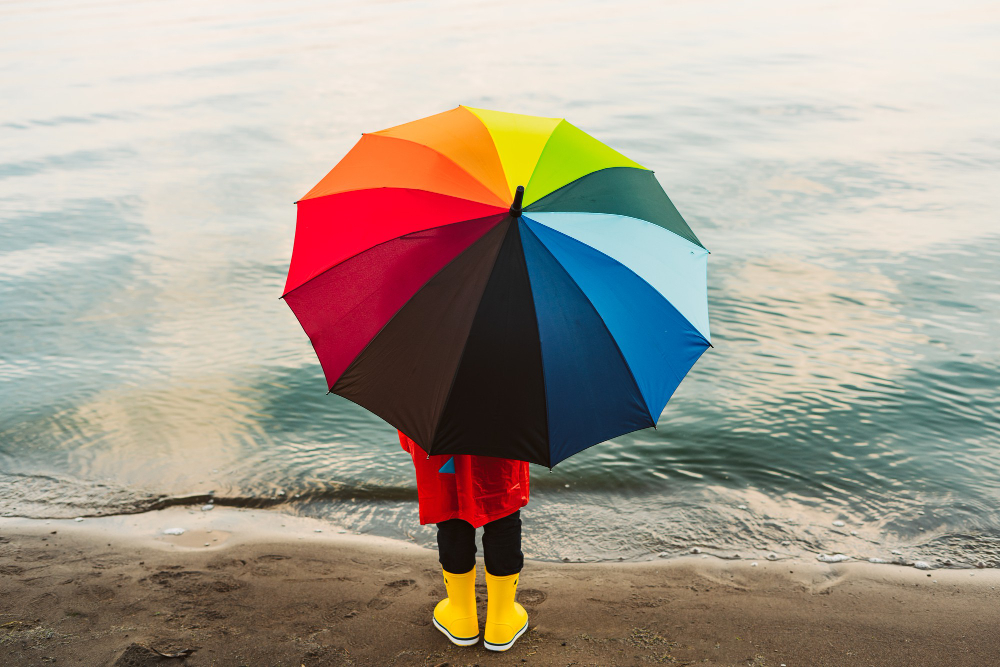
Rain weighs almost nothing and falls roughly downward; wind pushes from any direction, changes constantly, and is the force every part of the design is contending with.
Water is the easy problem. Wind loading is what the engineering is actually for.
5. Inversion Is the Structure Working Backwards
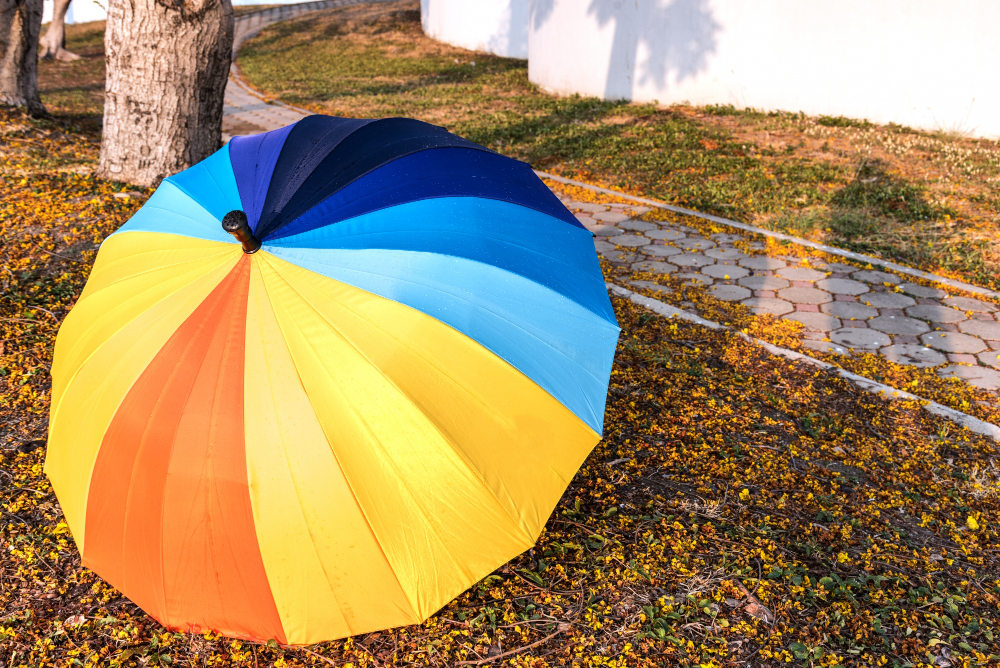
Wind getting under the canopy pushes the ribs the wrong way, and if it exceeds what the struts can resist the whole thing flips through and takes up the opposite shape.
It is a stable shape too, which is the problem. Inversion is the mechanism operating in reverse.
6. Which Is Why There Are Vents
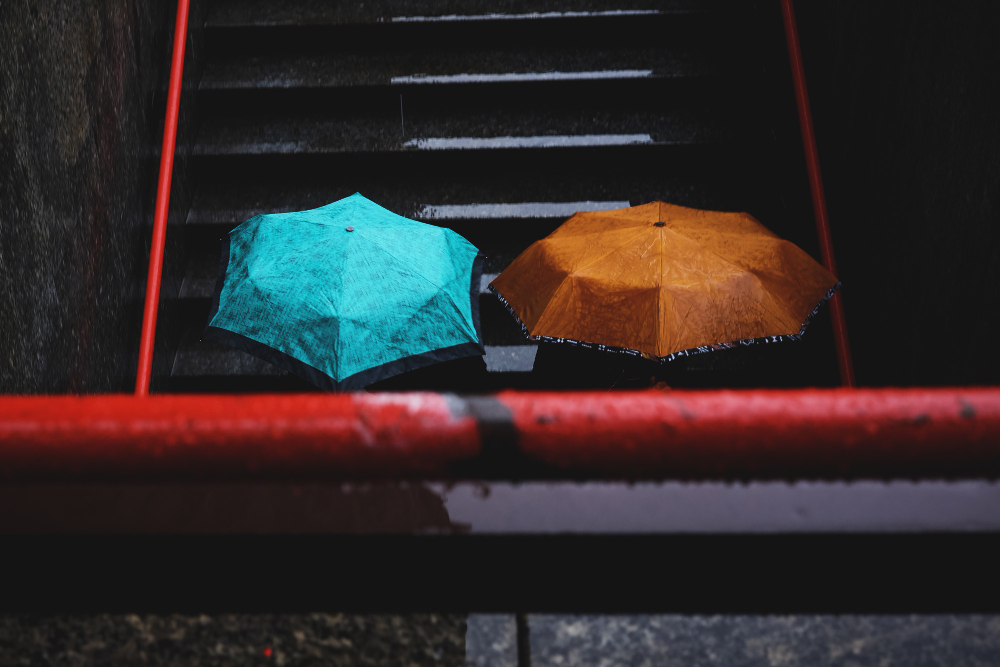
Overlapping openings let air escape upward through the canopy rather than building pressure beneath it, which reduces both the lifting force and the chance of inversion.
They cost a small amount of coverage. Pressure relief is the cheapest defence against the main failure.
7. Bigger Catches More Wind
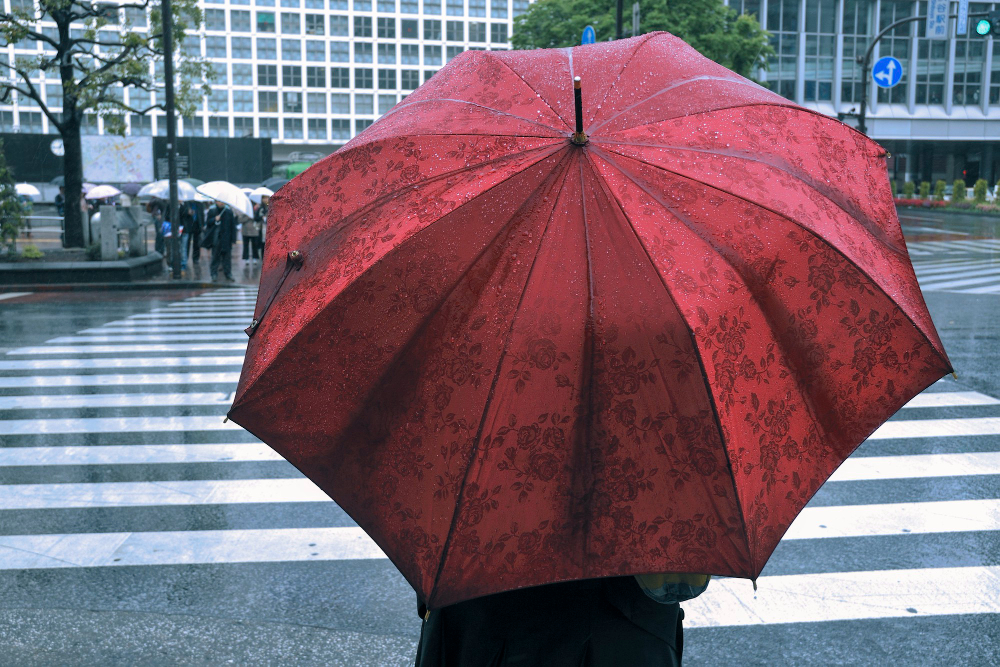
Increasing the canopy improves coverage and increases the area the wind acts on, which makes a large umbrella substantially harder to hold in anything but still conditions.
The trade is direct. Size against controllability is the decision every design makes.
8. More Ribs Means a Better Curve
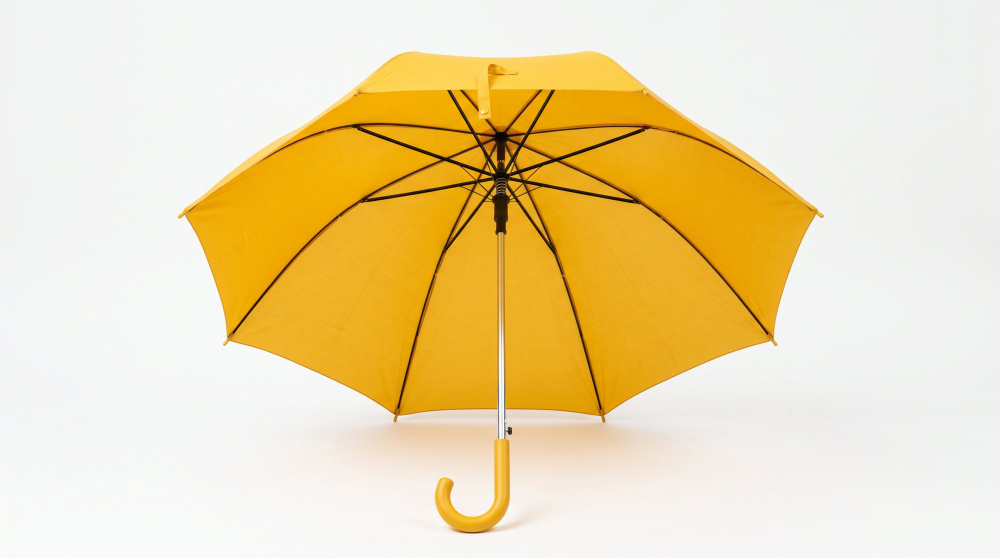
Fabric between widely spaced ribs sags into flat panels; more ribs hold it closer to the intended dome, which improves both the shedding of water and the structural behaviour.
It also adds weight and cost. Rib count is a quality indicator with a real basis.
9. The Fabric Is Not Waterproof

Most canopy material is tightly woven rather than sealed, and relies on a surface treatment that makes droplets bead and run off rather than spreading and soaking through.
It is repelling rather than blocking. Surface treatment is what keeps the water out.
10. And That Treatment Wears Off
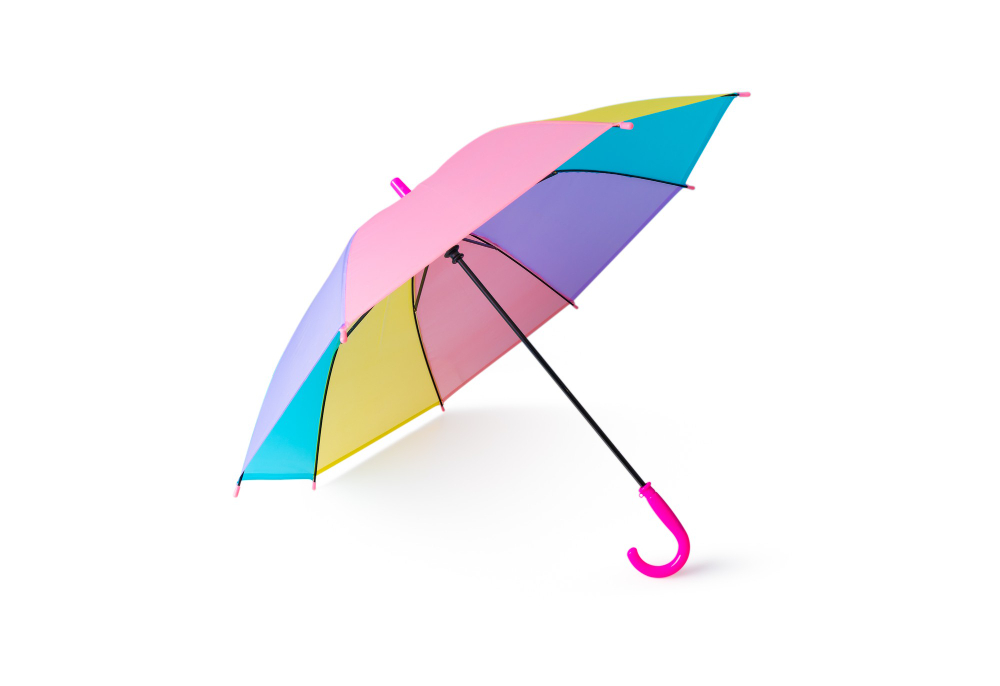
The coating degrades with folding, abrasion and time, after which the fabric wets through and the umbrella stops working long before anything has broken.
It is the commonest way one fails. Coating loss is invisible until it rains.
11. It Has to Be Held Into the Wind
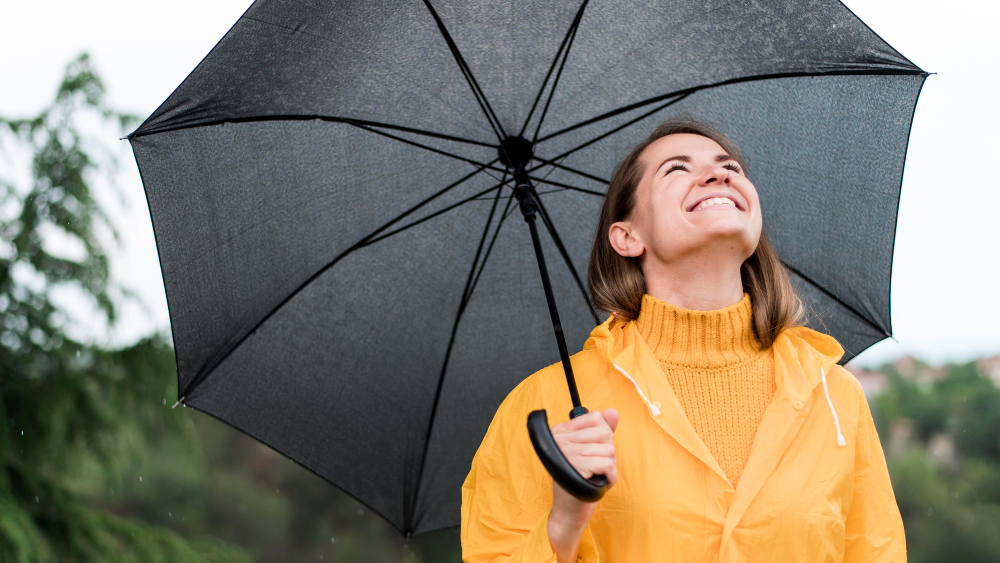
The only way to resist a gust is to tilt the canopy toward it, which converts the lifting force into a push – and that requires a shaft long enough and a handle shaped to allow the angle.
Everybody does it instinctively. Angled use is the technique the design assumes.
12. Folding Adds Every Weak Point

A collapsible mechanism introduces hinges in the ribs and a telescoping shaft, both of which are places where the structure can give way under load.
Compactness costs durability. Added joints are why folding versions fail more.
13. The Water Has to Go Somewhere
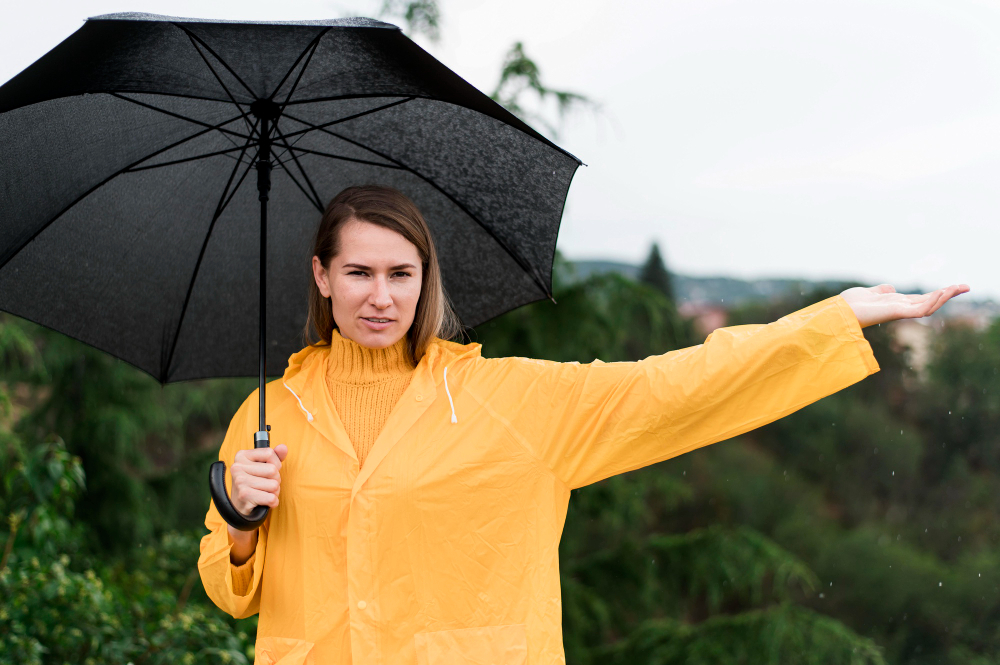
A canopy sheds water off its edge in a ring, which means the drip line is well outside the person beneath and directly onto anybody passing.
The geometry is unavoidable. Edge shedding is why two umbrellas cannot pass comfortably.
14. It Protects a Cylinder, Not a Person
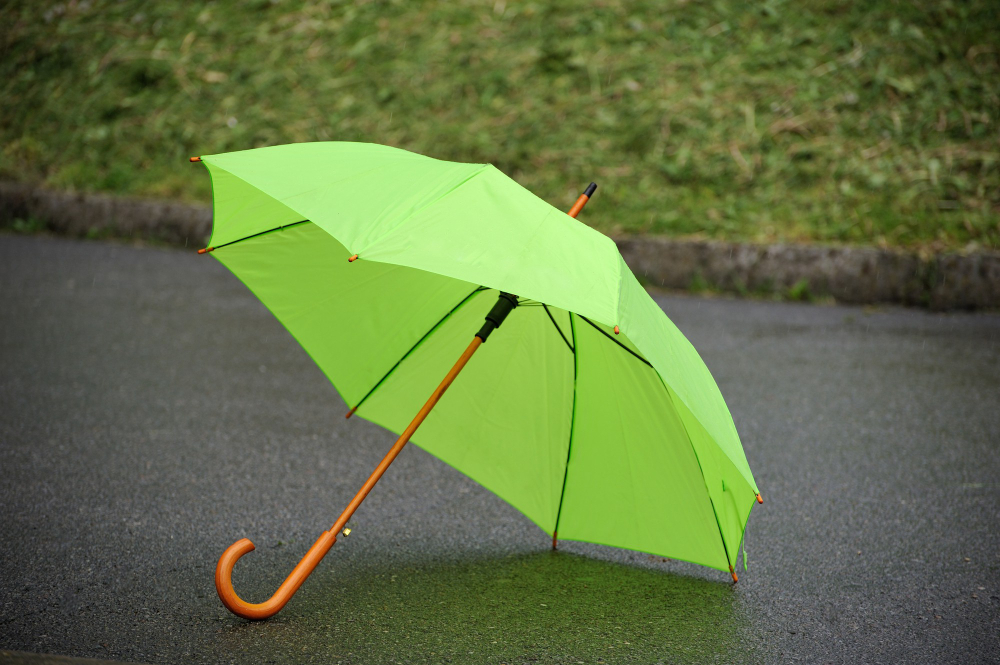
Coverage is a circle directly beneath the canopy, so anything angled – rain driven sideways, or legs, or a bag held out – is outside it regardless of size.
Vertical rain is the only case it fully handles. Limited geometry is why it works better in some weather than others.
15. Almost Nothing About It Has Changed
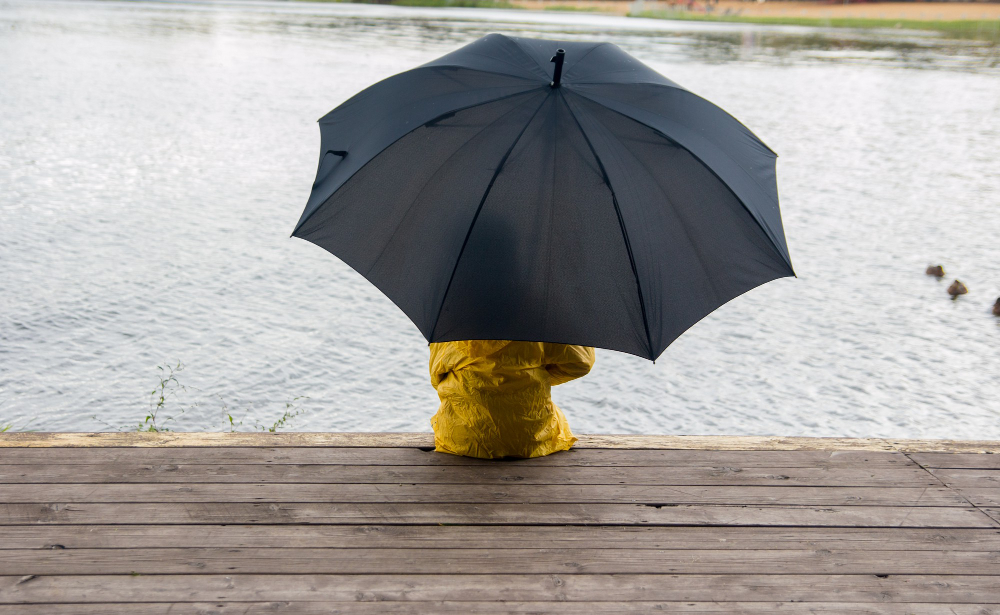
The tensioned canopy, the sliding collar, the ribs and struts and the catch have been the arrangement for a very long time, because the problem has not changed and nothing better has been found.
Materials improved and the mechanism did not. Persistent design is what happens when a solution fits the problem exactly.
A Membrane Held Taut Against the Wind
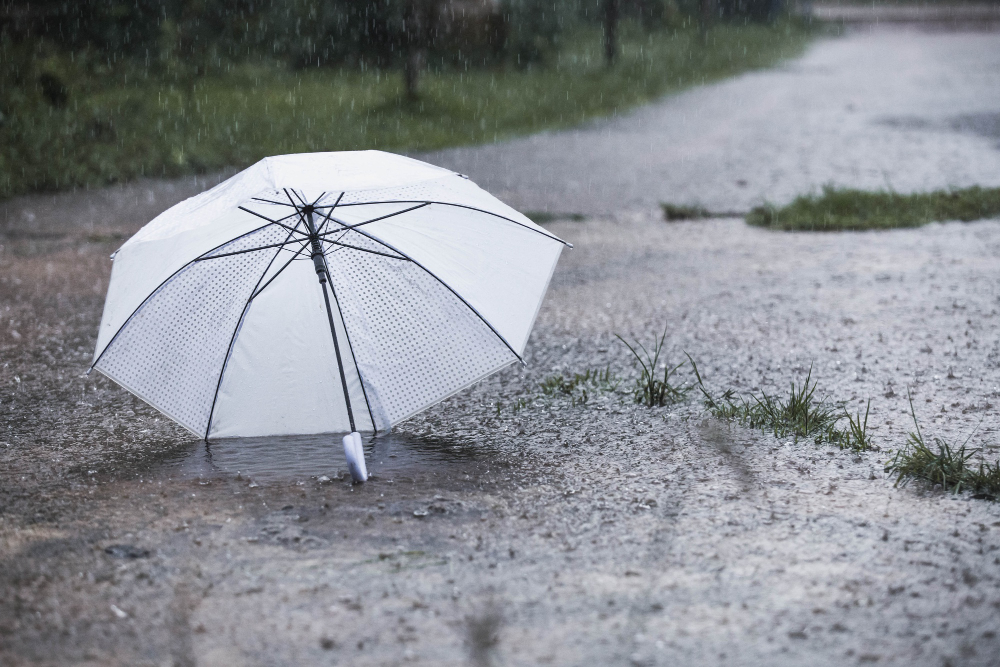
Fabric carrying the load in tension, a collar pushing struts outward, a dome resisting deformation, vents releasing pressure and a treatment that wears off before anything breaks.
The tenth item is the one that explains most disappointments. An umbrella generally stops working because the water-repelling treatment has worn off the fabric, not because anything is broken – which means the thing looks entirely serviceable and lets water through, and almost nobody diagnoses it correctly.
Like our content? Follow us for more.
