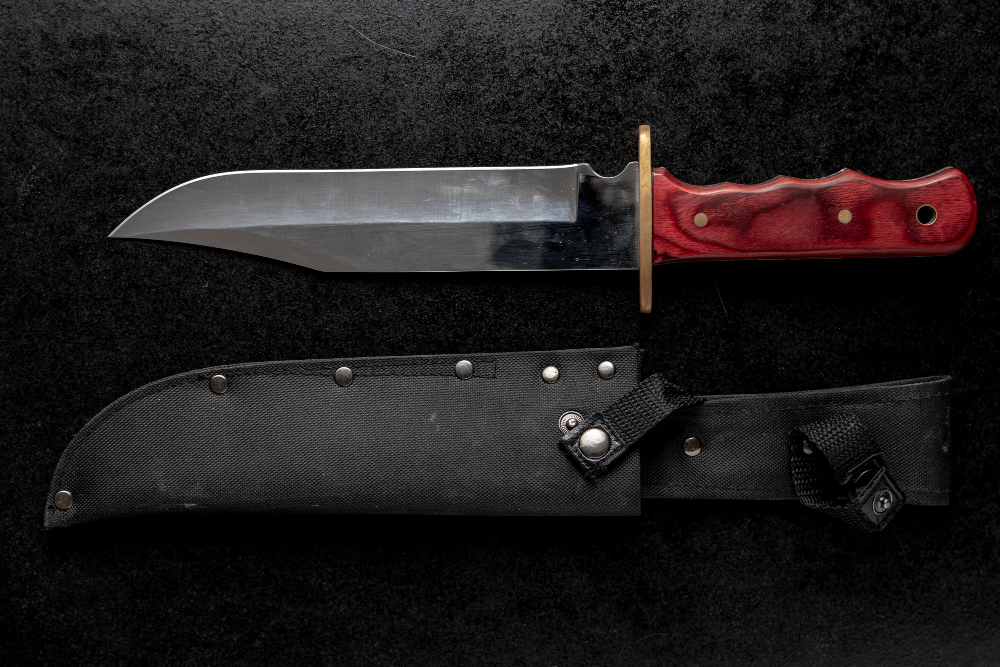
The whole subject is pressure rather than force. The same push applied through a smaller area produces a higher pressure, and a cutting edge exists to make that area as small as it can be kept. Here are sixteen consequences.
1. Sharpness Is a Measurement of Size
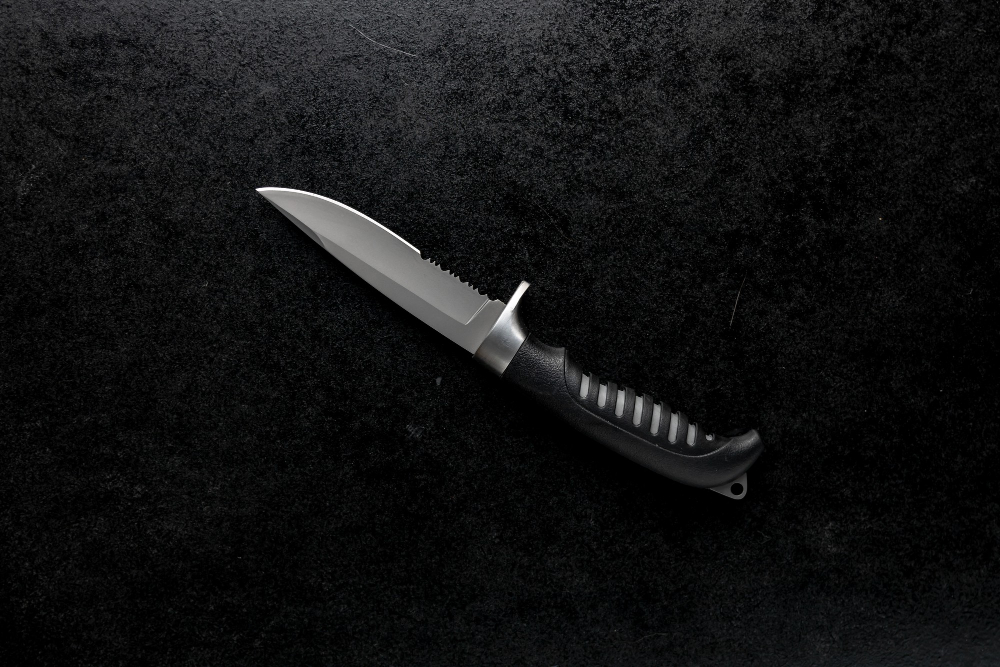
The edge of a blade is not a line but a surface with a width, and sharpness is simply how narrow that surface is – a sharp edge has an apex measured in fractions of a micrometre.
Nothing else distinguishes sharp from blunt. Apex width is what sharpness physically is.
Like our content? Follow us for more.
2. Blunt Means Rounded, Not Worn Away
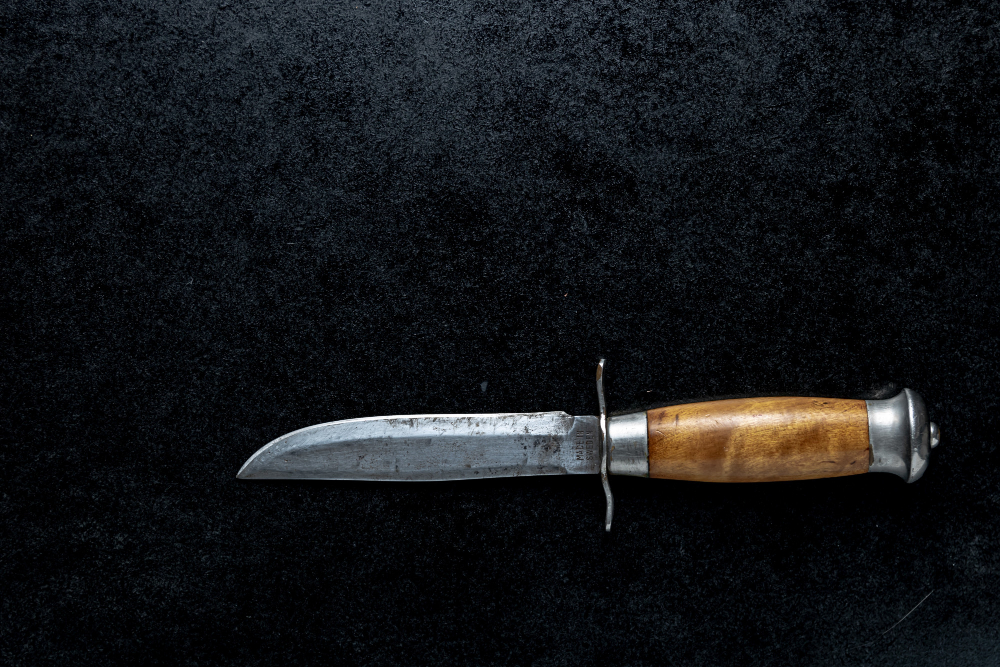
A blade goes blunt because the apex deforms and rounds over rather than because material has disappeared, which spreads the force over a wider area.
Very little metal has actually gone. Edge rounding is what dulling consists of.
3. The Angle Trades Cutting for Lasting
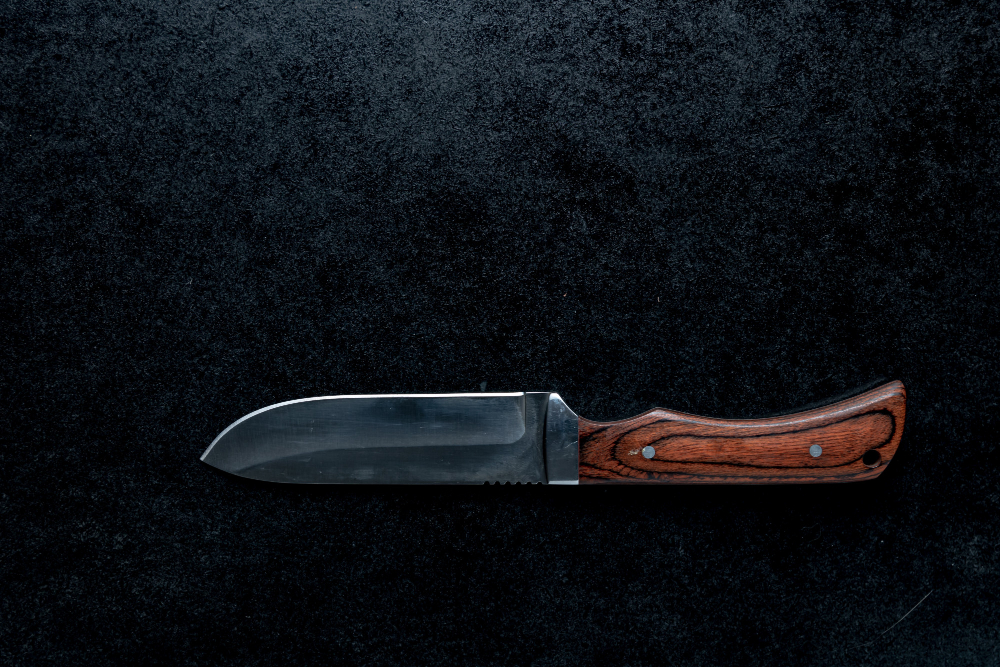
The included angle of the wedge determines both how easily it enters material and how well it survives – a shallow angle cuts better and chips more readily.
No angle is best for everything. The wedge angle is the fundamental compromise in every edge.
4. Which Is Why Tools Have Different Angles
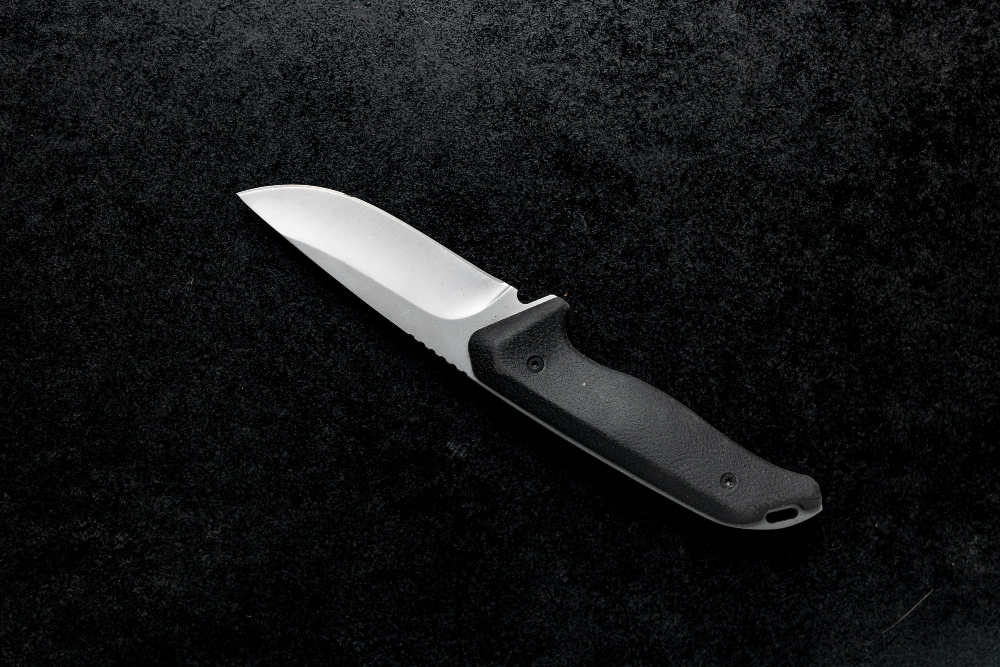
Something cutting soft material can use a very shallow angle; something meeting bone, wood or impact needs a steeper one that survives the load.
The tool tells you what it expects to meet. Angle selection is a statement about the intended material.
5. Slicing Needs Far Less Force Than Pressing
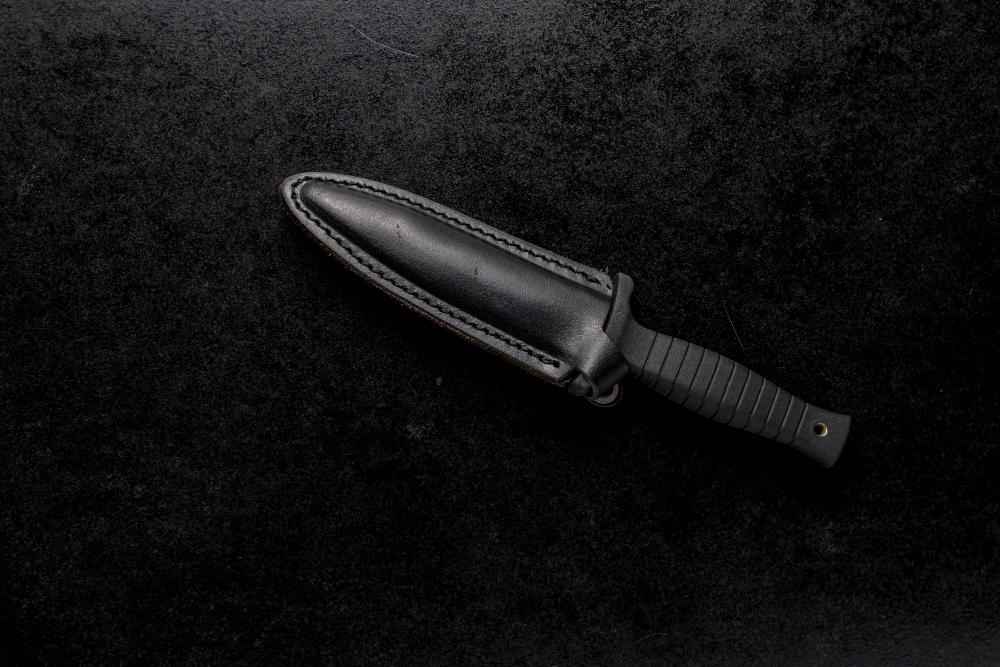
Drawing a blade along while pressing down cuts with a fraction of the downward force required to press straight through.
Everybody does it instinctively. The slicing motion is the single largest improvement available with any blade.
6. Because the Edge Is Not Actually Smooth
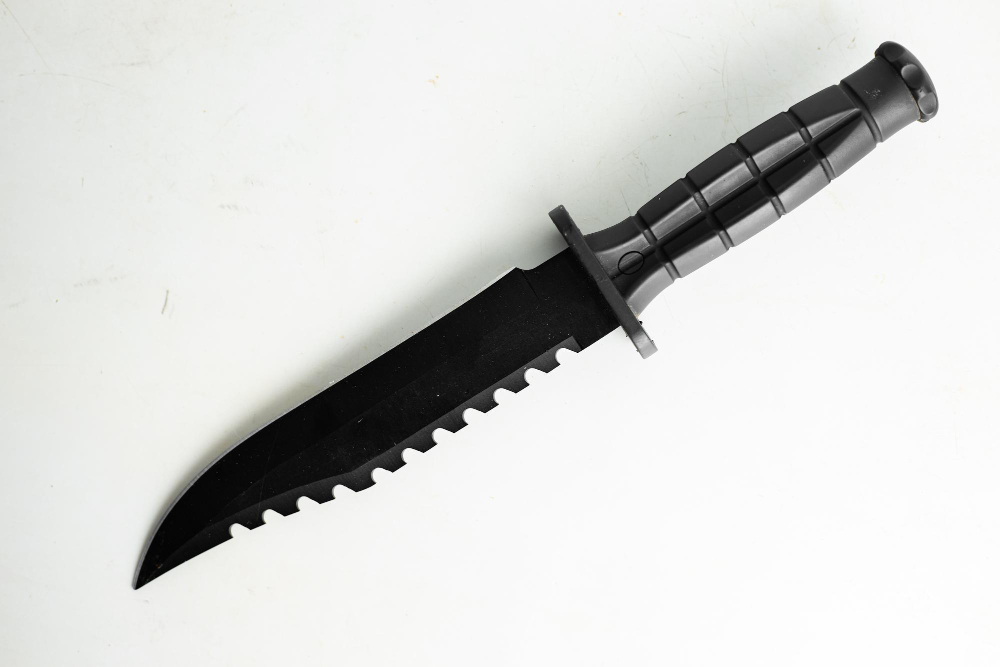
Under magnification an edge has irregularities along its length, and moving it sideways drags those across the material like a very fine saw.
The edge is doing more than dividing. Micro-serration is why lateral movement helps so much.
7. And Because the Effective Angle Changes
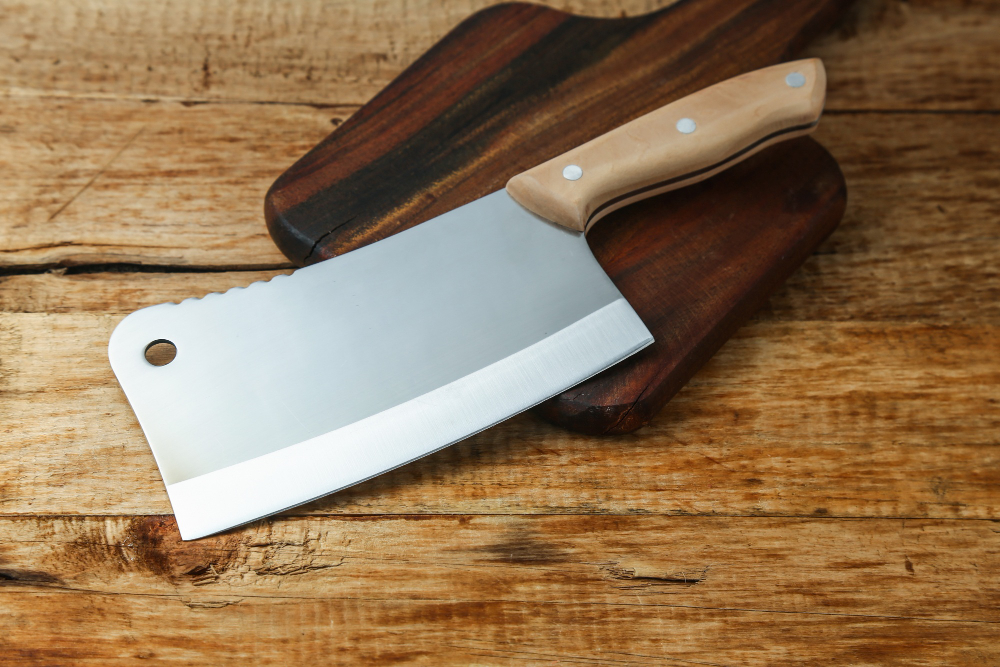
Presenting an edge obliquely to the material means the material encounters a longer shallower slope than the actual angle of the blade.
The geometry improves without the blade changing. Effective angle reduction is the second half of why slicing works.
8. Serrations Concentrate Force at Points
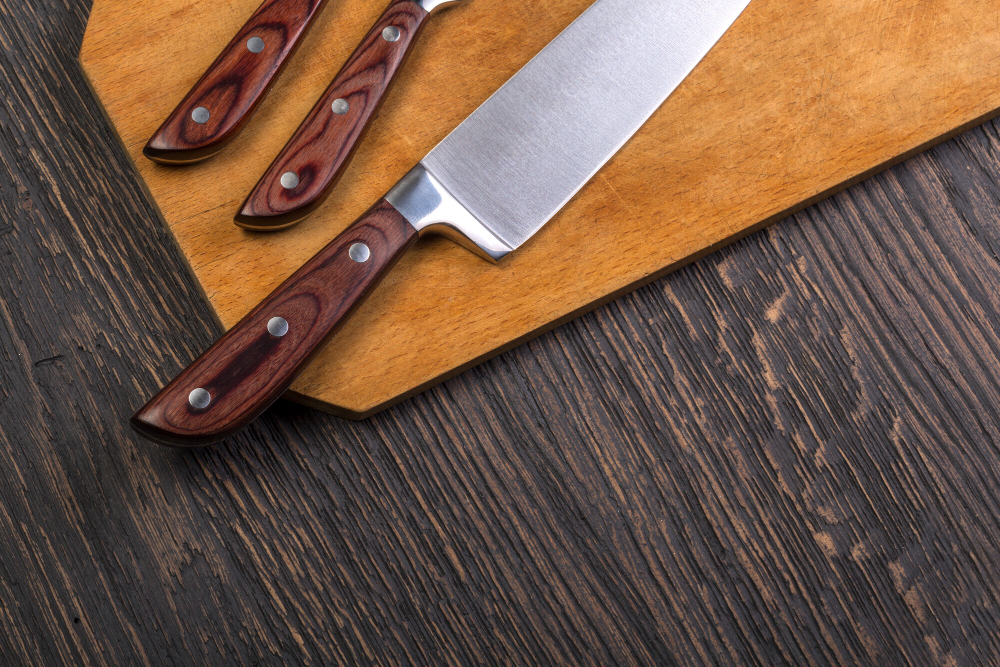
A serrated edge contacts the material at a small number of points rather than along a line, which raises the pressure at each one enormously.
The same force cuts where a straight edge would slide. Point loading is why serrations start cuts that smooth edges cannot.
9. And They Grip Fibrous Material
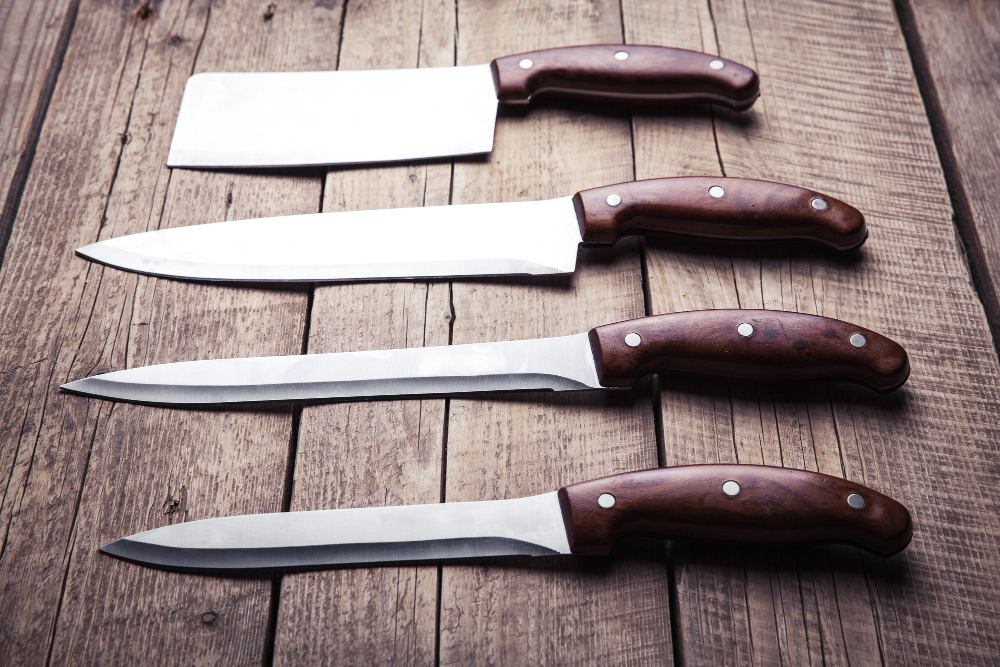
The teeth catch on fibres and skin rather than sliding across, which is why serrated edges suit bread, rope and anything with a tough exterior and a soft interior.
A smooth edge slips off the same surface. Surface grip is the second function of serration.
10. Scissors Do Not Use a Wedge at All
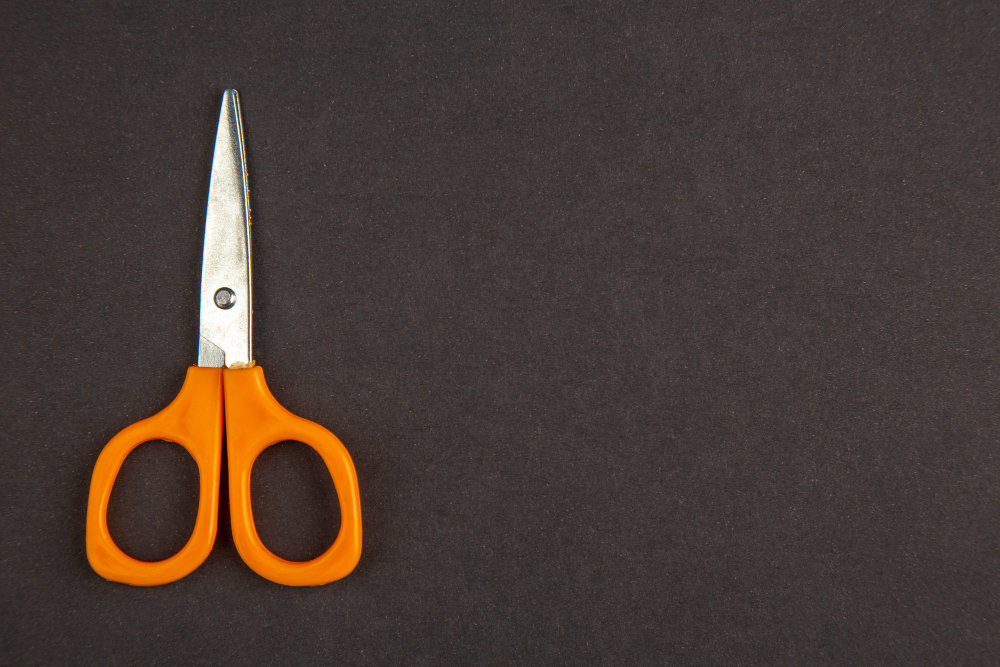
Two blades passing each other cut by shearing the material between them, which requires no sharp point and works by the material being unable to escape in either direction.
It is a different mechanism entirely. Shear cutting is why scissor blades are not sharp in the way a knife is.
11. And the Cutting Point Travels
The blades of scissors meet at a point that moves outward along their length as they close, which is why a long cut happens progressively rather than all at once.
That travelling contact is deliberate geometry. Moving shear point is what makes scissors work along their length.
12. Harder Edges Last Longer and Chip More
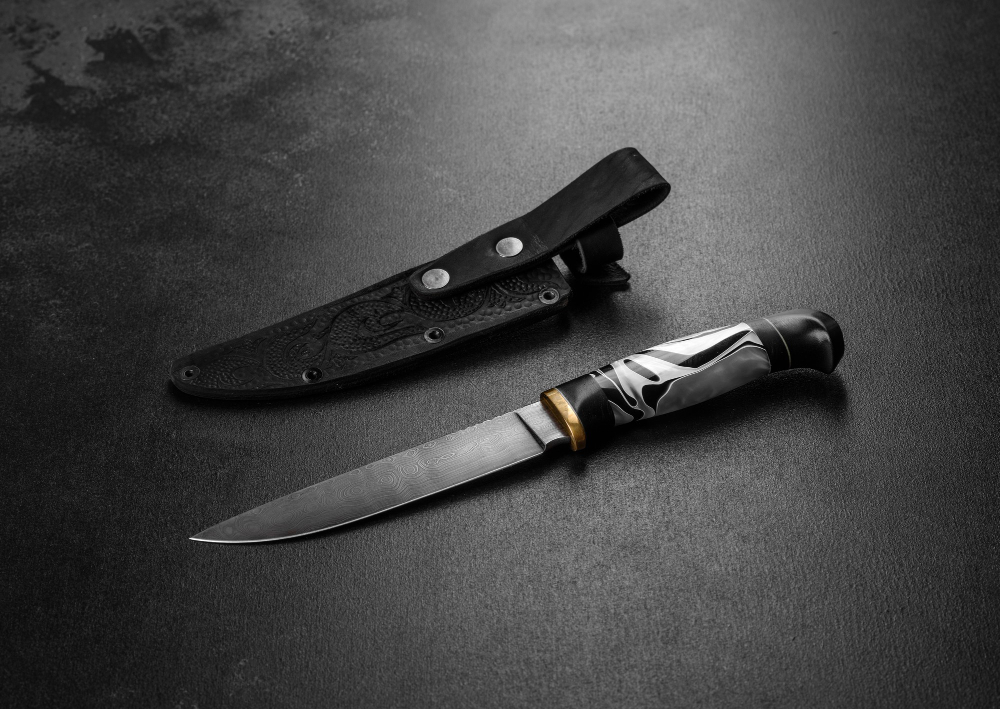
Blade material can be made harder, which resists deformation and holds an edge, at the cost of becoming brittle and liable to chip rather than bend.
It is the same trade as the angle in a different form. Hardness balance is the metallurgical version of the wedge compromise.
13. An Edge Rolls Before It Wears
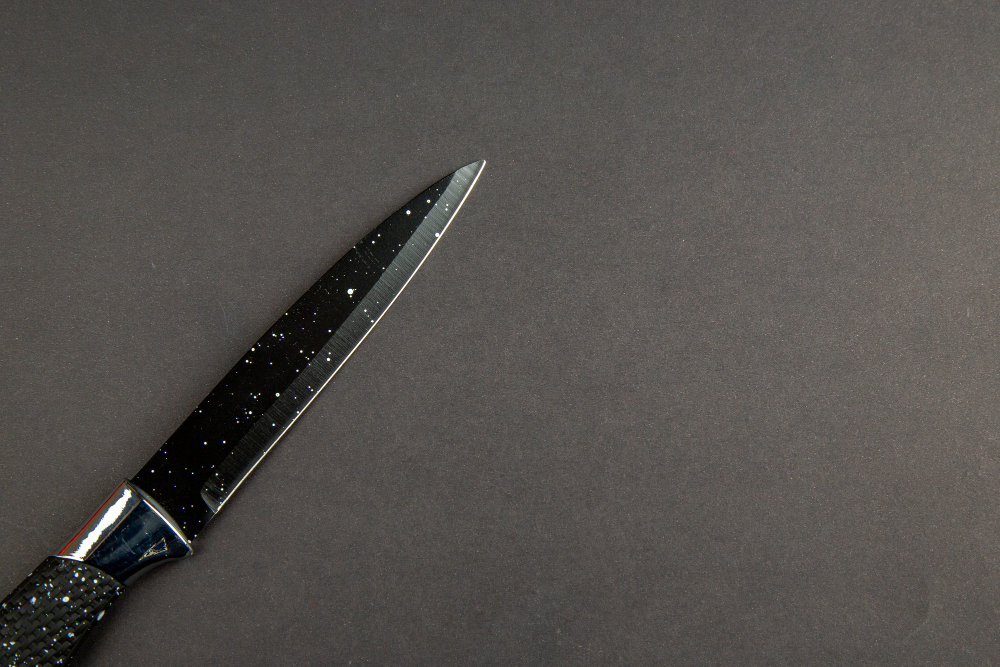
Much apparent bluntness is the apex bent over to one side rather than removed, which is why a light realignment restores performance without removing any material.
Nothing has been lost at that stage. Edge rolling is a reversible condition mistaken for wear.
14. Sharpening Is Making a New Edge
Once the apex is truly damaged, restoring it means removing material from both faces until they meet at a fresh narrow apex, which shortens the blade fractionally each time.
It is subtractive rather than restorative. Material removal is why sharpening consumes a tool over its life.
15. What You Cut On Matters As Much
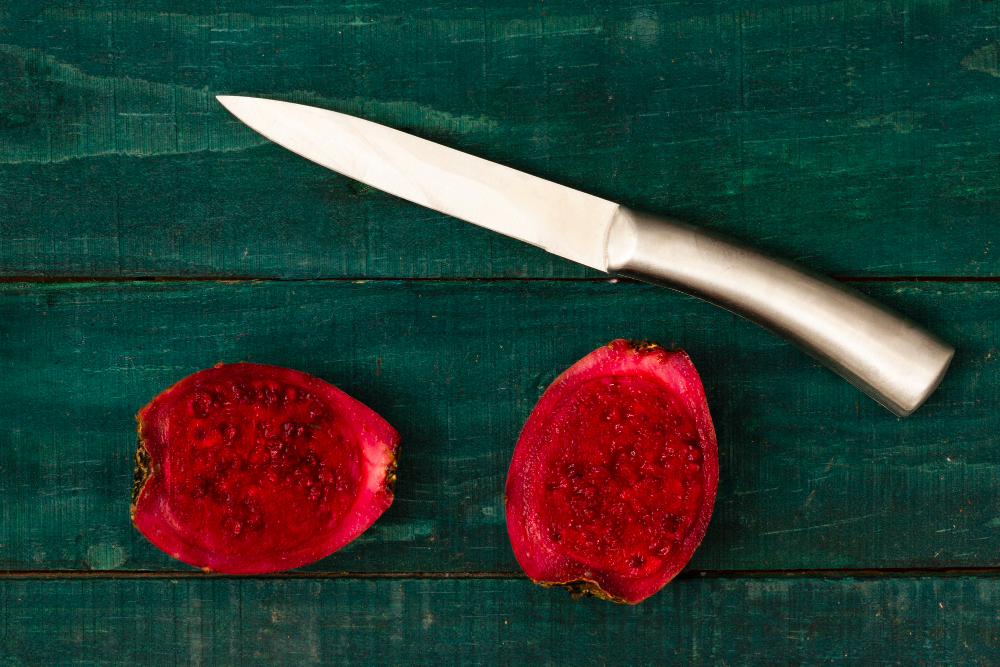
A surface harder than the blade damages the apex on every stroke, which is why cutting on stone, glass or metal destroys an edge far faster than the cutting itself does.
The damage happens at the end of each cut. Contact surface is the most common cause of rapid dulling.
16. The Material Has to Be Held
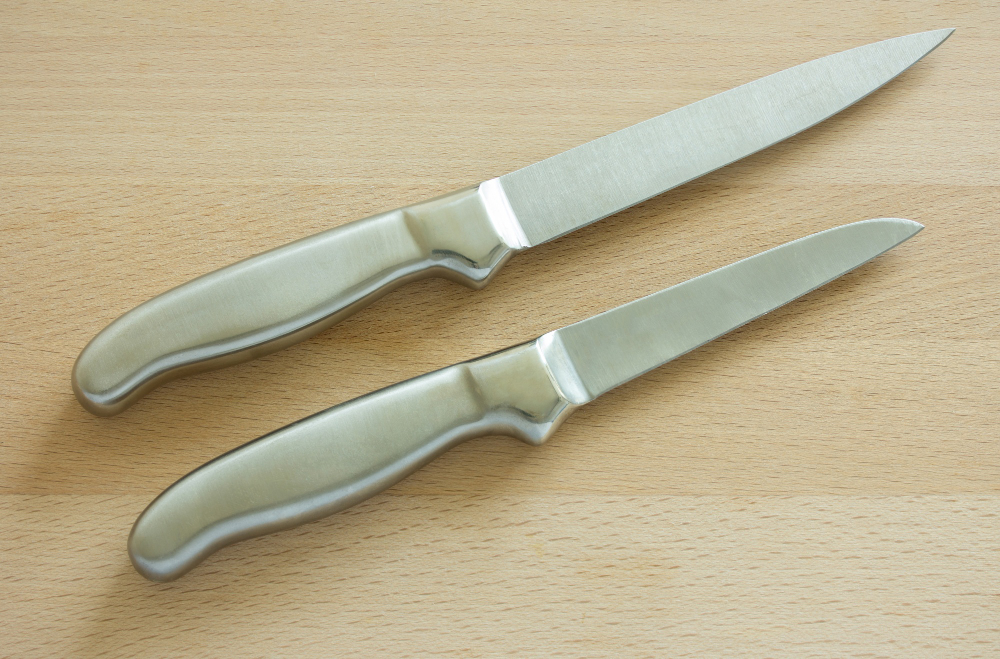
Cutting requires the material to resist rather than move away, which is why unsupported, soft or slippery things are hard to cut regardless of the blade.
Half the problem is the workpiece. Material restraint is the requirement that has nothing to do with the edge at all.
Pressure, Not Force
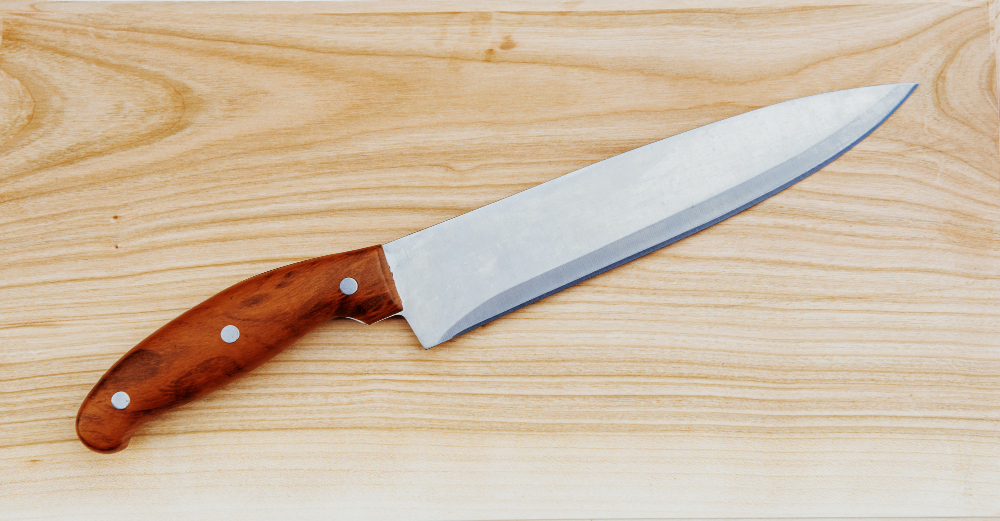
A very narrow apex, a wedge angle chosen against the material, a lateral motion that halves the effort, and a set of trades between cutting well and lasting.
The fifth item is the one worth acting on. Almost nobody presses straight down deliberately, and almost everybody presses harder than they need to – and drawing the blade along at the same time reduces the required force by more than any other change available.
Like our content? Follow us for more.