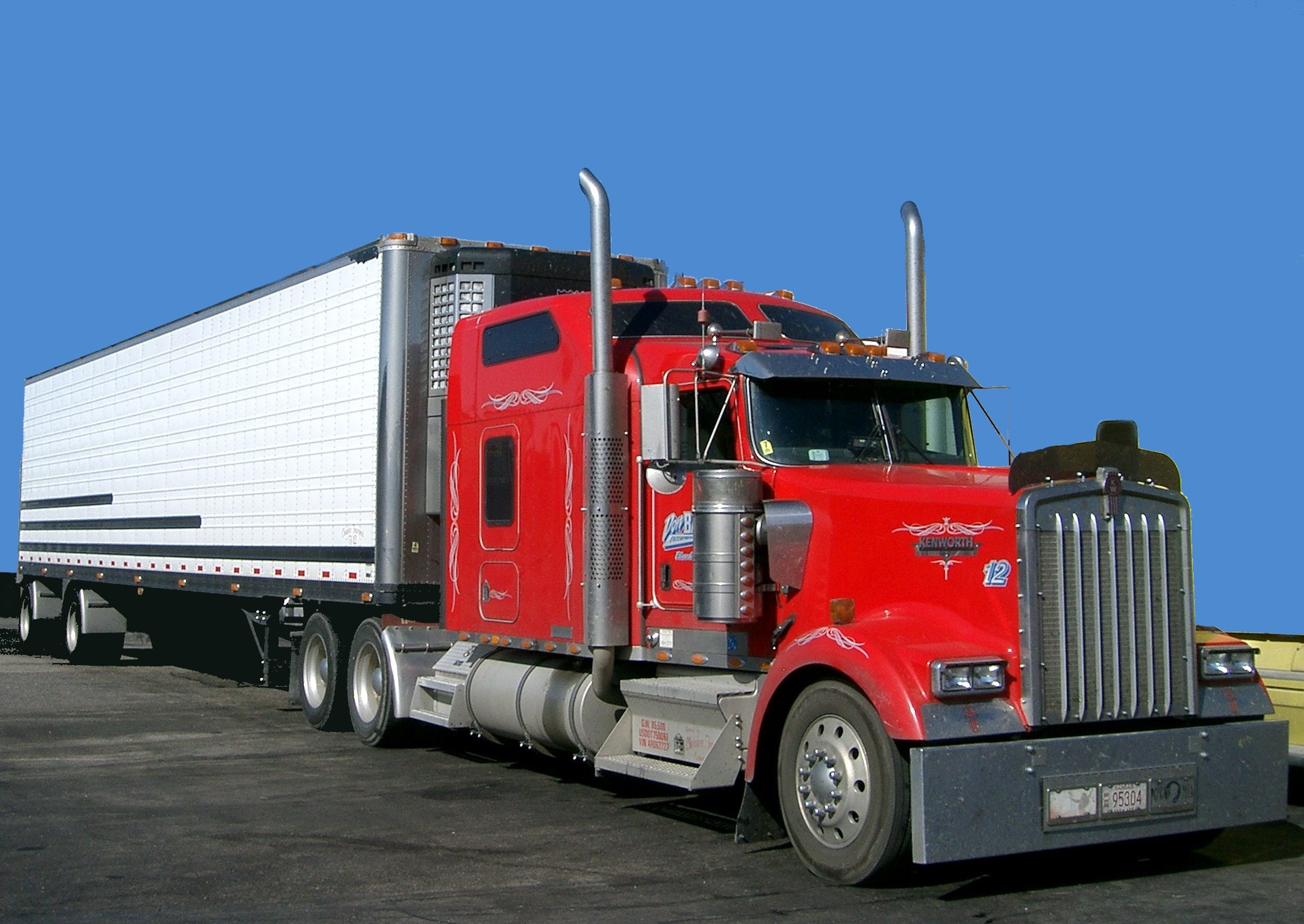
Long-haul trucking in 1975 was at a peculiar high point. The interstate system was essentially complete, freight was moving by road in volumes it never had before, and the driver had a cultural standing – the last American working man operating alone, answerable to nobody between loading and delivery.
The reality underneath was an industry running on a payment structure that rewarded exactly the behaviour its rules prohibited, with enforcement that was geographically patchy and evidentially hopeless.
Here are fifteen things every American long-haul trucker did in 1975. Eight of them would now end a career.
1. He Kept His Own Logbook and Everybody Knew What That Meant
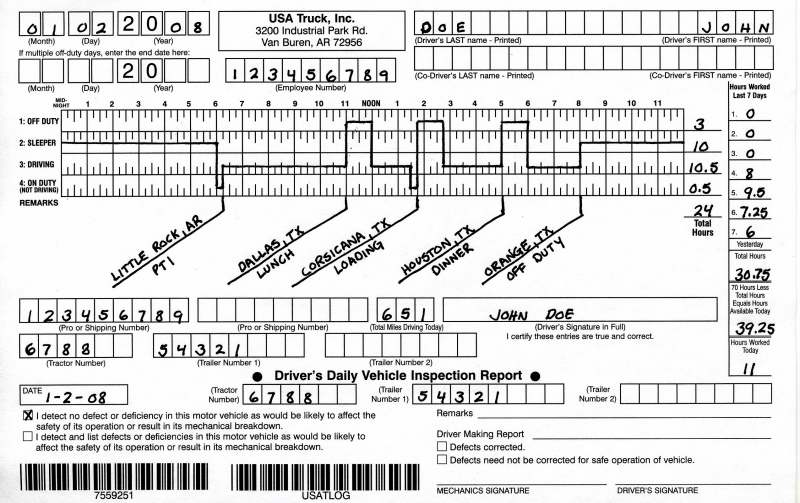
Hours of service were recorded by hand in a paper log the driver completed himself. There was no independent record of when the engine was running, where the vehicle was, or how fast it had been going.
The book recorded what the driver needed it to record, the practice was universal, and the standing joke in the industry was a name for the book that acknowledged it was fiction. Electronic logging devices connected to the engine are now mandatory on American commercial vehicles, hours are recorded automatically, and falsifying them is not practically possible in the way it was.
Like our content? Follow us for more.
2. He Was Paid by the Mile, Which Made Resting Expensive
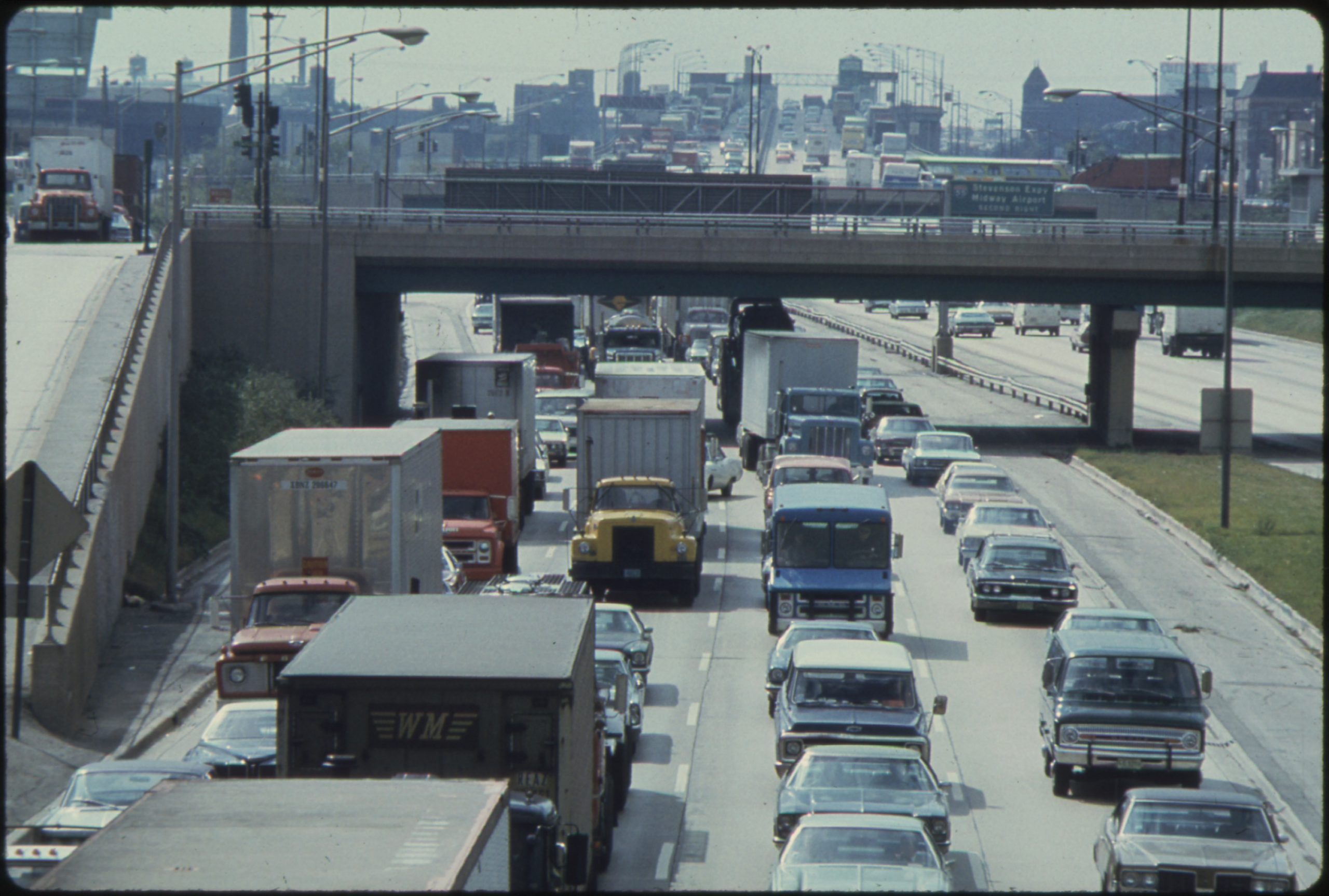
The dominant pay structure was per mile driven. Loading, unloading, waiting at a dock, sitting in traffic, breaking down and sleeping all paid nothing.
This is the item that explains most of the others. A system that pays only for motion creates a direct financial penalty for every hour of rest and a direct reward for exceeding the limit, and the rules were being asked to hold against the economics rather than alongside them. Mileage pay remains common in American trucking and the tension it creates is still argued about.
3. The Stimulants Were an Open Secret

Amphetamine use among long-haul drivers was widespread, understood throughout the industry, and discussed openly enough to appear in the popular culture of the period.
Nobody was being tested and no mechanism existed to detect it. Mandatory drug and alcohol testing of American commercial drivers – pre-employment, random, post-accident and on reasonable suspicion – now applies across the industry, with results reported to a national clearinghouse, and a positive test removes a driver from safety-sensitive work.
4. The CB Radio Was a Police Detection Network

Citizens band radio was in nearly every cab and its primary practical function was warning other drivers of speed enforcement ahead, in a developed slang with codes for locations, enforcement types and conditions.
It was also genuinely useful for breakdowns, directions, weather and company on a long night. The enforcement-avoidance function is the one that mattered commercially, and it existed because the national speed limit introduced during the fuel crisis was almost universally disregarded by an industry paid by the mile.
5. He Did Not Wear a Seatbelt
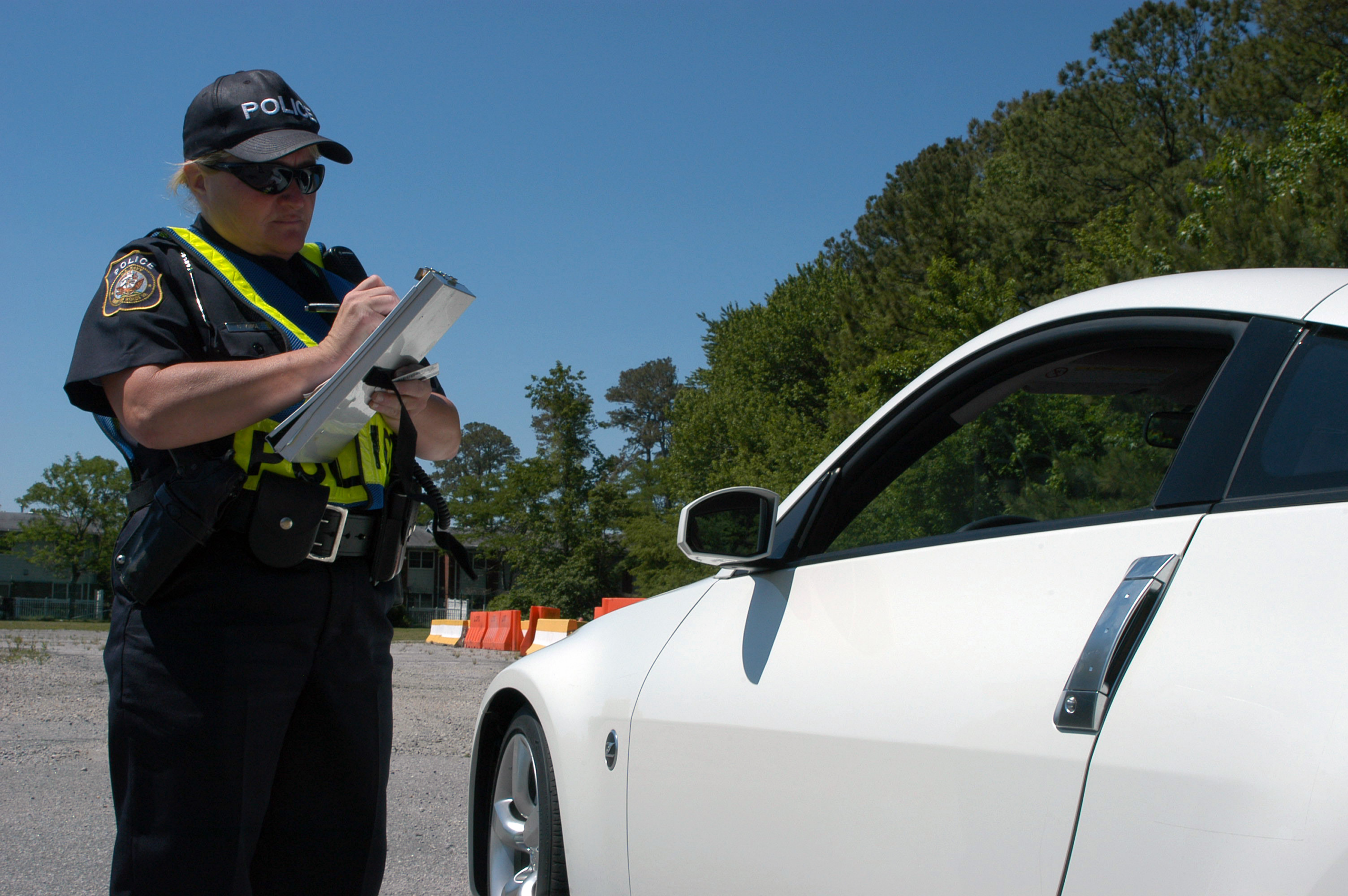
Belt use among American commercial drivers in the period was very low. The common objections were that a belt impeded movement in a cab, that a driver was safer being thrown clear, and simple habit.
Being thrown clear of a heavy vehicle in a collision is not a survivable strategy and was not then either. Seatbelt use by American commercial drivers is now required by federal regulation, is checked at roadside inspections and in post-accident investigation, and non-use is a violation recorded against both driver and carrier.
6. Nobody Had Inspected the Vehicle in Any Meaningful Way
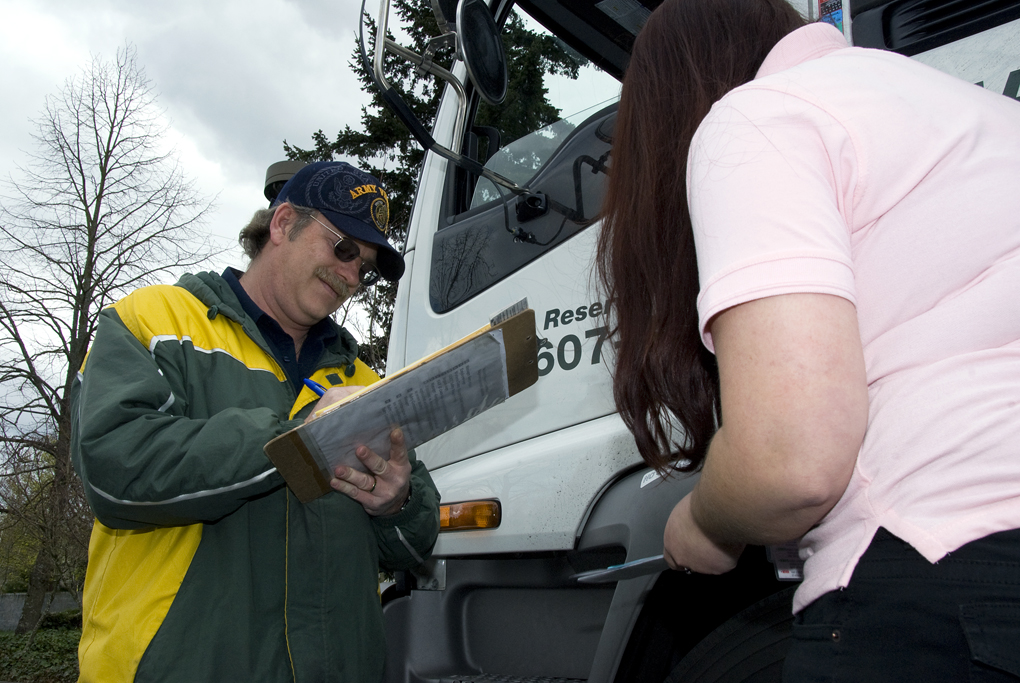
Pre-trip inspection was a requirement and was largely a formality. Brake adjustment, tyre condition, lights and coupling were the driver’s responsibility and were checked as thoroughly as time and payment allowed – which, given mileage pay, was not very.
Brake defects in particular were a recognised and lethal problem. Roadside inspection programmes now place American commercial vehicles out of service on the spot for defined defects, inspection results attach to the carrier’s safety record, and a pattern of them brings intervention.
7. The Weigh Stations Were Avoidable
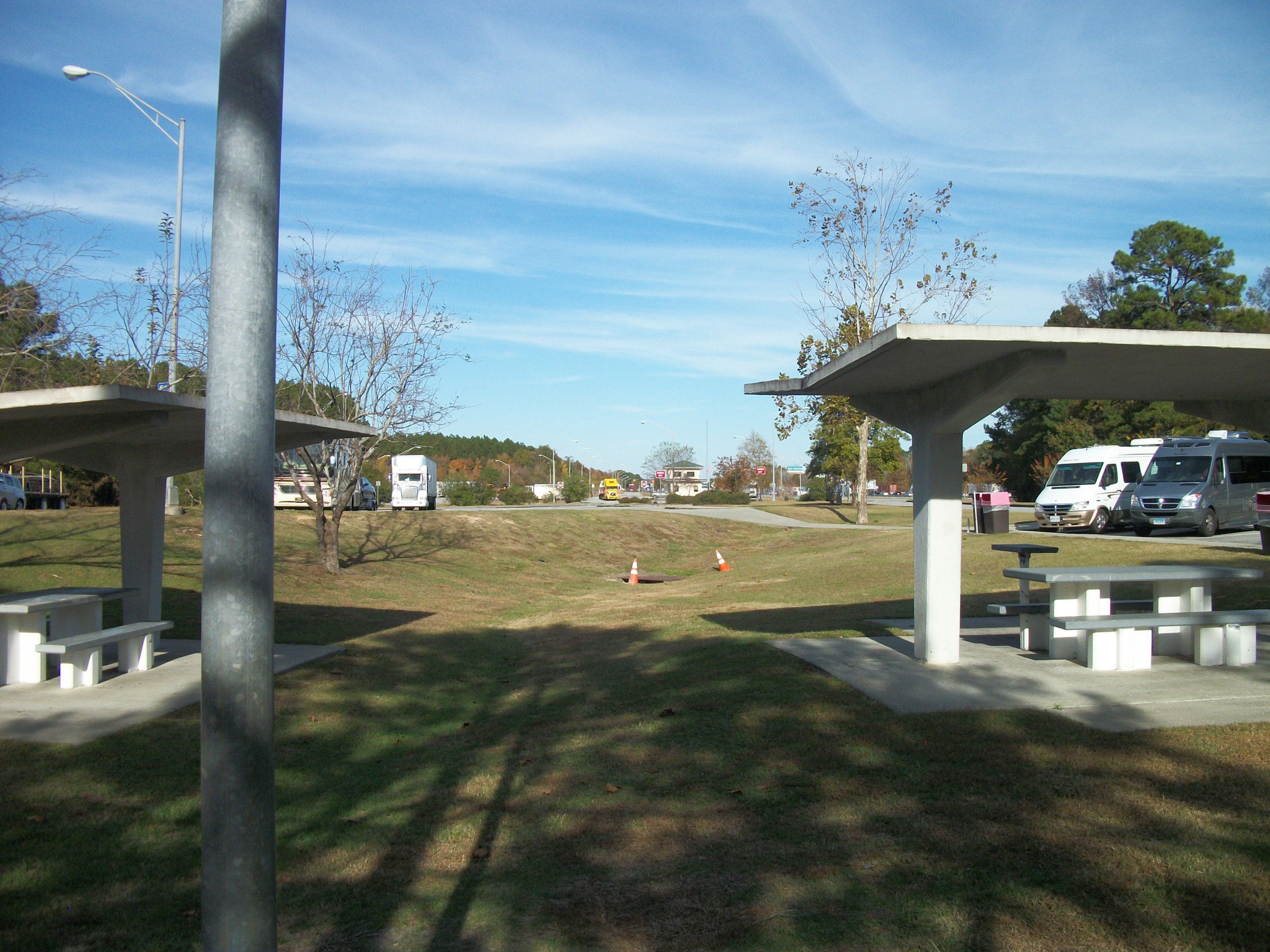
Weight limits were enforced at fixed scale houses on main routes, which could be bypassed by leaving the highway and rejoining beyond them. Route knowledge of which scales were open and how to get around them was a professional skill.
Overloading damages road surfaces, lengthens stopping distances and was commercially tempting. Weigh-in-motion sensors, automated bypass systems tied to carrier safety scores, portable enforcement and electronic records have made the fixed-scale evasion of the period substantially obsolete.
8. The Cab Had No Air Conditioning and the Sleeper Was a Shelf
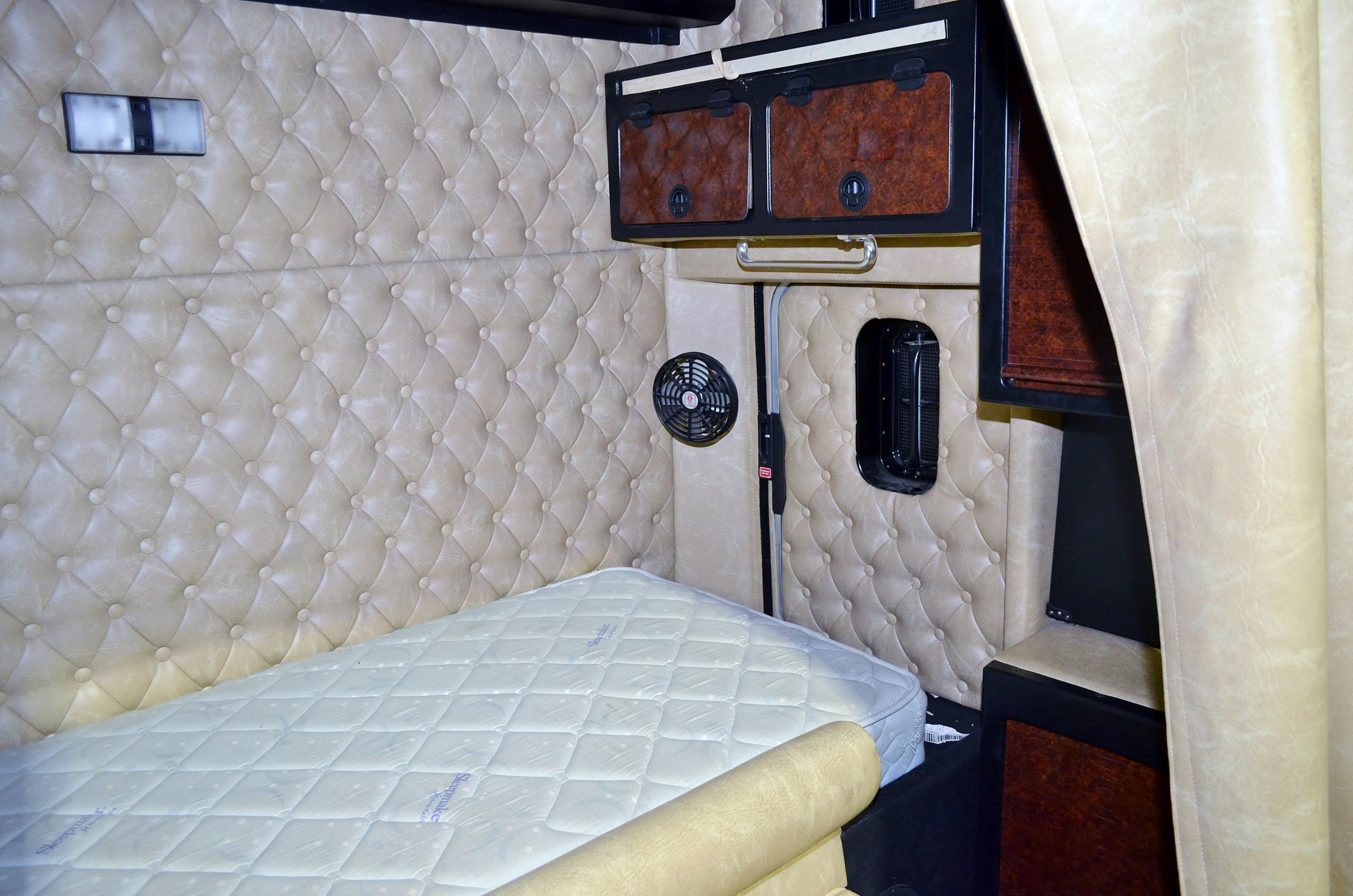
A great many tractors had no cooling beyond the windows, and the sleeper was a narrow compartment behind the seats with a thin mattress, no insulation from engine noise and no climate control.
Drivers idled engines all night in summer for ventilation and in winter for heat, which was noisy, expensive and filthy. Modern sleeper cabs are a different category of accommodation, and anti-idling requirements plus auxiliary power units have ended the all-night engine.
9. He Loaded and Unloaded a Great Deal of It Himself
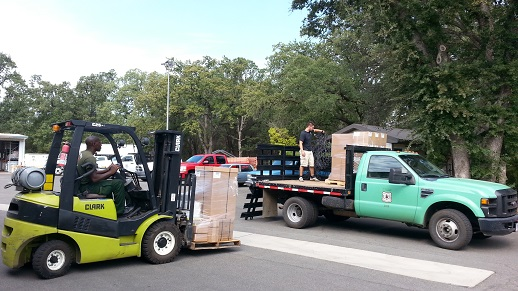
Freight was frequently hand-loaded and hand-unloaded by the driver, unpaid, at both ends, which could take hours per stop.
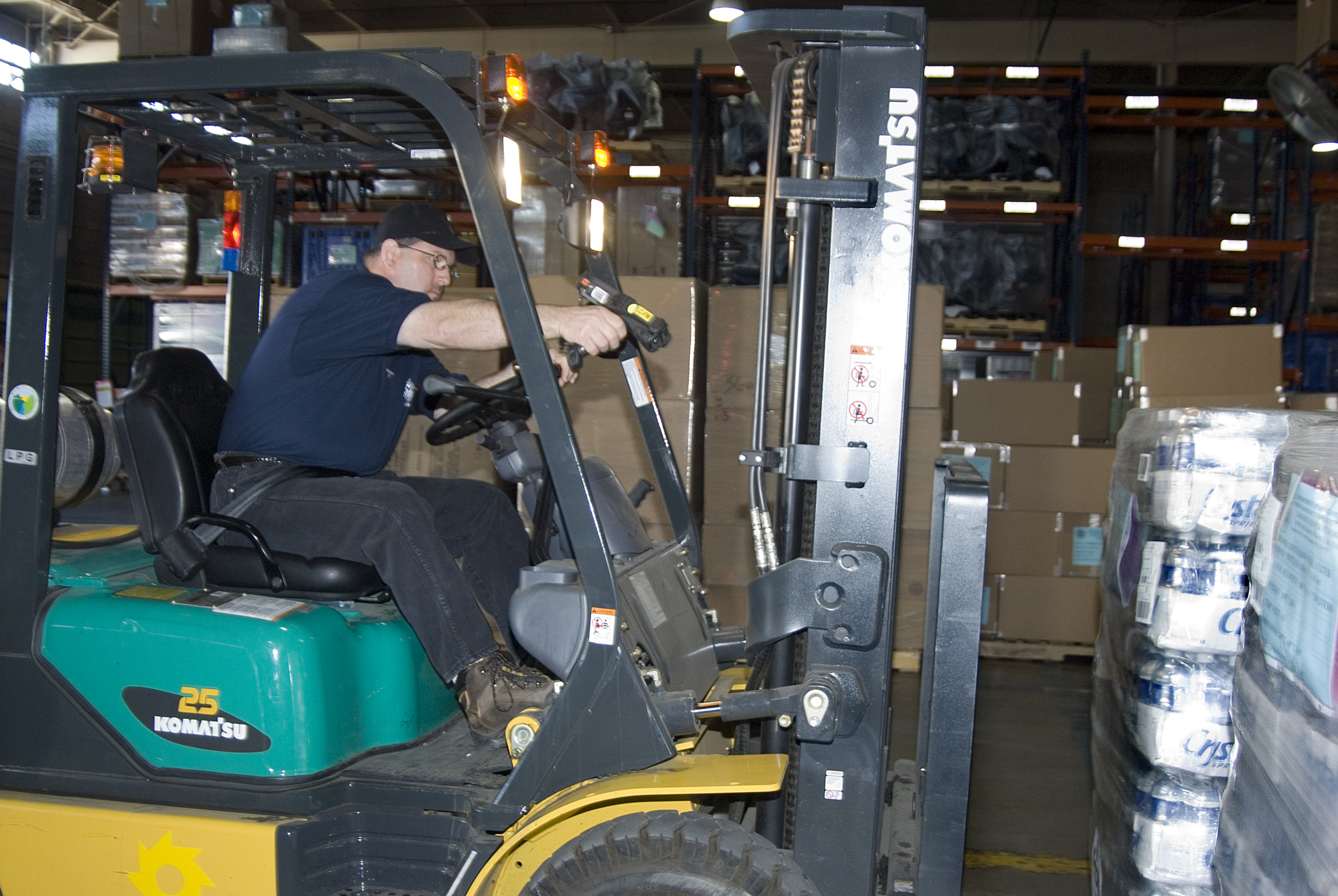
Palletisation and mechanical handling were spreading but far from universal. The unpaid labour at the dock is the oldest grievance in the trade and has never been fully resolved, though the physical burden has largely transferred to forklifts.
10. There Was No Way to Reach Him
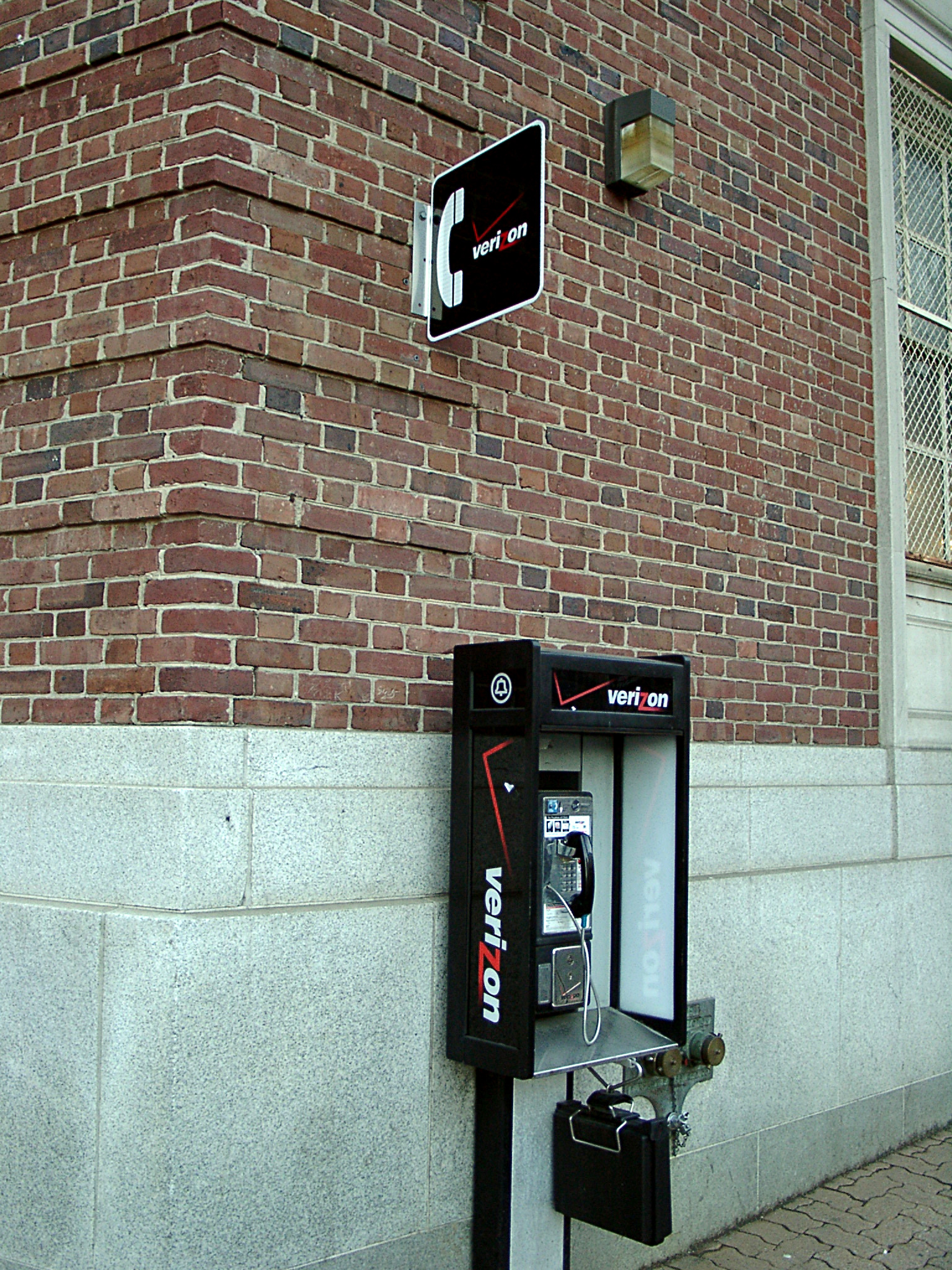
Once a driver left, contact was by payphone at his discretion. A dispatcher learned where a load was when the driver chose to call in, and a driver who did not want to be found was not found.
The autonomy was genuine and it is the single thing former drivers of that era describe most warmly. Satellite tracking, electronic logging and the mobile telephone have removed it completely, and the modern driver is the most continuously monitored worker in American freight.
11. The Training Was Watching Somebody Else Do It

Entry to the trade was informal. A man learned on the job, from a relative or a willing driver, obtained a licence under a system that varied enormously between states, and could in practice hold licences in more than one state at once.
That last point was the serious problem: a driver disqualified in one state could simply use a licence from another. The commercial driver licensing system introduced in the United States in the late nineteen-eighties established a single national standard, one licence per driver, and a federal record that follows the driver across state lines – which is the single most consequential safety reform in the industry’s history.
12. Hours Rules Existed and Were Routinely Exceeded
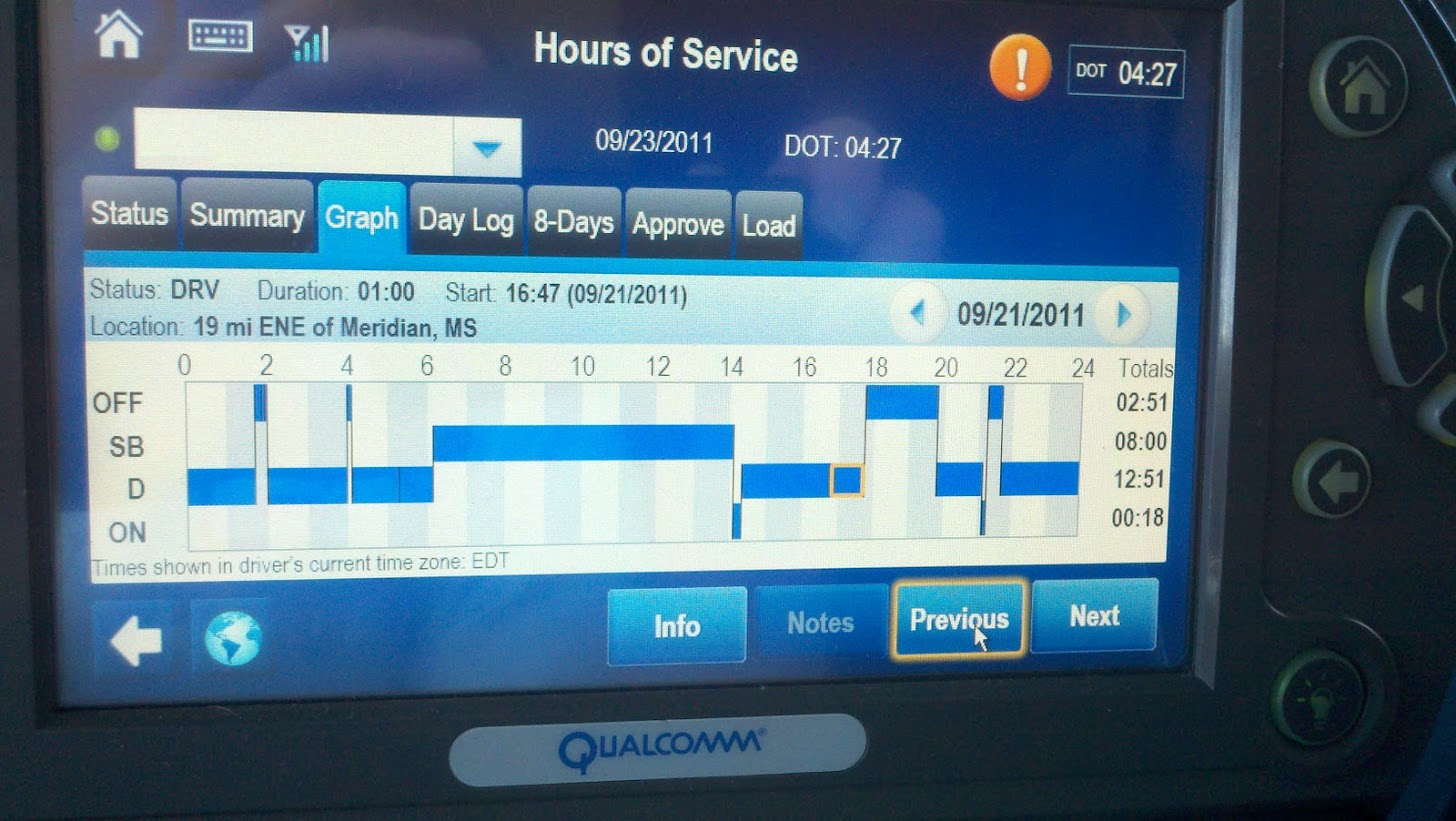
There were limits on driving and on-duty time, and they were exceeded as a matter of course, because the log that recorded compliance was the same document the driver wrote himself.
Fatigue was the central safety problem of the industry and everybody involved knew it. The hours framework has been substantially revised, is now enforced through automatic recording, and includes mandatory rest provisions that cannot be written around.
13. The Truck Stop Was a Town He Belonged To
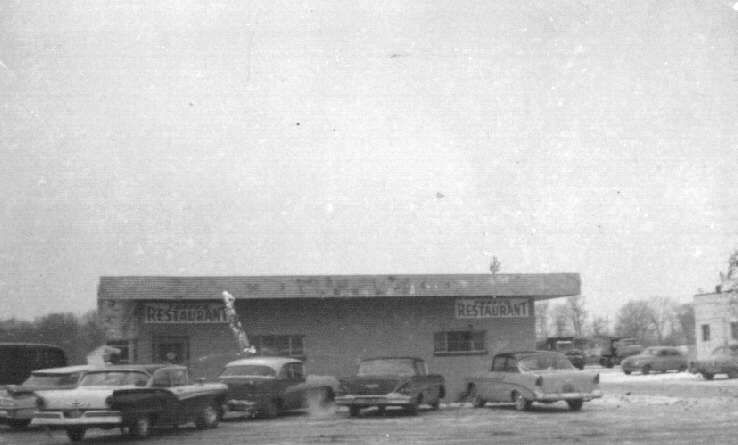
Showers, laundry, a counter with drivers’ seating, a bunk room, a chapel in some places, a board of handwritten notes and a phone bank – the facilities existed because the people using them had nowhere else.
This remains the part of the culture with the strongest hold on people who lived in it. Consolidation, chain ownership and the mobile telephone have changed what a stop is for, and the drivers’ room with a counter and a board is largely gone.
14. Owner-Operators Bought Their Own Rigs and Carried the Risk
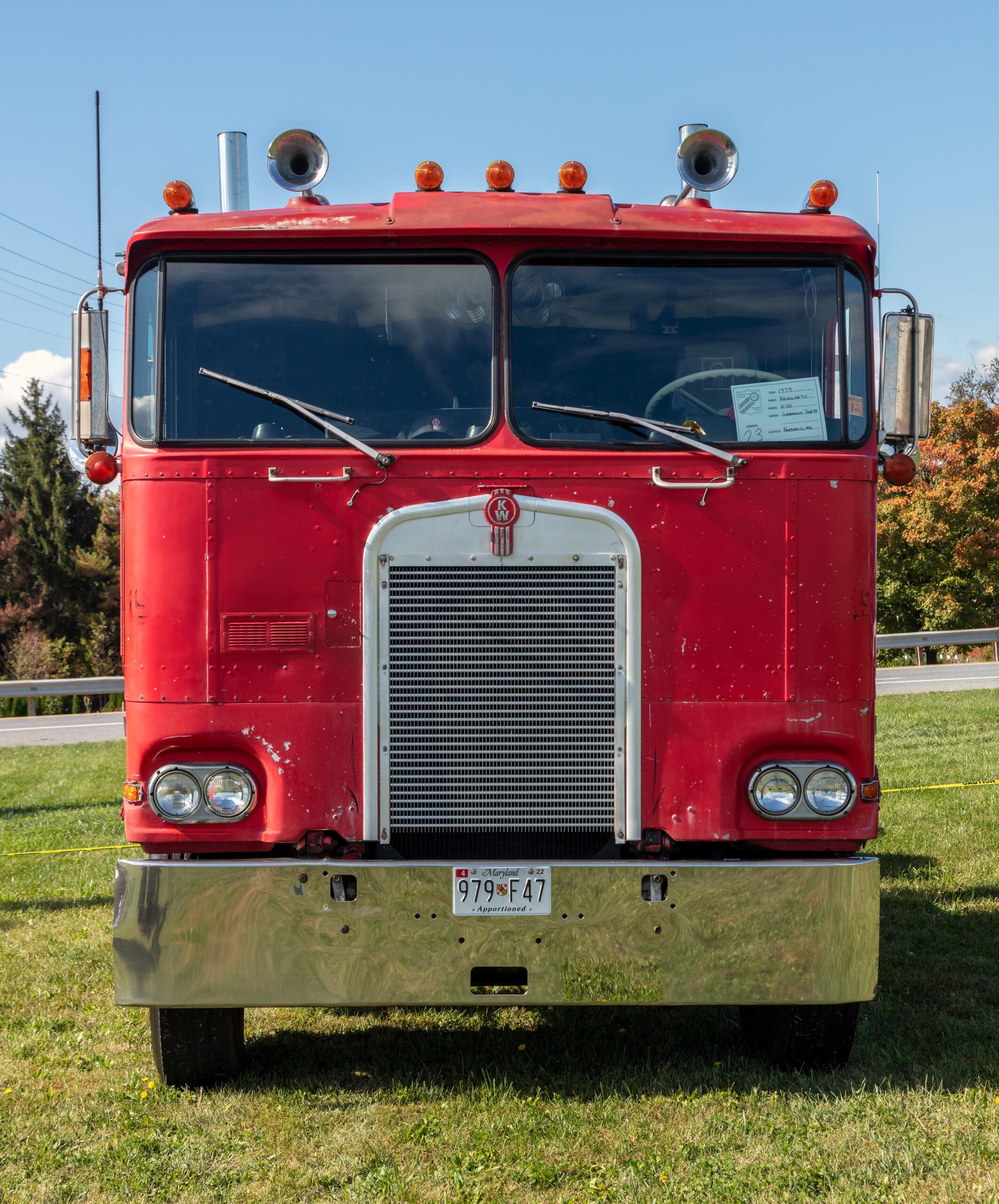
A substantial part of the industry was individuals who owned their tractor, financed it, maintained it, and hauled under contract to carriers – bearing the cost of fuel, repairs, insurance and empty running themselves.
It was independence and it was exposure, and when fuel prices moved or freight rates fell the owner-operator absorbed it. The arrangement survives and the same tension survives with it, which is why this part of American trucking has been in a continuous argument about classification and cost for fifty years.
15. And Then Deregulation, Electronics and Licensing Remade the Whole Thing
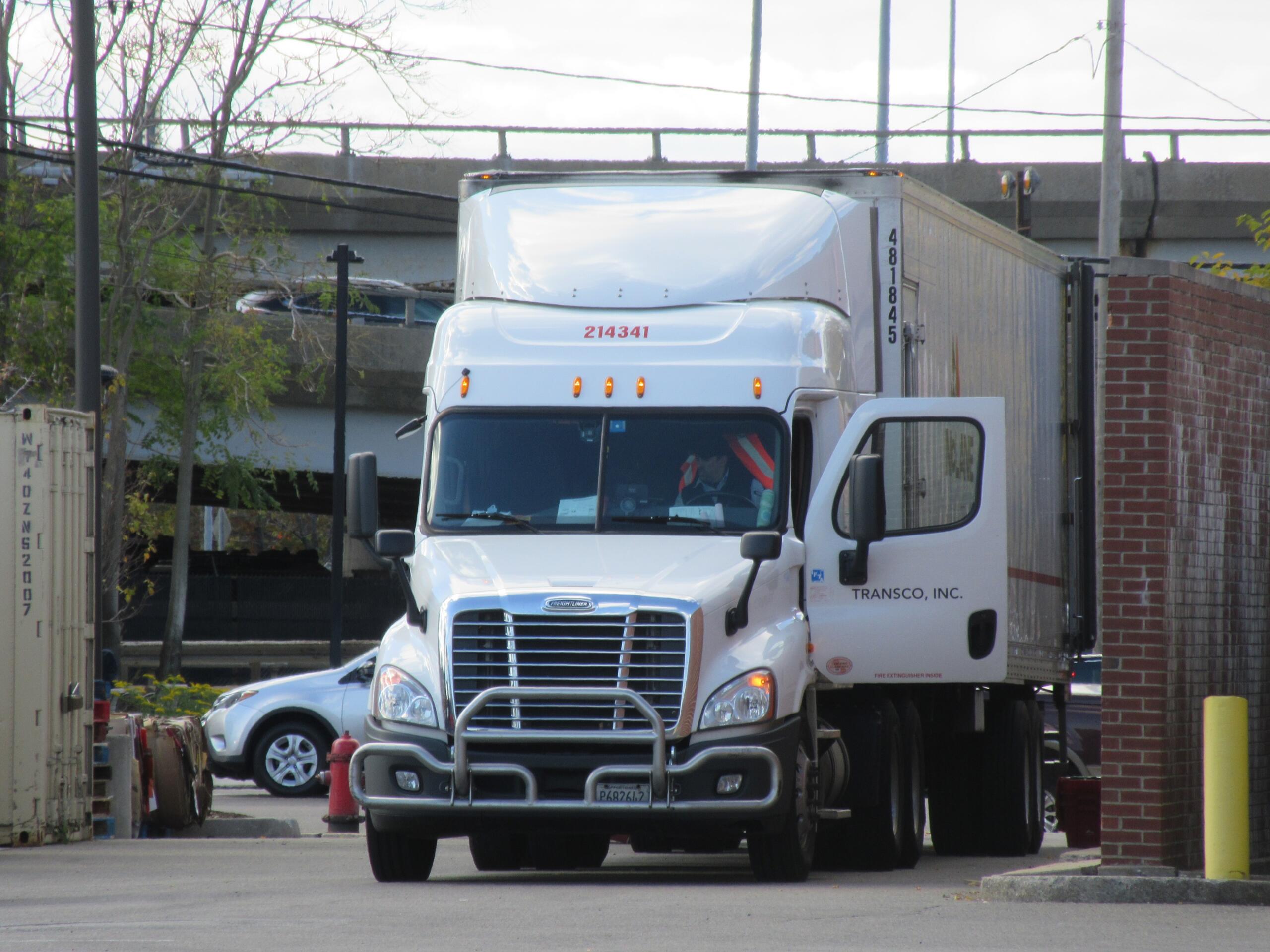
Three things arrived in sequence. Economic deregulation at the end of the nineteen-seventies removed route and rate controls, opened the industry to new entrants and drove rates down hard, which squeezed exactly the drivers who were already absorbing unpaid time. National commercial driver licensing in the late eighties ended the multiple-licence problem and imposed a common standard. And electronics – first satellite tracking, then engine data, then mandatory electronic logs – removed the information gap that every practice on this list had depended on.
The job is measurably safer, considerably better equipped, and comprehensively monitored, and the autonomy that defined it in 1975 is entirely gone. Whether the people doing it are better off is a question the industry is still arguing about, because the pay structure that caused most of the original problem is substantially still in place.
Why the Logbook Was the Whole Story
Eight of these would now end a career: a hand-written logbook, stimulant use, driving without a belt, skipping meaningful pre-trip inspection, evading weigh stations, exceeding hours, holding licences in multiple states, and the falsification that connected most of them.
Every one of those depended on a single structural fact: nobody could check. The log was the only record of hours, the driver wrote it, there was no engine data, no position record, no speed record and no national licence file. Enforcement could only see a vehicle at the moment it passed a fixed point.
Electronics closed that gap, and it closed it completely rather than gradually. Satellite tracking made position continuous, engine data made hours objective, and the national licensing system made a driver’s record follow them. The practices did not become more wrong – they became visible, which turned out to be the same thing operationally.
But the economics underneath never changed in the same way. Mileage pay still means that waiting, loading and resting are unpaid, and a system that pays only for motion will always push against rules that require stopping. That tension is why American trucking remains in a permanent argument about hours, pay and detention time, and it is the one item on this list that 1975 would recognise completely.
Former drivers describe the same things: being genuinely alone for days, answering to nobody between the loading dock and the delivery, knowing the country in a way almost nobody does, and a radio full of voices at three in the morning.
That autonomy was real and it is gone, and the people who had it are right to miss it. It also existed because nobody could see what they were doing – which is the same reason the hours were exceeded, the logbook was fiction and the stimulants were in the glovebox. The freedom and the danger were the same gap in the system, and closing it took both.
Like our content? Follow us for more.