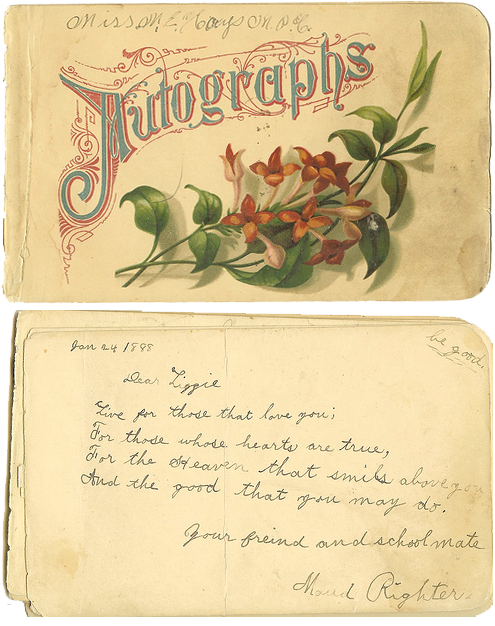
In 1964 an American schoolchild owned a small blank bound book and carried it around, handing it to classmates, teachers, relatives and people met once on a visit.
Almost nobody wrote an original sentiment. They wrote from a large shared stock of short rhyming verses that circulated among schoolchildren for generations – with graded formulas for every social position, including deliberately insipid ones for people you barely knew and a recognised category of ambiguous ones for anybody you were interested in.
Entries were signed, dated, frequently placed, and written in everybody’s best hand. Where on the page you were asked to write was a signal everybody understood. Here are fifteen things every schoolgirl knew.
1. Everybody Had One and It Was Passed Around
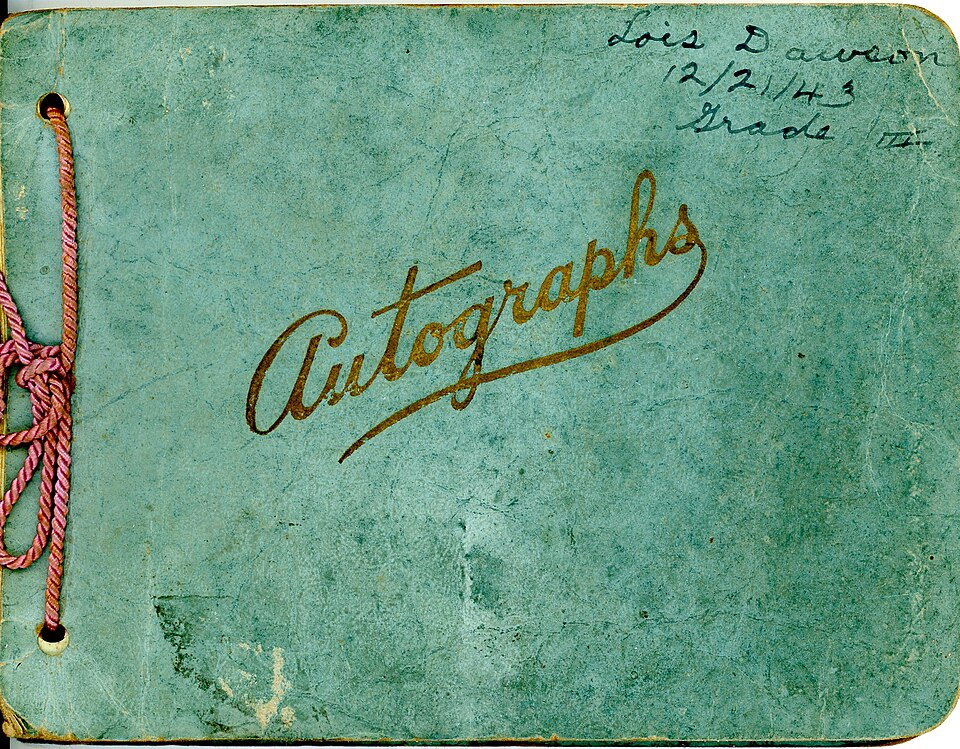
An autograph book was a small bound volume with blank pages, owned by a schoolgirl or schoolboy, handed to classmates, teachers, relatives and friends to write in – and then kept.
Yearbook signing survives in American schools as an end-of-year ritual, and the standalone autograph book owned and carried year-round has essentially gone.
The crucial difference from a yearbook is ownership of the blank page. A yearbook is a published object you add to the margins of; an autograph book is empty, so the entire content is whatever people chose to put in it – which makes it a document created entirely by a person’s social circle.
Like our content? Follow us for more.
2. The Verses Were a Fixed Folk Repertoire
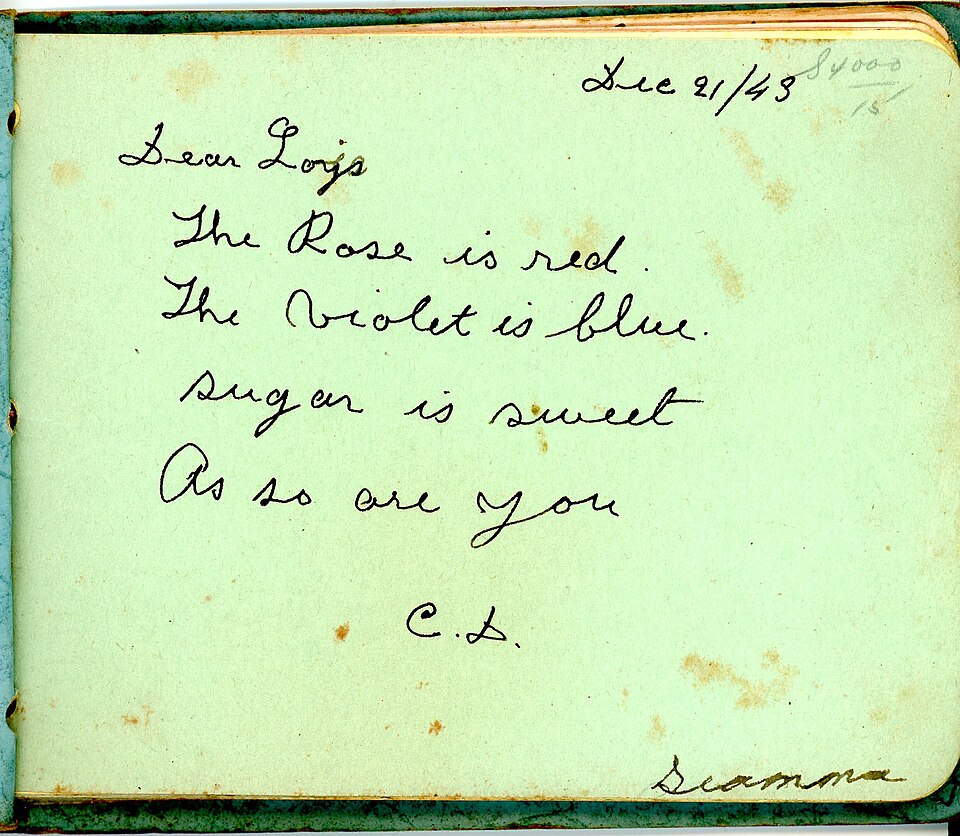
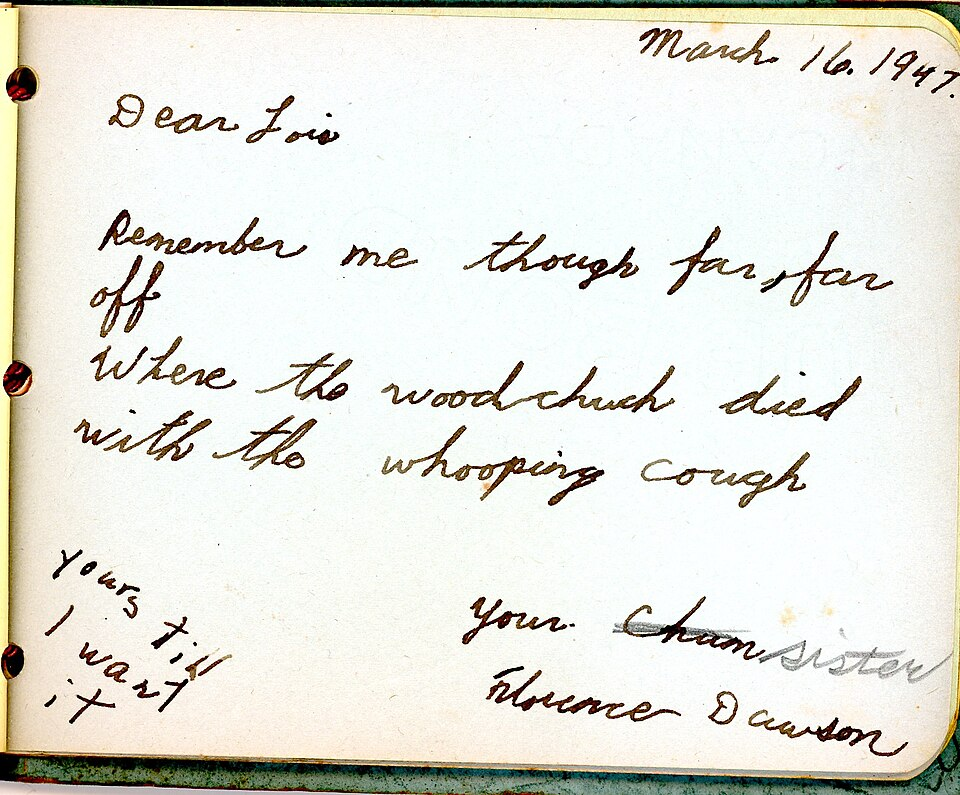
People did not write original sentiments. They wrote from a large shared stock of short rhyming verses that circulated among schoolchildren for generations – inscription formulas known to everybody, chosen to suit the relationship.
Almost entirely gone, with modern yearbook signing producing personal messages, in-jokes and contact details rather than traditional verses.
That repertoire is the genuinely interesting part and it makes the autograph book a folklore document rather than a personal one. Children were reciting inherited formulas they had learned from other children, in writing, which is an unusual and well-studied case of oral tradition being recorded by its own participants.
3. There Were Verses for Every Social Position
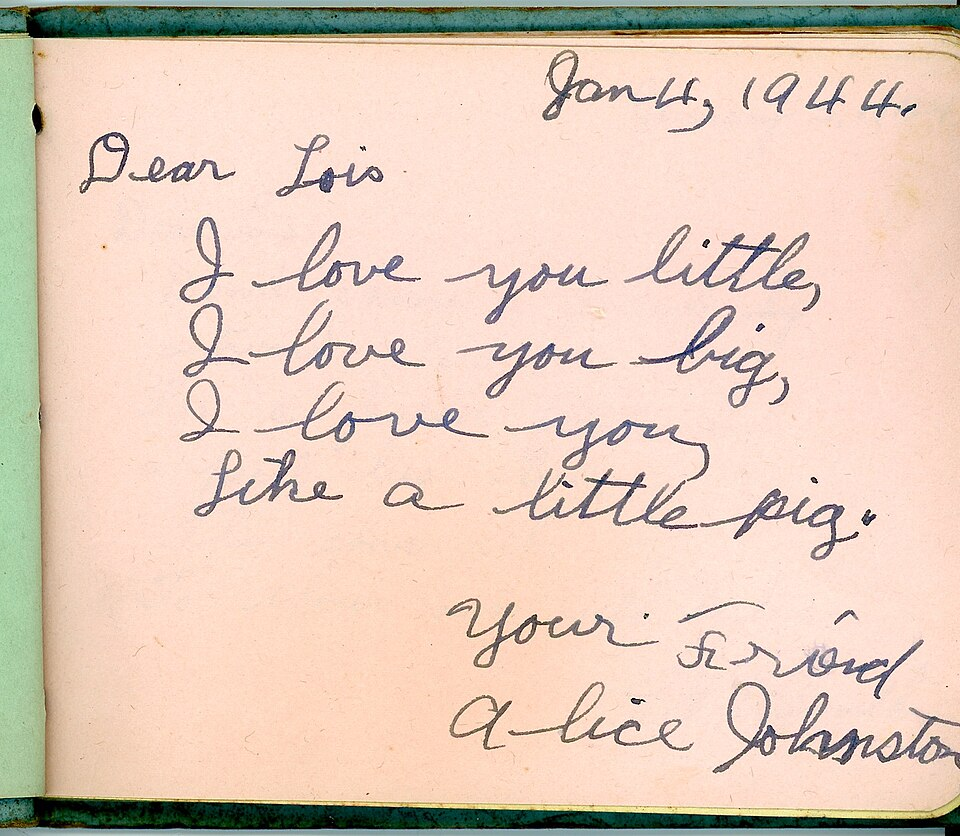
The stock included formal verses for teachers, affectionate ones for close friends, teasing ones for siblings, deliberately insipid ones for people you barely knew, and a recognised category of ambiguous ones for anybody you were interested in.
Not applicable.
Having a graded repertoire solved a real problem. Being handed a blank page by somebody you have no particular feelings about is socially awkward, and a known neutral verse lets you discharge the obligation without either rudeness or false warmth – which is exactly why the formulas persisted.
4. The Position of Your Entry Mattered
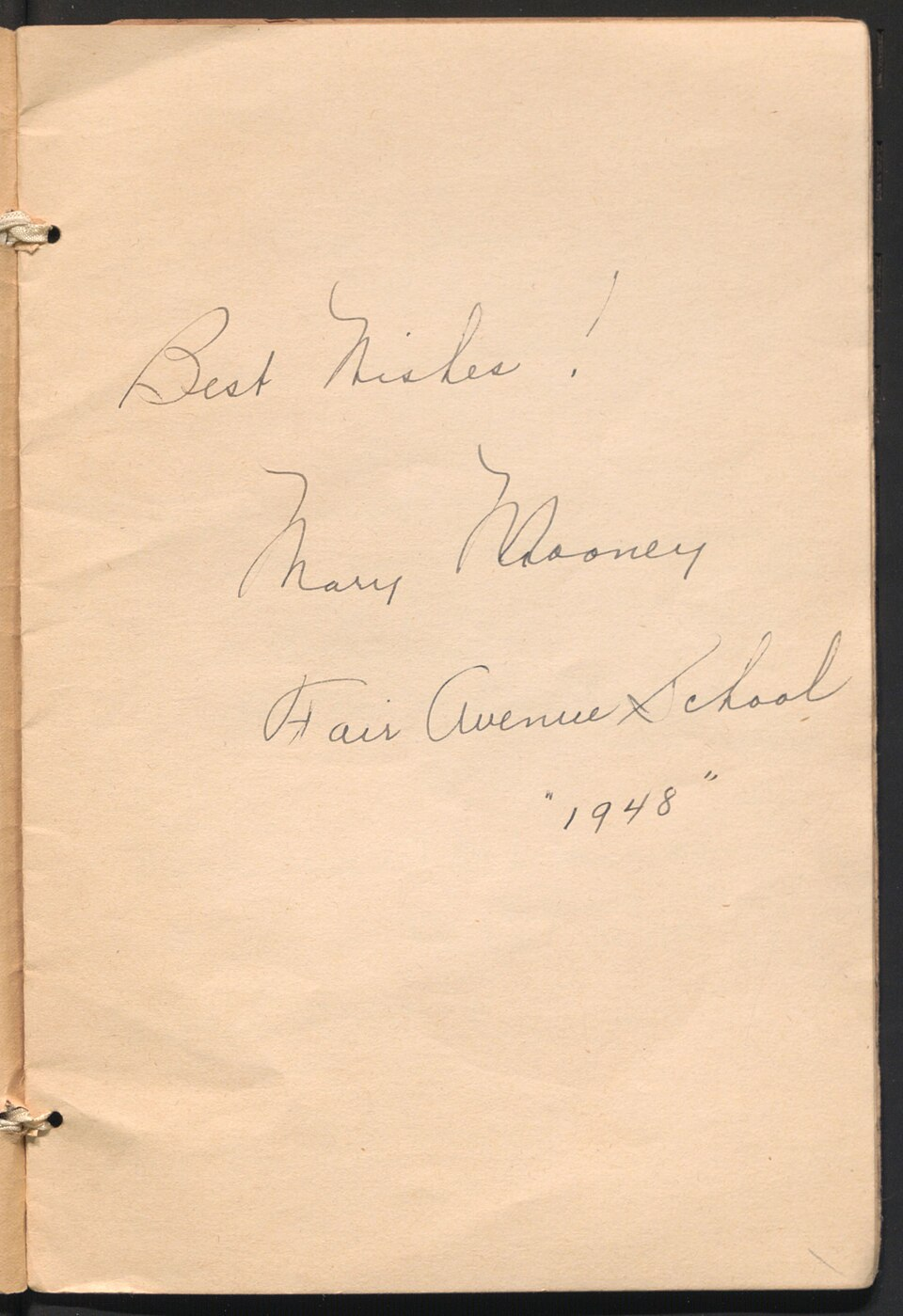
Where you were asked to write was a signal – the first page, the last page, a corner, upside down, a specific page the owner had reserved – and the conventions around position were understood by everybody.
Not applicable, though the equivalent survives weakly in who gets to sign a yearbook’s inside cover.
Page position was a ranking system and the owner controlled it. Reserving a page for somebody, or being given the first page, or being directed to a corner, told the writer precisely where they stood – which is a considerable amount of social information conveyed without anybody saying anything.
5. Writing Upside Down or Sideways Was a Deliberate Convention
Entries appear rotated, reversed, written in corners, in spirals and across the gutter, and this was a recognised game rather than carelessness.
Not applicable.
The orientation games are a reminder that these books were handled and read repeatedly rather than archived. An entry written upside down has to be physically turned to be read, which is a small piece of interactivity designed into a page by somebody who knew the book would be reopened constantly.
6. Teachers Wrote in Them and Took It Seriously
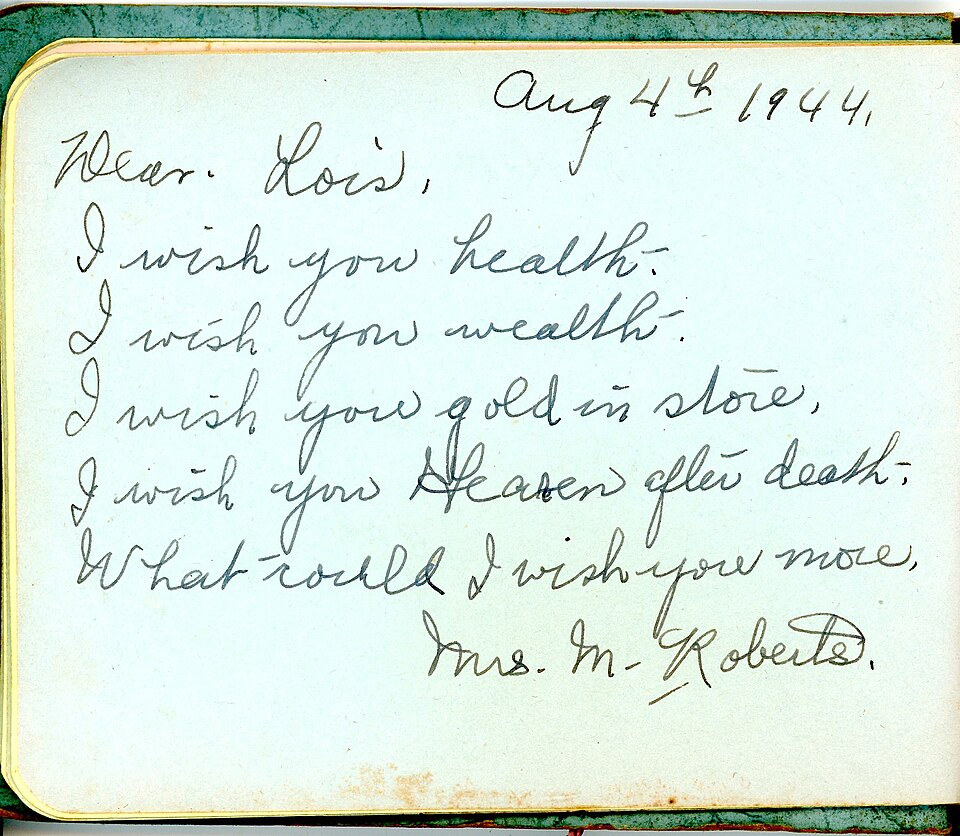
Pupils asked their teachers to sign, and teachers generally did – with a formal, improving sentiment, properly written, signed and dated.
Teachers sign yearbooks, with messages that are generally personal and informal.
A teacher’s entry was the most valued page in the book and both parties knew it. Being asked was a compliment, the response was composed carefully, and the result was the one entry a pupil would still be able to read in sixty years and recognise as having been meant.
7. They Travelled Between Schools and Towns
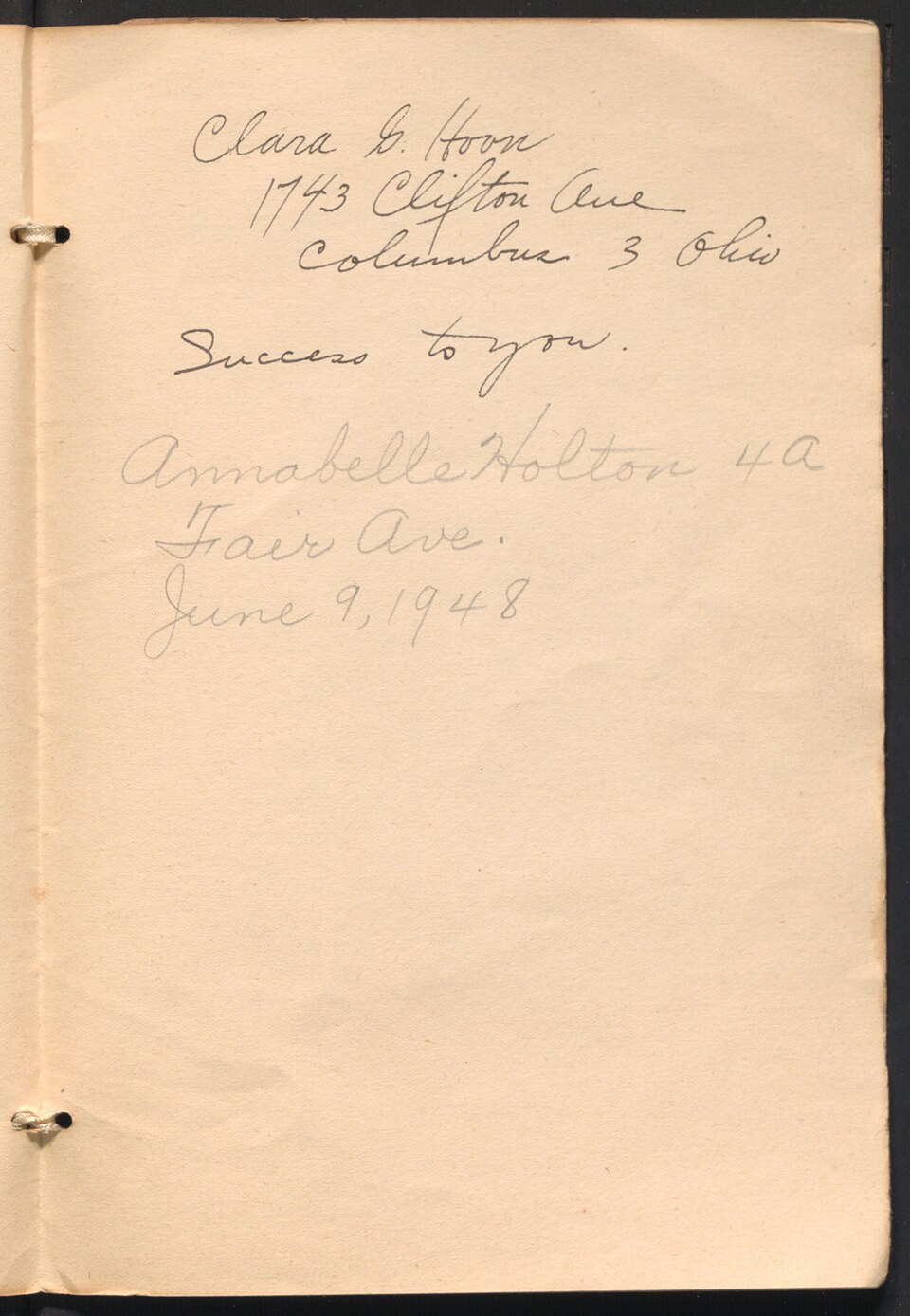
Books were carried on visits, to relatives, to camps, on trips and to new schools, collecting entries from people the owner met once and would never see again.
Not applicable.
That portability is what makes surviving books useful to anybody researching a person’s life. An autograph book records a network rather than a class – the cousin visited one summer, the family friend, the girl met at a church gathering – which is a social map no school record contains.
8. A Boy Writing in a Girl’s Book Was an Event
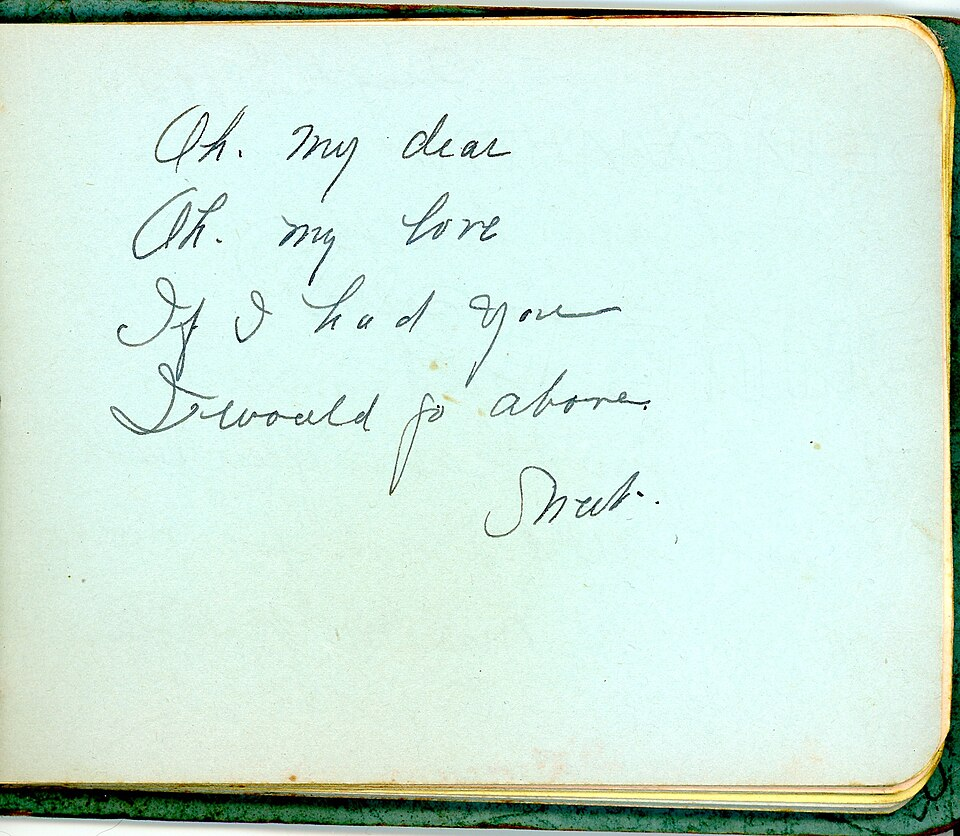
Entries from boys in girls’ books, and the reverse, were noticed, discussed and interpreted, and the choice of verse was examined closely by everybody who read it afterwards.
Not applicable in the same form.
The book was a semi-public document and that is what made it useful for this purpose. An entry is written knowing that the owner’s friends will all read it, which meant a boy could say something slightly warmer than he would say aloud and still deny it meant anything – and the ambiguous verses in the repertoire existed precisely for that.
9. The Book Recorded Dates and Places
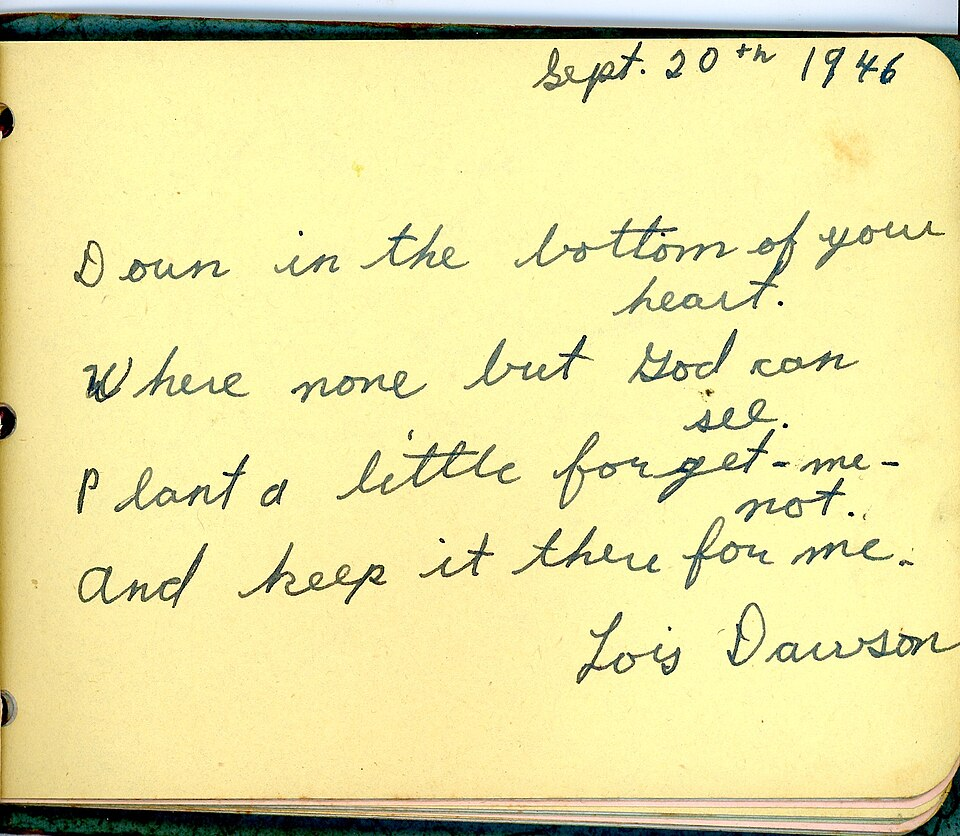
Entries were conventionally signed and dated, frequently with a place, which turns the volume into a chronological record of where the owner was and who they were with.
Not applicable, with modern equivalents undated and unplaced.
That dating convention is why genealogists value these books. A dated, placed, signed entry in a known hand is evidence – of an acquaintance, a location, a school year, a relationship – and a book with eighty of them is a documented social history of several years of somebody’s life.
10. The Handwriting Was the Point
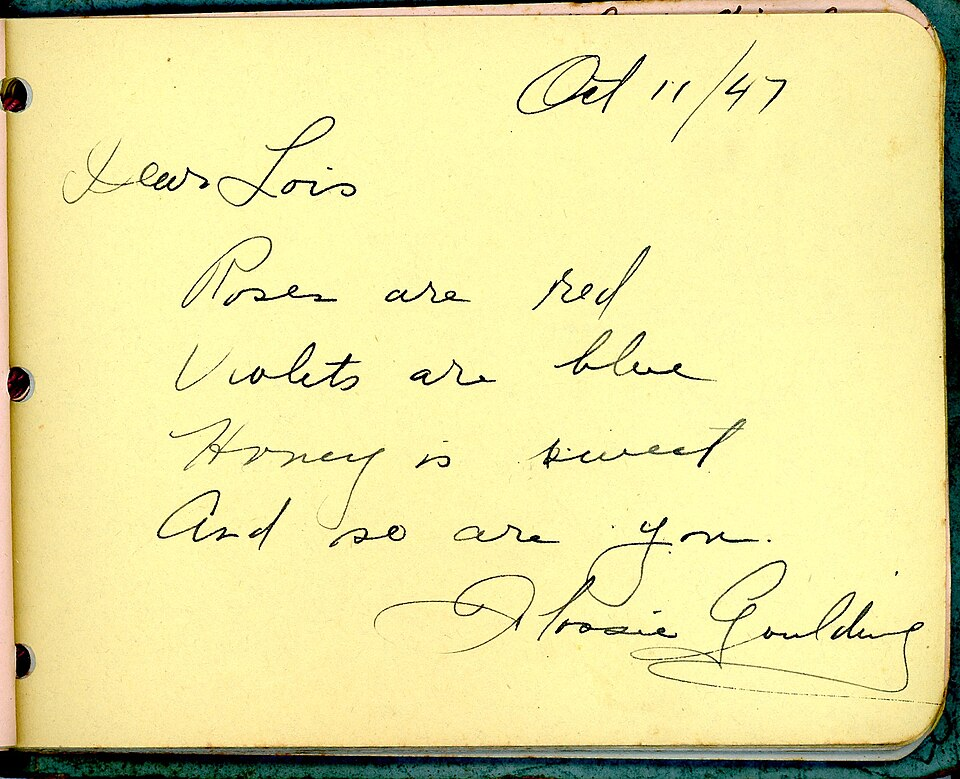
Entries were written in the owner’s and writer’s best hand, with attention to penmanship, because the quality of the writing was part of what was being offered.
Handwriting receives far less instruction and far less attention, and cursive is taught inconsistently across American schools.
Penmanship was a taught and graded skill and an autograph book was where it was displayed socially rather than academically. A beautifully written entry was a gift of effort, and a careless one in a book that would be kept for life was a statement of its own.
11. They Were Kept for Decades and Reread
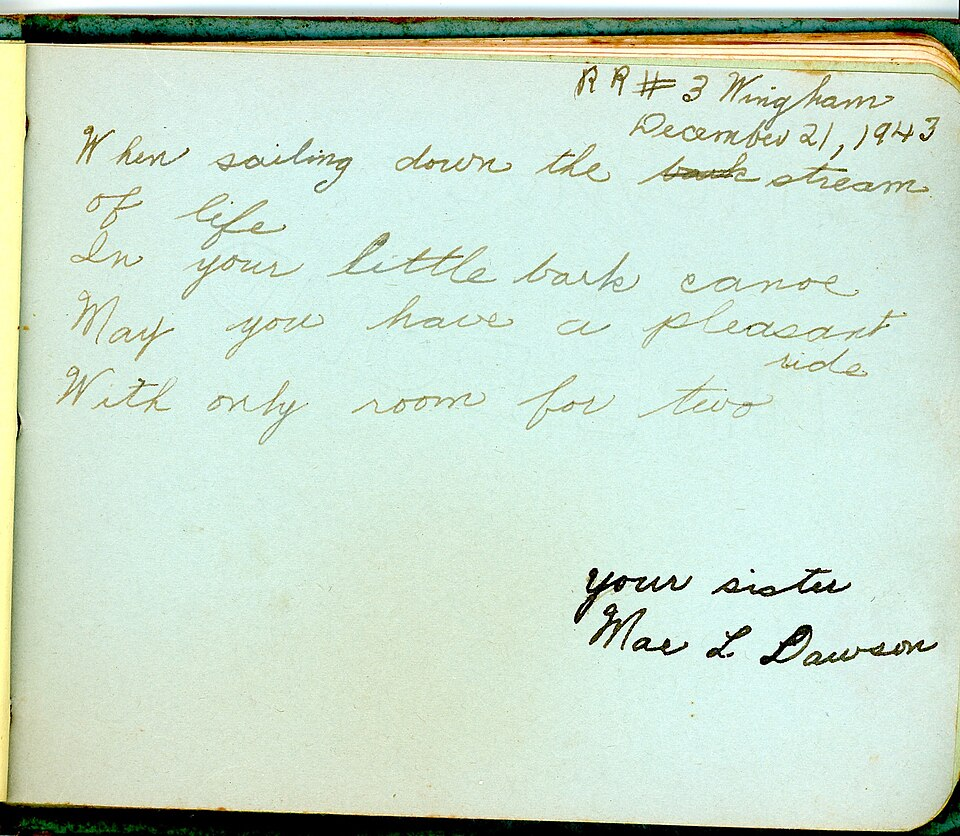
Autograph books survived in drawers, boxes and trunks, were taken out and reread at intervals across a lifetime, and were frequently among the possessions somebody still had at the end of their life.
Yearbooks are kept similarly, with considerably less rereading, and digital equivalents are rarely revisited at all.
The rereading is what the object was for and it explains the design. A small portable book of short entries in many hands is built to be opened at random, which is precisely how people used them – and the surviving ones are worn at the spine from exactly that.
12. The Yearbook Absorbed the Function
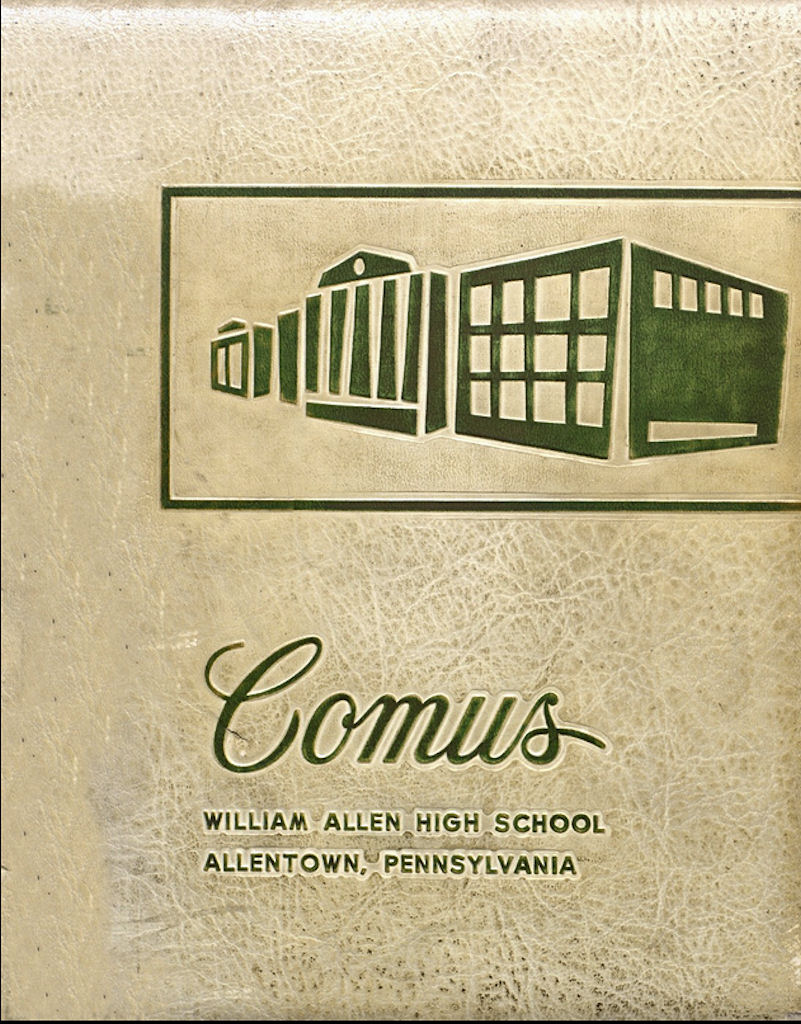
As American schools produced printed yearbooks with photographs, class lists and blank pages at the back, the signing ritual moved into them – and a published book with pictures is a more attractive object than a blank one.
Dominant. Yearbook signing is the surviving form of the practice in American schools.
The yearbook won on content and lost something structural. It supplies photographs, names, dates and context that no autograph book has, and it confines the signing to one school, one year and one end-of-term week – whereas the autograph book collected from anybody, anywhere, over years.
13. The Verse Repertoire Died With the Transmission
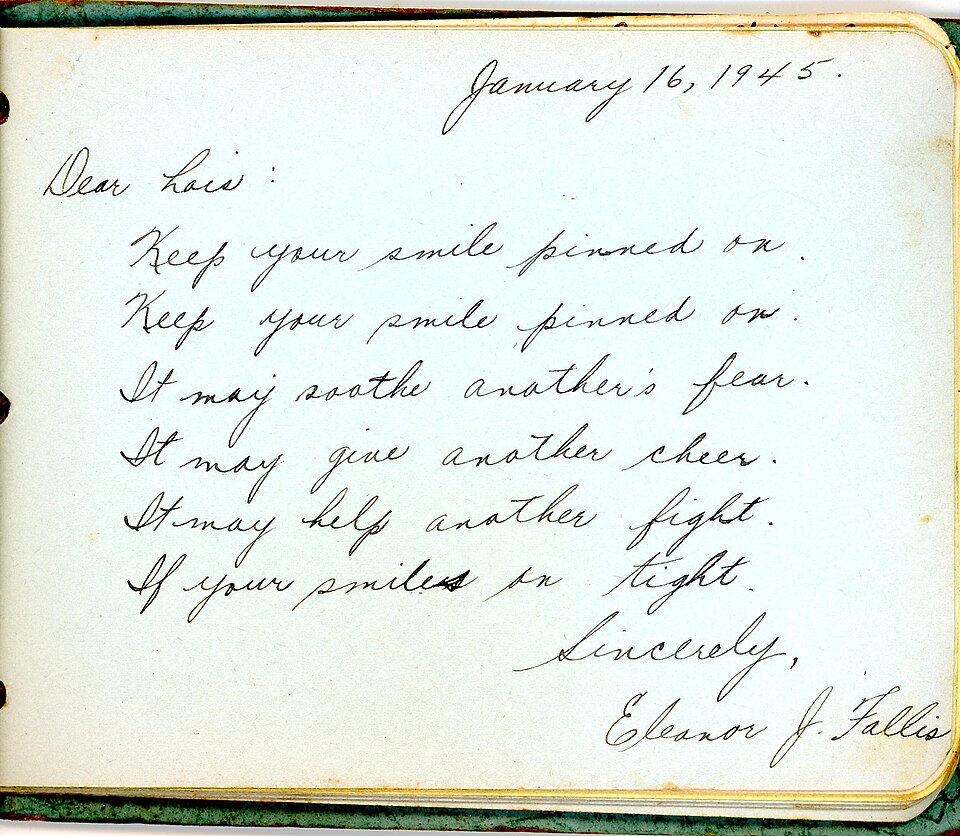
The inherited stock of inscription verses was learned from other children and passed on by being written, which means it lasted exactly as long as the practice did.
Recoverable from folklore collections, with the living transmission gone.
This is the same fate as every other oral children’s repertoire and for the same reason. A body of material known by every child and recorded by nobody survives only while the occasion for performing it exists, and the occasion here was somebody handing you a blank page.
14. Then Keeping in Touch Stopped Being the Problem
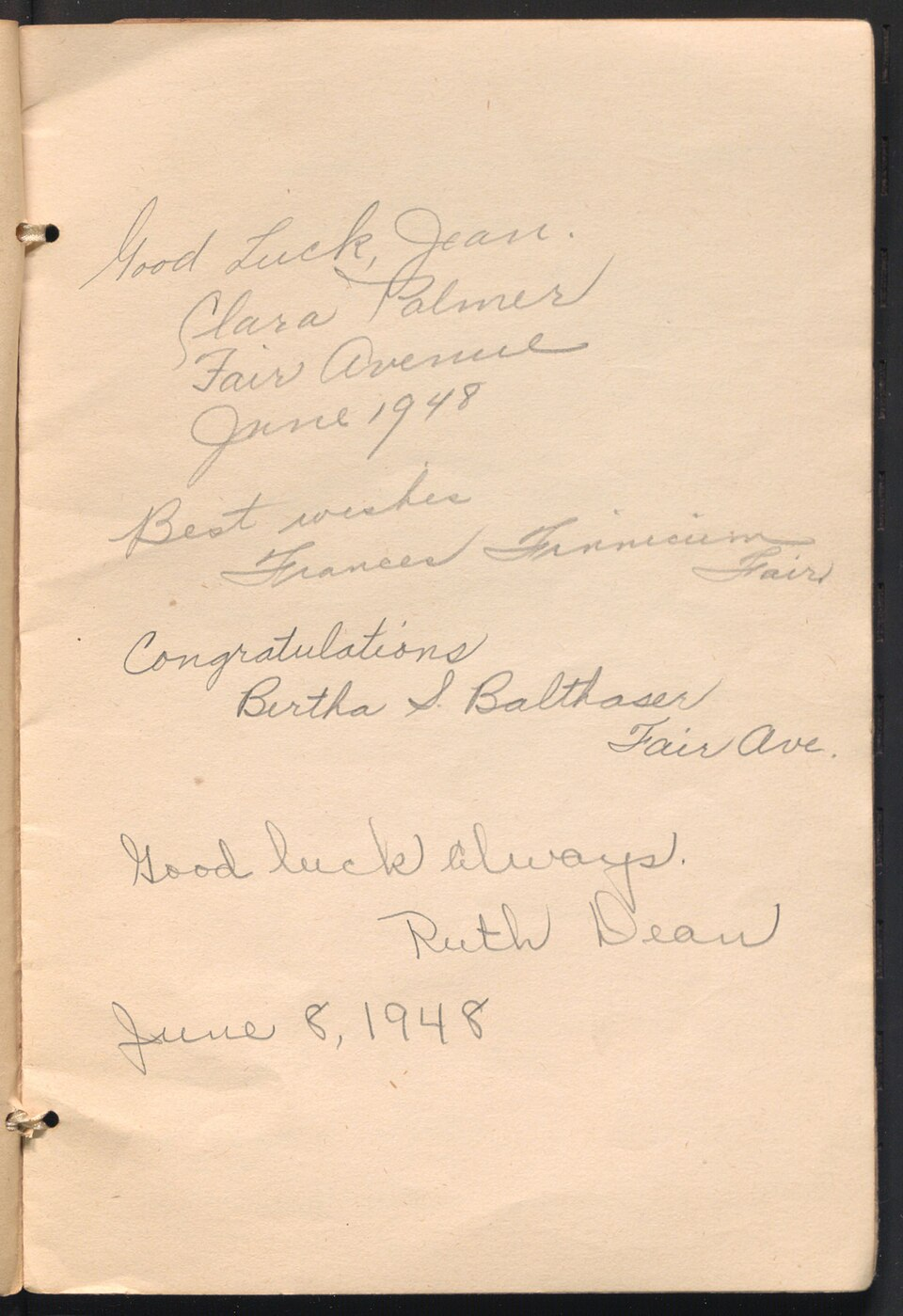
The underlying purpose was contact across a gap – a record of people you would not see again, with their own handwriting as proof they had been there.
Continuous contact with everybody, with no gap to be bridged and no need for a physical token of a connection.
That is the structural reason the standalone book had no future. An autograph book is a response to scarcity of contact, and the thing it was built to preserve – evidence that a particular person was in your life at a particular moment – is now generated automatically, in enormous quantities, by everybody, without anybody writing anything.
15. Then the Blank Page Disappeared
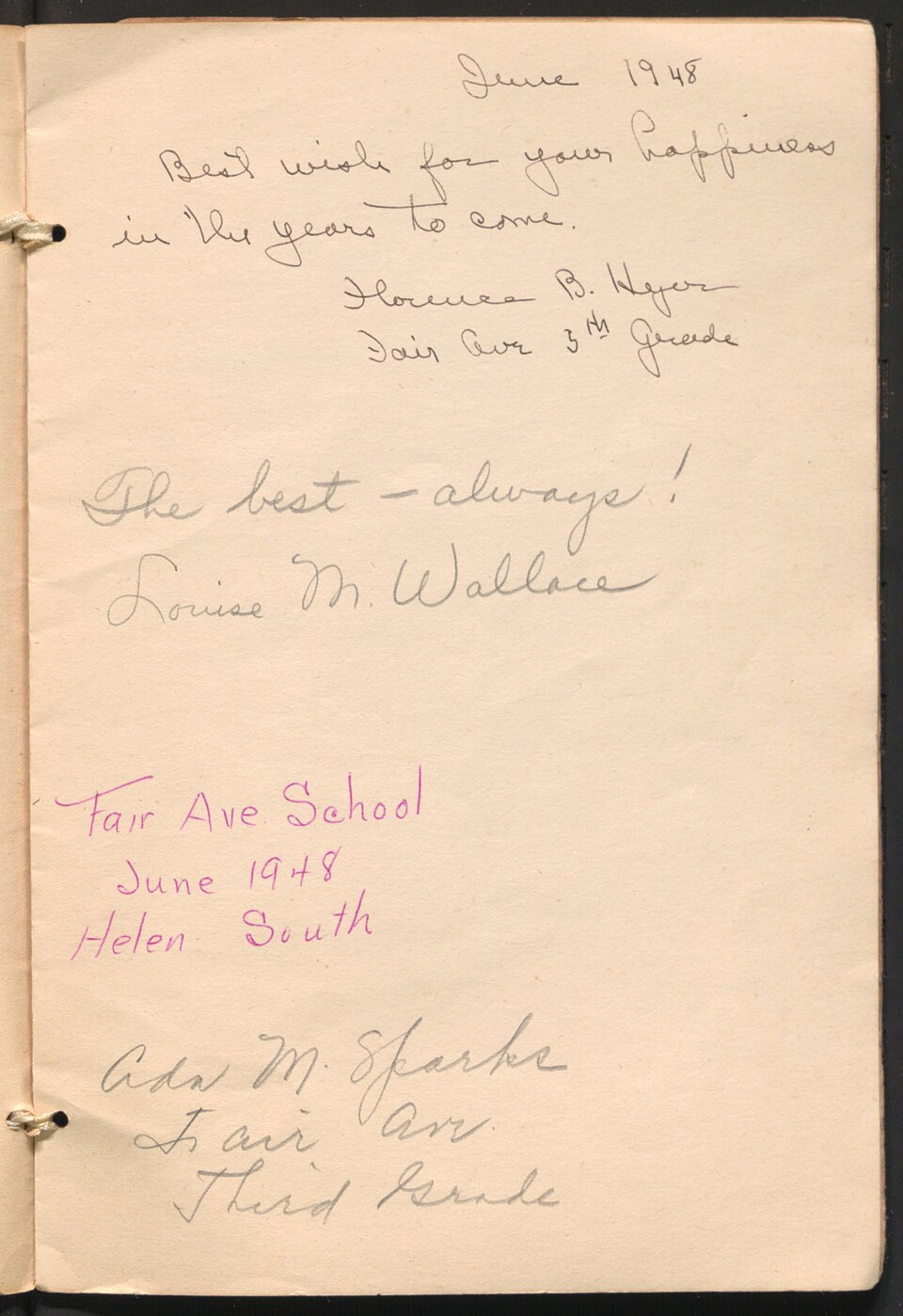
In 1964 an American schoolchild owned a small blank book, carried it, handed it to teachers, classmates, cousins and strangers, and collected signed, dated, placed entries written from a shared folk repertoire of verses in everybody’s best hand.
Yearbook signing in one week of one year, plus continuous digital contact that records everything and preserves nothing anybody rereads.
And the thing that makes this more than a sentimental loss is what the object actually was, which is three documents at once. It was a social network recorded by its own members – not a class list produced by a school, but a map of whoever the owner had actually encountered, including the cousin visited one summer and the person met once at a gathering, each with their own hand, their own date and frequently their own place. It was a folklore archive, because the verses were not original compositions but an inherited stock that children learned from other children and transmitted by writing them down, which makes an autograph book an unusual case of an oral tradition recorded by its own participants rather than by a collector. And it was a ranking system, because the owner controlled the pages – who got the first one, who was given a reserved one, who was directed to a corner – which conveyed a great deal of social information without anybody having to say it. All three functions have been absorbed by things that do them better in some respects and not at all in others. A yearbook supplies photographs, names and context no blank book had, and confines the signing to one school and one week. Continuous digital contact records a network in far more detail and makes the gap the autograph book existed to bridge disappear entirely. But nothing now produces a small worn object, full of dated entries in eighty different hands, written in the best penmanship each of those people could manage, that somebody still has at the end of a long life and takes out and opens at random.
It Was Three Documents at Once
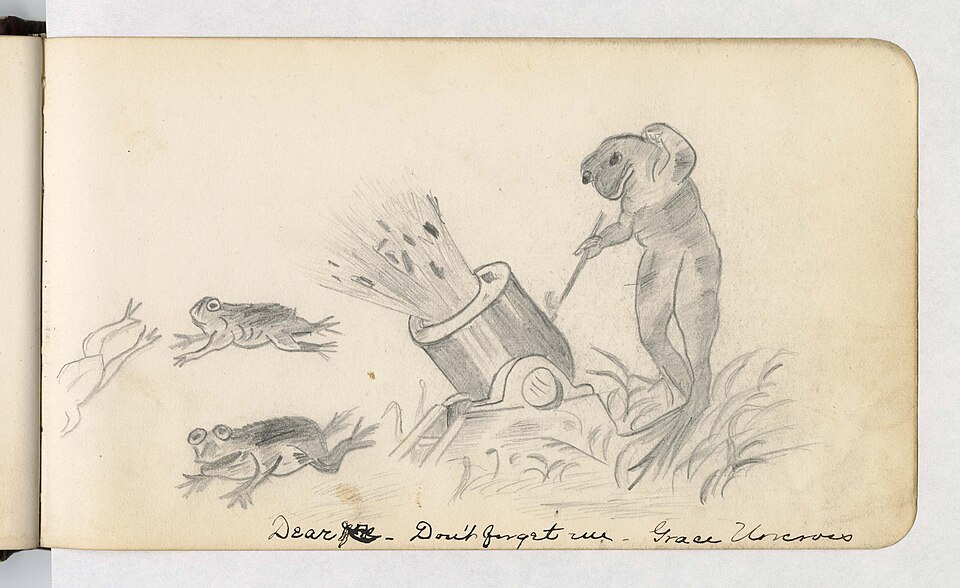
The autograph book looks like a keepsake and it was in fact three distinct documents sharing one cover, which is why the surviving ones are so much more useful than anybody expects.
The first is a social network recorded by its own members.
A school produces a class list. An autograph book produces something a school cannot: a map of whoever the owner actually encountered, assembled by those people themselves. The cousin visited one summer. The family friend. The person met once at a gathering and never seen again. The teacher. The sibling. Each entry signed in its own hand, dated by convention, and frequently placed – which means a book with eighty entries is a dated, located, independently witnessed record of several years of one person’s acquaintance. That is why genealogists and local historians take these books seriously, and it is information that exists nowhere else.
The second is a folklore archive, and this is the part that surprises people.
The verses were not original. There was a large inherited stock of short rhyming inscriptions that circulated among American schoolchildren for generations – formulas everybody knew, learned from other children, chosen according to the relationship. Formal ones for teachers. Affectionate ones for close friends. Teasing ones for siblings. Deliberately bland ones for people you barely knew, which solved the genuinely awkward problem of being handed a blank page by somebody you have no feelings about. And a recognised category of ambiguous ones for anybody you were interested in.
That makes the autograph book an unusual thing: an oral tradition recorded in writing by its own participants rather than by a collector. Children were transmitting inherited material to each other, in ink, in books that were then kept for sixty years. Folklorists have studied exactly that body of verse, and the reason it was collectable is that the practice preserved itself.
The third is a ranking system, and the owner ran it.
Page position was a signal. The first page, the last page, a reserved page, a corner, across the gutter – the conventions were understood by everybody, which means handing somebody a particular page told them precisely where they stood without a word being said. There were also orientation games, with entries written upside down, sideways or in spirals, which tells you the books were handled and reopened constantly rather than archived.
All three functions have since been absorbed, and the absorption is uneven.
The yearbook took the signing. It is a better object in obvious ways – photographs, names, class lists, dates, context, none of which a blank book has – and it confines the ritual to one school, one year and one week at the end of it, where the autograph book collected from anybody, anywhere, across years.
Continuous digital contact took the network, and took it comprehensively. It records far more detail than eighty handwritten entries ever could, and more importantly it eliminates the gap the autograph book existed to bridge. The whole point of collecting a signature from somebody you would never see again was that you would never see them again. That problem is gone.
And the verse repertoire went with the practice, as every oral children’s repertoire does, because it lasted exactly as long as the occasion for performing it – which was somebody handing you a blank page.
What nothing produces now is the object. A small worn book, full of dated entries in eighty different hands, each written in the best penmanship that person could manage, that somebody still has at the end of a long life and opens at random.
If you had one, you remember who you asked first and whose entry you were pleased to get.
And you remember which verse you used for people you did not much care about.
Like our content? Follow us for more.