The ingredients barely change between pastry types. What changes is the distribution of the fat before baking, and everything else follows from that single decision. Here are fifteen.
1. Fat Coating Flour Prevents Toughness
Rubbing fat thoroughly into flour coats each particle, which physically blocks the proteins from linking when liquid is added.
Less linking means less structure. Fat coating is the mechanism behind every short crumbly pastry.
Like our content? Follow us for more.
2. Which Is Why It Is Called Short
The term describes the texture produced when protein strands are kept short by fat interference, giving a crumb that breaks cleanly rather than stretching.
The name is a description of the structure. Shortness is a technical property rather than a flavour.
3. Fat Left in Pieces Does the Opposite
Where fat remains in discrete lumps through the dough, it melts in the oven and leaves voids, which fill with steam and force the surrounding dough apart.
The result is layers rather than crumbs. Discrete fat is the route to every flaky texture.
4. So the Fat Has to Stay Cold
Warm fat softens, merges into the flour and stops being discrete, which converts a layering method into a shortening one by accident.
Everything about handling follows from this. Temperature discipline is the requirement the layering methods impose.
5. Folding Multiplies the Layers
Repeatedly rolling and folding a sheet of dough enclosing fat doubles the number of alternating layers at each fold, producing hundreds from a handful of operations.
The arithmetic is the whole technique. Lamination is layering built deliberately rather than by accident.
6. The Water Is What Inflates It
Steam generated from liquid in the dough is what pushes layers apart, which means the water content determines how much lift occurs.
A dry pastry cannot rise. Steam generation is the engine of every puffed result.
7. Working It Too Much Builds Structure
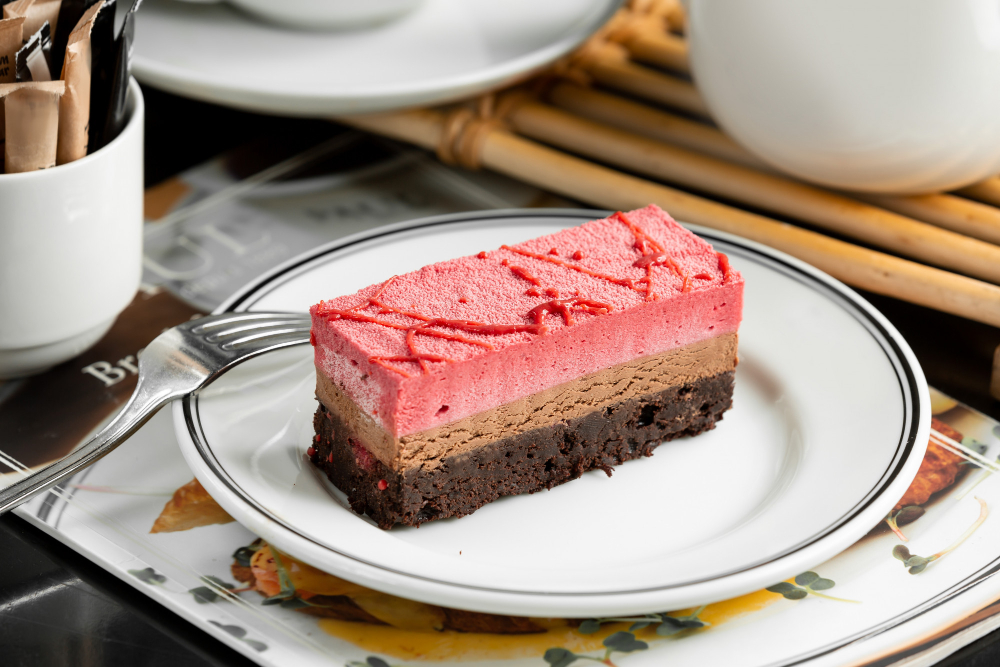
Kneading, rerolling and handling develop the protein network exactly as they would in bread, which makes pastry tough and causes it to shrink in the oven.
Pastry wants the opposite of bread. Overworking is the commonest failure in every type.
8. Resting Undoes Some of That
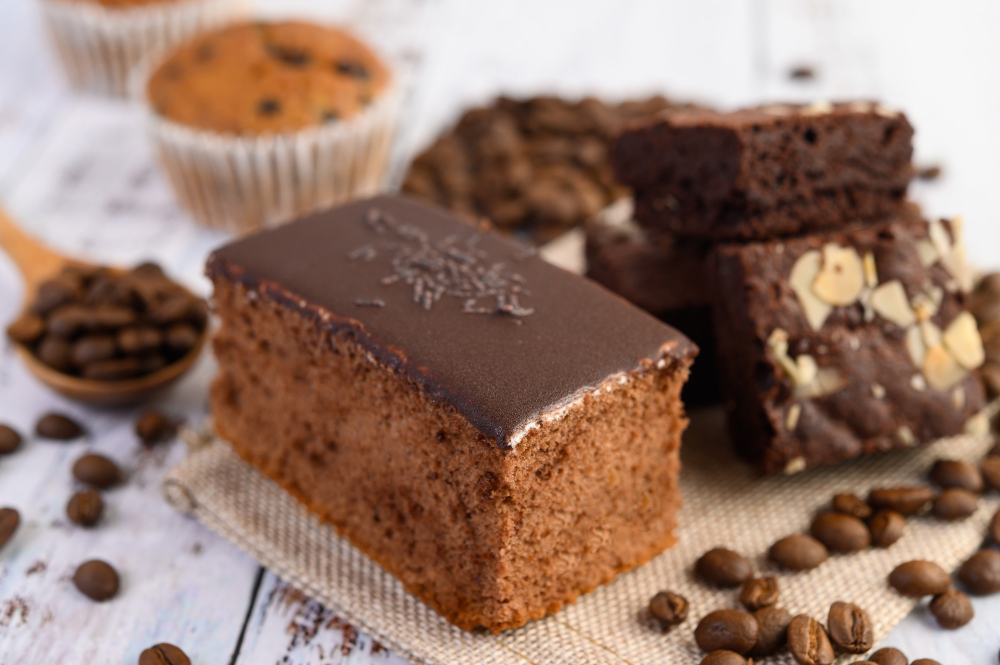
Leaving dough to stand allows developed protein to relax and any softened fat to firm, which reduces shrinkage and makes rolling easier.
Both problems improve with time and no effort. The rest is the correction that requires only patience.
9. Too Much Liquid Makes It Tough
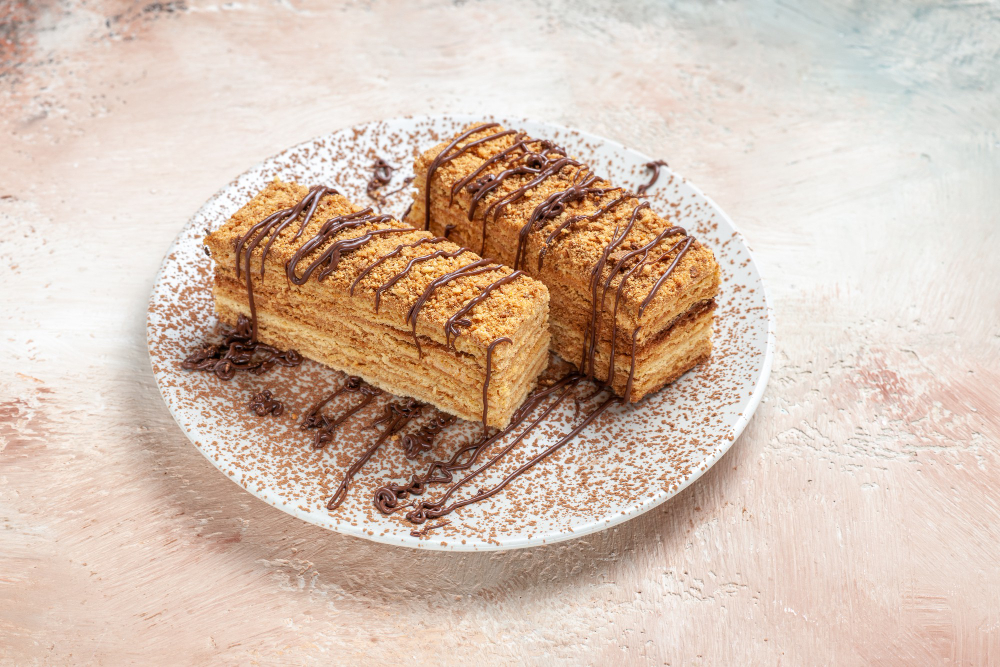
Extra water gives the proteins more opportunity to link, so a wet dough handles more easily and bakes harder.
It feels better and performs worse. Excess liquid is the trade that punishes you later.
10. Sugar Changes the Handling
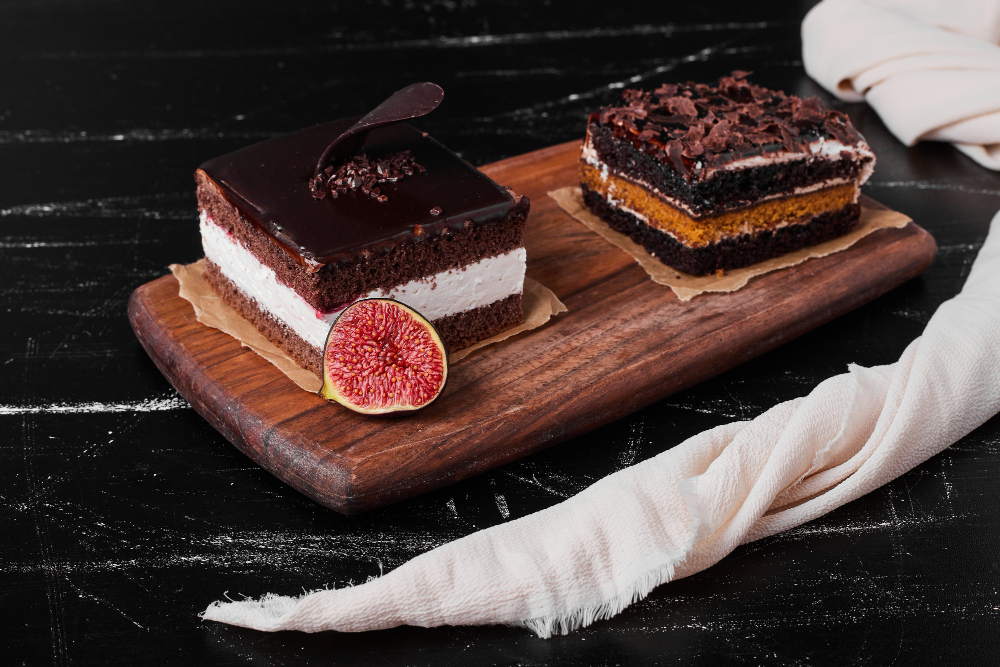
Sweet pastries contain sugar, which interferes with protein linking and holds moisture, producing a more delicate dough that is harder to work and more prone to breaking.
It is more fragile for a reason. Sugar content is why sweet cases tear and savoury ones do not.
11. The Base Has to Be Set Before It Gets Wet
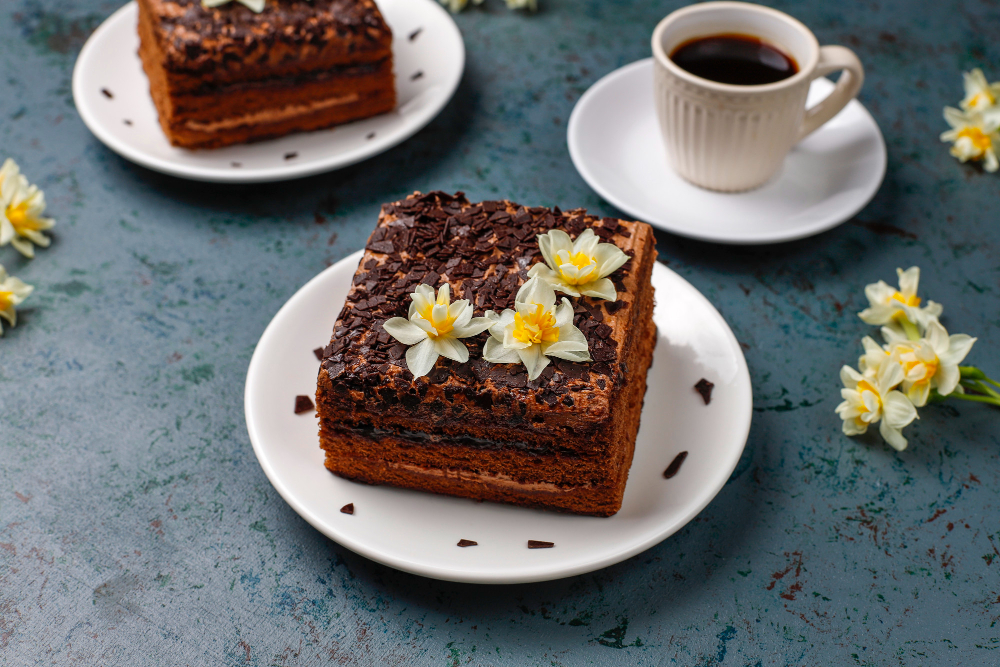
A filling containing liquid soaks into raw pastry and prevents it crisping, which is why cases are frequently baked before filling.
The order protects the structure. Pre-baking is the step that stops a soggy base.
12. Weighting It Stops It Lifting
An empty case will bubble and slump in the oven, so it is lined and weighted during the first bake to hold the shape until the structure sets.
The weight is removed once it is firm. Blind weighting is the support the case needs only briefly.
13. The Glaze Is Doing Colour, Not Flavour
Brushing the surface with egg or milk before baking promotes browning by supplying protein and sugar to the surface where the heat is.
It contributes almost nothing to taste. Surface glazing is a colour decision rather than a flavour one.
14. Choux Is Made Backwards
Instead of keeping flour away from water, choux cooks flour in boiling liquid first, which gelatinises the starch so the paste can hold enough water to inflate itself dramatically in the oven.
Nothing about it resembles the others. Pre-cooked paste is a different technique using the same ingredients.
15. It Is Almost Always the Fat
Whatever has gone wrong – tough, shrunken, greasy, soggy, crumbling – the explanation generally concerns fat being at the wrong temperature or in the wrong distribution.
Very little else varies. Fat handling is the single diagnostic for the whole subject.
Where Is the Fat Sitting
Rubbed through for shortness, left in lumps for flakes, folded in sheets for lamination or cooked into the liquid for choux – one variable, four completely different results.
The last item is the one that saves the most trouble. Nearly every pastry problem anybody has traces back to fat that was too warm, too evenly distributed or not evenly enough – and diagnosing it that way is faster than working through anything else.
Like our content? Follow us for more.