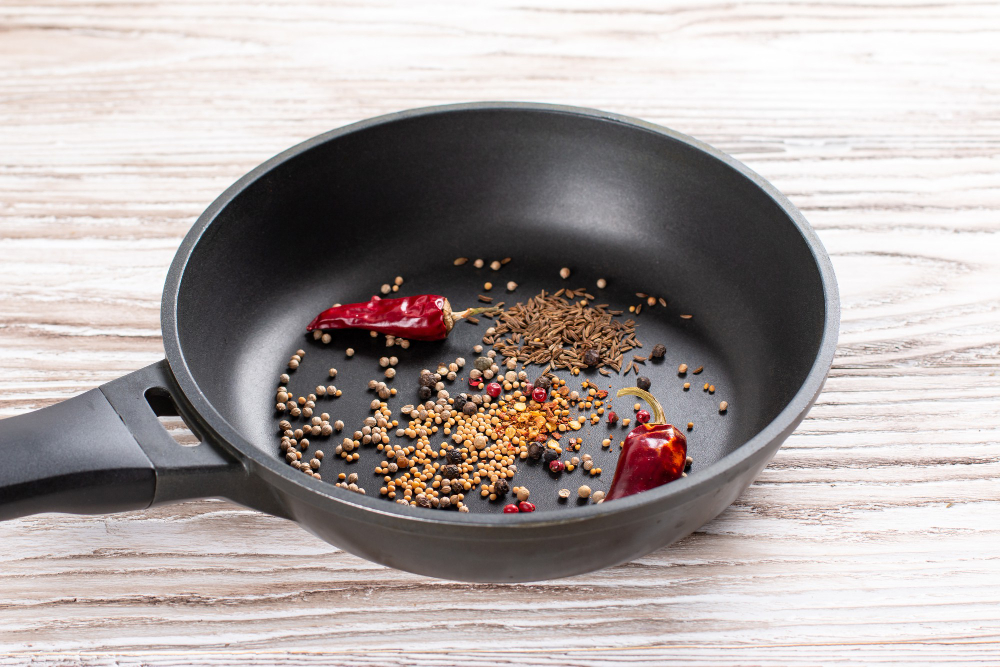
Dry heat does two things to spices, nuts and seeds: it releases what was locked inside them and it creates compounds that were never there. Here are fifteen.
1. Moisture Goes First
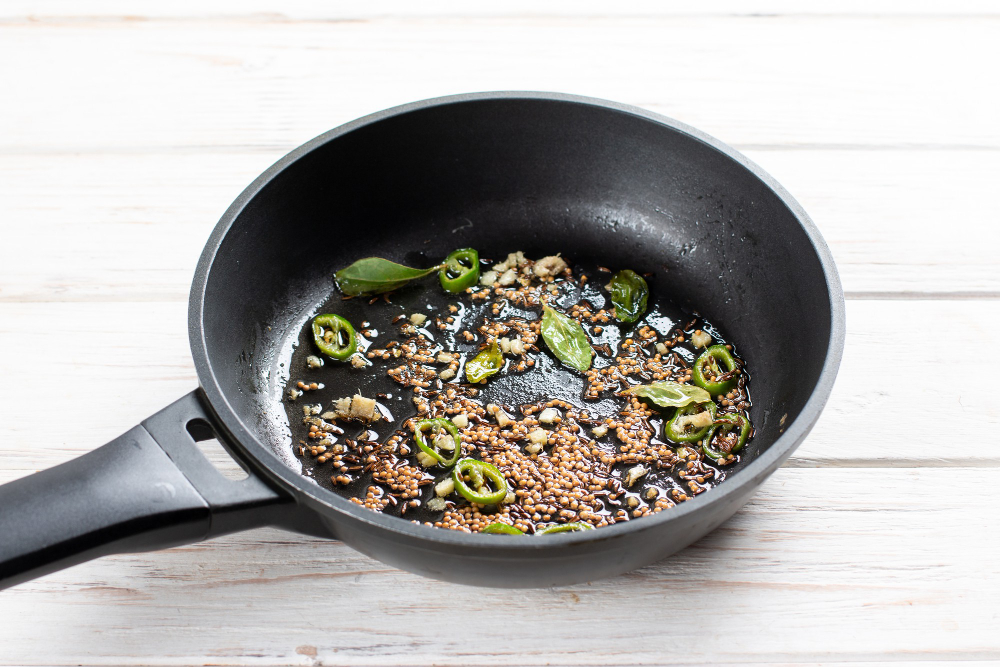
Heat drives water off the surface before anything else can happen, and until it has gone the temperature cannot rise far enough to change the flavour.
The early minutes look like nothing. Drying is the stage that sets up everything after.
Like our content? Follow us for more.
2. Then New Flavours Are Made
Once dry, the surface browns through reactions between sugars and proteins, producing compounds that simply did not exist in the raw ingredient.
It is creation rather than release. Browning reactions generate the roasted character.
3. Whole Spices Are Holding Their Oils In
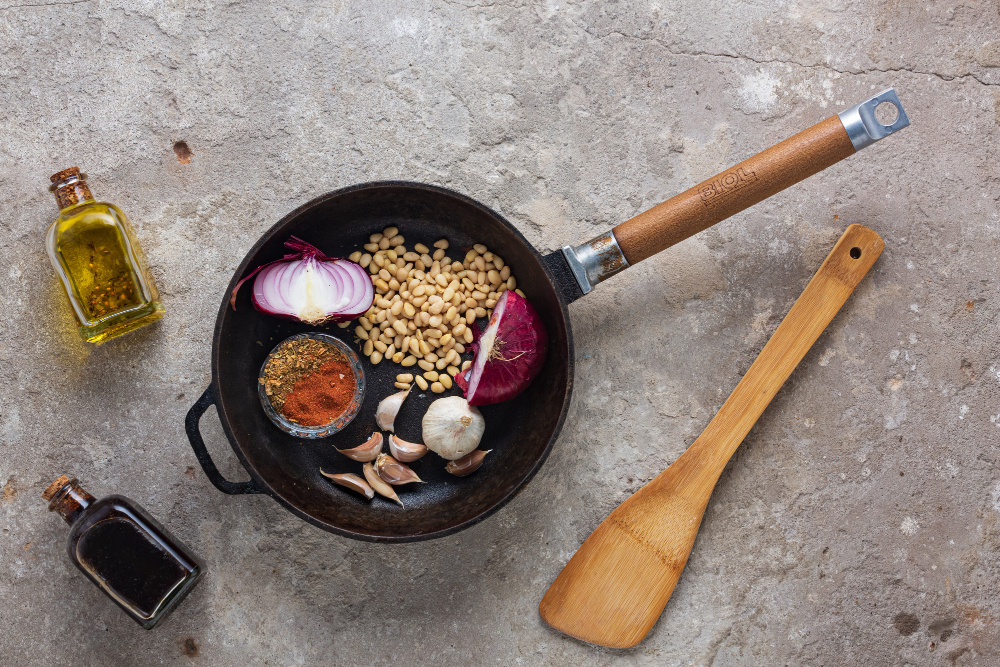
Aromatic oils sit inside the cell structure of a whole spice, and heat softens those structures and drives the oils out toward the surface.
The spice was always fragrant inside. Release is half of what toasting does.
4. Which Is Why the Kitchen Fills With Smell
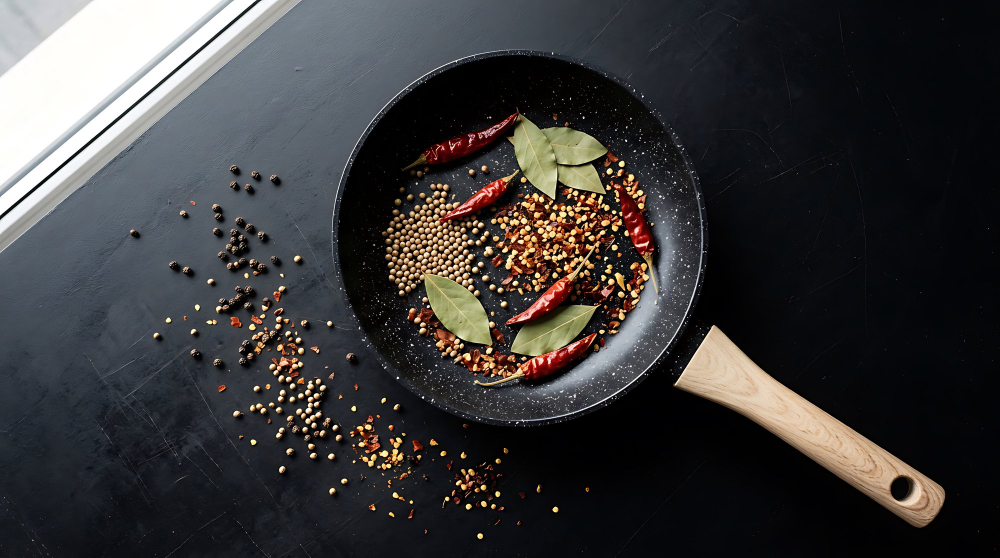
Aromatic compounds are volatile, so as they are released they leave into the air – and the strong smell is flavour leaving the pan.
A fragrant kitchen is a warning as well as a pleasure. Volatile release is why timing matters.
5. The Smell Changes Before the Colour
The aroma shifts noticeably before any visible browning, which makes smell the earlier and more reliable indicator that toasting is complete.
Noses beat eyes here. The scent change is the signal to act.
6. The Window Is Short
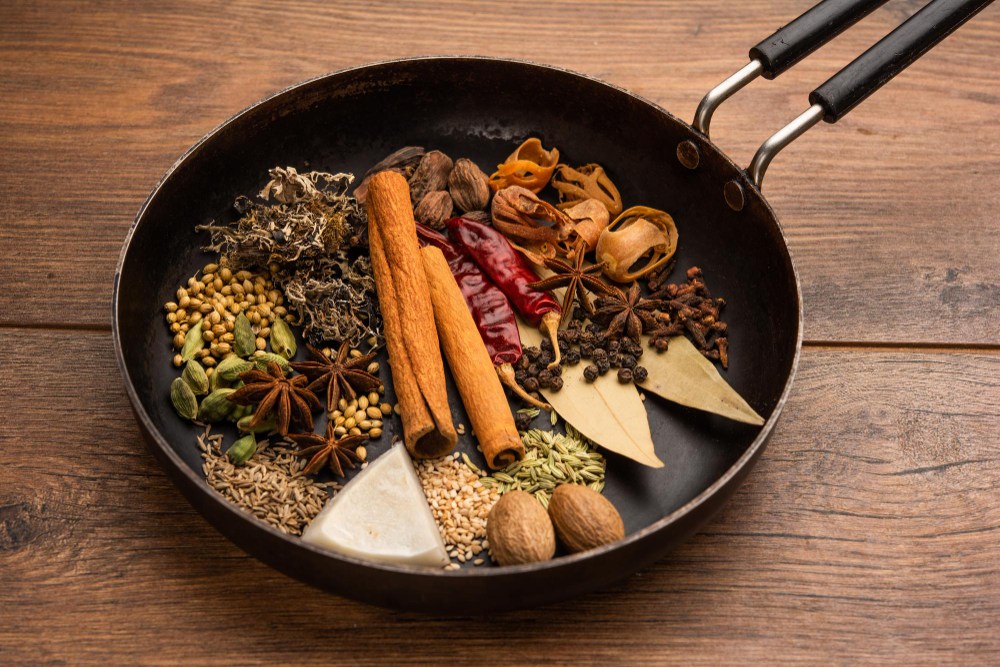
Once moisture has gone, the reactions accelerate rapidly, so the gap between properly toasted and burnt can be measured in seconds.
It does not proceed at a steady pace. Acceleration is why attention cannot wander.
7. Burnt Tastes Bitter for a Reason
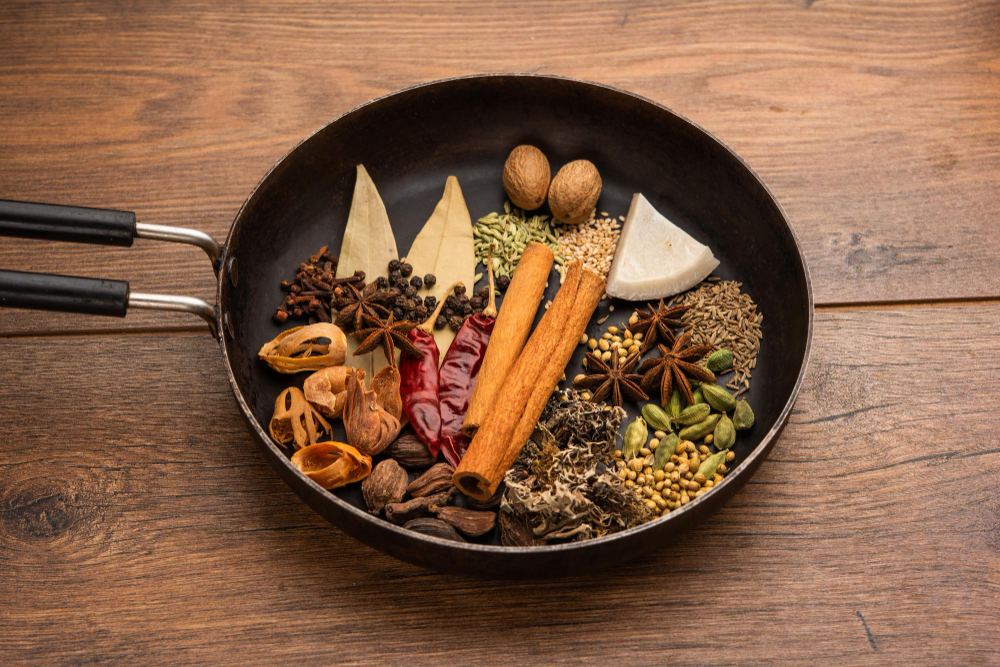
Excessive heat produces compounds that are distinctly bitter and acrid, and they overwhelm everything else once present.
There is no rescuing it. Scorched compounds ruin the batch.
8. A Pan Toasts Only Where It Touches
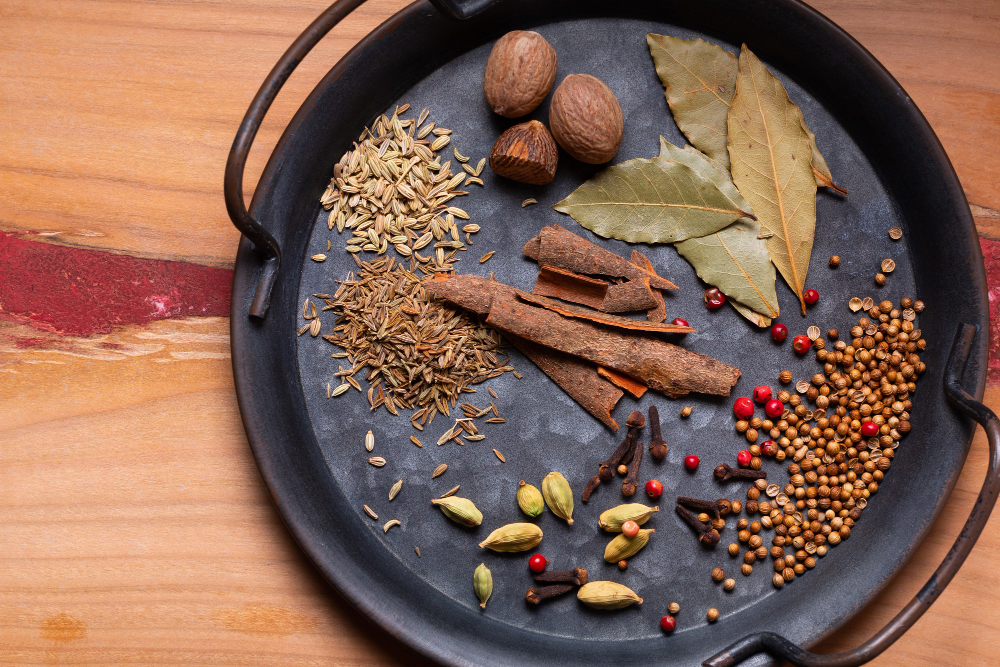
In a dry pan, heat transfers mainly at the points of contact, so unmoved items scorch on one side and stay raw on the other.
Movement is the evenness. Contact heating is why stirring matters.
9. An Oven Toasts More Evenly
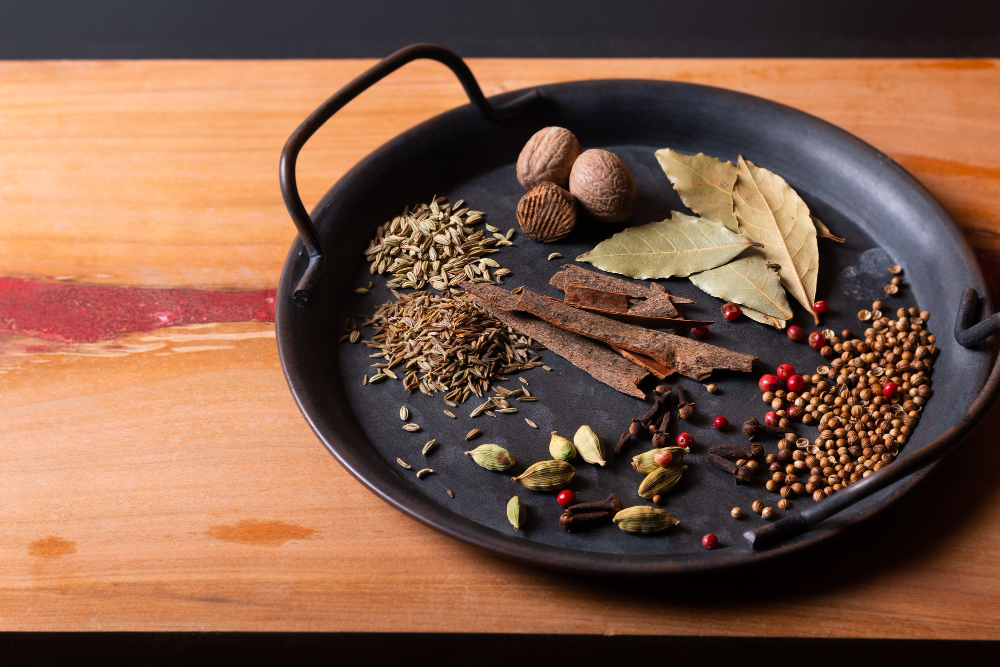
Surrounding hot air reaches every surface at once, which gives more uniform colour and a slower, more controllable result than a pan.
It trades speed for control. Enveloping heat suits larger quantities.
10. Size Changes the Timing
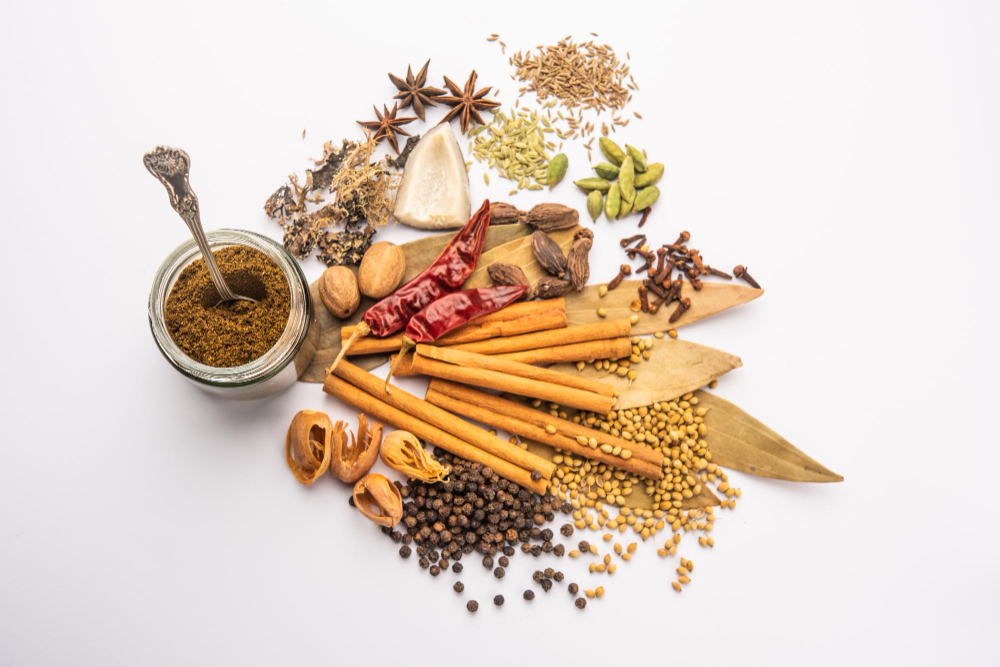
Small seeds toast in a fraction of the time of large nuts, and a mixture of sizes toasts unevenly – the small ones burn while the large ones are still pale.
Toast separately when sizes differ. Uniformity is what makes timing possible.
11. Ground Spices Toast Almost Instantly
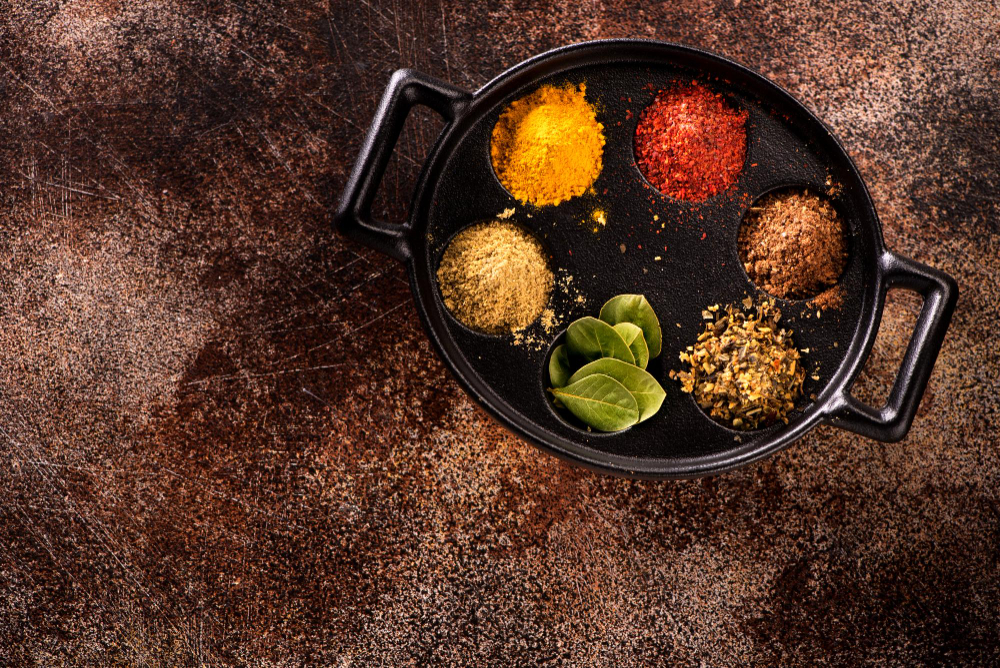
Grinding exposes an enormous surface area, so a ground spice reaches toasted and then burnt far faster than the same spice whole.
It needs seconds rather than minutes. Surface area governs speed.
12. Oil-Rich Items Keep Cooking
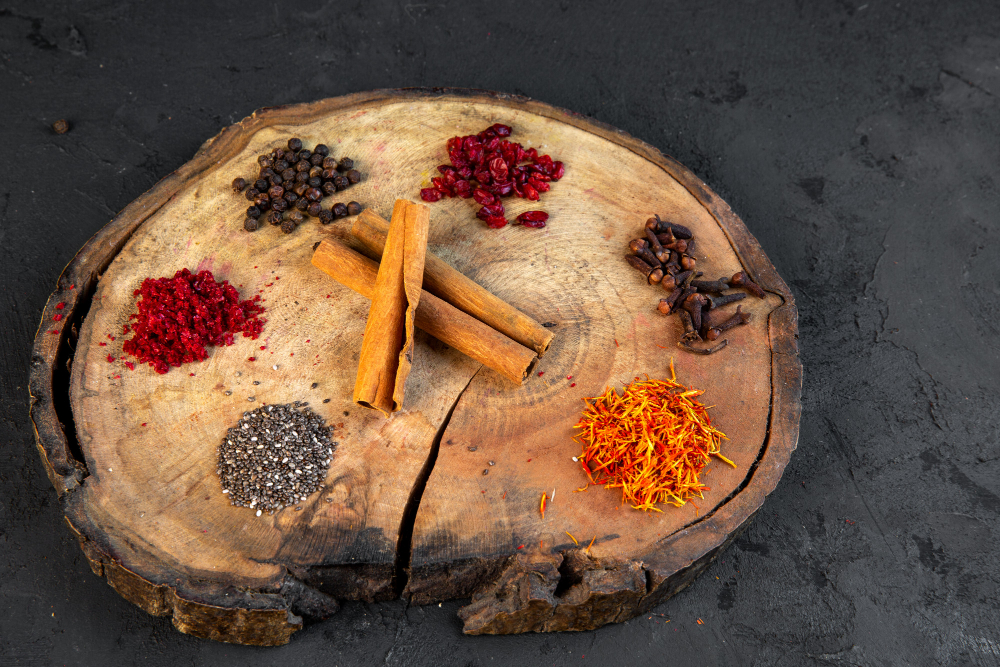
Nuts and some seeds contain oil that holds heat and carries it inward, so they continue darkening after they come off the heat.
Stop slightly early. Carryover is why oily items overshoot.
13. Tipping Them Out Stops It
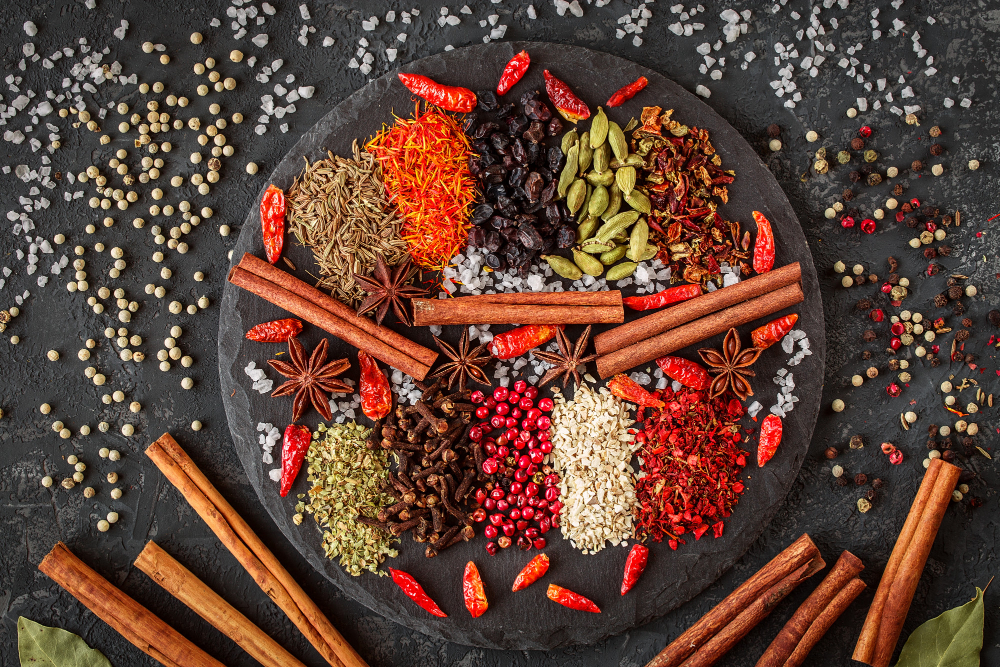
Moving toasted items out of the hot pan onto a cool surface halts the process; leaving them in the pan keeps them cooking.
The pan is still hot. Removal is the actual stop.
14. Toasted Spices Fade Faster
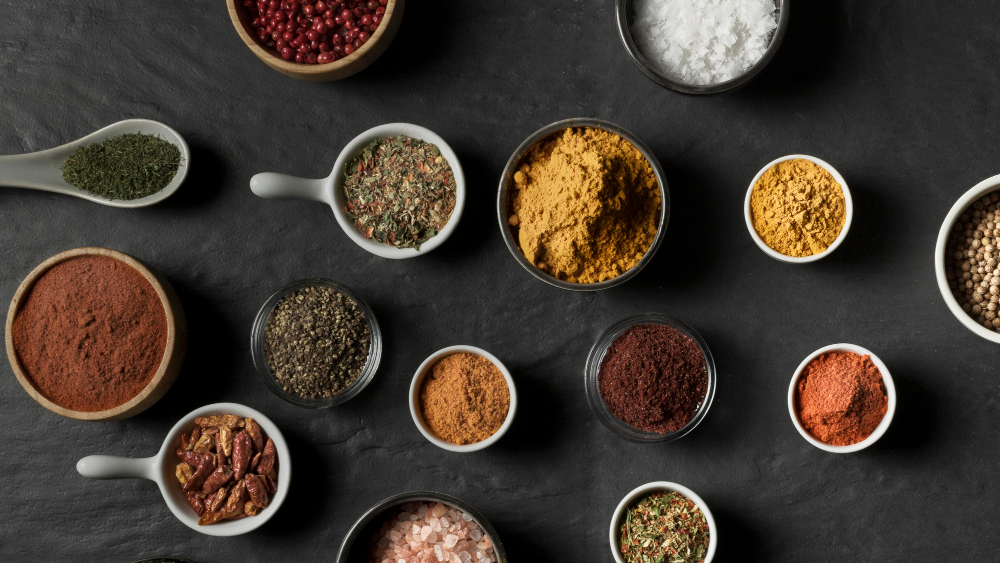
Because toasting has begun releasing the volatile compounds, toasted spices lose their aroma in storage far more quickly than untoasted ones.
Toast close to use. Early release shortens shelf life.
15. Some Things Toast by Their Own Fat
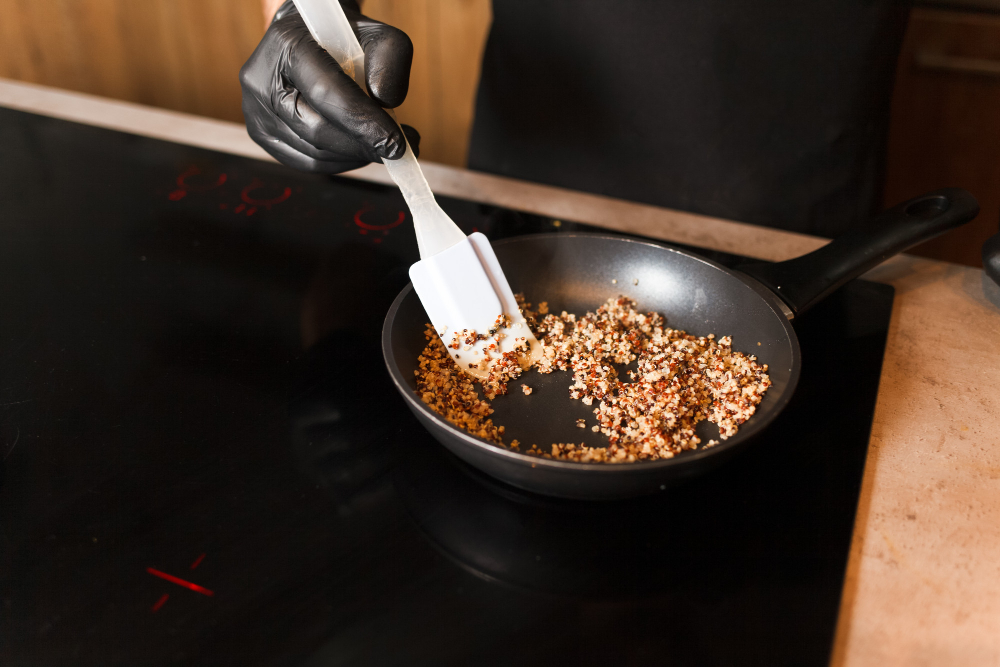
Oil-rich seeds and nuts release enough fat in a dry pan to effectively fry their own surfaces, which is why they can colour very suddenly.
The fat was inside all along. Self-frying explains the abrupt darkening.
Released, Created and Then Ruined
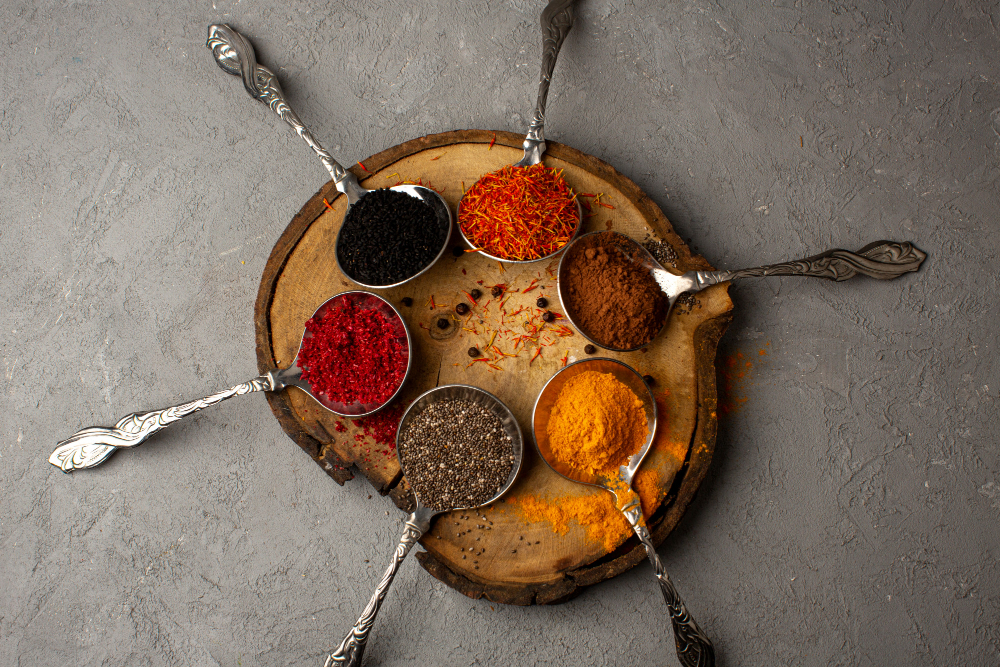
Water driven off first, new flavours made by browning, oils released from inside, a smell that changes before the colour, and a very short gap before bitterness.
The fifth item is the practical one. The smell of a spice changes noticeably before it looks any different, and by the time the colour has visibly shifted it may already be close to burning – which is why people who toast well tend to cook by nose rather than by eye.
Like our content? Follow us for more.