

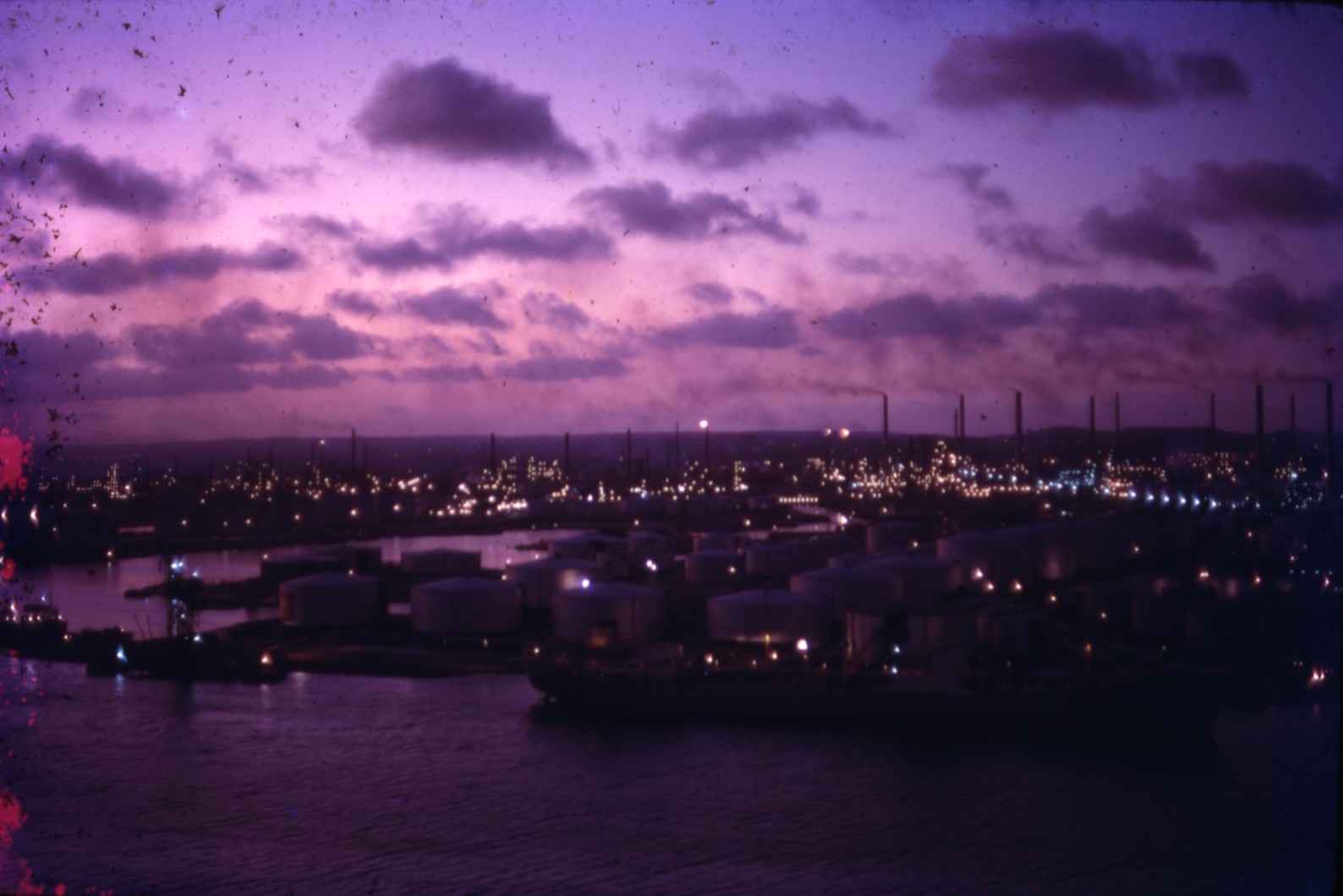
In 1965 a refinery flare burned permanently, visible across the district. The sulphur smell told the town which way the wind was blowing. Process samples were collected by men climbing to the tops of tanks and columns and carried to a laboratory whose answer came back hours later.
The control room was a wall of dials read one at a time by somebody holding the whole plant in his head. Everything hot was lagged with asbestos. Lead was blended into the petrol on site.
Here are fifteen things that were ordinary at an oil refinery in 1965, and what became of each one.
1. The Flare Burned Continuously and Lit the Sky for Miles
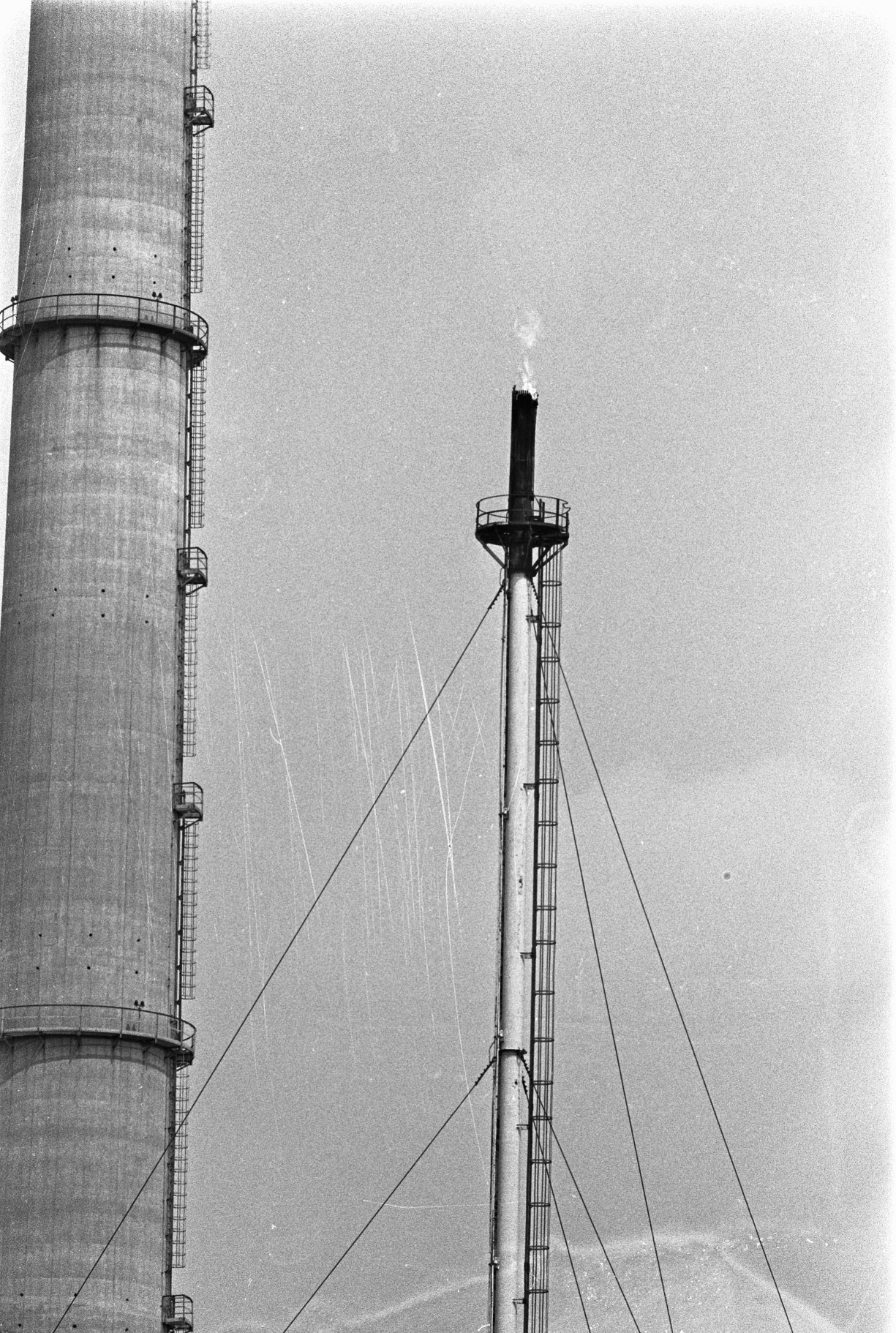
A refinery flare burns off gas that cannot be used or safely contained, and in 1965 flaring was routine rather than exceptional – a permanent flame visible across the whole district, brightening whenever anything upstream changed.
Gas recovery systems, flare gas capture and reporting of flaring volumes have reduced routine flaring enormously, and flares remain as essential safety devices for emergency relief. The permanent flame was treated as the normal appearance of a working refinery, and it represented a product being destroyed because capturing it was not yet worth the capital.
Like our content? Follow us for more.
2. The Whole Site Smelled and the Town Downwind Knew the Wind Direction
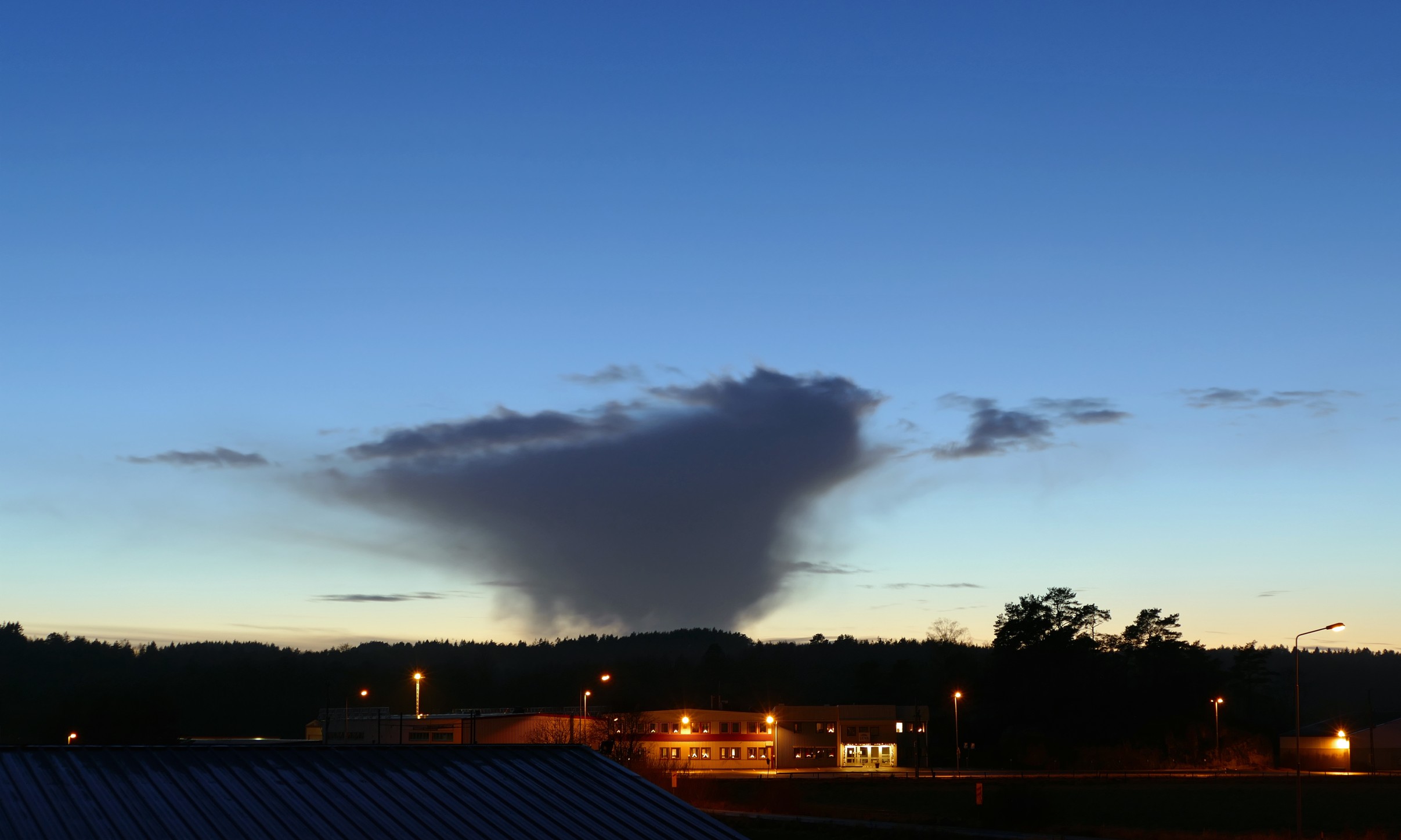
Sulphur compounds and hydrocarbon vapours escaped from tanks, seals, drains and vents continuously, and people living nearby could identify the wind direction from the air without looking.
Vapour recovery, double seals on floating roof tanks, leak detection and repair programmes, enclosed drainage and continuous fenceline monitoring have transformed it. Fugitive emissions are now measured, reported and targeted, and the characteristic refinery smell is substantially a sign of something needing attention rather than of normal operation.
3. Men Took Samples by Hand From the Top of Tanks and Columns
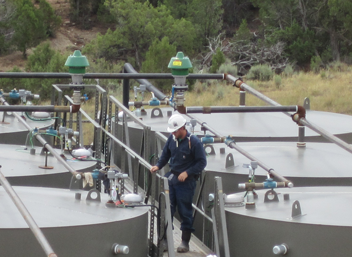
Process control depended on physical samples, collected by operators climbing to sample points on tanks, towers and lines, drawing off product into containers and carrying it to the laboratory.
Online analysers measure composition continuously and feed the control system directly. Sampling meant routine work at height, in all weather, next to openings releasing vapour, and the laboratory result arrived hours after the sample was taken – so the plant was always being controlled on information about its recent past.
4. The Control Room Was a Wall of Dials and a Man Reading Them
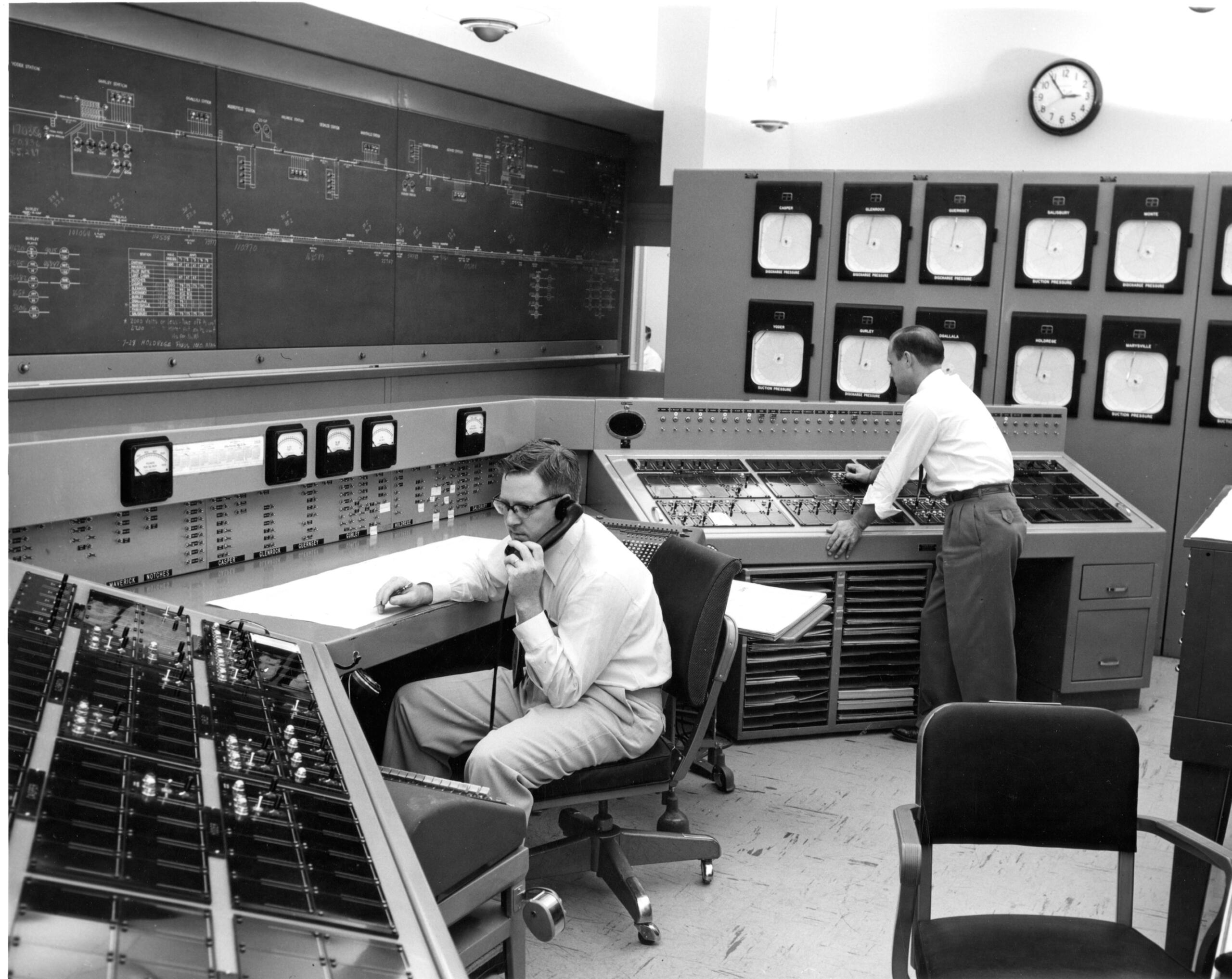
Operators monitored hundreds of individual indicators, chart recorders and pneumatic controllers, mentally integrating them into a picture of what the plant was doing, and adjusting by hand.
Distributed control systems, trend displays, alarm management and advanced process control replaced the wall. The pneumatic era’s operators developed a genuine feel for a plant’s behaviour, and the limitation was that nothing could see across the whole process at once except a person who had to look at one dial at a time.
5. Asbestos Lagged Everything Hot and There Was a Great Deal That Was Hot
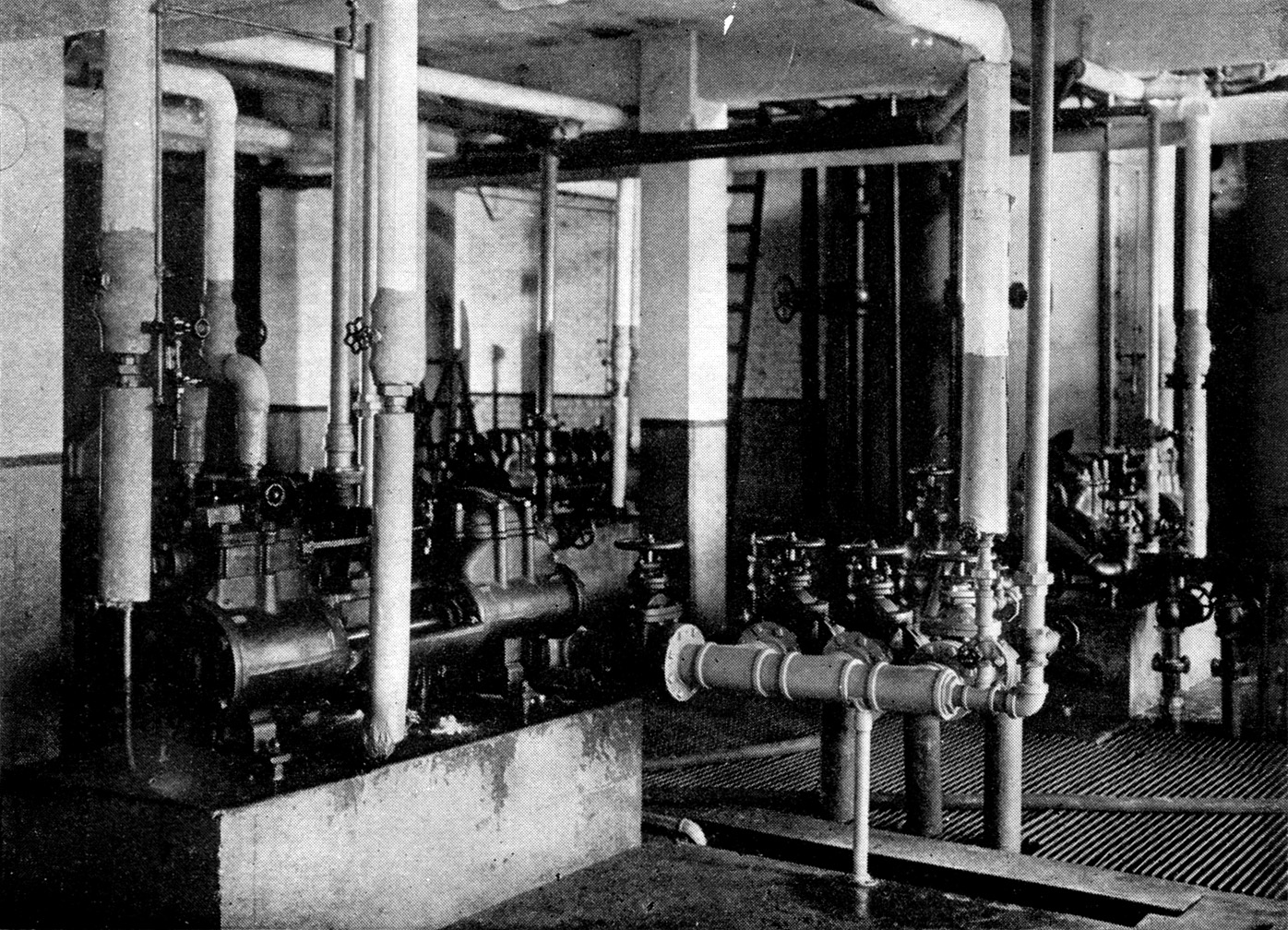
Pipework, vessels, columns and furnaces operating at high temperature were insulated with asbestos-containing material, applied, cut and repaired on site by laggers as routine maintenance.
Asbestos is prohibited and legacy material is managed under licensed removal with surveys before any work. Stated here as occupational history only. Anybody with that work history should raise it with their own doctor rather than with an article.
6. Tetraethyl Lead Was Blended Into the Petrol on Site
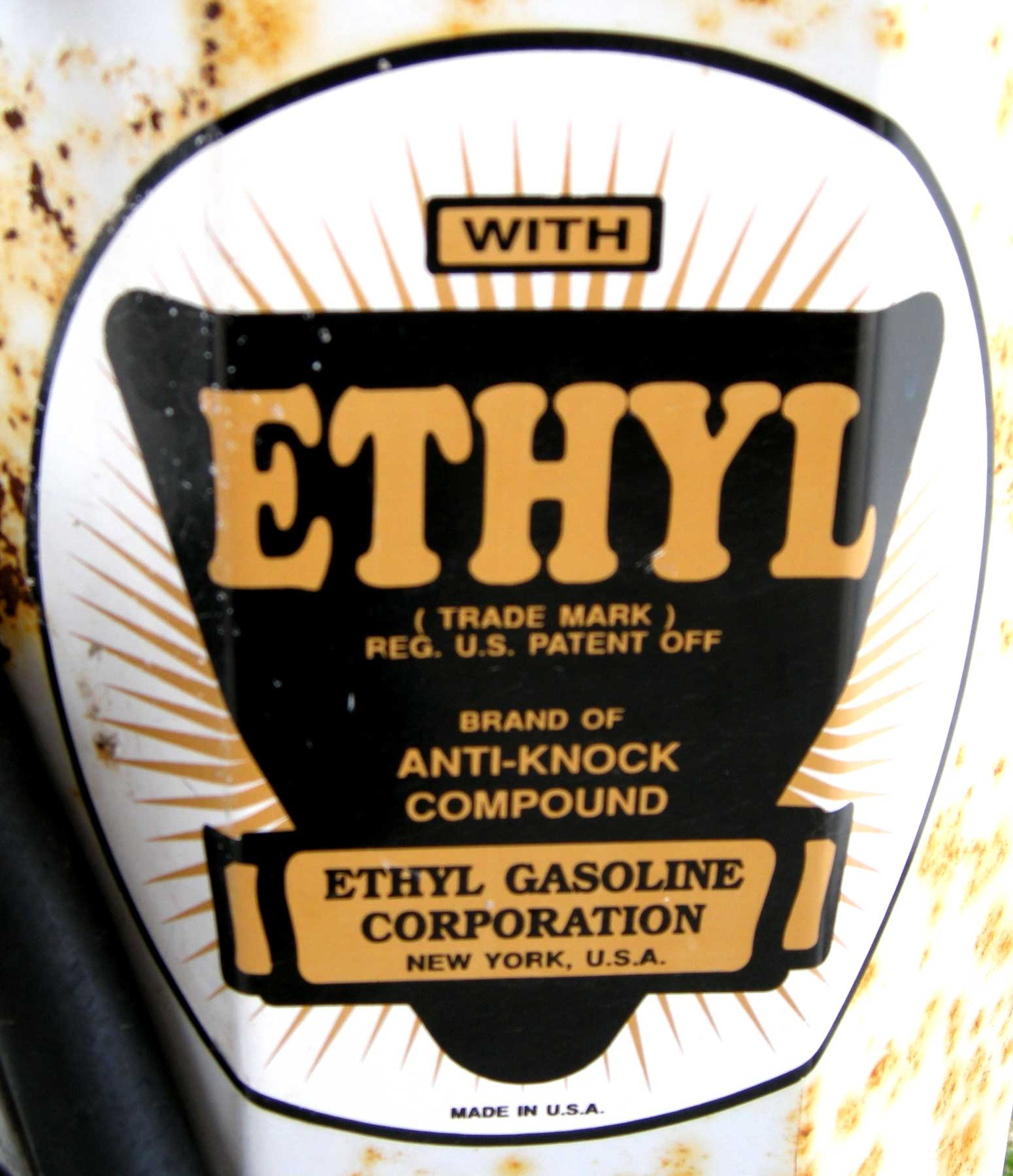
Antiknock additive containing lead was handled and blended at refineries in substantial quantities, with specialised handling because the material is dangerous, and the resulting product was sold universally.
Leaded petrol was phased out for road use and the blending operations were dismantled. The removal of lead from fuel is among the most consequential public health measures of the century, the evidence against it accumulated over decades, and the industry’s resistance to that evidence is a documented part of the history rather than an inference.
7. The Catalytic Cracker Was the Most Complicated Thing Anybody Had Built
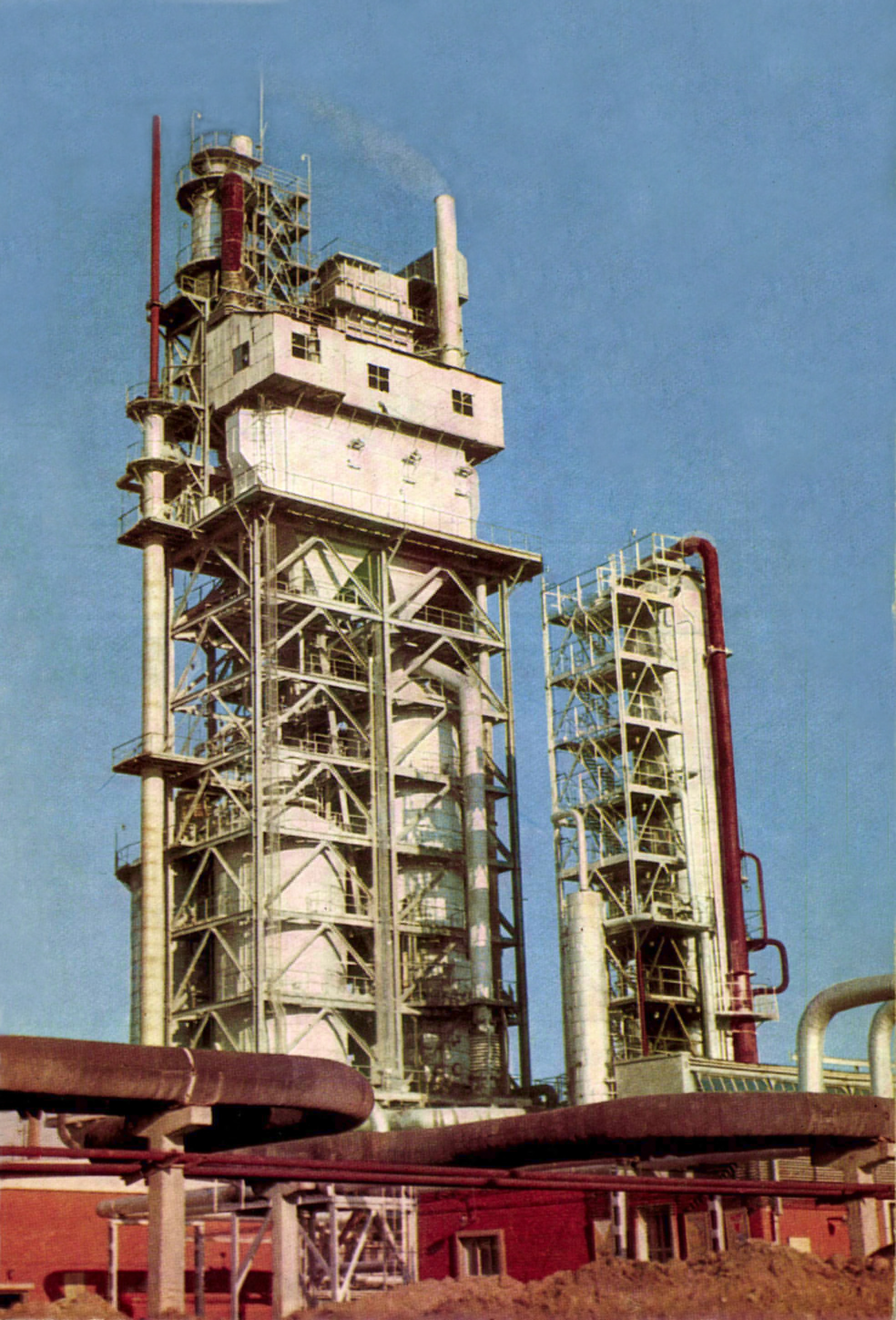
Cracking heavy fractions into lighter ones over a circulating catalyst, at temperature, continuously, with the catalyst regenerated in a second vessel and carried between the two in a fluidised stream, is a process of considerable complexity.
Still central, now with far better catalysts, metallurgy and control. The fluid catalytic cracker is one of the genuine engineering achievements of the century – a plant that circulates a solid as though it were a liquid, burns off the deposits that foul it, and returns it to the reaction, continuously, for years between shutdowns.
8. Everything Shut Down Together Every Few Years and the Town Filled Up
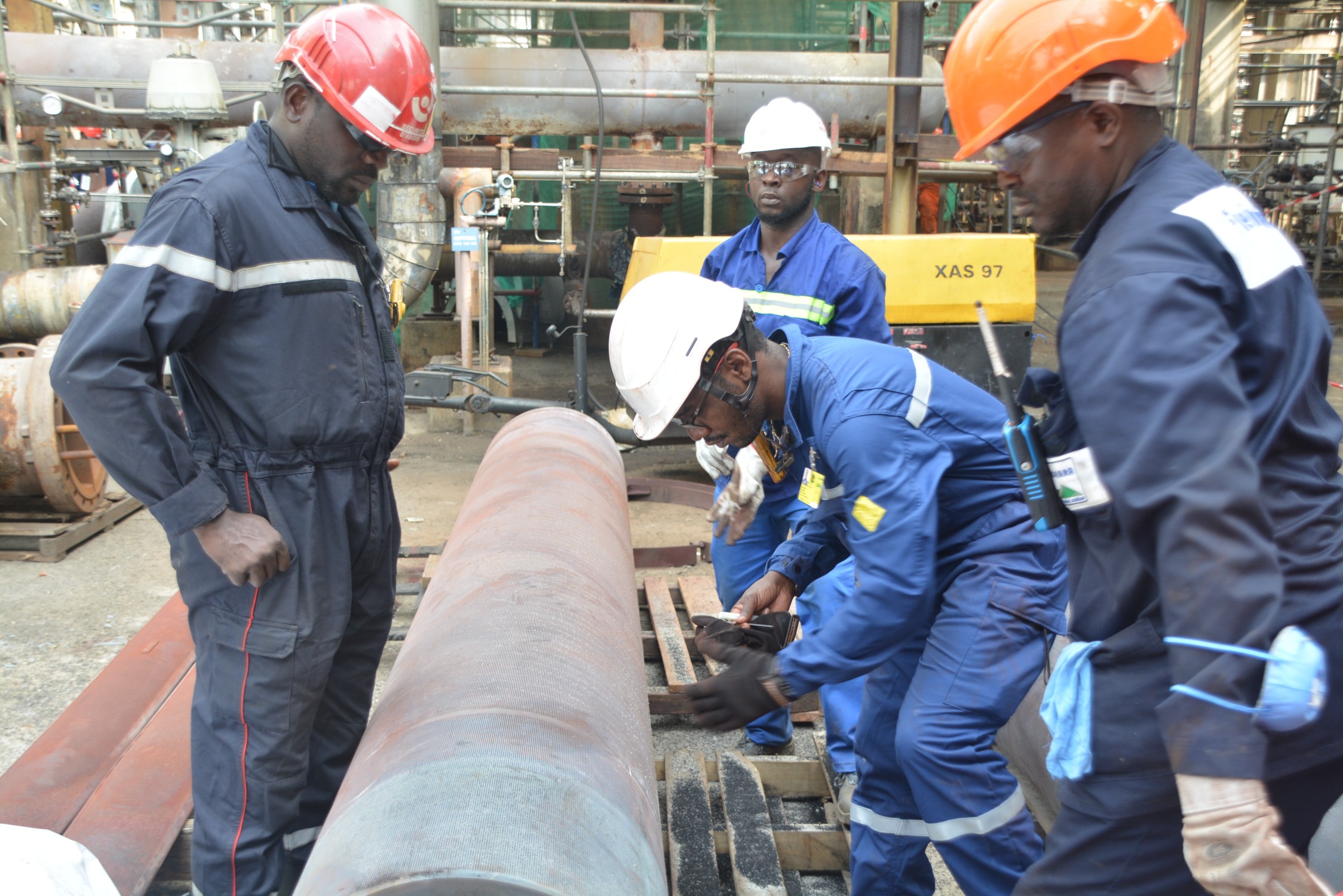
A turnaround meant taking units off line, opening vessels, inspecting, repairing and replacing, with thousands of contract workers arriving for a few weeks of intense work.
Turnarounds continue with longer intervals, better planning and far more predictive inspection reducing what must be opened. The influx of contract labour remains the pattern, and a turnaround is still the period when the risk of a serious incident is highest, because the plant is in an abnormal state and full of people who do not normally work there.
9. Confined Space Entry Was Routine and Barely Controlled
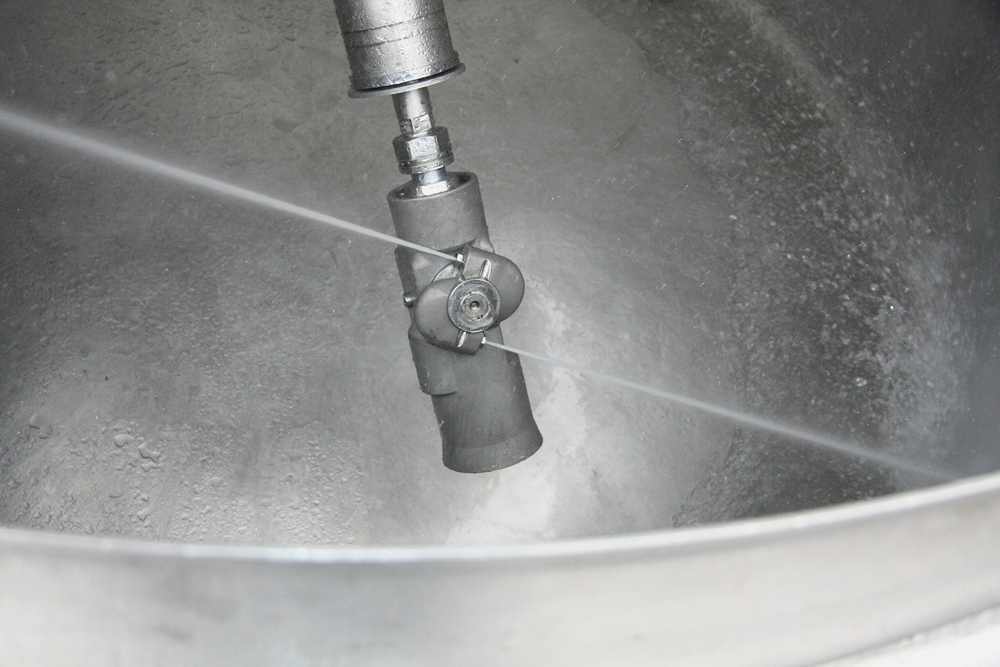
Cleaning and inspecting vessels meant entering tanks and columns that had contained hydrocarbons, with limited atmosphere testing, limited ventilation and frequently nobody adequately positioned outside.
Permit systems, atmosphere testing, forced ventilation, rescue arrangements and standby attendants are now absolute requirements. Stated as occupational history; anybody with concerns about their own work history should raise them with their own doctor.
10. The Plant Was Protected by Devices That Had to Work Without Being Tested
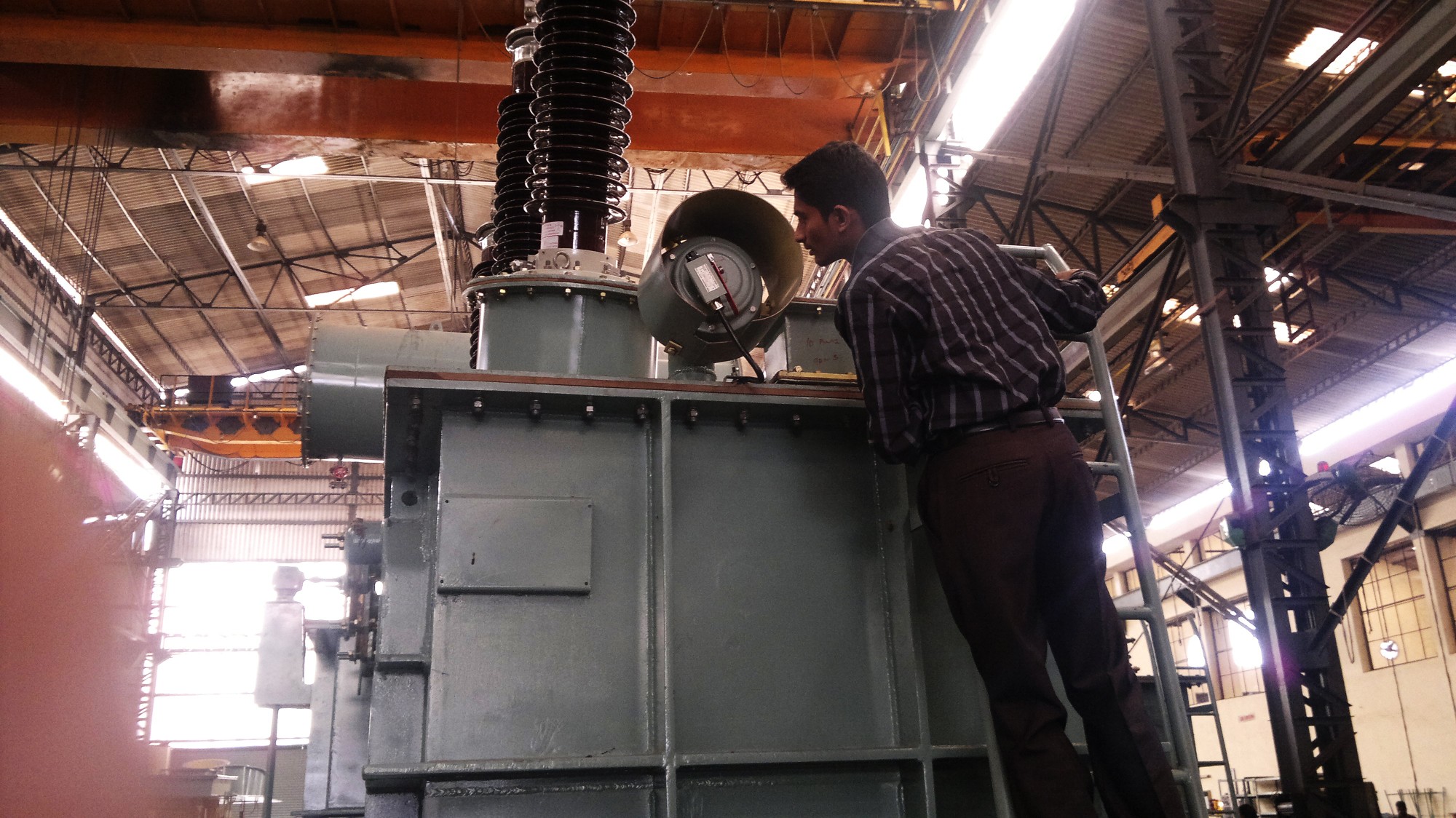
Pressure relief valves, rupture discs and interlocks protect against conditions nobody wants to create deliberately, which means they sit for years and must function correctly the first time they are called upon.
Systematic testing regimes, redundancy, independent protection layers and formal assessment of how reliable each layer must be now govern this. The underlying difficulty has not changed: a safety device whose operation cannot be rehearsed in service has to be trusted on the strength of its maintenance record.
11. Nobody Was Calculating What Could Go Wrong Systematically
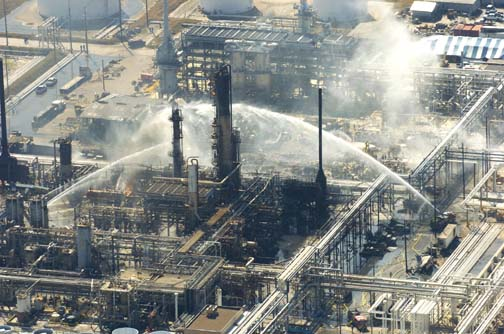
Design relied on experience, codes and engineering judgement, without the structured examination of every possible deviation that later became standard.
Hazard and operability studies, quantified risk assessment, layer of protection analysis and formal safety cases now examine processes line by line asking what happens if each variable goes the wrong way. Every one of those techniques was developed by this industry after incidents, and they are now applied across chemicals, pharmaceuticals, power and transport.
12. The Refinery Employed the Town and Paid Better Than Anything Else
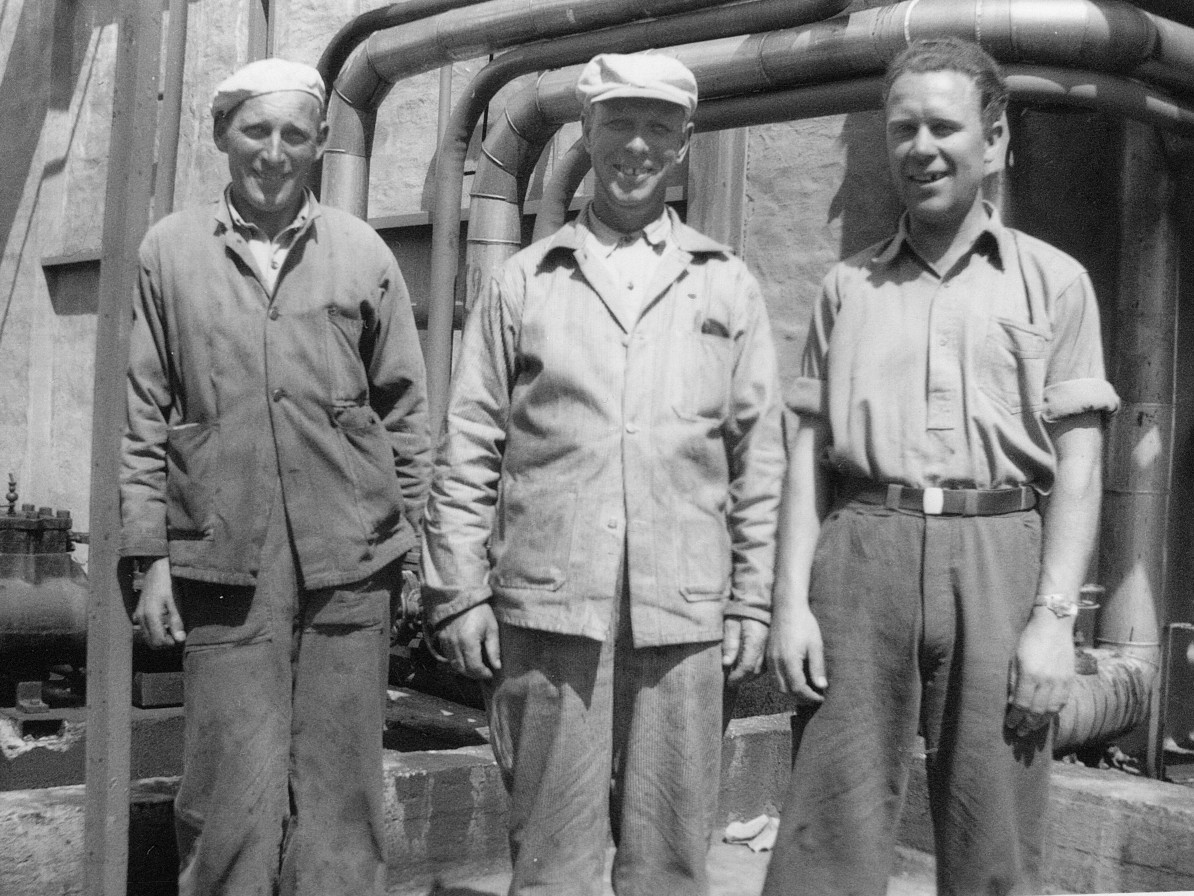
These were large, well-paid, stable employers with training, pensions and progression, in places where the alternatives were agricultural or light industrial work.
Automation reduced headcount enormously while throughput rose, and consolidation closed a substantial number of smaller refineries. A refinery town’s relationship with its plant is unusually close – the employment, the hazard, the smell and the skyline all belong to the same object – and the closures left communities that had organised themselves entirely around one site.
13. The Products Went Out by Rail, Road, Pipeline and Sea and the Logistics Were the Business
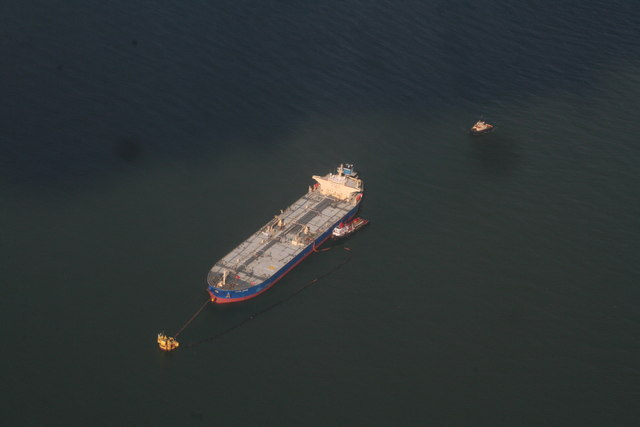
A refinery’s output is dozens of different products in different quantities going to different customers, and matching production to demand across all of them simultaneously is the actual commercial problem rather than the refining itself.
Linear programming optimisation, which the industry pioneered, now plans the whole operation continuously. The constraint is physical: a barrel of crude yields a fixed slate of fractions, demand for them varies independently, and the refiner’s skill is adjusting the process to match a demand pattern the crude does not naturally produce.
14. Nobody Expected the Fuel Itself to Be the Problem
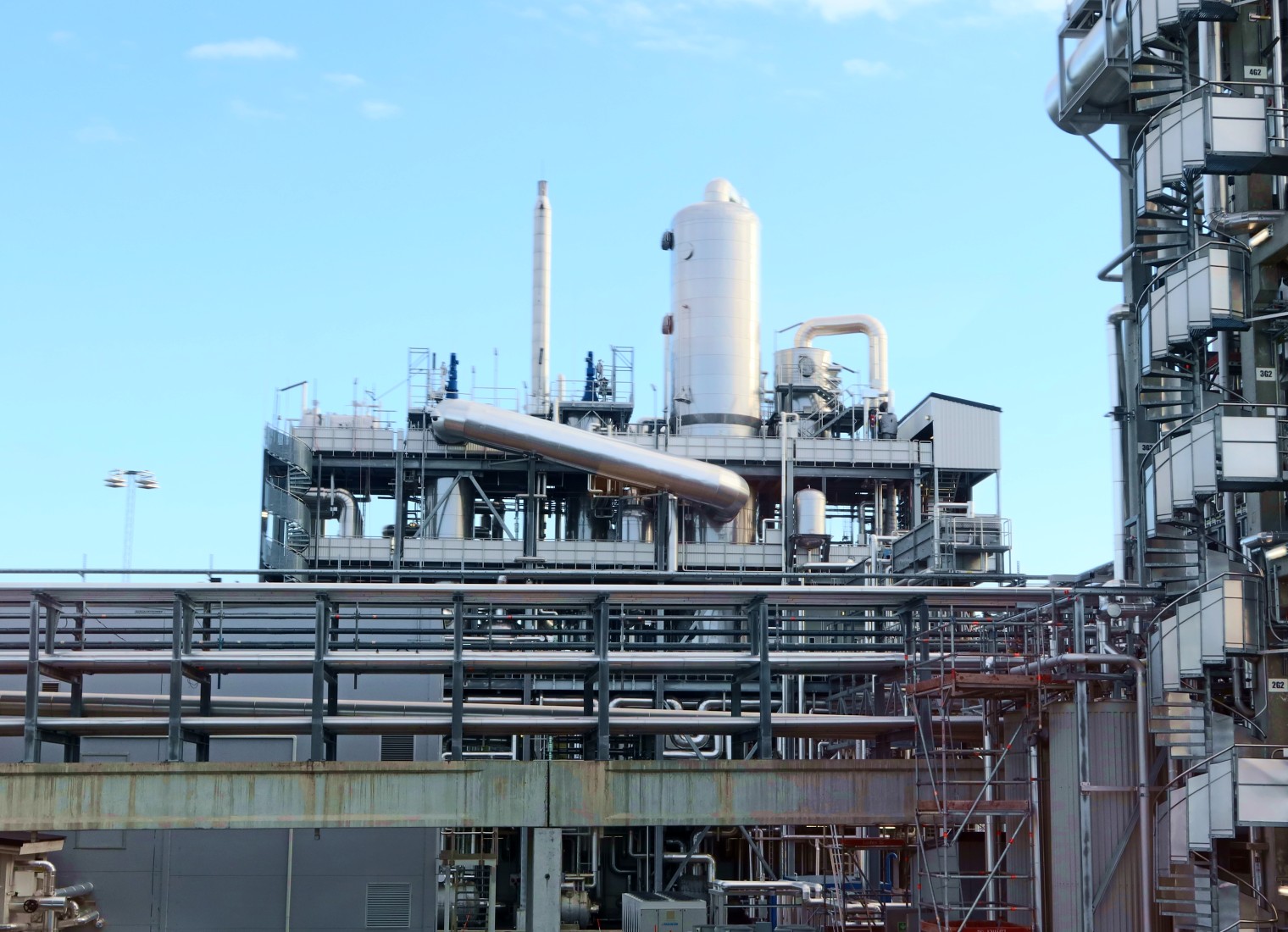
In 1965 the questions about this industry were about supply, price and local pollution. The product’s contribution to atmospheric carbon dioxide was understood in principle by specialists and was not a commercial or political consideration at all.
It is now the defining question about the sector, and refineries are being modified, repurposed for biofuels and hydrogen, or closed. The engineering is being applied to a transition the plants were not built for, and the honest position is that the pace, the cost and the extent of that transition are genuinely contested rather than settled, including among people who agree entirely about the underlying science.
15. The Plants Are Enormous, Invisible and Essential
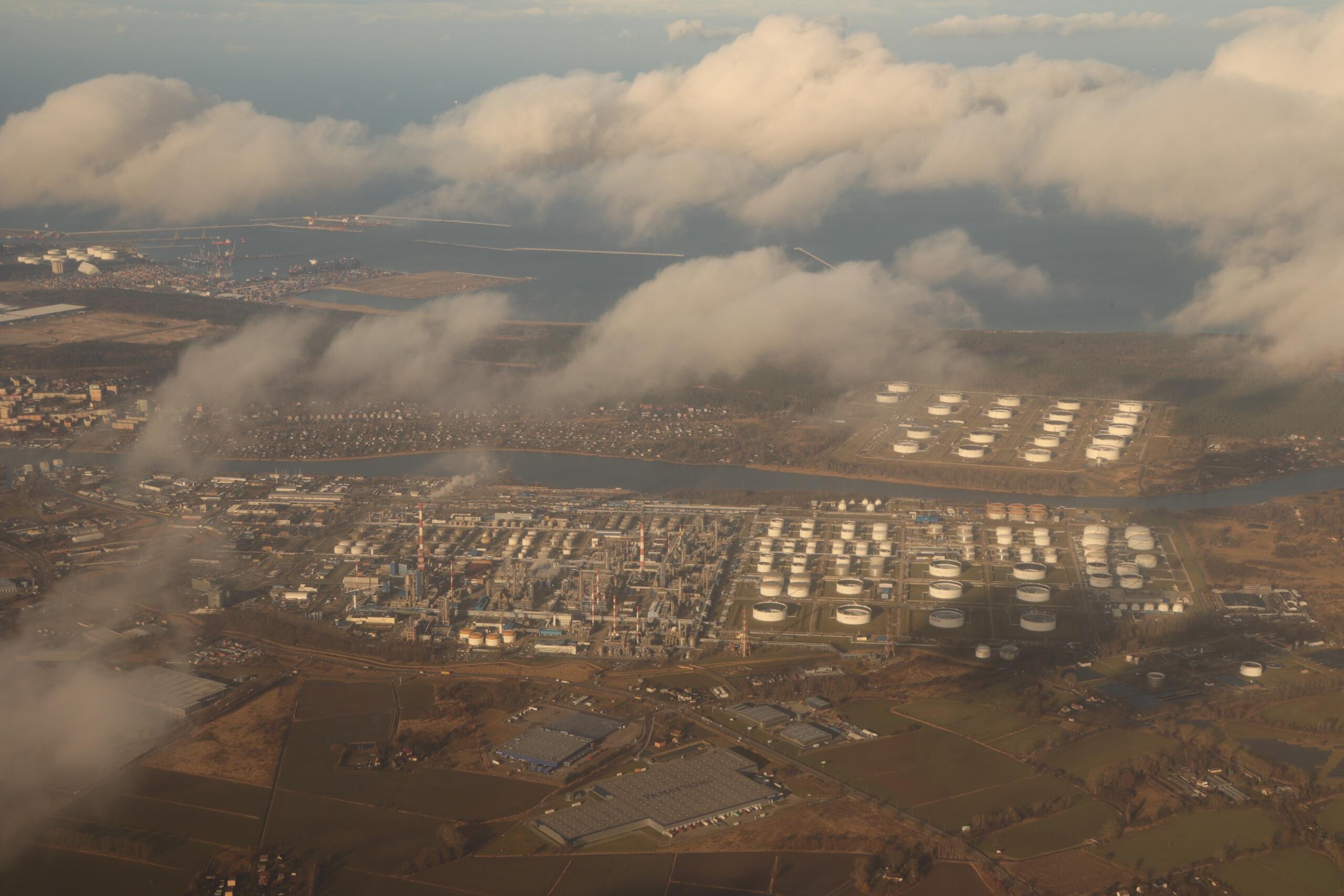
A refinery is one of the largest and most complex objects in any country, sits behind a fence that almost nobody enters, and produces the material on which essentially all transport and a large share of all manufactured goods depend.
Unchanged. It is the clearest case in this entire series of an industry that most people have never seen, cannot name a single worker from, and depend on completely – and the most striking thing about standing outside one is that something that large and that consequential runs continuously, for years at a time, and is thought about by almost nobody.
This Industry Invented How to Ask What Could Go Wrong
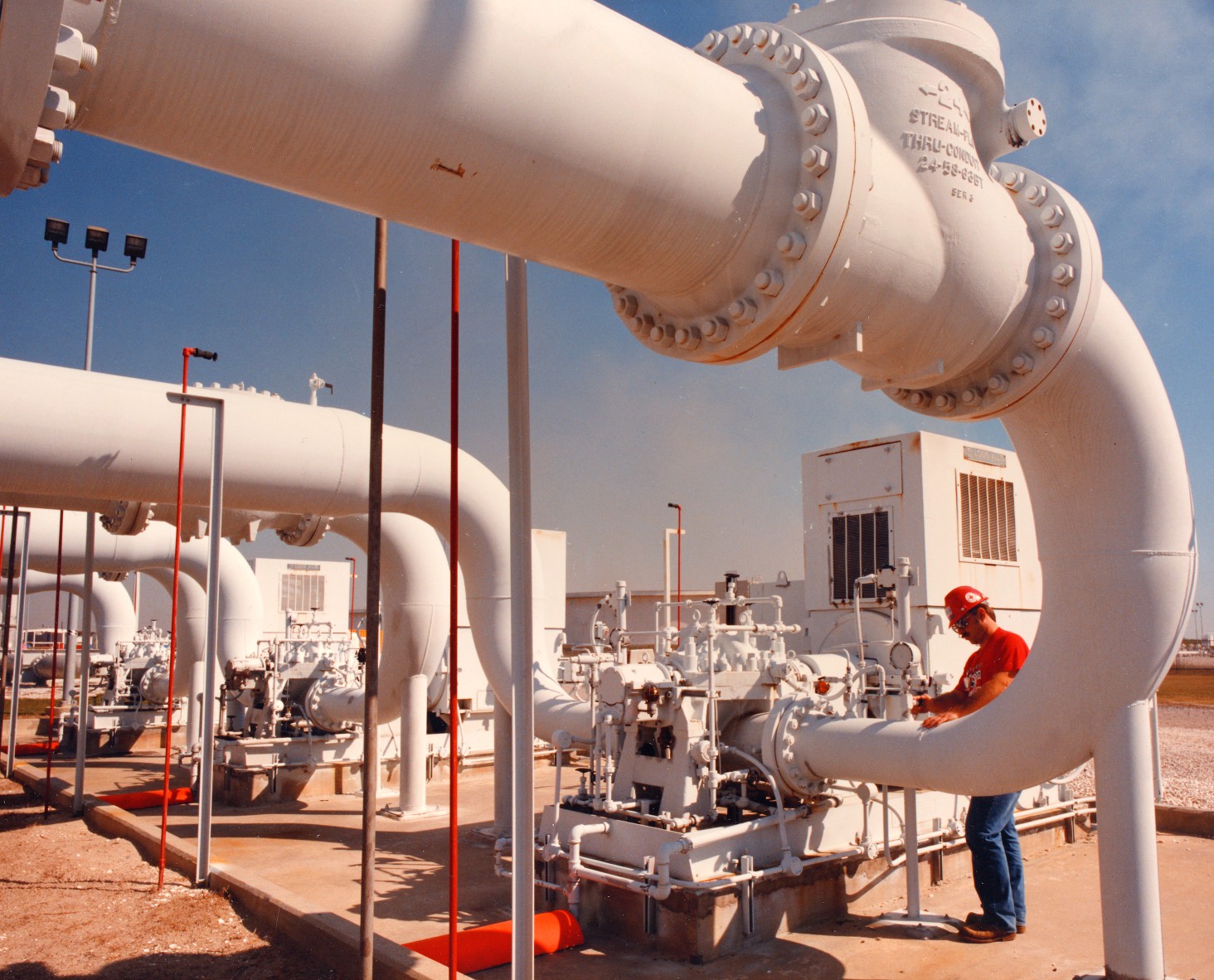
The most consequential thing to come out of refineries has nothing to do with oil.
A refinery is a plant containing enormous quantities of flammable material at high temperature and pressure, with thousands of connections, hundreds of control loops and dozens of interacting units. The number of ways it can depart from its intended state is effectively unbounded, and the consequences of some of those departures are catastrophic.
In 1965 the defence against that was codes, experience and engineering judgement – which is to say, the accumulated knowledge of what had gone wrong before.
What the industry developed, after a series of serious incidents, was a structured method for asking the question in advance. Take the process, divide it into sections, and for every variable in every section ask systematically what happens if it goes high, goes low, reverses, stops or is contaminated. Record the consequence, the existing safeguards and whether they are adequate. Do it with a team, line by line, before anything is built.
That technique, and the quantitative methods built on top of it, is now used in chemicals, pharmaceuticals, food, nuclear, power generation, water treatment, offshore and transport. The idea that safety is a property to be designed in and demonstrated rather than a matter of being careful comes substantially from here.
So the refinery’s lasting contribution to everything else in this series is a method: stop relying on competent people noticing, and instead work through the failures deliberately while there is still time to engineer them out.
Almost every safety improvement described across these pieces was arrived at that way, and the technique was developed by an industry that had the most to lose from getting it wrong.
If you worked at a refinery you will know which units you ran and what the turnaround was like.
And if you have ever driven past one at night, that is a process that has not stopped since before you were born.
Like our content? Follow us for more.
