The school magazine was typed on stencils, collated by hand and sold for pennies, and it published things about children that would now require a consent form. Here are fifteen of them.
1. It was produced on a duplicator and collated by hand
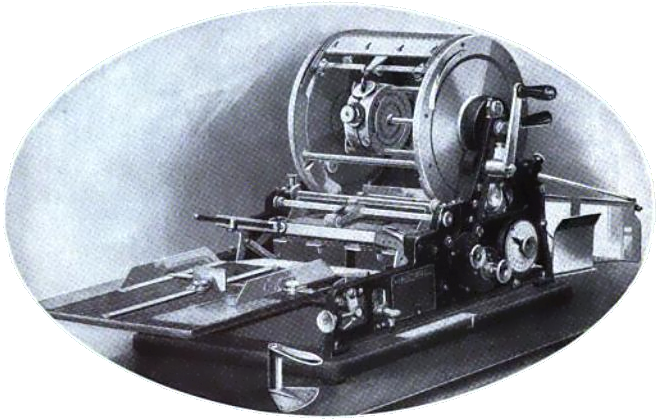
A 1966 school magazine was typed onto stencils by a teacher or a secretary, run off on a spirit or ink duplicator, and assembled by a group of pupils sitting round a table collating, folding and stapling.
That production method shaped everything about it: a limited number of pages, no photographs worth the name, a typewriter’s typography, and whatever the duplicator did to the edges of the letters.
Schools now produce a newsletter as a designed document distributed as a file, or publish continuously on a website and in social media, with photographs, colour and no page limit. The magazine became a channel rather than an object, and the collating table went with it. The magazine became a channel rather than an object, and the collating table went with it. Collating was also, for the pupils who did it, the first time any of them had seen a publication assembled, which is a side effect nobody designed and nobody misses enough to recreate.
Like our content? Follow us for more.
2. It printed pupils’ full names next to their results
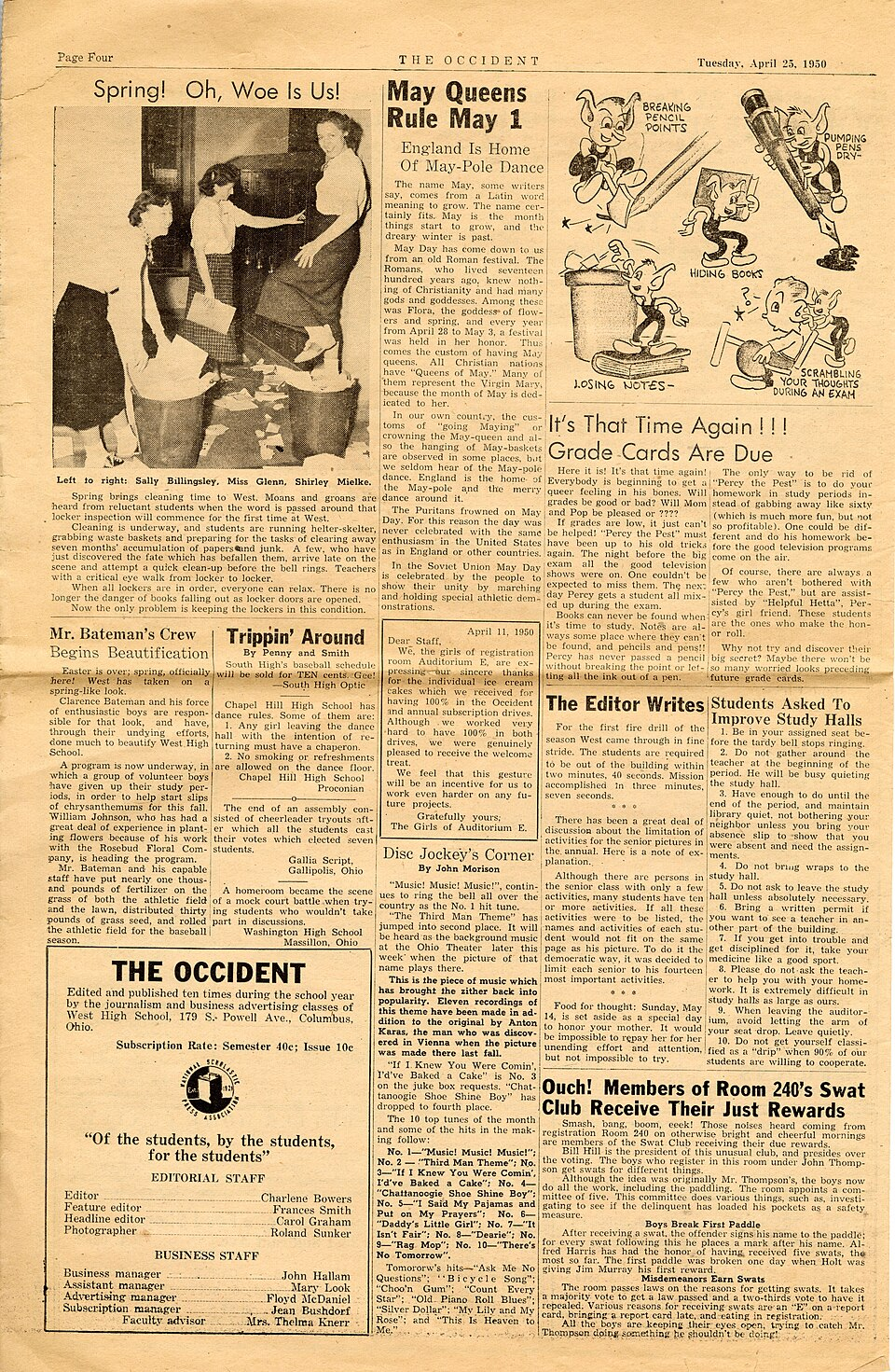
The magazine routinely listed examination passes, prize winners, scholarship results, team selections and office holders, by full name, in a document circulated to every family and frequently beyond.
That was understood as recognition and as a record, and the idea that a child might not want their result published was not part of how anybody thought about it.
Publication of pupil achievement is now consent-based, with permissions recorded, specific protections for children whose circumstances require them, and awareness that anything published online is permanent and searchable. This file reproduces no name and no list, and the change is one of the largest in the batch.
3. Photographs were printed with names and no permission was sought
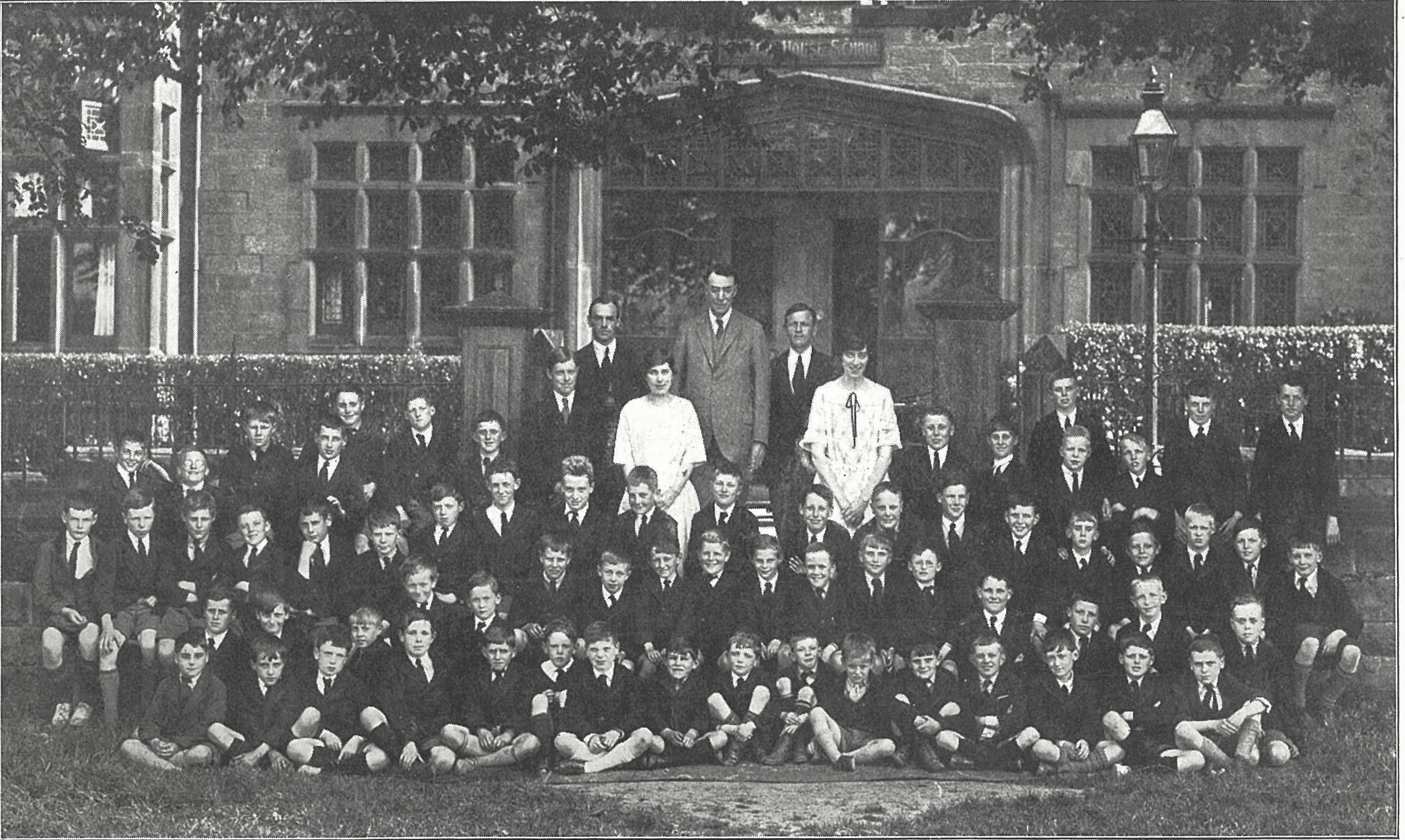
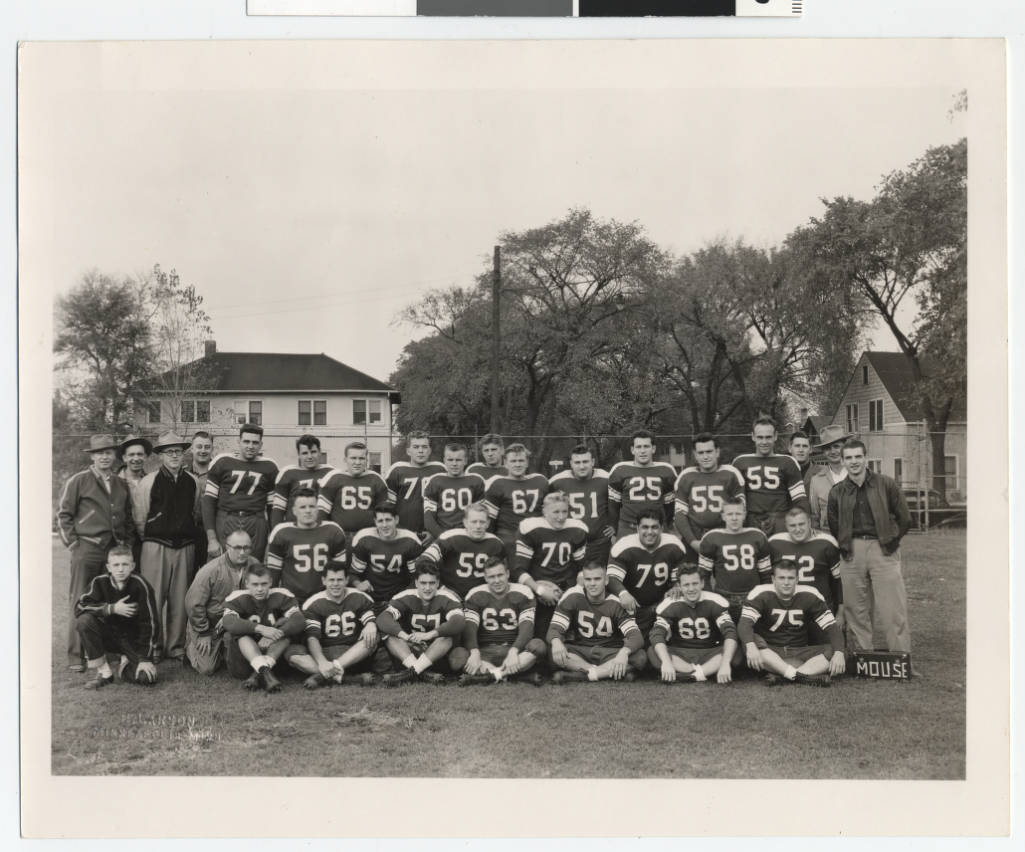
Where a magazine could afford a printed section, it carried team photographs, form groups and event pictures, captioned with the names of the children in them, and sometimes with their form or year.
Nobody was asked. The photograph was taken, the caption was written, and the magazine was sold to anybody who wanted one.
School photography now operates on recorded consent per child, with separate permissions for internal use, printed publication and online publication, and specific arrangements for children whose circumstances mean no image may be published. This file reproduces no photograph and no caption.
4. Local businesses advertised in it and paid for it
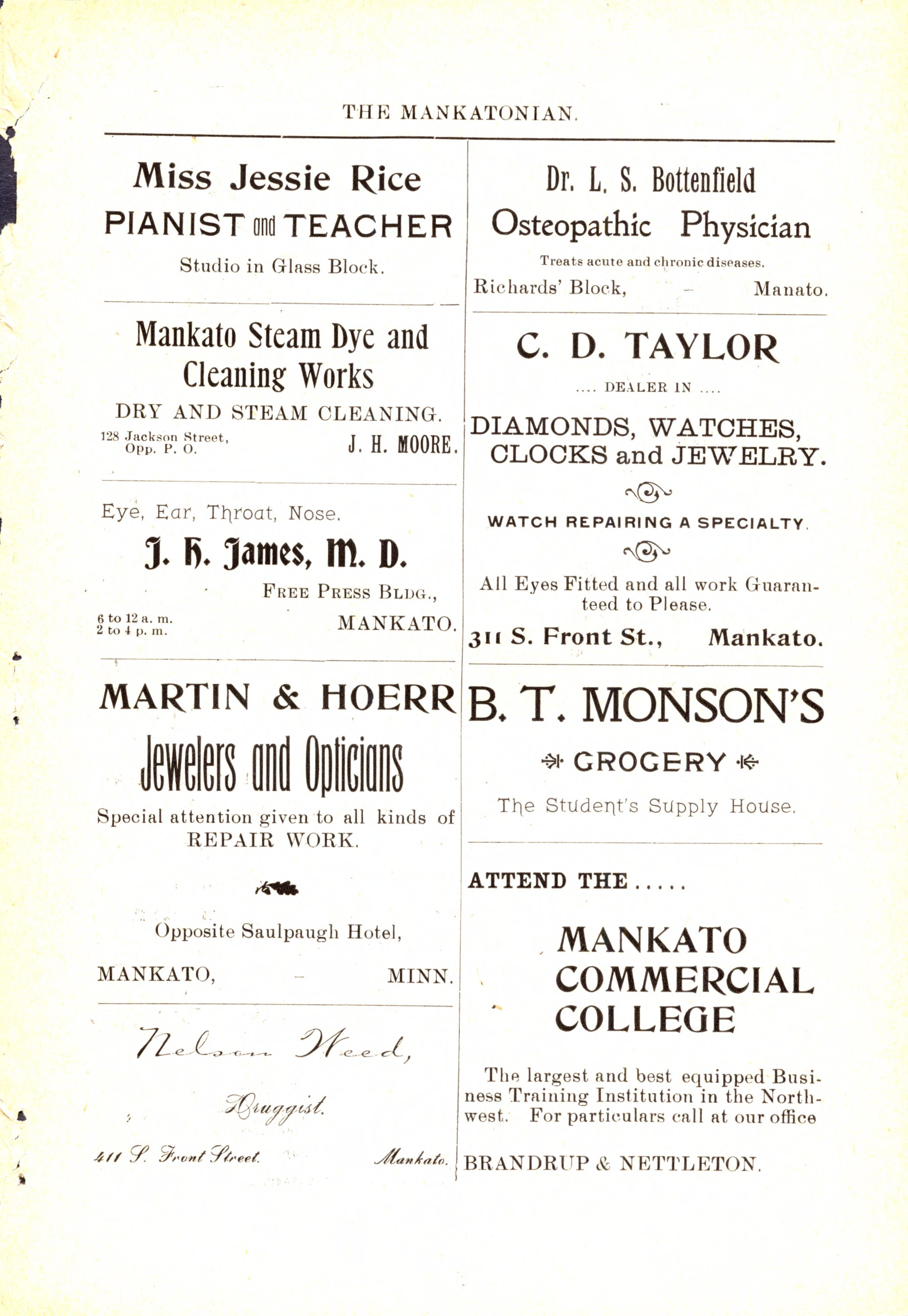
The magazine was frequently funded by advertisements from the shops, garages, builders and professional firms of the town, printed with their names, addresses and telephone numbers.
That made the publication self-financing and tied the school into its commercial neighbourhood in a visible way, and it is why old magazines are such a good source for local historians: they are a directory of a town’s businesses at a date.
School publications still carry sponsorship and advertising, now subject to policies about what may be advertised to children, and the model is considerably more regulated. The directory function has gone, which is a loss for the historians rather than for anybody else. The directory function has gone, which is a loss for the historians rather than for anybody else. A page of advertisements from a single year tells you which trades a town supported, what they called themselves and which streets they were on, and no other single document does that.
5. The headmaster’s foreword set the tone for the whole thing
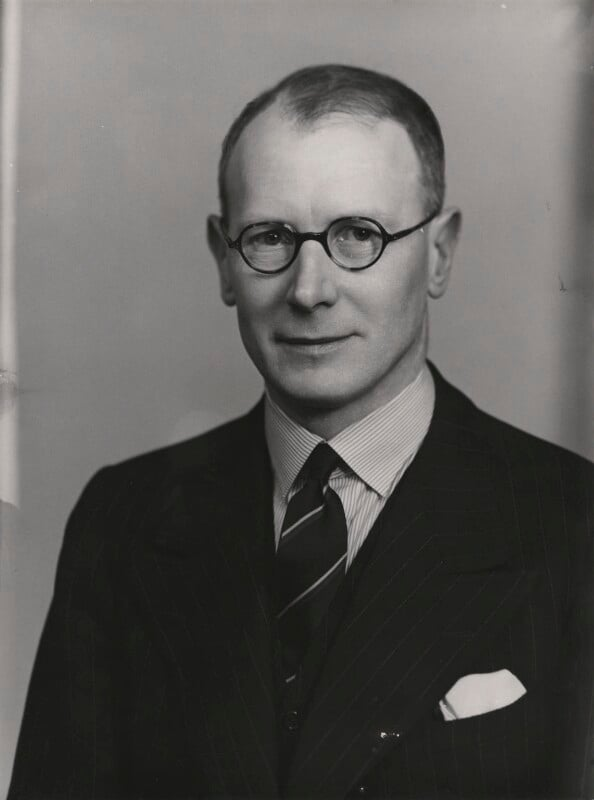
Every issue opened with an address from the head: the year’s achievements, the standards expected, thanks to staff, a note on the school’s direction and frequently an observation about the conduct of the young.
That piece is the most reliably comic part of any surviving magazine, and it was entirely serious at the time. It was the institution speaking in its own voice to the families who used it.
The modern equivalent is a head’s message in a newsletter, considerably shorter and written in a register that would have been unthinkable in 1966. The genre survives and the tone has changed completely. The genre survives and the tone has changed completely. What has gone with the tone is the assumption that a school may comment publicly on the character of the young people in its care, which is the part that reads most strangely now.
6. Pupils wrote most of it and the writing was better than anybody expected
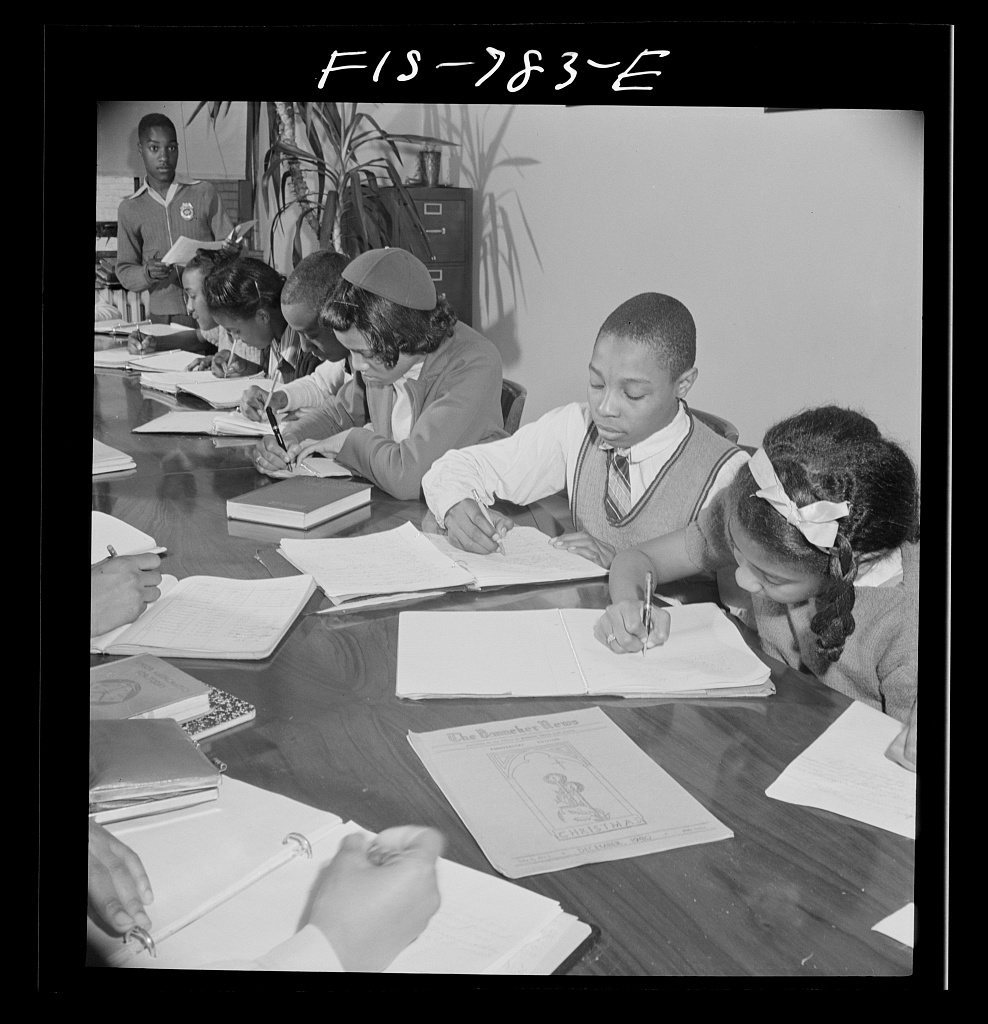
The bulk of the content came from pupils: accounts of trips, reports of matches, poems, short stories, essays, puzzles and reviews, submitted to a teacher who edited them.
For the pupils involved it was the first time anything they had written was published and read by strangers, which is a genuine and unusual experience for a child, and people who had a piece in a school magazine tend to remember it exactly.
Schools still publish pupil writing and now have far more routes for it: the website, a blog, a printed anthology, competitions and in some cases genuine publication. The audience is larger and the object is less tangible. The audience is larger and the object is less tangible. A child with a poem on a school website has more readers than a magazine ever reached and nothing to put in a drawer, and the people who had the drawer version are the ones who still mention it.
7. House and sports reports were a substantial proportion of it
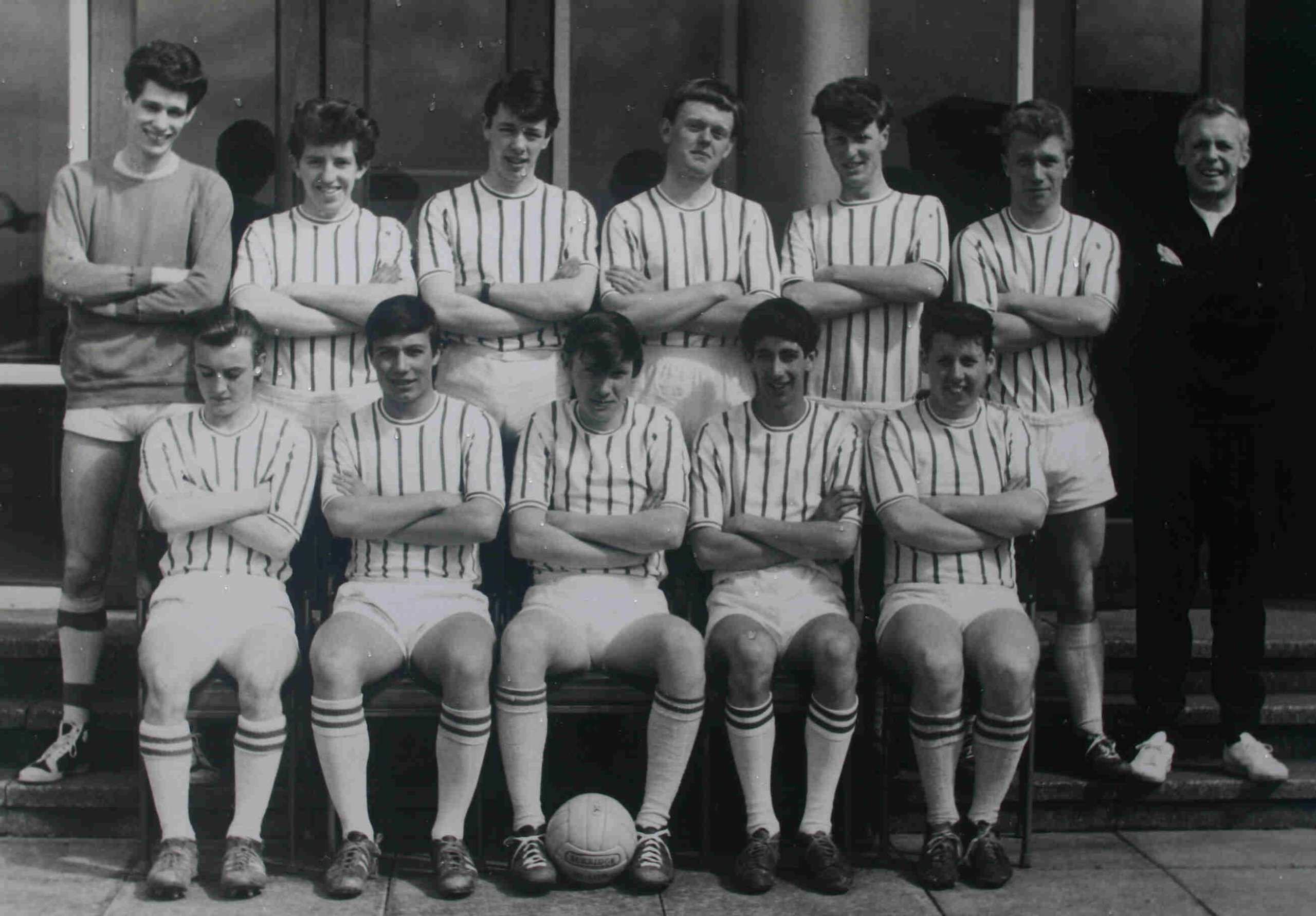
A great deal of the magazine was taken up with house results, match reports, league tables, team lists and the record of a season, written in a style borrowed wholesale from newspaper sports writing.
That content was the magazine’s main draw for its readers, because it was the only written record a pupil’s achievement would receive, and it was read closely by the people in it.
Sports reporting has moved to the website and social media, where it is immediate, illustrated and far more widely read. What has gone is the end-of-year consolidated record, which is the thing a reader forty years later actually wants.
8. Staff caricatures and in-jokes were part of the format
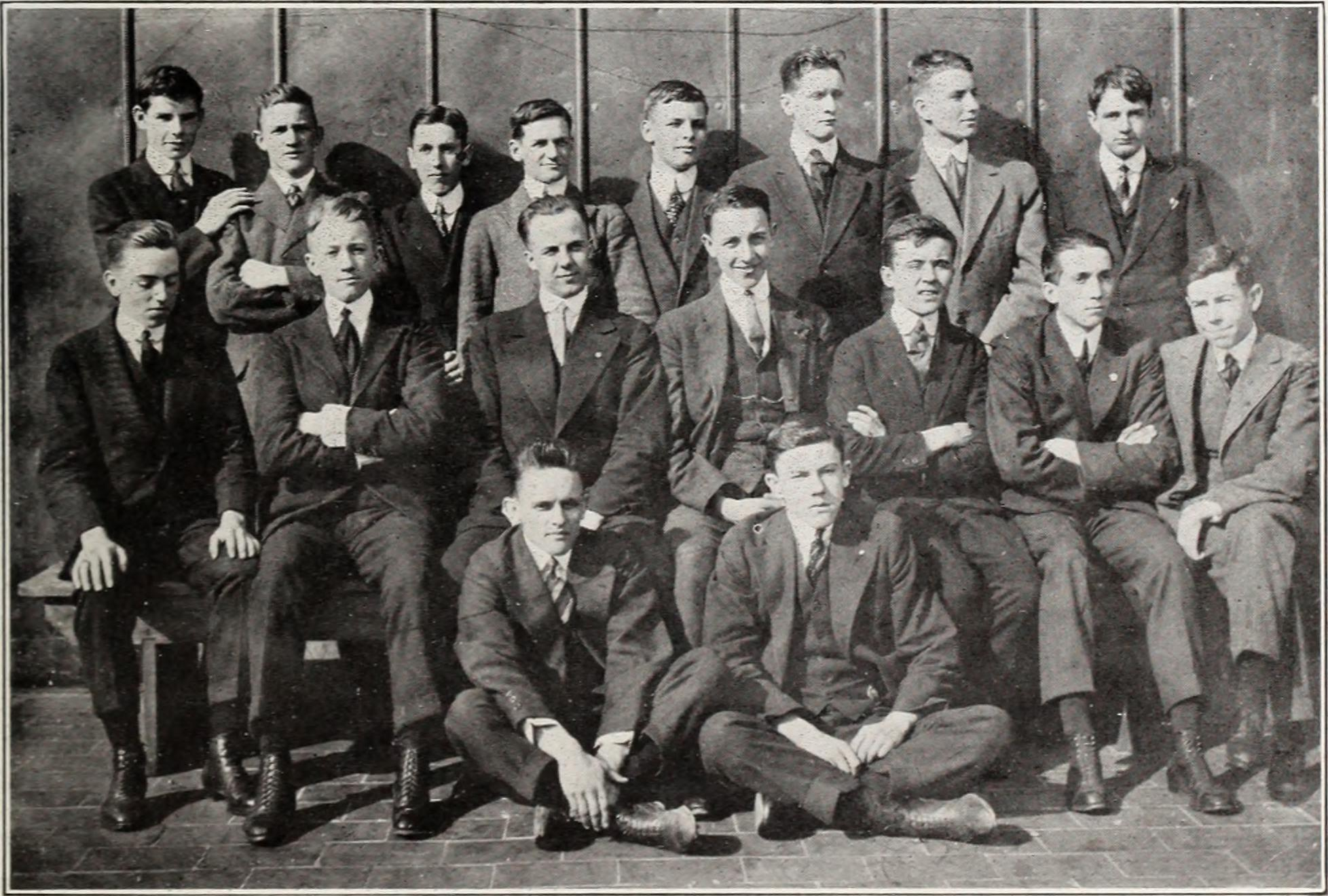
Magazines carried cartoons, parodies, mock timetables, invented awards and jokes about members of staff, usually approved by a teacher and occasionally not.
That was a tolerated outlet, and the boundary was maintained by one adult’s judgement about what was affectionate and what was not.
Schools now handle this through policies about respect, acceptable content and the school’s own communications, and the equivalent material tends to live in a leavers’ publication or a social media account rather than in an official organ. This file reproduces no joke, no caricature and no remark about any person.
9. It recorded staff arrivals, departures and Funerals
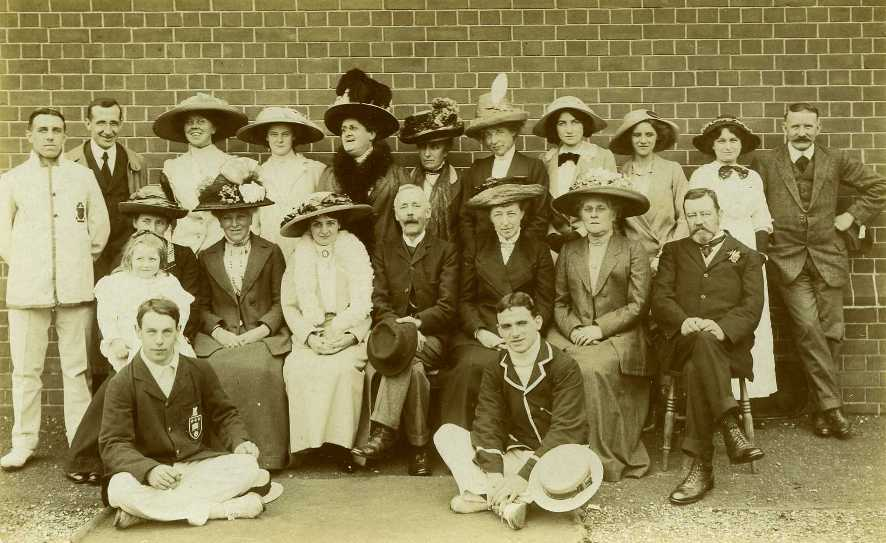
The magazine carried the formal record of the school’s people: appointments, retirements after long service, and notices of the deaths of staff, former staff and sometimes former pupils.
That gave the publication a genuine archival function. The staff list of a school across decades is frequently reconstructable only from its magazines, and family historians use them for exactly that.
That function has largely gone. A school website records the present and is rewritten, and very few schools now produce an annual document that will still be legible as a record in fifty years. It is the clearest thing the magazine did that nothing has replaced.
10. It was sold, for pennies, and the money went to the fund
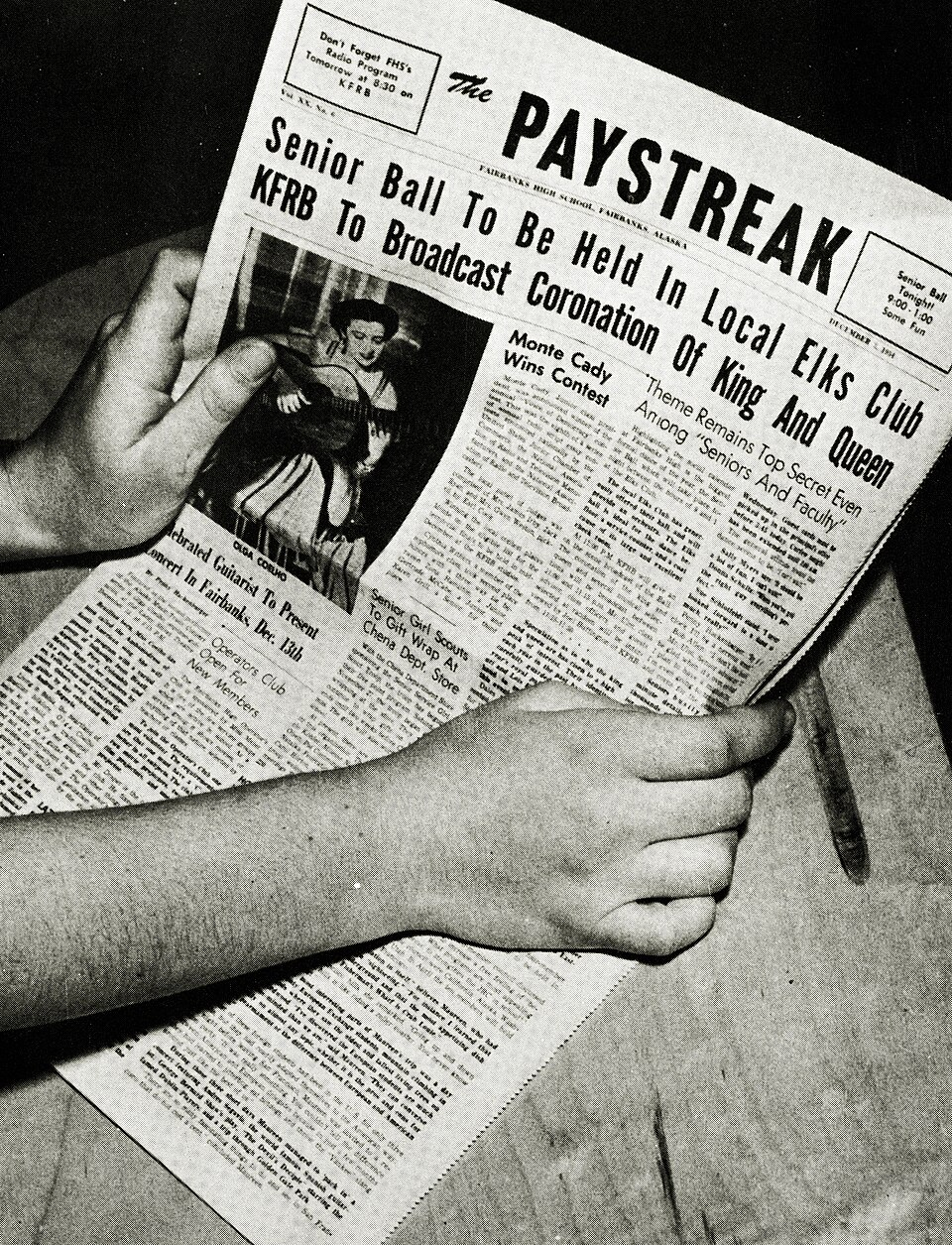
Copies were sold to pupils and parents at a small price, with the proceeds going to the school fund, and a pupil whose family bought one took it home and it stayed in a drawer.
That is why so many survive: a cheap object, kept for sentimental reasons, in a very large number of households.
School publications are now free and digital, which is better in every practical respect and means nothing will be found in a drawer. The survival rate of a file on a school’s content management system over fifty years is a question nobody has a good answer to.
11. The editor was a teacher doing it on top of everything else
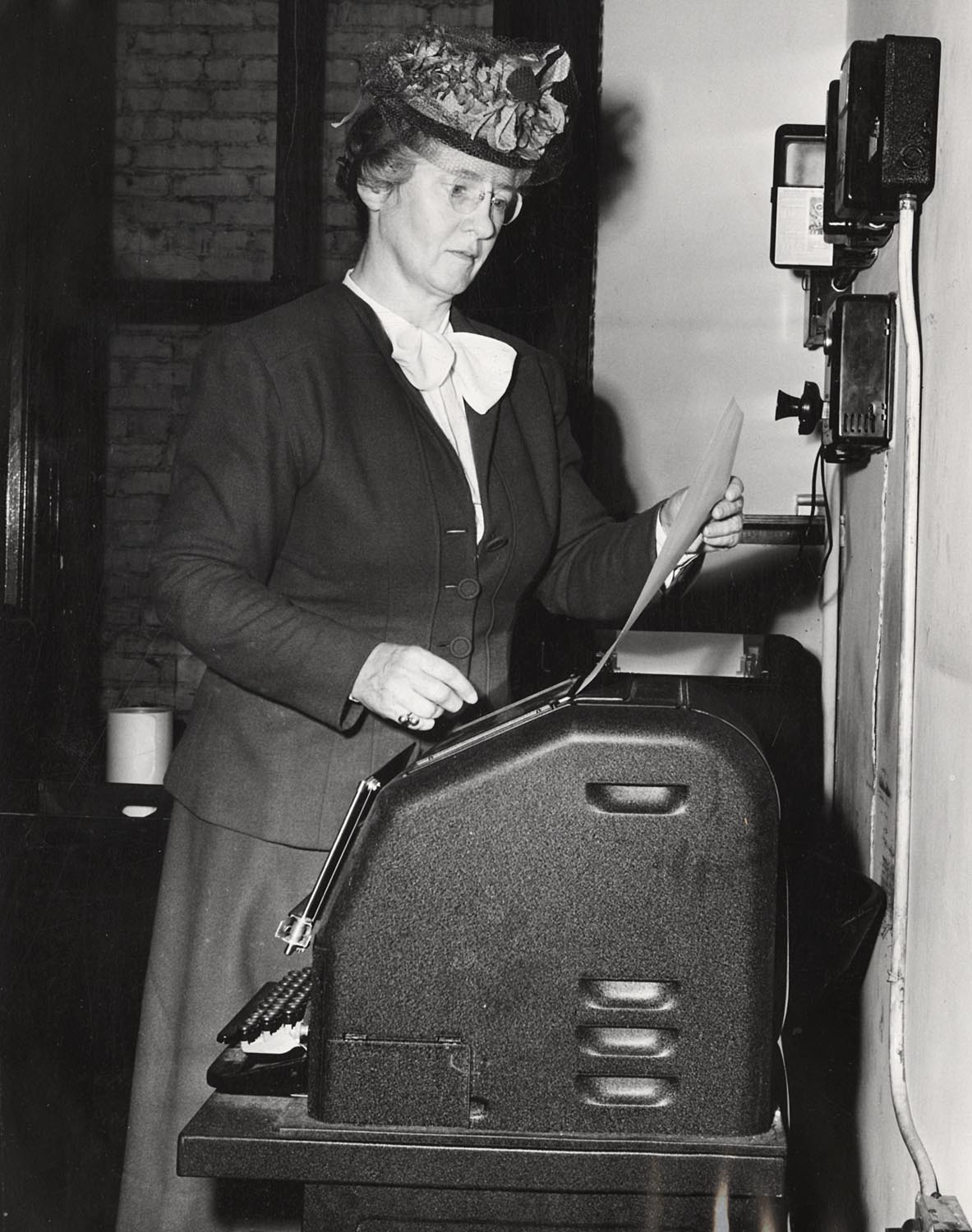
Someone on the staff ran the magazine: soliciting contributions, editing them, typing stencils, arranging the printing, chasing the advertisers and organising the collation, in addition to a full timetable.
That is the same pattern as the school garden, the piano and the school farm in this batch: an institution’s most distinctive output resting entirely on one person’s unpaid enthusiasm, and ending when they left.
School communications are now frequently a defined role or part of a business manager’s remit, with software, templates and a schedule. It is less personal and it does not stop when somebody retires.
12. The content was heavily weighted toward the academic and the sporting
A magazine reflected what the school valued, which meant examination results, sports, houses and office holders, and relatively little about music, art, craft, the technical subjects or anything a pupil did outside those categories.
So a child who was good at something the school did not count appeared in the magazine not at all, which is the same narrowness this batch found in prize day.
Modern school communications cover a far wider range deliberately, including things that are not competitive and not examined, because the value of recognising them is now explicit. The range is the change rather than the medium.
13. Its spelling, grammar and tone were a teaching instrument
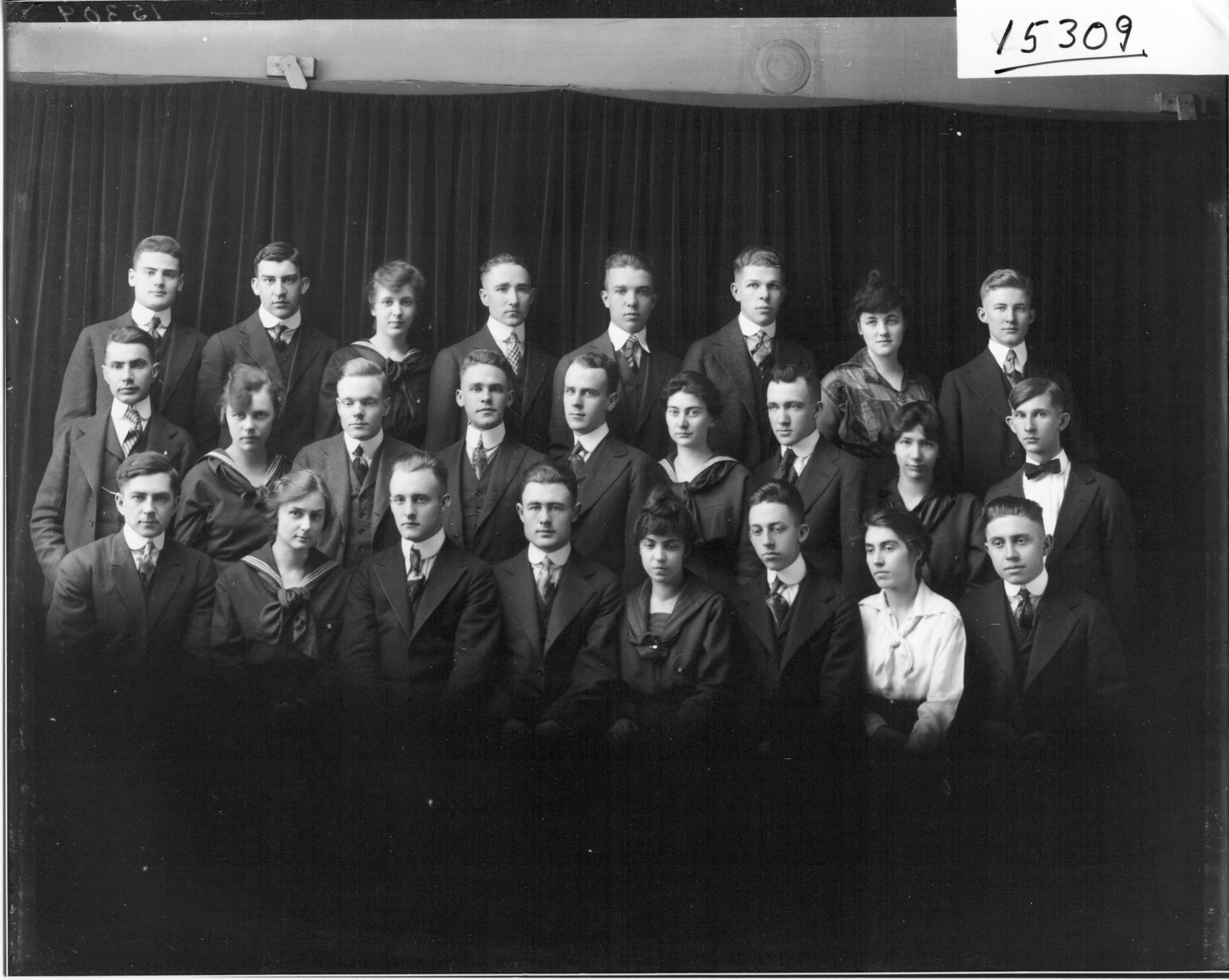
Editing pupil contributions for publication is a genuinely effective way of teaching writing, because the pupil can see why a change was made and the stakes are real.
Teachers who ran magazines describe it as the most useful writing teaching they did, precisely because publication supplied a reason to get it right that no exercise book provides.
That principle is now widely understood and deliberately used, with writing for real audiences and real publication built into curricula. The magazine got there first by accident of necessity.
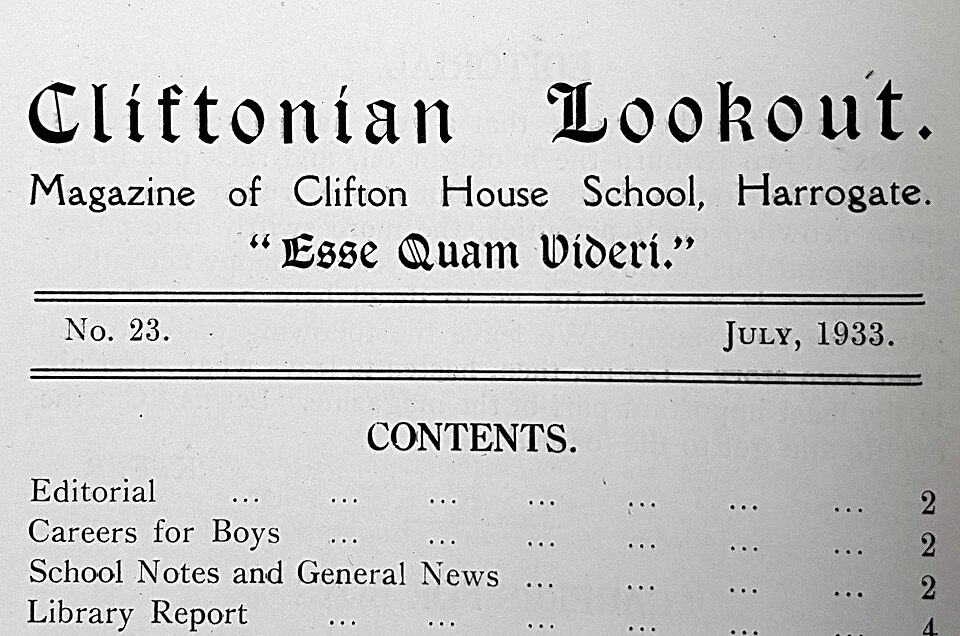
14. Back copies are now the school’s most useful archive
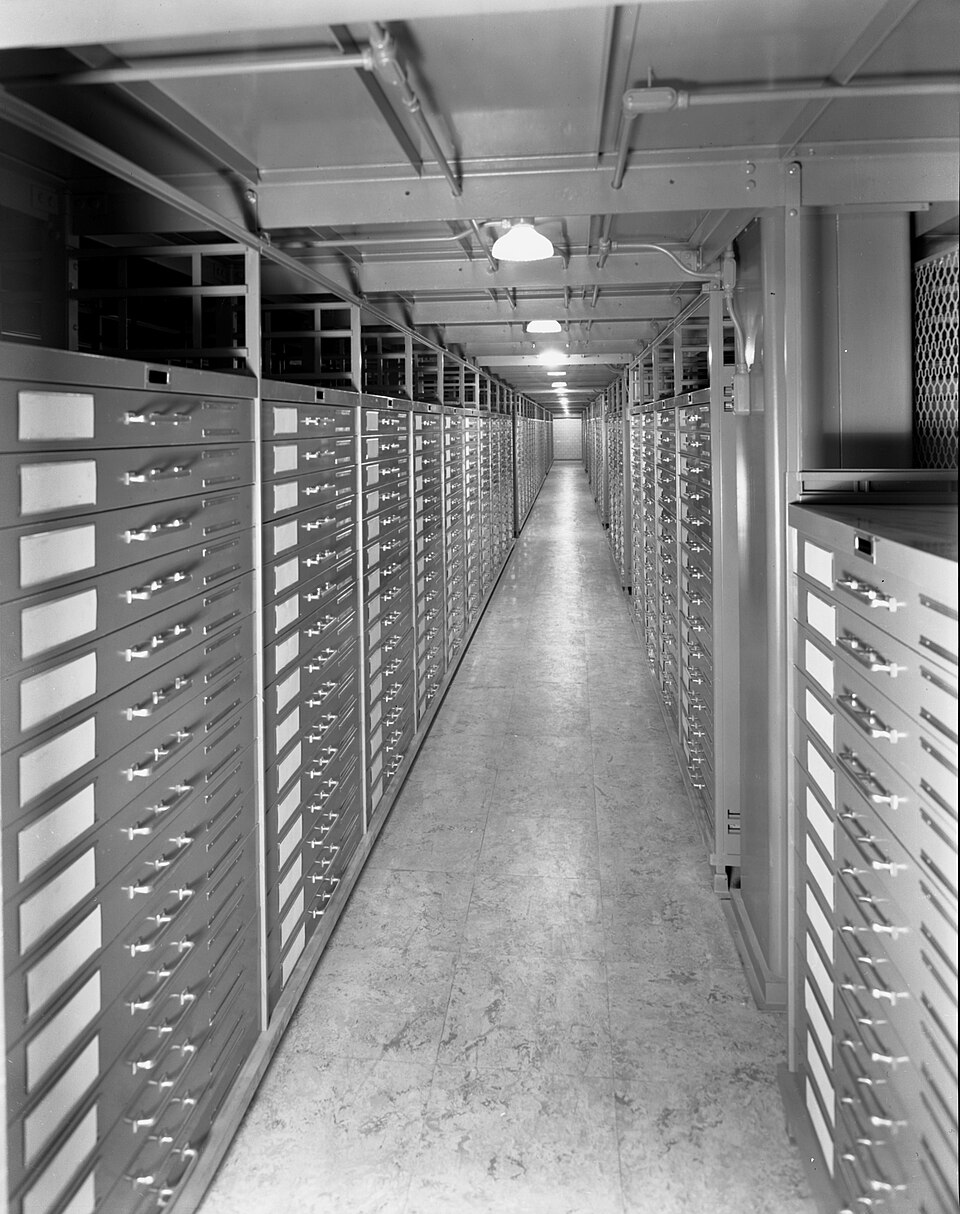
A bound run of school magazines is the single best record most schools have of their own past: names, dates, staff, buildings, events, results, and the institution’s own account of itself year by year.
Archivists, local historians, family researchers and the schools themselves use them constantly, and a school that threw its run away has lost something it cannot reconstruct.
Many schools have digitised their runs, which makes them searchable and solves the preservation problem. The ones that did not keep them are discovering the gap at anniversaries, when somebody asks what happened in a particular year and nobody can say.
15. What made it work was that it was finite and it was an object
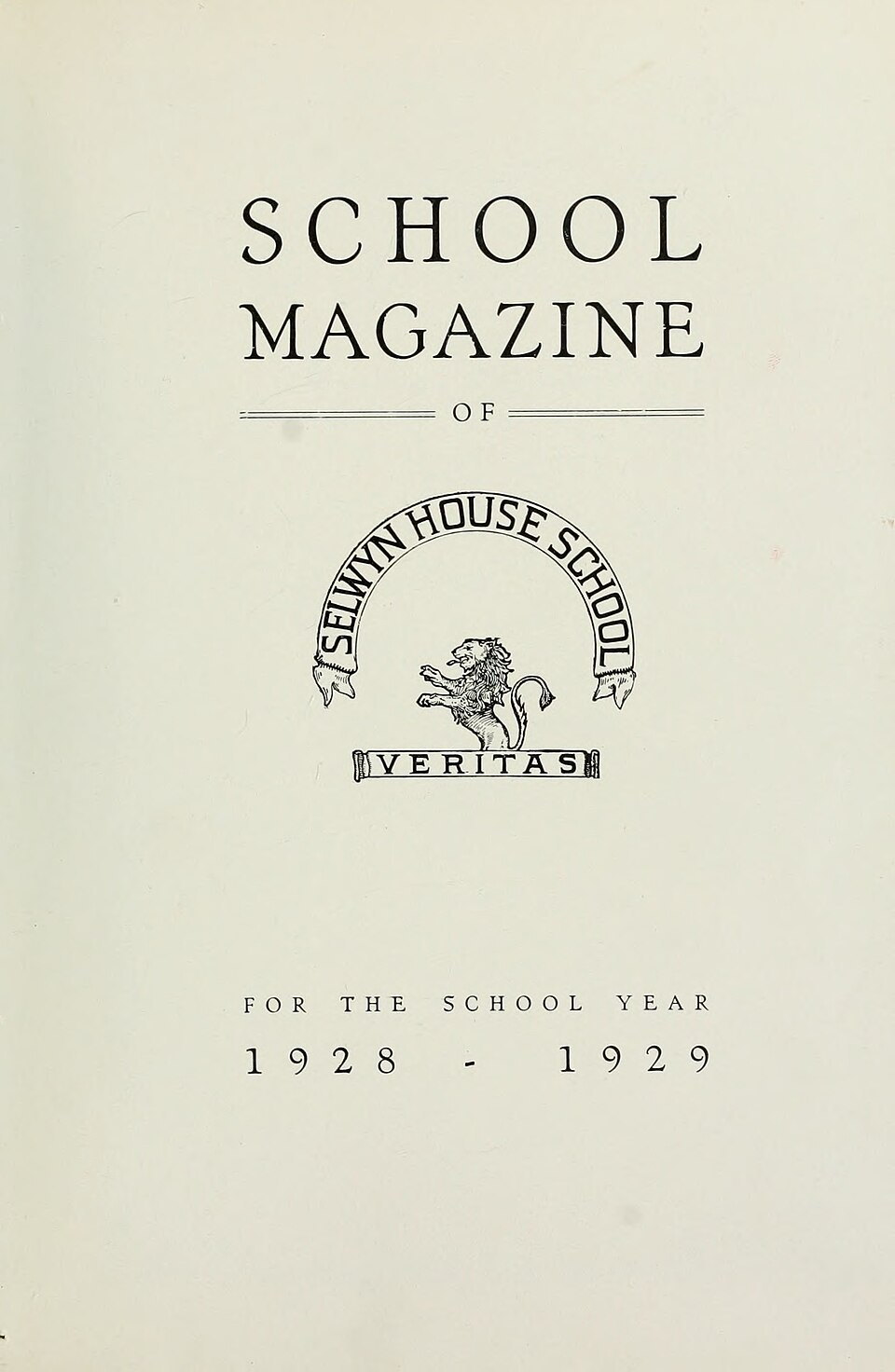
A magazine came out, it was finished, it had a cover and a date, and it contained the year. That is a different kind of record from a continuously updated website, and the difference is not only sentimental.
A document with an edge forces an editorial decision about what the year consisted of, and that decision is what makes it readable later. A stream does not have to decide anything.
The summary: the school magazine was typed on stencils, duplicated, collated by hand round a table and sold for pennies, funded by advertisements from local shops, opened by the head’s foreword, filled mostly with pupils’ own writing and with house and sports reports, and it printed full names next to results and photographs with captions, with nobody’s permission sought; publication of pupil achievement and images is now consent-based and carefully controlled, which is a plain improvement, and the thing that has not been replaced is a dated, finite, legible annual record that will still make sense in fifty years.
A finite, dated, legible record
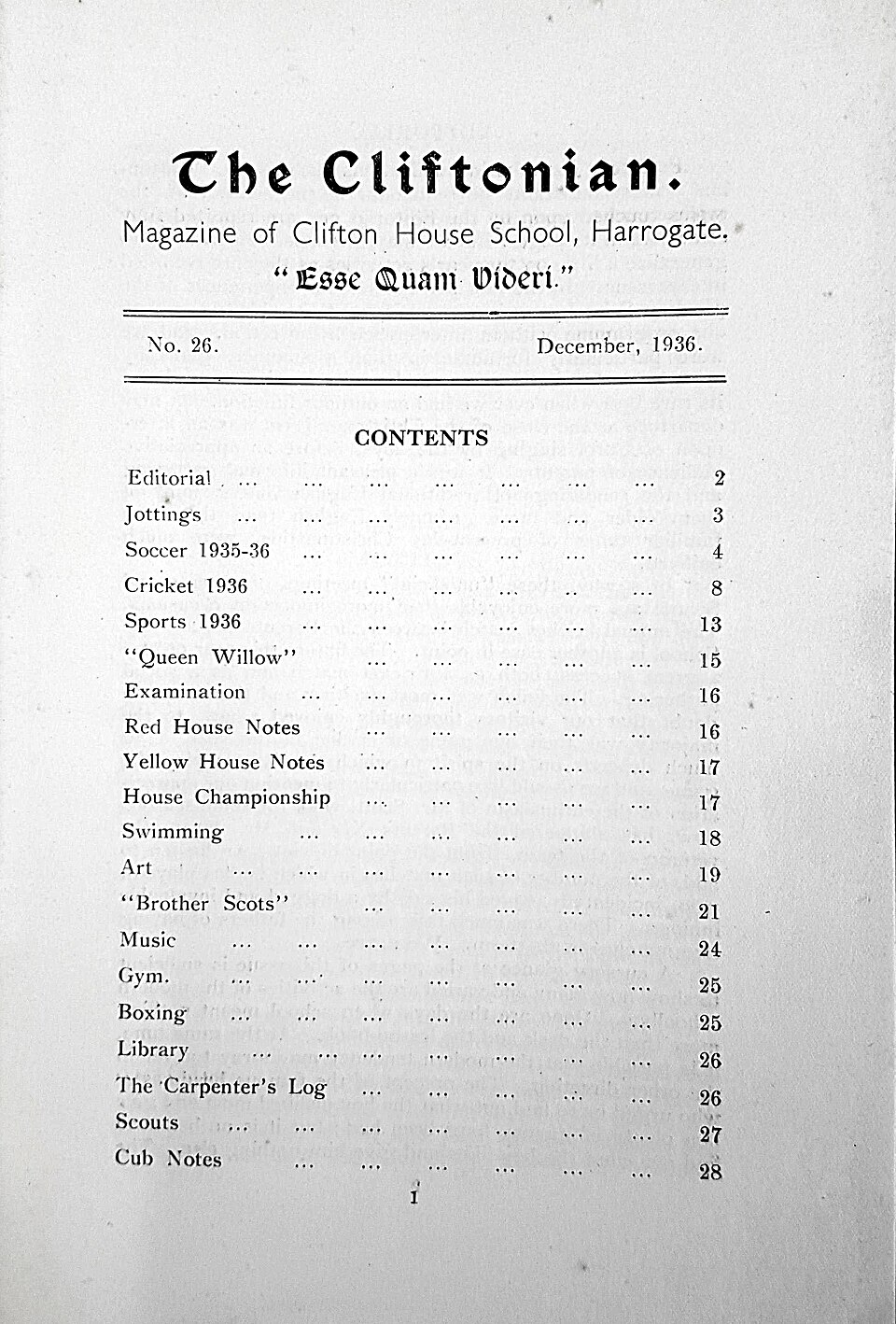
Two things about the magazine have been comprehensively and rightly reformed: it printed pupils’ full names beside their results and captioned photographs of children, with nobody’s permission sought, and school publication is now consent-based with recorded permissions, specific protections for children whose circumstances require them and an awareness that anything online is permanent and searchable. One thing has not been replaced at all. A magazine had a cover, a date and an edge, which forced somebody to decide what the year consisted of, and that decision is what makes it readable forty years later. A continuously updated website never has to decide anything, and very few schools now produce a document that will still function as a record in fifty years.
If your old school still has its run, that is the best record of its own past it will ever have. The schools that threw theirs away discover the gap at anniversaries, when somebody asks what happened in a particular year and nobody can say.
Like our content? Follow us for more.