


Everything below comes from one thing: the axis the Earth spins on is not perpendicular to the plane it orbits in. Every seasonal phenomenon anywhere is a consequence of that angle. Here are sixteen.
1. It Is Not About Distance From the Sun
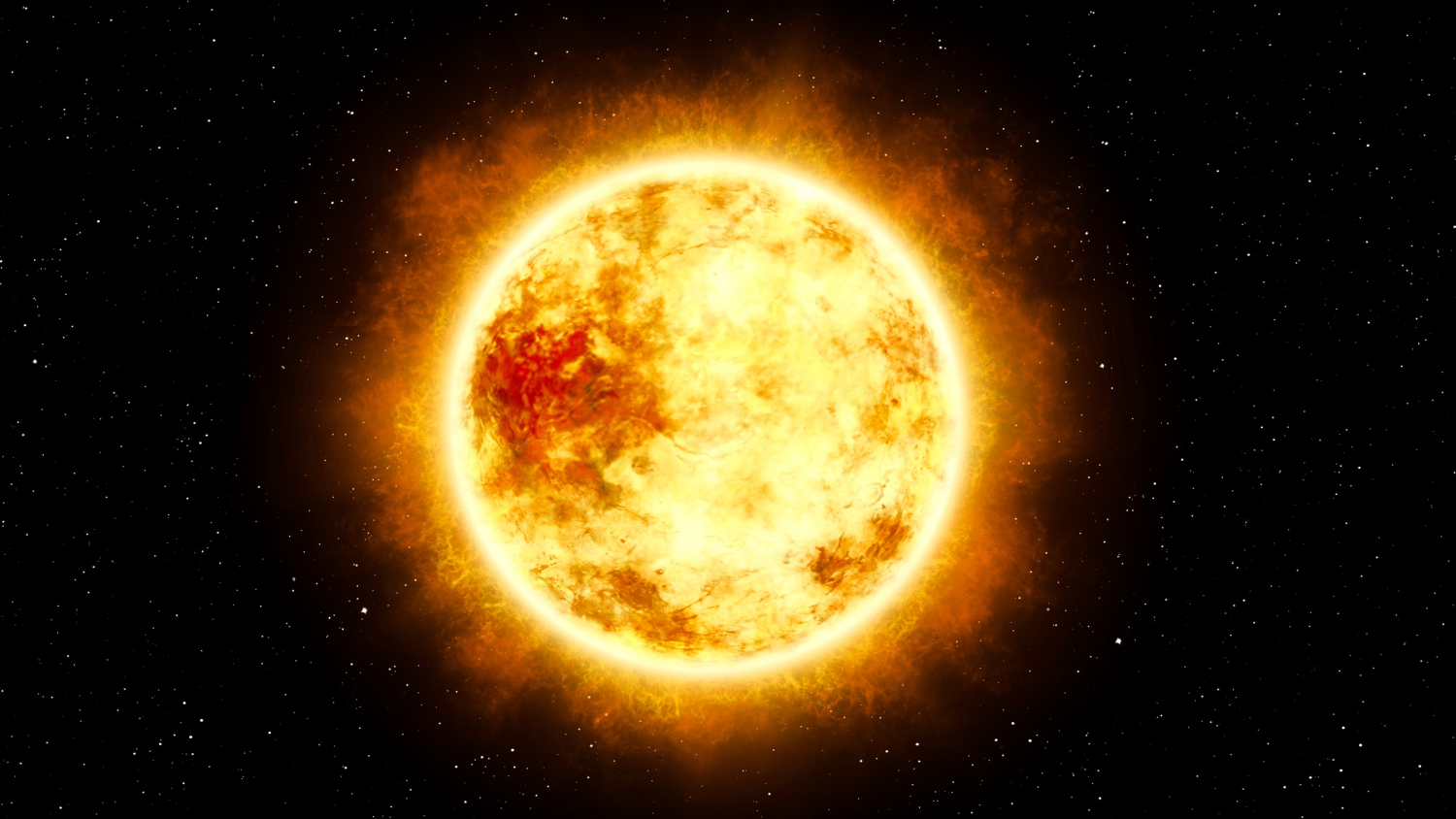
The intuitive explanation – closer in summer, further in winter – is wrong, and the clearest disproof is that the Earth is actually nearest the sun during the northern winter.
If distance caused seasons, both hemispheres would have them together. The distance explanation is the most widely held wrong answer in astronomy.
Like our content? Follow us for more.
2. It Is About the Angle of the Light
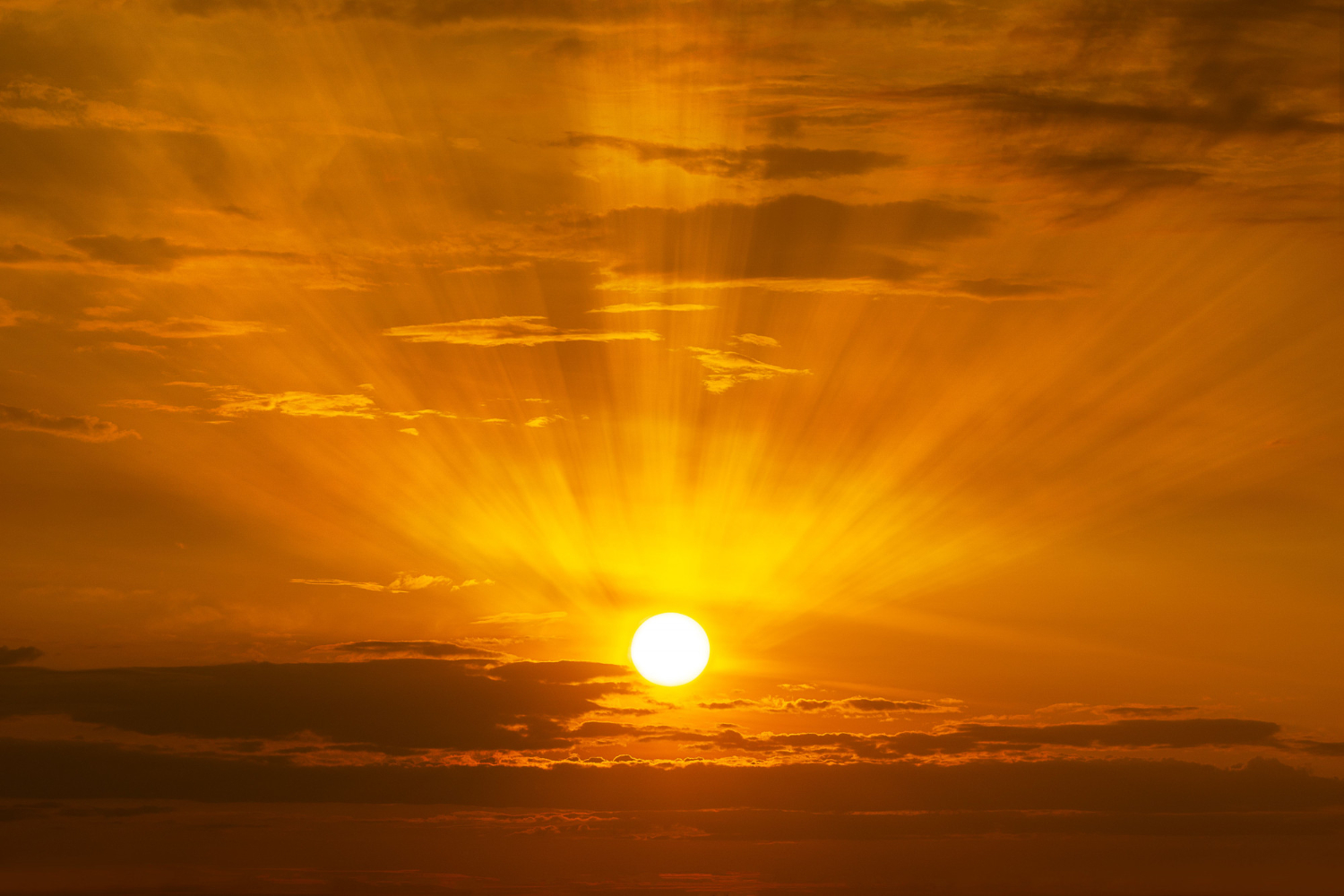
Tilt changes how steeply sunlight strikes the ground, and light arriving at a shallow angle spreads the same energy over a larger area, delivering less per square metre.
A torch aimed straight down is brighter than one aimed obliquely. Light angle is the primary mechanism behind every season.
3. And the Length of the Day

The same tilt means the sun spends longer above the horizon in summer and less in winter, so a hemisphere receives both more intense light and more hours of it.
The two effects reinforce each other. Combined angle and duration is why the difference is as large as it is.
4. The Two Hemispheres Are Always Opposite
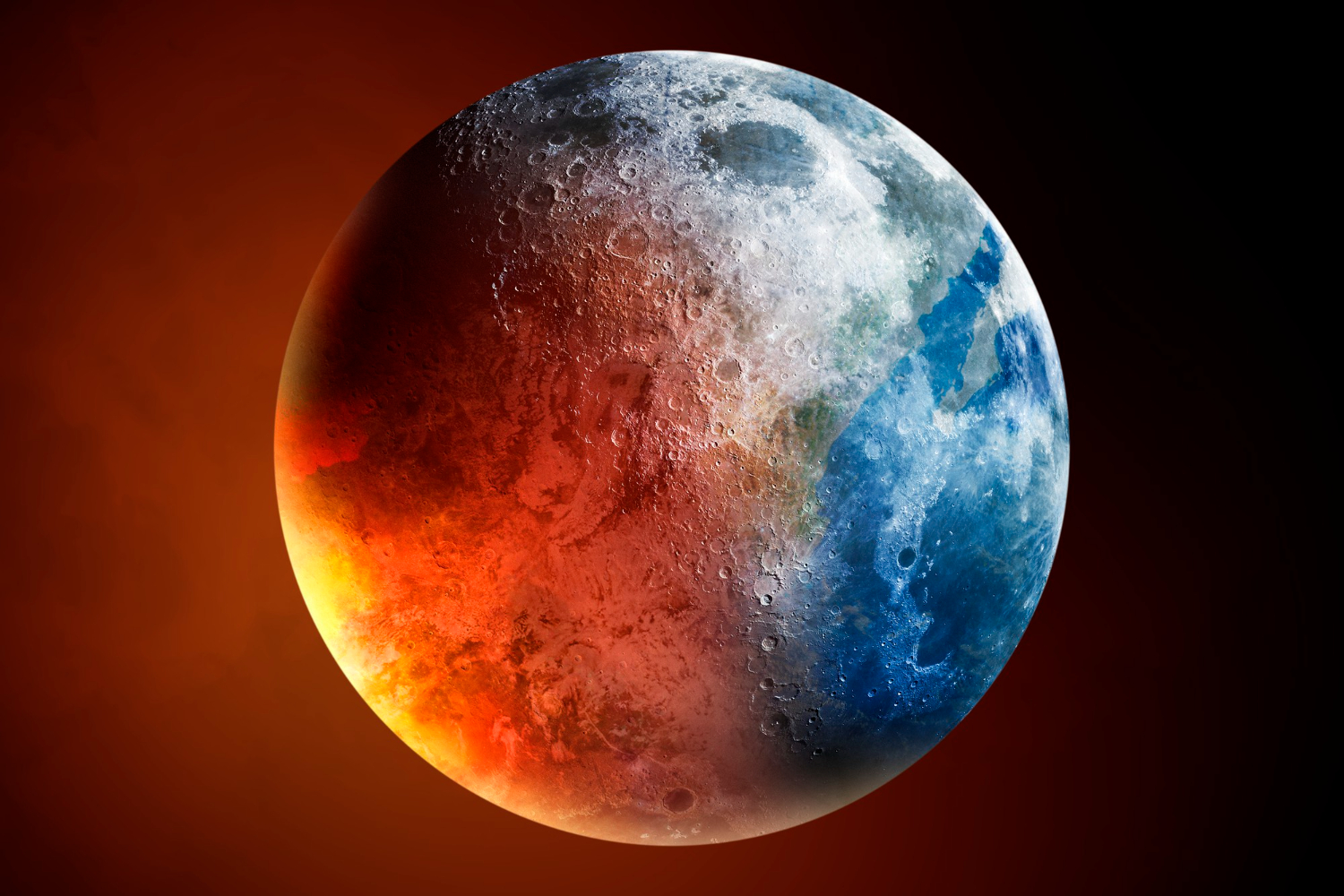
Because one half leans toward the sun while the other leans away, the seasons are reversed between them at every moment of the year.
Midsummer somewhere is midwinter somewhere else. Hemispheric opposition is the direct signature of tilt.
5. The Equator Barely Notices
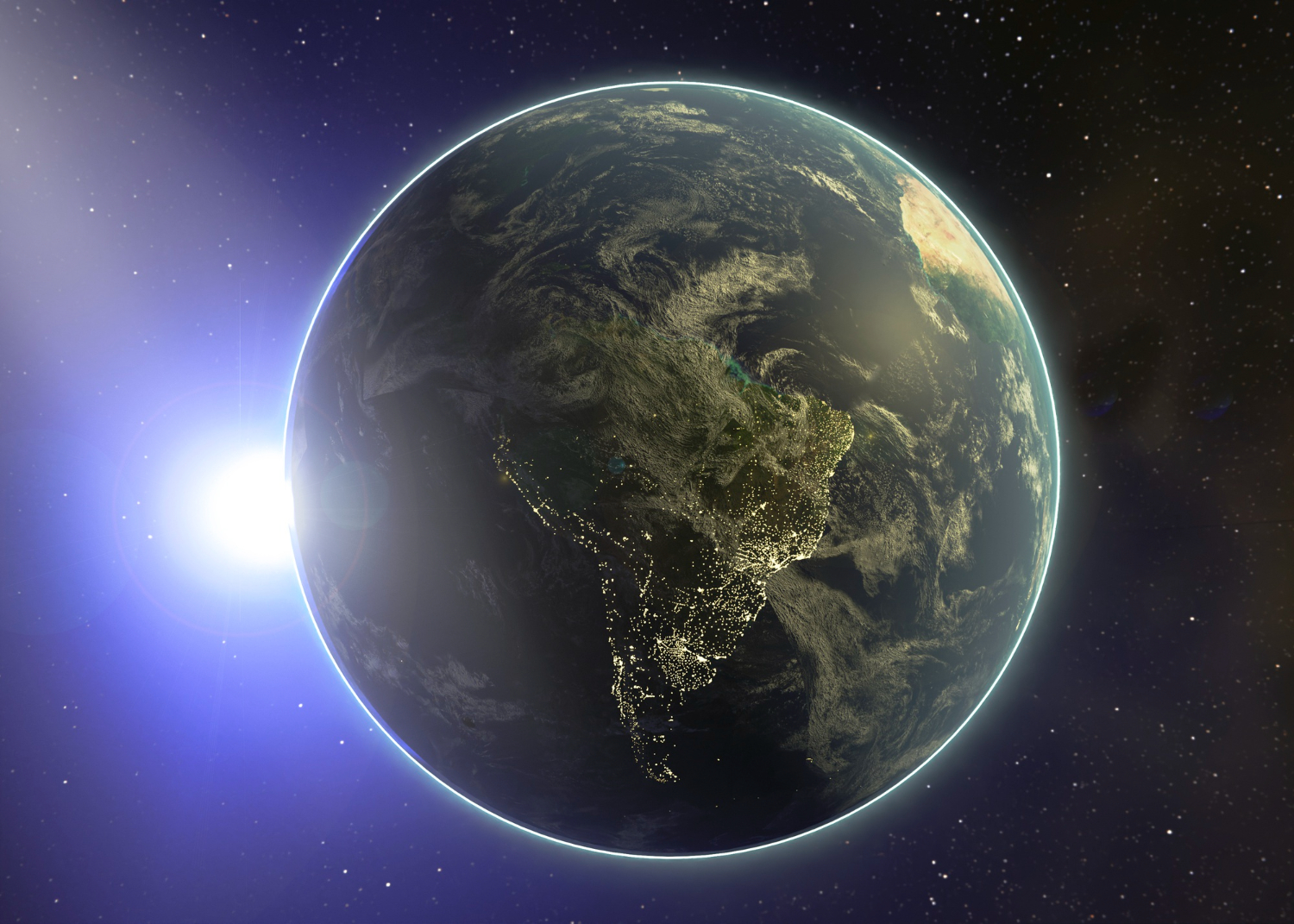
Near the equator the light angle and the day length change very little across the year, so there is no meaningful temperature-driven season.
Twelve hours of daylight, more or less, permanently. Equatorial constancy is what happens where the tilt has least effect.
6. So the Tropics Use a Different Calendar

Where temperature barely varies, the year is divided by rainfall instead, into wet and dry seasons driven by the movement of atmospheric circulation.
It is a completely different seasonal system. Wet and dry seasons are the tropical answer to a year without temperature swing.
7. Above a Certain Latitude the Sun Stops Setting
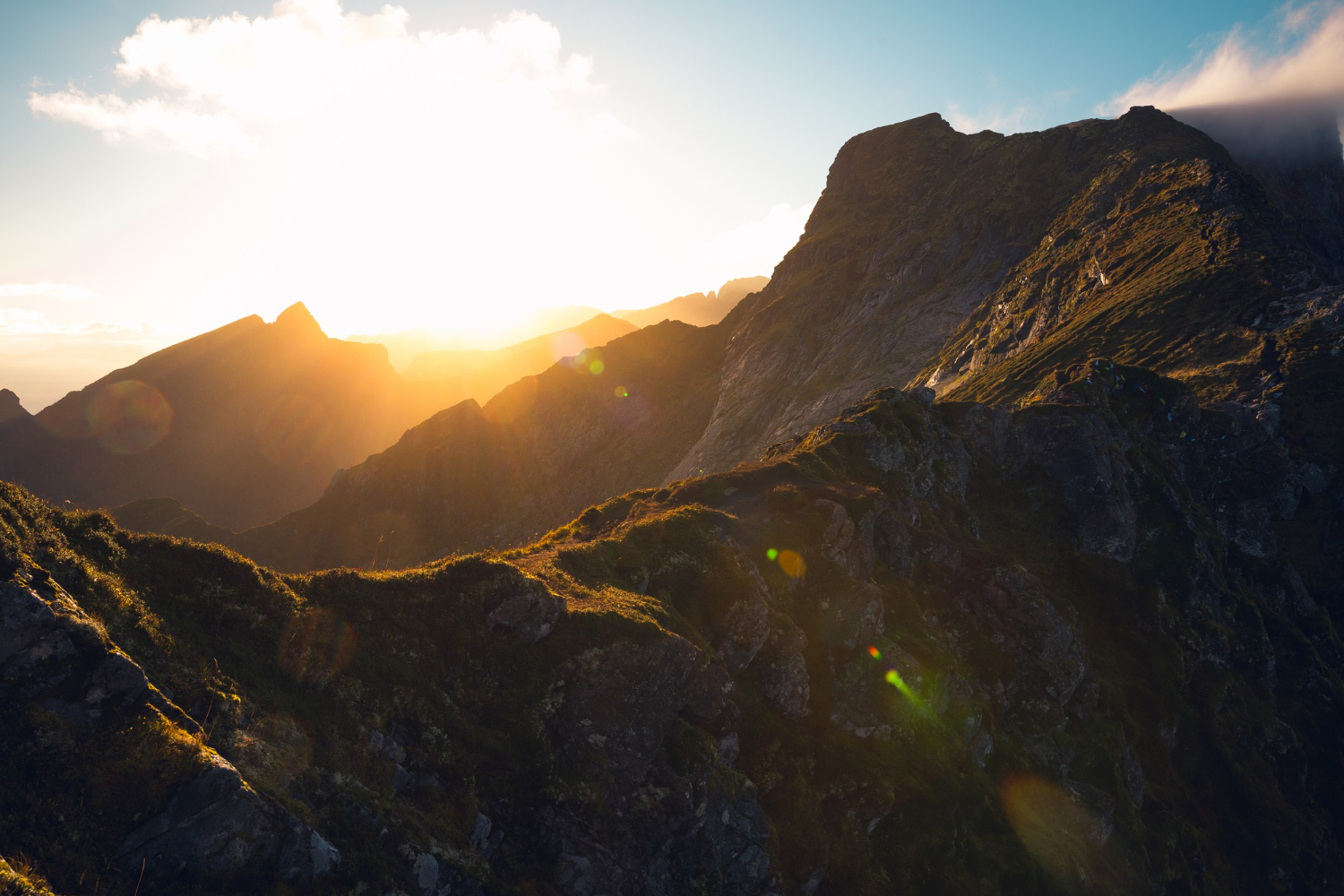
Beyond the polar circles, the tilt is sufficient that for part of the year the sun remains above the horizon continuously.
The circles are drawn exactly where that begins. Continuous daylight is the tilt taken to its geometric limit.
8. And Then Stops Rising
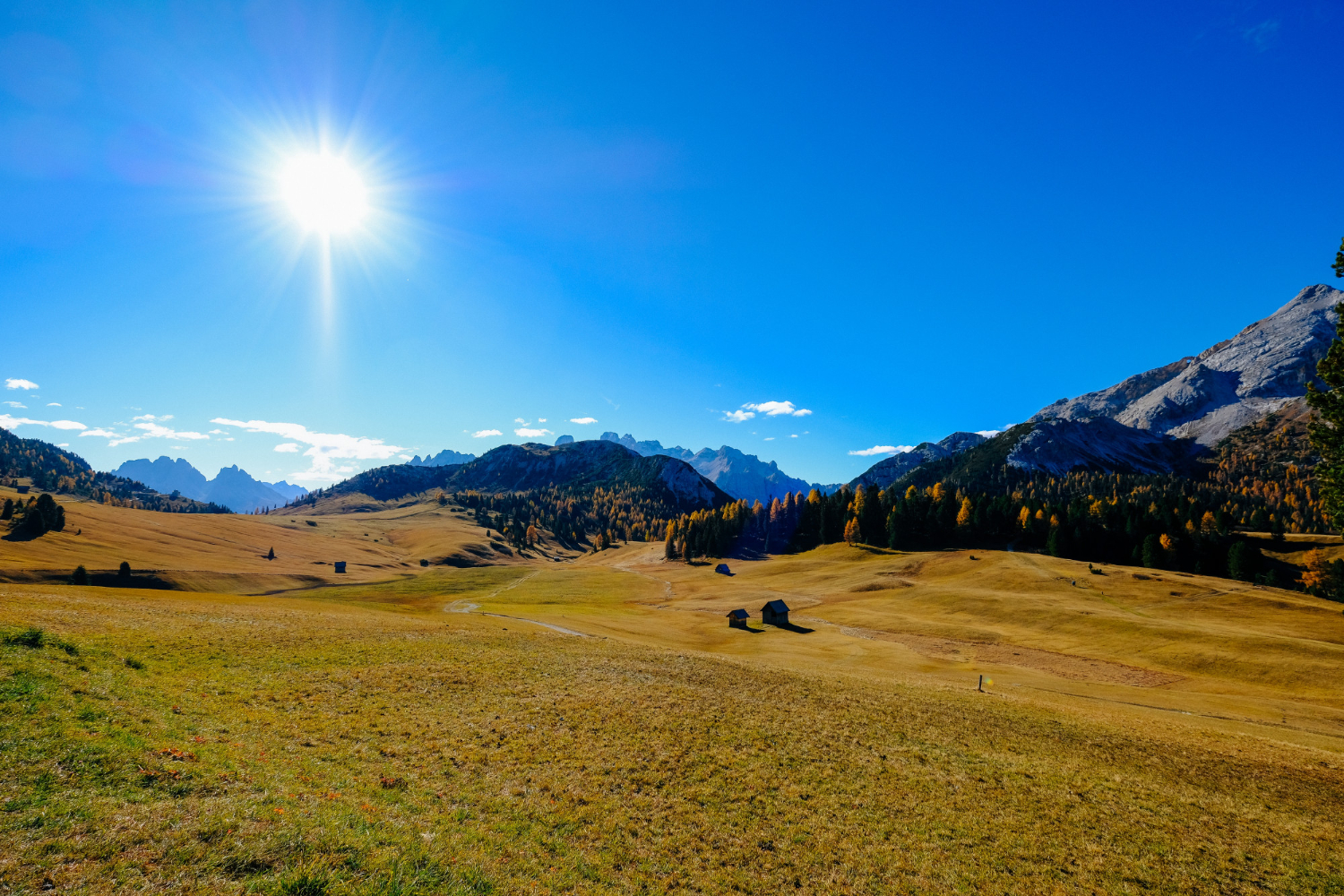
Half a year later the same latitudes experience the reverse, with the sun remaining below the horizon for an extended period.
Twilight persists for much of it. Polar night is the same geometry from the other side of the orbit.
9. The Solstices Are Turning Points
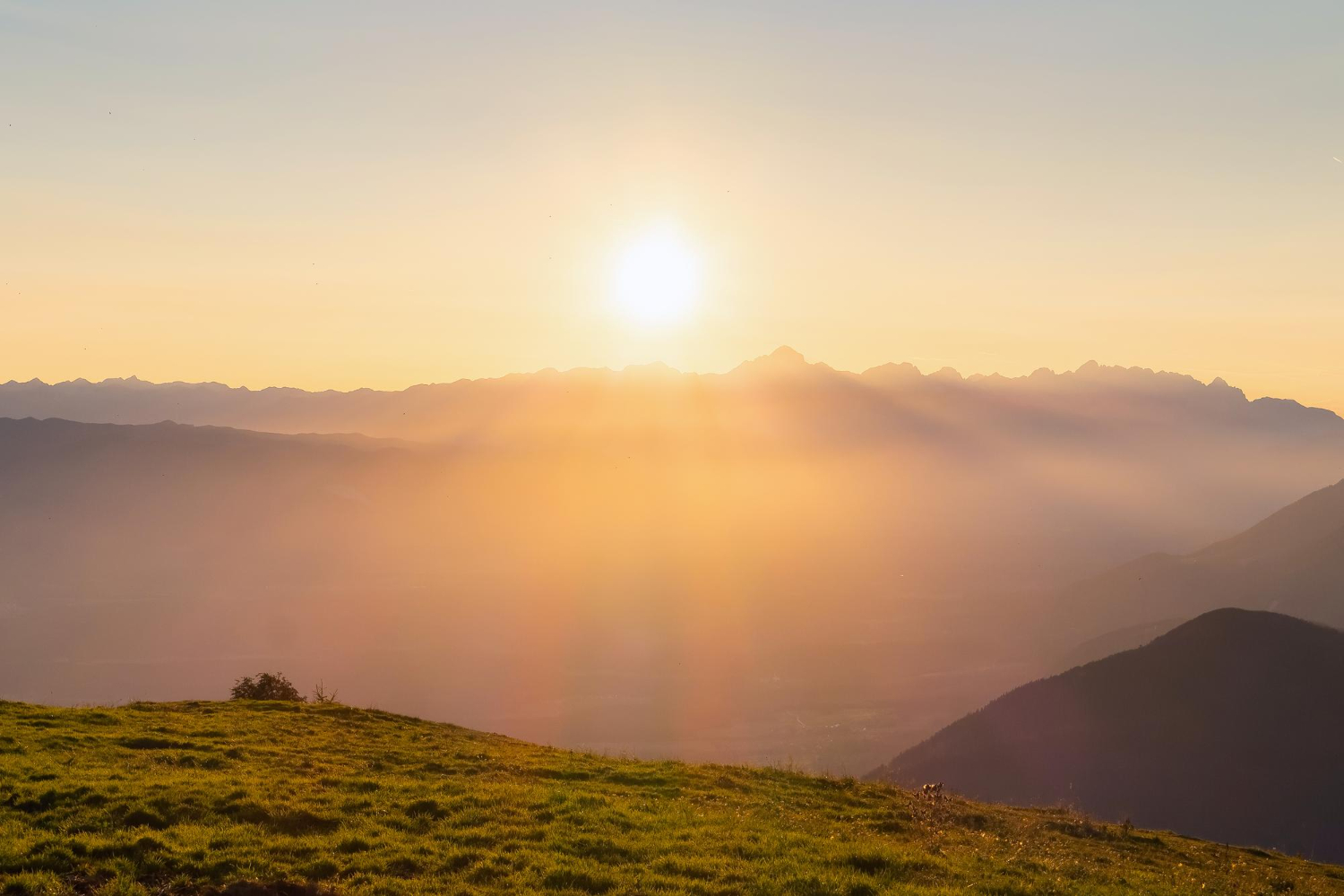
Twice a year the tilt is aligned most directly toward or away from the sun, producing the longest and shortest days, after which the trend reverses.
The word means the sun standing still. The solstice is the moment the direction of change reverses.
10. The Equinoxes Are the Crossings
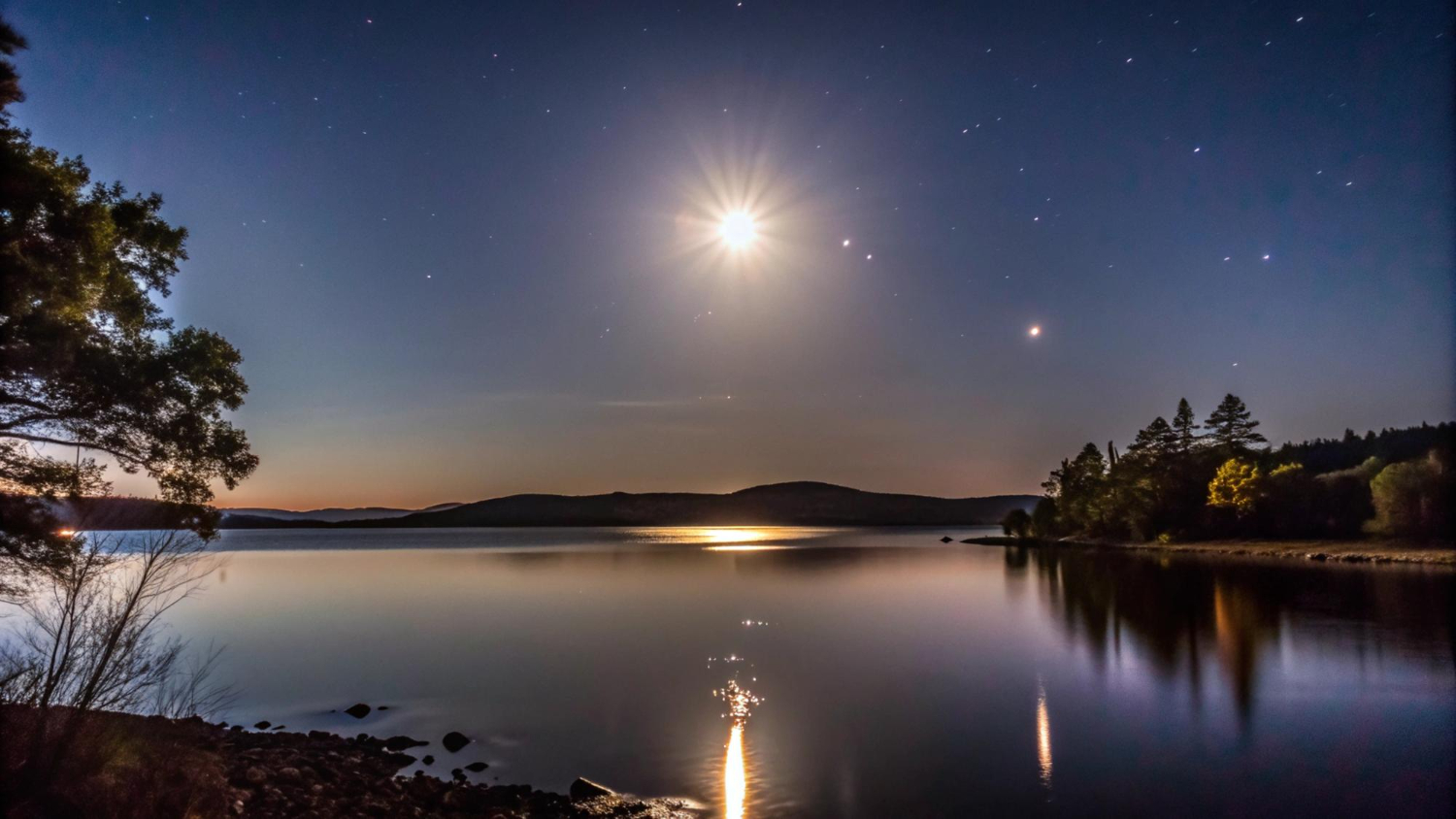
Twice a year the tilt is side-on to the sun, day and night are approximately equal everywhere, and the sun rises due east and sets due west.
Ancient monuments are frequently aligned to these. The equinox is the geometric midpoint between the extremes.
11. The Hottest Month Is Not the Longest Day
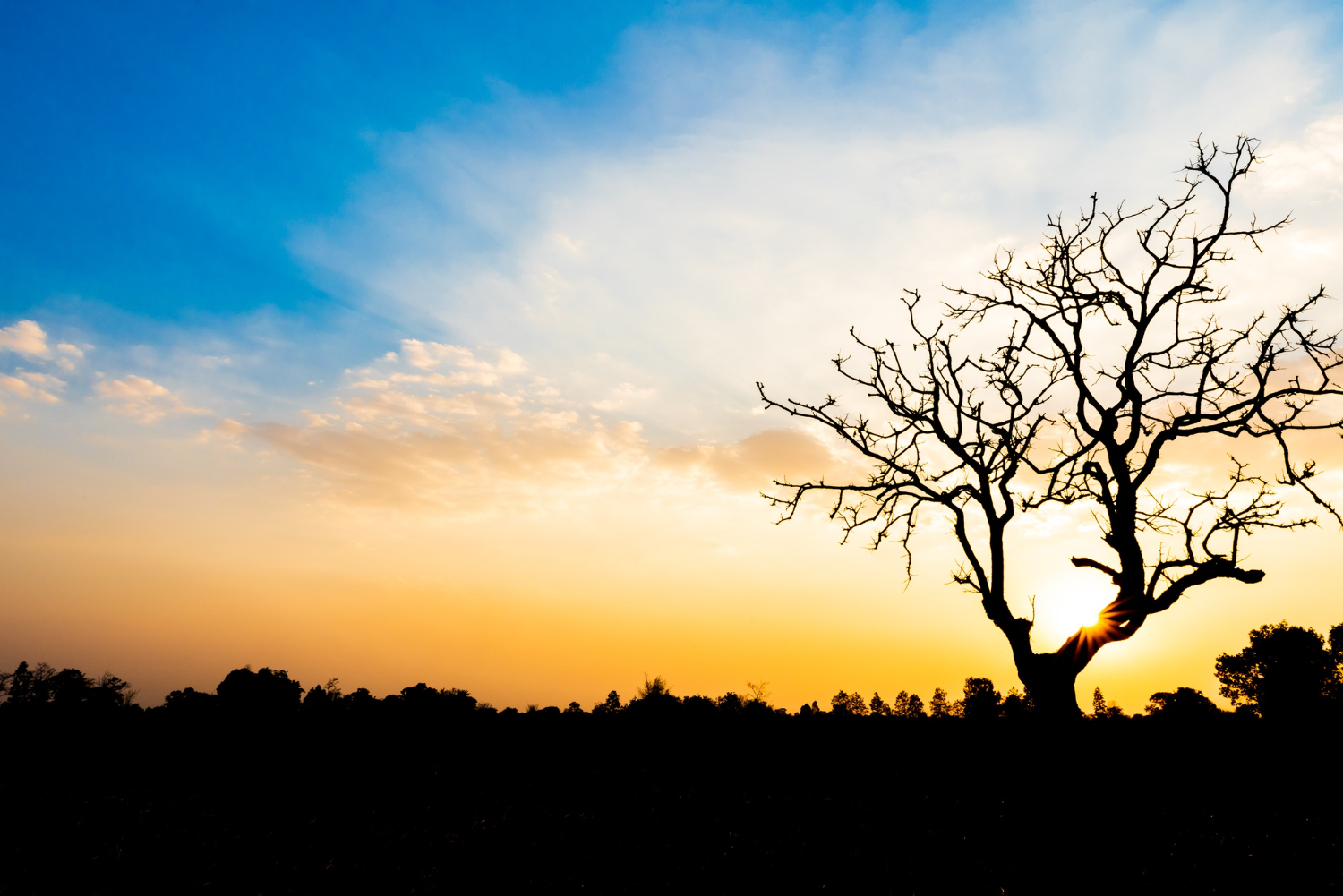
Land and ocean take weeks to warm up, so peak temperature arrives well after peak sunlight – and the same lag makes the coldest period follow the shortest day.
The energy accumulates before it shows. Seasonal lag is the reason midsummer feels early.
12. Water Flattens the Swing

Oceans absorb and release heat slowly, so coastal and island locations have milder summers and winters than inland places at the same latitude.
Continental interiors have the extremes. Maritime moderation is why latitude alone does not predict climate.
13. The Whole Agricultural Year Follows From It

Planting, growing, harvest and dormancy are timed by the seasonal cycle, which means the entire structure of farming, and much of the calendar of festivals, traces to the tilt.
Nearly every traditional festival sits near a solstice, equinox or harvest. The agricultural calendar is the tilt expressed as culture.
14. Plants and Animals Read the Day Length
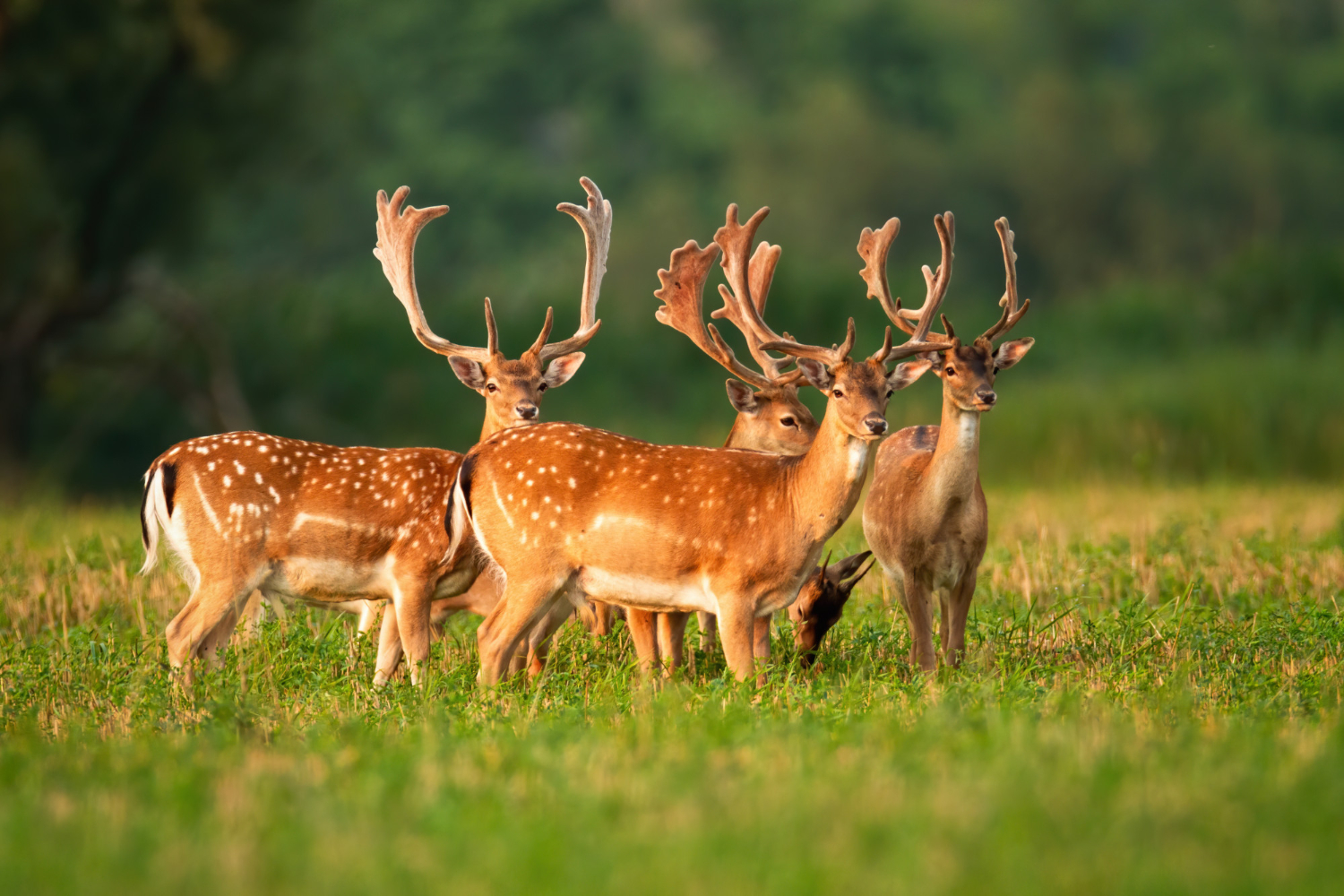
Because day length varies predictably while weather does not, a great many organisms use it rather than temperature to time flowering, migration and breeding.
It is the more reliable signal. Day-length timing is the biological use of the same geometry.
15. The Moon Holds the Angle Steady
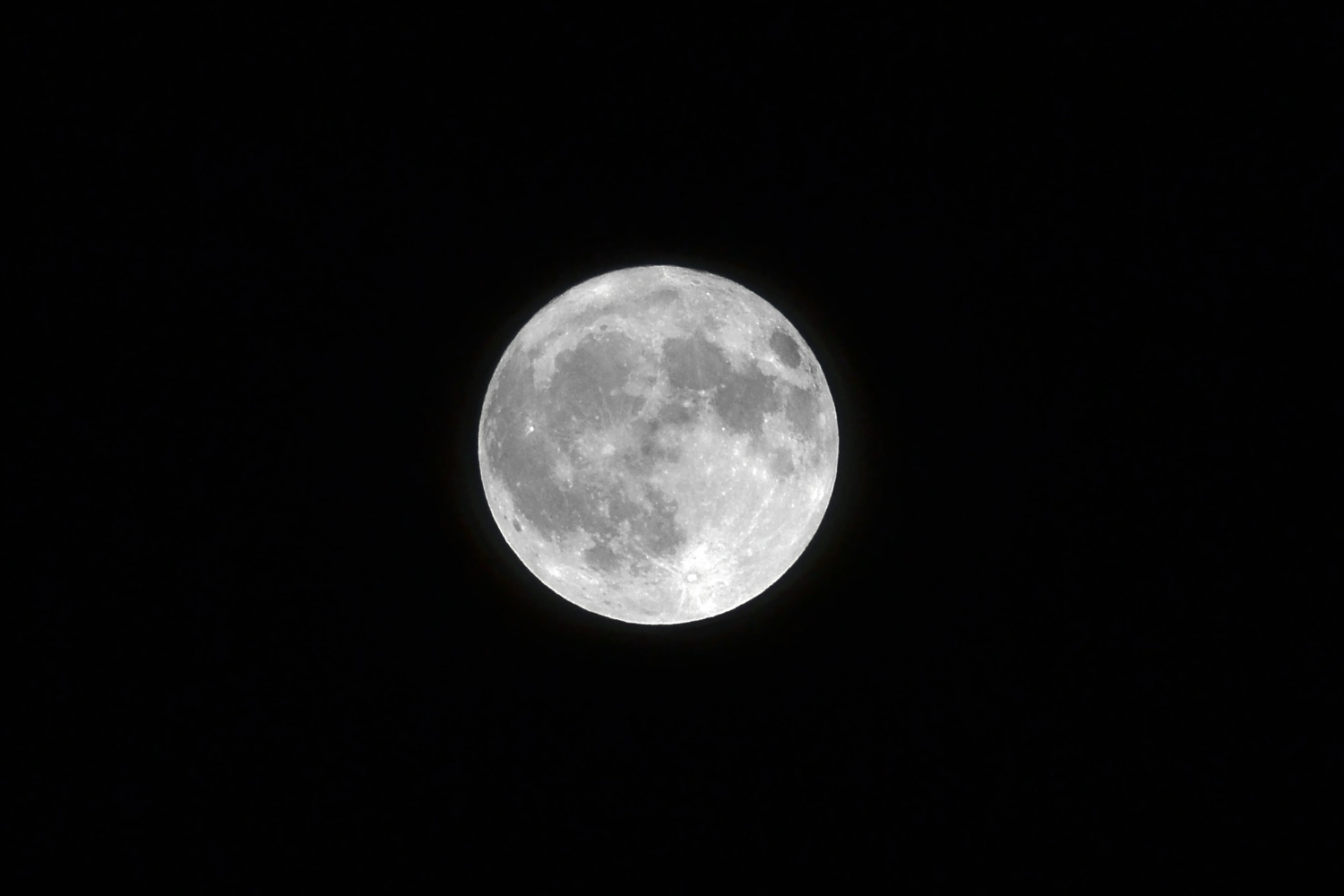
A large moon exerts a stabilising influence on the tilt, limiting how much it wanders over very long periods.
Without it the angle would vary substantially more. Lunar stabilisation is the reason the seasons are as consistent as they are.
16. The Angle Has Not Always Been the Same
Over very long timescales the tilt varies within a narrow range, alongside slow changes in the shape and orientation of the orbit.
These are astronomical cycles measured in tens of thousands of years. Long-term variation is the reminder that the geometry is not fixed.
Everything From One Angle
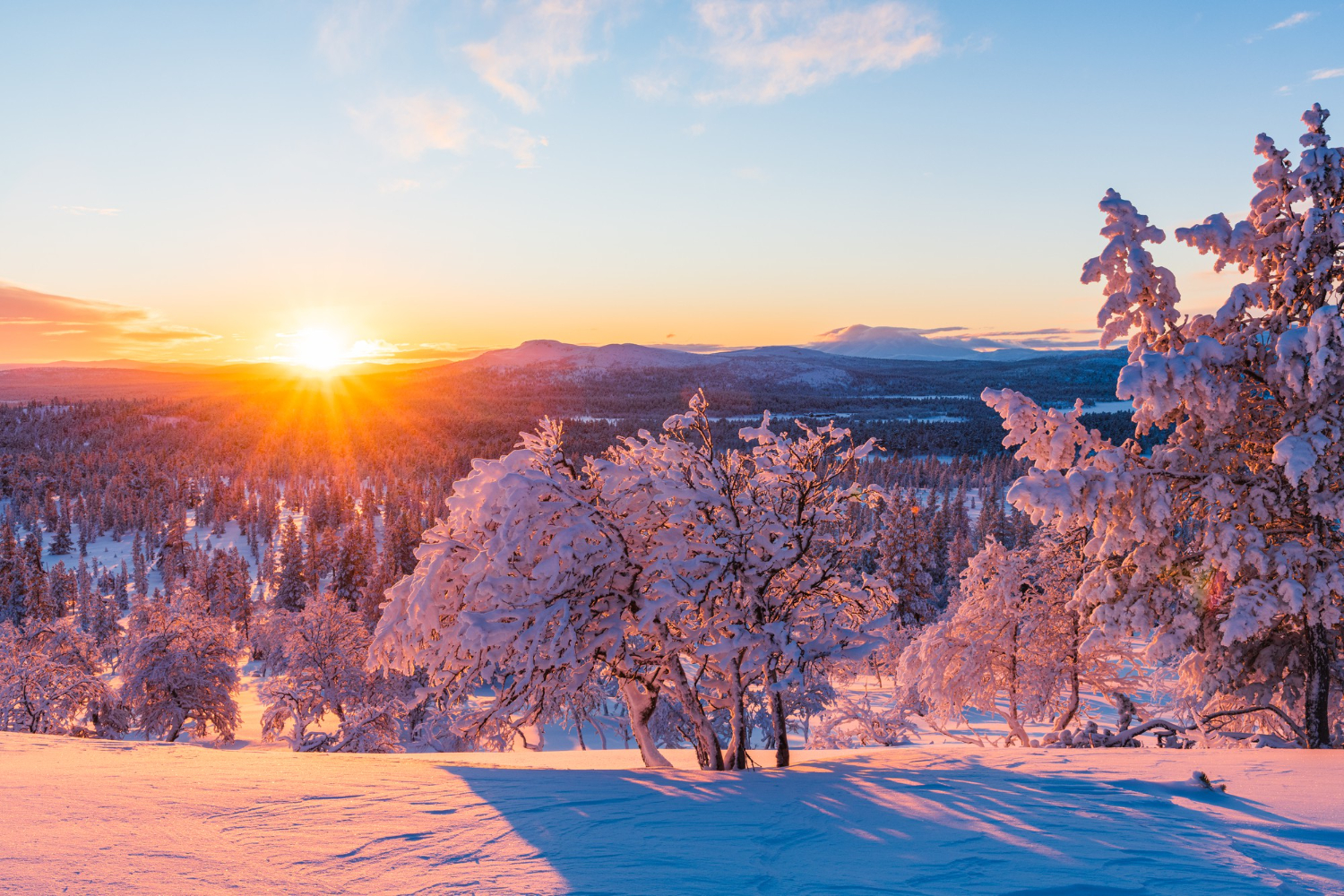
A lean of a little over twenty degrees produces the seasons, the length of the day, the polar extremes, the tropical wet and dry year, the harvest calendar and the timing of migration.
The first item is worth carrying because it is so commonly wrong. Seasons have nothing to do with how far away the sun is – the Earth is closest to it in January – and everything to do with the angle the light arrives at, which is decided entirely by a tilt that nothing on the surface can perceive directly.
Like our content? Follow us for more.
