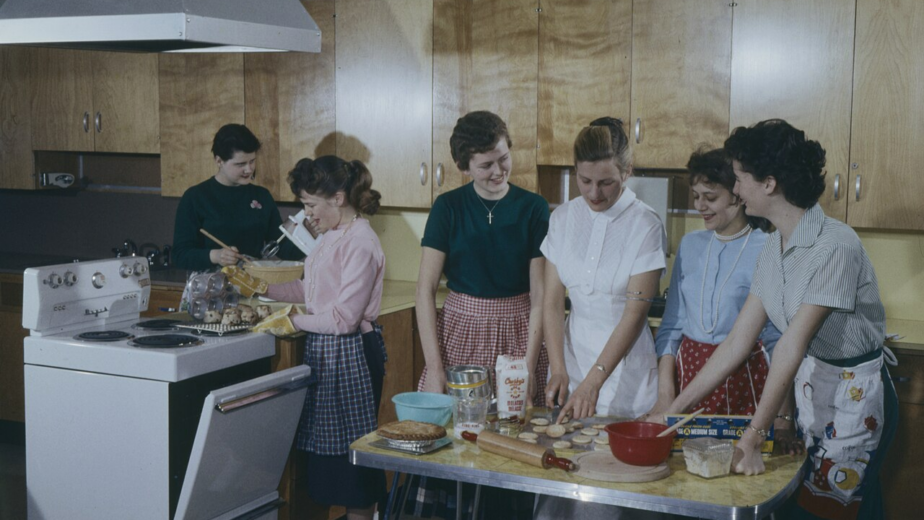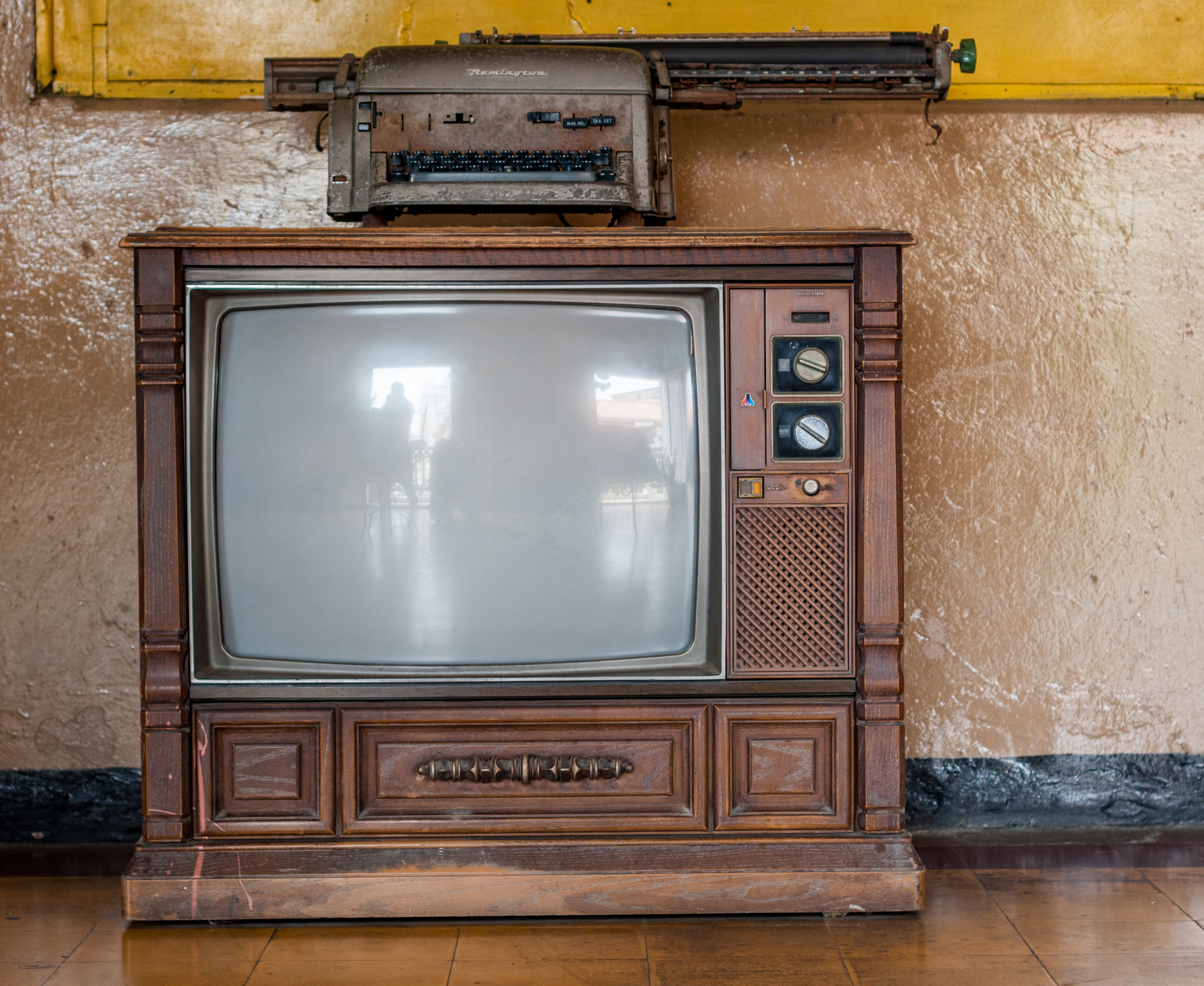
One set meant that watching was a collective activity requiring agreement, and that everybody in the household saw the same thing at the same time whether they had chosen it or not. Here are eleven consequences.
1. Somebody Had to Get Up to Change It
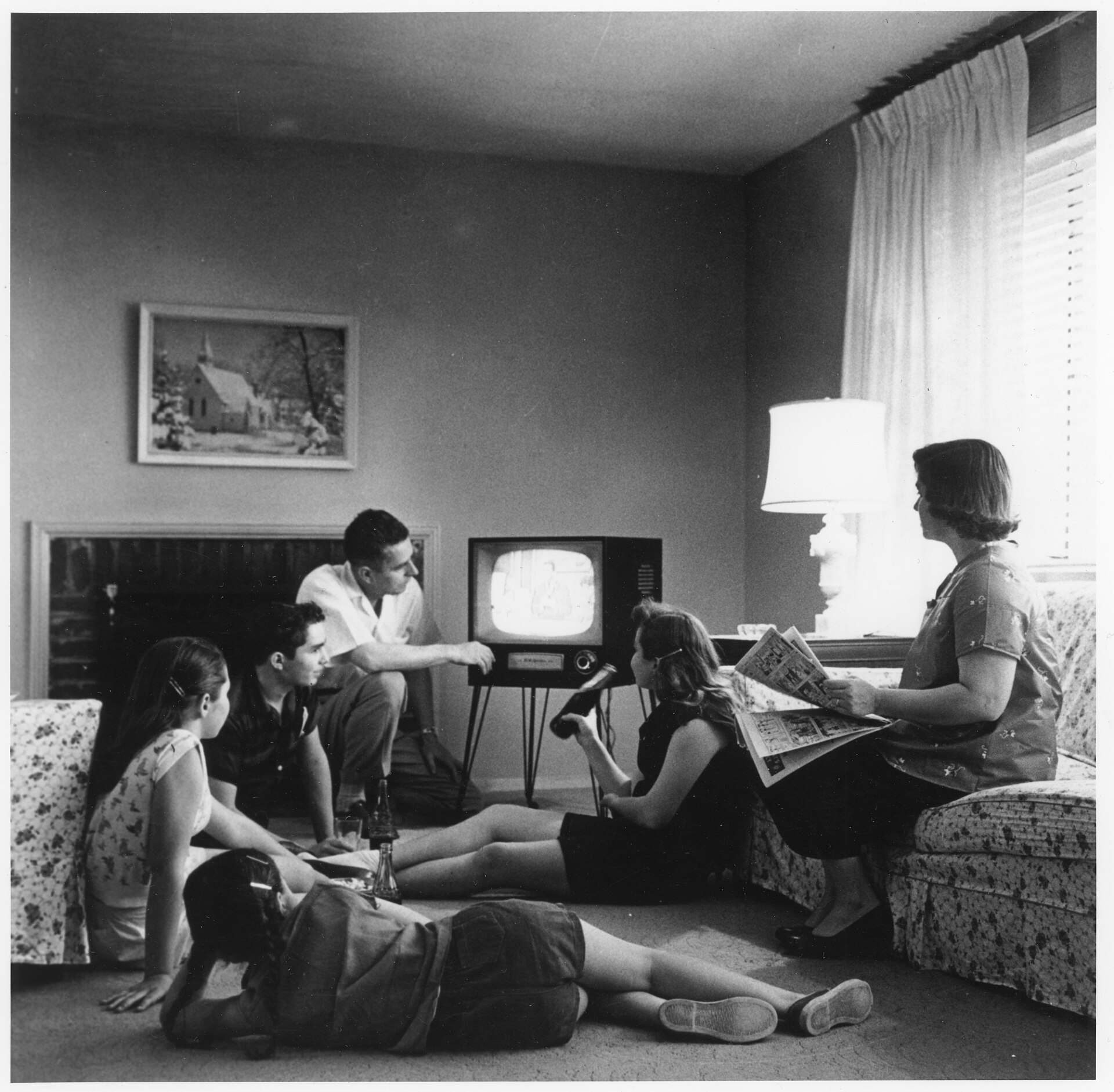
Changing what was on required physically crossing the room and operating the set, which meant the decision carried a cost and was made less often.
The youngest person present was frequently dispatched. Manual changing is the arrangement that made switching over a negotiation.
Like our content? Follow us for more.
2. The Negotiation

With one set and several people, what got watched was settled by discussion, seniority, precedent and occasionally a rota, and the outcome mattered because there was no alternative.
Everybody understood the rules without them being stated. The negotiation is the household process that decided the evening.
3. Watching Things You Had Not Chosen
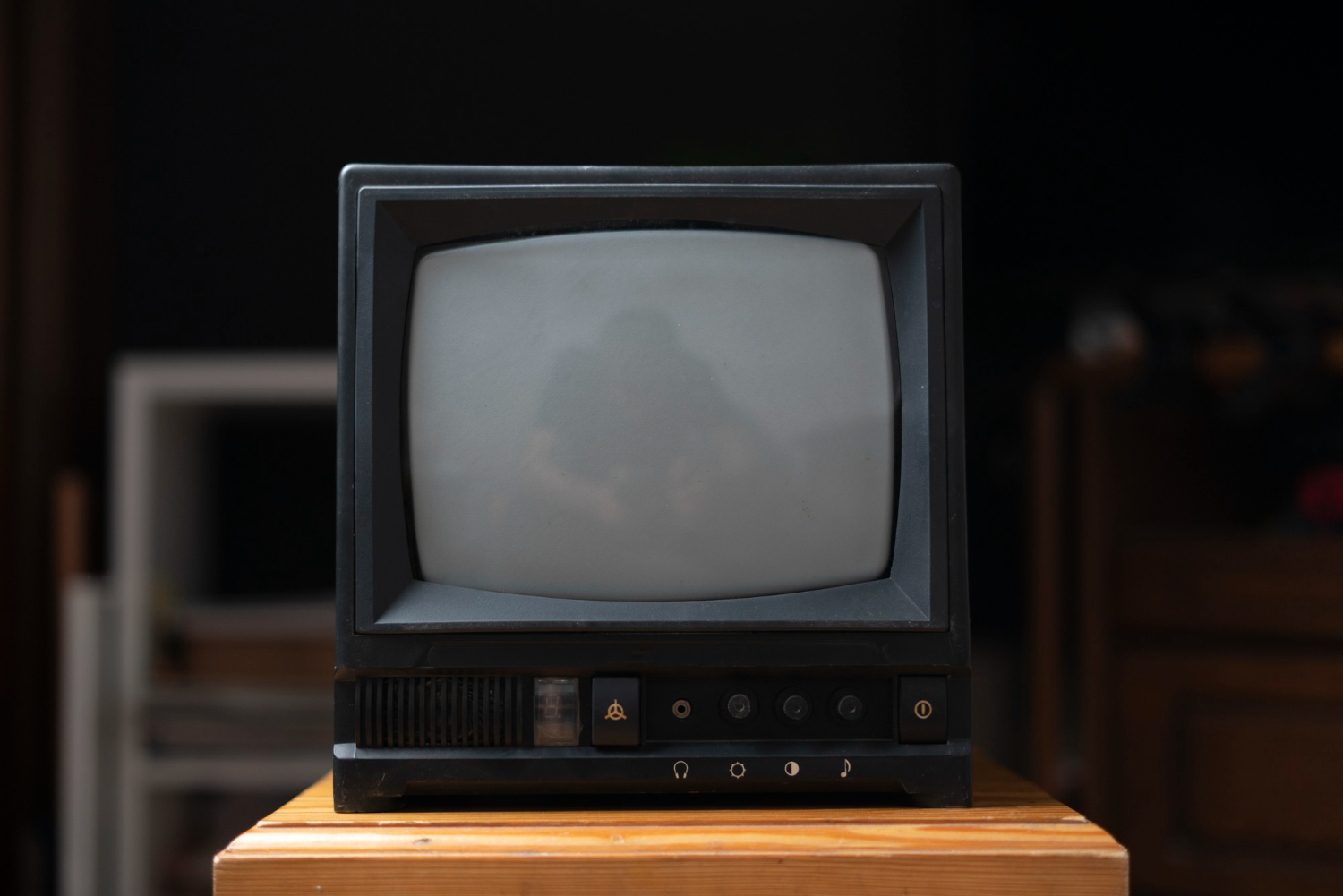
A substantial proportion of what anybody saw was somebody else selection, which meant everybody absorbed a wide range of things they would never have picked.
That produced surprisingly broad shared knowledge. Involuntary viewing is the side effect of a single shared set.
4. Being in the Room Together

Watching was done collectively, in one room, with everybody facing the same direction and the furniture arranged accordingly.
The room was designed around it. Shared viewing is the arrangement that put a household in one place each evening.
5. The Adjustments
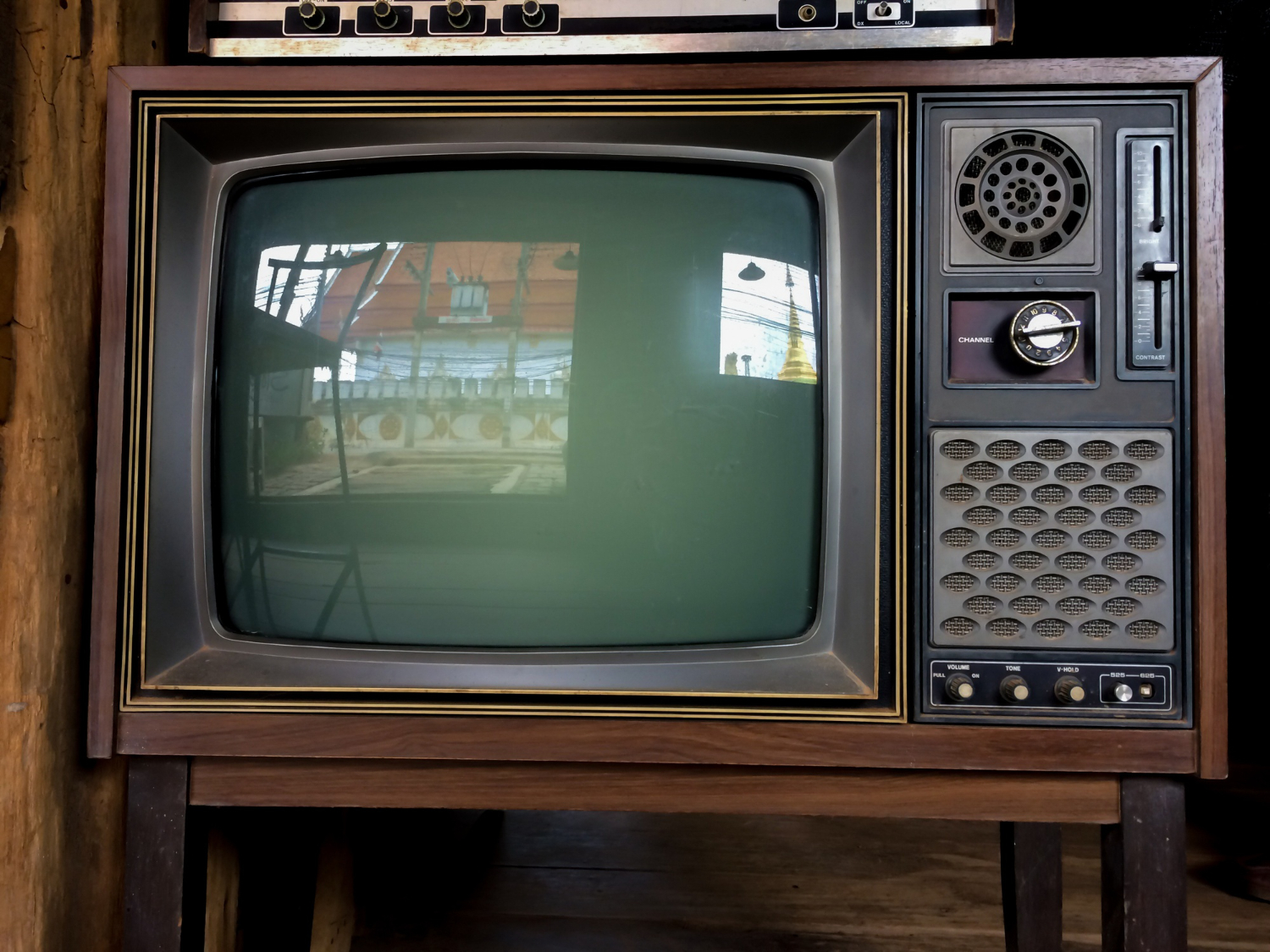
Picture and sound required intervention – an aerial repositioned, a control adjusted, the set struck in a particular place – and every household had its own procedure.
Somebody was always holding something. The adjustment ritual is the maintenance the set demanded nightly.
6. Missing It Meant Missing It

If you were not there when something was on, you did not see it, and there was no way to recover it afterwards.
That made schedules truly important. Irretrievability is the condition that gave the timetable its power.
7. Everybody Having Seen the Same Thing

Because most people watched the same small number of options, conversation the following day could assume a shared reference without anybody establishing it.
That common ground has largely gone. Shared viewing experience is the social consequence of limited choice.
8. The Thing Everybody Stopped For
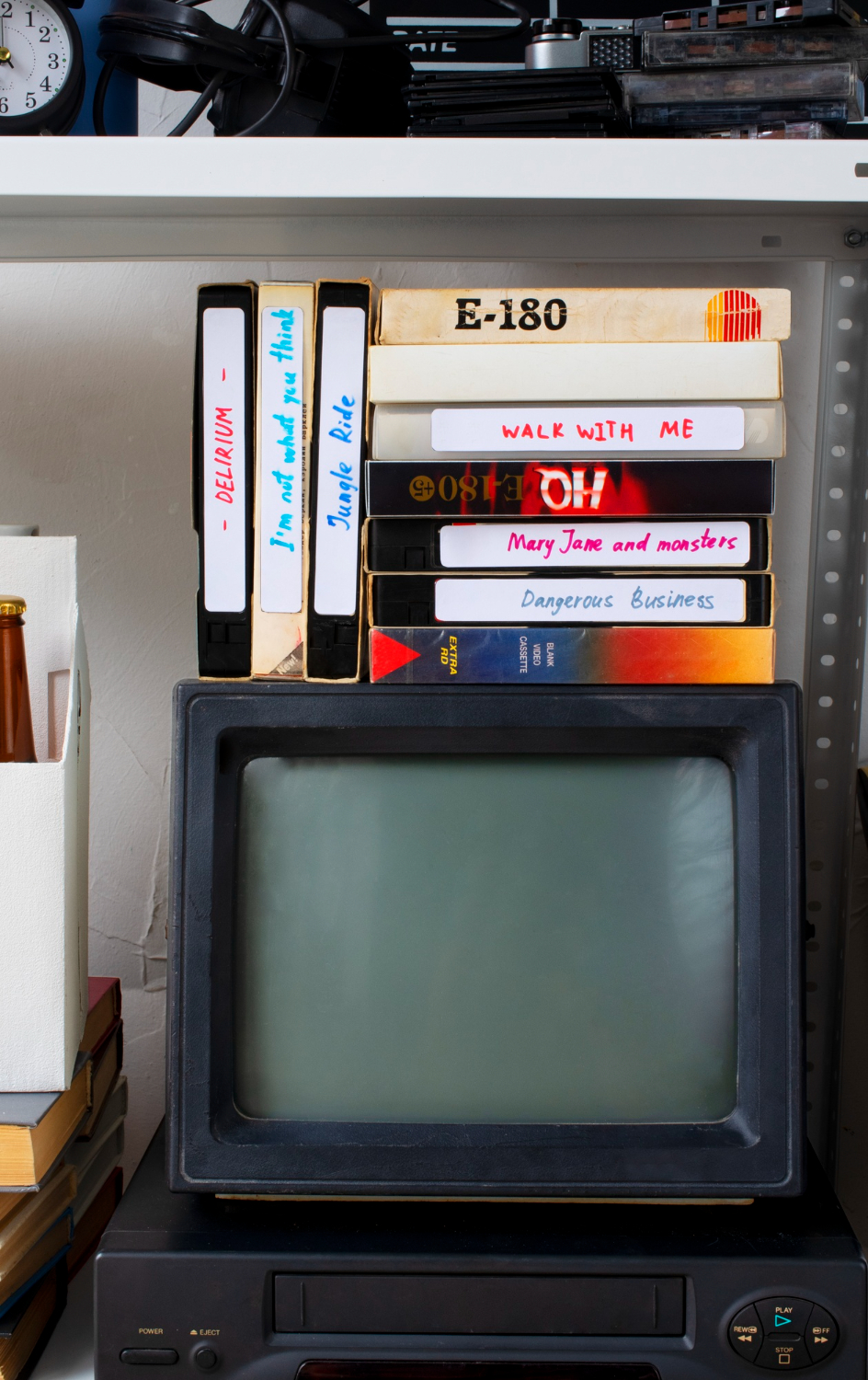
A small number of events were watched by essentially everybody simultaneously, which produced a real sense of a country doing one thing at once.
Those moments are remembered communally. The mass event is the phenomenon that required scarcity to exist.
9. The Set Being Switched Off Deliberately

Ending viewing was an act – somebody decided, crossed the room and turned it off – which gave the evening a definite conclusion.
The room changed when it went. Switching off is the moment that ended the day in a great many households.
10. The Sound of the House Without It

With the set off, a household heard itself – conversation, movement, the building – in a way that a room with something permanently on does not.
That contrast was noticeable and is remembered. The quiet afterwards is the effect of an off switch that was actually used.
11. It Ending Without Anybody Deciding

A second set appeared, then more, then screens of other kinds, and the shared arrangement dissolved gradually with no moment at which anybody chose to end it.
Nobody marked the change. The quiet ending is how the collective evening actually stopped.
One Set and Everybody in the Room
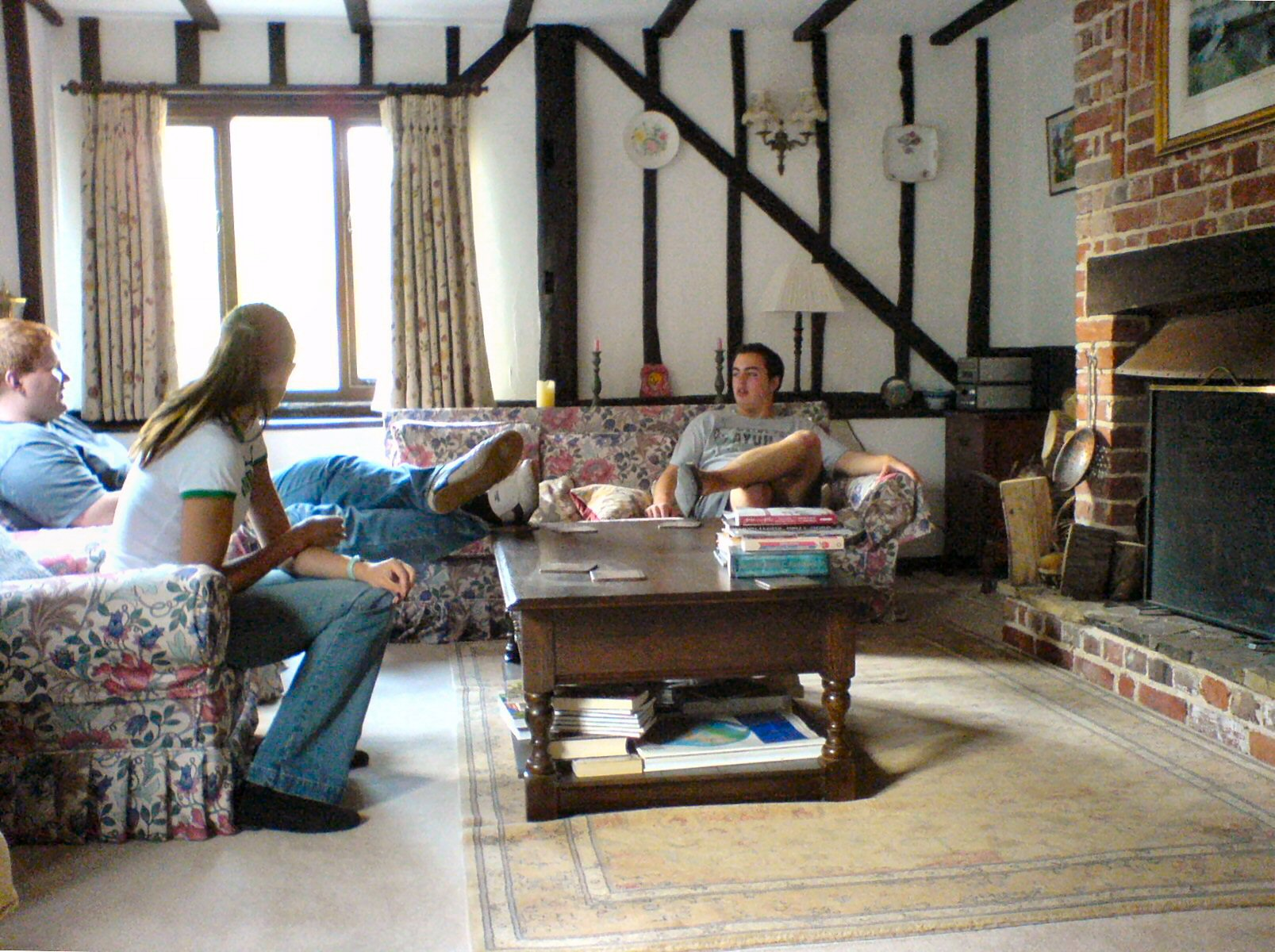
Scarcity produced everything here – the negotiation, the involuntary viewing, the shared references, the fixed schedule and a household sitting in one room every evening facing the same way.
The third item is the one people notice afterwards. Everybody spent years watching things they would never have chosen, because somebody else had picked them – and that produced a shared stock of references, jokes and knowledge that a household with unlimited individual choice does not generate at all.
Like our content? Follow us for more.