The frame that makes sense of all this is that cold slows rather than stops. Everything that would happen at room temperature still happens, more slowly, and a few additional things happen that would not have happened at all. Here are sixteen.
1. Cold Slows Reactions Rather Than Stopping Them
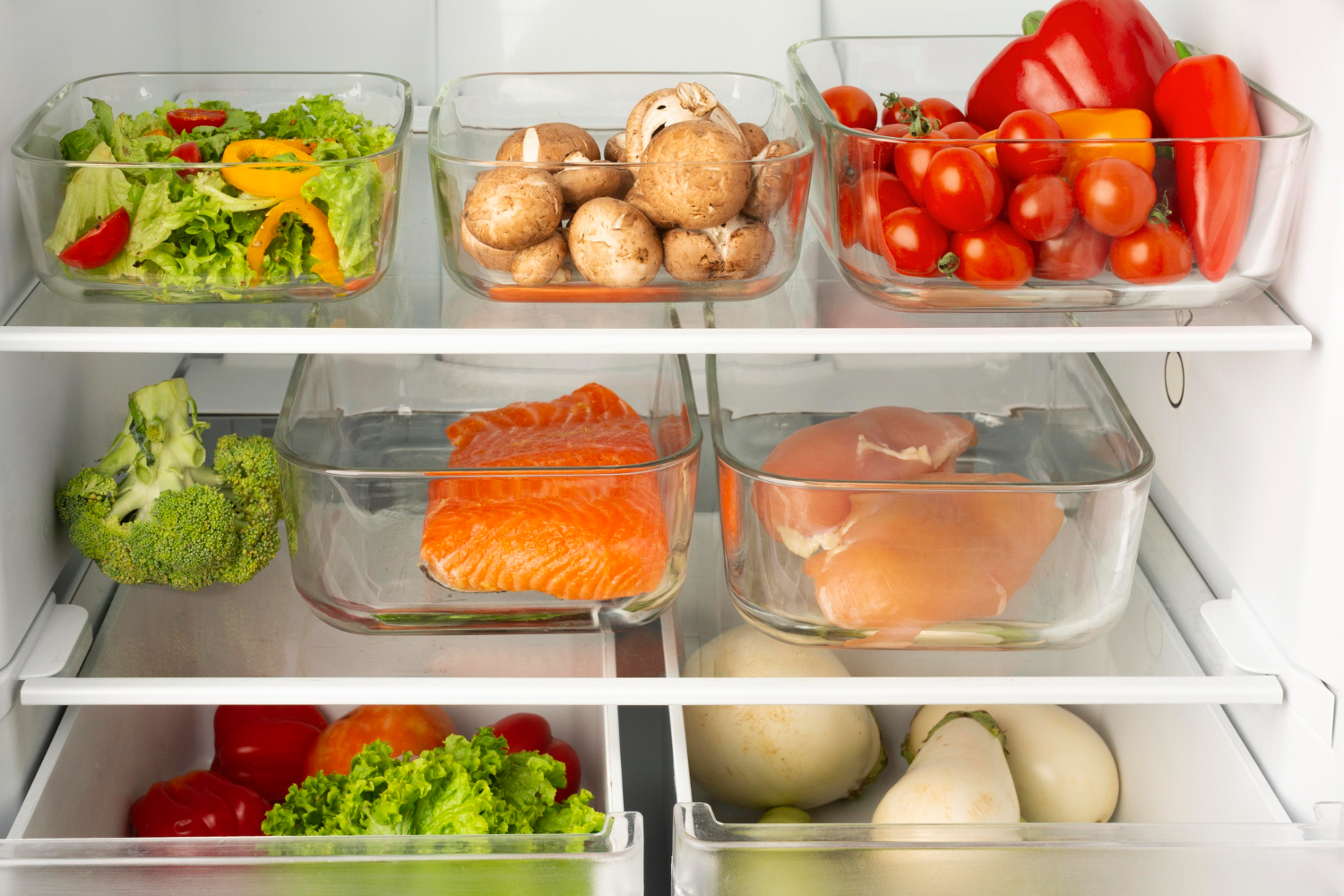
Chemical and biological processes proceed more slowly at lower temperature, roughly halving in rate for each substantial drop, which delays change without preventing it.
Nothing is switched off. Slowing rather than stopping is the fact that reframes what a fridge is for.
Like our content? Follow us for more.
2. Different Foods Want Different Temperatures
A single compartment holds everything at one temperature, and that temperature is a compromise that suits some contents well and others poorly.
Fridges have warmer and colder zones for this reason. Temperature compromise is the limitation built into the appliance.
3. Cold Damages Some Things Directly
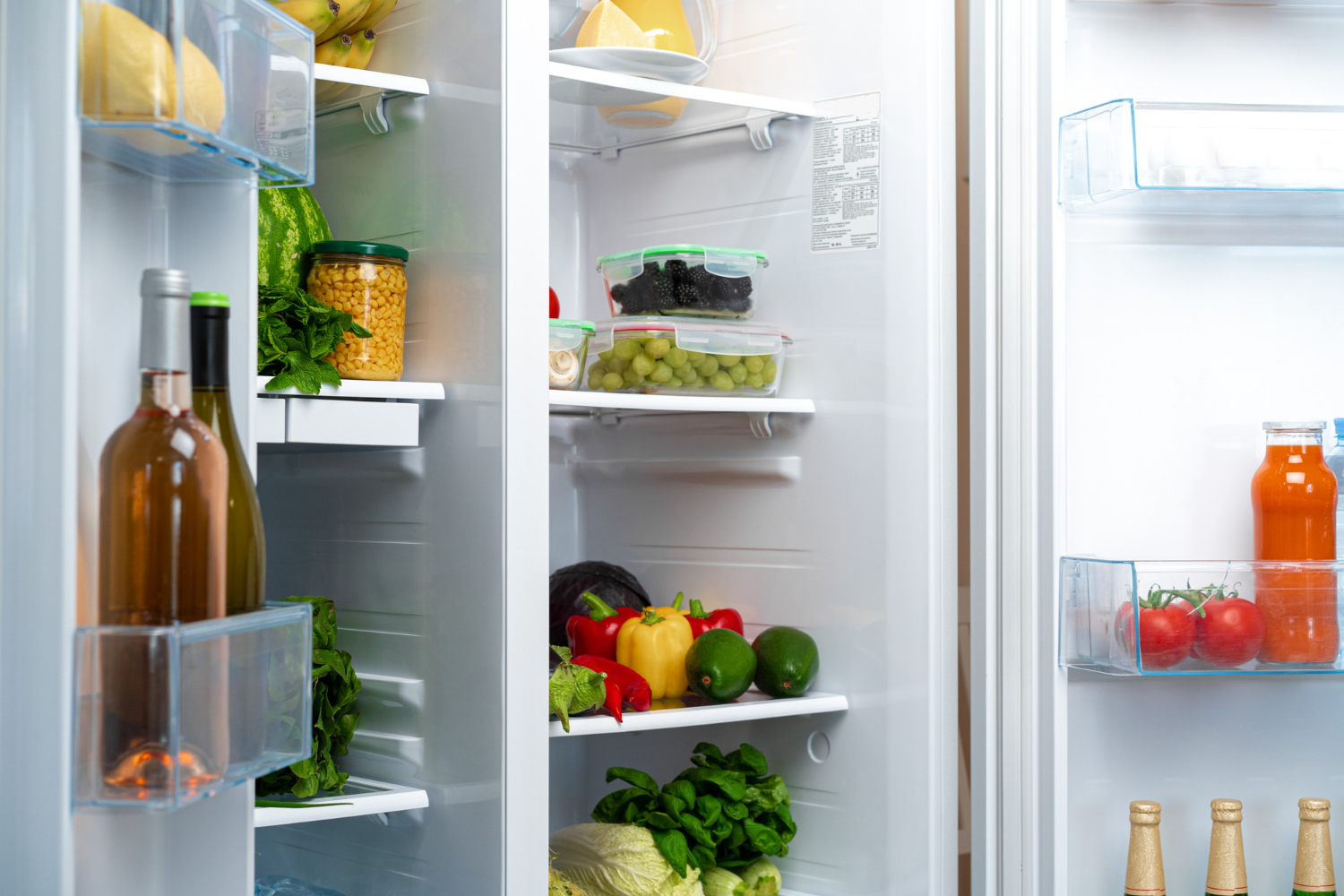
Certain fruits and vegetables suffer physical injury from chilling – pitting, texture collapse, flavour loss, failure to ripen – which is a distinct process from spoiling.
It happens to things that evolved in warm climates. Chilling injury is the damage that cold causes rather than prevents.
4. And Some Things Simply Stop Ripening
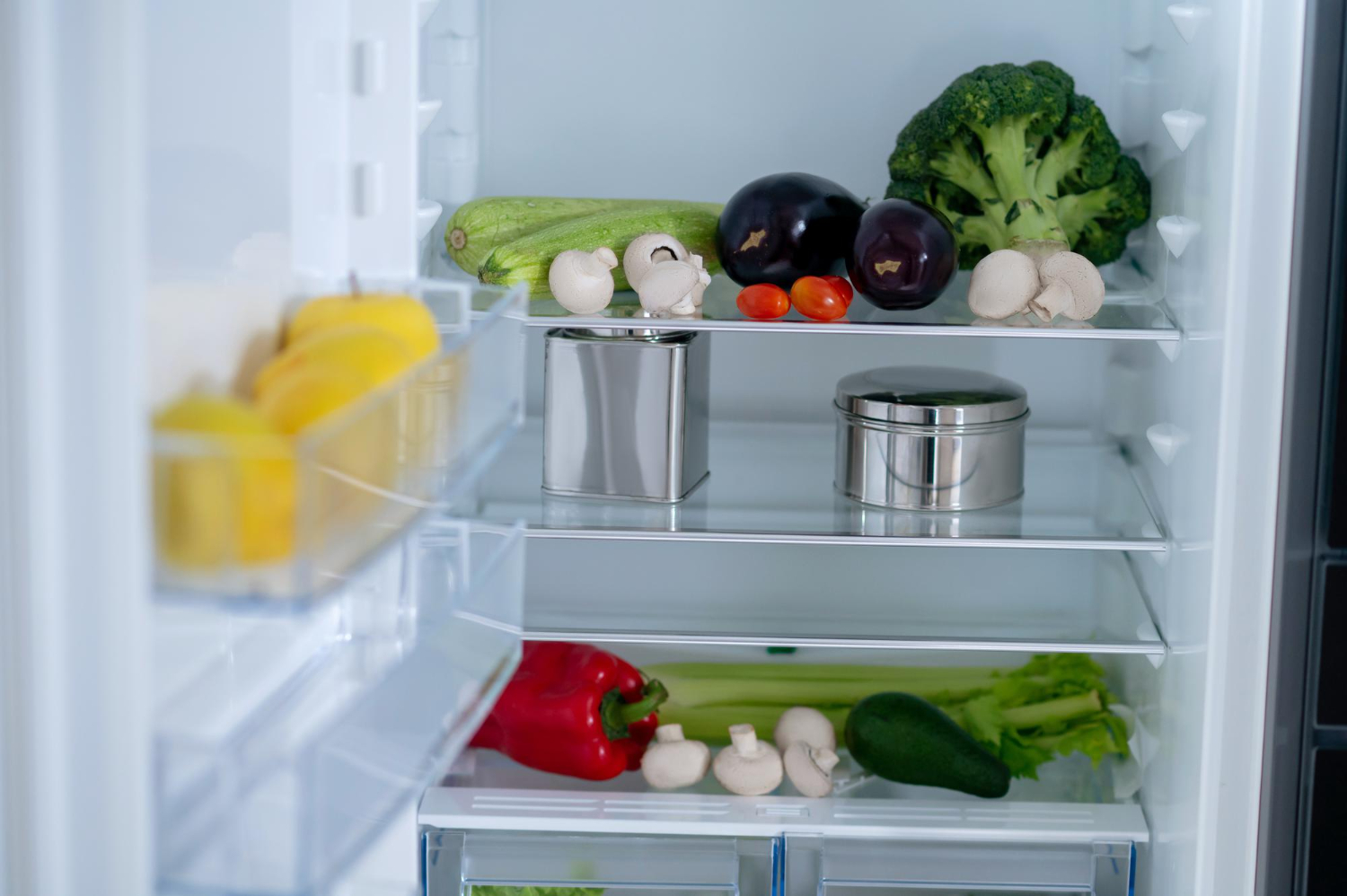
Fruit picked unripe continues developing at room temperature and stops when chilled, sometimes permanently, so refrigerating it too early prevents it ever becoming what it should.
The process does not resume on warming. Arrested ripening is the effect that cannot be reversed.
5. The Air Inside Is Very Dry
Cold air holds far less moisture than warm air, and circulation continuously removes water from exposed surfaces, which is why unwrapped food dries out noticeably.
A fridge is a dehydrator that also happens to be cold. Drying is the effect people least expect from a sealed box.
6. Which Is Why Wrapping Matters More Than It Seems
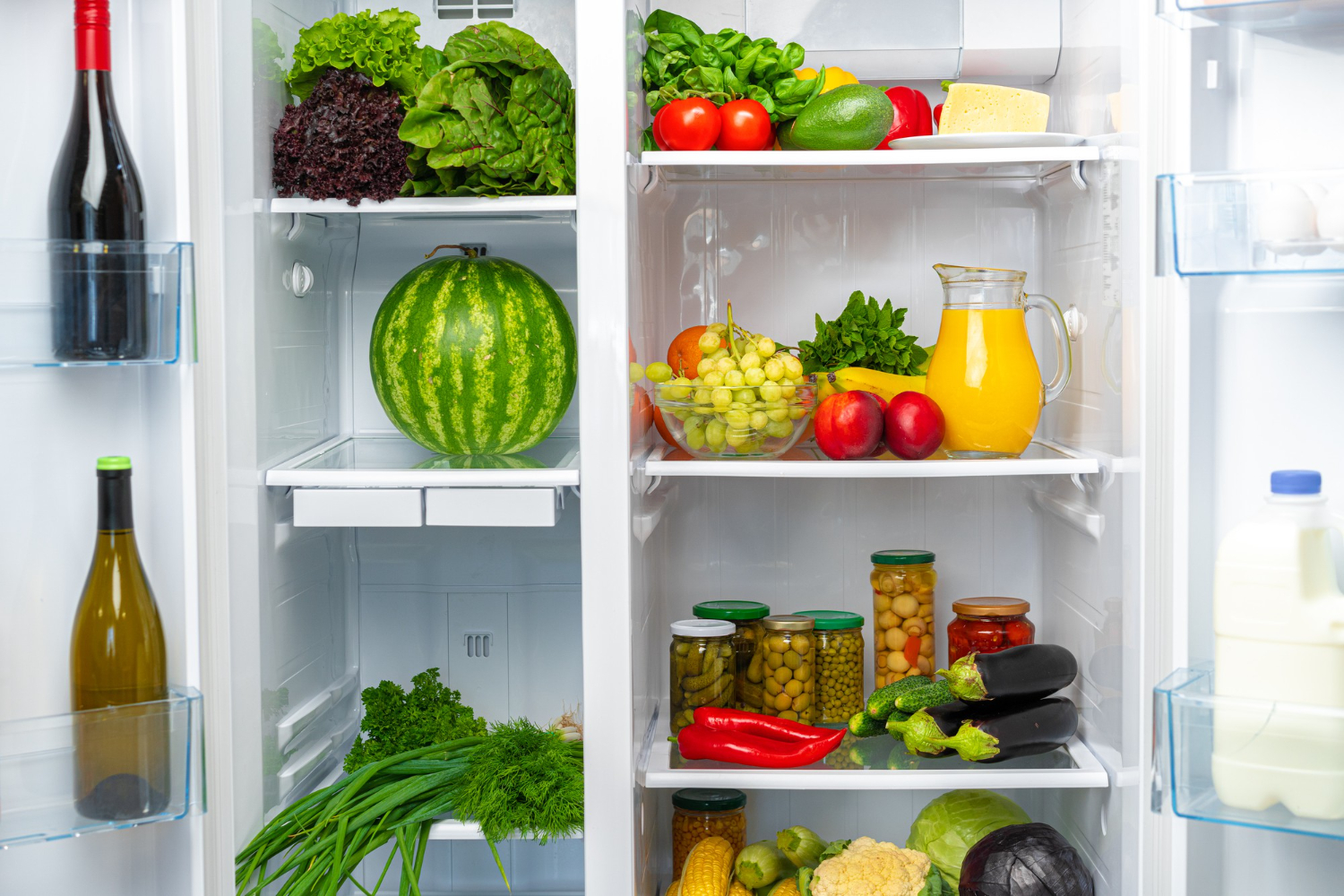
Covering food is not principally about contamination but about preventing moisture loss and preventing aromatic compounds moving between items.
Both happen quickly in circulating dry air. Wrapping is doing two jobs that have nothing to do with cleanliness.
7. Smells Travel
Volatile aroma compounds move readily through cold air and are absorbed by fats and by porous foods, which is why strongly aromatic items affect everything around them.
Fatty foods are the most vulnerable. Aroma transfer is the reason a fridge develops a single combined smell.
8. Freezing Ruptures Cells
Water expands as it freezes, and ice crystals forming inside cells push outward until the cell walls break, which is why thawed food is softer and releases liquid.
The damage happens during freezing rather than during storage. Crystal rupture is the mechanism behind every texture change in frozen food.
9. Slow Freezing Does More Damage
Freezing gradually produces fewer and larger crystals, which do more structural harm than the many small crystals produced by rapid freezing.
That is why commercial freezing and domestic freezing give different results. Freezing rate is the variable that determines how much survives.
10. Freezer Burn Is Drying, Not Burning
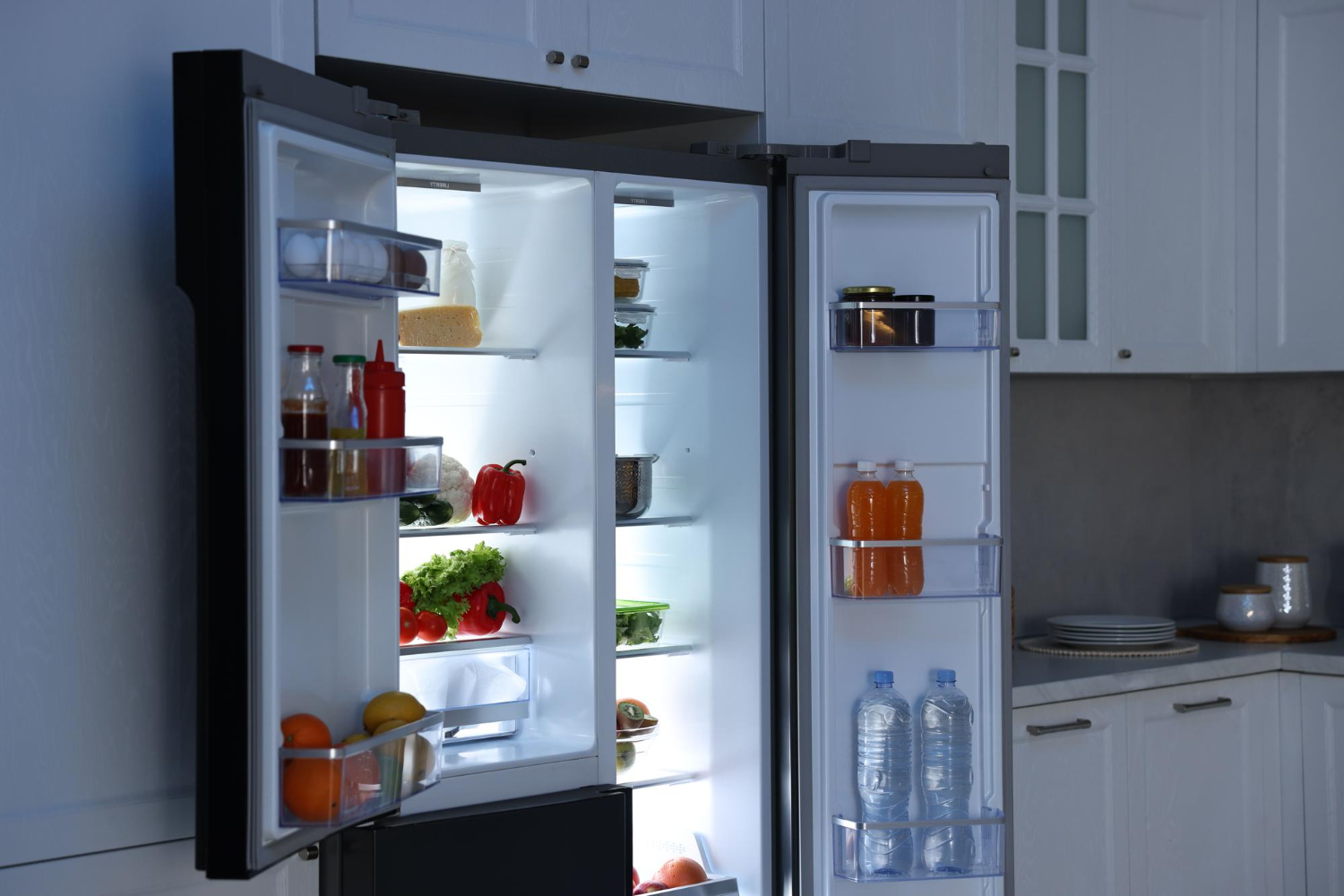
Ice on an exposed surface converts directly to vapour and leaves, dehydrating the tissue beneath and leaving it discoloured and tough.
It is moisture loss at low temperature. Sublimation is what freezer burn actually is.
11. Some Things Separate and Never Recover
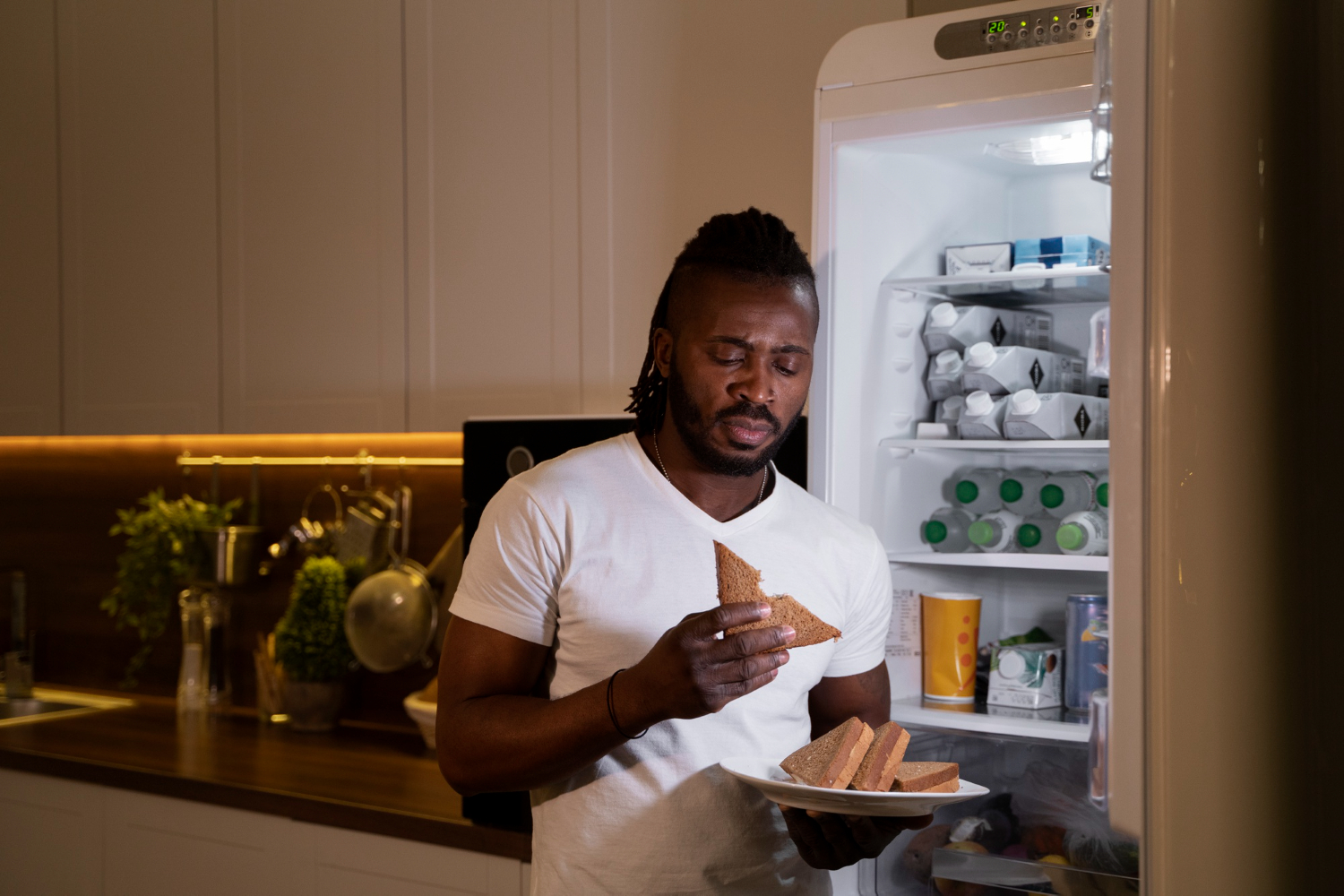
Emulsions, starch-thickened sauces and high-water foods frequently break, go grainy or turn watery on thawing, because the structures holding them together do not survive ice formation.
Whisking rarely repairs it. Structural failure is the reason some dishes cannot be frozen at all.
12. A Full Freezer Holds Its Temperature Better
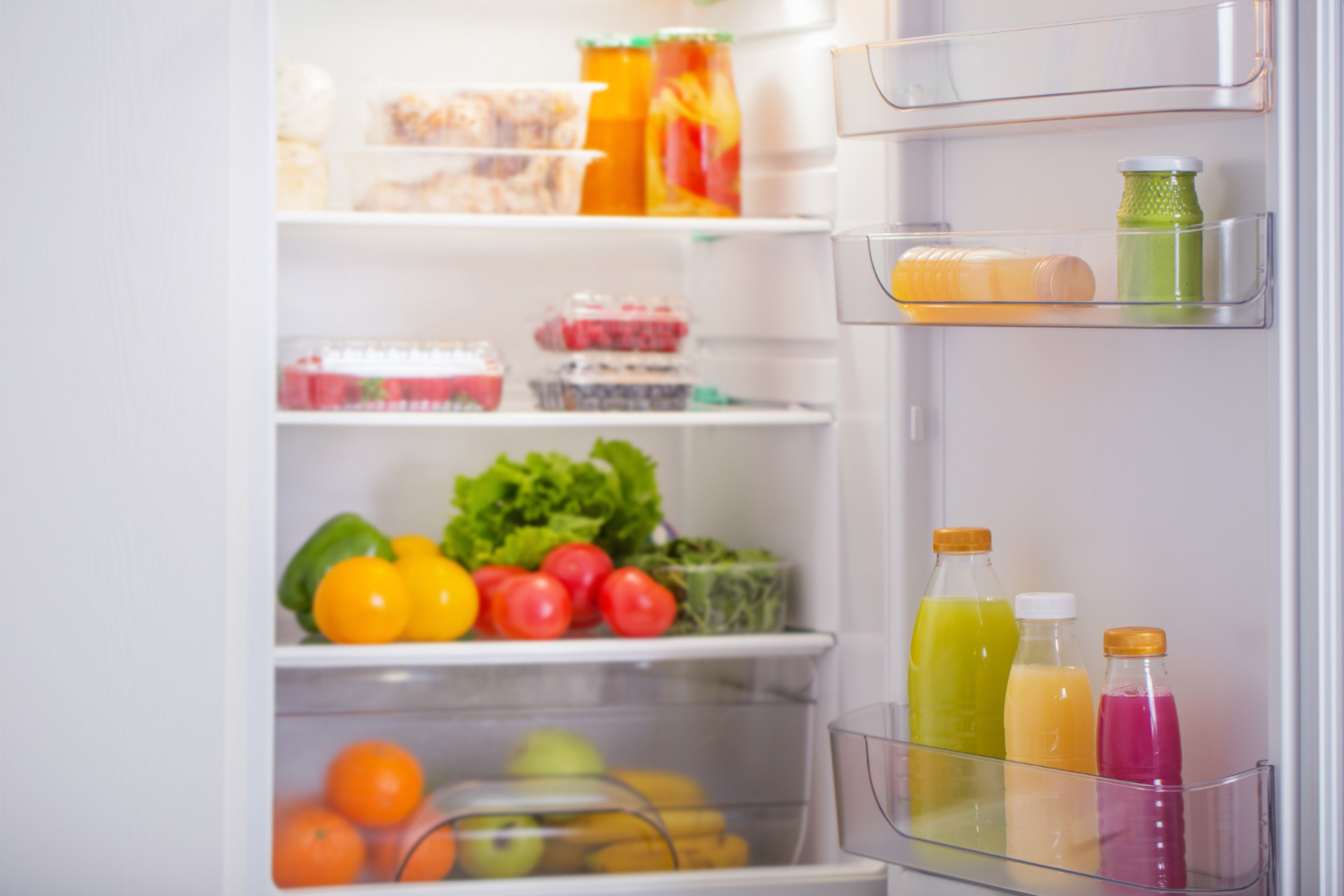
Frozen mass acts as a thermal reserve, so a well-filled freezer recovers faster after the door is opened and rides out interruptions better than an empty one.
The contents are doing the work. Thermal mass is the reason a full freezer is more stable than a full fridge.
13. Opening the Door Is the Main Disturbance
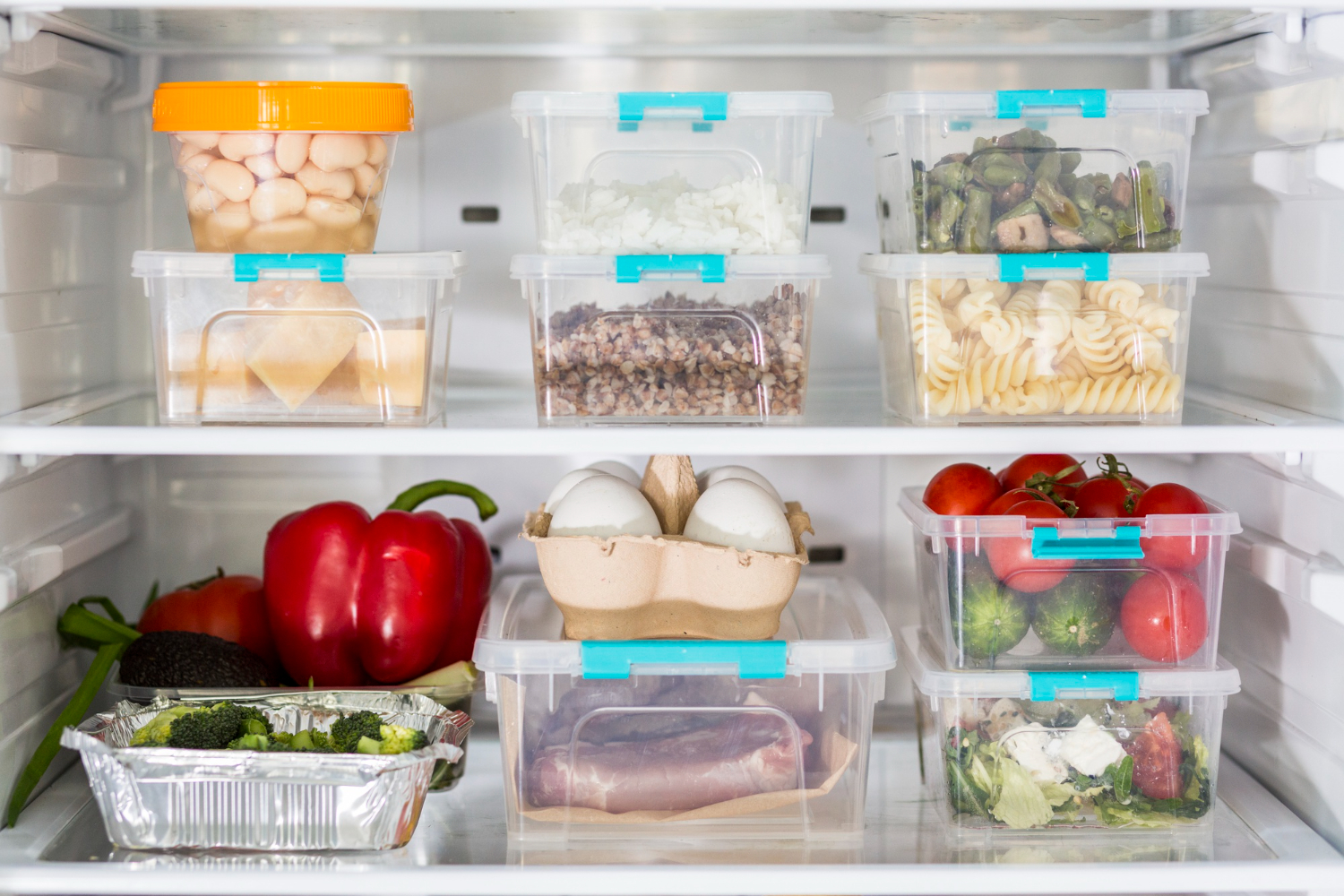
Every opening exchanges cold air for warm humid room air, which raises the temperature briefly and deposits moisture that later becomes frost.
It is the largest routine fluctuation the contents experience. Door opening is the event the appliance spends its time recovering from.
14. Cold Food Tastes of Less
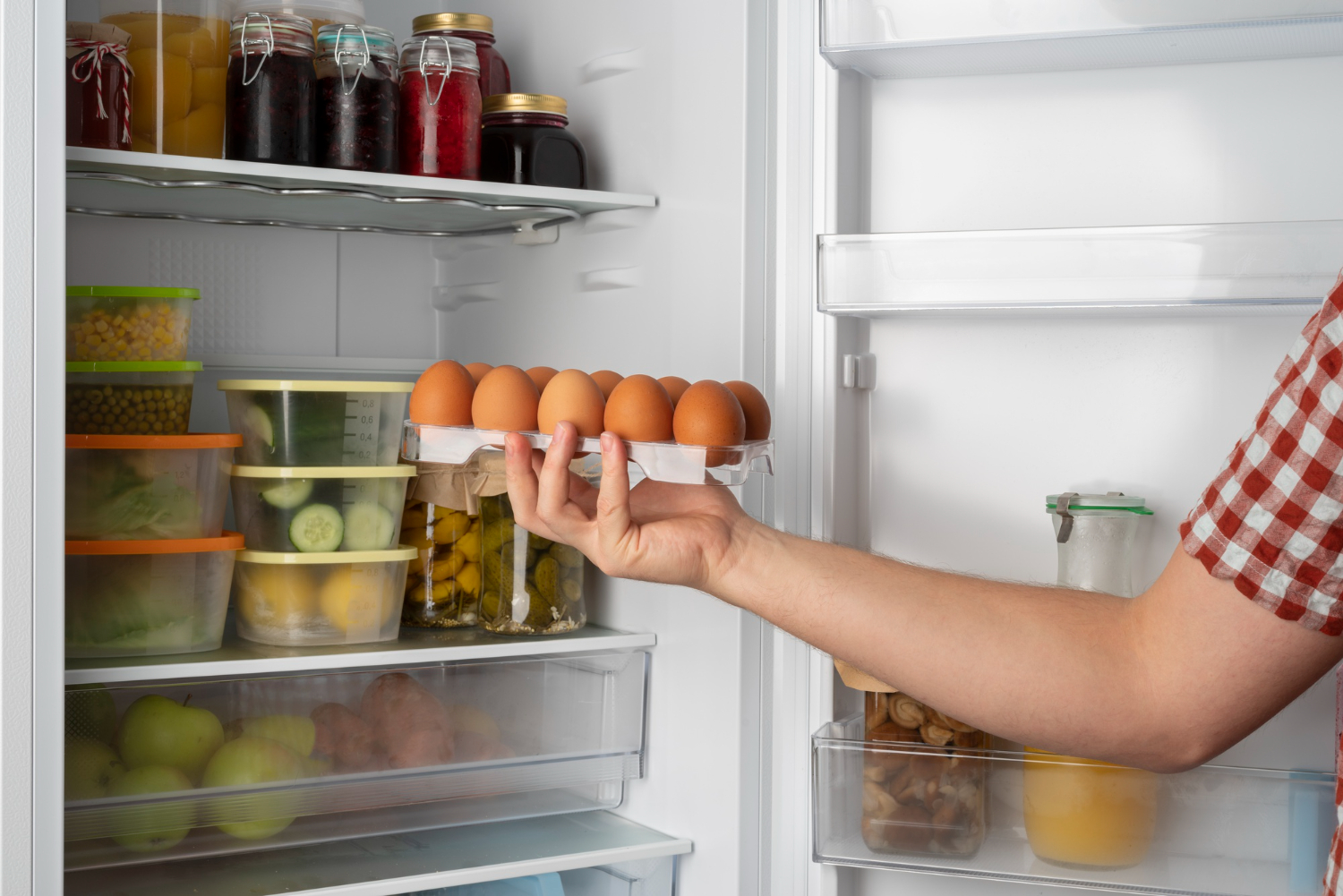
Aroma compounds evaporate more slowly at low temperature, so chilled food releases far less of what the nose detects and consequently tastes flatter.
Anything intended to be eaten cold must be seasoned for that. Suppressed aroma is the reason a dish tastes different straight from the fridge.
15. Bread Goes Stale Faster in There
Refrigeration accelerates the process by which cooked starch reorganises and firms, so bread kept cold stales substantially faster than bread at room temperature.
It is a physical change rather than drying. Accelerated staling is the case where the fridge actively makes something worse.
16. None of This Is About Safety
Everything above concerns texture, flavour, moisture and structure – what cold does to food as a material – and none of it addresses whether anything is safe to eat.
Those are entirely separate questions. The safety distinction is the one this list deliberately does not cross.
Slowing Things Down, and Damaging Some
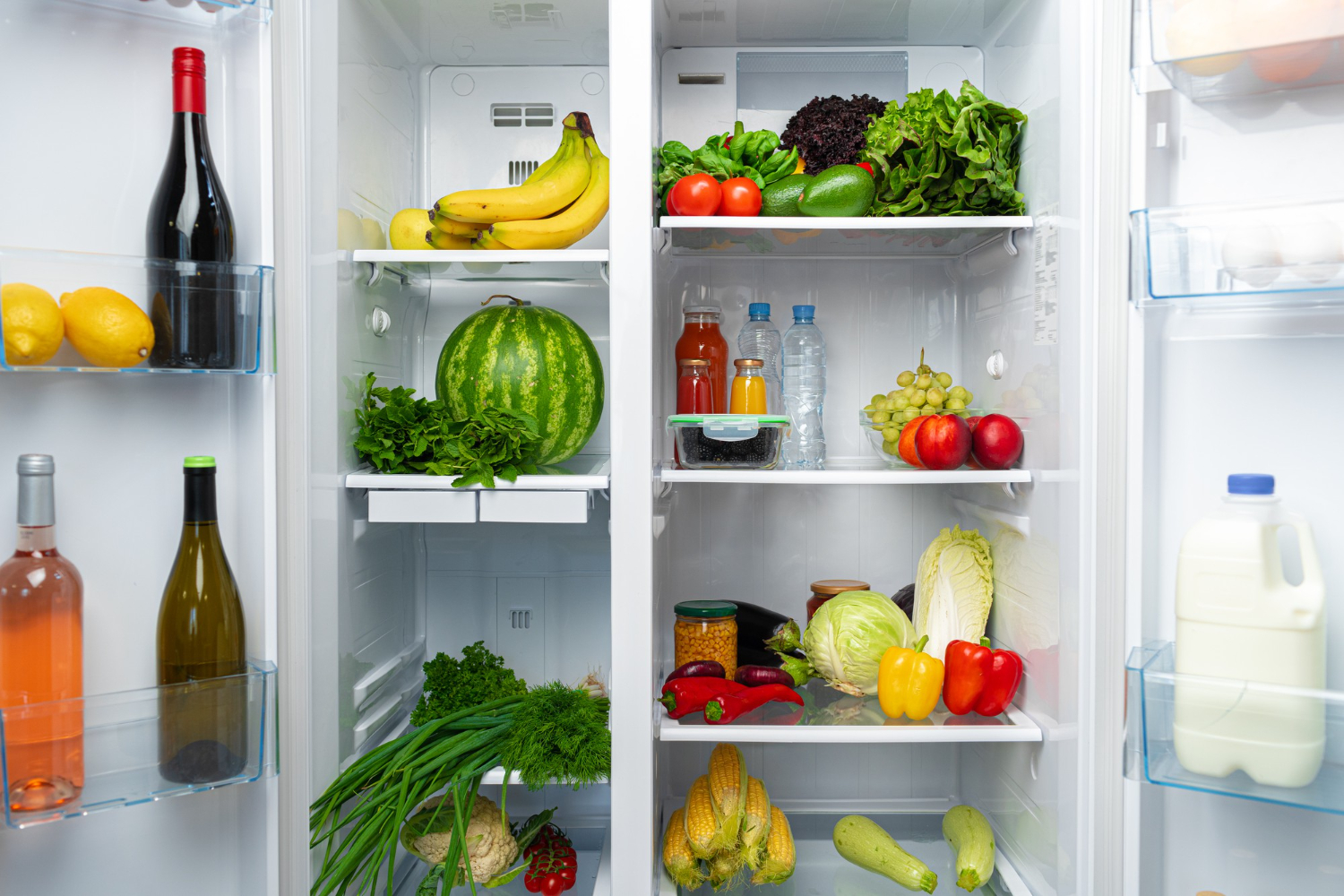
Cold delays change, dries surfaces, dulls aroma, ruptures cells on freezing and actively harms a number of foods – which is a substantially more complicated job than preserving.
The final item is the important one and is worth repeating. Everything here describes physical and chemical change – texture, moisture, flavour, structure. Whether any particular food is safe to keep, for how long, and at what temperature is a separate question with real consequences, it varies by food and by country, and it belongs with official food-safety guidance rather than with an article about ice crystals.
Like our content? Follow us for more.