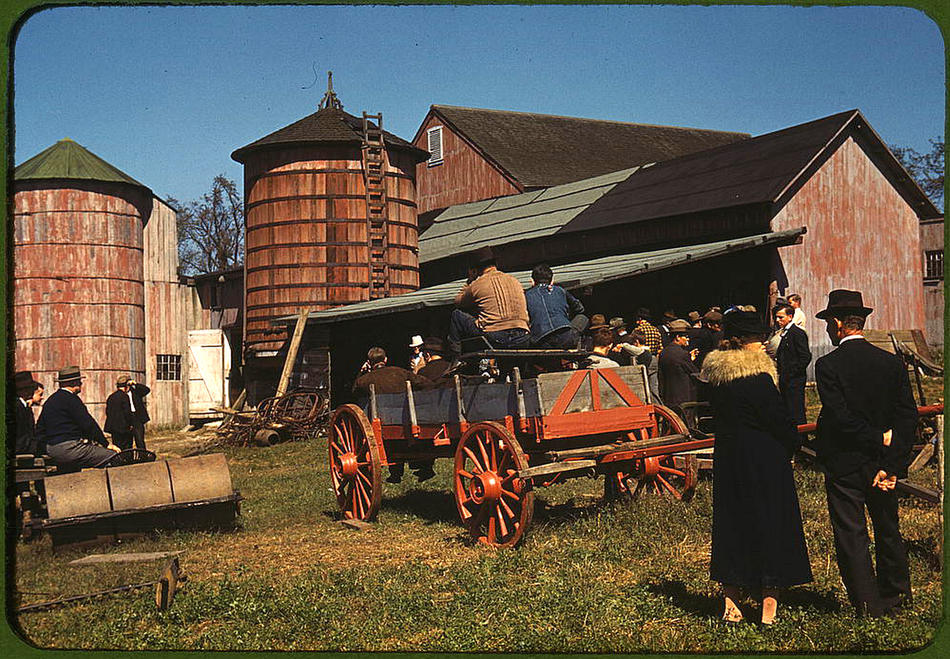
In 1974 a farm ended in one afternoon, in its own yard, in front of everybody.
Sale bills went up on the feed store wall and the post office board two weeks ahead, listing everything in tiny type. Forty years of accumulation was laid out in rows across the yard. A licensed auctioneer who knew every buyer by name worked through it in a rhythmic chant, with ring men moving through the crowd spotting bids made by a raised finger or a touch of a hat brim.
Half the people there had no intention of buying anything. They came because not coming would have been noticed. Here are sixteen things every American farm family knew about it.
1. It Was Announced on a Printed Bill Tacked Up Everywhere
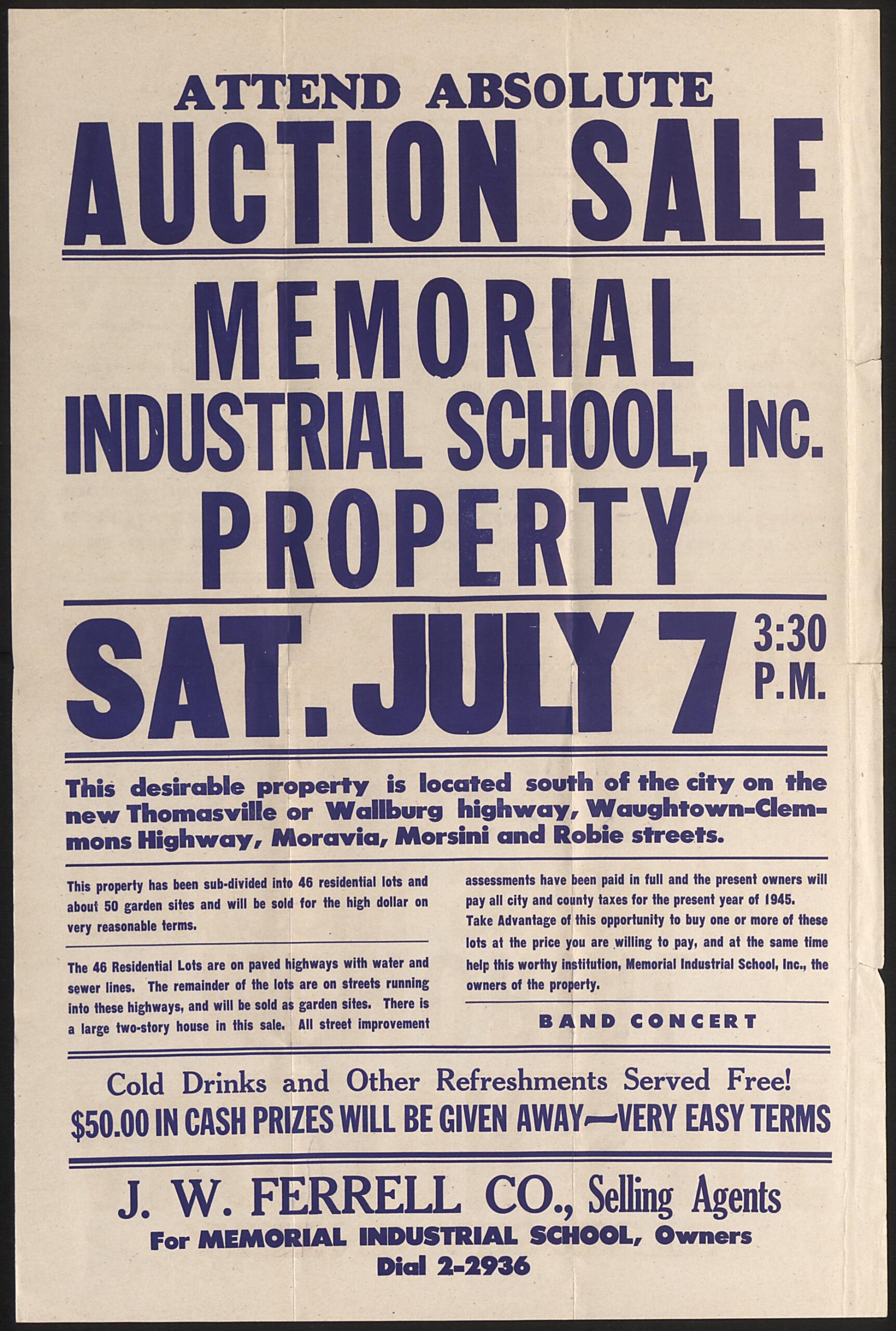
Two or three weeks beforehand, printed sale bills appeared – on the feed store wall, the post office board, telephone poles, the cafe window and the inside of the bank door – listing the date, the location, the terms and a long itemised inventory in tiny type.
Online listings with photographs, searchable by equipment type, visible nationally, with no physical notice anywhere and no need for one.
The bill was the whole marketing operation and it was read carefully. A farmer studied the inventory to decide whether the one thing he needed was in it and whether the trip was worth making – and a bill listing a particular size of tractor or a good hay rake brought buyers from two counties away.
Like our content? Follow us for more.
2. It Meant Something Had Happened, and Everybody Knew What
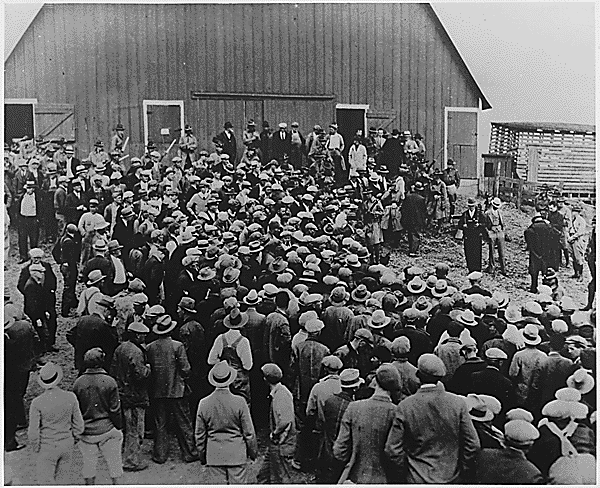
A farm sale was not a routine event. It happened because a farmer had died, had retired with no child willing to take over, had been forced out, or was leaving the business – and the reason was known to everybody present before they arrived.
Equipment sold through dealers, online, piecemeal, over months, with the circumstances private and the transactions invisible to the neighbourhood.
That shared knowledge gave the day its particular weight. The crowd in the yard understood exactly what they were looking at, which is why these sales are remembered with such intensity by the families who held them and by the neighbours who attended – and why the phrase sale bill carried a meaning in a farming community that it carries nowhere else.
3. Everything Was Laid Out in Rows on the Ground
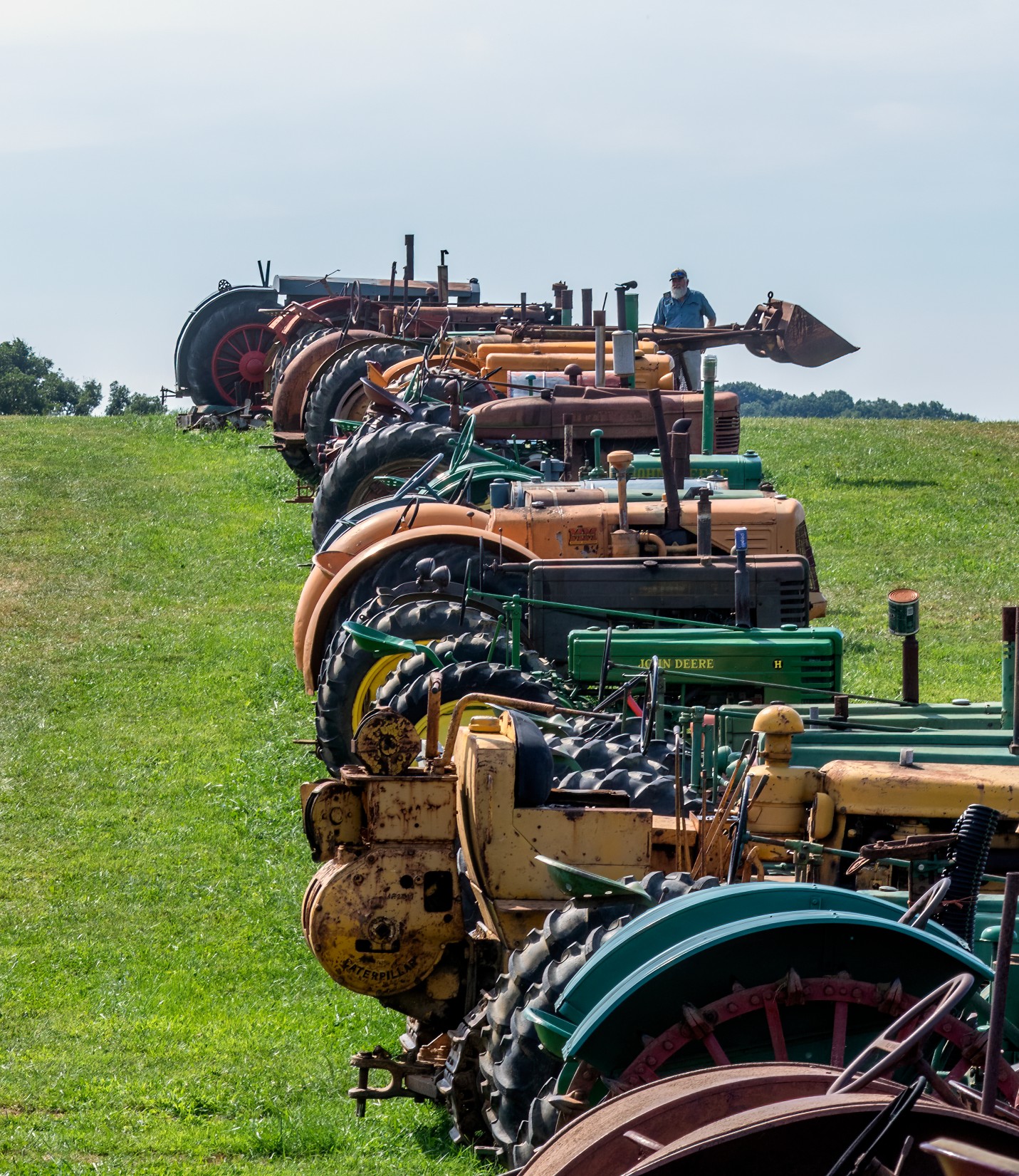
On the morning of the sale the entire contents of a working farm were arranged across the yard and the adjacent field – machinery in lines, hand tools on hay wagons, small items in boxes on planks, livestock in pens, household goods on tables near the house.
Equipment photographed where it stands and sold without being moved, with no physical display and frequently no viewing by most bidders at all.
The laying out took two or three days and it was done by family and neighbours. It also produced the thing people remember most, which is the sight of forty years of accumulation set out in the open in the order it would be sold – every tool a man had bought, lined up on a wagon.
4. The Auctioneer Was a Local Figure and the Chant Was a Technique
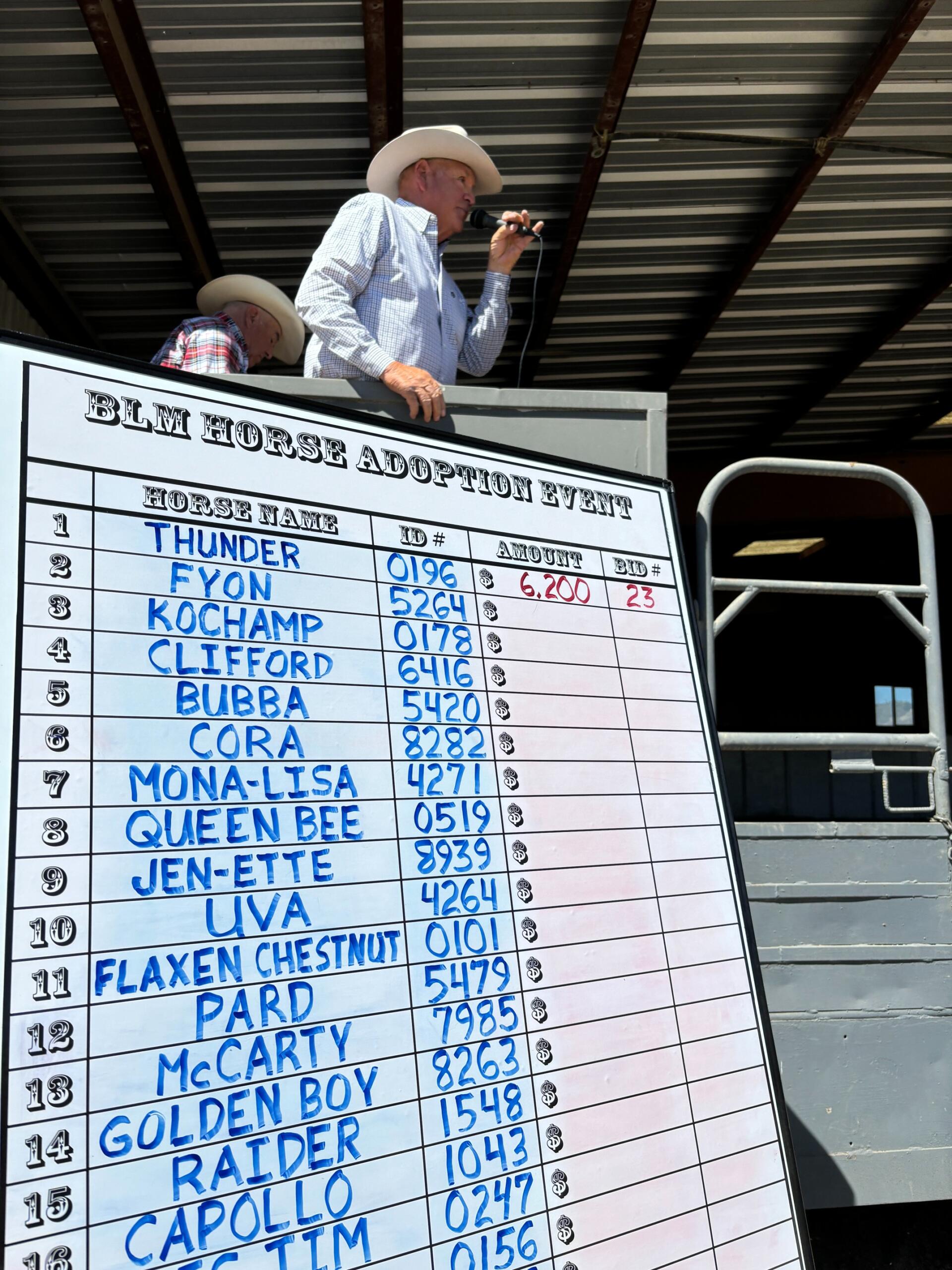
The sale was run by a licensed auctioneer who worked that territory, knew the buyers by name, knew what the equipment was worth, and conducted the whole thing in the rapid rhythmic chant that is the trade’s defining skill.
Online bidding with a clock, or a recorded or on-screen auctioneer for a dispersed audience who cannot be read, interrupted or encouraged.
The chant is widely misunderstood as showmanship and is mostly function. It consists of the current bid, the bid being asked for, and filler syllables between them – and the filler exists to keep a continuous rhythm so that a bidder knows exactly when to move, while the pace itself compresses the time available to think. It is a tool for sustaining urgency, and the good ones were paid well because they were measurably better at it.
5. Ring Men Worked the Crowd and Spotted the Bids
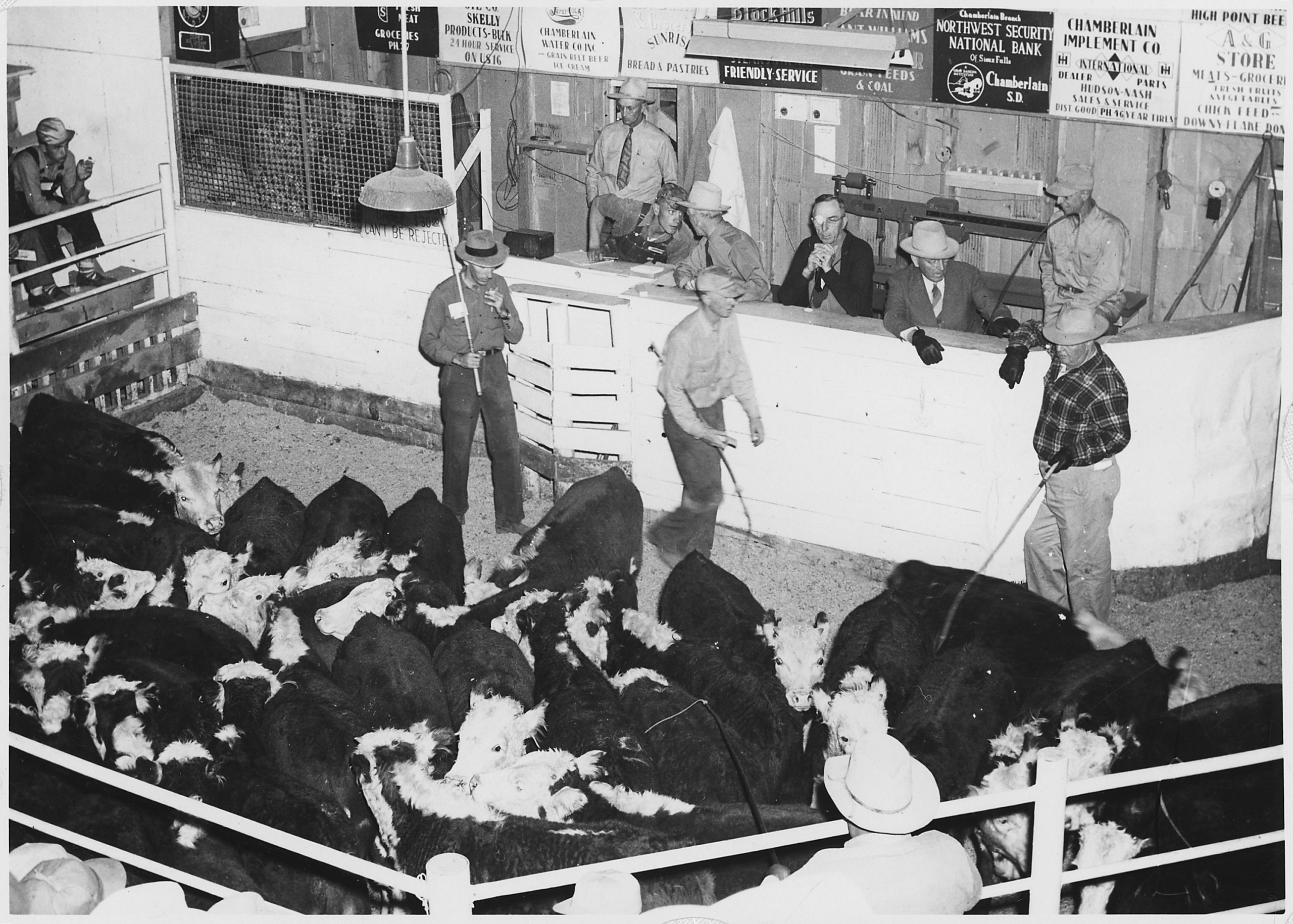
Alongside the auctioneer were assistants moving through the crowd – watching for bids, relaying them with a shout, encouraging hesitant buyers, and keeping the auctioneer informed about who was still interested.
Software that records every bid instantly and completely, with no interpretation and nobody encouraging anyone.
The ring men were the sale’s intelligence system. A good one knew that a particular farmer wanted a particular item, could see him hesitating, and would get a bid out of him with a word – which is the part of a live auction that genuinely does not survive translation to a screen.
6. Small Items Were Sold in Box Lots
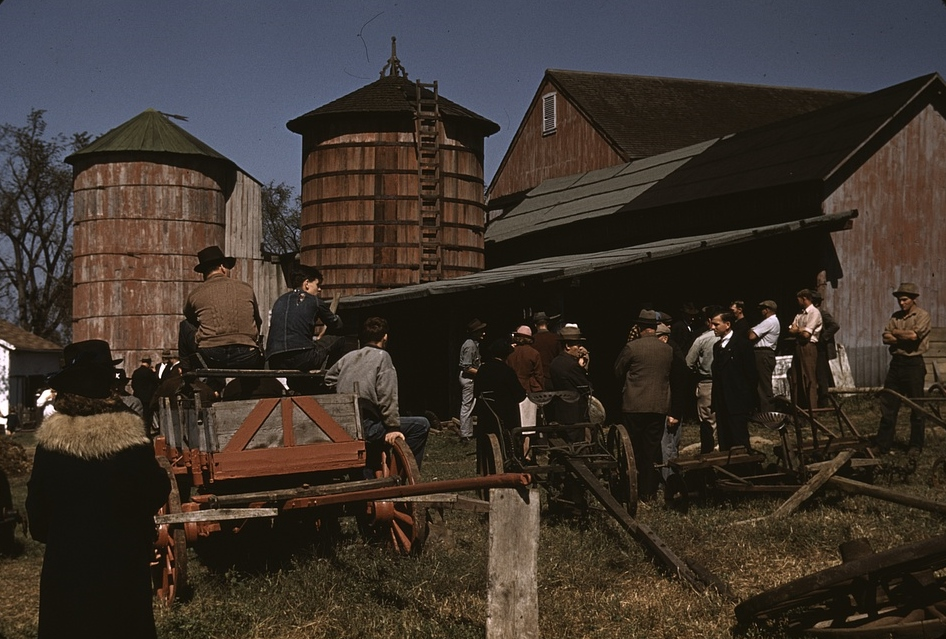
Low-value objects – bolts, clamps, cans of grease, hand tools, chain, hose fittings, jars of nails – were grouped into boxes and sold as one lot, sight largely unseen, for very little.
Either not sold at all and disposed of, or sold in pallet lots to dealers who sort them for resale.
Box lots were the day’s entertainment and its genuine bargains. A box bought for a dollar might contain one tool worth twenty, and the custom was that you bid on the box as a whole – so the crowd around the small items was always bigger than the crowd around the tractors.
7. The Bidding Signals Were Real and Nobody Explained Them
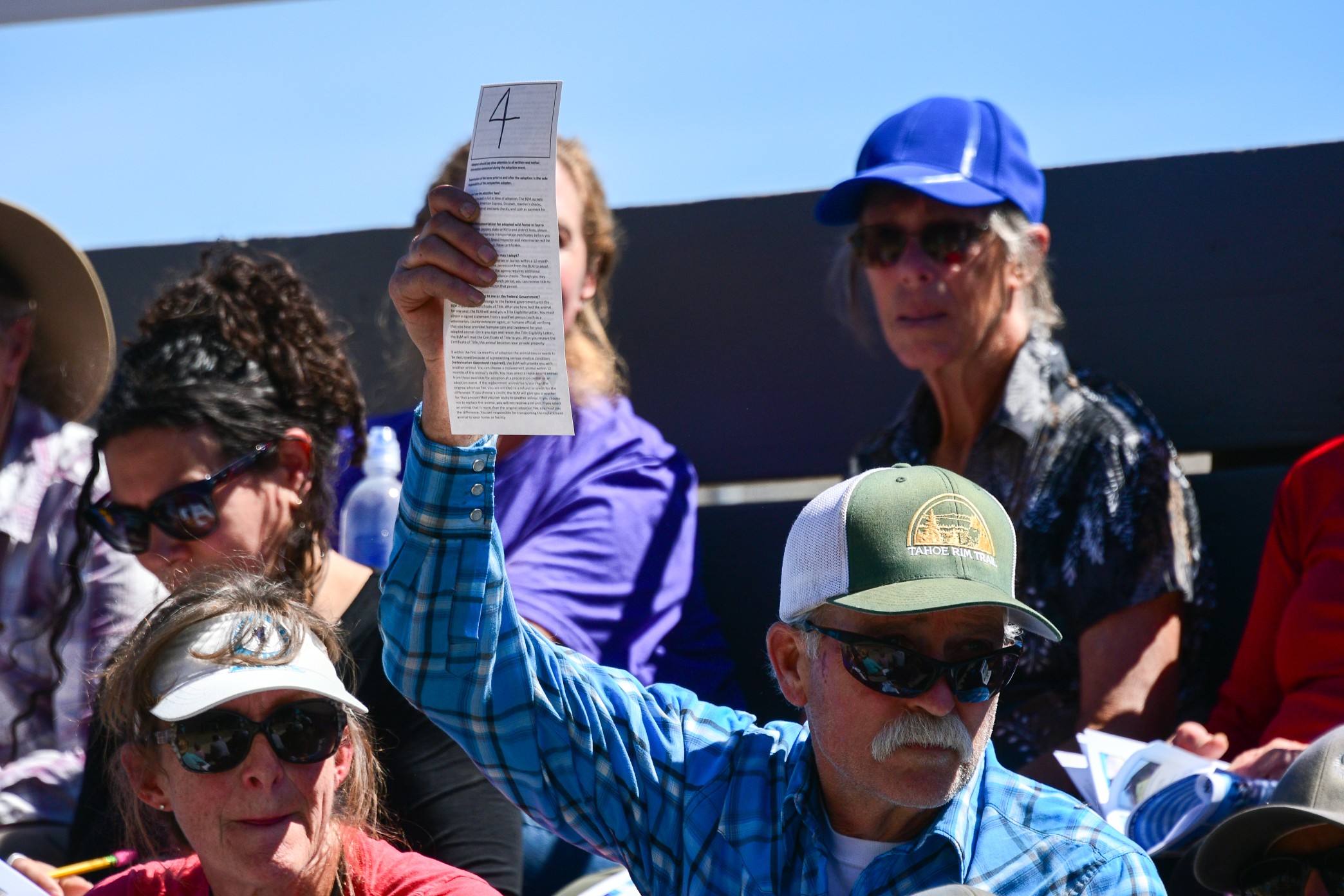
Bids were made with a raised finger, a nod, a touch of a hat brim, a lifted catalogue or a look – small, fast and legible only to the auctioneer and the ring men.
A number typed into a field, identical for every bidder, with no gesture, no subtlety and no concealment.
The understatement had a purpose. A farmer did not necessarily want his neighbours to see how badly he wanted something or how high he was prepared to go, and a sale in which everybody present knows everybody else’s finances is a sale where discretion has real value – which is why the signals were quiet.
8. The Crowd Was Half Buyers and Half Neighbours
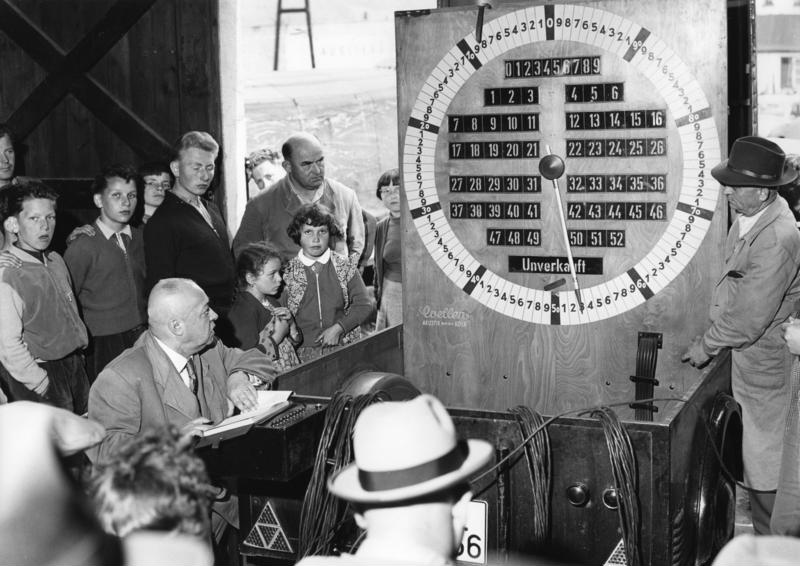
A substantial proportion of the people standing in the yard had no intention of bidding on anything. They came because the sale was happening, because they knew the family, and because it was where everybody would be.
An audience of registered bidders only, geographically scattered, who do not know each other and are not present.
Which made the day the largest gathering the neighbourhood would see outside a funeral – and the comparison is not accidental, because in a great many cases the sale was following one. People came to stand in the yard, and standing in the yard was the point.
9. The Women Ran a Lunch Stand and It Paid for Something
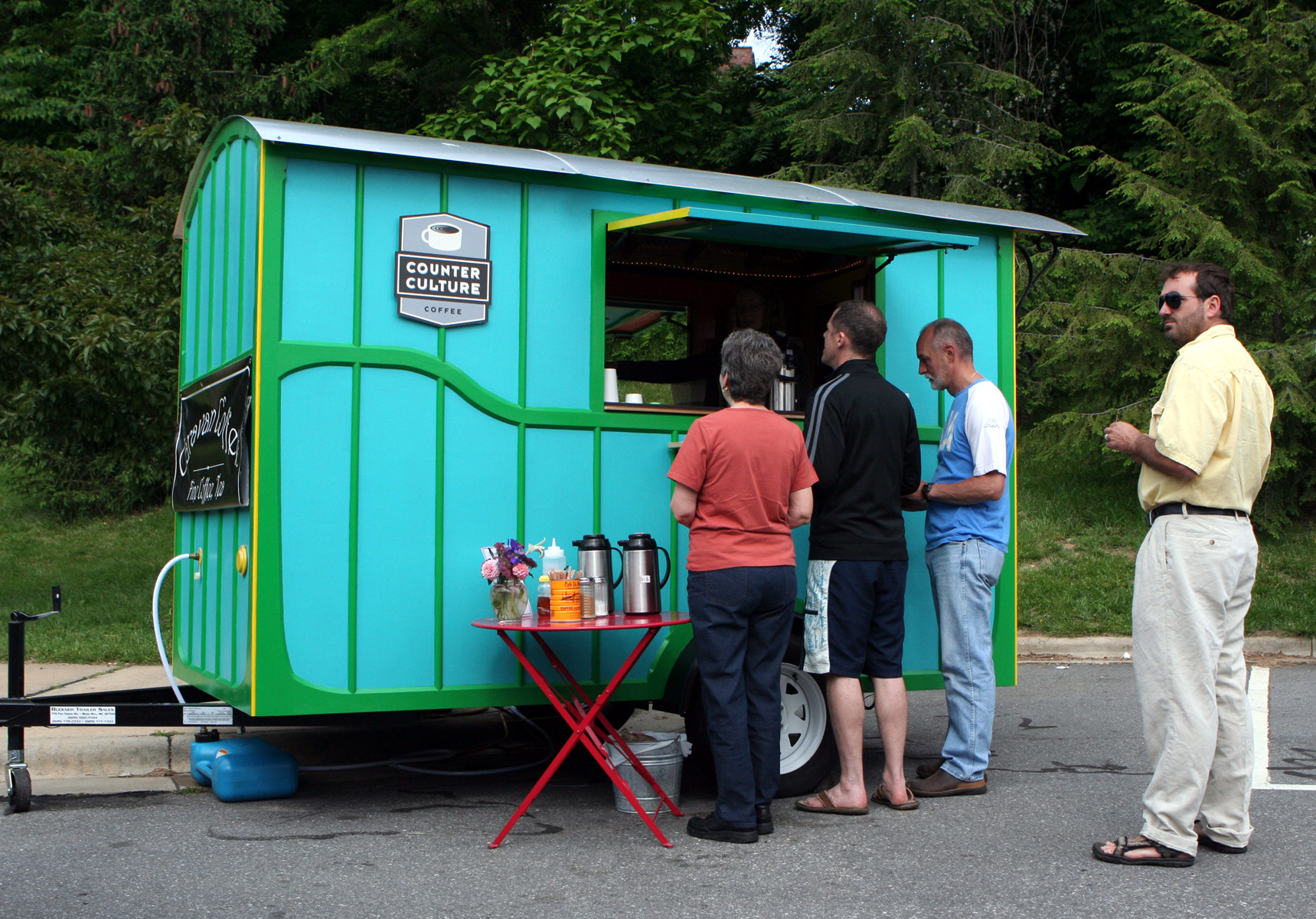
Alongside the sale a food stand operated out of a trailer, a garage or the back of a pickup – sandwiches, pie, coffee, soft drinks – run by a church group, a school club or a women’s organisation, with the proceeds going to that group.
Catering if the sale is large enough to warrant it, run commercially, with no beneficiary beyond the caterer.
The stand was a real revenue event for whoever ran it, because a crowd of two hundred people standing in a cold yard for six hours buys a great deal of coffee – and the right to run the stand at a big sale was something organisations arranged well in advance.
10. The Machinery Was the Money and It Went Last
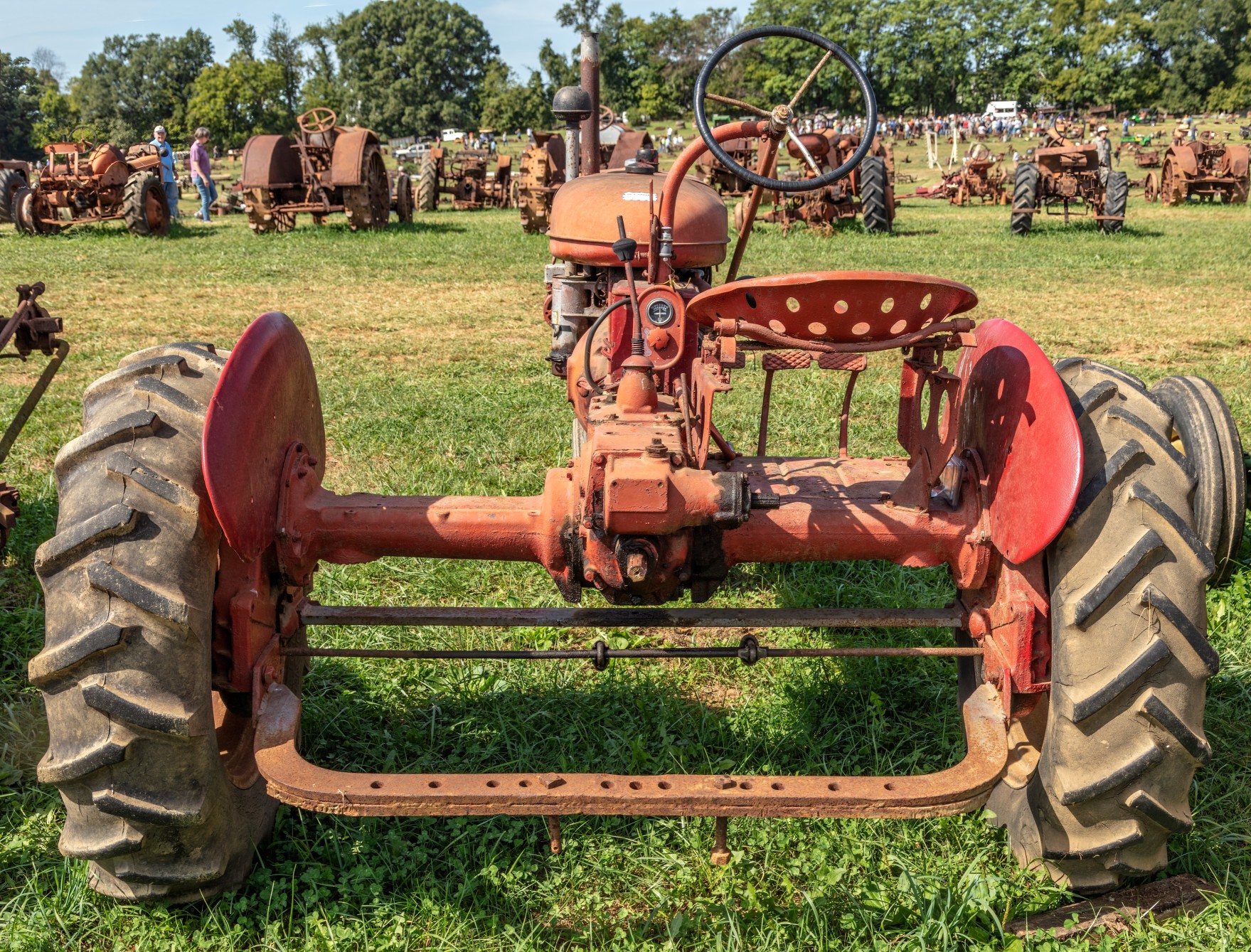
The order of sale was deliberate: small items first while the crowd assembled, then hand tools and shop equipment, then livestock, and finally the tractors and major implements at the point of maximum attendance.
Lots closing on a schedule set by a platform, in whatever sequence suits the listing, with timing that has nothing to do with who is watching.
Sequencing is most of an auctioneer’s judgement and the reason is straightforward. The items that carry the day’s total have to be sold when the most money is standing in the yard, which is early afternoon – so a sale was built around getting the crowd there and holding it until the tractors went through.
11. The Household Goods Were the Part That Hurt
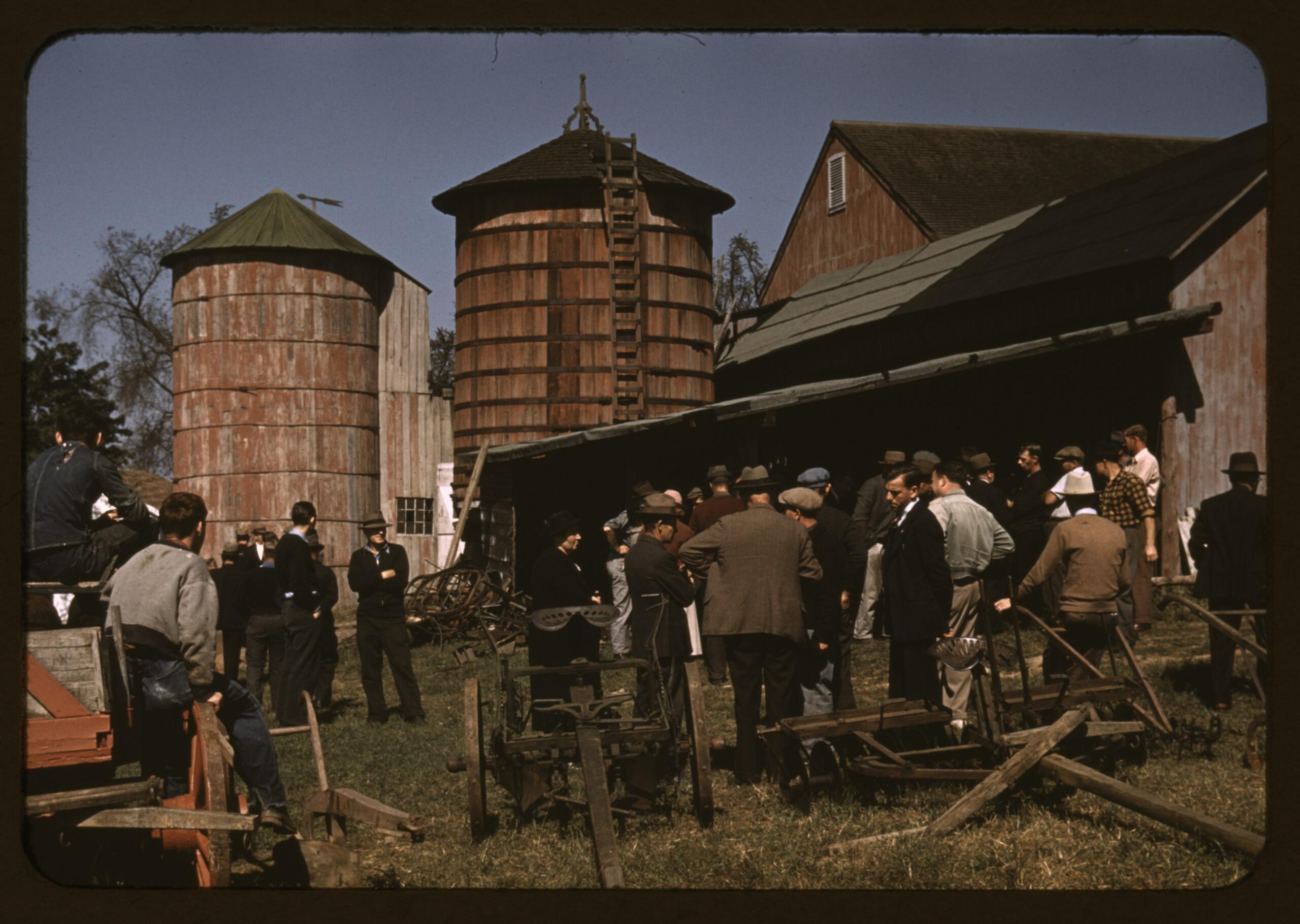
Near the house, on tables, went the contents of the kitchen and the rooms: dishes, jars, linens, furniture, pictures, tools from the pantry, the contents of drawers – sold in lots, quickly, for very small sums.
Estate liquidators, online resale and donation, handled separately from any equipment and generally with no public gathering.
This is the portion of the day that families describe with real pain, and it is worth being plain about why. Equipment is equipment and everybody understands its price. Watching a neighbour buy your mother’s dishes for two dollars while a crowd stands and watches is a different experience, and it is why some families withdrew the household lots entirely rather than go through with it.
12. Settlement Was a Table, a Clerk and a Checkbook
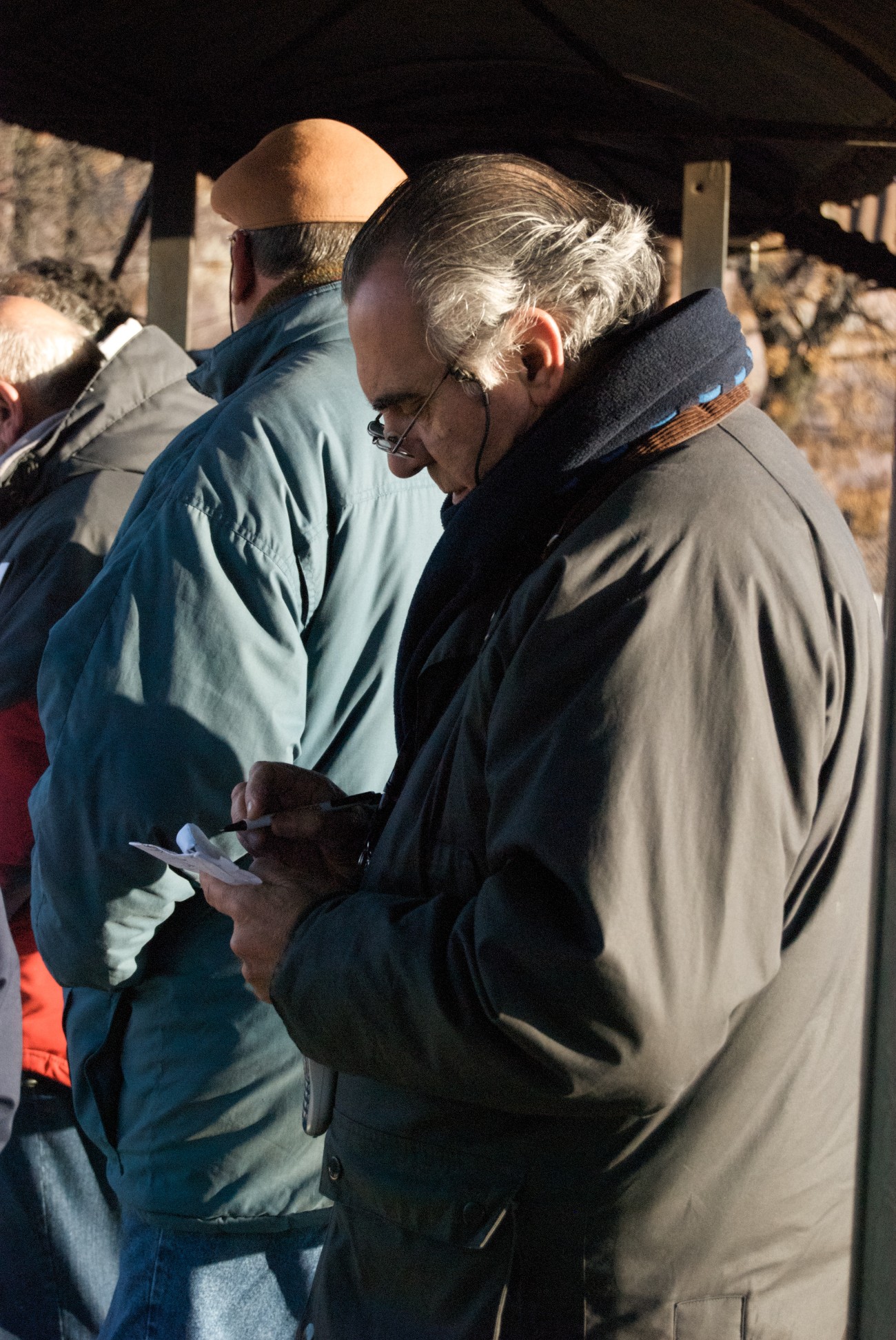
A clerk sat at a table with a ledger, recording every lot number, buyer and price as it sold, and when the selling finished buyers queued, settled by check, and loaded what they had bought.
Automated invoicing, electronic payment, and shipping arranged by a third party who was never present.
The settling-up was conducted almost entirely on trust and local reputation. A buyer wrote a check against an account at the bank in town, the clerk took it, and the whole arrangement worked because defaulting on a farm sale in your own community was not a survivable thing to do.
13. The Weekly Sale Barn Was a Different Institution Altogether
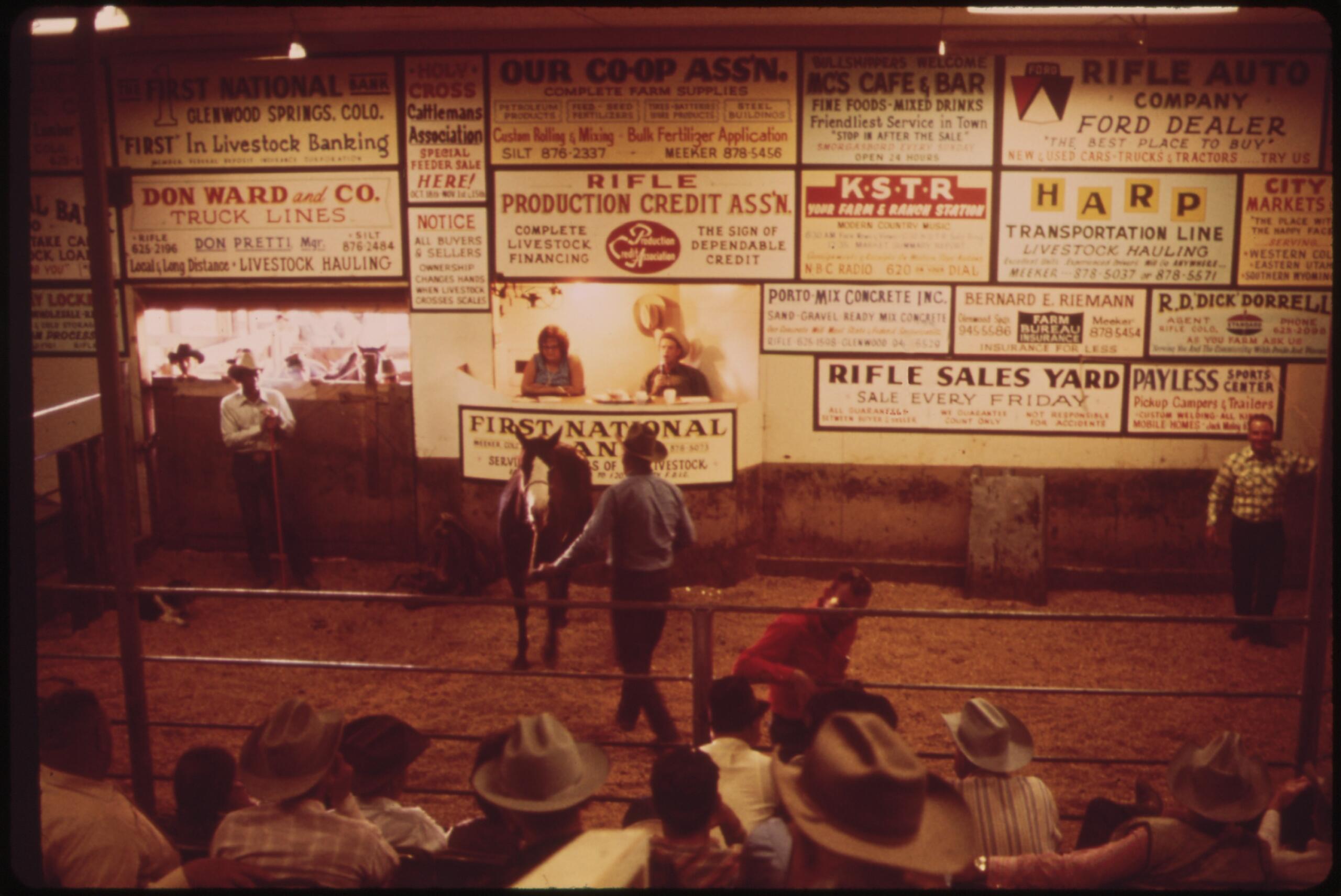
Separate from the one-off farm dispersal was the regular livestock auction: a permanent building with pens, chutes, a sawdust ring, tiered seating, scales and a cafe, running on a fixed day every week, year round.
A much smaller number of larger consolidated markets, with substantial volumes moving by direct contract, video and online sale without the animals passing through any ring.
The sale barn was the week’s commercial and social centre for a farming district. Prices were discovered publicly in front of everybody, which meant a small producer selling four head got the same visible market as a large one – and the loss of that transparency is a genuine and much-argued change in how American livestock is priced.
14. It Was How Equipment Actually Circulated
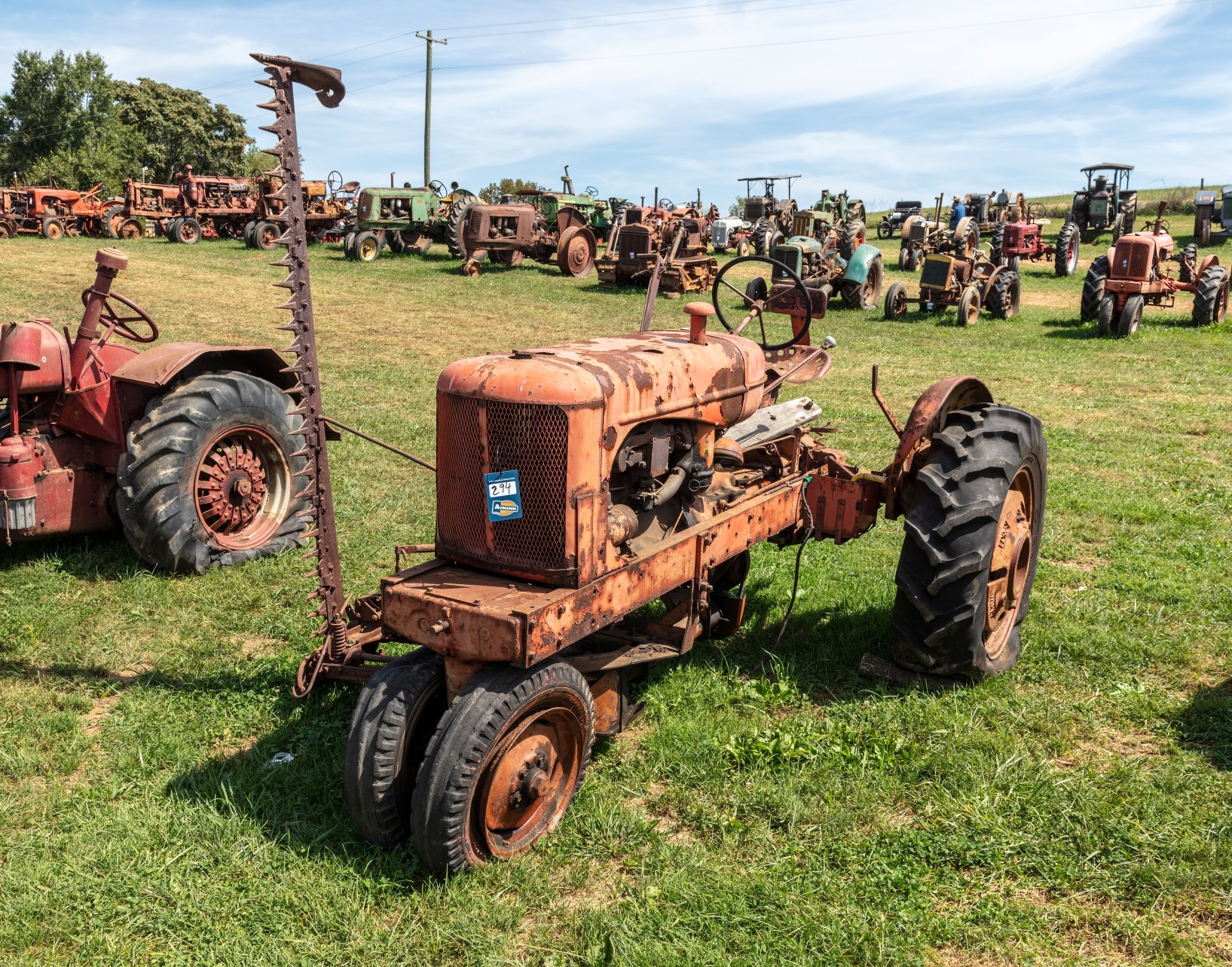
Most used farm machinery in a district moved through sales rather than through dealers. A sale put a working tractor in front of fifty people who could use it, at whatever price they would pay that day, with no financing and no warranty.
Dealer networks, national online marketplaces and auction platforms, which reach vastly more buyers and produce prices far closer to true market value.
The old system had an effect that the better one does not. Because the buyers were local and the price was whatever that particular crowd could pay, equipment tended to stay in the district and to end up with whoever needed it most and had the cash – which is a different outcome from going to the highest bidder anywhere on earth.
15. Nothing Was Left and the Place Looked Wrong
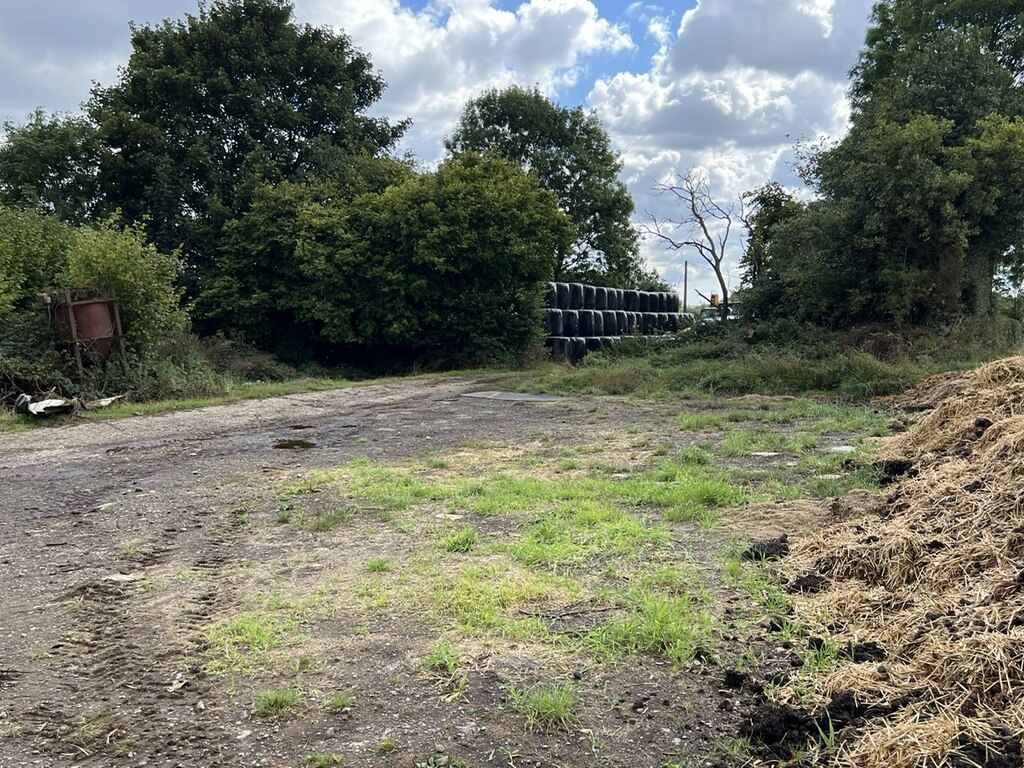
By evening the yard was empty, the rows were gone, the buildings were open and bare, and the family was standing in a farmyard that had been stripped of everything that made it a farm.
A gradual disappearance over months as items ship out one by one, with no single day on which the place becomes empty.
Everybody who has been through one describes this moment and not the prices. The sale is remembered as a thing that took one day, after which a working farm was simply a set of buildings – and that compression into a single afternoon is precisely what the modern process has removed.
16. Then the Ending Stopped Being Something Neighbours Attended
A farm auction liquidated the assets, redistributed working equipment locally at prices local buyers could meet, and gave a working life a public, attended, single-day ending in front of everybody who had known it.
Online platforms and dealer channels that reach national and international buyers, achieve substantially higher prices, settle electronically, and require nobody to be anywhere.
The modern system is better at the first job and does not attempt the other two, and that is the honest shape of the change. Price discovery on a national platform beats price discovery in one farmyard comprehensively – a seller’s family now gets more money, which matters most of all and should be said first. But the auction was never only a sale. It was the mechanism by which a community processed the end of one of its farms: a public event, on the place itself, that neighbours came to because not coming would have been noticed, where the equipment went to people who would use it within twenty miles, and where a man’s forty years of tools were looked at by people who knew what each one had been for. That has no successor at all. A farm now ends with a listing, a logistics company and a cheque, and the field where two hundred people would have stood is simply not used.
The Sale Was Doing Three Jobs and Only One of Them Got Replaced
Start with the part that should be said first, because any honest account of this has to begin there: the modern system gets the family more money.
An online equipment auction puts a tractor in front of buyers across the country and across borders. It attracts bidders who could never have driven to a farmyard in one county on a Tuesday in March. It produces prices substantially closer to genuine market value, settles reliably, and does not depend on who happened to turn up. For a widow selling her husband’s machinery, that is not a small difference – it is frequently the difference between a comfortable retirement and a difficult one.
So the price discovery is better. Comprehensively. That argument is over.
But the farm auction was doing three jobs at once, and the other two have no successor whatsoever.
The second job was redistribution within a district. Because the bidders were the farmers who lived around that place, the equipment went to people who would be using it within twenty miles, at whatever price that particular crowd could pay on that particular day. A working tractor stayed in the neighbourhood. The hay rake went to the man two farms over who needed one. Box lots of bolts and fittings ended up in fifty different shops nearby. The whole stock of a farm dissolved back into the farms around it, which is a kind of circulation that a national marketplace actively prevents, because a national marketplace is designed to find the highest bidder anywhere rather than the most useful one close by.
The third job was the one nobody wrote down, and it is the reason these days are remembered so vividly by everyone who attended one.
The auction was how a community processed the ending of a farm.
It was public. It was held on the place itself. The reason it was happening – a death, a retirement with nobody to take over, a foreclosure – was known to everyone in the yard before they arrived. And they arrived anyway, in large numbers, many of them with no intention of bidding on anything, because a farm sale was the biggest gathering a rural neighbourhood would see outside a funeral and because not showing up would have been noticed and remembered.
So two hundred people stood in a cold yard for six hours, bought coffee from the church ladies’ trailer, and looked at one man’s forty years of tools laid out in rows on hay wagons – looked at them properly, with the specific attention of people who knew what every single one of those tools had been for and could tell from the wear which ones he had used most.
That is a funeral for a working life, conducted by the people best qualified to hold one. Nobody designed it to be that. It simply was.
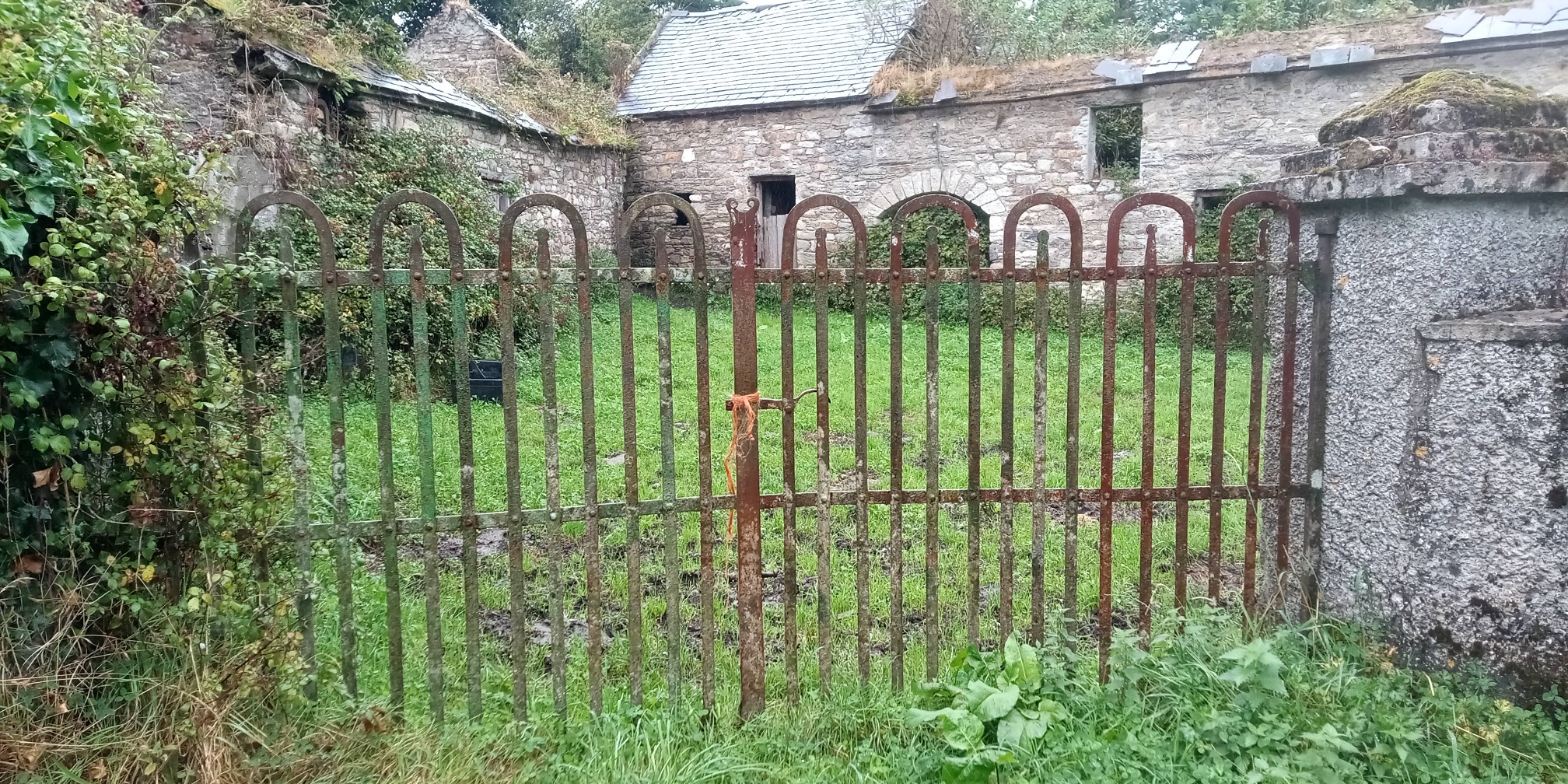
And by evening the yard was empty, and the family stood in a farmyard that had stopped being a farm, in one afternoon, in front of everybody.
What replaced all of that is a listing, a photographer, a logistics company and a payment. It achieves a better price, which matters. It takes several months, during which the place empties gradually and nobody comes.
The field where the crowd would have parked is still there. It is just that nothing now requires anybody to stand in it.
If your family held one, you remember the household tables near the house, and you remember who bought what off them.
And if you only attended one, you remember that you did not bid on anything, and that you went anyway.
Like our content? Follow us for more.